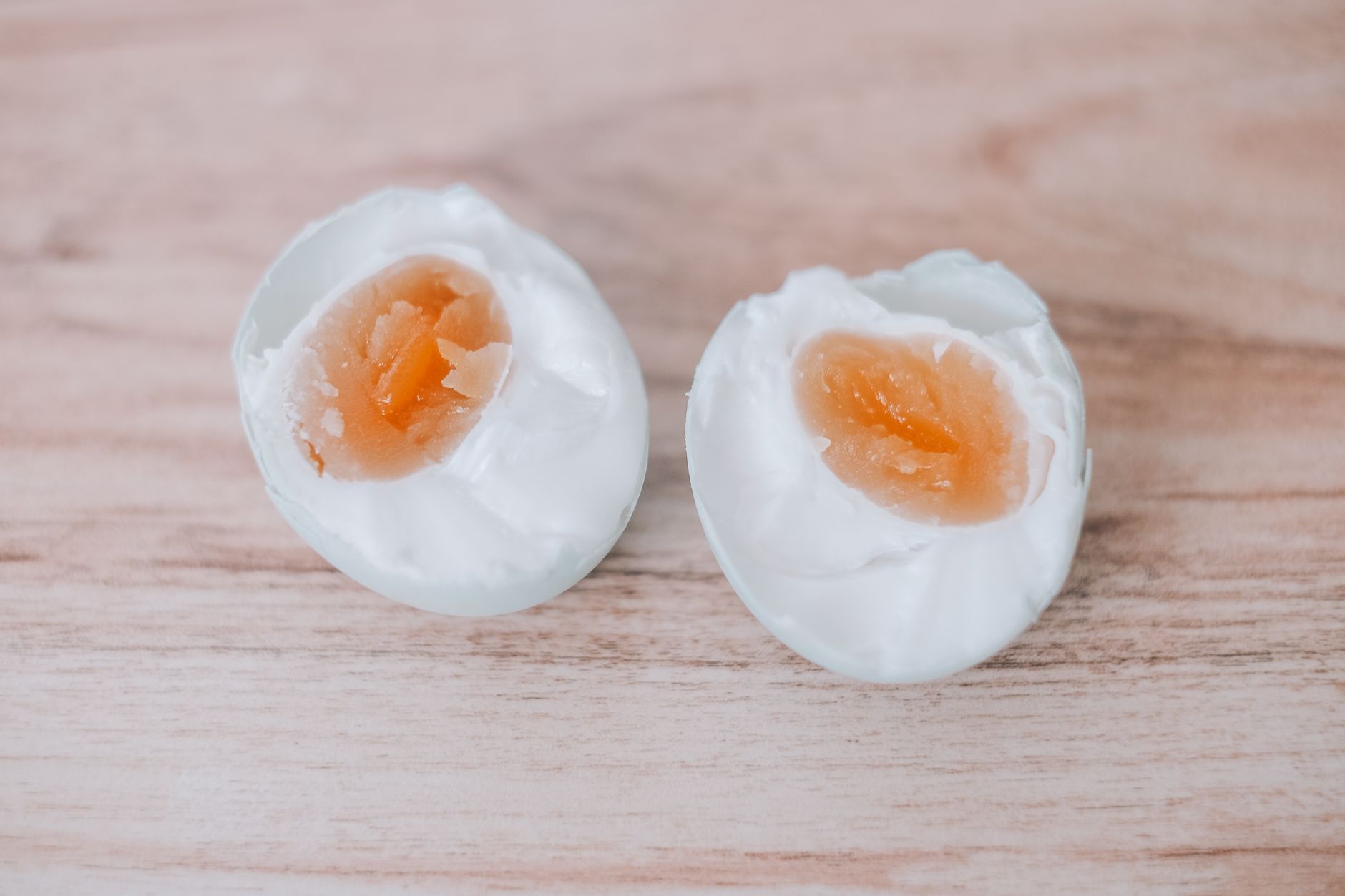
Limit balut during pregnancy. Experts recommend avoiding raw or undercooked balut, especially in the first trimester, due to risk of salmonella and high cholesterol.
By Shubhra Mishra — a mom of two who turned her own confusion during pregnancy into BumpBites, a global mission to make food choices clear, safe, and stress-free for every expecting mother. 💛
Check whether any food is safe during pregnancy with the BumpBites Food Safety Checker.
Quick verdict: ⚠️ Safe with limits. Balut can be eaten during pregnancy if it’s fully cooked and limited to one small egg per week, but you should avoid undercooked or improperly stored eggs, especially in the first trimester.
It’s 2 a.m., you’re scrolling through a recipe site, and the bright photo of a steaming balut catches your eye. Suddenly you wonder, is balut safe during pregnancy? You might have already taken a bite before realizing you were expecting, or you may be planning a late‑night snack and want to know the risk before you crack open the shell. You’re not alone—many expectant parents worry about exotic foods, especially when they’re rich in protein and cholesterol.
In this article we’ll give you a clear, evidence‑based answer to the question “is balut safe during pregnancy,” then walk you through how many eggs you can safely enjoy, what to watch out for in each trimester, and which alternatives satisfy cravings without the same concerns. We’ll also compare fresh versus canned balut, discuss gestational diabetes and cholesterol considerations, and list safer options you can keep on hand. By the end, you’ll know exactly how to enjoy (or avoid) balut with confidence.
First‑trimester worries are especially common because that period marks organ formation, and any foodborne illness feels like a looming threat. If you’ve already eaten balut before confirming your pregnancy, take a breath—most cases of mild undercooking don’t automatically lead to complications, but it’s good to know the signs that warrant a check‑in with your provider. Throughout this guide we’ll point out the red‑flag symptoms you should watch for and give you practical tips for safe preparation and storage.
We’ll also address related questions that often pop up in search engines: “Can I eat balut while breastfeeding?” “How does balut compare nutritionally to a chicken egg?” and “What should I look for on a canned balut label?” Our goal is to give you a one‑stop resource so you can make an informed decision without endless Googling.
Balut is a fertilized duck egg that’s boiled and eaten whole; proper cooking reduces the risk of foodborne illness.
Safety snapshot
Stage
Verdict
Notes
First trimester
⚠️ Safe with limits
Limit to ≤1 egg/week; ensure egg is fully boiled (no runny yolk) to avoid salmonella.
Second trimester
⚠️ Safe with limits
Same portion guidance; can incorporate as part of a balanced protein source.
Third trimester
⚠️ Safe with limits
Maintain portion limits; watch cholesterol intake if you have hyperlipidemia.
Breastfeeding
⚠️ Safe with limits
Fully cooked balut is acceptable; limit to ≤1 egg/week to keep saturated fat moderate.
What is balut?
B
alut is a fertilized duck egg that has been incubated for about 14‑21 days before being boiled or steamed. The embryo at this stage resembles a very young chick, and the egg is eaten whole—shell, white, yolk, and the soft, partially formed bird. The dish is popular in the Philippines, Vietnam, and parts of Southeast Asia, often served with a pinch of salt, vinegar, or chili. Nutritionally, a single 50‑gram balut provides roughly 70 kcal, 6 g protein, 4 g fat (including cholesterol), and a range of micronutrients such as iron, vitamin A, and B‑complex vitamins. Because the embryo is still developing, the egg contains higher levels of certain nutrients—especially iron and protein—than a standard chicken egg, making it an attractive source of prenatal nutrition.
Balut is typically sold fresh at markets or street stalls, but canned or vacuum‑sealed versions also exist for export. The key safety factor is how the egg is cooked and stored. Fresh balut may be sold still warm, but if the temperature drops below 5 °C (41 °F) before consumption, bacterial growth—including Salmonella—can occur. Canned balut undergoes a high‑heat sterilization process, which dramatically reduces bacterial risk, though the texture and flavor differ from the fresh version.
Beyond the culinary realm, balut carries cultural significance. In many Filipino households it is a rite‑of‑passage snack for teenagers and a nostalgic comfort food for adults. When buying balut outside of its native region, look for reputable vendors who can attest to proper incubation and handling practices. Understanding its cultural context can also help you explain your choice to family members who might be unfamiliar with the dish.
Is balut safe during pregnancy?
Current guidance from major health authorities—including the American College of Obstetricians and Gynecologists (ACOG), the UK’s National Health Service (NHS), and the U.S. Food and Drug Administration (FDA)—does not list balun specifically, but it treats it like any other partially incubated egg. The consensus is that pregnant people should avoid undercooked eggs because of the risk of salmonella and other foodborne pathogens. ACOG advises that “all eggs should be cooked until both the white and yolk are firm” (ACOG Committee Opinion No. 723, 2020). The NHS similarly recommends “only eat eggs that are hard‑boiled, fried or scrambled until the yolk is solid” (NHS Food Safety, 2023).
Balut, when prepared correctly, meets these criteria because the egg is boiled for 15‑20 minutes, which typically solidifies the yolk and white. However, the presence of a developing embryo means the interior can sometimes be softer, especially in younger balut (≈14 days). For this reason, most obstetric guidelines suggest treating balut as a “potentially undercooked egg” and limiting consumption to fully solidified specimens.
Research on balut specifically during pregnancy is sparse, but studies on egg‑related salmonella risk provide a solid foundation. The CDC estimates that roughly 1 in 20,000 eggs may be contaminated with Salmonella, and pregnant people are about 20 times more likely to develop severe illness from the bacteria (CDC Food Safety, 2022). Because the stakes are higher in the first trimester—when organ formation (organogenesis) is most vulnerable—the precautionary principle leans toward stricter limits early on.
Salmonella’s ability to cross the placenta means that an infection can lead to premature labor, low‑birth‑weight infants, or, in rare cases, fetal loss. That said, the absolute risk from a single properly cooked balut egg remains low. The most reliable way to protect yourself is to ensure the egg reaches a temperature of at least 71 °C (160 °F) throughout, which kills most pathogenic bacteria.
From a nutrient perspective, balut does provide iron and protein that are beneficial during pregnancy, but those benefits can be obtained from more familiar foods without the same bacterial concerns. If you’re already meeting iron needs through leafy greens, fortified cereals, or prenatal supplements, balut can be considered an occasional treat rather than a nutritional necessity.
In summary, balut is not outright forbidden, but it should be consumed only when fully cooked and in modest amounts. The safest approach is to limit intake to one small egg per week, ensure the egg is boiled until the interior is firm, and choose canned balut only if the label confirms a sterilization process.
Is balut safe to eat in the first trimester?
During the first trimester, the embryo’s organs are forming, and any exposure to foodborne pathogens can increase the risk of miscarriage or congenital infection. The FDA and ACOG both advise pregnant people to be especially careful with eggs and egg products during this period. If you choose to eat balut in the first trimester, make sure the egg is boiled until the yolk is fully set and avoid any balut that appears runny or undercooked. Limiting consumption to no more than one egg per week further reduces any potential risk.
The immune system undergoes subtle changes in early pregnancy, making you slightly more susceptible to bacterial infections. Because salmonella can cause fever and dehydration—both of which are linked to preterm labor—it’s wise to be extra vigilant about proper cooking and storage during the first 12 weeks.
How many balut eggs can a pregnant woman safely consume?
Nutrition experts agree that a single balut egg (≈50 g) provides a modest amount of protein and iron, but it also contributes roughly 200 mg of cholesterol. The safe portion for most pregnant people is therefore ≤ 1 egg per week, spread out over the pregnancy. If you have gestational diabetes, hypertension, or high cholesterol, you may want to limit intake even further—perhaps one egg every two weeks—and balance it with other low‑fat protein sources.
The American Heart Association recommends that pregnant individuals keep dietary cholesterol below 300 mg per day. A single balut egg therefore accounts for two‑thirds of that limit, making moderation essential, especially if your overall diet includes other cholesterol‑rich foods such as meat, dairy, or shellfish.
What are the risks of eating balut during pregnancy?
The primary risks are foodborne illness (especially salmonella) and excessive cholesterol intake. Salmonella infection can cause fever, abdominal cramps, and diarrhea, which in pregnancy may lead to dehydration and, in severe cases, preterm labor. Cholesterol‑rich foods can exacerbate gestational hyperlipidemia, a condition affecting up to 30 % of pregnant people. Both risks are mitigated by thorough cooking, proper storage, and moderation.
Allergic reactions, though uncommon, are another consideration. People with a known duck‑egg or egg‑protein allergy should avoid balut entirely, as cross‑reactivity can trigger hives, swelling, or even anaphylaxis. If you have a history of food allergies, discuss any new food exposures with your obstetric provider before trying balut.
Can I eat balut if I have gestational diabetes?
Balut’s carbohydrate content is low (≈1 g per egg), so it does not significantly raise blood glucose. However, its high protein and fat profile can affect overall caloric intake. If you have gestational diabetes, you can include balut as part of a balanced meal, but keep the portion to one egg per week and pair it with fiber‑rich foods (e.g., vegetables or whole grains) to avoid spikes in blood sugar.
Because gestational diabetes management often relies on carbohydrate counting, the negligible carb load of balut means it can be safely incorporated into a meal plan that emphasizes protein and healthy fats, provided you stay within your overall calorie goals.
Is there a difference in safety between fresh and canned balut for pregnant women?
Yes. Fresh balut relies on proper handling and rapid consumption; any lapse in refrigeration can allow bacterial growth. Canned balut undergoes a high‑temperature sterilization process that virtually eliminates Salmonella, making it a safer option if the can is intact and stored correctly. Nevertheless, canned balut may contain added sodium or preservatives, so read the label and choose low‑sodium varieties when possible.
When inspecting a can, look for a “best‑by” date, a clear indication of “commercially sterilized,” and any statements about added salt. If the can is dented, bulging, or rusted, discard it—those are signs of possible contamination.
How to store and handle balut safely
Proper storage is the first line of defense against foodborne illness. Fresh balut should be kept refrigerated at 4 °C (39 °F) or colder and consumed within 24 hours of purchase. If you’re not eating it immediately, place the eggs in a sealed container to prevent cross‑contamination with other raw foods. When boiling, maintain a rolling boil for at least 15 minutes to ensure the interior reaches a safe temperature.
Canned balut can be stored at room temperature as long as the can remains sealed and undamaged. Once opened, transfer any leftover egg to a covered container and refrigerate, using it within 2‑3 days. Always reheat leftovers to a steaming hot temperature (≥74 °C/165 °F) before serving.
Storage method
Temperature
Maximum storage time
Key safety tip
Fresh balut (unopened)
≤ 4 °C (39 °F)
24 hours
Keep in original packaging; avoid temperature fluctuations.
Fresh balut (after cooking)
≤ 4 °C (39 °F)
3 days
Reheat to ≥ 74 °C (165 °F) before eating.
Canned balut (sealed)
Room temperature, dry place
2 years (check “best‑by”)
Inspect can for dents or bulges before use.
Canned balut (opened)
≤ 4 °C (39 °F)
2‑3 days
Transfer to airtight container; discard if off‑smell.
Balut nutrition compared to other eggs
While balut is often compared to a regular chicken egg, its nutrient profile differs because the embryo has begun to develop. Below is a quick side‑by‑side look at a 50‑gram serving of balut, a standard large chicken egg (≈50 g), and a duck egg (≈70 g). All values are approximate and can vary by brand or preparation method.
Nutrient
Balut (50 g)
Chicken egg (large)
Duck egg (70 g)
Calories
70 kcal
72 kcal
130 kcal
Protein
6 g
6.3 g
9 g
Fat
4 g
5 g
9 g
Cholesterol
200 mg
186 mg
300 mg
Iron
1.2 mg
0.9 mg
1.5 mg
Vitamin A
150 IU
64 IU
200 IU
Sodium (canned balut)
≈ 210 mg
≈ 70 mg
≈ 80 mg
Balut’s iron content is slightly higher than a chicken egg, which can be helpful for preventing iron‑deficiency anemia—a common concern in pregnancy. However, its cholesterol and sodium (particularly in canned varieties) are also higher, reinforcing the recommendation to treat it as an occasional treat rather than a daily staple.
Balut offers more iron than a chicken egg but also more cholesterol and sodium.
Side effects and risks
Most side effects are mild and stem from over‑consumption of cholesterol or sodium. You may experience:
Temporary digestive discomfort (bloating, gas) if you eat more than the recommended amount.
Elevated LDL cholesterol levels if you consume balut more than once a week over several months.
Signs of foodborne illness such as fever, abdominal cramps, vomiting, or watery diarrhea—these require prompt medical attention.
Because salmonella can cross the placenta, any symptoms of severe gastrointestinal upset should prompt a call to your provider.
Safer alternatives
Hard‑boiled eggs – no risk of undercooking; provides comparable protein.
Cooked chicken broth – warm and safe when simmered for ≥10 minutes.
Steamed tofu – plant‑based protein without cholesterol.
Cooked lentils – high in folate and iron, safe for all trimesters.
Pasteurized soft cheese – safe dairy option when labeled pasteurized.
Cooked shrimp – protein and iodine, safe after thorough cooking.
Related items — safety at a glance
Item
Verdict
One‑line note
Duck egg
⚠️ Safe with limits
Treat like regular eggs; fully cook to avoid salmonella.
Quail egg
⚠️ Safe with limits
Smaller size but same bacterial risk; cook until firm.
Chicken egg
✅ Generally safe
Hard‑boiled or thoroughly scrambled are low‑risk.
Century egg
❌ Best avoided
Preserved alkaline process leaves egg partially raw; not recommended.
Bird's nest soup
⚠️ Talk to your doctor first
Often contains raw or lightly cooked ingredients; check processing.
Caviar
⚠️ Safe with limits
Usually pasteurized; watch sodium content.
Soft‑boiled eggs
⚠️ Safe with limits
Yolk should be fully set; otherwise risk similar to undercooked eggs.
Egg drop soup
✅ Generally safe
Eggs are fully cooked in broth; low bacterial risk.
Myth vs. fact
Myth: Balut is a “superfood” that guarantees extra nutrients for the baby.
Fact: While balut does contain iron and protein, a balanced diet with a variety of foods provides the same nutrients without the added bacterial risk.
Myth: Canned balut is completely risk‑free.
Fact: Canning reduces bacterial contamination, but you still need to watch sodium levels and ensure the can isn’t damaged.
Myth: If you feel fine after eating balut, it’s automatically safe.
Fact: Some foodborne illnesses have an incubation period of 12‑48 hours; symptoms may appear after you’ve already eaten the egg.
Key takeaways
Balut can be eaten during pregnancy if fully boiled and limited to ≤ 1 egg per week.
First‑trimester caution: ensure the yolk is completely set to minimize salmonella risk.
Fresh balut requires strict refrigeration; canned balut is safer but watch sodium.
Women with gestational diabetes or high cholesterol should treat balut as an occasional treat.
If you experience fever, vomiting, or diarrhea after eating balut, contact your provider promptly.
Frequently asked questions
Can pregnant women eat balut?
Yes, pregnant women can eat balut provided it is fully boiled and consumed in moderation (≤ 1 egg per week). The key is to avoid any runny yolk and to ensure proper storage.
What are the benefits of balut during pregnancy?
Balut offers a good source of protein, iron, and B‑vitamins, which support fetal growth and maternal energy levels. However, these benefits can also be obtained from safer, more widely available foods such as hard‑boiled eggs or cooked lentils.
Is balut high in cholesterol?
Yes, a single balut egg contains approximately 200 mg of cholesterol, representing about two‑thirds of the recommended daily limit for pregnant individuals. If you have high cholesterol, limit balut to no more than one egg per month.
How should balut be prepared to be safe for pregnant women?
Balut should be boiled for at least 15 minutes until both the white and yolk are firm. Avoid any egg that feels soft or has a runny center, and discard if the shell appears cracked or the egg smells off.
What are the signs of food poisoning from balut in pregnancy?
Typical signs include fever, abdominal cramps, nausea, vomiting, and watery diarrhea. If you develop any of these symptoms within 12‑48 hours after eating balut, contact your healthcare provider right away.
Can I eat balut if I have a food allergy?
If you are allergic to duck or egg proteins, you should avoid balut entirely, as it contains both. Cross‑reactivity can trigger severe reactions, so discuss any known allergies with your provider before trying balut.
Is canned balut safer than fresh balut for pregnant women?
Canned balut undergoes sterilization, which greatly reduces bacterial risk, making it a safer option than fresh balut when the can is intact and stored properly. Still, keep portion limits the same and watch for added sodium.
Can I freeze balut for later use?
Yes, you can freeze both fresh and canned balut. For fresh balut, place the boiled eggs in airtight freezer bags and use within 2 months; thaw in the refrigerator and reheat to ≥ 74 °C (165 °F) before eating.
What should I look for on the label of canned balut?
Look for statements such as “commercially sterilized,” a clear “best‑by” date, and low‑sodium claims. Avoid cans that list added sugars or excessive preservatives, and never consume a can that is dented, bulging, or rusted.
When to call your doctor
If you notice any of the following after eating balut, seek medical attention promptly:
Fever ≥ 38 °C (100.4 °F) lasting more than 24 hours.
Severe abdominal cramps or persistent vomiting.
Watery diarrhea lasting > 2 days or accompanied by blood.
Signs of dehydration (dry mouth, dizziness, reduced urine output).
Unusual swelling or shortness of breath, which could indicate a reaction.
These symptoms may indicate salmonella infection or another foodborne illness that can affect both you and your baby. Remember, this article provides general information and is not a substitute for personalized medical advice. Always discuss your diet and any concerns with your obstetric provider.
References
American College of Obstetricians and Gynecologists. Committee Opinion No. 723: Nutrition During Pregnancy. 2020.
National Health Service (NHS). Food safety for pregnant women. Updated 2023.
U.S. Food and Drug Administration (FDA). Food Safety and the Types of Foodborne Illnesses. 2022.
Centers for Disease Control and Prevention (CDC). Salmonella and Food Safety. 2022.
World Health Organization (WHO). Guidelines on Food Safety for Pregnant Women. 2021.
American Diabetes Association. Gestational Diabetes Management. 2023.
National Institute for Health and Care Excellence (NICE). Hyperlipidaemia in pregnancy. 2021.
American Heart Association. Dietary Cholesterol Recommendations. 2022.
Not sure about the label on Is Balut Safe During Pregnancy products?
Snap the ingredients list and SafeFilter checks every ingredient for your stage — only 3 free scans this month, then you're locked until reset. Unlimited from $7/mo or $50/yr.
When Shubhra Mishra was expecting her first child in 2016, she was overwhelmed by conflicting food advice — one site said yes, another said never. By the time her second baby arrived in 2019, she realized millions of mothers face the same confusion.
That sparked a five-year journey through clinical nutrition papers, cultural diets, and expert conversations — all leading to BumpBites: a calm, compassionate space where science meets everyday motherhood.
Her long-term vision is to build a global community ensuring safe, supported, and free deliveriesfor every mother — because no woman should face pregnancy alone or uninformed. 🌿
🌍 Stand with mothers, shape safer guidance
Join a small circle of experts who review BumpBites articles so expecting parents everywhere can decide with confidence.