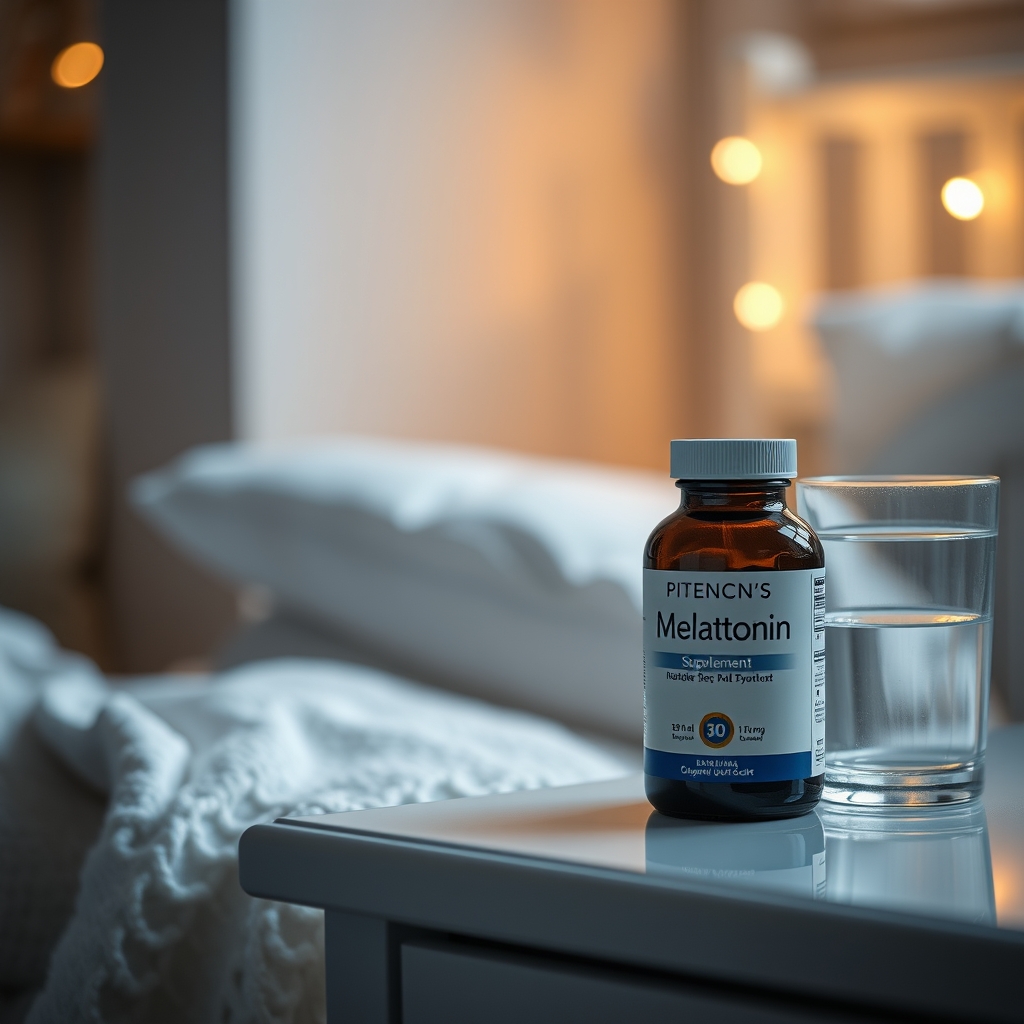
Avoid baby melatonin during pregnancy. Experts warn against its use, especially in the first trimester, due to limited safety data and potential risks to fetal development.
By Shubhra Mishra — a mom of two who turned her own confusion during pregnancy into BumpBites, a global mission to make food choices clear, safe, and stress-free for every expecting mother. 💛
Check whether any food is safe during pregnancy with the BumpBites Food Safety Checker.
Quick verdict: ⚠️ Talk to your doctor first. Melatonin is not routinely recommended for infants, and there is not enough evidence to declare it safe during pregnancy or for newborn use. If you’re considering it, discuss the potential risks and alternatives with your healthcare provider.
It’s common to feel a flutter of anxiety the moment you discover a product like melatonin on a shelf and wonder, “is baby melatonin safe for baby?” Whether you’re a first‑time parent who just learned you’re pregnant, or a caregiver who has already given a tiny dose to a sleepy infant, the question deserves a clear, evidence‑based answer.
In short, melatonin is a hormone that helps regulate sleep‑wake cycles in adults, but its safety profile for babies—especially when taken during pregnancy or while breastfeeding—is not well‑established. Most obstetric and pediatric authorities, including the American College of Obstetricians and Gynecologists (ACOG) and the UK’s National Health Service (NHS), advise caution and typically recommend against routine use.
Below you’ll find a concise safety snapshot, a deep dive into what melatonin is, how it works, the current guidance for pregnant people and infants, dosage considerations, potential side effects, safer sleep‑support alternatives, and answers to the most common follow‑up questions. We’ve also compiled a quick‑reference table of related items and myth‑busting facts to help you feel confident in your next steps.
Stage
Verdict
Notes
First trimester
❌ Best avoided
Limited data; organ development most vulnerable.
Second trimester
⚠️ Talk to your doctor
Potential hormonal effects; no established safe dose.
Third trimester
⚠️ Talk to your doctor
Possible impact on fetal sleep‑wake regulation.
Breastfeeding
⚠️ Use with caution
Melatonin passes into breast milk; limited infant safety data.
Melatonin is a naturally occurring hormone produced by the pineal gland in the brain. Its primary role is to signal darkness to the body, prompting the onset of sleep. In adults, supplemental melatonin is often used to combat jet lag, shift‑work fatigue, or occasional insomnia. The hormone works by binding to melatonin receptors (MT1 and MT2) in the suprachiasmatic nucleus, the body’s master clock, thereby shifting circadian rhythms.
For babies, the sleep‑wake system is still maturing. Newborns do not have a fully established circadian rhythm until roughly 3‑4 months of age, and their melatonin production is minimal. Parents sometimes turn to melatonin hoping to “reset” a baby’s sleep pattern, but the science behind that practice is sparse. Unlike adults, infants lack the metabolic pathways to process external melatonin reliably, and the long‑term impact of supplementing this hormone in early life is unknown.
Is melatonin safe for babies during pregnancy?
Current guidance from ACOG and the NHS states that melatonin should not be used routinely during pregnancy because safety data are insufficient. The FDA has not approved melatonin for any indication in pregnant people, and the agency classifies it as a dietary supplement, which means it is not subject to the same rigorous testing as prescription medications. Studies in animal models have shown that high doses can affect fetal brain development, but human data are limited.
Because the first trimester is the period of organogenesis—the time when the baby’s major organs form—most clinicians advise complete avoidance of melatonin during this window. In the second and third trimesters, some specialists may consider a low dose if a pregnant person has a documented sleep disorder, but only after a thorough risk‑benefit discussion.
In short, the answer to “is baby melatonin safe for baby?” is that it is not considered safe by standard obstetric guidelines, and any use should be under direct medical supervision.
Can you give melatonin to a baby in the first trimester?
The term “first trimester” typically refers to the first 12 weeks of pregnancy, a critical window for organ formation. During this period, melatonin supplementation is discouraged because there is no established safe dose and the potential for hormonal disruption exists. Even though melatonin is a naturally occurring hormone, giving it to a fetus can theoretically interfere with the developing circadian system.
Professional societies such as ACOG recommend avoiding any non‑essential supplements, including melatonin, during the first trimester. If a pregnant person has severe insomnia, the preferred approach is to explore behavioral sleep hygiene, relaxation techniques, or, in rare cases, medication that has a well‑documented safety profile in pregnancy.
What is a safe dose of melatonin for infants?
There is no universally accepted “safe dose” of melatonin for infants. Research studies that have examined melatonin in newborns used doses ranging from 0.5 mg to 3 mg, but these were small, short‑term trials aimed at specific medical conditions and were conducted under strict medical supervision. The American Academy of Pediatrics (AAP) does not endorse any routine dosing for healthy infants.
Because the infant’s liver and kidneys are still maturing, the metabolism of melatonin can be unpredictable. The safest approach is to avoid giving melatonin to babies unless a pediatric specialist has prescribed it for a specific, medically‑indicated reason, and even then, the dose will be individualized.
Alternatives to melatonin for baby sleep
Lullaby Earth Crib Mattress – Provides a firm, breathable surface that promotes natural sleep posture.
Happiest Baby SNOO Smart Sleeper – Uses gentle rocking and white‑noise to soothe newborns without medication.
BabyBjorn Sleepy Balance – A ergonomic bassinet that mimics the womb’s motion.
Graco Dream Suite Bassinet – Features a built‑in nightlight and soothing vibrations.
Fisher‑Price Soothing Motions Bassinet – Offers multiple motion settings and a calming sound library.
Baby Merlin Magic Sleep Suit – A wearable blanket that promotes consistent temperature.
Is Natrol melatonin safe for babies?
Natrol is a popular adult melatonin brand, but its formulation is not intended for infants. The product contains gelatin capsules and dosage strengths (typically 1 mg–10 mg) far exceeding what any infant could safely handle. Neither the FDA nor pediatric societies endorse Natrol—or any adult melatonin product—for use in babies. If you have a Natrol bottle at home, keep it out of reach of children and discuss any accidental exposure with a pediatrician immediately.
What are the risks of giving melatonin to a newborn?
Potential risks include:
Disruption of the developing circadian rhythm, possibly leading to long‑term sleep‑wake irregularities.
Excessive sedation, which can reduce feeding frequency and affect weight gain.
Allergic reactions to inactive ingredients such as gelatin or artificial colors.
Interaction with other medications, especially those that also affect the central nervous system.
Because newborns have limited ability to clear substances, even a small excess can cause prolonged effects. Most of the reported adverse events are mild (e.g., drowsiness), but serious concerns—like respiratory depression—have been noted in isolated case reports.
Can babies with reflux take melatonin?
Gastroesophageal reflux disease (GERD) is common in infants, and some parents wonder if melatonin could soothe nighttime discomfort. There is no evidence that melatonin alleviates reflux symptoms, and the hormone’s sedative properties could actually worsen reflux by relaxing the lower esophageal sphincter. Pediatric gastroenterologists usually recommend positioning strategies, thickened feeds, or, in severe cases, prescription medications that have established safety data.
Is baby melatonin safe for premature infants?
Premature infants (<37 weeks gestation) are especially vulnerable because their organ systems are still developing. The limited research that exists on melatonin in preterm babies focuses on neuroprotective effects in a clinical trial setting, where the drug is administered under strict monitoring. Outside of such trials, routine use is not recommended. ACOG and the American Academy of Pediatrics advise against giving melatonin to premature infants unless it is part of a research protocol.
What are the side effects of melatonin in babies?
Reported side effects in infants include:
Drowsiness or excessive sleepiness.
Changes in feeding patterns (reduced appetite).
Irritability or paradoxical agitation.
Rarely, mild skin rash from inactive ingredients.
If any of these symptoms appear, especially severe drowsiness or feeding difficulties, contact a pediatrician promptly.
Safe dosage / amount / brands
Because no standard dose exists for healthy infants, the safest recommendation is “no dose unless prescribed.” If a pediatrician does prescribe melatonin, they will typically start with the lowest possible amount—often 0.5 mg given once at bedtime—and adjust based on response and weight.
Product/Brand
Recommended infant dose (if prescribed)
Notes
Prescription melatonin (compounded)
0.5 mg (or less) once nightly
Only under specialist supervision.
Natrol melatonin (adult)
❌ Not recommended for infants
Contains gelatin capsules and higher strengths.
Other over‑the‑counter melatonin
❌ Not recommended for infants
Formulations not designed for infant metabolism.
Side effects and risks
Most side effects are mild, but the stakes are higher in infants. Annoying but not dangerous symptoms include slight grogginess in the morning or a brief period of irritability after dosing. Potentially dangerous signs that warrant immediate medical attention are:
Profound lethargy that prevents feeding.
Difficulty breathing or unusual pauses in breathing.
Persistent vomiting or diarrhea.
Any rash or swelling indicating an allergic reaction.
If you notice any of these, call your pediatrician or go to the nearest emergency department.
When you’re tempted to reach for melatonin, consider non‑pharmacologic sleep tools first.
Safer alternatives
Lullaby Earth Crib Mattress – A supportive, breathable mattress helps maintain a comfortable temperature, encouraging natural sleep.
Happiest Baby SNOO Smart Sleeper – Combines gentle rocking and white‑noise to soothe babies without medication.
BabyBjorn Sleepy Balance – Provides a motion‑based environment that mimics the womb.
Graco Dream Suite Bassinet – Includes a nightlight and soothing vibrations for a calm bedtime.
SwaddleMe Original Swaddle – Helps reduce the startle reflex, promoting longer sleep stretches.
Baby Merlin Magic Sleep Suit – Regulates temperature and provides a gentle, comforting hug.
Related items — safety at a glance
Item
Verdict
One‑line note
Tylenol for Babies
✅ Generally safe
Acetaminophen is widely used for pain/fever when dosed per weight.
Benadryl for Infants
⚠️ Use with caution
Diphenhydramine can cause drowsiness; only for specific indications.
Advil for Babies
❌ Best avoided
Ibuprofen is not recommended for infants under 6 months.
Unisom for Pregnancy
⚠️ Talk to your doctor
Contains diphenhydramine; safety data limited in pregnancy.
Dramamine for Kids
⚠️ Use with caution
Meclizine may be used for motion sickness, but discuss with provider.
Zantac for Infants
⚠️ Talk to your doctor
Ranitidine has been withdrawn in many countries; alternatives preferred.
Simethicone for Gas
✅ Generally safe
Often recommended for infant colic; minimal systemic absorption.
Myth vs. fact
Myth: “Melatonin is a natural hormone, so it’s automatically safe for babies.”
Fact: Natural does not equal safe; infants lack the metabolic capacity to process supplemental melatonin, and clinical data are insufficient.
Myth: “A tiny dose of adult melatonin won’t hurt my newborn.”
Fact: Even low adult doses can exceed an infant’s therapeutic window, leading to unpredictable sedation or hormonal disruption.
Myth: “If melatonin helps mom sleep, it will help baby sleep too.”
Fact: Maternal melatonin does not reliably transfer to the infant in a way that improves the baby’s sleep patterns.
Key takeaways
There is no established safe dose of melatonin for infants; routine use is not recommended.
During pregnancy, especially the first trimester, melatonin should be avoided unless a specialist prescribes it.
Potential side effects include excessive sleepiness, feeding changes, and rare allergic reactions.
If melatonin is deemed necessary, it should be prescribed at the lowest possible dose and monitored closely.
Non‑pharmacologic sleep tools—like the SNOO Smart Sleeper or SwaddleMe—offer safer ways to improve baby sleep.
Always discuss any supplement, medication, or sleep aid with your obstetrician or pediatrician before use.
Frequently asked questions
Can I give my baby melatonin for sleep?
In most cases, no. Routine melatonin supplementation is not recommended for infants because safety data are lacking and the infant’s sleep system is still developing.
What are the side effects of melatonin in infants?
Common side effects include drowsiness, altered feeding patterns, and mild irritability; severe reactions such as pronounced lethargy or breathing issues require immediate medical attention.
How much melatonin can I give to my baby?
There is no universally accepted dose; if a pediatric specialist prescribes melatonin, it is usually 0.5 mg or less once nightly, tailored to the child’s weight and condition.
Is melatonin safe for newborns?
Current guidelines advise against routine use in newborns; the hormone’s impact on a developing circadian system is not well understood.
Can babies take melatonin with other medications?
Melatonin can interact with other sedatives or medications that affect the central nervous system; always consult a healthcare provider before combining it with any drug.
What are the benefits of melatonin for baby sleep?
While melatonin can promote sleep onset in adults, evidence for meaningful benefits in infants is minimal, and any potential advantage must be weighed against unknown risks.
How long can I give my baby melatonin?
Long‑term use is not advised; if melatonin is used under medical supervision, the duration should be limited to the shortest period necessary to address a specific sleep disorder.
Can I use adult melatonin for my baby?
No. Adult formulations contain higher doses and inactive ingredients not suitable for infants; using them can lead to overdose and adverse effects.
Swaddling and a consistent bedtime routine often work better than supplements.
When to call your doctor
If your baby shows any of the following after melatonin exposure, seek medical care promptly:
Extreme drowsiness that interferes with feeding.
Difficulty breathing, pauses in breathing, or bluish lips.
Persistent vomiting, diarrhea, or refusal to eat.
Rash, swelling, or signs of an allergic reaction.
Any sudden change in behavior or alertness.
Even if symptoms seem mild, it’s wise to call your pediatrician to discuss the exposure and get personalized guidance. This article provides general information and is not a substitute for professional medical advice.
References
American College of Obstetricians and Gynecologists. “Guidelines for Use of Supplements During Pregnancy.” ACOG Committee Opinion, 2022.
National Health Service (UK). “Melatonin and Pregnancy.” NHS website, updated 2023.
U.S. Food and Drug Administration. “Dietary Supplement Labeling Guide.” FDA, 2021.
American Academy of Pediatrics. “Medication Use in Infants and Young Children.” AAP Clinical Report, 2020.
Centers for Disease Control and Prevention. “Sleep Health in Children.” CDC, 2022.
World Health Organization. “Guidelines on Infant Nutrition and Supplement Use.” WHO, 2021.
National Institute for Health and Care Excellence (NICE). “Managing Sleep Problems in Children.” NICE guideline NG134, 2023.
Mayo Clinic. “Melatonin: Uses, Side Effects, Interactions.” Mayo Clinic, 2023.
Not sure about the label on Is Baby Melatonin Safe For Baby products?
Snap the ingredients list and SafeFilter checks every ingredient for your stage — only 3 free scans this month, then you're locked until reset. Unlimited from $7/mo or $50/yr.
When Shubhra Mishra was expecting her first child in 2016, she was overwhelmed by conflicting food advice — one site said yes, another said never. By the time her second baby arrived in 2019, she realized millions of mothers face the same confusion.
That sparked a five-year journey through clinical nutrition papers, cultural diets, and expert conversations — all leading to BumpBites: a calm, compassionate space where science meets everyday motherhood.
Her long-term vision is to build a global community ensuring safe, supported, and free deliveriesfor every mother — because no woman should face pregnancy alone or uninformed. 🌿
🌍 Stand with mothers, shape safer guidance
Join a small circle of experts who review BumpBites articles so expecting parents everywhere can decide with confidence.