

Quick verdict: ⚠️ Gripe water is generally considered safe for babies over 1 month old when used as directed and from a reputable brand, but it’s not regulated by the FDA and may contain ingredients that aren’t proven to help colic. Most pediatricians recommend trying non-medicinal remedies first, like burping, bicycle legs, or probiotics, before turning to gripe water. If you choose to use it, always check with your pediatrician first, especially for newborns or babies with medical conditions.
You’re up at 2 a.m., pacing the nursery with a fussy baby who just won’t stop crying. You’ve tried feeding, burping, swaddling, and shushing—nothing works. Then you remember: gripe water. That little bottle your friend swore by, the one that promises to soothe colic and gas in minutes. But now you’re Googling at full speed, heart pounding: is baby gripe water safe for baby? Did you just make a mistake by giving it a try?
Take a deep breath. You’re not alone—this is one of the most common questions new parents ask, and the answer isn’t as simple as “yes” or “no.” Gripe water has been around for over a century, but it’s not a magic fix, and not all brands are created equal. Some contain alcohol, artificial flavors, or herbs that haven’t been studied in infants. Others are alcohol-free and made with natural ingredients, but even those aren’t regulated like medications. So how do you know what’s safe?
In this guide, we’ll break down everything you need to know: what gripe water actually is, whether it’s safe for your baby (and at what age), how much to give, which brands to trust, and—most importantly—what to do if your little one is still struggling with gas or colic. We’ll also cover safer alternatives that many pediatricians recommend first, so you can make the best choice for your baby without the 3 a.m. panic.
| Age/Stage | Verdict | Notes |
|---|---|---|
| Newborn (0-1 month) | ❌ Avoid | Most pediatricians recommend waiting until at least 1 month old, as newborns have immature digestive systems and may react poorly to ingredients like herbs or sodium bicarbonate. |
| 1-3 months | ⚠️ Safe with caution | Can be used if approved by your pediatrician, but stick to alcohol-free, sugar-free brands. Always follow dosage instructions carefully. |
| 4-6 months | ✅ Generally safe | Most babies tolerate gripe water well at this age, but it’s still not a first-line remedy. Try non-medicinal methods first. |
| 6+ months | ✅ Generally safe | By this age, gripe water is unlikely to cause harm, but it’s rarely needed as babies’ digestive systems mature. |
| Breastfeeding babies | ✅ Safe | Gripe water doesn’t pass into breast milk in significant amounts, so it’s safe for nursing babies if used as directed. |
What is gripe water?
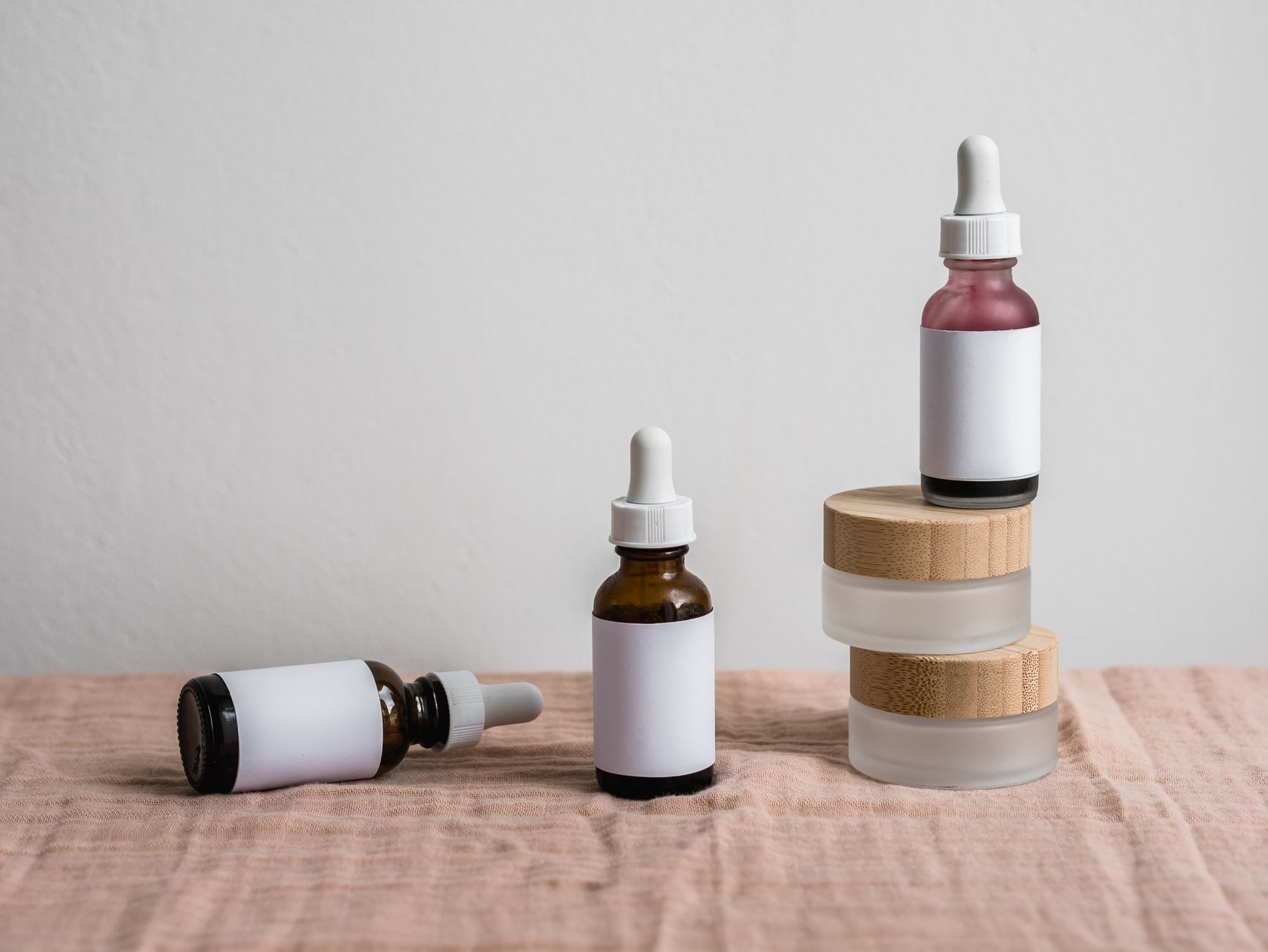
Gripe water is an over-the-counter liquid remedy marketed to relieve infant colic, gas, and stomach discomfort. It’s been used for generations—originally created in the 1850s by an English pharmacist—but its formula has evolved over time. Traditional gripe water contained alcohol, sugar, and herbs like dill, fennel, and ginger, which were believed to soothe digestion. Today, most gripe waters are alcohol-free and sugar-free, but ingredients vary widely by brand.
So what’s actually in it? Common ingredients include:
- Sodium bicarbonate (baking soda): Neutralizes stomach acid, which may help with gas.
- Herbal extracts: Fennel, ginger, chamomile, dill, or lemon balm—all thought to ease digestion.
- Glycerin or agave: Used as a sweetener (some brands still use sugar, which isn’t ideal for babies).
- Preservatives: Like potassium sorbate or citric acid to extend shelf life.
- Water: The base of the formula.
Despite its long history, gripe water isn’t regulated by the FDA as a medication. That means there’s no standardized formula, and manufacturers aren’t required to prove it’s effective or safe for babies. This is why it’s so important to choose a reputable brand—and why many pediatricians recommend trying other remedies first.
Is gripe water safe for babies?
Here’s what the experts say:
- American Academy of Pediatrics (AAP): The AAP doesn’t recommend gripe water, noting that there’s no proof it helps colic. They suggest trying other methods first, like burping, tummy time, or probiotics.
- FDA: Gripe water isn’t approved or regulated by the FDA, so there’s no guarantee of safety or effectiveness. The FDA has issued warnings in the past about gripe waters containing alcohol or unapproved ingredients.
- Pediatricians: Many pediatricians will tell you gripe water is fine in moderation, but they’ll also warn you to avoid brands with alcohol, sugar, or artificial flavors. Some prefer simethicone drops (like Mylicon) for gas, as they’re FDA-approved and have been studied more extensively.
So why do some parents still use it? Anecdotally, gripe water seems to help some babies—possibly because the act of giving it (and the soothing motion of the dropper) distracts them, or because the herbs or sodium bicarbonate provide mild relief. But it’s not a cure-all, and it’s not right for every baby. If your little one has reflux, allergies, or other medical conditions, gripe water could do more harm than good.
The bottom line: is baby gripe water safe for baby? It can be, but it’s not a first-line remedy. Always check with your pediatrician before giving it to your baby, especially if they’re under 1 month old or have health concerns.
Is gripe water safe for newborns in the first month?
No—most pediatricians recommend avoiding gripe water for newborns under 1 month old. Here’s why:
- Immature digestive system: Newborns are still developing their gut bacteria and digestive enzymes, and introducing herbs or sodium bicarbonate too early could disrupt this process.
- Risk of allergies: Some babies may be sensitive to herbal ingredients like fennel or chamomile, which could cause an allergic reaction.
- Dosage concerns: Newborns are tiny, and even a small amount of gripe water could be too much for their system. Most brands don’t provide dosage instructions for babies under 1 month.
- Alcohol or sugar: Some older or less reputable brands still contain alcohol or sugar, which are unsafe for newborns.
If your newborn is struggling with gas or colic, try these safer alternatives first:
- Burp them frequently during and after feeds.
- Hold them upright for 20-30 minutes after eating to help gas escape.
- Try bicycle leg exercises or gentle tummy massages.
- Use a pacifier to soothe them (sucking can help relieve gas).
- If you’re breastfeeding, consider adjusting your diet to rule out food sensitivities (common culprits include dairy, caffeine, and gas-producing veggies like broccoli or cabbage).
If your baby is still fussy after trying these methods, talk to your pediatrician before giving gripe water. They may recommend simethicone drops (like Mylicon) or other safe remedies for newborns.
1-3 months: Safe with caution
Once your baby is 1 month old, gripe water is generally considered safe if used sparingly and from a reputable brand. However, it’s still not a first-line remedy. Here’s what to keep in mind:
- Choose an alcohol-free, sugar-free brand: Look for gripe waters with simple, natural ingredients like fennel, ginger, or chamomile. Avoid brands with artificial flavors, colors, or preservatives.
- Follow dosage instructions carefully: Most brands recommend 1-2 droppersful (about 1-2 mL) per dose, up to 6 times a day. Never exceed the recommended amount.
- Watch for side effects: Some babies may experience mild diarrhea, constipation, or allergic reactions (like rash or vomiting). If you notice any of these, stop using gripe water and call your pediatrician.
- Don’t use it as a daily remedy: Gripe water is meant for occasional use, not as a long-term solution. If your baby is frequently fussy or gassy, talk to your pediatrician about other options.
4-6 months: Generally safe
By 4 months old, most babies tolerate gripe water well, and the risk of side effects is lower. Their digestive systems are more mature, and they’re less likely to react poorly to herbal ingredients. That said, gripe water is still not a first-line remedy—it’s best used as a last resort after trying other methods.
Here’s what to keep in mind for this age group:
- Dosage may increase slightly: Some brands allow up to 3 droppersful (about 3 mL) per dose for babies over 4 months, but always check the label.
- Still avoid alcohol and sugar: Even at this age, it’s best to stick with alcohol-free, sugar-free brands.
- Watch for overuse: If you find yourself reaching for gripe water daily, it’s time to talk to your pediatrician about other solutions, like probiotics or dietary changes.
6+ months: Safe but rarely needed
By 6 months old, most babies have outgrown their colic and gas issues, and their digestive systems are much more mature. Gripe water is generally safe at this age, but it’s rarely needed. If your baby is still struggling with gas or fussiness, it’s worth exploring other causes, like teething, hunger, or sleep issues.
If you do use gripe water for a 6+ month old, follow the same guidelines as for younger babies: choose a reputable brand, follow dosage instructions, and watch for side effects.
Breastfeeding babies
Gripe water is safe for breastfeeding babies when used as directed. The ingredients in gripe water don’t pass into breast milk in significant amounts, so they won’t affect your baby’s feeding or digestion. However, some babies may become less interested in nursing if they’re given gripe water too frequently, as the sweet taste can temporarily reduce their appetite.
If you’re breastfeeding and considering gripe water, here are a few tips:
- Try dietary changes first: If your baby is gassy or fussy, try eliminating common irritants from your diet, like dairy, caffeine, or gas-producing foods.
- Give gripe water after feeds: This can help prevent your baby from filling up on gripe water instead of breast milk.
- Watch for overuse: If you’re giving gripe water more than a few times a week, talk to your pediatrician about other options.
What is the recommended dosage of gripe water for a 3-month-old baby?
The recommended dosage of gripe water depends on the brand, but most suggest 1-2 droppersful (about 1-2 mL) per dose for a 3-month-old baby. Here’s a general guideline for popular brands:
| Brand | Recommended Dosage | Max Doses per Day |
|---|---|---|
| Little Remedies Gripe Water | 1 dropperful (1 mL) | Up to 6 times |
| Mommy’s Bliss Gripe Water | 1-2 droppersful (1-2 mL) | Up to 6 times |
| Wellements Organic Gripe Water | 1 dropperful (1 mL) | Up to 4 times |
| Colic Calm | 1/2 to 1 teaspoon (2.5-5 mL) | Up to 4 times |
| Zarbee’s Naturals Baby Gripe Water | 1 dropperful (1 mL) | Up to 6 times |
Always check the label on your specific brand, as dosages can vary. Here are a few key tips for giving gripe water safely:
- Use the dropper provided: Most gripe water bottles come with a dropper for accurate dosing. Don’t use a regular spoon, as it’s easy to overpour.
- Give it slowly: Squirt the gripe water into the side of your baby’s mouth to prevent choking.
- Don’t mix it with formula or breast milk: This can dilute the gripe water and make it less effective. Give it separately, either before or after feeds.
- Wait 30 minutes between doses: If your baby is still fussy, you can give another dose after 30 minutes, but don’t exceed the maximum daily amount.
- Don’t use it as a sleep aid: Gripe water isn’t meant to help babies sleep, and overusing it could lead to dependence or side effects.
If you’re unsure about the dosage, call your pediatrician. They can help you determine the right amount for your baby’s age and weight.
Are there any side effects of using gripe water for infant colic?
Gripe water is generally safe when used as directed, but it can cause side effects in some babies. The most common ones are mild, but others can be more serious. Here’s what to watch for:
Common side effects
- Diarrhea: Some babies may experience loose stools after taking gripe water, especially if it contains herbal ingredients like fennel or ginger, which can have a mild laxative effect.
- Constipation: On the flip side, some babies may become constipated, particularly if the gripe water contains sodium bicarbonate, which can neutralize stomach acid and slow digestion.
- Allergic reactions: Herbal ingredients like chamomile, fennel, or dill can cause allergic reactions in some babies. Signs include rash, hives, swelling, or vomiting. If you notice any of these, stop using gripe water and call your pediatrician.
- Gas or bloating: Ironically, gripe water can sometimes make gas worse, especially if your baby is sensitive to the ingredients.
- Drowsiness: Some gripe waters contain herbs like chamomile, which can have a mild sedative effect. This isn’t necessarily harmful, but it’s not ideal if your baby becomes overly sleepy.
Serious side effects (rare but possible)
- Vomiting: If your baby vomits after taking gripe water, it could be a sign of an allergic reaction or an upset stomach. Stop using it and call your pediatrician.
- Choking: If gripe water is given too quickly or in large amounts, it can cause choking. Always use the dropper and give it slowly.
- Alcohol poisoning: Some older or less reputable gripe waters contain alcohol, which can be dangerous for babies. Always choose an alcohol-free brand.
- Electrolyte imbalance: Sodium bicarbonate (a common ingredient in gripe water) can disrupt your baby’s electrolyte balance if given in large amounts, leading to symptoms like lethargy, irritability, or seizures. This is rare but serious—never exceed the recommended dosage.
If your baby experiences any of these side effects, stop using gripe water and call your pediatrician. In most cases, side effects are mild and go away on their own, but it’s always better to err on the side of caution.
Which brands of gripe water are considered safe for babies?
Not all gripe waters are created equal. Some contain alcohol, sugar, or artificial ingredients that aren’t safe for babies, while others are made with natural, baby-friendly ingredients. Here are some of the most reputable gripe water brands, along with what sets them apart:
| Brand | Key Ingredients | Alcohol-Free? | Sugar-Free? | Notes |
|---|---|---|---|---|
| Little Remedies Gripe Water | Fennel, ginger, agave | ✅ Yes | ✅ Yes | One of the most popular brands, with a simple, natural formula. No artificial flavors or preservatives. |
| Mommy’s Bliss Gripe Water | Organic ginger, organic fennel, vegetable glycerin | ✅ Yes | ✅ Yes | Made with organic ingredients and no artificial additives. Comes in a convenient dropper bottle. |
| Wellements Organic Gripe Water | Organic fennel, organic ginger, organic chamomile | ✅ Yes | ✅ Yes | USDA-certified organic and free from artificial ingredients. Gentle enough for newborns (but check with your pediatrician first). |
| Colic Calm | Homeopathic ingredients (e.g., carbo vegetabilis, chamomilla) | ✅ Yes | ✅ Yes | A homeopathic remedy that’s FDA-listed and free from alcohol, sugar, and artificial ingredients. Some parents swear by it for colic. |
| Zarbee’s Naturals Baby Gripe Water | Fennel, ginger, agave | ✅ Yes | ✅ Yes | Made by a trusted brand (Zarbee’s) and free from artificial flavors, dyes, and preservatives. |
Brands to avoid
Some gripe waters contain ingredients that aren’t safe for babies, like alcohol, sugar, or artificial flavors. Here are a few brands to steer clear of:
- Woodward’s Gripe Water: This older brand contains alcohol, which is unsafe for babies.
- Dentinox Infant Colic Drops: While not technically gripe water, this product contains sodium bicarbonate and simethicone, which can cause side effects in some babies.
- Store-brand gripe waters: Some generic gripe waters contain artificial flavors, colors, or preservatives. Always check the label before buying.
When in doubt, choose a brand that’s alcohol-free, sugar-free, and made with natural ingredients. And always check with your pediatrician before giving gripe water to your baby, especially if they’re under 1 month old or have medical conditions.
Can gripe water cause constipation or other digestive issues in infants?
Yes, gripe water can cause constipation or other digestive issues in some babies. Here’s why:
- Sodium bicarbonate: Many gripe waters contain sodium bicarbonate (baking soda), which neutralizes stomach acid. While this can help with gas, it can also slow digestion and lead to constipation.
- Herbal ingredients: Some herbs, like ginger or chamomile, can have a mild sedative effect on the digestive system, which may cause constipation in some babies.
- Dehydration: If gripe water causes diarrhea (which it can in some babies), it may lead to dehydration, which can then cause constipation.
- Overuse: Giving gripe water too frequently can disrupt your baby’s natural digestion, leading to constipation, diarrhea, or other issues.
If your baby becomes constipated after taking gripe water, here’s what to do:
- Stop using gripe water: Give your baby’s digestive system a break to see if the constipation improves.
- Offer more fluids: If your baby is formula-fed, offer a little extra water between feeds. If they’re breastfed, nurse more frequently.
- Try bicycle legs: Gently move your baby’s legs in a bicycling motion to help stimulate their bowels.
- Give a warm bath: A warm bath can help relax your baby’s muscles and ease constipation.
- Call your pediatrician: If your baby hasn’t pooped in 3-4 days, or if they’re straining, crying, or passing hard stools, call your pediatrician. They may recommend a glycerin suppository or other remedy.
Other digestive issues gripe water can cause include:
- Diarrhea: Some babies may experience loose stools after taking gripe water, especially if it contains herbal ingredients like fennel or ginger.
- Gas or bloating: Ironically, gripe water can sometimes make gas worse, especially if your baby is sensitive to the ingredients.
- Upset stomach: Some babies may vomit or become fussy after taking gripe water, which could be a sign of an upset stomach or allergic reaction.
If you notice any of these issues, stop using gripe water and talk to your pediatrician. They can help you determine whether gripe water is the culprit and recommend safer alternatives.
What are safer alternatives to gripe water for relieving baby gas?
If you’re hesitant about gripe water—or if your baby has tried it and it didn’t help—there are plenty of safer, non-medicinal alternatives for relieving gas and colic. Many pediatricians recommend trying these first before turning to gripe water or other remedies. Here are some of the best options:
- BellyBuds Infant Gas Relief Drops: These simethicone-based drops are FDA-approved and clinically proven to relieve gas. They’re safe for babies of all ages and can be given before or after feeds. Simethicone works by breaking up gas bubbles in the digestive tract, making them easier to pass.
- Mylanta Infant Gas Relief: Another simethicone-based option, Mylanta is gentle and effective for relieving gas. It’s safe for babies as young as 2 weeks old and can be given up to 12 times a day.
- Gerber Good Start Gentle Probiotic: Probiotics can help balance your baby’s gut bacteria, which may reduce gas and colic. Gerber’s probiotic drops are specifically designed for infants and are safe for daily use. Studies suggest that probiotics like Lactobacillus reuteri can reduce crying time in colicky babies.
- Culturelle Baby Probiotic Drops: Like Gerber, Culturelle’s probiotic drops contain Lactobacillus rhamnosus GG, a strain that’s been shown to support digestive health in infants. They’re safe for babies of all ages and can be mixed with breast milk or formula.
- Chamomile tea (diluted and baby-safe): Chamomile has natural calming properties and can help soothe your baby’s digestive system. To make it baby-safe, steep 1 chamomile tea bag in 1 cup of hot water for 5 minutes, then let it cool. Mix 1 teaspoon of the tea with 1 ounce of cooled boiled water or breast milk, and give it to your baby in a bottle or dropper. Never give undiluted tea to a baby.
- Fennel tea (baby-safe): Fennel is a natural carminative, meaning it helps relieve gas. To make fennel tea, steep 1 teaspoon of crushed fennel seeds in 1 cup of hot water for 10 minutes, then strain and let it cool. Mix 1 teaspoon of the tea with 1 ounce of cooled boiled water or breast milk, and give it to your baby. As with chamomile, never give undiluted tea.
- Warm water bottle massage: Fill a water bottle with warm (not hot) water and wrap it in a thin towel. Gently massage your baby’s tummy in a clockwise motion with the warm bottle. The warmth can help relax their digestive muscles and ease gas.
- Bicycle leg exercises for infants: Lay your baby on their back and gently move their legs in a bicycling motion. This can help stimulate their bowels and relieve gas. You can also try gently pushing their knees up toward their chest and holding for a few seconds.
- Tummy time: Placing your baby on their tummy for short periods (while supervised) can help relieve gas by putting gentle pressure on their digestive system. Start with 1-2 minutes at a time and gradually increase as your baby gets stronger.
- Burping: Sometimes, gas is simply trapped air from feeding. Burp your baby frequently during and after feeds to help release it. Try different burping positions, like over your shoulder or sitting upright on your lap.
If your baby is still struggling with gas or colic after trying these methods, talk to your pediatrician. They can help rule out other issues, like reflux or food sensitivities, and recommend additional remedies.

Is gripe water safe for babies with reflux or other medical conditions?
Gripe water is not recommended for babies with reflux or other medical conditions without first consulting your pediatrician. Here’s why:
Reflux (GERD)
Gastroesophageal reflux disease (GERD) occurs when stomach acid flows back into the esophagus, causing discomfort, spit-up, and sometimes pain. Gripe water, especially brands containing sodium bicarbonate, can neutralize stomach acid, which might seem like a good thing—but it can actually make reflux worse. Here’s how:
- Neutralizing stomach acid can reduce the pressure in the lower esophageal sphincter (the muscle that keeps stomach contents from flowing back up), making reflux more likely.
- Some herbal ingredients in gripe water, like ginger or fennel, can relax the digestive tract, which may also worsen reflux.
- If your baby has reflux, their pediatrician may recommend thickening their feeds, keeping them upright after eating, or prescribing medication. Gripe water isn’t a substitute for these treatments.
Allergies or sensitivities
If your baby has known allergies or sensitivities (e.g., to dairy, soy, or certain herbs), gripe water could trigger a reaction. For example:
- Some gripe waters contain chamomile, which is in the same family as ragweed. If your baby is allergic to ragweed, they could react to chamomile.
- Fennel and dill are also common allergens, especially in babies with a family history of food allergies.
- If your baby has a cow’s milk protein allergy, check the label carefully—some gripe waters contain dairy-derived ingredients.
Other medical conditions
Gripe water may not be safe for babies with certain medical conditions, such as:
- Prematurity: Preterm babies have immature digestive systems and may be more sensitive to the ingredients in gripe water. Always check with your pediatrician before giving gripe water to a preemie.
- Heart or kidney conditions: Sodium bicarbonate (a common ingredient in gripe water) can affect electrolyte balance, which may be dangerous for babies with heart or kidney issues.
- Metabolic disorders: Some metabolic disorders, like phenylketonuria (PKU), require strict dietary control. Herbal ingredients in gripe water could interfere with these diets.
If your baby has any medical conditions, talk to your pediatrician before giving gripe water. They can help you weigh the risks and benefits and recommend safer alternatives if needed.
Does gripe water contain alcohol or harmful ingredients for babies?
Some gripe waters do contain alcohol or other harmful ingredients, but most modern brands are alcohol-free and made with baby-safe ingredients. Here’s what to watch out for:
Alcohol
Traditional gripe water formulas contained alcohol (sometimes up to 9%), which was believed to help soothe babies. However, alcohol is unsafe for infants and can cause:
- Alcohol poisoning (even in small amounts).
- Drowsiness or lethargy.
- Disrupted sleep patterns.
- Developmental issues (alcohol can affect a

