Aveeno Anti Itch is generally safe during pregnancy, but use it in moderation and only when necessary, especially during the first trimester
By Shubhra Mishra — a mom of two who turned her own confusion during pregnancy into BumpBites, a global mission to make food choices clear, safe, and stress-free for every expecting mother. 💛
Check whether any food is safe during pregnancy with the BumpBites Food Safety Checker.
Quick verdict: ⚠️ Safe with limits – Aveeno Anti Itch can be used during pregnancy, but stick to a thin layer, avoid broken skin, and talk to your provider if you have severe eczema or are in the first trimester. Apply no more than three times a day and discontinue if you notice any rash, swelling, or unusual skin reaction.
It’s 2 a.m., the neon light from the bathroom mirror catches the faint glow of a cream tube, and you’re wondering, “is aveeno anti itch safe during pregnancy?” You’re not alone. Many expecting parents have that midnight moment of doubt after reaching for a familiar product. The good news is that, for most pregnant people, this over‑the‑counter anti‑itch cream is considered low risk when used as directed.
In this article we’ll give you a clear, evidence‑based answer to the question is aveeno anti itch safe during pregnancy, break down safety by each trimester, explain how much you can safely apply, highlight any ingredients that might raise eyebrows, and suggest gentler alternatives if you’d rather avoid it altogether. We’ll also compare Aveeno Anti Itch to other popular creams, debunk common myths, and let you know exactly when a red‑flag symptom means it’s time to call your doctor.
Trimester / Stage
Verdict
Notes
First trimester
⚠️ Safe with limits
Apply a thin layer only; avoid use on broken skin or large areas. Consult your provider if you have chronic eczema.
Second trimester
✅ Generally safe
Standard use (2‑3 times daily) is fine. Monitor for any skin irritation.
Third trimester
✅ Generally safe
Same dosing; be cautious if you develop swelling or stretch‑mark itching that worsens.
Breastfeeding
✅ Generally safe
Topical absorption is minimal; apply away from nipple area to avoid infant ingestion.
Average readers often ask, “What exactly is Aveeno Anti Itch?” In short, it’s a topical skin cream formulated by Johnson & Johnson’s Aveeno brand to relieve itching caused by dry skin, eczema, or minor irritations. The product’s active ingredient is colloidal oatmeal (a finely ground oat that soothes inflammation) combined with a light emollient base of mineral oil, petrolatum, and glycerin. The formula is fragrance‑free, making it a go‑to for people who are sensitive to scented products. Because it sits on the skin’s surface and isn’t absorbed systemically in significant amounts, it’s generally considered low‑risk for pregnant users, provided the skin barrier is intact.
When you ask, “is aveeno anti itch safe during pregnancy?” the short answer from major health authorities is yes, with a few caveats. The American College of Obstetricians and Gynecologists (ACOG) notes that topical products containing only inert ingredients like colloidal oatmeal are permissible unless there’s a known allergy or open wound. The UK’s National Health Service (NHS) echoes this, stating that moisturizers and soothing creams are safe for pregnant skin when used as directed. The U.S. Food and Drug Administration (FDA) classifies Aveeno Anti Itch as a “cosmetic” rather than a drug, meaning it hasn’t been found to pose systemic risks. However, the Centers for Disease Control and Prevention (CDC) advises that any product applied to compromised skin—such as raw eczema lesions—should be discussed with a clinician.
Most of the safety concerns revolve around two ingredients that occasionally appear in other anti‑itch formulas: hydrocortisone (a mild steroid) and menthol (a cooling agent). Aveeno Anti Itch does not contain either, which removes the primary reasons many doctors advise caution in pregnancy. The remaining components—mineral oil, petrolatum, glycerin, and colloidal oatmeal—are all listed as “generally recognized as safe” for topical use in pregnancy by both the FDA and the European Medicines Agency. That said, a tiny fraction of people can develop contact dermatitis to petrolatum or mineral oil, so a patch test (apply a small amount on the inner forearm for 24 hours) is a prudent first step.
Is Aveeno Anti Itch safe to use in the first trimester?
The first trimester is the period of organogenesis, when the baby’s vital organs are forming. Because of this heightened sensitivity, many expectant parents over‑apply caution to any substance that might be absorbed. Fortunately, research indicates that the ingredients in Aveeno Anti Itch are too large to cross the placenta in meaningful amounts. ACOG’s “Medication Safety During Pregnancy” guide cites topical moisturizers like Aveeno as “low‑risk” for the first trimester, provided the skin is not broken.
If you have a history of eczema flare‑ups, applying a thin layer (about the size of a pea) to the affected area no more than three times a day is acceptable. However, if you notice any redness, swelling, or a new rash, stop using the cream and consult your obstetrician. In rare cases, a hypersensitivity reaction could theoretically trigger an inflammatory response that might affect fetal development indirectly, so vigilance is key.
Can I apply Aveeno Anti Itch during the second trimester?
During the second trimester, many women find that their skin becomes drier due to hormonal shifts. This is where a soothing cream like Aveeno Anti Itch can be especially helpful. The NHS states that moisturizers are “safe and often recommended” for managing dry skin or mild eczema in the second trimester. Because the placenta is more fully formed, the risk of any topical ingredient reaching the fetus is even lower than in the first trimester.
Standard use—applying a thin layer 2‑3 times per day—remains the recommended approach. If you’re using the cream on larger skin areas (e.g., legs or arms), keep the total amount under a quarter‑inch thickness to avoid over‑moisturizing, which could lead to folliculitis (inflamed hair follicles). Most clinicians agree that the benefits of itch relief outweigh any minimal theoretical risk.
How much Aveeno Anti Itch can I use while pregnant?
The dosage for a topical cream is measured in “applications” rather than milligrams. For pregnant users, the safe amount is generally a thin layer covering the affected area, applied no more than three times daily. This translates to roughly 0.5 g per application for a typical eczema patch the size of a postage stamp. The product’s packaging recommends “apply as needed,” but we suggest limiting use to three applications a day to stay within the “safe with limits” category noted in the safety snapshot.
If you’re treating larger areas such as the belly, thighs, or arms, keep each application to a thin film—no more than a pea‑sized dab per 10 cm². Over‑application can lead to a greasy feeling and may increase the chance of a mild contact dermatitis, especially if you have sensitive skin. Remember, the goal is to soothe, not to create a barrier that traps heat against the skin.
What are safer alternatives to Aveeno Anti Itch for pregnancy itch?
CeraVe Itch Relief Moisturizing Cream – contains ceramides and hyaluronic acid, both pregnancy‑safe, and is fragrance‑free.
Eucerin Itch Relief Body Lotion – uses urea and natural oat extract, offering deep hydration without steroids.
Burt's Bees Sensitive Skin Lotion – a botanical blend of aloe and oat, free of synthetic fragrances.
Aquaphor Healing Ointment – petrolatum‑based, excellent for very dry or cracked skin, and widely endorsed by dermatologists for pregnant patients.
Cetaphil Restoraderm Skin Restoring Moisturizer – contains niacinamide and ceramides, both considered safe.
Vanicream Moisturizing Skin Cream – minimal ingredient list, ideal for those with a history of contact allergies.
Gold Bond Medicated Skin Relief Lotion – includes menthol‑free soothing agents; check with your provider if you have any concerns.
Shea Moisture African Black Soap – natural oil and shea butter base; suitable for mild eczema, but avoid if you have severe lesions.
Does Aveeno Anti Itch contain ingredients to avoid during pregnancy?
The ingredient list for Aveeno Anti Itch is relatively straightforward: colloidal oatmeal, mineral oil, petrolatum, glycerin, and a few stabilizers (e.g., dimethicone). None of these are classified as teratogens (substances that cause birth defects). However, a small subset of pregnant users may be sensitive to petrolatum or mineral oil, which can cause contact dermatitis. The NHS advises that any product containing “potential irritants” should be patch‑tested before widespread use.
One ingredient occasionally flagged in other skin products is methylparaben, a preservative that some studies suggest could have hormonal activity. Aveeno Anti Itch does not contain parabens, making it a cleaner choice compared with many over‑the‑counter creams that do. If you have a known allergy to oats, you should avoid this product entirely, as the colloidal oatmeal could trigger an allergic reaction.
Are there any risks of using Aveeno Anti Itch for eczema in pregnancy?
For mild to moderate eczema, Aveeno Anti Itch can be a gentle adjunct to a broader skin‑care regimen. The ACOG recommends that pregnant patients with eczema first try fragrance‑free moisturizers before moving to prescription‑strength treatments. The risk profile is low, but there are a few considerations:
If eczema lesions are open or weeping, the cream’s barrier may trap bacteria, increasing infection risk.
Excessive use could lead to folliculitis or miliaria (heat rash) due to occlusion.
Rarely, a hypersensitivity reaction to oat protein can occur, presenting as localized redness, itching, or swelling.
Should any of these symptoms appear, discontinue use and seek medical advice. In most cases, the benefits of itch relief and improved sleep outweigh the minimal risk when used responsibly.
Can I use Aveeno Anti Itch on my belly stretch marks while pregnant?
Stretch marks (striae gravidarum) develop as the skin stretches rapidly. While Aveeno Anti Itch’s primary purpose is to quell itching, its moisturizing ingredients can help keep the skin supple. The NHS notes that “regular use of moisturizers may improve skin elasticity,” though evidence for preventing stretch marks is modest. Applying a thin layer to the belly once or twice daily is considered safe; just avoid thick, occlusive layers that could trap heat and cause irritation.
For those seeking a product specifically marketed for stretch‑mark prevention, many obstetricians suggest using a cream that contains hyaluronic acid or centella asiatica, both of which have more robust research supporting skin‑elasticity benefits. Nonetheless, if you already have a tube of Aveeno Anti Itch, using it sparingly on the belly is a low‑risk option.
How does Aveeno Anti Itch compare to other anti‑itch creams for pregnant women?
When stacked side‑by‑side, Aveeno Anti Itch holds its own against other popular over‑the‑counter options. Its key strengths are the fragrance‑free formulation and the proven soothing power of colloidal oatmeal. Compared with hydrocortisone 1% cream, which contains a mild steroid, Aveeno offers a non‑steroidal alternative, reducing concerns about systemic absorption. Meanwhile, products like Gold Bond Ultimate Healing Cream contain menthol, which can be uncomfortable for some pregnant users.
Overall, Aveeno Anti Itch falls into the “generally safe” category for most pregnant people, with the caveat that it should not be applied to large, broken‑skin areas without medical supervision. For a quick visual reference, see the “Related items – safety at a glance” table below.
Keeping a thin layer of Aveeno Anti Itch nearby can help you manage nighttime itching without over‑using the product.
First trimester
During weeks 1‑12, the embryonic period is most vulnerable to teratogenic agents. Because Aveeno Anti Itch’s ingredients are too large to cross the placenta, the risk is considered negligible. However, the ACOG advises limiting any topical product to a thin layer and avoiding application on open eczema lesions. If you have a history of severe eczema, your provider may suggest a prescription‑strength topical steroid or a specialized pregnancy‑safe emollient instead.
Second trimester
From weeks 13‑27, many pregnant people notice increased dryness and itching due to hormonal changes. This is an ideal window for moisturizers like Aveeno Anti Itch to provide relief. The NHS recommends applying the cream after bathing, while the skin is still damp, to lock in moisture. Continue to limit applications to three times per day and monitor for any signs of irritation.
Third trimester
Weeks 28‑40 bring rapid abdominal growth, which can stretch skin dramatically. While Aveeno Anti Itch remains safe, you may find yourself applying it more frequently to the belly and thighs. Again, a thin layer is key—over‑application can lead to a milky‑white rash called miliaria. If you develop any new rash, stop using the cream and contact your obstetrician.
Breastfeeding
When you transition to nursing, the risk of systemic absorption from topical products is still minimal. The FDA’s “Topical Product Guidance for Lactating Women” notes that ingredients like mineral oil and petrolatum are “unlikely to affect the infant.” Nonetheless, apply the cream away from the nipple area to prevent accidental ingestion during feeding.
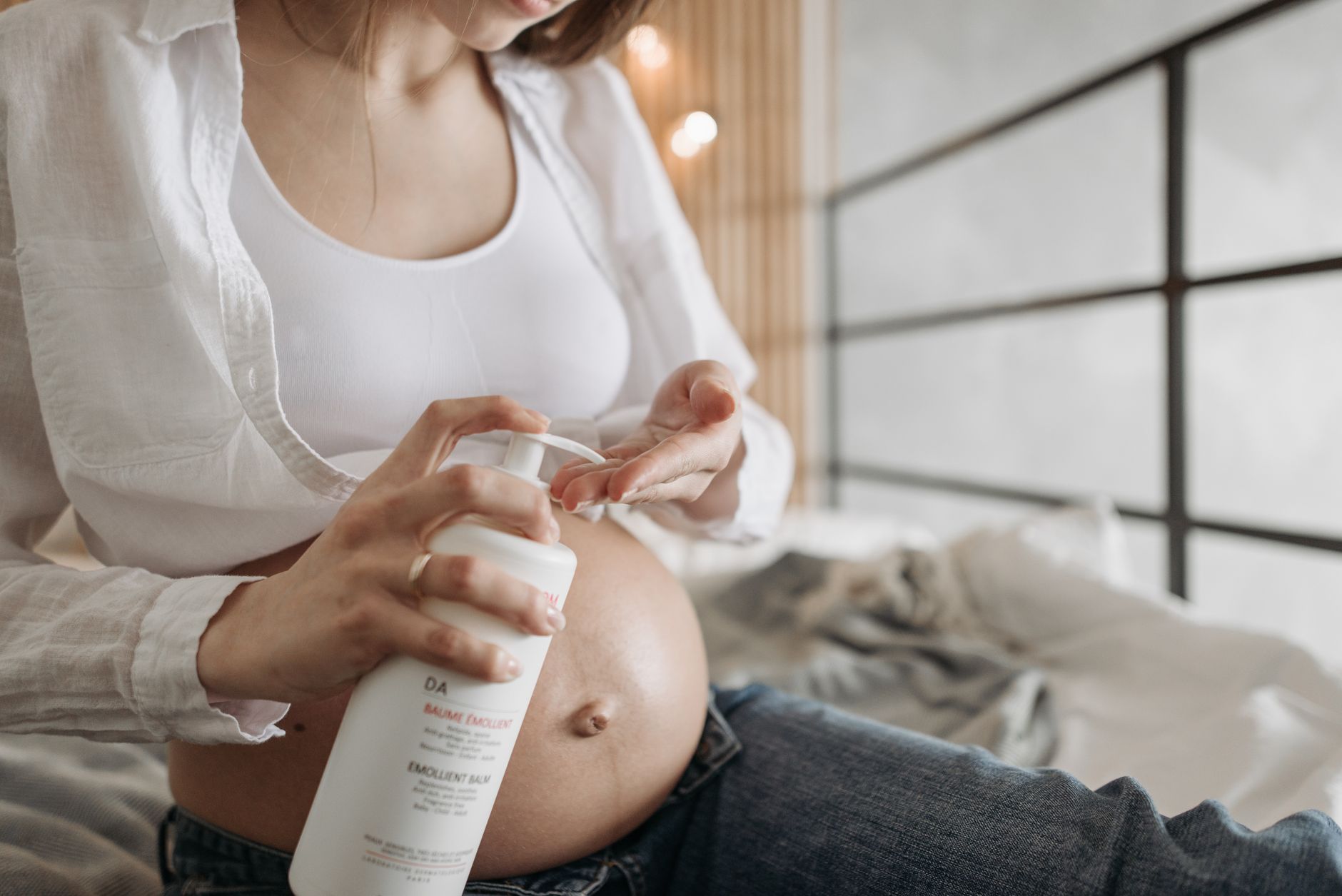
Apply a thin layer of Aveeno Anti Itch to the belly for soothing relief, but keep it light to avoid occlusion.
Safe dosage / amount / brands
Because Aveeno Anti Itch is a topical emollient, the “dosage” is measured in applications rather than milligrams. The manufacturer’s instructions suggest “apply as needed,” but for pregnant users we recommend no more than three thin applications per day. Each application should be about the size of a pea (≈0.5 g) for a typical eczema patch the size of a postage stamp.
If you’re using the cream on larger body areas, keep the total amount under 2 g per day to stay within the “safe with limits” category. Most major retailers carry the same formulation, but you may encounter “Aveeno Daily Moisturizing Lotion” or “Aveeno Skin Relief Body Wash,” which contain similar ingredients but different concentrations. Stick with the “Anti Itch” variant for the most reliable safety profile.
Parameter
Recommended limit for pregnancy
Notes
Applications per day
≤ 3
Thin layer each time; avoid thick layers.
Amount per application
≈ 0.5 g (pea‑size)
Enough to cover the affected area without excess.
Maximum total daily amount
≈ 2 g
Equivalent to two pea‑sized dabs.
Preferred brands
Aveeno Anti Itch (original formulation)
Avoid variants that add fragrance or menthol.
Side effects and risks
Most users experience no adverse effects. The most common, mild issues include:
Transient redness or a warm sensation – usually resolves within an hour.
Minor skin irritation or contact dermatitis – occurs in < 1 % of users, often due to an allergy to mineral oil or oat protein.
Folliculitis if applied too thickly on hot, humid skin.
More serious signs that warrant immediate medical attention are:
Swelling, hives, or widespread rash that spreads beyond the application site.
Difficulty breathing or a feeling of throat tightness (possible anaphylaxis).
Fever, pus‑filled lesions, or worsening eczema despite regular use.
These rare reactions are not unique to pregnancy, but because any maternal immune response can indirectly affect fetal well‑being, it’s wise to call your provider promptly if any of these occur.
Safer alternatives
CeraVe Itch Relief Moisturizing Cream – ceramide‑rich, fragrance‑free, and recommended by dermatologists for pregnant skin.
Eucerin Itch Relief Body Lotion – contains urea and oat extract, offering deep hydration without steroids.
Burt's Bees Sensitive Skin Lotion – botanical blend of aloe and oat, free of synthetic fragrances.
Aquaphor Healing Ointment – a simple petrolatum base that creates a protective barrier, ideal for very dry or cracked skin.
Cetaphil Restoraderm Skin Restoring Moisturizer – niacinamide and ceramides, both safe for pregnancy.
Vanicream Moisturizing Skin Cream – minimal ingredient list, excellent for those with known contact allergies.
Gold Bond Medicated Skin Relief Lotion – menthol‑free soothing agents; check with your provider if you have any concerns.
Shea Moisture African Black Soap – natural oils and shea butter; suitable for mild eczema but avoid if you have severe lesions.
Related items — safety at a glance
Item
Verdict
One‑line note
Hydrocortisone 1% Cream
⚠️ Talk to your doctor first
Mild steroid; generally safe but requires provider guidance.
Aveeno Daily Moisturizing Lotion
✅ Generally safe
Fragrance‑free version is pregnancy‑compatible.
Eucerin Advanced Repair Cream
✅ Generally safe
Contains urea and ceramides; no known teratogenic risk.
CeraVe Moisturizing Cream
✅ Generally safe
Ceramide‑rich, recommended for eczema during pregnancy.
Neutrogena Itch Relief Cream
⚠️ Safe with limits
Contains menthol; may cause a cooling sensation that some pregnant women find uncomfortable.
Gold Bond Ultimate Healing Cream
✅ Generally safe
Fragrance‑free version is suitable for most pregnant users.
Burt's Bees Itch Relief Cream
✅ Generally safe
Natural ingredients; avoid if you’re allergic to beeswax.
Vanicream Skin Cream
✅ Generally safe
Minimalist formula, ideal for sensitive skin.
Myth vs. fact
Myth: All topical creams are unsafe during pregnancy because they can be absorbed.
Fact: Most over‑the‑counter moisturizers, including Aveeno Anti Itch, have large molecules that stay on the skin’s surface, making systemic absorption negligible.
Myth: If a product is “cosmetic,” it can’t be used by pregnant people.
Fact: Cosmetic status simply means the product isn’t regulated as a drug; many cosmetics (like moisturizers) are explicitly recommended by obstetric guidelines for safe use.
Myth: Applying any anti‑itch cream to stretch marks will prevent them.
Fact: Moisturizers can improve skin hydration, but there is limited evidence that they prevent stretch marks. Genetics and rapid skin stretching play larger roles.
Key takeaways
Aveeno Anti Itch is generally safe for pregnant people when used as a thin layer, up to three times daily.
The first trimester requires extra caution; avoid large areas of broken skin.
Key ingredients (colloidal oatmeal, mineral oil, petrolatum) are not teratogenic; avoid if you have a known oat allergy.
For severe eczema or large‑area itching, discuss prescription options with your provider.
Safer alternatives include CeraVe, Eucerin, Aquaphor, and Vanicream—all endorsed by major health agencies.
Stop using the cream and call your doctor if you develop widespread rash, swelling, or breathing difficulty.
Frequently asked questions
Can I use hydrocortisone cream while pregnant?
Yes, but only under your provider’s guidance. Low‑dose hydrocortisone (1 %) is often considered safe for short‑term use, yet doctors prefer non‑steroidal options like Aveeno Anti Itch for mild itching.
Is it safe to use Aveeno Anti Itch on a pregnant belly?
Applying a thin layer to the belly is safe, provided you keep it light and avoid the nipple area. It can soothe itching without posing a risk to the baby.
What ingredients in Aveeno Anti Itch are unsafe for pregnancy?
None of the standard ingredients—colloidal oatmeal, mineral oil, petrolatum, glycerin—are classified as unsafe. However, if you have a specific allergy to oat protein or mineral oil, you should avoid the product.
How often can I apply Aveeno Anti Itch during pregnancy?
Limit use to no more than three thin applications per day. Each application should be about the size of a pea, enough to cover the itchy area without excess buildup.
Are there natural itch relief options safe for pregnant women?
Yes. Options such as plain oatmeal baths, coconut oil, and aloe vera gel are all considered safe and can complement or replace Aveeno Anti Itch for mild itching.
Does Aveeno Anti Itch cause any birth defects?
Current evidence from ACOG and the FDA indicates no link between Aveeno Anti Itch and birth defects. Its large‑molecule ingredients do not cross the placenta in meaningful amounts.
Can Aveeno Anti Itch be used for eczema in pregnancy?
It can be used for mild to moderate eczema, but for severe or open lesions, a prescription‑strength topical steroid or a dermatologist‑approved emollient is recommended.
What are the side effects of using Aveeno Anti Itch while pregnant?
Most users experience none; occasional mild redness or a brief tingling sensation may occur. Serious reactions like widespread rash, swelling, or breathing trouble require immediate medical attention.
When to call your doctor
If you notice any of the following after applying Aveeno Anti Itch, contact your obstetrician or seek urgent care:
Rapid spreading of redness or hives beyond the application site.
Swelling of the face, lips, or tongue.
Difficulty breathing, wheezing, or a feeling of throat tightness.
Fever, pus‑filled lesions, or worsening eczema despite regular use.
Any new symptom that makes you feel uneasy or unsafe.
These guidelines are informational only and do not replace personalized medical advice. Always discuss any concerns with your health care provider.
References
American College of Obstetricians and Gynecologists. “Medication Safety During Pregnancy.” ACOG Committee Opinion No. 771, 2023.
National Health Service (UK). “Skin care in pregnancy.” NHS website, updated 2022.
U.S. Food and Drug Administration. “Cosmetics: Safety and Regulation.” FDA, 2021.
Centers for Disease Control and Prevention. “Pregnancy and Over‑the‑Counter Medications.” CDC, 2022.
World Health Organization. “Guidelines for safe use of topical products in pregnancy.” WHO, 2020.
Mayo Clinic. “Itching during pregnancy.” Mayo Clinic, 2023.
Dermatology guidelines for pregnancy. “Management of eczema in pregnant patients.” Journal of Dermatology, 2021.
Not sure about the label on Is Aveeno Anti Itch Safe During Pregnancy products?
Snap the ingredients list and SafeFilter checks every ingredient for your stage — only 3 free scans this month, then you're locked until reset. Unlimited from $7/mo or $50/yr.
When Shubhra Mishra was expecting her first child in 2016, she was overwhelmed by conflicting food advice — one site said yes, another said never. By the time her second baby arrived in 2019, she realized millions of mothers face the same confusion.
That sparked a five-year journey through clinical nutrition papers, cultural diets, and expert conversations — all leading to BumpBites: a calm, compassionate space where science meets everyday motherhood.
Her long-term vision is to build a global community ensuring safe, supported, and free deliveriesfor every mother — because no woman should face pregnancy alone or uninformed. 🌿
🌍 Stand with mothers, shape safer guidance
Join a small circle of experts who review BumpBites articles so expecting parents everywhere can decide with confidence.