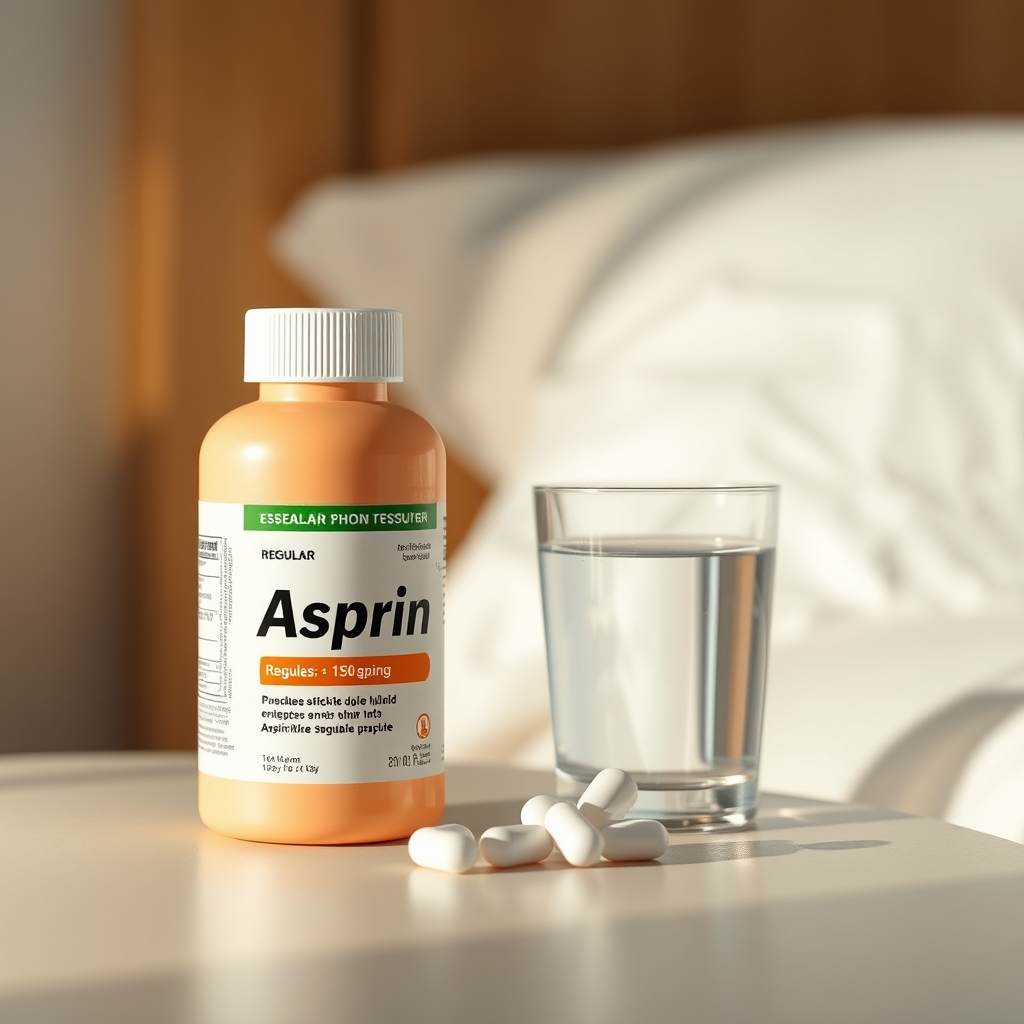
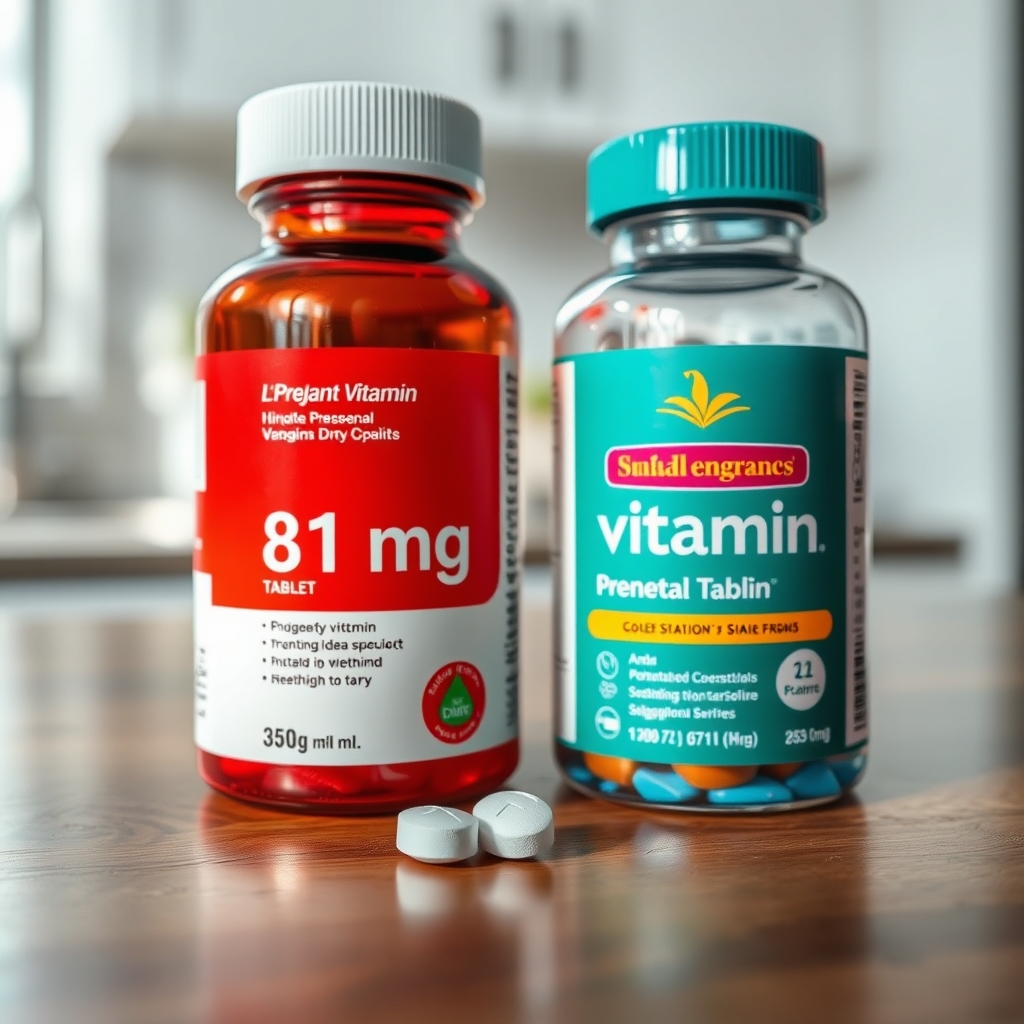
Avoid regular aspirin during pregnancy unless prescribed. Low-dose aspirin (81mg) may be safe in the 2nd/3rd trimester for specific conditions like preeclampsia.
By Shubhra Mishra — a mom of two who turned her own confusion during pregnancy into BumpBites, a global mission to make food choices clear, safe, and stress-free for every expecting mother. 💛
Check whether any food is safe during pregnancy with the BumpBites Food Safety Checker.
Quick verdict: ⚠️ Talk to your doctor first. Regular aspirin can be used in pregnancy only under medical supervision, typically at low doses for specific conditions; routine use for pain relief is not recommended.
It’s completely normal to stare at the pharmacy aisle at 2 a.m. and wonder, “is aspirin regular safe during pregnancy?” You might have reached for a bottle of Bayer Aspirin to soothe a headache, only to feel a knot of anxiety once you realize you’re expecting. First, take a breath—many pregnant people face the same moment of doubt, and the answer isn’t always a simple yes or no.
In this article we’ll give you a clear, evidence‑based verdict on regular aspirin, break down safety by each trimester, explain how much is considered low‑dose, compare brand‑specific guidance, and suggest gentler pain‑relief options that are widely regarded as safe. By the end, you’ll know exactly what to do, when to call your provider, and how to stop worrying about that bottle on your nightstand.
Seeing a bottle of aspirin can spark worry—here’s the evidence to guide you.
Stage
Verdict
Notes
First trimester
⚠️ Use only if prescribed
Low‑dose (≤81 mg) may be advised for certain clotting disorders; routine use discouraged.
Second trimester
⚠️ Use only if prescribed
Same low‑dose guidance; higher doses increase bleeding risk for mother and baby.
Third trimester
❌ Generally avoid
Aspirin can inhibit platelet function in the fetus, raising risk of bleeding at delivery.
Breastfeeding
⚠️ Talk to your doctor
Small amounts are excreted in milk; most providers recommend avoiding unless medically needed.
What is regular aspirin?
Regular aspirin, also known as acetylsalicylic acid (ASA), is a non‑steroidal anti‑inflammatory drug (NSAID) that works by irreversibly inhibiting the enzyme cyclooxygenase‑1 (COX‑1). This action reduces the production of prostaglandins, which are chemicals that promote inflammation, pain, and fever, while also affecting platelet aggregation. Because of its antiplatelet effect, low‑dose aspirin is often prescribed to prevent blood clots in people at risk for heart attacks or strokes.
In the United States and many other countries, regular aspirin is sold over the counter in 81 mg “baby‑aspirin” or 325 mg tablets. The 81 mg dose is considered low‑dose, while 325 mg and higher are standard adult doses. People use it for headaches, muscle aches, fever, and, in specific medical contexts, to reduce the risk of preeclampsia or recurrent miscarriage. Understanding how aspirin works helps clarify why its safety profile changes during pregnancy.
Is regular aspirin safe during pregnancy?
Current guidance from the American College of Obstetricians and Gynecologists (ACOG) and the UK’s National Health Service (NHS) says that routine use of regular aspirin for pain relief is not recommended during pregnancy. Low‑dose aspirin (81 mg) may be prescribed for certain high‑risk conditions—such as a history of preeclampsia, antiphospholipid syndrome, or recurrent pregnancy loss—because the potential benefits can outweigh the risks. The Food and Drug Administration (FDA) classifies aspirin as Pregnancy Category D for doses above 81 mg, meaning there is evidence of risk to the fetus.
The primary concern is aspirin’s impact on platelet function. In the third trimester, this can lead to fetal bleeding complications, including an increased risk of intraventricular hemorrhage after birth. Additionally, higher doses can interfere with the closure of the ductus arteriosus, a vital fetal blood vessel, leading to cardiovascular issues after delivery. Most studies show that using low‑dose aspirin under a provider’s direction does not significantly increase these risks, but unsupervised, regular dosing does.
In short, is aspirin regular safe during pregnancy? The answer is nuanced: it can be safe when taken at low doses for specific medical indications, but it should not be used routinely for pain or fever without a doctor’s recommendation.
Is regular aspirin safe to take during the first trimester of pregnancy?
During the first trimester, the embryo undergoes organogenesis—the formation of all major organs. Because aspirin can affect platelet function and blood flow, most obstetric guidelines advise against routine use. If you have a medical condition that warrants low‑dose aspirin, a provider may prescribe 81 mg daily, but higher doses (325 mg or more) are generally discouraged. The risk of miscarriage appears to be modestly increased with unsupervised aspirin use, according to a systematic review cited by ACOG.
If you’ve already taken a standard 325 mg tablet before knowing you were pregnant, try not to panic. One dose is unlikely to cause harm, but you should inform your obstetrician at your next visit. They can monitor your pregnancy more closely and, if needed, adjust any medication plan.
Can I take regular aspirin in the second trimester of pregnancy?
In the second trimester, the fetus’s cardiovascular system is more mature, but the concerns about platelet inhibition and ductus arteriosus closure remain. Low‑dose aspirin (81 mg) may be continued for conditions such as preeclampsia prevention, as supported by ACOG’s 2020 recommendations. However, regular adult doses (325 mg) are still not advised because they increase the chance of maternal bleeding and may affect fetal platelet development.
For occasional pain, many clinicians suggest switching to acetaminophen (Tylenol) instead. If you’re already on a low‑dose aspirin regimen prescribed by your provider, continue as directed and keep them informed of any new symptoms.
What is the safe dosage of regular aspirin for pregnant women?
When aspirin is indicated, the safest dosage is the low‑dose “baby‑aspirin” of 81 mg taken once daily. This dose has been shown to reduce the risk of preeclampsia without a meaningful increase in bleeding complications. The FDA’s labeling for low‑dose aspirin states that it can be used in pregnancy when specifically recommended by a health professional.
Standard adult doses of 325 mg or higher should be avoided unless a doctor explicitly prescribes them for a particular condition, such as certain clotting disorders. Even then, the provider will typically limit the duration and monitor blood counts closely. For pain relief unrelated to a medical indication, the consensus from both ACOG and NHS is to choose acetaminophen instead.
Are there safer alternatives to regular aspirin for pain relief during pregnancy?
Tylenol (acetaminophen) – widely regarded as safe for occasional headache or fever relief throughout pregnancy.
Panadol (acetaminophen) – the same active ingredient as Tylenol, often marketed in other countries.
Acetaminophen (generic) – the most studied pain reliever for pregnant people, with no known teratogenic risk when used at recommended doses.
Prenatal vitamin with iron – can help reduce fatigue‑related aches without medication.
Warm compress – a non‑pharmacologic method for muscle tension or minor back pain.
Does Bayer Aspirin have different safety guidelines for pregnant women compared to generic aspirin?
Brand name does not change the pharmacology of aspirin. Bayer Aspirin, generic aspirin, and store‑brand versions all contain acetylsalicylic acid, so the safety guidelines are identical. However, Bayer’s packaging often includes a “baby‑aspirin” 81 mg option, which is the formulation most clinicians reference when prescribing low‑dose aspirin for pregnancy‑related conditions. The key factor is the dose, not the brand.
What are the risks of taking regular aspirin while pregnant?
Regular aspirin carries several potential risks:
Bleeding complications: Aspirin’s antiplatelet effect can increase maternal bleeding during delivery and postpartum.
Fetal ductus arteriosus closure: Higher doses in the third trimester can prematurely close this vital vessel, leading to fetal heart strain.
Intraventricular hemorrhage: Newborns exposed to aspirin late in pregnancy may be at higher risk for brain bleeding.
Placental abruption: Some studies suggest a link between aspirin use and early separation of the placenta, though low‑dose use under supervision appears safe.
Most of these risks are dose‑dependent and become more pronounced after the second trimester. That’s why obstetric guidelines emphasize low‑dose, medically supervised use only.
Should women with hypertension avoid regular aspirin during pregnancy?
Women with chronic hypertension often take low‑dose aspirin to reduce the risk of preeclampsia, a condition they are already predisposed to. ACOG recommends 81 mg daily for high‑risk patients, including those with hypertension, beginning in the late first trimester (around 12 weeks) and continuing until delivery. However, they should avoid higher doses of regular aspirin unless specifically directed by a specialist, as the added bleeding risk could compound hypertension‑related complications.
How does regular aspirin affect fetal development?
At low doses (≤81 mg), aspirin does not appear to cause structural birth defects. The primary concern is functional—interfering with platelet development and blood vessel formation, especially the ductus arteriosus. In the third trimester, higher doses can lead to fetal circulatory issues, which may manifest as low birth weight or neonatal hemorrhage. Studies have not shown an increased risk of major malformations with low‑dose aspirin, but the FDA still classifies higher doses as Category D due to documented risks.
Safety by trimester
First trimester (weeks 1‑12)
Routine use of regular aspirin is discouraged. If a provider prescribes low‑dose aspirin for a specific condition, 81 mg daily is generally considered acceptable. Avoid 325 mg or higher unless under strict medical supervision. Keep an eye on any unusual spotting or bleeding and report it promptly.
Second trimester (weeks 13‑27)
Low‑dose aspirin may continue for preeclampsia prevention or clotting disorders. Standard adult doses remain contraindicated. If you need pain relief, switch to acetaminophen. Monitoring of maternal platelet counts is advised if aspirin is part of a treatment plan.
Third trimester (weeks 28‑birth)
This is the period when aspirin poses the greatest risk to the fetus. Most guidelines advise stopping even low‑dose aspirin at 36 weeks, unless a specialist recommends continuation for a high‑risk condition. Avoid any regular aspirin tablets during this stage to protect the fetal ductus arteriosus and reduce bleeding risk at delivery.
Breastfeeding
Small amounts of aspirin do pass into breast milk, but the concentration is low. The American Academy of Pediatrics (AAP) suggests that occasional low‑dose aspirin is unlikely to harm a nursing infant, yet many providers still recommend avoiding it unless medically necessary. If you are breastfeeding and need an analgesic, acetaminophen is the preferred first‑line option.
Low‑dose aspirin looks similar to a regular tablet—dose matters more than brand.
Safe dosage / amount / brands
When aspirin is indicated, the safest amount is 81 mg once daily. This “baby‑aspirin” is available under many brand names, including Bayer Baby Aspirin, CVS Health Low‑Dose Aspirin, and generic store brands. If you have been prescribed a higher dose for a specific clotting disorder, your provider will outline the exact schedule and monitor you closely.
For pain relief without a prescription, most obstetricians advise the following:
Do not exceed 81 mg per day unless directed by a healthcare professional.
Avoid taking aspirin within two weeks of your expected delivery date to reduce bleeding risk.
If you need a stronger analgesic, discuss ibuprofen or naproxen alternatives with your provider—both have their own trimester‑specific cautions.
Brand differences are minimal; the critical factor is whether the tablet is low‑dose (81 mg) or regular‑strength (325 mg). Always read the label and confirm the milligram amount before taking any aspirin product.
Side effects and risks
Common, non‑serious side effects include mild stomach upset, heartburn, or a metallic taste. These usually resolve with food or a glass of water. More concerning signs that warrant a call to your provider include:
Unexplained vaginal bleeding or spotting.
Severe headache or visual changes (possible preeclampsia).
Swelling of hands, feet, or face.
Sudden abdominal pain or cramping.
Signs of fetal distress such as decreased fetal movement.
These symptoms could indicate bleeding complications, preeclampsia, or other serious conditions that require prompt medical evaluation.
Safer alternatives
Tylenol (acetaminophen) – recommended by ACOG for most headaches and fevers during pregnancy.
Panadol (acetaminophen) – same active ingredient, widely available internationally.
Acetaminophen (generic) – the most studied analgesic for pregnant people, with a solid safety record.
Prenatal vitamin with iron – can alleviate fatigue‑related aches without medication.
Warm compress – effective for muscle tension and minor back pain.
Low‑dose (81 mg) may be safe for specific conditions; regular‑strength not recommended.
Advil (ibuprofen)
⚠️ Avoid after 20 weeks
NSAID risk to fetal ductus arteriosus; limited use only early in pregnancy.
Aleve (naproxen)
❌ Generally avoid
Higher risk of fetal heart vessel closure, especially in third trimester.
Tylenol (acetaminophen)
✅ Generally safe
First‑line analgesic for most pregnancy‑related pain when used as directed.
Motrin (ibuprofen)
⚠️ Avoid after 20 weeks
Similar to Advil; safe only early and under supervision.
Excedrin (acetaminophen/caffeine)
⚠️ Use with caution
Caffeine content may affect fetal heart rate; acetaminophen portion is safe.
Myth vs. fact
Myth: “All aspirin is the same, so any brand is safe.” Fact: The safety depends on the dose, not the brand. Low‑dose (81 mg) aspirin may be prescribed, while regular‑strength (325 mg) is generally discouraged.
Myth: “Aspirin can prevent all pregnancy complications.” Fact: Aspirin is only recommended for specific conditions such as preeclampsia prevention in high‑risk patients; it does not treat unrelated pregnancy issues.
Myth: “If I take aspirin once, it won’t harm my baby.” Fact: A single dose of regular‑strength aspirin is unlikely to cause serious harm, but repeated use without medical guidance can increase risks.
Key takeaways
Routine regular‑strength aspirin for pain is not recommended during pregnancy.
Low‑dose (81 mg) aspirin may be safe when prescribed for specific medical reasons.
Stop aspirin by 36 weeks gestation (or earlier if advised) to protect the fetal ductus arteriosus.
Acetaminophen is the preferred over‑the‑counter pain reliever for most pregnant people.
Contact your provider if you notice bleeding, severe headache, swelling, or reduced fetal movement.
Frequently asked questions
Can I take aspirin while pregnant?
Yes, but only under medical supervision and typically at a low dose (81 mg) for specific conditions; routine use for pain is not advised.
Is low-dose aspirin safe during pregnancy?
Low‑dose aspirin (81 mg) is considered safe for many high‑risk pregnancies when prescribed by a provider, especially to prevent preeclampsia.
What are the side effects of aspirin for pregnant women?
Common side effects include stomach upset and heartburn; more serious concerns are bleeding, premature ductus arteriosus closure, and potential fetal hemorrhage.
How much aspirin is safe during each trimester?
During the first and second trimesters, 81 mg daily may be allowed for certain conditions; in the third trimester, aspirin should generally be stopped by 36 weeks.
Can aspirin cause birth defects?
Low‑dose aspirin has not been linked to structural birth defects, but higher doses (≥325 mg) carry a Category D risk for fetal complications.
What are safer pain relievers during pregnancy?
Acetaminophen (Tylenol, Panadol) is the most widely recommended over‑the‑counter option; non‑drug methods like warm compresses and prenatal yoga are also effective.
When to call your doctor
Contact your obstetric provider promptly if you experience any of the following while taking aspirin:
Unexplained vaginal bleeding or spotting.
Severe headache, visual disturbances, or sudden swelling (possible preeclampsia).
Persistent stomach pain, nausea, or vomiting.
Reduced fetal movement or any signs of fetal distress.
Any unusual bruising or prolonged bleeding after minor injuries.
These symptoms may indicate a complication that requires immediate medical attention. Remember, this article provides general information and does not replace personalized medical advice. Always discuss medication use with your healthcare provider.
References
American College of Obstetricians and Gynecologists. “Low‑Dose Aspirin Use in Pregnancy.” ACOG Committee Opinion No. 797, 2020.
National Health Service (NHS). “Aspirin and Pregnancy.” Updated 2022.
U.S. Food and Drug Administration (FDA). “Drug Safety Communication: Aspirin Use in Pregnancy.” 2021.
Centers for Disease Control and Prevention (CDC). “Pregnancy and Drug Safety.” 2023.
World Health Organization (WHO). “Recommendations for the Prevention of Preeclampsia.” 2022.
American Academy of Pediatrics (AAP). “Breastfeeding and Maternal Medication Use.” 2021.
Not sure about the label on Is Aspirin Regular Safe During Pregnancy products?
Snap the ingredients list and SafeFilter checks every ingredient for your stage — only 3 free scans this month, then you're locked until reset. Unlimited from $7/mo or $50/yr.
When Shubhra Mishra was expecting her first child in 2016, she was overwhelmed by conflicting food advice — one site said yes, another said never. By the time her second baby arrived in 2019, she realized millions of mothers face the same confusion.
That sparked a five-year journey through clinical nutrition papers, cultural diets, and expert conversations — all leading to BumpBites: a calm, compassionate space where science meets everyday motherhood.
Her long-term vision is to build a global community ensuring safe, supported, and free deliveriesfor every mother — because no woman should face pregnancy alone or uninformed. 🌿
🌍 Stand with mothers, shape safer guidance
Join a small circle of experts who review BumpBites articles so expecting parents everywhere can decide with confidence.