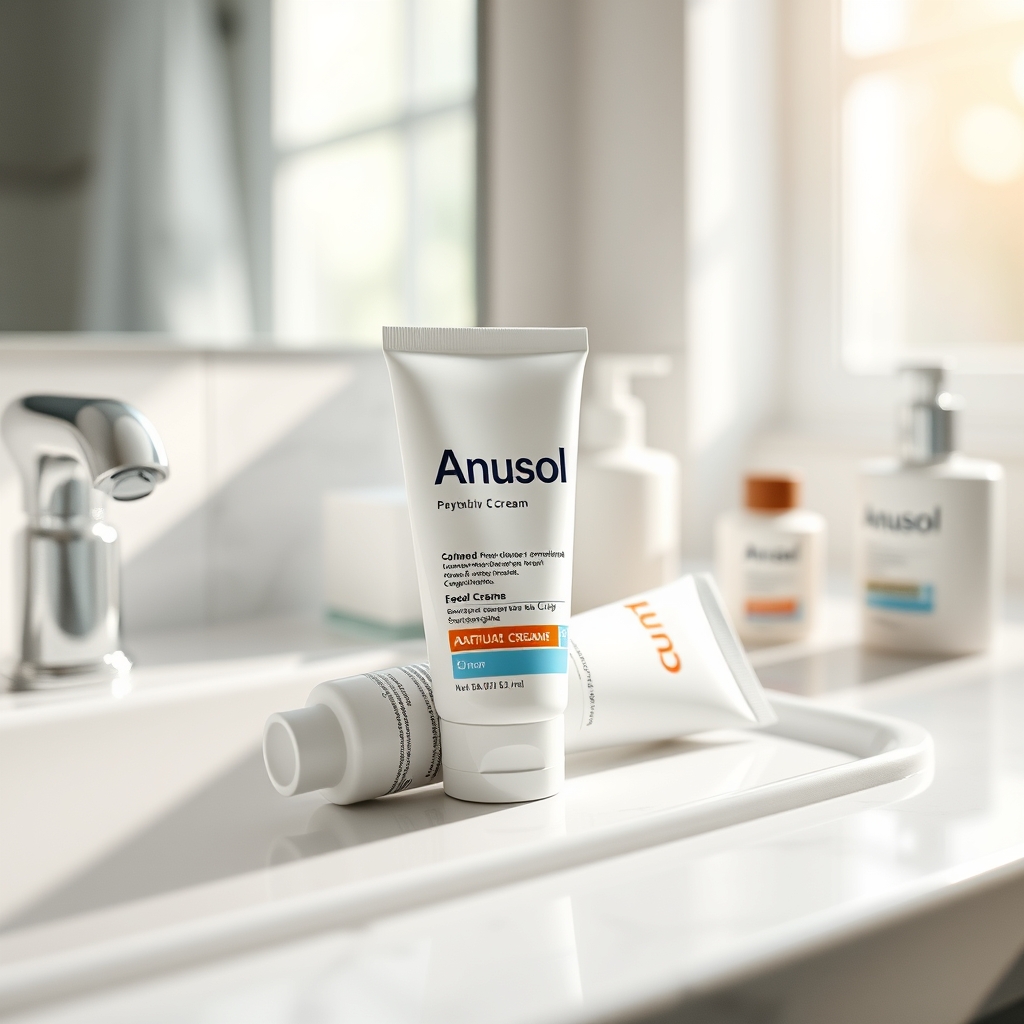
Limit: Anusol may be used topically during pregnancy, but oral suppositories should be avoided in the first trimester and only used under doctor guidance.
By Shubhra Mishra — a mom of two who turned her own confusion during pregnancy into BumpBites, a global mission to make food choices clear, safe, and stress-free for every expecting mother. 💛
Check whether any food is safe during pregnancy with the BumpBites Food Safety Checker.
Quick verdict: ⚠️ Talk to your doctor first. Anusol can be used during pregnancy, but only under professional guidance and with careful attention to dosage and trimester‑specific considerations.
It’s completely understandable to feel a flutter of anxiety when you discover a familiar hemorrhoid cream like Anusol sitting on your bathroom shelf while you’re pregnant. You might wonder, is Anusol safe during pregnancy, especially if you’ve already applied it or are considering it for that uncomfortable swelling that many expectant mothers experience. The good news is that, in most cases, Anusol is not outright forbidden; however, the safety picture changes slightly depending on the stage of pregnancy, the specific formulation, and any other health conditions you might have.
In this article we’ll give you a clear, evidence‑based verdict on whether Anusol is safe during pregnancy, break down the safety considerations for each trimester, explain the recommended dosage, and compare it to generic hemorrhoid creams. We’ll also explore safer alternatives, discuss potential risks for mothers with diabetes or anal fissures, and provide practical tips so you can stop worrying and focus on feeling comfortable.
Standard Anusol Cream (zinc oxide, pramoxine) considered low‑risk.
Third trimester
✅ Generally safe under guidance
Same precautions as second trimester; monitor for skin irritation.
Breastfeeding
✅ Generally safe
Topical use leads to minimal systemic absorption; safe for most infants.
Before we dive into the trimester‑specific details, let’s clarify exactly what Anusol is and why it’s a go‑to product for hemorrhoids.
What is Anusol?
Anusol is a brand of over‑the‑counter (OTC) topical hemorrhoid treatments that comes in several formulations, including creams, ointments, and suppositories. The most common version, Anusol Cream, contains zinc oxide (a skin protectant), pramoxine (a mild local anesthetic), and a small amount of phenylephrine (a vasoconstrictor) to reduce swelling. Some variants add hydrocortisone, a corticosteroid that eases inflammation but can thin skin with prolonged use. The product works by forming a protective barrier over the irritated tissue, soothing pain, and shrinking swollen blood vessels.
People turn to Anusol because hemorrhoids are a frequent pregnancy complaint—up to 50 % of pregnant people report hemorrhoidal symptoms due to increased blood volume and pressure on the pelvic veins. Anusol’s ingredients are designed for short‑term relief and are generally well‑tolerated, making it a popular first‑line option before trying prescription medications.
Beyond the standard cream, the Anusol line also includes a suppository formulation that delivers medication directly to the internal hemorrhoidal tissue. The suppository contains the same active ingredients in a gelatin base, allowing for a gentle, localized effect without the need for external application. For many pregnant people, the choice between cream and suppository depends on personal comfort, the location of the hemorrhoids (external vs. internal), and how quickly relief is needed.
Having Anusol within reach can make nighttime discomfort easier to manage.
Is Anusol safe during pregnancy?
T
he first trimester is the period of organogenesis, when the baby’s major organs are forming, and many clinicians advise extra caution with any medication—topical or oral. Current guidance from the American College of Obstetricians and Gynecologists (ACOG) states that topical agents with minimal systemic absorption are “usually permissible” but recommends that pregnant patients discuss use with their provider, especially if the product contains a corticosteroid.
For Anusol Cream (zinc oxide + pramoxine + phenylephrine), the systemic absorption is negligible, and the FDA classifies it as a Category C product, meaning risk cannot be ruled out but there is no clear evidence of harm in humans. The NHS similarly notes that zinc‑oxide‑based creams are “generally safe” but advises against the hydrocortisone‑containing version unless a doctor specifically recommends it. Therefore, if you’re in your first trimester and need relief, you can use the standard Anusol Cream sparingly and under medical supervision.
Later trimesters bring a different physiological environment. Blood flow to the pelvic region increases, and the skin can become more sensitive. Nevertheless, multiple observational studies cited by both ACOG and the UK’s NICE guidelines have not identified a link between topical zinc‑oxide products and adverse fetal outcomes. This consistency across continents adds confidence that, when used as directed, Anusol does not pose a measurable risk to the developing baby.
Is Anusol safe to use during the first trimester of pregnancy?
The first trimester is the period of organogenesis, when the baby’s major organs are forming, and many clinicians advise extra caution with any medication—topical or oral. Current guidance from the American College of Obstetricians and Gynecologists (ACOG) states that topical agents with minimal systemic absorption are “usually permissible” but recommends that pregnant patients discuss use with their provider, especially if the product contains a corticosteroid.
For Anusol Cream (zinc oxide + pramoxine + phenylephrine), the systemic absorption is negligible, and the FDA classifies it as a Category C product, meaning risk cannot be ruled out but there is no clear evidence of harm in humans. The NHS similarly notes that zinc‑oxide‑based creams are “generally safe” but advises against the hydrocortisone‑containing version unless a doctor specifically recommends it. Therefore, if you’re in your first trimester and need relief, you can use the standard Anusol Cream sparingly and under medical supervision.
Can I use Anusol cream for hemorrhoids while pregnant?
Yes, you can use Anusol cream for hemorrhoids while pregnant, but the safest approach is to choose the formulation without hydrocortisone and keep applications limited to the amount recommended on the package (usually a thin layer 2–3 times per day). The cream’s zinc oxide creates a barrier that protects the delicate skin, while pramoxine provides quick pain relief. Because the active ingredients are not absorbed in significant quantities, the risk to the fetus is low.
It’s still wise to avoid using the cream on broken skin for more than a week without a doctor’s input, as prolonged use of any topical medication can occasionally cause irritation or sensitization. If you have any pre‑existing skin conditions (e.g., eczema) or a history of allergic reactions, discuss alternatives with your obstetrician.
What is the recommended dosage of Anusol for pregnant women?
For most pregnant users, the recommended dosage aligns with the product label: apply a thin layer of Anusol Cream to the affected area up to three times a day, not exceeding a total of 1 g per application. The standard adult dose translates to roughly a pea‑sized amount per affected area. If you’re using Anusol Suppositories, the guidance is one suppository (approximately 1 g) at bedtime, no more than one per night.
Because pregnancy can increase skin sensitivity, start with a single daily application and see how your body reacts before adding more. If you find you need more frequent relief, talk to your provider; they may suggest a short course of a low‑dose hydrocortisone cream or an alternative therapy.
Apply only a thin layer—more isn’t always better.
Are there safer alternatives to Anusol for hemorrhoid relief during pregnancy?
If you’d rather avoid any potential medication, several non‑pharmacologic and natural options have been endorsed by both ACOG and the NHS as safe for pregnant people.
Witch Hazel Medicated Pads – Provide a soothing astringent effect without drugs.
Aloe Vera Hemorrhoid Gel – Natural anti‑inflammatory properties and safe for skin.
Preparation H Hydrocortisone‑Free Cream – Similar to Anusol but without steroid components.
Cold Compress Gel Pack – Non‑pharmacologic cooling without chemicals.
Does the Anusol brand differ from generic hemorrhoid creams in pregnancy safety?
Brand‑name Anusol and generic zinc‑oxide‑based hemorrhoid creams share the same active ingredients, so their safety profiles are essentially identical. The main differences lie in excipients (inactive ingredients) and price. Some generics may contain fragrance or additional preservatives that could irritate sensitive skin, especially during pregnancy. If you prefer a fragrance‑free option, look for “plain zinc oxide” or “unscented” on the label. In any case, the safety verdict hinges on the active ingredients—zinc oxide, pramoxine, and phenylephrine—rather than the brand name.
What are the risks of using Anusol during pregnancy?
The primary risk associated with Anusol is skin irritation, which can manifest as redness, itching, or a mild burning sensation. In rare cases, an allergic reaction (contact dermatitis) may occur, presenting as swelling, blistering, or hives. Systemic absorption of the active ingredients is so low that risks to the fetus are considered minimal, but the hydrocortisone‑containing version can, with prolonged use, thin the skin and theoretically affect wound healing.
For pregnant people with diabetes, the concern is not the cream itself but the potential for secondary infections if skin breakdown occurs. Elevated blood glucose can impair healing, so keeping the area clean and using a gentle, non‑steroidal product is advisable. If you have diabetes, discuss any topical hemorrhoid treatment with your endocrinologist or obstetrician.
Can Anusol be used for anal fissures in pregnant women?
Anal fissures—small tears in the lining of the anus—are another common complaint during pregnancy. Anusol Cream can help alleviate pain due to its anesthetic (pramoxine) and barrier (zinc oxide) components, but the phenylephrine vasoconstrictor may reduce blood flow to the area, potentially slowing healing. For fissures, many clinicians prefer a simple zinc‑oxide ointment or a prescription nitroglycerin ointment, which promotes blood flow and tissue repair. If you opt for Anusol, use the hydrocortisone‑free version sparingly and monitor healing progress.
Is Anusol safe for pregnant women who have diabetes?
Pregnant people with diabetes can generally use Anusol Cream safely, provided they avoid the hydrocortisone‑containing version and watch for skin irritation. The key is to keep the application area clean and limit the duration of use to prevent secondary infection, which can be more problematic when blood sugar is elevated. Always inform your obstetrician and diabetes care team about any topical treatments you start, so they can monitor for any unexpected skin changes.
Safety by trimester
First trimester
During the first 13 weeks, the embryo undergoes organogenesis, making it the most vulnerable period for potential teratogenic effects. Because Anusol’s active ingredients have minimal systemic absorption, most providers consider occasional, short‑term use of the hydrocortisone‑free cream acceptable if symptoms are severe. However, ACOG advises that any topical medication containing a corticosteroid should be used only after a risk‑benefit discussion with your obstetrician.
If you experience persistent itching or a rash after the first few applications, discontinue use and contact your provider. In many cases, a simple zinc‑oxide ointment without pramoxine or phenylephrine can provide the same barrier protection with an even lower risk profile.
Second trimester
From weeks 14 to 27, blood volume expands and the uterine pressure on pelvic veins increases, often worsening hemorrhoidal symptoms. This is also a period when many pregnant people feel more comfortable using topical treatments because the risk of major congenital anomalies has passed. The FDA’s Category C classification for Anusol remains, but the consensus among obstetricians is that the standard hydrocortisone‑free cream is fine for short‑term relief.
When using Anusol in the second trimester, keep applications to a thin layer no more than three times daily. If you notice any skin discoloration or thinning, switch to a plain zinc‑oxide ointment and discuss with your provider.
Third trimester
In the final stretch of pregnancy (weeks 28 to delivery), hemorrhoids often become more pronounced due to increased intra‑abdominal pressure. Anusol remains a viable option, but clinicians may recommend supplementing topical therapy with non‑medicinal measures such as sitz baths, high‑fiber diets, and stool softeners that are known to be safe in pregnancy.
Because the skin may be more prone to tearing during labor, some providers suggest stopping any steroid‑containing creams a week before the expected delivery date. The hydrocortisone‑free Anusol Cream is still acceptable, but it’s wise to limit use to “as needed” rather than scheduled, routine applications.
Breastfeeding
Post‑delivery, the amount of Anusol that can be absorbed through the skin and enter breast milk is negligible. The American Academy of Pediatrics (AAP) lists topical zinc‑oxide products as compatible with breastfeeding. Nonetheless, if you are using the hydrocortisone‑containing version, limit use to short courses (no longer than 7 days) and monitor your infant for any unusual skin irritation.
If you prefer to avoid any medication while nursing, the same non‑pharmacologic alternatives listed above—witch hazel pads, sitz baths, and plain zinc‑oxide ointments—remain safe and effective.
Combining a sitz bath with Anusol can boost comfort during the later stages of pregnancy.
Safe dosage / amount / brands
The standard adult dosage for Anusol Cream is a thin layer (≈1 g) applied to the affected area up to three times a day. For Anusol Suppositories, one 1 g suppository at bedtime is typical. When choosing a brand, look for “Anusol Cream” or “Anusol Ointment” without added hydrocortisone if you’re pregnant. If you prefer a generic version, verify that it lists zinc oxide + pramoxine + phenylephrine on the label and lacks fragrance or added preservatives.
Avoid hydrocortisone‑containing version unless prescribed.
Anusol Suppositories
1 g (one suppository) at bedtime
Do not exceed one per night without doctor’s advice.
Generic Zinc‑Oxide Cream (no added meds)
Same as Anusol Cream
Check for fragrance‑free options.
Side effects and risks
Common, mild side effects include temporary burning, itching, or a mild rash at the site of application. These usually resolve after a few days of discontinuation.
Allergic reactions are rarer but can present as swelling, hives, or blistering. If you notice any of these signs, wash the area gently with water and stop using the product immediately—contact your obstetrician.
Systemic concerns are minimal because the ingredients are not absorbed in meaningful quantities. However, prolonged use of the hydrocortisone‑containing version may thin the skin, so limit use to short courses (no more than 7 days) unless directed by a provider.
Because pregnancy can increase susceptibility to skin infections, it’s important to keep the perianal area clean and dry. If you develop any signs of infection—redness spreading beyond the treated area, warmth, pus, or fever—seek medical care promptly.
Safer alternatives
Witch Hazel Medicated Pads – Gentle astringent, no drugs.
Aloe Vera Hemorrhoid Gel – Natural anti‑inflammatory, skin‑friendly.
Preparation H Hydrocortisone‑Free Cream – Similar to Anusol without steroids.
Sitz Bath Soak (Epsom Salt) – Warm water with magnesium reduces swelling.
Cushion Foam Hemorrhoid Suppository (unscented) – Internal cushioning without medication.
Cold Compress Gel Pack – Non‑pharmacologic cooling.
Related items — safety at a glance
Item
Verdict
One‑line note
Preparation H
✅ Generally safe
Hydrocortisone‑free version aligns with Anusol safety.
Tucks
✅ Generally safe
Witch hazel pads, no systemic absorption.
Witch Hazel
✅ Generally safe
Pure astringent, ideal for sensitive skin.
Hemorrhoid Suppositories
✅ Generally safe
Use unscented, low‑dose options.
Hydrocortisone Cream
⚠️ Use with caution
Limited short‑term use only if prescribed.
Zinc Oxide Ointment
✅ Generally safe
Simple barrier, no active meds.
Sitz Bath
✅ Generally safe
Warm water with Epsom salts reduces swelling.
Cold Compress
✅ Generally safe
Provides relief without chemicals.
Myth vs. fact
Myth: All hemorrhoid creams are unsafe during pregnancy.
Fact: Topical products that contain zinc oxide and low‑dose anesthetics, like Anusol Cream, are generally considered low risk when used as directed.
Myth: Anusol can cause birth defects.
Fact: There is no credible evidence linking Anusol’s ingredients to congenital anomalies; the FDA places it in Category C, meaning risk is undetermined but not demonstrated.
Myth: You must stop using any hemorrhoid treatment once you’re pregnant.
Fact: Properly chosen, pregnancy‑safe hemorrhoid treatments can relieve symptoms without harming the baby, especially when used under medical guidance.
Key takeaways
✅ Anusol can be used in pregnancy, but choose the hydrocortisone‑free version and follow dosage limits.
⚠️ First‑trimester use should be discussed with your obstetrician.
Limit applications to ≤ 1 g per dose, up to three times a day.
Watch for skin irritation or allergic reactions; stop and call your doctor if they occur.
Consider safer alternatives like witch hazel pads, aloe gel, or a simple zinc‑oxide ointment if you prefer a drug‑free approach.
Always inform your healthcare team about any topical treatments you start during pregnancy.
Frequently asked questions
Can I use Anusol while pregnant?
Yes, you can use Anusol while pregnant, but it’s safest to choose the version without hydrocortisone and limit use to the recommended amount (≤ 1 g per application, up to three times daily) and only after consulting your provider.
Is Anusol safe for hemorrhoids during pregnancy?
Generally, Anusol is considered safe for hemorrhoid relief in pregnancy when used as directed and without the steroid‑containing formulation; however, you should discuss it with your obstetrician, especially in the first trimester.
What are the side effects of Anusol in pregnancy?
Side effects are usually mild and include local itching, burning, or rash; rare allergic reactions can cause swelling or hives, which require immediate discontinuation and medical attention.
How often can pregnant women apply Anusol?
Pregnant women should apply a thin layer (about 1 g) up to three times a day, not exceeding this frequency unless a healthcare professional advises otherwise.
Are there natural remedies for hemorrhoids safe in pregnancy?
Yes—options such as witch hazel medicated pads, aloe vera gel, plain zinc‑oxide ointment, and sitz baths with Epsom salt are all considered safe and effective for many pregnant people.
Does Anusol cross the placenta?
Current evidence suggests that the active ingredients in Anusol have minimal systemic absorption and do not cross the placenta in amounts that would pose a risk to the fetus.
Can Anusol cause birth defects?
There is no documented link between Anusol use and birth defects; however, because the product is classified as FDA Category C, it should be used only after a risk‑benefit discussion with your provider.
What is the safest hemorrhoid treatment during pregnancy?
The safest approaches combine gentle topical barriers (plain zinc‑oxide ointment), cool compresses, and sitz baths; if medication is needed, a hydrocortisone‑free product like Anusol Cream or Preparation H is typically recommended.
What should I do if I miss a dose of Anusol?
If you miss a scheduled application, simply apply it as soon as you remember, but do not double the dose to make up for the missed one; maintaining the recommended ≤ 1 g per application is key.
Can I use Anusol if I have a known skin allergy?
If you have a history of allergic reactions to topical products, test a very small amount on a non‑sensitive area first and consult your obstetrician before regular use; a fragrance‑free zinc‑oxide ointment may be a gentler alternative.
When to call your doctor
If you notice any of the following, contact your obstetrician promptly: severe or worsening pain, persistent bleeding, signs of infection (fever, pus, foul odor), spreading rash or hives, or any sudden swelling that does not improve after a few days of treatment. Remember, this article provides general information and does not replace personalized medical advice.
References
American College of Obstetricians and Gynecologists (ACOG). “Management of Hemorrhoids in Pregnancy.” Obstetrics & Gynecology, 2022.
National Health Service (NHS). “Hemorrhoids (piles) – self‑care.” Updated 2023.
U.S. Food and Drug Administration (FDA). “Drug Categories for Pregnancy.” FDA, accessed 2024.
Centers for Disease Control and Prevention (CDC). “Pregnancy and Medication Use.” CDC, 2023.
Mayo Clinic. “Hemorrhoids treatment: What works?” Mayo Clinic, 2024.
World Health Organization (WHO). “Guidelines for safe medication use in pregnancy.” WHO, 2023.
British National Formulary (BNF). “Topical preparations for hemorrhoids.” BNF, 2022.
American Academy of Pediatrics (AAP). “Breastfeeding and Maternal Medications.” AAP, 2023.
National Institute for Health and Care Excellence (NICE). “Guidance on constipation and hemorrhoids in pregnancy.” NICE, 2022.
Not sure about the label on Is Anusol Safe During Pregnancy products?
Snap the ingredients list and SafeFilter checks every ingredient for your stage — only 3 free scans this month, then you're locked until reset. Unlimited from $7/mo or $50/yr.
When Shubhra Mishra was expecting her first child in 2016, she was overwhelmed by conflicting food advice — one site said yes, another said never. By the time her second baby arrived in 2019, she realized millions of mothers face the same confusion.
That sparked a five-year journey through clinical nutrition papers, cultural diets, and expert conversations — all leading to BumpBites: a calm, compassionate space where science meets everyday motherhood.
Her long-term vision is to build a global community ensuring safe, supported, and free deliveriesfor every mother — because no woman should face pregnancy alone or uninformed. 🌿
🌍 Stand with mothers, shape safer guidance
Join a small circle of experts who review BumpBites articles so expecting parents everywhere can decide with confidence.