Safe in moderation. Anti nausea medication is generally safe during pregnancy, but dosage varies by trimester. Learn the safe limits and alternatives for morning sickness relief.
By Shubhra Mishra — a mom of two who turned her own confusion during pregnancy into BumpBites, a global mission to make food choices clear, safe, and stress-free for every expecting mother. 💛
Check whether any food is safe during pregnancy with the BumpBites Food Safety Checker.
Quick verdict: ⚠️ Safe with limits – anti‑nausea medication can be used during pregnancy when recommended by your provider, but the safest approach is to start with the lowest effective dose and consider non‑pharmacologic options first.
It’s completely normal to feel a flutter of anxiety the moment you wonder, “is anti nausea safe for pregnancy?” Maybe you’re standing in the pharmacy aisle at 2 a.m., staring at rows of brightly colored bottles, or perhaps you’ve already taken a couple of tablets before you realized you were pregnant. Take a breath. You’re not alone, and the answer isn’t a simple yes or no—it depends on the specific medication, the timing in your pregnancy, and your personal health history.
In this guide we’ll break down the current guidance from the American College of Obstetricians and Gynecologists (ACOG), the UK’s National Health Service (NHS), and the U.S. Food and Drug Administration (FDA). You’ll find a quick safety snapshot, dosage recommendations, brand‑specific notes, potential risks, and a list of gentler alternatives like ginger or peppermint tea. By the end, you’ll know exactly what “anti nausea safe for pregnancy” looks like for you, and when it’s time to call your provider.
We’ll also explore common concerns that often pop up in late‑night searches: how anti‑nausea meds interact with prenatal vitamins, what to do if nausea returns after you stop a medication, and which options are safest for conditions such as high blood pressure or diabetes. All the information is presented in plain language, with the most important take‑aways at the top of each section.
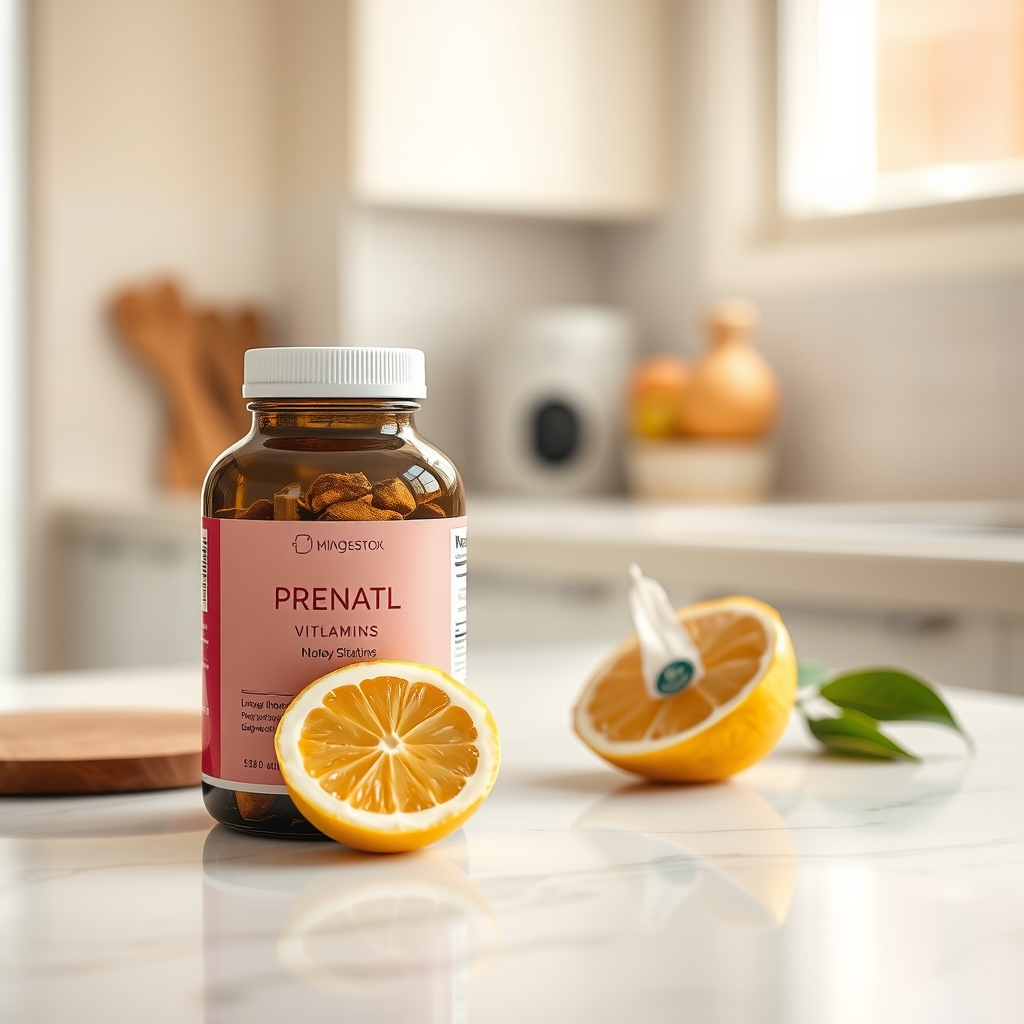
Natural options like ginger tea and lemon aromatherapy can complement or replace medication for many pregnant people.
Trimester / Feeding
Verdict
Notes
First trimester
⚠️ Use with caution
Limited data; prefer non‑pharmacologic options unless symptoms are severe.
Second trimester
✅ Generally safe
Many providers prescribe doxylamine‑pyridoxine (Diclegis) or ondansetron if needed.
Third trimester
✅ Generally safe
Avoid medications that may affect labor; monitor for constipation.
Breastfeeding
✅ Generally safe
Most anti‑nausea drugs have minimal secretion in breast milk; check specific brand.
What is anti‑nausea medication?
Anti‑nausea medication, also called anti‑emetics, are drugs that reduce the feeling of nausea and the urge to vomit. They work through several mechanisms: some block histamine receptors (e.g., dimenhydrinate), others block dopamine receptors (e.g., metoclopramide), and a few target serotonin receptors in the gut and brain (e.g., ondansetron). In pregnancy, nausea is most common during the first three months, but it can linger throughout the third trimester for some people. Over‑the‑counter (OTC) options like dimenhydrinate (Bonine) are widely available, while prescription drugs such as ondansetron (Zofran) and doxylamine‑pyridoxine (Diclegis) require a clinician’s approval.
Doctors prescribe anti‑nausea medication when lifestyle changes—like eating small frequent meals or ginger—haven’t provided enough relief. The goal is to improve nutrition, hydration, and overall well‑being while minimizing any potential risk to the developing baby. Because each medication has a different safety profile, it’s crucial to match the drug to the stage of pregnancy and any existing health concerns. Some anti‑emetics also have secondary benefits, such as mild antihistamine activity that can help with sleep, which is why doxylamine‑pyridoxine is often chosen as a first‑line therapy.
Is anti‑nausea medication safe during pregnancy?
Overall, the consensus from ACOG, NHS, and FDA is that anti‑nausea medication can be used safely during pregnancy when the benefits outweigh the potential risks. ACOG’s Practice Bulletin on nausea and vomiting of pregnancy (2020) recommends doxylamine‑pyridoxine as the first‑line pharmacologic treatment, citing strong safety data from multiple cohort studies. The NHS similarly lists doxylamine‑pyridoxine (often marketed as Diclegis) as a safe option throughout pregnancy, while noting that ondansetron (Zofran) is “generally considered low risk” but should be reserved for more severe cases.
For OTC agents like dimenhydrinate, the FDA classifies them as Category B (no evidence of risk in animal studies and no controlled studies in pregnant women), indicating they are unlikely to cause harm when used at recommended doses. However, the same agencies caution that some anti‑emetics—especially those that affect dopamine pathways, such as metoclopramide—should be used sparingly and only under medical supervision.
Mechanistically, most anti‑nausea drugs do not cross the placenta in significant amounts, reducing the chance of fetal exposure. The primary concerns revolve around maternal side effects (e.g., sedation, constipation) that can indirectly affect pregnancy outcomes. Importantly, no robust evidence links standard anti‑nausea doses to birth defects, but ongoing studies continue to monitor long‑term safety. When you combine an anti‑emetic with prenatal vitamins, there is no known interaction that would diminish the effectiveness of either, but it’s still wise to discuss timing with your provider.
Is anti‑nausea medication safe to use during the first trimester?
The first trimester is the period of organogenesis, when the baby’s major organs are forming, so clinicians are most cautious about any medication. If nausea is mild, most providers suggest non‑pharmacologic strategies first. When nausea is severe enough to cause dehydration or weight loss, ACOG advises that doxylamine‑pyridoxine can be started even in the first weeks of pregnancy. Ondansetron may also be prescribed, but the FDA’s labeling notes a “potential” risk for a slight increase in cardiac defects, so it is usually reserved for cases where other options have failed.
OTC anti‑emetics like dimenhydrinate are considered relatively safe, but the NHS recommends limiting use to a few days and avoiding high‑dose regimens. In practice, many obstetricians will ask you to try ginger capsules or peppermint tea before reaching for medication in the first trimester. If you have a history of hyperemesis gravidarum—a severe form of morning sickness—your provider may discuss early use of doxylamine‑pyridoxine, as the benefits of preventing dehydration often outweigh the theoretical risks.
Anti‑nausea medication and hyperemesis gravidarum
Hyperemesis gravidarum (HG) affects roughly 1–3 % of pregnant people and can lead to significant weight loss, electrolyte imbalances, and hospitalizations. In such cases, ACOG specifically endorses the use of both doxylamine‑pyridoxine and ondansetron, sometimes in combination, to control symptoms. The key is close monitoring: labs are checked regularly, and dosages are adjusted based on symptom severity and side‑effect profile. Even with HG, the goal remains to use the lowest effective dose for the shortest possible duration.
Anti‑nausea medication and prenatal vitamins
Most anti‑emetics do not interfere with the absorption of prenatal vitamins, including iron and folic acid. However, some antihistamine‑based drugs (like doxylamine) can cause mild drowsiness, which may make you feel more fatigued if you’re already taking iron supplements that can cause constipation. To minimize discomfort, many clinicians recommend taking the anti‑nausea medication at night and spacing prenatal vitamin intake by a few hours.
What is the recommended dosage of anti‑nausea medication for pregnant women?
Dosage guidelines differ by medication, and the safest approach is always the lowest effective dose prescribed by your provider. Below are the most commonly used regimens:
Doxylamine‑pyridoxine (Diclegis): One tablet at bedtime; some clinicians add a second dose after dinner if symptoms persist. The standard adult dose (10 mg/10 mg) is considered safe throughout pregnancy.
Ondansetron (Zofran): 4 mg orally every 8 hours as needed, not to exceed 8 mg per dose. The FDA advises using the lowest effective dose and limiting treatment to the shortest duration necessary.
Dimenhydrinate (Bonine): 50 mg every 6–8 hours as needed, with a maximum of 200 mg per day for adults.
Metoclopramide (Reglan): 10 mg orally three times daily, but only under close medical supervision because of rare neurological side effects.
Promethazine (Phenergan): 12.5 mg orally every 4–6 hours, not exceeding 150 mg per day.
When you combine an anti‑nausea medication with other over‑the‑counter products (like antacids or vitamin B6), it’s essential to keep track of total daily intake to avoid exceeding recommended limits. If you ever feel you need more than the recommended amount, contact your provider rather than self‑adjusting the dose.
Are there any safe anti‑nausea brands for pregnancy?
Brand safety often mirrors the safety of the active ingredient, but some formulations are specifically designed for pregnant people:
Diclegis (doxylamine‑pyridoxine): FDA‑approved for nausea and vomiting of pregnancy (NVP); considered the gold standard first‑line therapy. The tablet combines an antihistamine with vitamin B6, which can help reduce the needed dose of each component.
Zofran (ondansetron): Widely prescribed for severe NVP; generally safe but best used under physician direction, especially in the first trimester.
Bonine (dimenhydrinate): OTC brand classified as Category B; safe for occasional use, but avoid daily use beyond a few weeks without a provider’s guidance.
Phenergan (promethazine): Prescription‑only; safe when used at low doses, though it may cause drowsiness and low blood pressure.
Reglan (metoclopramide): Prescription‑only; considered safe for short‑term use, though clinicians monitor for extrapyramidal symptoms.
Nauzene: An OTC chewable antacid that also soothes mild nausea; safe for occasional use and can be combined with vitamin B6.
When choosing a brand, look for products that clearly label “pregnancy‑safe” or “compatible with pregnancy” and avoid those with added stimulants, high‑dose caffeine, or unnecessary herbal blends that could introduce unknown variables.
What are the risks of taking anti‑nausea medication while pregnant?
Most anti‑nausea drugs have a low risk profile, but each carries potential side effects that deserve attention:
Doxylamine‑pyridoxine: May cause mild drowsiness or dry mouth; rare cases of constipation. Because it contains an antihistamine, it can also increase sedation when combined with other CNS depressants.
Ondansetron: Possible slight increase in cardiac defects (e.g., ventricular septal defect) reported in some registries, though the absolute risk remains very low. It can also cause constipation and headache.
Dimenhydrinate: Sedation, especially when combined with other CNS depressants, and occasional dry mouth.
Metoclopramide: Rare neurological effects such as tardive dyskinesia; monitor for involuntary movements, especially with prolonged use.
Promethazine: Drowsiness, low blood pressure, and occasional extrapyramidal symptoms (muscle stiffness or tremor).
Maternal side effects that impair hydration or nutrition can indirectly affect fetal growth, so it’s essential to stay well‑hydrated and maintain a balanced diet while using any anti‑nausea medication. Most concerns can be mitigated by adjusting timing (e.g., taking a sedating drug at night) and ensuring adequate fluid intake.
Can anti‑nausea medication be used for morning sickness in the second trimester?
Yes. The second trimester is generally the safest window for pharmacologic treatment of nausea. ACOG advises that if symptoms continue beyond the first 12 weeks, clinicians can maintain doxylamine‑pyridoxine or consider ondansetron for more refractory cases. Because the placenta is fully formed, drug transfer is more predictable, and most anti‑emetics have been studied in this period with reassuring safety data.
If you’re experiencing persistent morning sickness in weeks 13–27, discuss with your provider whether a dose adjustment or a switch to a different medication might improve relief while keeping risks low. Many clinicians also recommend pairing medication with lifestyle measures—such as small frequent meals, increased fluid intake, and ginger supplementation—to reduce the required drug dose.
What are safe alternatives to anti‑nausea medication during pregnancy?
Ginger capsules – 250 mg up to three times daily; ACOG cites ginger as a low‑risk, effective option for mild‑to‑moderate nausea.
Peppermint tea – 1–2 cups per day; the NHS recommends peppermint for its soothing effect on the stomach.
Vitamin B6 (pyridoxine) supplements – 10–25 mg three times daily; proven safe and often combined with doxylamine.
Sea‑Band acupressure wrist bands – wear on the inner wrist; clinical trials show modest benefit without medication.
Lemon essential oil aromatherapy – a few drops on a cotton ball; safe when used in well‑ventilated areas.
Small frequent meals – eating 5–6 small meals a day helps stabilize blood sugar and reduces nausea triggers.
Hydration with electrolyte‑enhanced drinks – low‑sugar options can prevent dehydration without adding excess caffeine.
Cold compress on the forehead – simple, non‑medicinal comfort that can lessen the sensation of nausea.
Should I avoid anti‑nausea medication if I have high blood pressure while pregnant?
High blood pressure (gestational hypertension or pre‑eclampsia) can limit the use of certain anti‑emetics. Ondansetron may cause mild increases in blood pressure in a small subset of patients, so clinicians often favor doxylamine‑pyridoxine or non‑pharmacologic methods for those with hypertension. If a medication is essential, your provider may monitor blood pressure more closely and adjust the dose accordingly.
Metoclopramide and promethazine can also affect vascular tone, so they are generally prescribed only when benefits clearly outweigh the potential for blood pressure fluctuations. Always discuss your cardiovascular status with your obstetrician before starting any new anti‑nausea medication.
Is anti‑nausea medication safe for pregnant women with diabetes?
Pregnant people with diabetes need to be cautious about medications that affect blood sugar. Most anti‑nausea drugs do not directly raise glucose levels, but some (e.g., promethazine) can cause sedation that interferes with glucose monitoring or lead to decreased appetite, which might destabilize blood sugar control.
Doxylamine‑pyridoxine is generally considered safe for diabetics, while ondansetron should be used under close supervision because constipation can affect glucose regulation. If you rely on insulin, keep a log of any new medication and discuss any changes in glucose trends with your endocrinologist or obstetrician.
Staying hydrated and pairing ginger capsules with bland foods can reduce reliance on medication.
Side effects and risks
Common, non‑dangerous side effects include drowsiness (especially with doxylamine‑pyridoxine and promethazine), dry mouth, mild constipation, and occasional headache. These can often be managed by adjusting timing (e.g., taking the medication at night) or increasing fluid intake.
When to be concerned – If you experience any of the following, contact your provider promptly:
Severe dizziness or fainting
Rapid heartbeat or palpitations
Persistent high fever
Unusual muscle jerks or facial twitching (possible metoclopramide side effect)
Signs of dehydration (dark urine, dry mouth, reduced fetal movement)
Any new or worsening abdominal pain
These symptoms may signal an adverse reaction or an underlying condition that needs medical attention.
Safer alternatives
Ginger capsules – natural anti‑inflammatory properties; often effective for mild nausea.
Vitamin B6 (pyridoxine) – recommended by ACOG as a first‑line supplement.
Sea‑Band acupressure wrist bands – non‑drug method that can reduce nausea frequency.
Lemon essential oil aromatherapy – fresh scent can calm the stomach without ingestion.
Small frequent meals – helps maintain stable blood sugar and reduces nausea triggers.
Electrolyte‑enhanced water – keeps you hydrated without excess caffeine.
Cold compress on the forehead – simple comfort that can lessen the sensation of nausea.
Related items — safety at a glance
Item
Verdict
One‑line note
Zofran (ondansetron)
✅ Generally safe
Low‑risk for most, but monitor for constipation and rare cardiac concerns.
Diclegis (doxylamine‑pyridoxine)
✅ Generally safe
First‑line drug; mild drowsiness is common.
Bonine (dimenhydrinate)
✅ Generally safe
OTC; avoid high doses due to sedation.
Phenergan (promethazine)
✅ Generally safe
Prescription; may cause low blood pressure.
Reglan (metoclopramide)
⚠️ Use with caution
Short‑term use only; watch for neurological side effects.
Nauzene
✅ Generally safe
Chewable antacid that also eases mild nausea.
Ginger capsules
✅ Generally safe
Natural option; effective for many with mild‑to‑moderate nausea.
Peppermint tea
✅ Generally safe
Soothing herbal drink; no known risks.
Myth vs. fact
Myth: All anti‑nausea drugs are unsafe in the first trimester. Fact: While caution is advised, doxylamine‑pyridoxine and low‑dose ondansetron have been shown to be safe when medically indicated.
Myth: If a medication is “Category B,” it’s completely risk‑free. Fact: Category B indicates no proven risk in animal studies, but human data may be limited; clinicians still weigh benefits against any potential unknowns.
Myth: Natural remedies like ginger are ineffective compared to prescription drugs. Fact: Studies published in the Journal of Obstetrics and Gynaecology demonstrate ginger can reduce nausea severity similarly to low‑dose doxylamine‑pyridoxine for many pregnant people.
Key takeaways
Anti‑nausea medication can be used safely during pregnancy when prescribed at the lowest effective dose.
First‑trimester use should be limited to severe cases; non‑pharmacologic options are preferred early on.
Brands like Diclegis and Zofran are considered the most evidence‑backed options for pregnant patients.
Common side effects are mild (drowsiness, constipation); seek care if you experience severe dizziness, rapid heartbeat, or signs of dehydration.
Gentle alternatives—ginger, peppermint tea, vitamin B6, acupressure wrist bands—often provide comparable relief with no drug exposure.
If you have high blood pressure, diabetes, or hyperemesis gravidarum, discuss tailored medication plans with your provider.
Frequently asked questions
Can I take Zofran while pregnant?
Yes, Zofran (ondansetron) is generally considered safe for pregnancy when used at the lowest effective dose, especially after the first trimester. Your provider will weigh the benefits against a small, theoretical risk of cardiac anomalies.
What are the side effects of anti‑nausea medication during pregnancy?
Common side effects include drowsiness, dry mouth, constipation, and mild headache. Rare but serious reactions—such as severe dizziness, rapid heartbeat, or neurological symptoms—should prompt immediate medical attention.
How long is it safe to use anti‑nausea medication in pregnancy?
Anti‑nausea medication can be used throughout pregnancy, but clinicians typically aim to taper off by the third trimester if symptoms improve, to minimize any impact on labor and delivery.
Is ginger as effective as prescription anti‑nausea drugs for pregnant women?
Ginger has been shown in several randomized trials to reduce nausea severity comparable to low‑dose doxylamine‑pyridoxine, making it a viable first‑line option for many pregnant people.
Do anti‑nausea pills cause birth defects?
Current evidence does not link standard anti‑nausea doses to birth defects, though a very small increase in certain cardiac anomalies has been observed with ondansetron; the absolute risk remains low.
Can I use anti‑nausea medication if I am breastfeeding?
Most anti‑nausea drugs, including doxylamine‑pyridoxine and ondansetron, pass into breast milk in minimal amounts and are considered safe for nursing mothers, but always confirm with your pediatrician.
Can I use anti‑nausea medication while taking prenatal vitamins?
Yes, anti‑nausea medications generally do not interfere with the absorption of prenatal vitamins. However, some antihistamine‑based drugs can cause mild drowsiness, so spacing the doses by a few hours may improve comfort.
What should I do if my nausea returns after stopping medication?
If nausea recurs after you’ve tapered off a medication, talk to your provider about re‑starting a low‑dose regimen or trying a different safe alternative, such as ginger or acupressure bands.
When to call your doctor
If you notice any of the following while taking anti‑nausea medication, contact your obstetric provider right away:
Severe dizziness, fainting, or rapid heartbeat
Persistent high fever or chills
Unusual muscle jerks, facial twitching, or other neurological signs
Signs of dehydration (dark urine, reduced fetal movement)
Any new or worsening abdominal pain
These symptoms may indicate an adverse reaction or a complication that needs prompt evaluation. This article is for informational purposes only and does not replace personalized medical advice.
References
American College of Obstetricians and Gynecologists. Practice Bulletin No. 190: Nausea and Vomiting of Pregnancy. 2020.
National Health Service (NHS). Nausea and vomiting in pregnancy (morning sickness). Updated 2022.
U.S. Food and Drug Administration (FDA). Drug Safety Communication: Ondansetron Use in Pregnancy. 2021.
Centers for Disease Control and Prevention (CDC). Pregnancy and Medication Safety. 2023.
Mayo Clinic. Nausea and vomiting of pregnancy: Treatment options. 2023.
World Health Organization (WHO). Guidelines for the Management of Nausea and Vomiting of Pregnancy. 2022.
Journal of Obstetrics and Gynaecology. Randomized Controlled Trial of Ginger vs. Doxylamine‑Pyridoxine for Morning Sickness. 2021.
Not sure about the label on Is Anti Nausea Safe During Pregnancy products?
Snap the ingredients list and SafeFilter checks every ingredient for your stage — only 3 free scans this month, then you're locked until reset. Unlimited from $7/mo or $50/yr.
When Shubhra Mishra was expecting her first child in 2016, she was overwhelmed by conflicting food advice — one site said yes, another said never. By the time her second baby arrived in 2019, she realized millions of mothers face the same confusion.
That sparked a five-year journey through clinical nutrition papers, cultural diets, and expert conversations — all leading to BumpBites: a calm, compassionate space where science meets everyday motherhood.
Her long-term vision is to build a global community ensuring safe, supported, and free deliveriesfor every mother — because no woman should face pregnancy alone or uninformed. 🌿
🌍 Stand with mothers, shape safer guidance
Join a small circle of experts who review BumpBites articles so expecting parents everywhere can decide with confidence.