Limit: Andouille can be eaten during pregnancy if fully cooked and limited to one small serving per week, especially in the second and third trimesters.
By Shubhra Mishra — a mom of two who turned her own confusion during pregnancy into BumpBites, a global mission to make food choices clear, safe, and stress-free for every expecting mother. 💛
Check whether any food is safe during pregnancy with the BumpBites Food Safety Checker.
Quick verdict: ⚠️ Safe with limits – fully cooked andouille sausage can be enjoyed in moderation during pregnancy, but watch portion size, sodium, and ensure it’s heated thoroughly to kill any harmful bacteria.
It’s 3 a.m., the kitchen light flickers, and you’ve just sliced a smoky piece of andouille sausage for a late‑night snack. Suddenly, a wave of worry hits: is andouille safe during pregnancy? You’re not alone—many expectant parents grapple with the same question, especially when cravings strike. The good news is that, with a few simple precautions, you don’t have to banish this flavorful sausage from your diet entirely.
In this article we’ll give you a clear, evidence‑based verdict, break down safety by each trimester, explain how much you can safely eat, and show you how to prepare it to avoid food‑borne risks like listeria. We’ll also compare popular sausage varieties, suggest safer alternatives for those cravings, and answer the most common follow‑up questions you might be Googling at 2 a.m. By the end, you’ll know exactly what to do—and when to call your provider.
Trimester / Stage
Verdict
Notes
First trimester
⚠️ Safe with limits
Ensure sausage is fully cooked (≥165 °F); limit to ≤2 oz per week due to higher listeria risk.
Second trimester
⚠️ Safe with limits
Same cooking requirements; sodium intake should stay under 2,300 mg/day.
Third trimester
⚠️ Safe with limits
Maintain thorough heating; watch for excessive nitrite intake.
Andouille is a smoked, heavily seasoned pork sausage that originated in Cajun cuisine. The meat is usually mixed with garlic, paprika, pepper, and sometimes cayenne, then smoked to develop its signature deep, smoky flavor. In the United States, it’s most commonly found in the frozen or fresh sections of grocery stores, ready to be sliced, grilled, or added to gumbo, jambalaya, and other hearty dishes.
Because it’s made from pork, andouille carries the same food‑safety considerations as other pork products. The smoking process adds flavor but does not guarantee that the sausage has reached a safe internal temperature. Moreover, processed meats often contain nitrites (used as preservatives) and high sodium levels, both of which warrant moderation during pregnancy.
Overall, the answer to is andouille safe during pregnancy is “yes, if it’s fully cooked and you limit your intake.” The American College of Obstetricians and Gynecologists (ACOG) advises pregnant people to avoid undercooked meats and to keep sodium intake below 2,300 mg per day. The U.K.’s NHS echoes this guidance, emphasizing thorough cooking to prevent listeria and other food‑borne illnesses. The FDA’s Food Safety Modernization Act also recommends reheating ready‑to‑eat meats to an internal temperature of 165 °F (74 °C) before consumption.
There is no evidence that the spices in andouille—such as paprika or garlic—are harmful in pregnancy. The primary concerns are bacterial contamination (especially Listeria monocytogenes), excess sodium, and nitrite exposure. Studies published in the journal *Foodborne Pathogens and Disease* show that smoked sausages can harbor Listeria if not stored or cooked properly. However, when the sausage reaches the proper temperature, the risk drops dramatically.
Is andouille sausage safe to eat in the first trimester?
The first trimester is the period of organogenesis, when the baby’s major organs are forming. During this window, the fetus is most vulnerable to teratogens and infections. That’s why ACOG and the CDC stress the importance of avoiding any food that might contain harmful bacteria, such as Listeria, which can lead to miscarriage or severe neonatal illness.
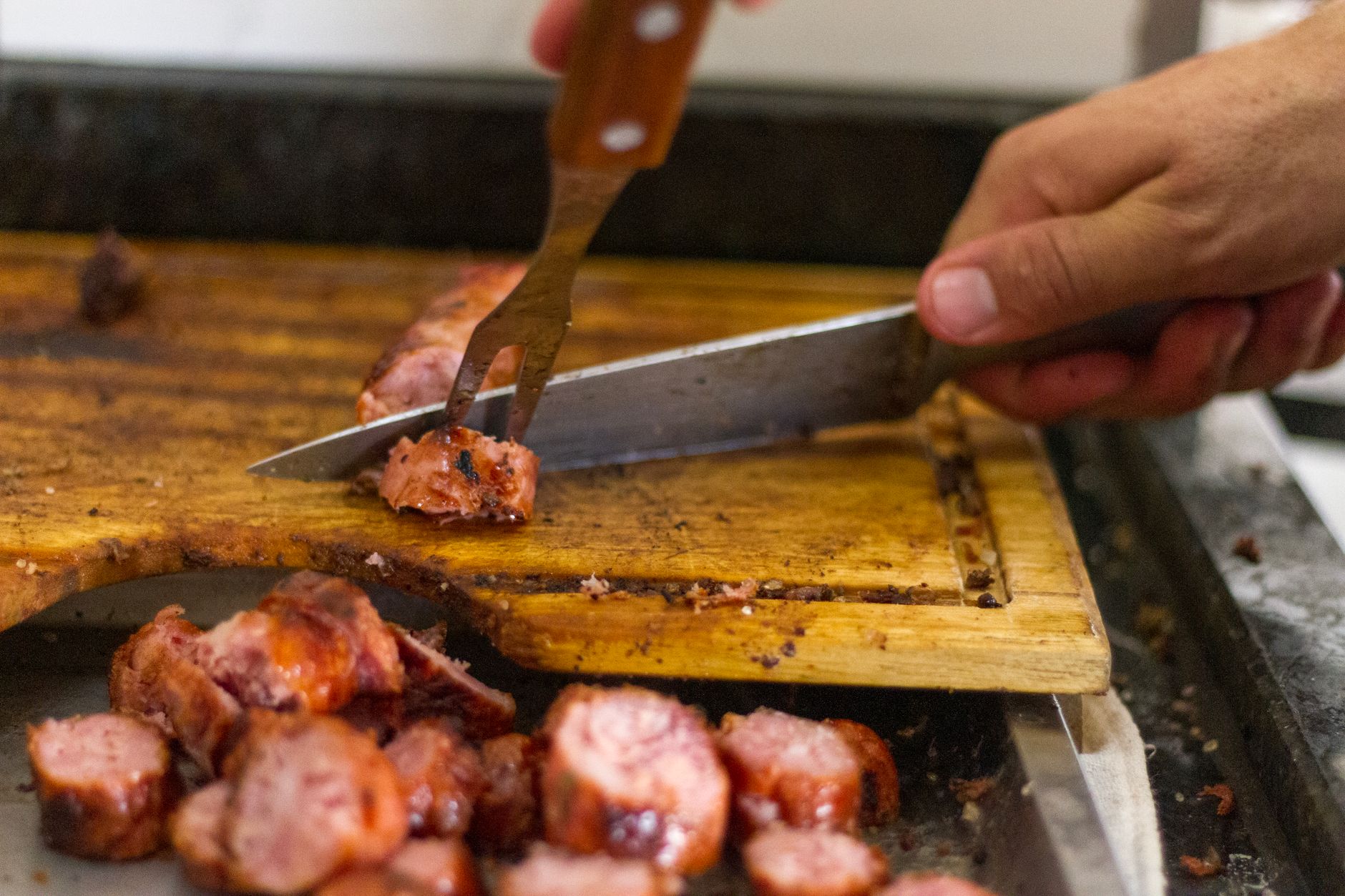
Fully cooked andouille—heated until the internal temperature reaches at least 165 °F (74 °C)—is considered safe in the first trimester. The smoking process does not replace cooking, so a quick pan‑fry, grill, or oven bake that ensures the sausage is steaming hot throughout is essential. Keep your portion modest (no more than 2 oz, about the size of a deck of cards) and balance it with low‑sodium foods to stay within daily sodium limits.
If you’re buying pre‑cooked, vacuum‑sealed andouille, double‑check the label for “ready to eat” claims. Even then, reheating it to the safe temperature is recommended. The NHS advises that any ready‑to‑eat meat should be reheated until steaming hot, which eliminates most pathogens.
Can I eat smoked andouille during pregnancy if it's fully cooked?
Yes—smoked andouille that has been cooked to the proper internal temperature is safe for pregnant people. The smoking adds flavor but does not sterilize the meat. The CDC’s Food Safety Guidelines state that “smoked meats must be cooked to an internal temperature of 165 °F (74 °C) to destroy Listeria and other pathogens.”
When you buy smoked andouille, treat it like any other raw pork product: grill, bake, or sauté it until the juices run clear and the center is hot. A meat thermometer is the most reliable tool; insert it into the thickest part of the sausage and look for 165 °F. If you’re reheating leftovers, make sure the sausage is steaming throughout, not just warm on the surface.
Because smoked meats often contain added nitrites, which have been linked in some animal studies to adverse pregnancy outcomes when consumed in very high amounts, keep your servings small. The American Heart Association recommends limiting processed meat intake to less than 2 servings per week for the general population; pregnant people should aim for the lower end of that range.
How much andouille can a pregnant woman safely consume?
Moderation is key. The USDA’s Dietary Guidelines suggest that a standard serving of sausage is about 2 oz (56 g). For pregnancy, ACOG recommends no more than 2 servings of processed meats per week, translating to roughly 4 oz (112 g) total. This amount keeps sodium and nitrite exposure within safe limits while still allowing occasional cravings.
In practical terms, that means you could enjoy a single 2‑ounce slice of fully cooked andouille a few times a week, paired with plenty of fresh vegetables, whole grains, and low‑sodium foods. If you have gestational diabetes, pay extra attention to carbohydrate content; a typical andouille sausage contains about 1–2 g of carbs per serving, so it won’t spike blood sugar dramatically, but the accompanying sauces or sides might.
Remember that the total sodium intake from all foods should stay under 2,300 mg per day (the limit recommended by the American Heart Association and NHS). A single 2‑ounce serving of andouille can contain anywhere from 400 mg to 800 mg of sodium, depending on the brand. Check nutrition labels and factor that into your daily total.
What are the risks of eating andouille while pregnant?
Listeria infection: Undercooked or improperly stored sausage can harbor Listeria, which can cause miscarriage, stillbirth, or severe neonatal infection. Proper cooking eliminates this risk.
High sodium: Processed sausages are often high in salt, contributing to hypertension and swelling (edema) during pregnancy.
Nitrite exposure: Nitrites are used as preservatives in smoked meats. While occasional consumption is considered low risk, excessive intake has been linked in animal studies to fetal growth restriction.
Fat content: Andouille is relatively high in saturated fat, which can affect maternal cholesterol levels if consumed in excess.
Most of these risks are manageable with proper cooking, portion control, and a balanced diet. If you experience any symptoms of foodborne illness—such as fever, chills, nausea, or diarrhea—contact your obstetric provider promptly.
Are there any brands of andouille that are safer for pregnant women?
While we can’t endorse specific commercial brands, there are a few criteria you can use to choose a pregnancy‑friendly option:
Look for “no added nitrites” or “nitrite‑free” labeling. Some artisanal producers use natural curing agents like celery powder.
Choose products with a sodium content of less than 500 mg per 2‑ounce serving.
Prefer sausages that are vacuum‑sealed and have a clear “cook to 165 °F” instruction on the package.
Check for third‑party certifications (e.g., USDA Organic) that often indicate stricter processing standards.
Brands that meet these criteria are generally considered safer, but always read the label and follow the cooking instructions. If you’re uncertain, ask your pharmacist or dietitian for brand recommendations that align with ACOG’s dietary guidelines.
What are safe alternatives to andouille for pregnant cravings?
Fully cooked chicken sausage – lower in sodium and nitrites.
Turkey sausage – leaner protein with less saturated fat.
Plant‑based sausage – often nitrite‑free and lower in cholesterol.
Lentil sausage – high in fiber and iron, great for anemia prevention.
Grilled chicken breast – simple, high‑protein, and easy to season.
Tofu sausage – versatile, low‑fat, and can be flavored to mimic smoky notes.
Veggie burger – provides a similar texture with minimal sodium.
Low‑sodium turkey bacon – satisfies smoky cravings with less salt.
Is andouille safe for pregnant women with gestational diabetes?
Gestational diabetes primarily requires careful carbohydrate monitoring. Andouille sausage itself contains minimal carbs (typically 1–2 g per 2‑ounce serving), so it does not directly raise blood glucose. However, many sausage dishes are served with sugary sauces or starchy sides that can impact glucose levels.
For a gestational‑diabetes‑friendly approach, pair a modest portion of fully cooked andouille with non‑starchy vegetables and a small serving of whole grains (like quinoa). Keep an eye on the overall sodium intake, as high sodium can exacerbate hypertension—a common co‑condition in gestational diabetes.
Does eating andouille increase the risk of listeria in pregnancy?
Any processed meat that is not cooked to the recommended temperature can potentially carry Listeria. The CDC estimates that about 1 in 10,000 cases of listeriosis are linked to smoked meats. Proper cooking—reaching an internal temperature of 165 °F (74 °C)—virtually eliminates the bacteria, making the risk negligible.
To further reduce risk, store andouille in the refrigerator (≤40 °F) and use it within three days of opening. If you’re buying a pre‑cooked, vacuum‑sealed product, follow the label’s reheating instructions and consume within the “use‑by” date.
Always heat andouille until it’s steaming hot to kill any hidden bacteria.
Safety by trimester
First trimester
During weeks 1–13, the embryo’s organs are forming, making it the most sensitive period for food‑borne infections. Fully cooked andouille is permissible, but keep servings to no more than 2 oz per week and always verify the internal temperature. Pair the sausage with vitamin‑rich foods like leafy greens to support early fetal development.
Second trimester
Weeks 14–27 bring rapid growth and increased maternal blood volume. Your body can handle slightly higher sodium loads, but the ACOG still recommends staying under 2,300 mg per day. Continue to limit andouille to 2 oz per serving and no more than 4 oz per week. Ensure any leftovers are reheated to 165 °F before eating.
Third trimester
In the final stretch (weeks 28–40), the baby’s brain and lungs are maturing. Maintaining adequate protein is important, and a modest portion of andouille can contribute. However, excessive nitrite intake may be a concern; aim for no more than 2 servings per week, and always cook it thoroughly.
Breastfeeding
After delivery, the same food‑safety rules apply. Fully cooked andouille remains safe while nursing, but keep sodium low to avoid affecting milk composition. A balanced diet rich in fruits, vegetables, and lean proteins supports both your recovery and milk quality.
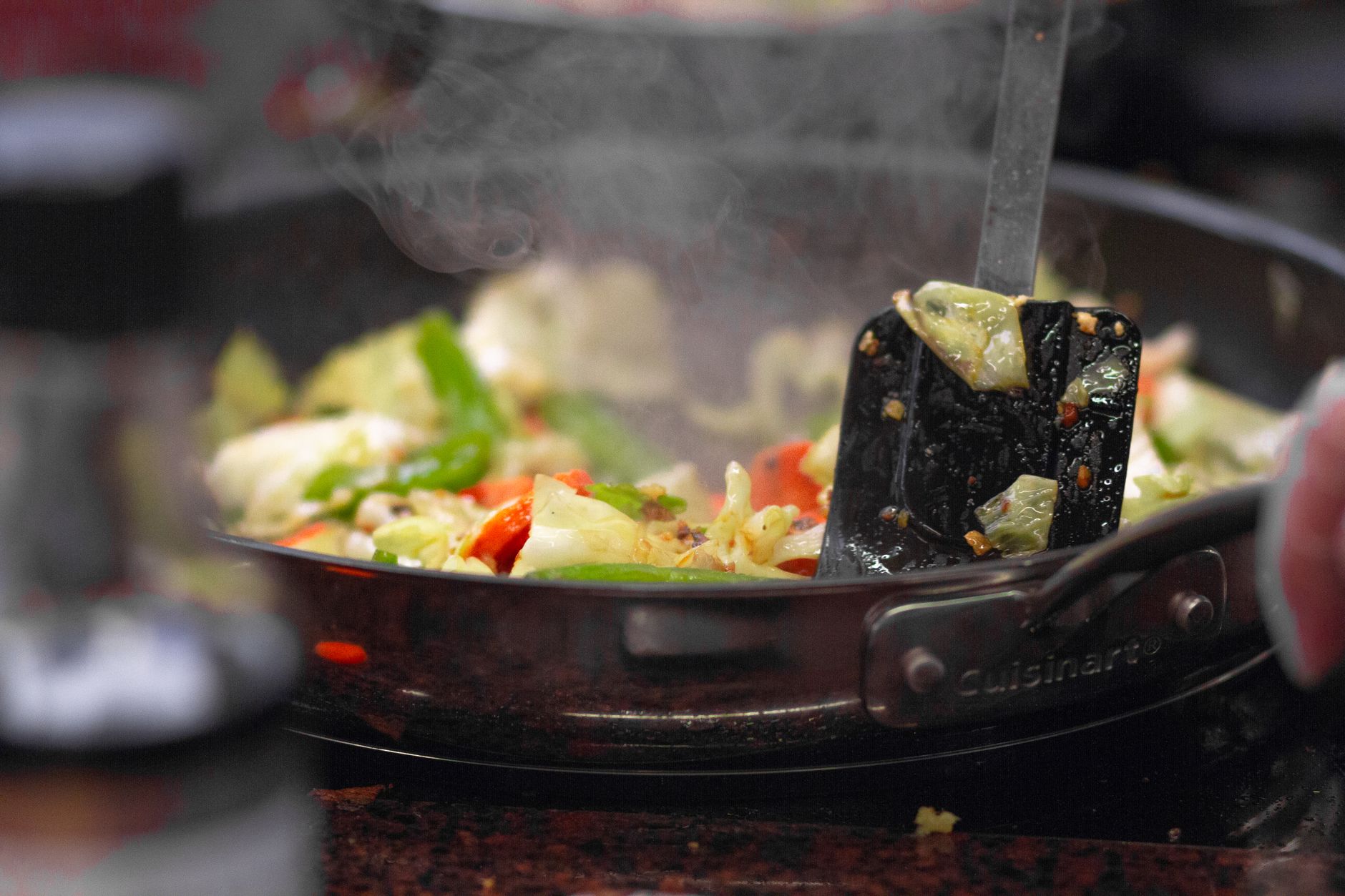
Combine cooked andouille with veggies for a nutrient‑dense, pregnancy‑friendly dish.
Safe dosage / amount / brands
Maximum weekly amount
Typical serving size
Recommended brands (nitrite‑free or low‑sodium)
4 oz (≈112 g)
2 oz (≈56 g) per serving
Check for “no added nitrites” and ≤500 mg sodium per serving; examples include artisanal low‑sodium Cajun‑style andouille and organic nitrite‑free smoked sausage.
When reheating leftovers, use a microwave, oven, or stovetop until the sausage is steaming hot throughout. A meat thermometer is the most reliable method; aim for 165 °F. If you’re uncertain about a brand’s nitrite content, contact the manufacturer or choose a nitrite‑free alternative.
Side effects and risks
Most side effects from eating andouille are mild and related to its high sodium and fat content:
Swelling or edema: Excess sodium can cause fluid retention, leading to swelling in the hands and feet.
Elevated blood pressure: High sodium intake can raise blood pressure, which is already a concern for many pregnant people.
Gastrointestinal upset: Overeating fatty foods may cause heartburn or indigestion, common in pregnancy.
Food‑borne illness symptoms: Fever, chills, nausea, vomiting, or diarrhea after eating undercooked sausage should prompt an immediate call to your provider.
These symptoms are not normal and warrant medical attention, especially if you develop a fever above 100.4 °F (38 °C) or notice any signs of dehydration.
Safer alternatives
Fully cooked chicken sausage – lower sodium, no nitrites.
Turkey sausage – lean protein with less saturated fat.
Plant‑based sausage – often nitrite‑free and cholesterol‑free.
Lentil sausage – high in fiber, iron, and low in fat.
Grilled chicken breast – simple, versatile, and easy to season.
Tofu sausage – adaptable to smoky flavors without the pork.
Veggie burger – provides a similar texture with minimal sodium.
Low‑sodium turkey bacon – satisfies smoky cravings with less salt.
Related items — safety at a glance
Item
Verdict
One‑line note
Chorizo
⚠️ Safe with limits
Fully cooked, watch sodium and nitrite levels.
Kielbasa
⚠️ Safe with limits
Must reach 165 °F; high in sodium.
Bratwurst
⚠️ Safe with limits
Cook thoroughly; moderate portion size.
Salami
❌ Best avoided
Often uncooked and high in nitrites.
Pepperoni
❌ Best avoided
Typically consumed raw; high sodium.
Hot dogs
⚠️ Safe with limits
Reheat to 165 °F; watch sodium.
Boudin
⚠️ Safe with limits
Fully cooked; high fat.
Mortadella
❌ Best avoided
Often served cold; nitrite content high.
Myth vs. fact
Myth: “Smoked andouille is already safe because it’s smoked.”
Fact: Smoking adds flavor but does not kill Listeria; the sausage must still reach 165 °F to be safe.
Myth: “A small bite of undercooked andouille won’t harm the baby.”
Fact: Even a tiny amount of Listeria can cause serious infection; always cook thoroughly.
Myth: “All processed meats are equally dangerous.”
Fact: Risks vary by sodium, nitrite content, and cooking method; fully cooked, low‑sodium options are safer.
Key takeaways
Fully cooked andouille sausage is safe in pregnancy when eaten in moderation (≤2 oz per serving, ≤4 oz per week).
Always heat the sausage to an internal temperature of 165 °F (74 °C) to eliminate Listeria.
Watch sodium and nitrite intake; choose low‑sodium or nitrite‑free brands when possible.
If you experience fever, chills, or gastrointestinal symptoms after eating sausage, contact your provider immediately.
Consider safer alternatives like chicken sausage, turkey sausage, or plant‑based options for similar cravings.
Frequently asked questions
Can pregnant women eat smoked sausage?
Yes, pregnant women can eat smoked sausage—as long as it is cooked to an internal temperature of 165 °F (74 °C) before consumption. The cooking step eliminates the Listeria risk that is associated with smoked meats.
Is andouille sausage cooked enough to be safe during pregnancy?
Only if the sausage has reached 165 °F (74 °C) throughout. The smoking process does not guarantee safety; you must still heat it thoroughly.
What are the symptoms of listeria from eating sausage while pregnant?
Listeria symptoms can include fever, chills, muscle aches, nausea, and diarrhea. In pregnant people, these signs may be mild but can lead to serious complications for the baby, so any such symptoms after eating sausage should prompt a call to your obstetrician.
How should I reheat andouille sausage for pregnancy safety?
Reheat the sausage until it’s steaming hot all the way through, using a microwave, oven, or stovetop. A meat thermometer should read at least 165 °F (74 °C) in the thickest part.
Are there any pregnancy‑safe brands of andouille?
Look for brands that label themselves “nitrite‑free” or “low‑sodium” and provide clear cooking instructions to reach 165 °F. Checking the nutrition panel for ≤500 mg sodium per 2‑ounce serving helps identify safer options.
Can I eat andouille if I have morning sickness?
Yes, as long as the sausage is fully cooked and you tolerate the flavor and texture. Pair it with bland, easy‑to‑digest foods like toast or plain rice if nausea is an issue.
What nutrients does andouille provide during pregnancy?
Andouille offers protein, iron, vitamin B12, and zinc—nutrients important for fetal growth and maternal health. However, these benefits are offset by its high sodium and possible nitrite content, so moderation is essential.
When to call your doctor
If you experience any of the following after eating andouille, contact your obstetric provider right away:
Fever of 100.4 °F (38 °C) or higher
Severe headache, stiff neck, or confusion (possible meningitis from Listeria)
Persistent vomiting or diarrhea lasting more than 24 hours
Sudden swelling of hands, feet, or face accompanied by shortness of breath
Any signs of pre‑eclampsia such as high blood pressure (≥140/90 mmHg) or protein in urine
These symptoms may indicate a food‑borne illness or other complication that needs prompt medical evaluation. This article is for informational purposes only and does not replace personalized medical advice.
References
American College of Obstetricians and Gynecologists. “Nutrition During Pregnancy.” ACOG Practice Bulletin, 2023.
National Health Service (UK). “Food safety for pregnant women.” NHS, updated 2022.
U.S. Food and Drug Administration. “Food Safety and the Types of Foodborne Illnesses.” FDA, 2021.
Centers for Disease Control and Prevention. “Listeria (Listeriosis).” CDC, 2023.
American Heart Association. “Sodium and Your Health.” AHA, 2022.
Foodborne Pathogens and Disease. “Occurrence of Listeria monocytogenes in smoked sausages.” 2020.
World Health Organization. “Nitrites and Nitrates in Food.” WHO, 2020.
U.S. Department of Agriculture. “Dietary Guidelines for Americans, 2020‑2025.” USDA, 2020.
Not sure about the label on Is Andouille Safe During Pregnancy products?
Snap the ingredients list and SafeFilter checks every ingredient for your stage — only 3 free scans this month, then you're locked until reset. Unlimited from $7/mo or $50/yr.
When Shubhra Mishra was expecting her first child in 2016, she was overwhelmed by conflicting food advice — one site said yes, another said never. By the time her second baby arrived in 2019, she realized millions of mothers face the same confusion.
That sparked a five-year journey through clinical nutrition papers, cultural diets, and expert conversations — all leading to BumpBites: a calm, compassionate space where science meets everyday motherhood.
Her long-term vision is to build a global community ensuring safe, supported, and free deliveriesfor every mother — because no woman should face pregnancy alone or uninformed. 🌿
🌍 Stand with mothers, shape safer guidance
Join a small circle of experts who review BumpBites articles so expecting parents everywhere can decide with confidence.