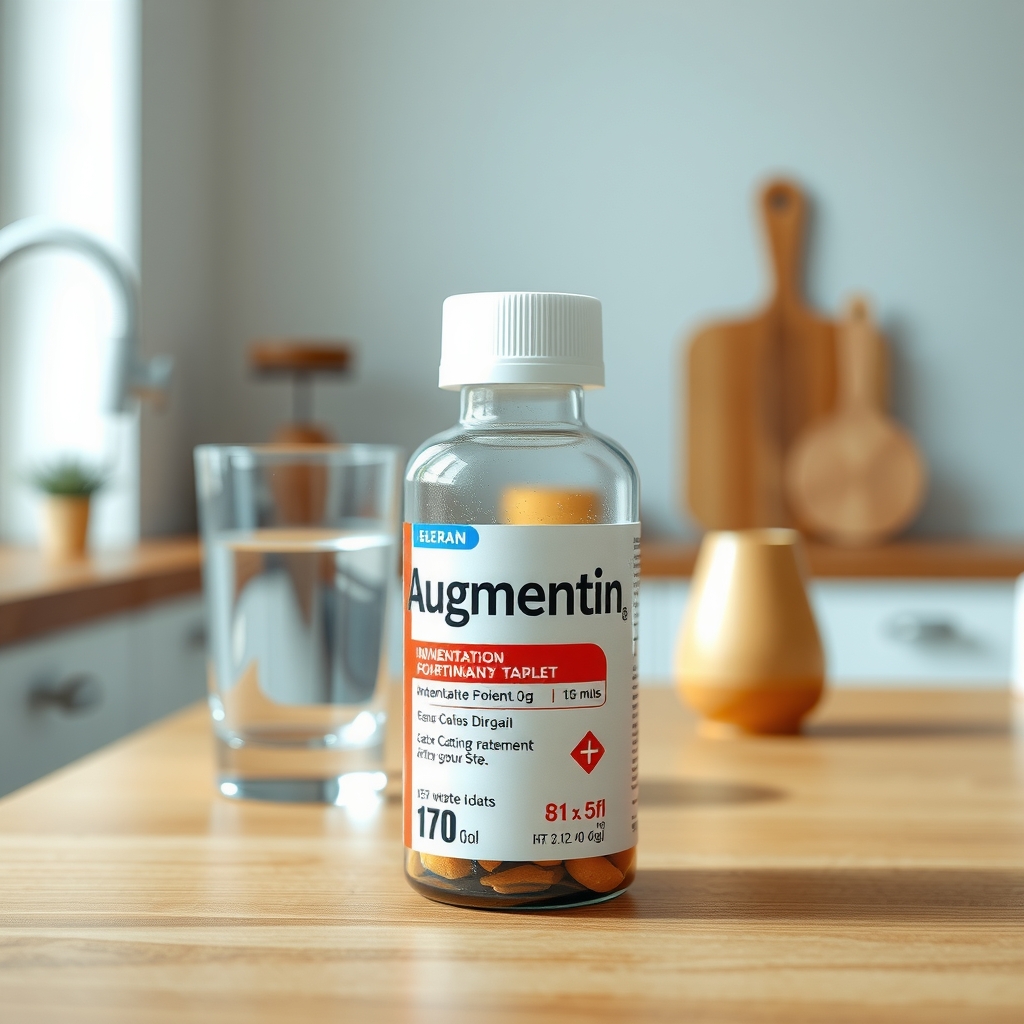
Amoxicillin clavulanate is generally safe during pregnancy in prescribed doses. Learn about first-trimester risks, dosage guidelines, and alternatives from
By Shubhra Mishra — a mom of two who turned her own confusion during pregnancy into BumpBites, a global mission to make food choices clear, safe, and stress-free for every expecting mother. 💛
Check whether any food is safe during pregnancy with the BumpBites Food Safety Checker.
Quick verdict: ⚠️ Amoxicillin clavulanate is generally considered safe during pregnancy when prescribed for necessary infections, but it should only be used under medical supervision. The FDA classifies it as Category B, meaning animal studies show no risk, but human data is limited. Always take it at the dose your provider prescribes and for the shortest duration possible. First-trimester use should be avoided if possible due to organogenesis risks, while second and third trimesters are safer windows with careful monitoring.
It’s 2 AM, and your bladder is screaming at you. You reach for the antibiotic you’ve taken before—amoxicillin clavulanate—and pause. Is amoxicillin clavulanate safe during pregnancy? The bottle says it’s for bacterial infections, but pregnancy changes everything. Maybe you already took one dose before realizing you were pregnant, or maybe you’re deciding whether to start it now. Either way, the worry is real: Will this protect my infection without risking my baby?
You’re not alone. Amoxicillin clavulanate, sold under brand names like Augmentin, is one of the most commonly prescribed antibiotics for pregnant women—especially for urinary tract infections (UTIs), sinusitis, and skin infections. But with pregnancy, even safe medications need careful consideration. The good news? Current evidence suggests it’s safe when needed, but only if you follow your doctor’s guidance. Below, we break down the risks, the right dosage, safer alternatives, and what to watch for—so you can make an informed decision with confidence.
We’ll also compare it to other antibiotics, debunk common myths, and give you a clear plan for when to call your provider. Because when you’re pregnant, every medication deserves a second look—and every question deserves a straightforward answer.
We’ll also explore how to manage infections without antibiotics when possible, and what to do if you’ve already taken it before realizing you were pregnant. Because sometimes, the best safety plan is prevention—and knowing your options.
---
Trimester / Situation
Safety Verdict
Key Notes
First Trimester
⚠️ Safe with medical supervision
Use only if absolutely necessary. Avoid if possible due to organogenesis risks.
Second Trimester
✅ Safe when prescribed
Most obstetricians approve for necessary infections at this stage.
Third Trimester
✅ Safe when prescribed
Monitor for signs of preterm labor or allergic reactions in baby.
Breastfeeding
✅ Safe in small amounts
Passes to breast milk but considered safe for infants.
If taken before knowing pregnancy
⚠️ Generally safe for one or two doses
Discuss with provider if concerned; may recommend monitoring.
---
What is amoxicillin clavulanate?
Amoxicillin clavulanate is a combination antibiotic that fights bacterial infections by stopping bacteria from building protective walls. It’s made of two parts:
Amoxicillin: A penicillin-like drug that kills bacteria directly.
Clavulanate (potassium clavulanate): A "beta-lactamase inhibitor" that prevents some bacteria from becoming resistant to amoxicillin.
This combo makes it effective against a broader range of bacteria than amoxicillin alone, including Staphylococcus and E. coli. Common uses include:
It comes in tablets, chewable tablets, and liquid suspensions, with dosages ranging from 250 mg to 1,000 mg of amoxicillin per tablet (paired with clavulanate). Many pregnant women recognize it by its brand name, Augmentin.
If you’ve taken it before pregnancy, you might wonder why it feels different now. The answer lies in how your body processes medications during pregnancy—and how infections are managed to minimize risks. Amoxicillin alone is also generally safe, but the clavulanate component adds a layer of consideration. Additionally, probiotics may be recommended alongside antibiotics to support gut health and reduce side effects like diarrhea.
---
Is amoxicillin clavulanate safe during pregnancy?
The short answer? Yes, it’s generally considered safe when prescribed for necessary infections, but with important caveats. The FDA classifies it as Category B, meaning:
Animal studies haven’t shown a risk to the fetus, but there aren’t enough well-done studies in humans.
This doesn’t mean it’s completely safe—it just means the current evidence suggests no proven harm when used appropriately. The American College of Obstetricians and Gynecologists (ACOG) and the UK’s National Institute for Health and Care Excellence (NICE) both support its use when other options aren’t available, particularly for serious infections like pyelonephritis (kidney infections) or group A strep (GAS) infections.
However, clavulanate is the part that raises some eyebrows. While amoxicillin alone is widely regarded as safe, clavulanate has been linked to rare cases of liver toxicity in non-pregnant adults. The risk is low, but it’s why your doctor will likely:
Prescribe the lowest effective dose.
Monitor you for yellowing skin, dark urine, or fatigue (signs of liver issues).
Avoid it if you have a history of liver problems.
Studies in pregnant women are limited, but a 2018 review in the Journal of Obstetrics and Gynaecology Research found no increased risk of birth defects when amoxicillin clavulanate was used as directed. That said, prevention is always better than cure—if you can treat an infection with a safer alternative (like amoxicillin alone or cephalexin), your doctor may recommend it.
One common misconception? That all antibiotics are unsafe during pregnancy. The truth is, untreated infections can be far riskier than the medication itself. For example, chronic UTIs can lead to preterm labor, and strep throat can cause rheumatic fever in babies. That’s why amoxicillin clavulanate is often the go-to choice when other treatments fail.
Another consideration is how clavulanate interacts with other medications. For example, it can affect the effectiveness of oral contraceptives, so pregnant women should use alternative birth control methods while taking it.
---
Is amoxicillin clavulanate safe during the first trimester?
The first trimester is the most critical window for pregnancy, as your baby’s organs are forming. This is why many pregnant women (and their doctors) prefer to avoid unnecessary medications during these first 12 weeks. Unfortunately, amoxicillin clavulanate isn’t an exception.
The FDA’s Category B rating means it’s not definitively unsafe, but it’s also not definitively safe. The clavulanate component is the main concern here. While rare, some studies suggest it may increase the risk of certain birth defects when used in early pregnancy—though the evidence is not conclusive. For this reason:
ACOG recommends avoiding it in the first trimester if possible.
If prescribed, your doctor will likely:
Prescribe the lowest dose for the shortest duration.
Monitor you closely for allergic reactions or side effects.
Consider safer alternatives like penicillin V or cephalexin.
If you’ve already taken it in the first trimester and didn’t know you were pregnant, take a deep breath. Most experts agree that one or two doses are unlikely to cause harm, but if you’re worried, discuss it with your provider during your next appointment. They may recommend additional testing, like an ultrasound or blood work, to reassure you.
It’s also worth noting that some infections in the first trimester may require immediate treatment, such as severe UTIs or pneumonia. In these cases, the benefits of treating the infection may outweigh the risks of the antibiotic.
Always follow your provider’s dosage instructions to minimize risks.
---
Is amoxicillin clavulanate safe during the second trimester?
By the second trimester, the risk of birth defects from medications drops significantly because your baby’s major organs have already formed. This is often when doctors feel more comfortable prescribing amoxicillin clavulanate if needed. The ACOG and CDC both consider it a reasonable choice for treating infections like:
Urinary tract infections (UTIs)
Acute sinusitis
Skin infections (e.g., cellulitis)
Dental abscesses
Acute bronchitis (though this is often viral and may not require antibiotics)
However, your doctor will still:
Prescribe the lowest effective dose (e.g., 500 mg every 12 hours instead of 875 mg).
Recommend completing the full course (even if you feel better) to prevent antibiotic resistance.
Watch for side effects like diarrhea or rash.
One note: If you have a history of allergies—especially to penicillin or cephalosporins—your doctor may switch you to a different class of antibiotics, like macrolides (azithromycin) or tetracyclines (if safe in your trimester).
Additionally, probiotics can help mitigate side effects like diarrhea, which is common with clavulanate. Your doctor may recommend taking a probiotic supplement or eating yogurt with live cultures while on the medication.
---
Is amoxicillin clavulanate safe during the third trimester?
The third trimester is when amoxicillin clavulanate is often most commonly prescribed, particularly for UTIs or strep infections. The good news? By this stage, the risk of birth defects is minimal, and the benefits of treating an infection often outweigh the concerns. However, there are a few extra precautions:
Monitor for signs of preterm labor, as some infections (like chorioamnionitis) can trigger early delivery.
Be cautious with clavulanate, as it may rarely cause jaundice in newborns if taken near delivery.
Avoid if possible in the last week before delivery, unless absolutely necessary.
Watch for signs of allergic reactions in your baby, such as rash or difficulty feeding, after birth.
If you’re breastfeeding, amoxicillin clavulanate is generally considered safe in small amounts. It passes into breast milk, but studies show it doesn’t harm infants. However, clavulanate can cause diarrhea or yeast infections in babies, so your doctor may suggest monitoring your little one for these side effects.
It’s also important to note that some infections in the third trimester may require additional monitoring, such as group B strep (GBS) infections, which may necessitate a C-section delivery to prevent transmission to the baby.
---
How to manage infections without antibiotics during pregnancy
While antibiotics like amoxicillin clavulanate are often necessary, there are times when non-antibiotic treatments can be just as effective. For example:
UTIs: Drinking plenty of water, cranberry juice (though evidence is mixed), and avoiding caffeine can help flush out bacteria. Your doctor may recommend phenazopyridine for pain relief, which is generally safe in pregnancy.
Sinusitis: Saline nasal rinses, steam inhalation, and hydration can help relieve congestion. Avoid decongestant sprays unless approved by your doctor.
Skin infections: Keeping the area clean and dry, using topical antibiotics like mupirocin (safe in pregnancy), and avoiding picking at the infection can prevent it from worsening.
If an infection does require antibiotics, your doctor will weigh the risks and benefits and choose the safest option available.
---
What is the recommended dosage of amoxicillin clavulanate for pregnant women?
The dosage depends on the type and severity of infection, but here’s what your doctor will likely prescribe:
Higher dose due to severity; often requires IV antibiotics initially.
Skin/soft tissue infection
500–875 mg every 8–12 hours
7–10 days
May need surgical drainage in addition to antibiotics.
Sinusitis or bronchitis
500–875 mg every 12 hours
10–14 days
Clavulanate helps with resistant bacteria like H. influenzae.
Dental abscess
500–875 mg every 8 hours
5–7 days
Often used in combination with dental drainage.
Key rules to follow:
Never exceed the prescribed dose—higher doses increase the risk of side effects like nausea or diarrhea.
Take it with food to reduce stomach upset.
Complete the full course, even if symptoms improve. Stopping early can lead to antibiotic resistance.
Avoid alcohol while on amoxicillin clavulanate, as it can cause a disulfiram-like reaction (nausea, vomiting, flushing).
Stay hydrated to help your body process the medication and reduce the risk of side effects.
If you’re unsure about your dosage, always check with your doctor or pharmacist. Some generic versions may have slightly different clavulanate ratios, so stick to the brand your provider prescribes.
---
What are the brand names of amoxicillin clavulanate available in the US?
Amoxicillin clavulanate is sold under several brand names in the US, with variations in dosage and formulation. Here’s what to look for:
For more severe infections; requires careful monitoring.
Safety tip: If you’re prescribed a generic version, confirm the clavulanate ratio with your pharmacist. Some generics use slightly different ratios (e.g., 875 mg amoxicillin/125 mg clavulanate vs. 875/62.5 mg), which can affect effectiveness. Always take the brand your doctor prescribes unless they approve a switch.
---
Side effects and risks of amoxicillin clavulanate during pregnancy
While amoxicillin clavulanate is generally safe, it’s not without risks. Here’s what to watch for—and when to worry:
Common (but usually harmless) side effects
Diarrhea (due to clavulanate affecting gut bacteria)
Nausea or stomach upset (take with food to help)
Headache or rash (usually mild and resolves on its own)
Vaginal yeast infections (common due to antibiotic disruption of normal flora)
Serious (but rare) risks
Liver toxicity (yellowing skin/eyes, dark urine, fatigue—call your doctor immediately)
Severe allergic reaction (anaphylaxis) (swelling of face/throat, difficulty breathing—seek emergency care)
Clostridium difficile (C. diff) infection (severe diarrhea, blood in stool—contact your provider)
Jaundice in newborns (if taken near delivery)
Increased risk of antibiotic resistance if not taken as prescribed
What to do if you experience side effects:
For mild nausea or diarrhea, try taking it with food or a probiotic.
If you develop a rash or fever, stop taking it and call your doctor.
For severe symptoms (difficulty breathing, swelling), go to the ER.
If you experience vaginal discharge or itching, you may need antifungal treatment.
If you’re worried about side effects, your doctor may recommend monitoring liver enzymes with a blood test, especially if you have a history of liver issues.
---
What are safer antibiotic alternatives to amoxicillin clavulanate during pregnancy?
If you’re looking for safer alternatives to amoxicillin clavulanate, your doctor may recommend these options, depending on the infection:
Penicillin V – A penicillin similar to amoxicillin, with a long history of safety in pregnancy.
Cefazolin (IV) or Cephalexin (oral) – Cephalosporins are safe in pregnancy and effective for many infections.
Ampicillin – Another penicillin-like drug, often used for UTIs and respiratory infections.
Clindamycin – Safe for non-pregnant women and sometimes used in pregnancy for certain infections (e.g., B. fragilis), but monitor for yeast infections.
Azithromycin or Erythromycin – Macrolides are safe for second and third trimesters but may cause stomach upset.
Nitrofurantoin – Safe for UTIs in the second and third trimesters but avoided in the first trimester.
Fosfomycin – A single-dose antibiotic for uncomplicated UTIs in pregnancy, with minimal side effects.
Your doctor will choose based on:
The type of bacteria causing your infection.
Your allergies or medical history.
The severity of the infection.
Your trimester, as some antibiotics are avoided in the first trimester.
For example, if you have a UTI caused by E. coli, amoxicillin alone or cephalexin might be just as effective as amoxicillin clavulanate. But if you have a skin infection with resistant bacteria, clavulanate’s extra power could be worth the risk.
---
What should I do if I’ve already taken amoxicillin clavulanate before knowing I was pregnant?
If you’ve taken amoxicillin clavulanate before realizing you were pregnant, most experts agree that one or two doses are unlikely to cause harm. However, it’s always a good idea to discuss it with your doctor, especially if you took multiple doses or are concerned.
Your doctor may:
Recommend additional monitoring, such as an ultrasound or blood work, to reassure you.
Suggest avoiding clavulanate-containing antibiotics in the future if possible.
Advise you to finish any remaining doses if you were prescribed a full course.
If you’re worried about potential risks, your doctor can help weigh the benefits of the medication against the risks. In most cases, one or two doses are not considered harmful, but it’s always better to be informed.
---
Related antibiotics: Safety at a glance
Not sure which antibiotic is safest for your infection? Here’s a quick comparison of similar drugs:
Similar to amoxicillin but less effective against some bacteria.
Penicillin G
✅ Safe in all trimesters
Used for strep infections; IV or IM only.
Cefazolin
✅ Safe in all trimesters
Cephalosporin; often used for surgical prophylaxis.
Cefuroxime
✅ Safe in all trimesters
Second-generation cephalosporin for respiratory infections.
Ceftriaxone
⚠️ Safe with caution
Can cause jaundice in newborns if taken near delivery.
Cephalexin
✅ Safe in all trimesters
First-choice for many skin and UTIs.
Azithromycin
✅ Safe in second and third trimesters
Macrolide; may cause stomach upset.
Clindamycin
⚠️ Safe with caution
Monitor for yeast infections; avoid in first trimester if possible.
---
Myth vs. fact
Myth: "All antibiotics are unsafe during pregnancy."
Fact: Many antibiotics are not only safe but necessary to treat infections that could harm you or your baby. For example, untreated UTIs can lead to preterm labor, and strep throat can cause rheumatic fever in newborns. The key is using the right antibiotic at the right dose.
Myth: "Amoxicillin clavulanate will definitely cause birth defects."
Fact: The FDA’s Category B rating means there’s no proven risk to humans, though animal studies show potential concerns. Most experts agree that one or two doses are unlikely to harm your baby, but long-term or high-dose use should be avoided.
Myth: "I can just stop taking it when I feel better."
Fact:Always finish the full course, even if symptoms improve. Stopping early can lead to antibiotic resistance or a return of the infection. If you’re struggling with side effects, talk to your doctor—there may be adjustments to make it easier.
Myth: "All generic versions of amoxicillin clavulanate are the same."
Fact: Some generic versions may have different clavulanate ratios, which can affect effectiveness and side effects. Always confirm the ratio with your pharmacist and stick to the brand your doctor prescribes.
---
Key takeaways
Amoxicillin clavulanate is generally safe during pregnancy when prescribed for necessary infections, but clavulanate adds a layer of consideration.
Avoid it in the first trimester if possible, and use the lowest effective dose for the shortest duration.
Second and third trimesters are safer windows for use, but monitor for side effects like diarrhea or rash.
Safer alternatives exist, like amoxicillin alone, penicillin V, or cephalexin, depending on your infection.
Always take it with food to reduce nausea, and complete the full course to prevent resistance.
Call your doctor if you experience severe side effects, such as yellowing skin, dark urine, or difficulty breathing.
If you’ve already taken it and didn’t know you were pregnant, most experts agree that one or two doses are unlikely to cause harm—but discuss it with your provider for peace of mind.
Consider probiotics to help manage side effects like diarrhea.
If you have a history of liver problems, your doctor may avoid amoxicillin clavulanate and recommend an alternative.
---
Frequently asked questions
Is amoxicillin clavulanate safe during pregnancy?
Yes, it’s generally considered safe when prescribed for necessary infections, but clavulanate is the part that raises some concerns. The FDA classifies it as Category B, meaning animal studies show no risk, but human data is limited. Your doctor will prescribe it only if the benefits outweigh the risks—and always at the lowest effective dose.
Can I take amoxicillin clavulanate while pregnant?
You can take it, but only if your doctor prescribes it. In the first trimester, they’ll likely avoid it if possible due to organogenesis risks. In the second and third trimesters, it’s more commonly used for infections like UTIs or sinusitis. Always follow your provider’s instructions.
What are the risks of amoxicillin clavulanate in pregnancy?
The main risks are:
Liver toxicity (rare but serious—watch for yellowing skin or dark urine).
Not sure about the label on Is Amoxicillin Clavulanate Safe During Pregnancy products?
Snap the ingredients list and SafeFilter checks every ingredient for your stage — only 3 free scans this month, then you're locked until reset. Unlimited from $7/mo or $50/yr.
When Shubhra Mishra was expecting her first child in 2016, she was overwhelmed by conflicting food advice — one site said yes, another said never. By the time her second baby arrived in 2019, she realized millions of mothers face the same confusion.
That sparked a five-year journey through clinical nutrition papers, cultural diets, and expert conversations — all leading to BumpBites: a calm, compassionate space where science meets everyday motherhood.
Her long-term vision is to build a global community ensuring safe, supported, and free deliveriesfor every mother — because no woman should face pregnancy alone or uninformed. 🌿
🌍 Stand with mothers, shape safer guidance
Join a small circle of experts who review BumpBites articles so expecting parents everywhere can decide with confidence.