Avoid ammonia during pregnancy due to potential harm in high dosages
By Shubhra Mishra — a mom of two who turned her own confusion during pregnancy into BumpBites, a global mission to make food choices clear, safe, and stress-free for every expecting mother. 💛
Check whether any food is safe during pregnancy with the BumpBites Food Safety Checker.
Quick verdict: ❌ Best avoided. Ammonia fumes can irritate the respiratory system and may pose a risk to fetal development, so most obstetric guidelines recommend steering clear of ammonia‑based cleaners throughout pregnancy and while breastfeeding.
It’s 2 a.m., you hear a faint “hiss” from the kitchen sink and wonder whether the bottle of ammonia you keep for tough stains is safe now that you’re pregnant. You’re not alone—many expecting parents scramble for a clear answer when they spot a common household product and fear they’ve already been exposed. The short answer to “is ammonia safe during pregnancy?” is no: the consensus among leading health agencies is to avoid ammonia fumes whenever possible.
In this article we’ll break down exactly why ammonia is a concern, how much (if any) exposure might be considered low‑risk, what the guidance says for each trimester and while you’re breastfeeding, and which ammonia‑free cleaners work just as well. We’ll also give you a quick‑look safety table, list safer alternatives, compare related cleaning agents, debunk a few myths, and answer the most common follow‑up questions. By the end you’ll know when to open a window, when to put the bottle back on the shelf, and how to keep your home sparkling without jeopardizing your baby’s health.
Whether you’re tackling a stubborn stovetop burn, wiping down bathroom tiles, or just trying to freshen up a glass surface, the same rule applies: choose a method that protects both you and your developing baby. The sections that follow walk you through the science, the official recommendations, and practical tips you can start using tonight.
Ventilating the room and swapping ammonia for vinegar can keep cleaning chores safe and odor‑free.
Stage of pregnancy
Verdict
Notes
First trimester
❌ Avoid
Fetal organ formation is most sensitive; inhalation can cause irritation and potential developmental effects.
Second trimester
❌ Avoid
Continued fetal growth; no safe exposure level established; use alternatives.
Third trimester
❌ Avoid
Respiratory strain can worsen fatigue; keep environment well‑ventilated.
Breastfeeding
❌ Avoid
Ammonia vapors may be inhaled by the infant; choose non‑volatile cleaners.
What is ammonia?
Ammonia (NH3) is a colorless gas with a sharp, pungent odor. In households, it’s most often sold as a diluted aqueous solution (typically 5‑10 % ammonia) used for cutting grease, removing stains, and polishing glass. The cleaning power comes from ammonia’s ability to break down proteins and fatty acids, making it effective on baked‑on food, window grime, and bathroom soap scum.
Because ammonia readily evaporates, the solution releases vapors that can irritate eyes, nose, and throat. In higher concentrations, inhalation can cause coughing, chest tightness, and, in extreme cases, chemical pneumonitis. Workers in industrial settings are subject to strict exposure limits set by agencies such as the Occupational Safety and Health Administration (OSHA), which caps permissible exposure at 50 parts per million (ppm) over an 8‑hour workday. For a pregnant person, the goal is to stay well below any level that could cause irritation, as the developing fetus is especially vulnerable to hypoxia and inflammatory stress.
Beyond its cleaning uses, ammonia is also a key intermediate in many manufacturing processes, from fertilizer production to refrigeration. However, the household version you find in the cleaning aisle is far less concentrated than industrial-grade ammonia, which is why the primary safety concern for expectant parents centers on the inhaled fumes rather than any toxic ingestion.
Is ammonia safe during pregnancy?
T
he short answer is no. The American College of Obstetricians and Gynecologists (ACOG) advises pregnant individuals to avoid strong chemical fumes, including ammonia, because inhalation can lead to maternal respiratory irritation and reduced oxygen delivery to the fetus. The UK’s National Health Service (NHS) echoes this recommendation, noting that “any cleaning product that produces strong odour should be used in well‑ventilated areas or replaced with safer alternatives during pregnancy.”
While the U.S. Food and Drug Administration (FDA) does not regulate household ammonia as a drug, the Centers for Disease Control and Prevention (CDC) categorizes ammonia as a respiratory irritant. Their guidance for pregnant workers recommends limiting exposure to less than 25 ppm, a level far below the occupational limit, because the physiological changes of pregnancy (increased ventilation rate and airway sensitivity) can amplify the effects of inhaled irritants.
Scientific studies on direct fetal outcomes from low‑level household ammonia exposure are limited, but animal research shows that high concentrations can cause maternal respiratory distress and fetal hypoxia. Given the precautionary principle endorsed by most obstetric societies, the safest course is to avoid ammonia altogether during pregnancy and while breastfeeding.
In practice, many obstetricians suggest a “no‑smell” rule: if you can smell the cleaning product, it’s likely above the threshold that’s considered safe for a developing baby. Switching to fragrance‑free, low‑VOC alternatives eliminates the risk while still delivering the cleaning power you need.
Is ammonia safe to use during the first trimester of pregnancy?
The first trimester is the period of organogenesis, when the baby’s major organs are forming. This window is the most sensitive to teratogens—substances that can cause birth defects. Although ammonia is not classified as a classic teratogen, the inhalation of irritant fumes can trigger maternal inflammation, which some researchers link to adverse developmental outcomes. ACOG therefore recommends steering clear of any strong‑smelling cleaners, including ammonia, during this critical stage.
If you must clean, opt for a well‑ventilated space, wear a mask, and limit exposure to a few seconds. Even then, many clinicians suggest using an ammonia‑free cleaner as a precaution.
Because the first trimester also often brings heightened nausea and sensitivity to odors, the strong scent of ammonia can exacerbate morning sickness, making the cleaning task feel even more uncomfortable. Choosing a milder scent, such as a vinegar‑based cleaner, can help you stay productive without adding to nausea.
Can I use ammonia‑based cleaners while pregnant?
In practice, most obstetricians advise pregnant patients to replace ammonia‑based cleaners with milder, non‑volatile alternatives. The CDC’s “Pregnancy and the Workplace” fact sheet notes that pregnant workers should avoid cleaning agents that emit strong vapors unless they are using protective equipment and adequate ventilation. For home use, the risk‑to‑benefit ratio generally favors switching to safer products.
If you already own an ammonia bottle, store it in a locked cabinet out of reach, and reserve it for occasional deep‑cleaning tasks performed by another household member. When you do use it, open windows, turn on fans, and keep the room empty for at least 15 minutes afterward.
Some people wonder whether diluting ammonia further can make it safe. While dilution reduces the concentration of vapors, it does not eliminate the irritant properties, and the guidance from ACOG and NHS remains unchanged: avoid ammonia altogether when you’re pregnant.
How much ammonia exposure is considered safe for pregnant women?
Regulatory bodies have not set a specific “safe” exposure limit for pregnant individuals because the safest recommendation is to avoid inhalation altogether. However, the American Conference of Governmental Industrial Hygienists (ACGIH) suggests a threshold limit value (TLL) of 25 ppm for short‑term exposure, which is roughly half the OSHA occupational limit. For a typical household cleaning session, a single brief spray of diluted ammonia is unlikely to exceed this level, but repeated or prolonged use can quickly accumulate.
In practical terms, limiting exposure to less than one minute of direct inhalation, using a window or fan for ventilation, and keeping the concentration diluted (no more than 5 % ammonia) reduces the risk to a minimal level. Still, the consensus among ACOG and NHS is that “any exposure should be minimized,” so the safest approach is to choose ammonia‑free cleaners whenever possible.
For those who accidentally inhale a small puff of ammonia, stepping outside for fresh air and drinking water can help clear the irritant from the respiratory tract. Persistent symptoms should prompt a call to your provider.
What are safer cleaning alternatives to ammonia for pregnant women?
White vinegar: Its mild acidity cuts grease and removes mineral deposits without irritating fumes.
Baking soda: A gentle abrasive that neutralizes odors and works well on stains.
Hydrogen peroxide (3 %): Disinfects surfaces and lifts stains, especially on countertops.
Citrus‑based cleaners: Natural citrus oils dissolve grime while providing a fresh scent.
Castile soap: Plant‑based surfactant safe for all surfaces and skin.
Enzyme cleaners: Break down organic stains like food or urine without harsh chemicals.
Eco‑friendly plant‑based cleaners: Brands such as Method or Seventh Generation use biodegradable ingredients.
Olive oil soap: Effective for wood and stainless steel, leaving a protective sheen.
All of these options are widely available at grocery stores and pharmacies, and they can be mixed with water to create a custom cleaning solution that matches the strength of ammonia without the associated risks. For example, a 1:1 mixture of white vinegar and water works well on glass, while a paste of baking soda and a few drops of water can tackle stubborn grime.
Are there any ammonia‑free cleaning brands safe for pregnancy?
Many commercial cleaners are formulated without ammonia and have been vetted for low VOC (volatile organic compound) emissions. Some widely available, pregnancy‑friendly options include:
Method All‑Purpose Cleaner – plant‑derived ingredients, no strong fumes.
Ecos All‑Purpose Cleaner – contains citrus extracts and is certified biodegradable.
Mrs. Meyer’s Clean Day – uses essential oils for scent, with low VOC content.
Branch Basics Multi‑Surface Cleaner – a minimalist formula with no ammonia or bleach.
When selecting a product, look for labels that say “ammonia‑free,” “low‑odor,” or “VOC‑free.” Even these products should be used in a well‑ventilated area, but they pose far less risk than traditional ammonia solutions.
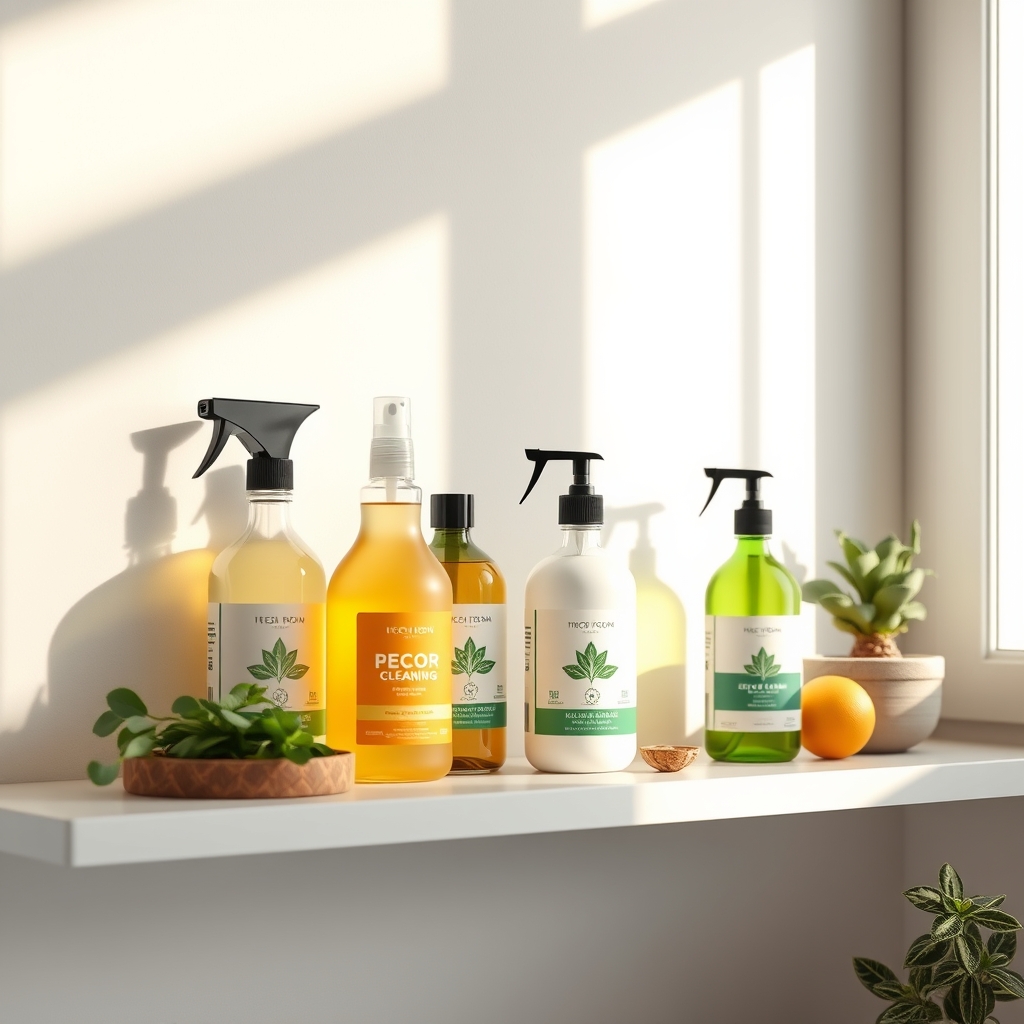
Choosing an ammonia‑free cleaner can keep your home fresh without compromising safety.
What are the risks of inhaling ammonia during pregnancy?
Inhalation of ammonia vapors can cause immediate irritation of the eyes, nose, and throat. For pregnant individuals, the respiratory system is already working harder to meet increased oxygen demands. Adding an irritant can lead to shortness of breath, coughing, or bronchospasm—especially in those with pre‑existing asthma. Maternal hypoxia can, in turn, reduce oxygen flow to the fetus, potentially affecting growth.
Long‑term or repeated exposure may increase the risk of chronic respiratory issues and, according to some occupational health studies, has been linked to a higher incidence of miscarriage in heavily exposed workers. While typical household use is unlikely to reach these extremes, the precautionary stance of ACOG and the NHS remains clear: avoid ammonia fumes whenever possible.
If you experience eye or throat irritation after a cleaning session, rinse the area with cool water and move to fresh air. Persistent symptoms—especially wheezing or chest tightness—should be reported to your obstetric provider promptly.
How does ammonia exposure affect pregnancy complications like morning sickness?
Morning sickness is primarily driven by hormonal changes, but strong odors can exacerbate nausea. Ammonia’s pungent smell is a well‑known trigger for heightened queasiness. ACOG notes that “pregnant patients should minimize exposure to strong chemical odors, as they can worsen nausea and vomiting.” For those already experiencing severe morning sickness, even brief exposure to ammonia may provoke additional bouts of vomiting, which can lead to dehydration and electrolyte imbalances.
Switching to milder scented cleaners like white vinegar or citrus‑based products can help reduce odor‑induced nausea, making daily chores more comfortable.
Is household ammonia safe for pregnant women with asthma?
Asthma prevalence is higher among pregnant women, and respiratory irritants can precipitate asthma attacks. The NHS specifically advises people with asthma to avoid cleaning agents that produce strong fumes, including ammonia, because they can trigger bronchoconstriction. If you have asthma, it’s especially important to keep windows open, use a high‑efficiency particulate air (HEPA) filter fan, or enlist a partner to handle any necessary ammonia‑based cleaning.
Choosing an ammonia‑free, low‑VOC cleaner reduces the likelihood of an asthma flare‑up and protects both you and your baby.
Safety by trimester
First trimester
During weeks 1‑13, the embryo’s organs are forming, making this period the most vulnerable to any potential teratogen. Although ammonia isn’t classified as a teratogen, the irritation it causes can lead to maternal inflammation, which some studies associate with early‑stage developmental issues. ACOG’s guidance is clear: avoid any strong‑smelling cleaners, including ammonia, throughout the first trimester. If cleaning is unavoidable, use a well‑ventilated area, wear a mask, and limit exposure to under one minute.
Second trimester
The second trimester (weeks 14‑27) is a time of rapid fetal growth. While the risk of major organ malformations diminishes, the placenta’s efficiency in oxygen exchange is still developing. Inhaled irritants can still reduce maternal oxygen levels, so the recommendation remains to avoid ammonia. Opt for vinegar‑based cleaners or a diluted hydrogen peroxide solution for any household tasks.
Third trimester
In the final three months, the baby’s lungs are maturing, and the mother’s breathing capacity may feel more limited due to the growing uterus. Adding respiratory irritants like ammonia can exacerbate shortness of breath and fatigue. The consensus among obstetricians is to continue avoiding ammonia and to prioritize well‑ventilated cleaning sessions with low‑odor products.
While breastfeeding
Even after delivery, ammonia vapors can linger in the home environment. Newborns have tiny airways and can be more susceptible to inhaled irritants. The NHS advises that breastfeeding parents keep the nursery area free from strong chemical fumes, which includes ammonia. Using ammonia‑free cleaners and ensuring thorough ventilation before entering the baby’s room helps protect the infant’s delicate respiratory system.
Safe dosage / amount / brands
Because ammonia is a volatile chemical rather than a medication, “dosage” refers to concentration and exposure time rather than milligrams. The safest practice is to dilute ammonia to no more than 5 % (approximately one part ammonia to nine parts water) and limit each cleaning session to under one minute of direct inhalation. Always wear gloves and keep the area well‑ventilated.
Parameter
Recommended limit
Notes
Concentration
≤ 5 % (≈ 1 cup ammonia in 9 cups water)
Dilution reduces vapor density.
Exposure time
≤ 1 minute per cleaning task
Short bursts minimize inhalation.
Ventilation
Open windows + fan for ≥ 15 minutes post‑use
Ensures vapors disperse.
Preferred brands (if unavoidable)
Pure ammonia – no added fragrance
Avoid scented or “concentrated” formulas that increase VOCs.
Side effects and risks
Immediate irritation: Burning sensation in eyes, nose, or throat; watery eyes; coughing. These symptoms are usually mild and resolve with fresh air.
Respiratory distress: Shortness of breath, chest tightness, or wheezing—especially concerning for pregnant people with asthma. If symptoms persist longer than 30 minutes, seek medical attention.
Fetal concern: Prolonged hypoxia from severe inhalation could limit oxygen to the fetus, potentially affecting growth. While rare with brief household exposure, the precautionary principle advises avoidance.
Skin irritation: Direct contact can cause redness or dermatitis. Always wear gloves when handling ammonia.
In addition to the above, repeated exposure can lead to chronic sinus inflammation, which may exacerbate pregnancy‑related congestion and make breathing even more uncomfortable.
Safer alternatives
White vinegar – cuts grease and mineral buildup without fumes.
Baking soda – gentle abrasive for scrubbing and odor neutralization.
3 % hydrogen peroxide – disinfects and lifts stains on countertops.
Citrus‑based cleaners – natural solvents for grease and a pleasant scent.
Castile soap – versatile, plant‑based surfactant safe for most surfaces.
Enzyme cleaners – break down organic stains like food spills.
Olive oil soap – protects wood and stainless steel while adding shine.
Each of these alternatives can be used straight from the bottle or mixed with water to achieve a strength comparable to ammonia. For glass cleaning, a 50/50 mixture of water and white vinegar works wonders, while a paste of baking soda and a few drops of water tackles stubborn kitchen stains without the need for harsh chemicals.
Related items — safety at a glance
Item
Verdict
One‑line note
Bleach (sodium hypochlorite)
⚠️ Use with caution
Effective disinfectant but can irritate lungs; ventilate well.
Chlorine bleach
⚠️ Use with caution
Same as bleach; avoid mixing with ammonia.
Hydrogen peroxide (3 %)
✅ Generally safe
Low‑odor disinfectant; safe when diluted.
Vinegar
✅ Generally safe
Acidic but non‑irritating; great for glass and countertops.
Baking soda
✅ Generally safe
Gentle abrasive; safe for most surfaces.
Essential oil cleaners
⚠️ Use with caution
May contain allergens; test for sensitivity.
Enzyme cleaners
✅ Generally safe
Break down organic stains; low fumes.
Glass cleaner (ammonia‑free)
✅ Generally safe
Often vinegar‑based; clear streaks without irritation.
Disinfectant wipes
⚠️ Use with caution
Check for alcohol or fragrance; ventilate after use.
Myth vs. fact
Myth: A quick spray of ammonia is harmless because it evaporates fast. Fact: Even brief inhalation can irritate the respiratory tract, and pregnant lungs are more sensitive; avoidance is recommended.
Myth: Diluted ammonia is safe for all trimesters. Fact: No trimester has a proven “safe” level; ACOG advises avoidance throughout pregnancy.
Myth: The smell of ammonia is the only concern. Fact: Ammonia can also cause skin irritation and, in high concentrations, respiratory distress that may affect fetal oxygen supply.
Myth: You can use ammonia if you wear gloves. Fact: Gloves protect the skin but do not stop inhalation of vapors, which is the primary risk for pregnant people.
Key takeaways
✅ The consensus answer to “is ammonia safe during pregnancy?” is no—avoid ammonia fumes at all stages.
⚠️ If you have already used ammonia, open windows, breathe fresh air, and monitor for irritation.
🛡️ Safer alternatives like white vinegar, baking soda, and 3 % hydrogen peroxide work just as well without the risks.
🤰 Pregnant people with asthma or severe morning sickness should be especially vigilant about any strong odors.
📞 Contact your OB‑GYN if you experience persistent coughing, wheezing, or any concerning symptoms after exposure.
Frequently asked questions
Can pregnant women use ammonia to clean windows?
No. Ammonia’s strong vapors can irritate the respiratory system and are not recommended for pregnant women; use a vinegar‑based glass cleaner instead.
What are the symptoms of ammonia exposure during pregnancy?
Common signs include eye, nose, or throat irritation, coughing, shortness of breath, and skin redness. If these persist for more than 30 minutes or are accompanied by wheezing, seek medical care.
Is it safe to use ammonia‑based hair dyes while pregnant?
Most hair‑dye formulas contain ammonia as a pH adjuster, and ACOG advises pregnant individuals to avoid products with strong chemical fumes. Opt for ammonia‑free or “no‑ammonia” hair color kits.
How long should I wait after using ammonia before entering the room?
Allow at least 15 minutes of ventilation—open windows, run a fan, and ensure the space is odor‑free before re‑entering.
Does ammonia affect fetal development?
Direct evidence is limited, but inhalation can cause maternal hypoxia, which may impact fetal growth. Because of this potential risk, health authorities recommend avoidance.
Are there any pregnancy‑safe cleaning products that work as well as ammonia?
Yes. Products like white vinegar, 3 % hydrogen peroxide, and plant‑based cleaners (e.g., Method All‑Purpose Cleaner) provide comparable cleaning power without the harsh fumes.
Can I smell ammonia and still be safe during pregnancy?
Even a faint ammonia odor can signal the presence of irritating vapors; the safest approach is to avoid exposure entirely, especially in the first trimester.
What level of ammonia exposure is considered dangerous for pregnant women?
While no official “safe” level exists for pregnancy, the ACGIH suggests staying below 25 ppm for short‑term exposure. Most household uses can exceed this if not properly ventilated, so avoidance is advised.
Is it okay to use ammonia in a well‑ventilated bathroom?
Even with good ventilation, ammonia vapors can linger and cause irritation. Pregnant people are encouraged to choose ammonia‑free cleaners instead, as they provide comparable results without the risk.
Can I use ammonia to clean the nursery or baby’s toys?
It’s best to avoid ammonia on any surfaces the baby will touch or breathe near. Safer options like diluted white vinegar or a mild Castile soap solution are recommended for nursery cleaning.
When to call your doctor
If you experience any of the following after ammonia exposure, contact your obstetric provider promptly: persistent coughing or wheezing, shortness of breath lasting more than 30 minutes, chest tightness, severe eye or throat irritation, or any signs of an asthma attack. These symptoms may indicate that the inhaled irritant is affecting your oxygen levels and warrant professional evaluation. Remember, this information is for educational purposes only and does not replace personalized medical advice.
References
American College of Obstetricians and Gynecologists (ACOG). “Guidelines for Environmental Exposures During Pregnancy.” 2023.
National Health Service (NHS). “Cleaning products and pregnancy.” Updated 2022.
Centers for Disease Control and Prevention (CDC). “Pregnancy and the Workplace.” 2021.
Occupational Safety and Health Administration (OSHA). “Ammonia Permissible Exposure Limits.” 2020.
American Conference of Governmental Industrial Hygienists (ACGIH). “Threshold Limit Values for Chemical Substances.” 2022.
U.S. Environmental Protection Agency (EPA). “Volatile Organic Compounds (VOCs) and Indoor Air Quality.” 2021.
World Health Organization (WHO). “Household Air Pollution and Health.” 2020.
Not sure about the label on Is Ammonia Safe During Pregnancy products?
Snap the ingredients list and SafeFilter checks every ingredient for your stage — only 3 free scans this month, then you're locked until reset. Unlimited from $7/mo or $50/yr.
When Shubhra Mishra was expecting her first child in 2016, she was overwhelmed by conflicting food advice — one site said yes, another said never. By the time her second baby arrived in 2019, she realized millions of mothers face the same confusion.
That sparked a five-year journey through clinical nutrition papers, cultural diets, and expert conversations — all leading to BumpBites: a calm, compassionate space where science meets everyday motherhood.
Her long-term vision is to build a global community ensuring safe, supported, and free deliveriesfor every mother — because no woman should face pregnancy alone or uninformed. 🌿
🌍 Stand with mothers, shape safer guidance
Join a small circle of experts who review BumpBites articles so expecting parents everywhere can decide with confidence.