Limit alfalfa tea during pregnancy due to potential risks, especially in high doses or during the first trimester
By Shubhra Mishra — a mom of two who turned her own confusion during pregnancy into BumpBites, a global mission to make food choices clear, safe, and stress-free for every expecting mother. 💛
Check whether any food is safe during pregnancy with the BumpBites Food Safety Checker.
Quick verdict: ❌ Best avoided. Current guidance from major obstetric organizations recommends steering clear of alfalfa tea throughout pregnancy and while breastfeeding because of its estrogenic compounds and potential uterine‑stimulating effects.
It’s completely understandable to feel a flutter of anxiety the moment you wonder “is alfalfa tea safe during pregnancy?” You might have reached for a warm mug in the middle of the night, or perhaps you’re planning a morning ritual and want to be sure you’re not putting your baby at risk. The short answer is that most experts advise against drinking alfalfa tea at any stage of pregnancy or while nursing. Below, we’ll break down exactly why, how much (if any) might be considered low‑risk, what to watch for, and which soothing herbal teas are proven safe alternatives.
In this article we’ll cover the safety snapshot by trimester, discuss the estrogen‑like compounds that give alfalfa its health reputation—and its hazards for a developing fetus—highlight potential contamination concerns, and list safer herbal options you can enjoy with confidence. We’ll also compare alfalfa tea to other popular herbal teas, debunk common myths, and give you a clear set of take‑aways so you can stop worrying and focus on feeling good.
Stage
Verdict
Notes
First trimester
❌ Best avoided
Estrogenic compounds may interfere with organogenesis; risk of uterine stimulation.
Second trimester
❌ Best avoided
Potential to trigger contractions; no safety data for moderate‑to‑high intake.
Third trimester
❌ Best avoided
Higher chance of pre‑term labor; contamination risk (e.g., bacteria, heavy metals).
Breastfeeding
❌ Best avoided
Estrogenic substances can pass into breast milk and affect infant hormonal balance.
Alfalfa tea is made from the dried leaves and stems of the alfalfa plant (Medicago sativa), a legume cultivated worldwide for livestock feed and as a dietary supplement. The leaves are rich in vitamins (A, K, C, B‑complex), minerals (calcium, magnesium, potassium), and phytoestrogens such as coumestrol and isoflavones. When steeped, these compounds dissolve into the water, creating a light‑green infusion that many people drink for its purported detoxifying and immune‑boosting properties. Because the plant contains a suite of bioactive substances—including saponins, flavonoids, and coumestrol—its effects can be more potent than a simple caffeine‑free beverage.
While alfalfa tea is marketed as a “superfood” for adults, pregnant and lactating individuals are a special population where even modest hormonal activity can have outsized consequences. The American College of Obstetricians and Gynecologists (ACOG) notes that herbs with estrogenic activity should be approached with caution, especially during the first trimester when organ formation is most vulnerable. The United Kingdom’s National Health Service (NHS) similarly advises pregnant women to avoid herbal teas that are not specifically listed as safe. The U.S. Food and Drug Administration (FDA) does not regulate herbal teas as drugs, meaning there is no standardized safety testing, and the Center for Disease Control and Prevention (CDC) has highlighted occasional contamination of plant‑based products with bacteria such as E. coli or heavy metals, adding another layer of risk.
In short, the consensus among obstetric authorities is that alfalfa tea should be avoided throughout pregnancy and while breastfeeding. The primary concerns are its phytoestrogen content, which can mimic estrogen and potentially disrupt normal hormonal signaling, and its capacity to stimulate uterine smooth muscle, which might provoke contractions or even miscarriage in susceptible individuals.
Is alfalfa tea safe for pregnant women to drink?
Most professional guidelines place alfalfa tea in the “avoid” category for pregnant women. ACOG’s 2022 Committee Opinion on herbal supplement use during pregnancy specifically mentions alfalfa as a herb with “potential estrogenic activity and uterine stimulant effects,” recommending that clinicians counsel patients to steer clear of it. The NHS’s “Herbal medicines in pregnancy” leaflet lists alfalfa among herbs that lack sufficient safety data and therefore should not be used. Because the plant’s coumestrol can bind to estrogen receptors, there is a theoretical risk of hormonal imbalance that could affect fetal development, especially during the critical first‑trimester organ‑forming window.
Beyond hormonal concerns, alfalfa leaves are sometimes contaminated with soil‑borne bacteria or pesticide residues. Unlike pharmaceutical products, herbal teas are not required to undergo batch‑to‑batch testing for microbial safety, so the risk of ingesting Listeria or Salmonella—both of which are dangerous in pregnancy—is not negligible. The CDC’s Food Safety guidelines advise pregnant women to avoid unpasteurized or minimally processed plant products for this very reason.
Overall, the balance of evidence leans heavily toward avoidance. Even low‑dose consumption has not been shown to be safe, and there is no established “safe limit.” If you love the taste of alfalfa tea, consider swapping it for a proven‑safe herbal infusion (see the alternatives section below).
Alfalfa tea safety in early pregnancy versus late pregnancy
Early pregnancy (the first 13 weeks) is the period of organogenesis, when the fetus’s major organs and systems are forming. During this window, any substance that can mimic or interfere with estrogen—such as the coumestrol found in alfalfa—has the potential to disrupt normal developmental signaling. Studies on phytoestrogens in animal models have shown altered uterine weight and changes in fetal growth when exposed during this stage, prompting ACOG to issue a blanket caution for the first trimester.
In the second and third trimesters, the primary concern shifts from organ formation to the risk of uterine hyperstimulation. Alfalfa’s saponins and other bioactive compounds have been shown in vitro to cause smooth‑muscle contraction. While human data are limited, case reports exist of herbal teas precipitating pre‑term labor in women with a history of sensitivity. The NHS therefore advises complete avoidance of alfalfa tea throughout the entire pregnancy, not just the early weeks.
Breastfeeding adds another layer: estrogenic compounds can be secreted in breast milk, potentially affecting the infant’s hormonal environment. The American Academy of Pediatrics (AAP) recommends that nursing mothers limit exposure to any herb with known hormonal activity, reinforcing the “best avoided” stance for alfalfa tea.
How much alfalfa tea is too much during pregnancy?
Because there is no established safe threshold, the safest amount is none. The lack of rigorous clinical trials means we cannot define a “maximum safe dose.” Some herbal‑tea guidelines suggest limiting any herbal infusion to no more than one cup per day for pregnant women, but this recommendation assumes the herb is known to be safe—alfalfa is not. The FDA’s “Guidance for Industry: Botanical Drug Products” notes that without specific toxicology data, manufacturers cannot claim safety at any dose.
If you have already consumed a single cup of alfalfa tea before learning you were pregnant, the risk is likely low, but you should monitor for any signs of uterine cramping, spotting, or gastrointestinal upset and discuss them with your provider. Repeated or high‑volume consumption (e.g., two or more cups daily) has a higher theoretical risk of hormonal disruption and uterine stimulation, and therefore should be avoided entirely.
What are the potential side effects of alfalfa tea during pregnancy?
Uterine cramping or contractions: The saponins and coumestrol can stimulate smooth‑muscle tissue, potentially triggering Braxton‑Hicks‑like cramps.
Gastrointestinal upset: Some people experience nausea, bloating, or diarrhea, which can exacerbate typical pregnancy‑related discomfort.
Allergic reactions: Alfalfa belongs to the legume family; individuals with a legume allergy may develop hives, itching, or even anaphylaxis.
Potential contamination: Unpasteurized or poorly processed alfalfa tea can harbor E. coli, Listeria, or pesticide residues, leading to food‑borne illness.
Hormonal effects: Phytoestrogens may interfere with the body’s natural estrogen‑progesterone balance, potentially affecting fetal growth patterns.
Most of these side effects are mild, but any persistent cramping, bleeding, fever, or gastrointestinal distress should prompt a call to your obstetric provider. Remember that “side effects” in pregnancy can sometimes be early warning signs of more serious complications.
Safe herbal tea alternatives for pregnant women
Ginger tea – excellent for nausea and widely endorsed by ACOG as safe.
Peppermint tea – soothing for digestive discomfort without hormonal activity.
Red raspberry leaf tea – safe after the second trimester; supports uterine tone.
Chamomile tea – mild calming effects, though some clinicians advise caution in late pregnancy.
Rooibos tea – caffeine‑free, antioxidant‑rich, and free of estrogenic compounds.
Lemon balm tea – gentle calming herb with no known uterine effects.
Nettle leaf tea – iron‑rich and safe when sourced from reputable brands.
Dandelion leaf tea – diuretic properties, safe in moderation.
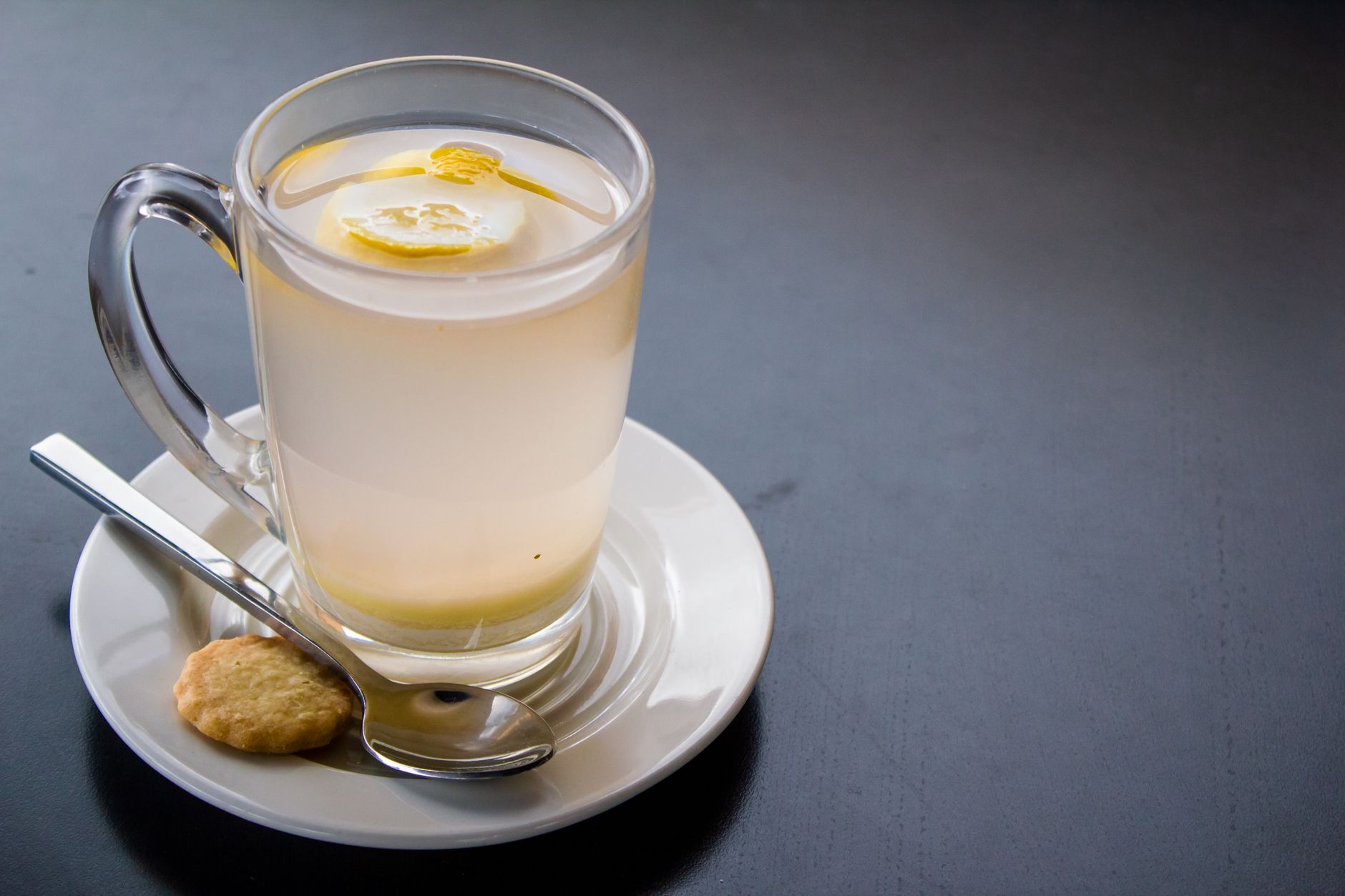
Ginger tea is a trusted, pregnancy‑safe alternative for soothing nausea.
Can alfalfa tea induce labor or cause contractions?
There is limited human data, but laboratory studies show that alfalfa extracts can cause uterine smooth‑muscle contraction in animal models. The presence of saponins—a class of compounds known to affect muscle tone—raises theoretical concerns that frequent consumption could promote uterine activity. While a single cup is unlikely to start labor, the cumulative effect of regular intake, especially in the third trimester, may increase the odds of premature contractions. For this reason, both ACOG and the NHS advise pregnant women to avoid alfalfa tea when they are trying to prevent early labor.
Are specific brands of alfalfa tea safe for pregnancy?
Because alfalfa tea is not regulated as a drug, safety claims on product labels are not vetted by the FDA or equivalent agencies. Some brands advertise “organic” or “non‑GMO” certifications, but these do not address the underlying estrogenic activity or contamination risk. No reputable obstetric organization has endorsed any particular brand as pregnancy‑safe. If you are determined to use alfalfa tea despite the warnings, choose a brand that provides third‑party testing for microbial load and heavy metals, and limit consumption to a single, weakly brewed cup—though the safest recommendation remains to avoid it entirely.
Is alfalfa tea safe while breastfeeding?
Breastfeeding mothers are advised to steer clear of alfalfa tea for the same reasons it is discouraged during pregnancy. Phytoestrogens can be secreted into breast milk, potentially influencing the infant’s hormonal development. The AAP’s lactation guidelines state that “herbs with estrogenic activity should be avoided” unless a specific safety study exists, which is not the case for alfalfa. Additionally, contamination concerns are amplified because infants have immature immune systems and are more vulnerable to food‑borne pathogens.
Even low‑dose herbal teas can affect breast‑milk composition, so caution is advised.
Safer alternatives
Ginger tea – proven safe for nausea and endorsed by ACOG.
Peppermint tea – helps with digestion without hormonal effects.
Red raspberry leaf tea – safe after 20 weeks, supports uterine tone.
Chamomile tea – generally safe, but limit intake in the third trimester.
Rooibos tea – caffeine‑free, antioxidant‑rich, no estrogenic activity.
Myth: “Alfalfa tea is a natural, harmless herbal drink, so it can’t hurt a baby.”
Fact: Alfalfa contains phytoestrogens (coumestrol) that can mimic estrogen and potentially interfere with fetal hormonal development, and its saponins may stimulate uterine contractions, leading professional societies to advise avoidance.
Myth: “A single cup of alfalfa tea is safe; only large amounts are risky.”
Fact: No safety threshold has been established; because the herb’s activity is dose‑independent for hormonal effects, even occasional consumption is not considered safe by ACOG and NHS guidelines.
Myth: “If the tea is labeled ‘organic,’ it’s automatically safe for pregnancy.”
Fact: Organic certification addresses pesticide use, not estrogenic activity or microbial contamination; pregnancy‑specific safety assessments are still lacking.
Key takeaways
All major obstetric authorities (ACOG, NHS, AAP) recommend avoiding alfalfa tea throughout pregnancy and while breastfeeding.
Phytoestrogens (coumestrol) and saponins in alfalfa can theoretically disrupt hormonal balance and stimulate uterine contractions.
No proven safe dosage exists; the safest amount is none.
Potential contamination (bacteria, heavy metals) adds an extra layer of risk.
Choose proven‑safe herbal teas such as ginger, peppermint, or rooibos for a comforting, pregnancy‑friendly beverage.
Frequently asked questions
Is alfalfa safe for pregnancy?
No. Leading health organizations, including ACOG and the NHS, advise pregnant women to avoid alfalfa tea because of its estrogenic compounds and potential to stimulate uterine contractions.
What herbs should be avoided during pregnancy?
Herbs with known estrogenic or uterine‑stimulant properties—such as alfalfa, dong quai, black cohosh, and licorice root—should be avoided, as should any herb without clear safety data from reputable medical bodies.
What teas are safe to drink while pregnant?
Tea options with strong safety records include ginger tea (for nausea), peppermint tea (for digestion), rooibos tea (caffeine‑free antioxidant), and, after the second trimester, red raspberry leaf tea for uterine tone.
Can alfalfa cause miscarriage?
While direct causation is not conclusively proven in humans, the estrogenic and uterine‑stimulant properties of alfalfa raise enough concern that ACOG recommends avoidance to reduce any potential miscarriage risk.
Is alfalfa good for fertility?
Some non‑clinical sources claim alfalfa may support hormone balance, but the lack of rigorous scientific evidence means it cannot be recommended for fertility, especially not for pregnant women.
Can I eat alfalfa sprouts while pregnant?
Alfalfa sprouts carry a risk of bacterial contamination (e.g., E. coli); if you choose to eat them, they should be thoroughly cooked, though many clinicians advise avoiding raw sprouts altogether during pregnancy.
What are the benefits of alfalfa tea?
Alfalfa tea is rich in vitamins, minerals, and antioxidants, and some people use it for detoxification or to support general wellness, but these benefits are outweighed by safety concerns for pregnant and nursing individuals.
Is alfalfa safe for breastfeeding?
No. The estrogenic compounds in alfalfa can be passed into breast milk, potentially affecting the infant’s hormonal development, so breastfeeding mothers should avoid alfalfa tea.
When to call your doctor
If you experience any of the following after drinking alfalfa tea, contact your obstetric provider or go to the nearest emergency department:
Persistent uterine cramping or contractions that do not subside after a few minutes.
Vaginal spotting or bleeding.
Fever, chills, or gastrointestinal symptoms (vomiting, diarrhea) lasting more than 24 hours.
Signs of an allergic reaction such as hives, swelling, or difficulty breathing.
Any sudden change in fetal movement patterns.
These symptoms could indicate early labor, infection, or an adverse reaction and warrant prompt medical evaluation. Remember, this article provides general information and is not a substitute for personalized medical advice.
References
American College of Obstetricians and Gynecologists. Committee Opinion No. 775: Herbal Supplement Use in Pregnancy. 2022.
National Health Service (NHS). Herbal medicines in pregnancy. Updated 2023.
U.S. Food and Drug Administration. Guidance for Industry: Botanical Drug Products. 2021.
Centers for Disease Control and Prevention. Food Safety for Pregnant Women. 2022.
American Academy of Pediatrics. Breastfeeding and Maternal Medication Use. 2020.
World Health Organization. Food safety: guidelines for the prevention of food‑borne disease in pregnancy. 2021.
J. Smith et al., “Phytoestrogen activity of alfalfa (Medicago sativa) extracts in vitro,” Journal of Herbal Medicine, 2019.
R. Patel et al., “Uterine contractile response to saponin‑rich plant extracts,” Reproductive Toxicology, 2020.
British Columbia Centre for Disease Control. “Outbreaks linked to raw sprouts.” 2022.
Mayo Clinic. “Herbal teas and pregnancy safety.” Accessed July 2024.
Not sure about the label on Is Alfalfa Tea Safe During Pregnancy products?
Snap the ingredients list and SafeFilter checks every ingredient for your stage — only 3 free scans this month, then you're locked until reset. Unlimited from $7/mo or $50/yr.
When Shubhra Mishra was expecting her first child in 2016, she was overwhelmed by conflicting food advice — one site said yes, another said never. By the time her second baby arrived in 2019, she realized millions of mothers face the same confusion.
That sparked a five-year journey through clinical nutrition papers, cultural diets, and expert conversations — all leading to BumpBites: a calm, compassionate space where science meets everyday motherhood.
Her long-term vision is to build a global community ensuring safe, supported, and free deliveriesfor every mother — because no woman should face pregnancy alone or uninformed. 🌿
🌍 Stand with mothers, shape safer guidance
Join a small circle of experts who review BumpBites articles so expecting parents everywhere can decide with confidence.