Limit exposure to high AQI during pregnancy. Is air quality AQI high safe during pregnancy? No, it poses risks. Protect yourself, especially in the first
By Shubhra Mishra — a mom of two who turned her own confusion during pregnancy into BumpBites, a global mission to make food choices clear, safe, and stress-free for every expecting mother. 💛
Check whether any food is safe during pregnancy with the BumpBites Food Safety Checker.
Quick verdict: ❌ Best avoided. Exposure to high AQI (Air Quality Index) levels during pregnancy is not considered safe due to potential risks to both you and your developing baby, and limiting this exposure is strongly recommended.
That sudden alert on your phone, a hazy sky, or the scent of smoke in the air can bring a wave of worry, especially when you're pregnant. You might be staring at the Air Quality Index (AQI) numbers, wondering, "is air quality AQI high safe during pregnancy?" It's a completely valid concern, and we understand that feeling of wanting to protect your little one from every potential threat.
At BumpBites, we want to reassure you that you're not alone in these worries. Environmental factors like air pollution are increasingly on parents' minds, and understanding their impact is crucial. The clear answer is that high AQI air quality is generally best avoided during pregnancy, as it can pose risks to both maternal health and fetal development. But don't panic if you've already been exposed; the key is understanding the risks and knowing what steps you can take to minimize future exposure and protect yourself and your baby.
In this comprehensive guide, we'll break down what high AQI means for your pregnancy, discuss specific risks across each trimester, and provide actionable, evidence-based strategies to keep you and your baby safer. We'll cover everything from what AQI levels warrant concern to practical tips for improving your indoor air quality and when it's time to reach out to your healthcare provider.
Trimester/Stage
Verdict
Notes
First Trimester
❌ Best Avoided
Critical period for organ development; increased risk of birth defects, especially with prolonged or very high exposure.
Second Trimester
❌ Best Avoided
Continued fetal growth and development; potential for growth restriction, respiratory system impacts.
Third Trimester
❌ Best Avoided
Increased risk of preterm birth, low birth weight, and respiratory issues for the newborn. Maternal respiratory and cardiovascular strain.
Breastfeeding
⚠️ Safe with Limits
Direct exposure to high AQI still affects maternal health. While pollutants in breast milk are generally low, minimizing exposure remains important for the breastfeeding parent's well-being and ability to care for the infant.
What is High AQI Air Quality?
The Air Quality Index (AQI) is a tool used by government agencies, like the U.S. Environmental Protection Agency (EPA) and the UK's Department for Environment, Food & Rural Affairs (DEFRA), to communicate how clean or polluted the air currently is, and what associated health effects might be a concern. It ranges from 0 to 500, with higher values indicating greater air pollution and increased health risk.
A "high AQI" generally refers to levels that are unhealthy for sensitive groups or unhealthy for everyone. These levels are determined by measuring concentrations of five major air pollutants:
Ground-level Ozone (O3): A gas formed when pollutants from cars, power plants, and other sources react chemically in sunlight.
Particle Pollution (Particulate Matter, PM2.5 and PM10): Tiny solid particles or liquid droplets suspended in the air. PM2.5, which are particles 2.5 micrometers or smaller in diameter, are particularly concerning because they are small enough to penetrate deep into the lungs and even enter the bloodstream. Sources include vehicle exhaust, industrial emissions, and wildfires.
Carbon Monoxide (CO): A colorless, odorless gas produced by incomplete combustion of fossil fuels.
Sulfur Dioxide (SO2): A gas produced from burning fossil fuels, especially coal.
Nitrogen Dioxide (NO2): A gas produced from burning fossil fuels, especially from vehicle exhaust.
When the AQI is high, it means that the concentration of one or more of these pollutants has reached levels that can be harmful. For instance, an AQI between 101-150 is "Unhealthy for Sensitive Groups" (including pregnant people), while 151-200 is "Unhealthy" for everyone, and anything above 200 is "Very Unhealthy" or "Hazardous." Understanding these numbers is the first step in deciding whether "is air quality AQI high safe during pregnancy" is a concern on any given day.
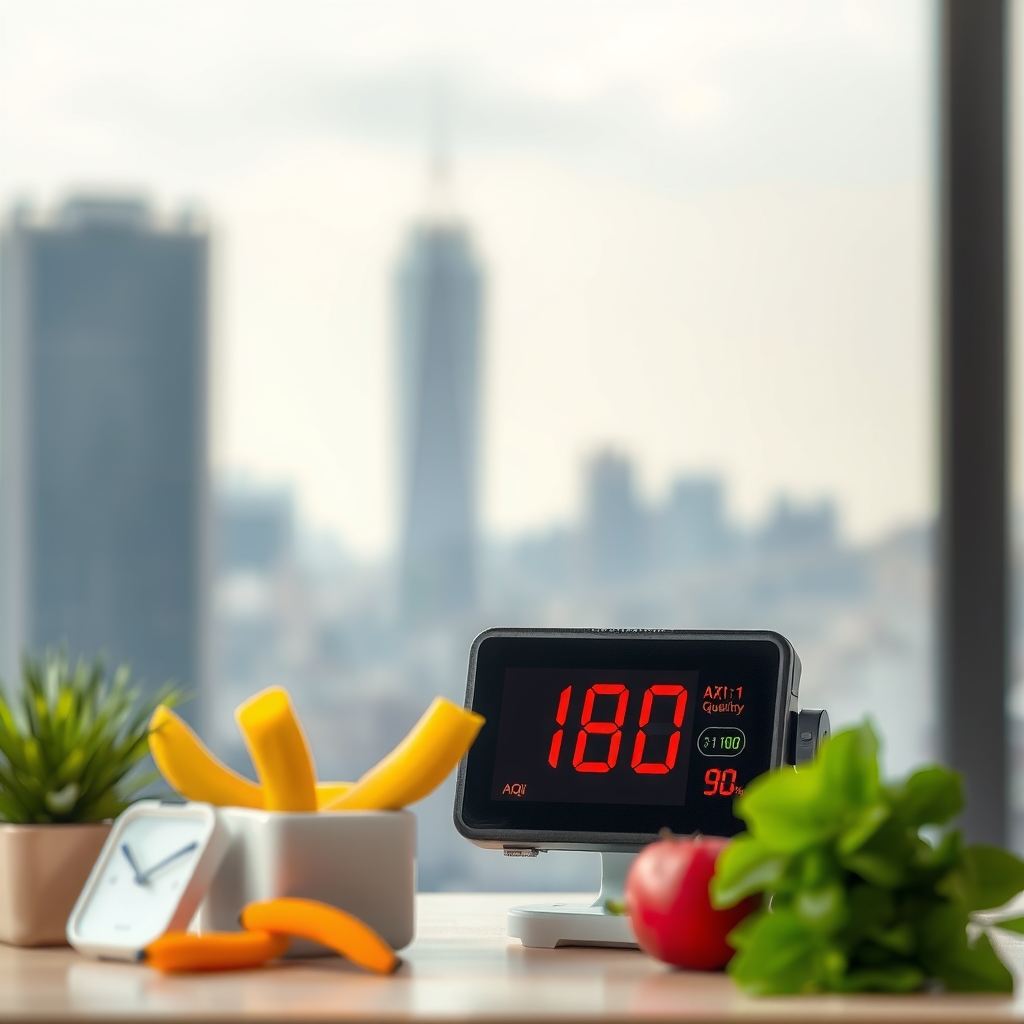
An air quality monitor can help you stay informed about local AQI levels, guiding your decisions on outdoor activities.
Is High AQI Air Quality Safe During Pregnancy?
No, high AQI air quality is generally not considered safe during pregnancy. Leading health organizations worldwide, including the American College of Obstetricians and Gynecologists (ACOG), the World Health Organization (WHO), and the Centers for Disease Control and Prevention (CDC), advise pregnant individuals to minimize their exposure to air pollution. The concern stems from the fact that pollutants, particularly fine particulate matter (PM2.5), are small enough to enter the bloodstream through the lungs and potentially cross the placenta, affecting the developing fetus.
The mechanism of harm is complex, but research suggests that air pollutants can induce systemic inflammation and oxidative stress in the mother. This can lead to changes in the placenta, which is vital for nutrient and oxygen exchange between mother and baby. A compromised placenta can impair fetal growth and development. Furthermore, these pollutants can directly affect the mother's cardiovascular and respiratory systems, exacerbating conditions like asthma or contributing to high blood pressure in pregnancy, which can have downstream effects on the pregnancy outcome.
Current evidence consistently points to associations between prenatal exposure to air pollution and adverse pregnancy outcomes. These include an increased risk of preterm birth (birth before 37 weeks of gestation), low birth weight (babies born weighing less than 5.5 pounds), and intrauterine growth restriction (when a baby doesn't grow to its full potential in the womb). The question "is air quality AQI high safe during pregnancy" is answered with a resounding caution because these risks, while varying in severity depending on the level and duration of exposure, are significant enough to warrant protective measures.
While occasional, short-term exposure might not cause immediate alarm, sustained or very high levels of pollution are where the risks become more pronounced. It's not about a single breath, but rather the cumulative effect and the body's response to ongoing environmental stress. This is why being proactive about monitoring air quality and taking steps to reduce exposure is a key part of prenatal care in areas prone to pollution.
Safety by Trimester
What AQI level is considered unsafe for pregnant women?
Generally, an AQI level above 100 is considered unhealthy for sensitive groups, which includes pregnant women, children, older adults, and individuals with heart or lung conditions. When the AQI is in this range (101-150, "Unhealthy for Sensitive Groups"), pregnant individuals are advised to reduce prolonged or heavy exertion outdoors. Once the AQI reaches 151 ("Unhealthy") or higher, it's considered unhealthy for everyone, and pregnant women should avoid all outdoor activities and take steps to improve indoor air quality. These thresholds are critical when assessing "is air quality AQI high safe during pregnancy."
Is high AQI exposure dangerous in the first trimester of pregnancy?
The first trimester is a period of rapid and critical development for your baby, known as organogenesis, where all major organs and body systems are forming. Exposure to high AQI during this time is particularly concerning. Research suggests that early pregnancy exposure to air pollution, especially fine particulate matter (PM2.5), may increase the risk of certain birth defects, including heart defects and neural tube defects. The developing neural tube, which forms the brain and spinal cord, is highly vulnerable to environmental insults. While more research is always ongoing, the consensus among medical professionals is that minimizing exposure during this foundational stage of development is paramount.
Is high AQI exposure dangerous in the second trimester?
As your pregnancy progresses into the second trimester, your baby continues to grow and mature rapidly. While the risk of major structural birth defects decreases after the first trimester, exposure to high AQI can still pose significant threats. During this period, the lungs are developing, and the fetus is gaining weight and growing in size. Sustained exposure to air pollution in the second trimester has been linked to an increased risk of intrauterine growth restriction (IUGR), meaning your baby may not grow as much as expected. It can also contribute to lower birth weight, even if the baby is born at full term. Protecting yourself during this phase is still vital for ensuring healthy fetal development and growth.
What are the risks of high AQI during the third trimester?
The third trimester is a crucial period for final fetal growth and maturation, particularly for the lungs and brain. Exposure to high AQI during these final months is strongly associated with an increased risk of preterm birth. Babies born prematurely face a higher risk of health problems, including respiratory issues, developmental delays, and feeding difficulties. Additionally, high AQI exposure in the third trimester can contribute to low birth weight, even for full-term babies. For the pregnant person, poor air quality can exacerbate respiratory conditions like asthma, increase the risk of gestational hypertension or preeclampsia, and lead to increased cardiovascular strain, especially if you are already managing high blood pressure in pregnancy. These risks highlight why "is air quality AQI high safe during pregnancy" remains a critical question right up until delivery.
High AQI and Breastfeeding
While the primary concern of high AQI is during pregnancy, its impact doesn't necessarily end after birth. For breastfeeding parents, continued exposure to poor air quality can affect their own health, potentially leading to respiratory issues or exacerbating existing conditions, which can, in turn, impact their energy levels and ability to care for a newborn. When it comes to pollutants transferring into breast milk, studies generally show that the levels of most air pollutants found in breast milk are very low and are not typically considered a significant health risk to the infant compared to the immense benefits of breastfeeding. However, minimizing a breastfeeding parent's exposure to high AQI is still important for their overall health and well-being, ensuring they can continue to provide the best care for their baby.
What Pregnant Women Can Do to Reduce Exposure to High AQI?
Since there isn't a "safe dosage" of air pollution, the focus for pregnant individuals is on minimizing exposure. There are no specific "brands" of air quality, but rather strategies and products that help mitigate the risks. The key is to be aware of the AQI in your area and take proactive steps when levels are high.
Monitoring and Action Thresholds
AQI 0-50 (Good): Generally safe for all outdoor activities.
AQI 51-100 (Moderate): Acceptable air quality, but some pollutants may affect a very small number of unusually sensitive individuals. Most pregnant people can continue normal activities, but those with respiratory sensitivities might consider reducing prolonged outdoor exertion.
AQI 101-150 (Unhealthy for Sensitive Groups): Pregnant women should reduce prolonged or heavy outdoor exertion. Consider staying indoors, especially if you have asthma or other respiratory conditions.
AQI 151-200 (Unhealthy): All pregnant women should avoid outdoor activities. Keep windows and doors closed.
AQI 201-300 (Very Unhealthy): Avoid all outdoor activities. Stay indoors and use air purification if possible.
AQI 301+ (Hazardous): A health alert, everyone may experience serious health effects. Stay indoors, keep air clean, and consider evacuating if advised by authorities (e.g., during severe wildfires).
Practical Steps
Check the AQI regularly: Use apps (e.g., AirNow, BreezoMeter), local news, or weather websites to stay informed.
Plan activities: On days with high AQI, reschedule outdoor appointments or exercise for when air quality is better (often in the morning or late evening, though this can vary).
Limit outdoor exertion: Avoid strenuous activities like running or heavy yard work when AQI is high, as deep breathing increases pollutant intake.
Side Effects and Risks
Exposure to high AQI air quality during pregnancy carries a range of potential side effects and risks for both the pregnant person and the developing fetus. Understanding these can help reinforce why "is air quality AQI high safe during pregnancy" is a question with serious implications.
Risks for the Pregnant Person
Respiratory Issues: Air pollution can exacerbate existing respiratory conditions like asthma, leading to more frequent or severe attacks. Even those without pre-existing conditions may experience new or worsened symptoms such as coughing, wheezing, shortness of breath, and chest tightness.
Cardiovascular Strain: Fine particulate matter can affect the cardiovascular system, potentially increasing blood pressure and the risk of gestational hypertension or preeclampsia, a serious pregnancy complication characterized by high blood pressure in pregnancy signs and organ damage.
Systemic Inflammation: Pollutants can trigger widespread inflammation and oxidative stress throughout the body, which can contribute to various pregnancy complications.
Increased Risk of Infection: Some studies suggest that air pollution can suppress immune function, potentially making pregnant individuals more susceptible to respiratory infections.
Risks for Fetal Development and Pregnancy Outcomes
Preterm Birth: One of the most consistently reported risks is an increased likelihood of delivering before 37 weeks of gestation. Preterm babies face higher risks of immediate health problems and long-term developmental challenges.
Low Birth Weight and Intrauterine Growth Restriction (IUGR): Exposure to air pollution has been linked to babies being born smaller than expected for their gestational age, which can lead to complications after birth.
Birth Defects: Particularly with exposure during the first trimester, there's an association with an increased risk of certain birth defects, especially those affecting the heart and neural tube.
Stillbirth: While less common, some studies have indicated a potential link between high levels of air pollution and an increased risk of stillbirth.
Compromised Placental Function: Pollution can damage the placenta, which is crucial for delivering oxygen and nutrients to the baby, potentially leading to reduced fetal growth.
It's important to remember that these are risks, not certainties. Not every pregnant person exposed to high AQI will experience these outcomes, and many factors contribute to pregnancy health. However, the consistent evidence warrants taking precautions to protect both maternal and fetal health.
Safer Alternatives / Other Safe Options
When the AQI is high, your best "alternative" is to create a safe, clean indoor environment. Here are several effective strategies and tools to reduce your exposure to poor air quality during pregnancy:
Staying indoors with windows closed: This is the first and most immediate step. Keeping windows and doors shut creates a barrier against outdoor pollutants.
HEPA air purifier: A High-Efficiency Particulate Air (HEPA) filter can capture at least 99.97% of airborne particles 0.3 micrometers in diameter. This is highly effective for removing PM2.5 and other allergens from your indoor air.
N95 mask: If you must go outdoors when the AQI is high, an N95 (or KN95) mask can filter out at least 95% of airborne particles, including PM2.5. Ensure it fits properly to be effective.
HVAC system with MERV 13+ filter: Upgrade your home's central heating, ventilation, and air conditioning (HVAC) filter to a MERV (Minimum Efficiency Reporting Value) 13 or higher. These filters are much more effective at trapping fine particles than standard filters.
Portable air cleaner: Similar to a HEPA air purifier, a portable unit can be moved between rooms, allowing you to create a "clean air zone" in your bedroom or living area. Look for models certified by organizations like Energy Star.
Air quality monitor: An indoor air quality monitor can help you track pollutant levels inside your home, giving you real-time data on the effectiveness of your mitigation strategies and identifying potential indoor sources of pollution.
Investing in a high-quality HEPA air purifier can significantly improve indoor air quality during periods of high outdoor pollution.
Related Items — Safety at a Glance
Beyond general outdoor AQI, many other environmental exposures can impact pregnancy. Here's a quick look at related items and their safety during pregnancy:
Environmental Factor
Verdict
Note
Wildfire smoke exposure
❌ Best Avoided
Contains high levels of PM2.5 and other toxic compounds; follow high AQI precautions.
Smog exposure
❌ Best Avoided
Often contains ozone and PM2.5; similar risks to general high AQI.
Indoor air pollutants (VOCs)
❌ Best Avoided
Volatile Organic Compounds from paints, cleaners, new furniture; ensure good ventilation or avoid.
Radon exposure
⚠️ Talk to your doctor first
Naturally occurring radioactive gas; test your home and mitigate if levels are high.
Secondhand smoke
❌ Best Avoided
Known teratogen, significantly increases risks of preterm birth, low birth weight, SIDS.
Pesticide exposure
❌ Best Avoided
Avoid direct contact and minimize exposure to sprayed areas; choose organic produce when possible.
Carbon monoxide
❌ Best Avoided
Toxic gas, can cause severe oxygen deprivation to mother and fetus; ensure detectors are working.
Mold exposure
⚠️ Safe with Limits
Can cause respiratory issues and allergic reactions; remove safely and address moisture sources.
Myth vs. Fact
Myth vs. Fact
When it comes to environmental health, misinformation can be as harmful as the pollutants themselves. Let's clear up some common myths about air quality during pregnancy.
Myth: Only people with pre-existing respiratory conditions need to worry about high AQI during pregnancy.
Fact: While those with asthma or other lung conditions are more susceptible to immediate symptoms, high AQI affects everyone. Pregnant individuals are considered a sensitive group regardless of their prior health status because of the potential impact on fetal development and the physiological changes of pregnancy that make them more vulnerable.
Myth: Short-term exposure to high AQI isn't a big deal; it's only prolonged exposure that causes harm.
Fact: While cumulative, long-term exposure generally poses greater risks, even short-term spikes in high AQI can have acute effects. For example, a sudden increase in PM2.5 from wildfire smoke can trigger immediate respiratory distress or cardiovascular strain in vulnerable individuals, including pregnant people, and has been linked to short-term increases in adverse birth outcomes. It's best to minimize exposure whenever the AQI is high.
Myth: Staying indoors completely protects you from outdoor air pollution.
Fact: While staying indoors significantly reduces exposure, it doesn't eliminate it entirely. Outdoor pollutants can infiltrate homes through leaks, open windows, and ventilation systems. Furthermore, indoor environments can have their own sources of pollution, such as VOCs from cleaning products, cooking fumes, or mold. This is why strategies like using HEPA air purifiers and upgrading HVAC filters are crucial for truly clean indoor air.
Key Takeaways
High AQI air quality is generally not safe during pregnancy and should be avoided to protect both you and your baby.
Monitor local AQI levels regularly and take precautions when the index reaches 101 ("Unhealthy for Sensitive Groups") or higher.
Minimize outdoor activities when AQI is high, especially strenuous exertion.
Enhance indoor air quality using HEPA air purifiers, upgraded HVAC filters, and by keeping windows closed.
Exposure during all trimesters can carry risks, from birth defects in the first trimester to preterm birth and low birth weight in the third.
If you must go outside during high AQI, wear a properly fitting N95 or KN95 mask.
Long-term exposure to air pollution can have lasting health effects on your child, including respiratory and developmental issues.
Frequently Asked Questions
Is AQI 150 safe during pregnancy?
No, an AQI of 150 is considered "Unhealthy" and is not safe for pregnant individuals. At this level, all pregnant women should avoid outdoor activities and take steps to improve their indoor air quality to minimize exposure to pollutants.
What AQI is unsafe for pregnancy?
An AQI above 100 is generally considered unsafe for pregnant individuals, as this range (101-150) is "Unhealthy for Sensitive Groups." When the AQI is 151 or higher, it is deemed "Unhealthy" for everyone, including pregnant people, and all outdoor activity should be avoided.
Can air pollution cause miscarriage?
While the evidence is still developing, some studies suggest a potential association between high levels of air pollution exposure, particularly during early pregnancy, and an increased risk of miscarriage or stillbirth. However, more research is needed to establish a definitive causal link.
How does air pollution affect a fetus?
Air pollution can affect a fetus by causing inflammation and oxidative stress in the pregnant person, which can impair placental function and restrict nutrient and oxygen delivery. Pollutants can also cross the placenta, potentially leading to issues like growth restriction, preterm birth, low birth weight, and an increased risk of certain birth defects.
What to do if AQI is high when pregnant?
If AQI is high when pregnant, stay indoors with windows and doors closed, use a HEPA air purifier if available, and avoid strenuous activities. If you must go outside, wear an N95 or KN95 mask and limit your time outdoors. Monitor the AQI and plan your activities accordingly.
Should pregnant women wear masks for air quality?
Yes, pregnant women should consider wearing a properly fitting N95 or KN95 mask if they must go outdoors when the AQI is high (above 100-150). These masks are designed to filter out fine particulate matter and other airborne pollutants, offering a layer of protection.
Can high AQI cause preterm labor?
Yes, numerous studies have linked exposure to high AQI, particularly during the third trimester, to an increased risk of preterm birth. The inflammation and stress caused by air pollution are thought to trigger physiological responses that can lead to early labor.
Is it safe to exercise outdoors with high AQI when pregnant?
No, it is generally not safe to exercise outdoors with high AQI when pregnant. Strenuous activity increases your breathing rate and depth, leading to greater inhalation of pollutants. When AQI is high, opt for indoor exercise in a clean air environment or postpone your workout until air quality improves.
Staying informed about air quality and taking proactive steps can help ease worries and protect your pregnancy.
When to Call Your Doctor
While taking precautions against high AQI is important, it's also crucial to know when to seek medical advice. If you are pregnant and experience any of the following symptoms, especially during or after exposure to high AQI, contact your healthcare provider immediately:
Persistent coughing, wheezing, or shortness of breath.
Chest pain or tightness.
Unusual fatigue or lightheadedness.
Headaches that are severe or don't improve.
Any signs of preterm labor, such as regular contractions, vaginal bleeding, or fluid leakage.
Swelling in your face, hands, or feet, especially if accompanied by a severe headache or vision changes (potential signs of preeclampsia).
If you have a pre-existing respiratory condition like asthma and find your usual medications are not controlling your symptoms.
Your doctor can assess your symptoms, provide guidance, and ensure that you and your baby are safe. Remember, this information is for educational purposes only and is not a substitute for professional medical advice, diagnosis, or treatment. Always consult with your healthcare provider for any health concerns or before making any decisions related to your health or care.
References
American College of Obstetricians and Gynecologists (ACOG). (Accessed 2023). ACOG Resources.
Not sure about the label on Is Air Quality Aqi High Safe During Pregnancy products?
Snap the ingredients list and SafeFilter checks every ingredient for your stage — only 3 free scans this month, then you're locked until reset. Unlimited from $7/mo or $50/yr.
When Shubhra Mishra was expecting her first child in 2016, she was overwhelmed by conflicting food advice — one site said yes, another said never. By the time her second baby arrived in 2019, she realized millions of mothers face the same confusion.
That sparked a five-year journey through clinical nutrition papers, cultural diets, and expert conversations — all leading to BumpBites: a calm, compassionate space where science meets everyday motherhood.
Her long-term vision is to build a global community ensuring safe, supported, and free deliveriesfor every mother — because no woman should face pregnancy alone or uninformed. 🌿
🌍 Stand with mothers, shape safer guidance
Join a small circle of experts who review BumpBites articles so expecting parents everywhere can decide with confidence.