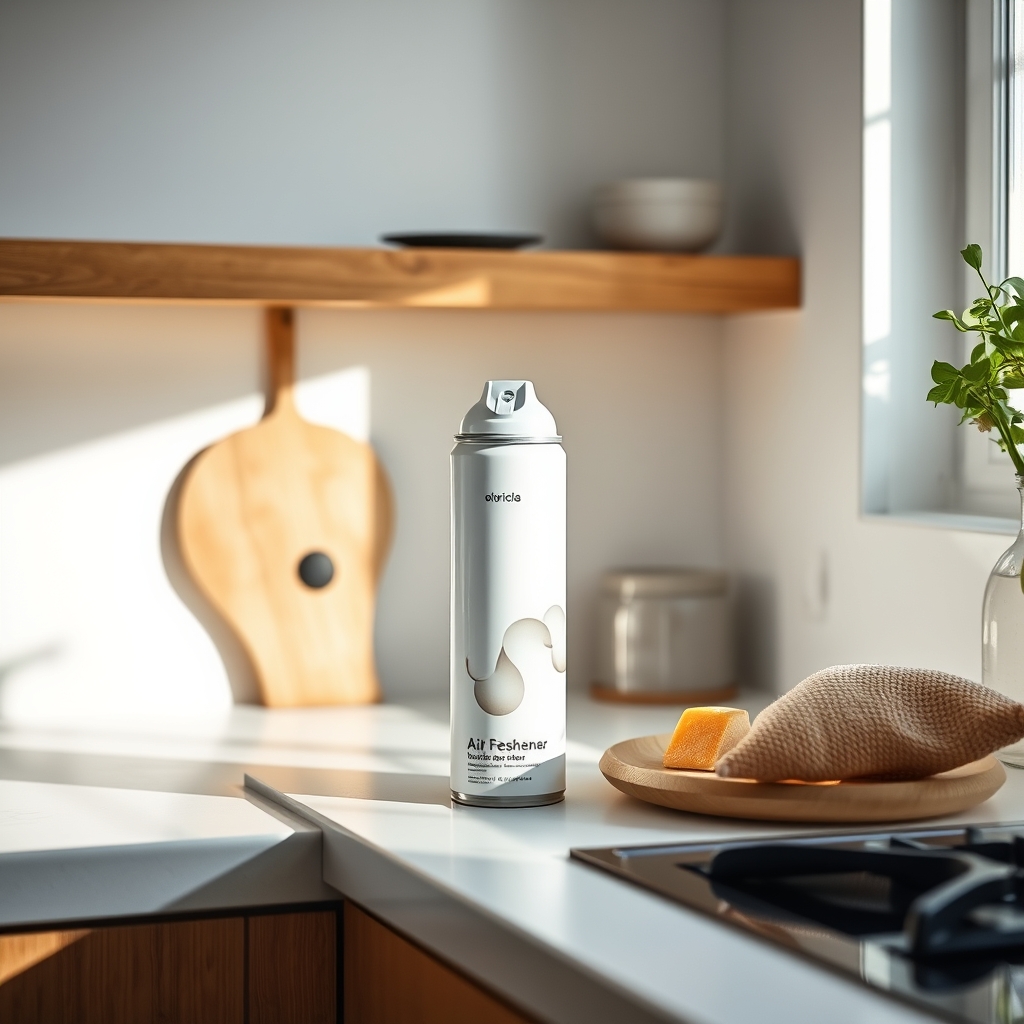
urrent guidance from major health authorities, including the American College of Obstetricians and Gynecologists (ACOG) and the UK’s National Health Service (NHS), advises that pregnant people should limit exposure to strong fragrances and airborne chemicals. The FDA does not regulate household air fresheners as drugs, but it does require that any ingredient listed as a fragrance be disclosed if it poses a hazard. The Centers for Disease Control and Prevention (CDC) highlights that inhalation of VOCs can irritate the respiratory tract, a concern for anyone with asthma or heightened sensitivity—conditions that can worsen during pregnancy due to hormonal changes.
Overall, the evidence does not link typical, occasional use of air fresheners to birth defects or miscarriage. Studies on VOC exposure in pregnancy focus on high-level occupational settings (e.g., paint factories, nail salons) rather than occasional home use. For example, a 2020 review in *Environmental Health Perspectives* found that while high-dose VOC exposure was associated with adverse pregnancy outcomes, low-level exposure (like that from air fresheners) did not show a clear link. Nonetheless, because the first trimester is a critical period of organ development, many obstetricians recommend minimizing any unnecessary chemical exposure, including scented sprays.
In short, most air fresheners are not outright teratogenic (a substance that can cause birth defects), but they can cause irritation, nausea, or exacerbation of asthma. If you’re pregnant, the safest approach is to use them sparingly, keep the room well-ventilated, and consider fragrance-free or naturally scented alternatives whenever possible. Think of it like caffeine: a little is fine, but too much can leave you jittery—or in this case, nauseous or short of breath.
It’s also worth noting that the safety of air fresheners isn’t just about the chemicals themselves, but how they interact with your body during pregnancy. For example, some fragrance ingredients, like limonene (found in citrus scents), can react with ozone in the air to form secondary pollutants like formaldehyde—a known irritant. This is why ventilation is so important, even if the scent seems mild.
How do VOCs in air fresheners affect pregnancy?
Volatile organic compounds (VOCs) are chemicals that evaporate at room temperature, releasing gases into the air. In air fresheners, VOCs are responsible for the scent, but they can also contribute to indoor air pollution. Common VOCs in air fresheners include benzene, formaldehyde, and toluene—all of which have been linked to respiratory irritation and, in high doses, potential developmental effects. However, the concentrations in most air fresheners are far below the levels considered harmful in occupational settings.
During pregnancy, your body processes chemicals differently. Blood volume increases, liver enzymes shift, and your respiratory rate may rise, all of which can affect how you metabolize VOCs. While there’s no evidence that occasional exposure to air freshener VOCs harms a developing baby, the irritation they cause—like headaches or nausea—can indirectly affect your well-being. For example, severe nausea might lead to dehydration, which is a risk factor for preterm labor. This is why moderation and ventilation are so important.
What does the research say about air fresheners and pregnancy?
Most research on air fresheners and pregnancy comes from studies on indoor air quality and occupational exposure. A 2019 study published in *Indoor Air* found that frequent use of scented products (including air fresheners) was associated with higher levels of VOCs in household air, but the study did not link these levels to adverse pregnancy outcomes. Another study in *Environmental Research* (2021) looked at prenatal exposure to household chemicals and found no significant association between air freshener use and birth defects, though it did note a potential link to increased respiratory symptoms in mothers.
The takeaway? While the research isn’t alarming, it does suggest that frequent or heavy use of air fresheners isn’t ideal during pregnancy. The first trimester is the most sensitive period, but even later in pregnancy, it’s wise to keep exposure low to avoid unnecessary irritation. If you’re concerned, talk to your provider—they can help you weigh the risks and benefits based on your personal health history.
Is it safe to use air freshener in the first trimester of pregnancy?
The first trimester (weeks 1–13) is when the embryo’s organs are forming—a phase known as organogenesis. During this window, ACOG recommends limiting exposure to potential irritants, including strong fragrances and VOCs. A single light spray in a well-ventilated room is unlikely to cause harm, but frequent or heavy use can increase the risk of nausea, headaches, or respiratory irritation. This is also the time when many pregnant people experience heightened sensitivity to smells, a phenomenon known as hyperosmia, which can make even mild scents overwhelming.
If you’re already using an air freshener, reduce the frequency to no more than one light spray per day and open a window afterward. Opt for unscented or low-VOC products if you need odor control. For those with a history of asthma or chemical sensitivity, it’s best to avoid scented sprays altogether during the first trimester. If you’re using a plug-in or automatic spray, consider unplugging it or moving it to a less frequently used room, like a hallway or laundry area, rather than a bedroom or nursery.
It’s also worth noting that the first trimester is when many people are most cautious about their environment, often making changes like switching to fragrance-free detergents or avoiding strong perfumes. Air fresheners are no different—this is the time to err on the side of caution. If you’re unsure, ask your provider for personalized advice based on your health history.
Why is the first trimester the most sensitive period?
The first trimester is a time of rapid development for your baby. During organogenesis (weeks 3–8), the neural tube, heart, limbs, and other major organs begin to form. This is also when the placenta is developing, which will later serve as the baby’s lifeline for nutrients and oxygen. Because these processes are so delicate, they can be more vulnerable to disruptions from environmental factors, including chemicals.
While there’s no evidence that air fresheners disrupt organogenesis at typical household exposure levels, the first trimester is when many pregnant people are most sensitive to smells and irritants. This heightened sensitivity isn’t just psychological—it’s physiological. Hormonal changes, particularly rising levels of estrogen and human chorionic gonadotropin (hCG), can amplify your sense of smell and make you more reactive to strong scents. This is why many people experience nausea or headaches from fragrances they previously tolerated without issue.
How many sprays of air freshener are safe during pregnancy?
There is no universally accepted “dose” for airborne fragrances, but a practical guideline emerges from occupational health research: keep exposure to VOCs below 0.5 mg/m³ for an 8-hour workday. Translating that to home use, most experts suggest limiting household air freshener sprays to ≤2 short bursts (about 1–2 seconds each) per day, with a minimum of 15 minutes of fresh air afterward. This keeps the concentration of chemicals low while still providing a pleasant scent. For example, one light spray in the bathroom after a shower or in the kitchen after cooking is unlikely to pose a risk, but spraying multiple times in a small, enclosed space (like a car or closet) can lead to higher exposure.
For pregnant people who are particularly sensitive, even one spray may be enough to trigger nausea or headaches. In those cases, consider switching to a fragrance-free product or a natural alternative like a baking soda odor absorber. If you’re using an automatic spray (like those that release a burst every 15 minutes), it’s best to disable it during pregnancy or at least reduce the frequency to once per hour. Plug-in diffusers should be used on the lowest setting and placed in well-ventilated areas.
It’s also important to consider the size of the room. A single spray in a large living room will disperse more quickly than the same spray in a small bathroom. If you’re using an air freshener in a smaller space, reduce the number of sprays accordingly. For example, one spray in a bathroom is usually sufficient, while two sprays might be fine in a larger living area.
Can I use air fresheners in the car during pregnancy?
Car air fresheners—whether hanging from the rearview mirror, plugged into the vent, or sprayed directly—can be riskier than home use because cars are enclosed spaces with limited ventilation. The concentration of VOCs can build up quickly, especially in hot weather when chemicals evaporate faster. If you use a car air freshener, opt for a low-scent option and avoid hanging it directly in your line of sight or near the air vents. Instead, place it in the backseat or trunk to minimize direct inhalation.
For automatic car air fresheners (like those that plug into the 12V outlet), use them sparingly—no more than 1–2 bursts per hour—and crack a window when possible. If you’re sensitive to smells, consider skipping the air freshener altogether and using a small bowl of baking soda or a charcoal bag to absorb odors instead. These options are fragrance-free and won’t release VOCs into the air.
What are the risks of using scented air fresheners while pregnant?
The primary risks are related to inhalation of VOCs and fragrance chemicals. While these risks are generally low for occasional use, they can add up with frequent exposure, especially in poorly ventilated spaces. Here’s a breakdown of the potential concerns:
- Respiratory irritation – VOCs can aggravate asthma or cause a sore throat, coughing, or wheezing. Pregnancy can make your lungs more sensitive, so even mild irritation can feel more intense. If you have asthma, exposure to strong fragrances can trigger an attack, which may require medical intervention.
- Nausea and headaches – Strong scents are a well-known trigger for morning sickness, which can be exacerbated by repeated exposure. Nausea can lead to dehydration or poor nutrition if it’s severe, which can indirectly affect fetal well-being.
- Skin sensitization – Direct contact with spray residue may cause allergic dermatitis (red, itchy skin) in some users. This is more likely if you have eczema or sensitive skin, which can flare up during pregnancy due to hormonal changes.
- Potential endocrine disruption – Certain fragrance ingredients, such as phthalates, have been linked in animal studies to hormonal effects. Phthalates are often used to make scents last longer, and while human data remain inconclusive, some studies suggest they may interfere with hormone function. The European Union has restricted the use of some phthalates in consumer products due to these concerns.
- Secondary pollutants – Some fragrance chemicals, like limonene (found in citrus scents), can react with ozone in the air to form secondary pollutants like formaldehyde, a known irritant. This is why ventilation is so important—it helps disperse these chemicals before they can react and form new compounds.
None of these risks have been definitively tied to birth defects, but they can affect maternal comfort and, indirectly, fetal well-being if they lead to severe nausea, dehydration, or respiratory distress. The good news is that most of these effects are temporary and resolve once you’re in fresh air. If you experience persistent symptoms, it’s a sign to reduce or eliminate your use of air fresheners.
Can air fresheners affect my baby’s development?
There’s no evidence that occasional use of air fresheners affects a baby’s development. The concerns about VOCs and pregnancy typically focus on high-level exposure, such as that experienced by workers in nail salons, paint factories, or chemical plants. In these settings, prolonged exposure to high concentrations of VOCs has been linked to low birth weight, preterm birth, and developmental delays. However, the levels of VOCs in air fresheners are much lower, and the exposure is typically brief and intermittent.
That said, it’s always a good idea to minimize unnecessary chemical exposure during pregnancy, especially in the first trimester. If you’re concerned, opt for fragrance-free or low-VOC products, and always use air fresheners in well-ventilated areas. If you’re using them in the nursery, be extra cautious—babies have more sensitive respiratory systems than adults, and their exposure to VOCs should be kept as low as possible.
Are natural essential oil air fresheners safer for pregnant women?
Essential-oil-based diffusers are often marketed as “natural,” but they still release volatile compounds that can irritate the lungs. The NHS notes that some essential oils (e.g., rosemary, sage, clary sage, and eucalyptus) are not recommended during pregnancy because they can stimulate uterine activity or cause contractions. Conversely, milder oils like lavender, chamomile, and citrus (in small amounts) are generally regarded as low-risk when used in a well-ventilated room and at low concentrations. However, even these can cause headaches or nausea if overused.
In practice, a diffuser should be set to a low mist setting, used for no longer than 30 minutes at a time, and placed away from the sleeping area. Pregnant individuals with a history of migraines or asthma should treat essential oils with the same caution as any other fragrance. It’s also important to choose high-quality, pure essential oils—some cheaper brands may contain synthetic additives or contaminants that can increase irritation.
If you’re using an essential oil diffuser, here are a few tips to minimize risks:
- Dilute the oils: Most diffusers recommend 3–5 drops of essential oil per 100ml of water. For pregnancy, start with 1–2 drops to reduce the concentration.
- Limit diffusion time: 30 minutes on, then 30–60 minutes off. Continuous diffusion can lead to over-exposure.
- Ventilate the room: Open a window or door to allow fresh air to circulate.
- Avoid direct inhalation: Don’t place the diffuser near your face or in a small, enclosed space like a bathroom.
- Skip the oils in the first trimester: If you’re in the first 12 weeks, consider using the diffuser without oils or opting for a fragrance-free alternative.
Which essential oils are safe during pregnancy?
Not all essential oils are created equal when it comes to pregnancy safety. Some are considered low-risk, while others should be avoided entirely. Here’s a quick guide:
Even with the “safe” oils, moderation is key. If you’re new to essential oils, start with a single drop in your diffuser and see how you feel. If you experience headaches, nausea, or dizziness, discontinue use. It’s also a good idea to check with your provider before using essential oils, especially if you have a history of asthma, allergies, or migraines.
Which air freshener brands are considered safe for pregnancy?
Because “safety” depends largely on formulation, no brand can be declared completely risk-free. However, a few manufacturers provide transparent ingredient lists and have reduced VOC content. When choosing an air freshener during pregnancy, look for the following labels:
- Phthalate-free: Phthalates are chemicals used to make scents last longer, and some studies suggest they may interfere with hormone function.
- Low-VOC or VOC-free: These products release fewer volatile organic compounds into the air.
- Fragrance-free: These products don’t add a scent but may use odor-neutralizing agents.
- Plant-based or botanical: These use natural ingredients, though they can still cause irritation if overused.
Here are some brands that meet these criteria and are generally considered safer for pregnancy:
- Zero Fragrance: Offers fragrance-free plug-in dispensers that emit only a mild scent-neutralizing agent. Their products are phthalate-free and contain no synthetic fragrances, making them a good choice for sensitive individuals.
- Air-Essentials: Uses plant-based, low-VOC fragrance oils and clearly lists all components on the label. Their sprays are free of phthalates and synthetic solvents, and they offer a range of mild, pregnancy-friendly scents like lavender and citrus.
- Mrs. Meyer’s Clean Day (Room Spray): Contains botanical extracts and avoids synthetic phthalates, though it still has fragrance compounds. Their scents are derived from essential oils and are generally mild, but it’s best to use them sparingly during pregnancy.
- Glade (Nature’s Fresh): Their “Nature’s Fresh” line uses fewer synthetic chemicals and is phthalate-free. However, it still includes some VOCs, so use sparingly and in well-ventilated areas.
- Eco-Me: A natural brand that uses essential oils and plant-based ingredients. Their sprays are free of phthalates, parabens, and synthetic fragrances, making them a good option for pregnancy. However, some of their scents (like rosemary) should be avoided during the first trimester.
- Method: Their air fresheners are phthalate-free and use plant-based ingredients. They offer a range of mild scents, but as with any fragranced product, moderation is key during pregnancy.
When in doubt, check the ingredient list. Avoid products that list “parfum,” “fragrance,” or “synthetic fragrance” without further clarification, as these terms can hide a mix of chemicals, including phthalates. If you’re unsure about a specific brand, look for third-party certifications like the EPA’s Safer Choice label, which indicates that the product meets strict safety criteria for both human health and the environment.
How to read air freshener labels for pregnancy safety
Reading labels can feel like deciphering a foreign language, but a few key terms can help you make safer choices during pregnancy:
- “Fragrance” or “parfum”: These terms can refer to a blend of hundreds of chemicals, some of which may be irritants or endocrine disruptors. If the label doesn’t specify that the fragrance is phthalate-free or plant-based, it’s best to avoid it during pregnancy.
- “Phthalate-free”: This is a good sign—phthalates are chemicals used to make scents last longer, and some studies suggest they may interfere with hormone function. However, “phthalate-free” doesn’t mean the product is entirely safe, so use it in moderation.
- “Low-VOC” or “VOC-free”: VOCs are volatile organic compounds that can irritate the lungs. Low-VOC or VOC-free products are generally safer for pregnancy, especially if you have asthma or respiratory sensitivities.
- “Plant-based” or “botanical”: These products use natural ingredients, but they can still cause irritation if overused. Some essential oils (like rosemary or sage) should be avoided during pregnancy, so check the ingredient list carefully.
- “Fragrance-free”: This means the product doesn’t add a scent, but it may still contain odor-neutralizing agents. These are a good choice if you’re sensitive to smells or want to avoid any potential irritants.
- “Unscented”: This term can be misleading—it doesn’t necessarily mean the product is fragrance-free. Some “unscented” products use masking agents to neutralize odors, which can still contain chemicals. If you’re avoiding fragrances, look for “fragrance-free” instead.
If you’re still unsure, look for third-party certifications. The EPA’s Safer Choice label indicates that the product meets strict safety criteria for both human health and the environment. Other certifications to look for include USDA Organic, Ecocert, and Leaping Bunny (for cruelty-free products).
Can air freshener exposure cause pregnancy complications?
Large-scale epidemiological studies have not shown a direct link between occasional home air freshener use and complications such as preterm birth, low birth weight, or congenital anomalies. However, prolonged exposure to high levels of VOCs (as might occur in occupational settings) has been associated with respiratory irritation and, in some cases, reduced fetal growth. For example, a 2018 study in *Environmental Health* found that pregnant women exposed to high levels of VOCs at work were more likely to have babies with lower birth weights, though the study did not focus specifically on air fresheners.
For pregnant people, the safest course is to keep exposure low, maintain good ventilation, and avoid continuous, high-intensity fragrance use. If you’re using air fresheners daily, consider switching to a fragrance-free or natural alternative, especially in the first trimester. It’s also a good idea to avoid using air fresheners in the nursery or your bedroom, as these are spaces where you and your baby will spend a lot of time.
If you’re concerned about your exposure, talk to your provider. They can help you assess your risk based on your personal health history and the specific products you’re using. In most cases, occasional use of air fresheners is not a cause for concern, but it’s always better to err on the side of caution during pregnancy.
Can air fresheners affect my baby’s respiratory health after birth?
There’s no evidence that occasional use of air fresheners during pregnancy affects a baby’s respiratory health after birth. However, babies have more sensitive respiratory systems than adults, and exposure to VOCs or strong fragrances after birth can irritate their lungs. This is why many pediatricians recommend avoiding air fresheners, scented candles, and strong cleaning products in the nursery.
If you’re using air fresheners in your home, take steps to minimize your baby’s exposure after birth. For example, avoid spraying air fresheners in the nursery or near your baby’s crib. If you’re using a plug-in diffuser, place it in a well-ventilated area away from your baby’s sleeping space. And always ensure the room is well-ventilated—open a window or use a fan to help disperse any chemicals.
If your baby develops respiratory symptoms like coughing, wheezing, or congestion after exposure to air fresheners, talk to your pediatrician. These symptoms could indicate a sensitivity to fragrances or VOCs, and your provider can help you identify the cause and find safer alternatives.
What are safe alternatives to traditional air fresheners for expectant mothers?
If you’re looking to reduce your exposure to air fresheners during pregnancy, there are plenty of safe and effective alternatives. These options can help keep your home smelling fresh without the potential risks of synthetic fragrances or VOCs. Here’s a detailed look at some of the best alternatives:
- Essential oil diffuser (e.g., InnoGear Diffuser): Use with pregnancy-safe oils like lavender or chamomile. Keep the mist setting low and limit sessions to 30 minutes at a time. Avoid diffusing oils in the nursery or your bedroom, and always ensure the room is well-ventilated. If you’re new to essential oils, start with a single drop to see how you feel.
- Organic baking soda odor absorber: Place an open box in the fridge, bathroom, or any small space to neutralize smells without adding fragrance. Baking soda is a natural deodorizer that works by absorbing odors rather than masking them. You can also sprinkle it on carpets before vacuuming to freshen up your home.
- Activated charcoal air-purifying bags: These bags naturally trap odors and VOCs without adding any scent. They’re reusable—just place them in the sun for a few hours every month to refresh them. Charcoal bags are a great option for closets, cars, and small rooms like bathrooms.
- Herbal lavender sachets: Provide a gentle, natural scent without aerosolized chemicals. You can place them in drawers, closets, or under pillows for a subtle fragrance. Lavender is generally considered safe during pregnancy, but if you’re sensitive to smells, opt for unscented sachets instead.
- Soy wax candles (e.g., Yankee Candle Soy): Burn for short periods in a well-ventilated room. Choose fragrance-free options when possible, as even natural scents can cause irritation. Soy wax candles produce less soot than paraffin candles, making them a cleaner option for indoor air quality.
- Plant-based room spray (e.g., Mrs. Meyer’s Clean Day): Uses botanical extracts and lower VOCs. Spray lightly and ventilate the room afterward. These sprays are a good alternative to conventional air fresheners, but they should still be used in moderation during pregnancy.
- DIY citrus water spray: Mix water with a splash of lemon or orange juice for a fresh scent without synthetic additives. This is a simple, cost-effective way to freshen up your home. Just be sure to use it within a few days to avoid bacterial growth.
- Houseplants: Some plants, like peace lilies, spider plants, and Boston ferns, can help purify the air by absorbing VOCs. While they won’t mask odors like an air freshener, they can improve indoor air quality over time. Just be sure to choose non-toxic plants if you have pets or small children.
- Simmer pots: Simmer a pot of water with citrus peels, cinnamon sticks, or herbs like rosemary for a natural, chemical-free fragrance. This is a great way to freshen up your home without any synthetic ingredients. Just be sure to keep an eye on the pot to prevent it from boiling dry.
- Ventilation: Sometimes the simplest solution is the best. Open windows regularly to allow fresh air to circulate, and use fans to help disperse odors. This is especially important after cooking, cleaning, or using any scented products.
How to make your own pregnancy-safe air freshener
If you’re looking for a DIY option, making your own air freshener is easier than you might think. Here’s a simple recipe for a pregnancy-safe room spray:
- Ingredients:
- 1 cup distilled water
- 2 tablespoons vodka or rubbing alcohol (acts as a preservative)
- 10–15 drops of pregnancy-safe essential oil (e.g., lavender, chamomile, or citrus)
- A small spray bottle (glass is best to avoid chemical leaching)
- Instructions:
- Combine the water and alcohol in the spray bottle.
- Add the essential oils and shake well to mix.
- Spray lightly in the air or on fabrics (like curtains or upholstery) to freshen up your space.
- Store in a cool, dark place and use within 2–3 weeks.
This spray is free of synthetic fragrances and VOCs, making it a safer option for pregnancy. Just be sure to use pregnancy-safe essential oils and avoid over-spraying. If you’re sensitive to smells, you can reduce the number of essential oil drops or skip them altogether.
Do pregnancy hormones affect sensitivity to air freshener chemicals?
Hormonal changes during pregnancy can heighten the sense of smell and increase susceptibility to irritants. Elevated estrogen levels amplify olfactory receptors, making many pregnant people more aware of and sometimes more reactive to strong fragrances. This heightened sensitivity, known as hyperosmia, is a common (and often frustrating) symptom of pregnancy. It’s why a scent that never bothered you before—like your partner’s cologne or the air freshener in the bathroom—might suddenly make you feel nauseous or give you a headache.
Because of this, it’s common for healthcare providers to advise pregnant patients to keep indoor fragrances subtle, especially during the first trimester