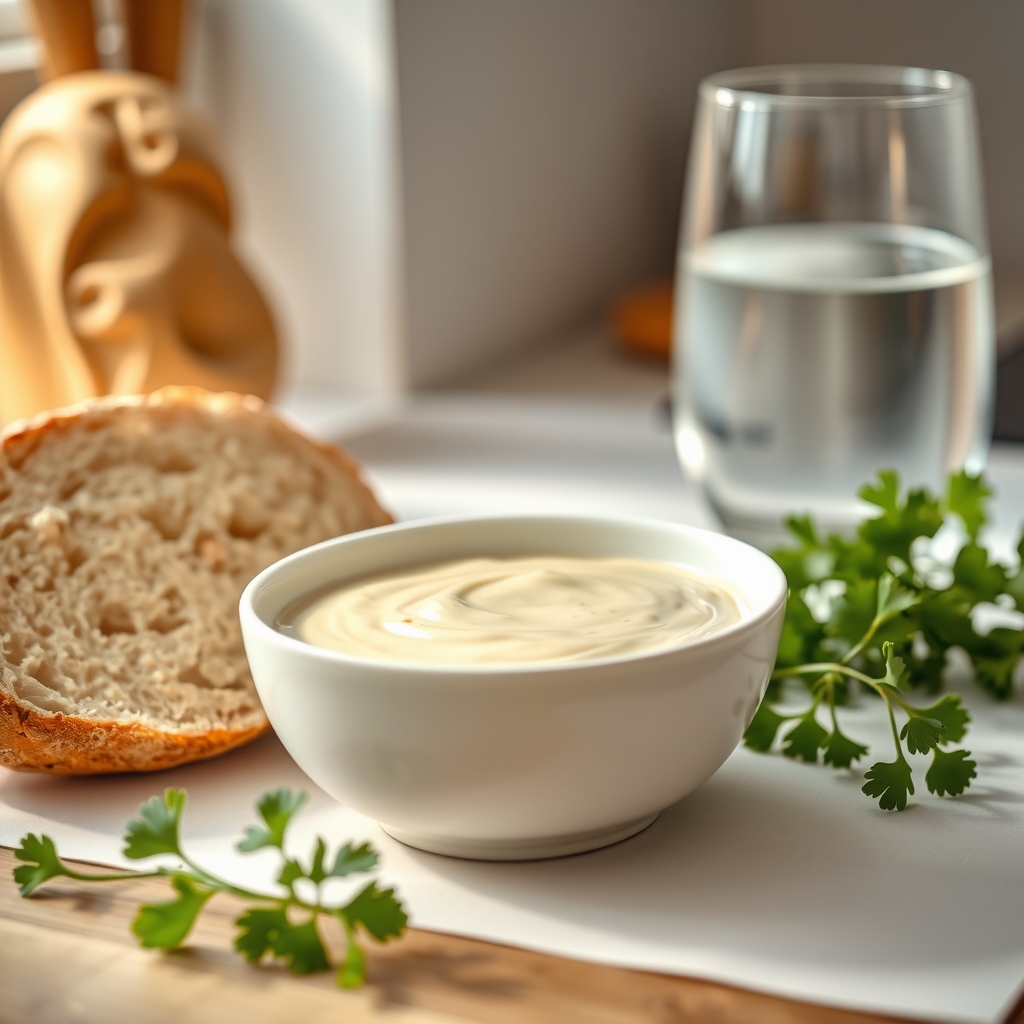
Safe: Homemade aioli is generally safe during pregnancy when made with pasteurized eggs, limiting the risk of salmonella
By Shubhra Mishra — a mom of two who turned her own confusion during pregnancy into BumpBites, a global mission to make food choices clear, safe, and stress-free for every expecting mother. 💛
Check whether any food is safe during pregnancy with the BumpBites Food Safety Checker.
Quick verdict: ⚠️ Safe with limits – homemade aioli can be enjoyed during pregnancy if you use pasteurized eggs and keep portions modest, but raw‑egg versions carry a salmonella risk.
It’s 2 a.m., the kitchen light is on, and you’ve just spread a dollop of creamy homemade aioli on a sandwich. Suddenly, a wave of worry hits: is aioli homemade safe during pregnancy? You’re not alone—many expecting parents wonder whether that silky condiment, made with raw eggs, could harm their baby. The good news is that with a few simple precautions, you can keep enjoying the flavor without compromising safety.
In this article we’ll break down exactly how safe homemade aioli is at each stage of pregnancy, how much you can comfortably eat, how to make it safer by using pasteurized eggs, and what alternatives you might reach for instead. We’ll also compare store‑bought versions, list related sauces and their safety, and give you clear signs to watch for if food‑borne illness does occur. By the end, you’ll have a calm, evidence‑based answer to the question is aioli homemade safe during pregnancy.
Keep a close eye on ingredients—using pasteurized eggs can turn a risky dip into a pregnancy‑friendly treat.
Safety snapshot
Trimester / Breastfeeding
Verdict
Notes
1st trimester
⚠️ Safe with limits
Use pasteurized eggs; limit to 2 Tbsp per day; avoid raw‑egg versions.
2nd trimester
⚠️ Safe with limits
Same precautions as 1st trimester; raw egg still not recommended.
3rd trimester
⚠️ Safe with limits
Maintain pasteurized‑egg rule; watch for increased heartburn.
Breastfeeding
✅ Generally safe
Pasteurized‑egg aioli is fine; raw‑egg versions still pose a risk.
What is homemade aioli?
A
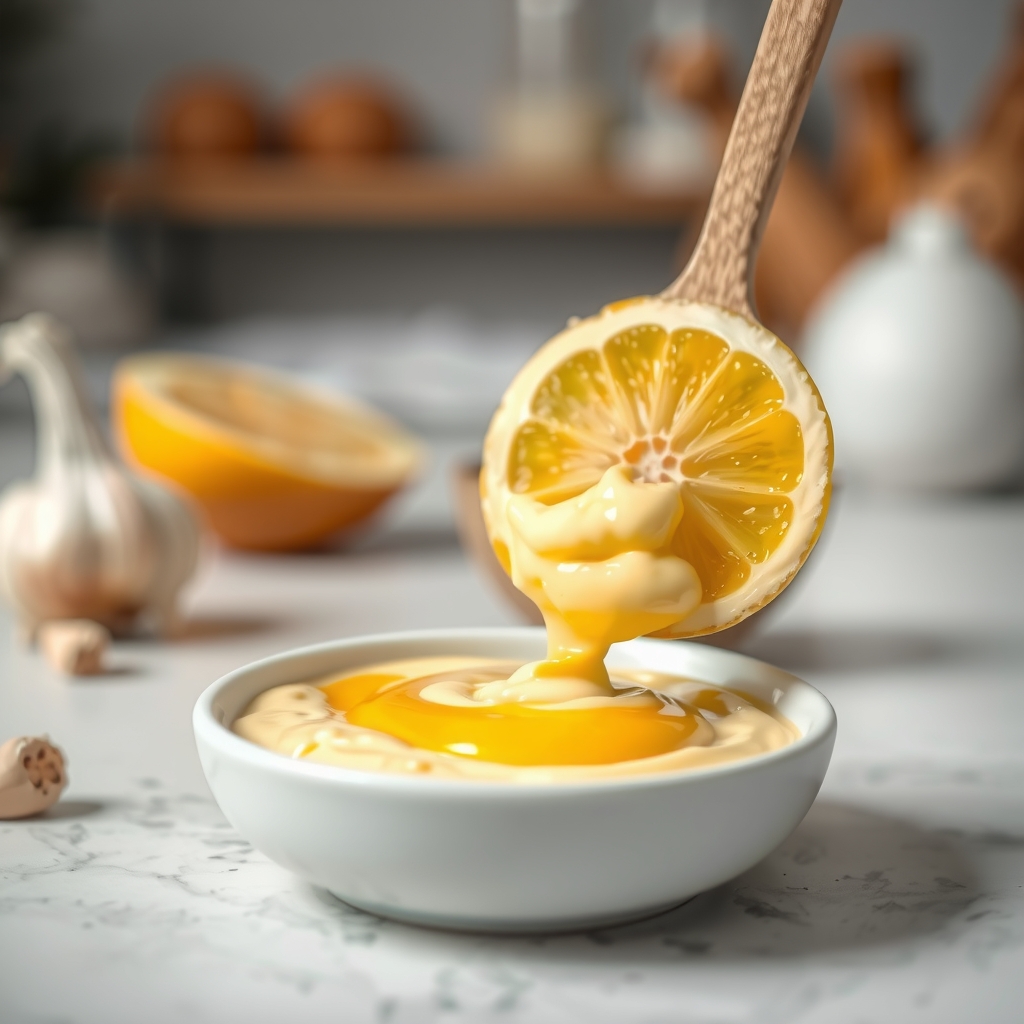
ioli is a classic Mediterranean emulsion that traditionally blends garlic, olive oil, lemon juice, and raw egg yolks to create a thick, buttery sauce. The raw egg yolk acts as an emulsifier, binding the oil and water‑based ingredients into a smooth texture. Home cooks love it because it’s versatile—perfect for dipping fries, sandwich spreads, or as a base for flavored sauces. However, the reliance on raw eggs also introduces a food‑safety consideration: raw eggs can harbor Salmonella bacteria, which can cause food‑borne illness. In pregnancy, a Salmonella infection can be more severe, potentially leading to dehydration, fever, and, in rare cases, complications for the developing baby.
Modern variations often incorporate additional flavors such as mustard, herbs, or spices, but the core ingredients remain the same: egg yolk, oil, acid (usually lemon or vinegar), and garlic. When prepared correctly, the sauce is velvety and bright, but the safety hinges on the quality of the eggs and the handling process. Many grocery stores now sell pasteurized eggs, which have been gently heat‑treated to destroy bacteria without cooking the egg, allowing home cooks to retain the classic texture while minimizing risk.
Is homemade aioli safe during pregnancy?
Current guidance from the American College of Obstetricians and Gynecologists (ACOG) advises pregnant people to avoid foods that contain raw or undercooked eggs because of the potential for Salmonella infection. The UK’s National Health Service (NHS) echoes this, noting that raw‑egg dressings can pose a “risk of food‑borne illness” for expectant mothers. The U.S. Food and Drug Administration (FDA) recommends using pasteurized eggs for any recipe that calls for raw egg, including aioli, to eliminate the bacterial hazard. The Centers for Disease Control and Prevention (CDC) reports that Salmonella causes an estimated 1.2 million cases of food‑borne illness in the United States each year, with pregnant people being more vulnerable to severe outcomes.
When homemade aioli is made with pasteurized eggs, the risk of Salmonella is essentially removed, and the condiment can be considered safe to eat in moderation. If you use conventional, unpasteurized eggs, the risk remains, especially during the first trimester when the fetus is most susceptible to teratogenic effects from high fevers. Therefore, the safe answer to is aioli homemade safe during pregnancy is: it can be safe if you take the extra step of using pasteurized eggs and keep portions reasonable.
Using pasteurized eggs lets you keep the classic flavor while protecting you and your baby.
Is homemade aioli safe to eat during the first trimester?
The first trimester (weeks 1‑13) is the period of organogenesis, when the baby’s major organs are forming. Because high fevers and severe infections can increase the risk of birth defects, ACOG recommends extra caution with any food that could cause food‑borne illness. If you prepare homemade aioli with raw, unpasteurized eggs, the potential for Salmonella means it’s best to avoid it entirely during this window. However, if you switch to pasteurized eggs, the condiment becomes low‑risk, and a modest serving (no more than 2 tablespoons) is considered acceptable.
In practice, many pregnant people choose to skip homemade aioli in the first trimester and rely on store‑bought versions that are made with pasteurized eggs, or they substitute a cooked version (see “Can I make homemade aioli safe by using pasteurized eggs?”). The key is to keep the preparation environment clean—wash hands, sanitize utensils, and keep the aioli refrigerated.
Can I consume homemade aioli in the second trimester without risk?
During the second trimester (weeks 14‑27), the baby’s organ systems are maturing, and the placenta provides better protection against many infections. Nonetheless, Salmonella can still cause severe gastrointestinal illness in the mother, leading to dehydration and preterm labor. The CDC advises that pregnant individuals should continue to avoid raw‑egg dishes unless the eggs are pasteurized. Therefore, homemade aioli remains safe in the second trimester only when made with pasteurized eggs and kept at proper refrigeration temperatures (below 40 °F/4 °C).
Moderation is still important. A typical serving size—about 2 tablespoons—provides a flavorful boost without overloading on calories or fat. If you’re craving more, consider pairing the aioli with high‑fiber vegetables or whole‑grain crackers to balance the meal.
How much homemade aioli can I safely eat while pregnant?
Because aioli is high in fat (roughly 10 g per tablespoon) and calories, most obstetric nutrition guidelines recommend limiting it to a small portion. The American College of Obstetricians and Gynecologists suggests that condiments high in fat should be kept to about 1‑2 servings per day, where a serving is defined as 1 tablespoon. For homemade aioli made with pasteurized eggs, a safe amount is therefore 1‑2 tablespoons (≈15‑30 ml) per day, provided it fits within your overall daily fat intake.
If you’re watching weight gain or have gestational diabetes, you may want to keep the portion even smaller or choose a lower‑fat alternative such as Greek yogurt dip. Remember that the safety of the aioli is not just about the eggs—it also depends on storage. Keep the sauce in a sealed container in the fridge and discard it after 4‑5 days.
What are safe alternatives to homemade aioli for pregnant women?
Store‑bought aioli made with pasteurized eggs – guarantees the same flavor without raw‑egg risk.
Greek yogurt dip – offers protein and calcium with a tangy taste, low in fat.
Hummus – chickpea‑based, nutrient‑dense, and safe when stored properly.
Avocado mayo – uses ripe avocado instead of egg, providing healthy monounsaturated fats.
Commercial mayonnaise (pasteurized) – widely available and safe for pregnancy.
Cottage cheese spread – high in protein, low in fat, and easy to flavor.
Guacamole – fresh avocado, lime, and garlic, a wholesome dip without eggs.
Tahini sauce – sesame‑seed based, rich in calcium and iron, safe when made with pasteurized ingredients.
Does store-bought aioli differ in safety compared to homemade aioli during pregnancy?
Most commercial aioli brands in the United States and United Kingdom are produced with pasteurized eggs, which eliminates the Salmonella hazard. The FDA requires that any product containing raw egg must be made with pasteurized eggs or undergo a heat treatment that kills pathogens. Consequently, store‑bought aioli is generally considered safe for pregnant people, provided the label confirms “pasteurized eggs” or “no raw eggs.”
Homemade aioli, on the other hand, can be made with either raw or pasteurized eggs, depending on what you have on hand. If you use raw eggs, the safety profile drops dramatically, especially in the first trimester. The main differences, therefore, are the source of the egg and the control over storage. Commercial products also often contain preservatives that extend shelf life, whereas homemade versions should be consumed within a few days.
What are the risks of eating homemade aioli while pregnant?
The primary risk is Salmonella infection from raw or undercooked eggs. Symptoms typically include fever, abdominal cramps, diarrhea, and vomiting. In pregnant individuals, a fever above 101.5 °F (38.6 °C) can increase the risk of miscarriage or preterm labor, according to ACOG. Additionally, the high fat content of aioli can contribute to excess calorie intake, which may exacerbate gestational weight gain or gestational diabetes if not moderated.
Other, less common risks involve cross‑contamination if the aioli is prepared on a surface that has touched raw meat or if it is left out at room temperature for too long. Bacterial growth can occur quickly at temperatures between 40 °F and 140 °F (4 °C‑60 °C), the “danger zone” identified by the FDA.
Is homemade aioli safe for pregnant women with a history of foodborne illness?
If you have previously experienced a severe foodborne illness—such as a prior Salmonella infection, listeriosis, or a history of chronic gastrointestinal issues—extra caution is warranted. The CDC advises that individuals with a history of foodborne illness should avoid raw‑egg dishes entirely, even if the eggs are pasteurized, because of the heightened sensitivity to any bacterial load. In such cases, opting for egg‑free alternatives like avocado mayo or tahini sauce is the safest route.
Consult your obstetric provider for personalized guidance. They may recommend a stricter limit (e.g., no aioli at all) or suggest a specific brand of pasteurized‑egg aioli that meets strict safety standards.
Can I make homemade aioli safe by using pasteurized eggs during pregnancy?
Yes. Pasteurized eggs have been gently heated to a temperature that destroys Salmonella while keeping the egg liquid enough to function as an emulsifier. The FDA recognizes pasteurized eggs as a safe substitute for raw eggs in any recipe, including aioli. When you use pasteurized eggs, the risk of bacterial contamination drops to near‑zero, aligning the homemade version with the safety profile of most commercial aioli brands.
To make pasteurized‑egg aioli, simply follow your usual recipe but substitute the raw egg yolks with yolks from pasteurized eggs. Keep the sauce refrigerated, and consume it within 4‑5 days. If you don’t have pasteurized eggs on hand, you can also “cook” the aioli by gently heating the mixture to 160 °F (71 °C) while whisking, then cooling it—though this may change the texture slightly.
Safe dosage / amount / brands
For pregnant people who enjoy aioli, the following guidelines help keep consumption both tasty and safe:
Item
Safe amount per day
Recommended brands (pasteurized)
Homemade aioli (pasteurized eggs)
1‑2 Tbsp (≈15‑30 ml)
Use any reputable pasteurized‑egg brand (e.g., Eggland’s Best Pasteurized Eggs)
Store‑bought aioli
1‑2 Tbsp
Hellmann’s Real Aioli (states “pasteurized eggs”), Kewpie Aioli, or similar
Greek yogurt dip
Up to ¼ cup (≈60 ml)
Chobani Greek Yogurt, Fage Total
Avocado mayo
Up to ¼ cup
Chosen Foods Avocado Mayo, Primal Kitchen Avocado Mayo
When buying store‑bought aioli, check the label for “pasteurized eggs” or “no raw eggs.” If the label is unclear, contact the manufacturer or choose a different brand. For homemade versions, always store the sauce in a clean, airtight container in the refrigerator and discard it after five days.
Side effects and risks
Common but not dangerous: Mild gastrointestinal upset (e.g., bloating) may occur if you consume a large amount of fatty sauce. This usually resolves on its own and does not harm the baby.
Serious warning signs: Fever above 101.5 °F (38.6 °C), persistent vomiting, severe diarrhea, or abdominal cramps lasting more than 24 hours could signal Salmonella infection. If you experience any of these symptoms after eating aioli, contact your obstetric provider promptly. Dehydration and high fever during pregnancy can increase the risk of preterm labor.
Other red flags include unusual fatigue, chills, or a rash, which may indicate a more systemic infection. Always err on the side of caution—when in doubt, call your provider.
Safer alternatives
Store‑bought aioli made with pasteurized eggs – guarantees the same creamy flavor without raw‑egg risk.
Greek yogurt dip – offers a protein boost and lower fat content.
Hummus – chickpea‑based, nutrient‑dense, and safe when refrigerated.
Avocado mayo – provides healthy fats without any egg.
Commercial mayonnaise (pasteurized) – widely available and low‑risk.
Cottage cheese spread – high in calcium and easy to flavor with herbs.
Guacamole – fresh avocado, lime, and garlic, a wholesome dip without eggs.
Tahini sauce – sesame‑seed based, rich in calcium and iron, safe when made with pasteurized ingredients.
Related items — safety at a glance
Item
Verdict
One‑line note
Mayonnaise
✅ Generally safe
Made with pasteurized eggs in most commercial brands.
Tahini sauce
✅ Generally safe
Sesame‑seed base; no egg, low bacterial risk.
Pesto
✅ Generally safe
Contains cheese and nuts; ensure cheese is pasteurized.
Ranch dressing
✅ Generally safe
Commercial versions use pasteurized dairy; homemade should avoid raw egg.
Salsa
✅ Generally safe
Fresh vegetables; low risk if refrigerated.
Guacamole
✅ Generally safe
Egg‑free, but watch for avocado freshness.
Creamy salad dressing
✅ Generally safe
Most are egg‑free; check label for raw egg.
Remoulade
⚠️ Safe with limits
Often contains raw egg; use pasteurized eggs or commercial version.
Myth vs. fact
Myth: All aioli is unsafe during pregnancy because it contains raw eggs. Fact: Aioli made with pasteurized eggs eliminates the Salmonella risk and is considered safe in moderation.
Myth: Homemade aioli always tastes better than store‑bought, so it’s worth the risk. Fact: The flavor difference is often subtle, and safety should trump taste; store‑bought versions use pasteurized eggs and have consistent quality.
Myth: If the aioli looks and smells fine, it can’t be contaminated. Fact: Salmonella doesn’t change the appearance or smell of foods; proper egg handling is essential regardless of sensory cues.
Key takeaways
Homemade aioli is safe during pregnancy only when made with pasteurized eggs.
Limit intake to 1‑2 tablespoons per day to keep fat and calorie consumption in check.
Store‑bought aioli that lists “pasteurized eggs” is a convenient, low‑risk alternative.
Watch for Salmonella symptoms—fever, vomiting, diarrhea—and call your provider if they appear.
If you have a history of foodborne illness, avoid raw‑egg dishes entirely and choose egg‑free spreads.
Frequently asked questions
Can pregnant women eat aioli?
Yes, but only if the aioli is made with pasteurized eggs or is a commercial product that guarantees pasteurization. Raw‑egg versions carry a Salmonella risk and should be avoided.
Is raw egg safe during pregnancy?
No. Raw or undercooked eggs can harbor Salmonella, which can cause severe illness in pregnant people. Use pasteurized eggs or fully cooked egg dishes instead.
How do I know if aioli is contaminated?
Contamination isn’t detectable by smell or taste. The safest way to know is to confirm the eggs are pasteurized or the product is commercially processed under strict safety standards.
Can I make aioli with pasteurized eggs?
Absolutely. Pasteurized eggs work the same way as raw eggs in an emulsion, giving you the classic texture while eliminating the bacterial hazard.
What are the symptoms of salmonella in pregnancy?
Typical symptoms include fever (above 101.5 °F), abdominal cramps, diarrhea, and vomiting. If you experience these after eating aioli, contact your obstetric provider promptly.
Is store-bought aioli safer than homemade?
Generally, yes—most commercial brands use pasteurized eggs and have added preservatives that extend shelf life, reducing the risk of bacterial growth.
How long can homemade aioli be stored safely?
When kept refrigerated at 40 °F/4 °C or below, homemade aioli should be consumed within 4‑5 days. Beyond that, the risk of bacterial growth rises.
Can I freeze homemade aioli for later use?
Yes, you can freeze it for up to two months. Thaw it slowly in the refrigerator and give it a good whisk before serving; the texture may change slightly.
When to call your doctor
If you develop any of the following after consuming aioli—fever above 101.5 °F (38.6 °C), persistent vomiting, severe diarrhea lasting more than 24 hours, abdominal pain, or signs of dehydration such as dizziness or reduced urine output—contact your obstetric provider immediately. Also reach out if you have a known history of foodborne illness and are unsure about the safety of a particular batch of aioli. This information is for educational purposes only and does not replace personalized medical advice.
References
American College of Obstetricians and Gynecologists. “Food Safety During Pregnancy.” ACOG Committee Opinion, 2023.
National Health Service (NHS). “Food safety for pregnant women.” NHS.uk, 2022.
U.S. Food and Drug Administration (FDA). “Egg Safety.” FDA.gov, 2021.
Centers for Disease Control and Prevention (CDC). “Salmonella and Pregnancy.” CDC.gov, 2022.
U.S. Department of Agriculture (USDA). “Pasteurized Egg Products.” USDA.gov, 2020.
World Health Organization (WHO). “Foodborne Disease Epidemiology.” WHO.int, 2021.
Not sure about the label on Is Aioli Homemade Safe During Pregnancy products?
Snap the ingredients list and SafeFilter checks every ingredient for your stage — only 3 free scans this month, then you're locked until reset. Unlimited from $7/mo or $50/yr.
When Shubhra Mishra was expecting her first child in 2016, she was overwhelmed by conflicting food advice — one site said yes, another said never. By the time her second baby arrived in 2019, she realized millions of mothers face the same confusion.
That sparked a five-year journey through clinical nutrition papers, cultural diets, and expert conversations — all leading to BumpBites: a calm, compassionate space where science meets everyday motherhood.
Her long-term vision is to build a global community ensuring safe, supported, and free deliveriesfor every mother — because no woman should face pregnancy alone or uninformed. 🌿
🌍 Stand with mothers, shape safer guidance
Join a small circle of experts who review BumpBites articles so expecting parents everywhere can decide with confidence.