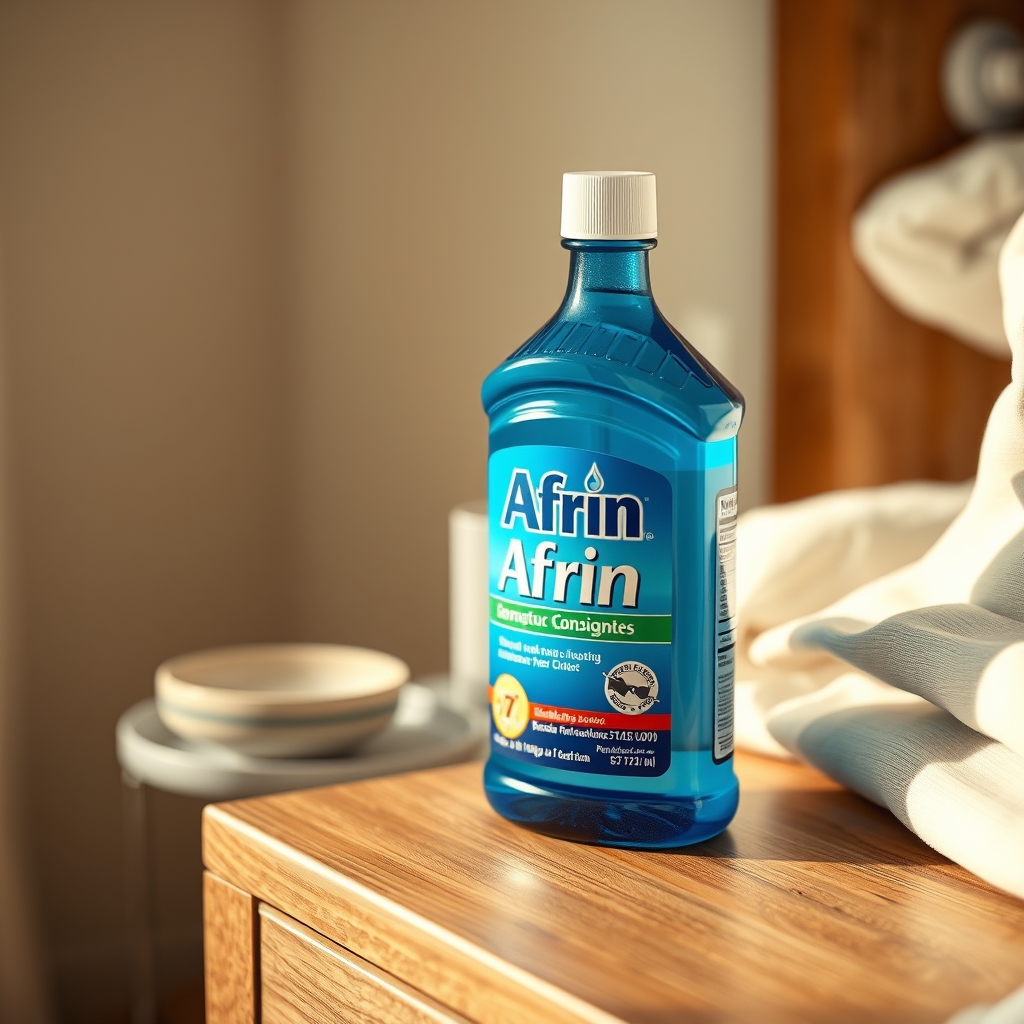
Limit Afrin nasal spray during pregnancy. Experts recommend short-term use (≤3 days) in the 2nd/3rd trimester only, as oxymetazoline may affect blood flow. Learn safe dosage and alternatives.
By Shubhra Mishra — a mom of two who turned her own confusion during pregnancy into BumpBites, a global mission to make food choices clear, safe, and stress-free for every expecting mother. 💛
Check whether any food is safe during pregnancy with the BumpBites Food Safety Checker.
Quick verdict: ❌ Best avoided. Current obstetric guidance advises against using Afrin (oxymetazoline) nasal spray during pregnancy because the medication is classified as a pregnancy‑category C drug and there is insufficient safety data for the developing fetus. If you need relief, choose a saline rinse or other non‑medicated option instead.
Imagine it’s 2 a.m., you’re sniffling, and the pharmacy aisle lights flicker as you reach for the familiar blue bottle of Afrin. The moment you remember you’re pregnant, a wave of panic rushes in. You’re not alone—many expecting parents wonder, is Afrin nasal spray safe during pregnancy? The short answer is no: most obstetric societies recommend avoiding it unless a provider explicitly says it’s necessary.
In this article we’ll break down exactly what the research says, how the safety picture changes across the first, second, and third trimesters, what dosage limits (if any) might be considered, and which brands or formulations to steer clear of. We’ll also give you a list of proven, pregnancy‑friendly alternatives for nasal congestion, compare Afrin to other common decongestants, and tell you when it’s time to call your doctor. By the end you’ll have a clear, evidence‑based plan and can breathe easier—literally and figuratively.
We’ll also address a few extra questions that pop up often, such as whether Afrin can be combined with prenatal vitamins, if it’s safe for chronic sinus issues, and what to do if you’ve already taken a dose before you knew you were pregnant. All of the information is drawn from reputable sources like ACOG, the NHS, the FDA, and the CDC, and we’ll point you toward the most reliable references at the end of the article.
Stage of pregnancy
Verdict
Notes
First trimester
❌ Best avoided
Organs are forming; limited data, so ACOG advises against use.
Second trimester
❌ Best avoided
Potential vasoconstriction may affect placental blood flow.
Third trimester
❌ Best avoided
Risk of fetal heart rate changes and maternal hypertension.
Breastfeeding
❌ Best avoided
Oxymetazoline can pass into breast milk; safer alternatives exist.
What is Afrin?
Afrin is a brand‑name nasal spray that contains the active ingredient oxymetazoline, a topical decongestant that narrows blood vessels in the nasal passages. By constricting these vessels, the spray reduces swelling, opening airways and relieving the feeling of a “stuffy” nose. The product is sold over‑the‑counter in a 0.05% solution, typically packaged in a small pump bottle that delivers two sprays per nostril. Because it works locally rather than systemically, many people assume it’s harmless, but the drug does enter the bloodstream and can affect blood pressure and heart rate—both important considerations when you’re pregnant.
Oxymetazoline belongs to a class of medications called sympathomimetic agents. These agents mimic the body’s own norepinephrine, causing blood vessels to tighten. While that action is useful for quickly clearing a blocked nose, it also means the drug can raise systemic blood pressure and, in theory, limit blood flow to the placenta. The effect is generally modest in healthy adults, but pregnancy already places extra strain on the cardiovascular system, so even a small shift can be meaningful.
Is Afrin nasal spray safe during pregnancy?
So, is Afrin nasal spray safe during pregnancy? The consensus among leading health authorities is that it should be avoided. The American College of Obstetricians and Gynecologists (ACOG) lists oxymetazoline as a Category C medication, meaning animal studies have shown adverse effects on the fetus and there are no well‑controlled human studies. The U.K.’s National Health Service (NHS) advises pregnant women to use only saline or other non‑medicated nasal sprays unless a physician specifically recommends a decongestant. The U.S. Food and Drug Administration (FDA) has not assigned a formal pregnancy‑risk category, but its labeling cautions that the drug “should be used only if clearly needed” in pregnant patients. The Centers for Disease Control and Prevention (CDC) also notes that vasoconstrictors like oxymetazoline could theoretically reduce uterine blood flow, a concern especially during the critical organ‑development period of the first trimester.
Because the drug can cross the placenta, any potential effect on the fetus—whether on heart rate, blood pressure, or oxygen delivery—is taken seriously. Most obstetricians therefore follow the precautionary principle: avoid the medication unless the benefit clearly outweighs the theoretical risk. In practice, that means most clinicians will recommend non‑medicated options first.
It’s worth noting that the data are not the same as those for drugs with proven teratogenicity, such as isotretinoin. Rather, the concern is based on limited animal data and the known pharmacologic action of the drug. This nuance is why you’ll often see guidance phrased as “avoid unless prescribed” rather than an outright ban. If you ever feel you have no other choice, a conversation with your obstetrician is essential.
Is Afrin nasal spray safe to use in the first trimester of pregnancy?
The first trimester is when the embryo’s organs are forming—a period known as organogenesis. During this window, any medication that can cross the placenta or alter maternal blood flow warrants extra caution. Oxymetazoline’s vasoconstrictive action can raise maternal blood pressure, which in turn may limit blood flow to the placenta. ACOG’s Committee Opinion on “Medication Use in Pregnancy” specifically recommends avoiding topical decongestants unless a provider deems them essential. Because there are no robust human studies confirming safety, the default recommendation is to avoid Afrin entirely during the first three months.
If you have already used Afrin once or twice before realizing you were pregnant, try not to panic. A single short‑term exposure is unlikely to cause harm, but you should discuss it with your obstetrician at your next prenatal visit. They can assess any potential impact and, if needed, monitor fetal growth with an ultrasound.
Can I use Afrin nasal spray occasionally during pregnancy without risk?
Occasional use might seem harmless, yet the lack of definitive safety data means “occasionally” is still a gray area. The NHS states that any use of oxymetazoline during pregnancy should be “under medical supervision.” Because the drug can accumulate with repeated dosing, even intermittent use could raise blood pressure or affect fetal heart rate. If you’re experiencing severe congestion that interferes with sleep or nutrition, contact your provider. They may prescribe a short course of a safer medication or suggest a non‑pharmacologic strategy.
In practice, most clinicians advise pregnant patients to rely on saline sprays, humidified air, or a gentle nasal rinse instead of reaching for Afrin, especially if the congestion is mild to moderate.
What is the recommended dosage of Afrin for pregnant women?
For non‑pregnant adults, the standard label dosage is two sprays per nostril every 12 hours, not exceeding two doses in a 24‑hour period. However, because the medication is not recommended for pregnant individuals, there is no “pregnancy‑specific” dosage endorsed by authoritative bodies. If a healthcare provider determines that Afrin is absolutely necessary, they would likely limit use to the minimum effective amount—typically one spray per nostril, once a day, for no longer than 48 hours. Even then, the provider would monitor blood pressure and fetal well‑being closely.
When choosing a brand, look for the original Afrin packaging that clearly lists oxymetazoline 0.05% as the active ingredient. Generic oxymetazoline sprays are chemically identical, so the safety profile is the same. Avoid “extra‑strength” or “long‑lasting” formulations, as higher concentrations increase systemic absorption.
Are there safer alternatives to Afrin for nasal congestion during pregnancy?
Simply Saline Nasal Mist – pure saline, no medication, safe for daily use.
NeilMed Sinus Rinse – a hypertonic saline solution that clears mucus without drugs.
Vicks VapoRub – mentholated ointment applied to the chest; FDA‑approved for relief of cough and congestion in adults.
Breathe Right Nasal Strips – mechanically opens nasal passages without chemicals.
Xlear Nasal Spray – contains xylitol and saline, shown to be safe in pregnancy.
Steam inhalation (using a humidifier) – adds moisture to the air, easing congestion naturally.
Does the brand Afrin differ from generic oxymetazoline in pregnancy safety?
The active ingredient, oxymetazoline, is identical in both the branded Afrin product and any generic version. The safety classification hinges on the drug molecule itself, not the packaging or brand name. Therefore, the pregnancy safety verdict is the same for generic oxymetazoline nasal sprays: they are Category C and should be avoided unless a clinician explicitly advises otherwise. Some generic products may contain additional preservatives that could cause irritation, but these do not meaningfully change the overall risk profile.
What are the potential risks of using Afrin nasal spray while pregnant?
Potential risks stem from oxymetazoline’s vasoconstrictive properties. These include:
Elevated maternal blood pressure, which can increase the risk of preeclampsia.
Fetal tachycardia or bradycardia, as the drug can cross the placenta.
Maternal side effects such as rebound congestion (rhinitis medicamentosa) if used longer than recommended.
While severe birth defects have not been definitively linked to oxymetazoline, the theoretical concerns are enough for organizations like ACOG and the NHS to advise avoidance.
How does Afrin affect pregnancy complications like hypertension?
Because Afrin narrows blood vessels, it can raise systemic blood pressure. For pregnant women who already have hypertension or are at risk for preeclampsia, adding a vasoconstrictor may exacerbate the condition. ACOG’s guidelines on hypertension in pregnancy specifically caution against any medication that can further increase blood pressure without close monitoring. If you have a history of high blood pressure, it’s especially important to discuss any nasal decongestant with your provider before use.
Is Afrin safe for pregnant women with sinus infections?
Sinus infections (acute sinusitis) often cause significant congestion and facial pain. While Afrin may provide short‑term relief, the medication does not treat the underlying infection. In pregnancy, the preferred approach is to use saline irrigation, stay hydrated, and, if bacterial infection is confirmed, consider a pregnancy‑safe antibiotic prescribed by a clinician. Using Afrin without addressing the infection could mask symptoms and delay appropriate treatment.
When you’re pregnant, reaching for the familiar blue bottle can feel reassuring, but it’s worth double‑checking if it’s truly safe.
Safety by trimester
First trimester
The first 12 weeks are the most sensitive period for fetal development. Oxymetazoline’s ability to raise blood pressure raises concerns about reduced placental perfusion. Because the drug’s safety data are limited, ACOG and the NHS both advise pregnant patients to avoid Afrin during this stage. If congestion is severe, discuss non‑medicated options with your obstetrician.
In addition to the vascular concerns, the early embryo is undergoing rapid cell division and organ formation. Even modest changes in maternal hemodynamics can theoretically influence nutrient delivery at a time when the fetus can’t compensate. For this reason, many clinicians treat “first‑trimester congestion” as an indication for saline sprays or a gentle humidifier rather than a decongestant.
Second trimester
During weeks 13‑27, the fetus’s major organs are already formed, but rapid growth continues. While the theoretical risk of vasoconstriction is somewhat lower than in the first trimester, the medication still carries a Category C rating. Most clinicians continue to recommend saline rinses and humidified air as first‑line therapy, reserving any decongestant for cases where the benefit clearly outweighs the risk.
Some providers may consider a short, low‑dose course of oxymetazoline if a pregnant patient experiences debilitating congestion that threatens sleep or nutrition, but this would be an off‑label, highly individualized decision. In such cases, close monitoring of maternal blood pressure and fetal well‑being is essential.
Third trimester
In the final three months, maternal blood pressure spikes can directly affect labor and delivery. Oxymetazoline may also increase the chance of fetal heart‑rate irregularities. ACOG’s practice bulletin on hypertension in pregnancy specifically notes that vasoconstrictive agents should be used with caution. Consequently, Afrin remains off‑limits for most pregnant women in the third trimester.
Beyond blood‑pressure considerations, the third trimester is a time when many women experience increased nasal edema due to hormonal changes. Because the nasal passages are already more congested, the temptation to use a decongestant is high. However, the safest approach remains a saline spray combined with a humidifier, which can alleviate swelling without systemic effects.
Breastfeeding
Oxymetazoline is excreted in breast milk in small amounts. While no definitive studies have linked it to infant adverse effects, the FDA cautions that “the drug should be used only if clearly needed” for nursing mothers. Safer alternatives—such as saline sprays or a cool‑mist humidifier—are recommended to avoid any potential exposure.
Using a humidifier can provide soothing relief without medication.
Special considerations
Is Afrin safe for seasonal allergies during pregnancy?
Seasonal allergic rhinitis often leads to persistent nasal congestion. While Afrin can quickly shrink swollen nasal tissue, the same vasoconstrictive concerns apply. For pregnant patients, allergists usually recommend intranasal antihistamine sprays such as azelastine, which have a better safety profile and are classified as Category B. Saline sprays can also be used daily to rinse allergens from the nasal cavity without systemic absorption.
Can I use Afrin while taking prenatal vitamins?
There is no known pharmacologic interaction between oxymetazoline and typical prenatal vitamins (containing folic acid, iron, calcium, and DHA). However, the overarching recommendation to avoid Afrin remains unchanged regardless of vitamin use. If you feel you need a decongestant, discuss it with your provider so they can weigh the benefits against the potential vascular effects.
What if I have chronic sinusitis and am pregnant?
Chronic sinusitis may require more long‑term management strategies. In pregnancy, the safest approach is a combination of daily saline irrigation, nasal corticosteroid sprays (e.g., budesonide, which is Category B), and environmental controls such as humidifiers and allergen avoidance. Systemic decongestants like Afrin are discouraged because of the cumulative exposure risk. If symptoms are severe, your obstetrician may coordinate care with an ENT specialist to develop a tailored plan.
Safe dosage / amount / brands
Because the general recommendation is to avoid Afrin altogether, there is no officially endorsed dosage for pregnant patients. If a healthcare provider determines that the drug is essential, they will typically limit use to the minimum effective amount—often one spray per nostril, once a day, for no longer than 48 hours. The standard over‑the‑counter label (two sprays per nostril every 12 hours) exceeds what most obstetricians would consider safe for a pregnant woman.
When selecting a product, look for the original Afrin packaging that lists oxymetazoline 0.05% as the sole active ingredient. Generic oxymetazoline sprays are chemically identical and share the same safety profile. “Extra‑strength” or “long‑lasting” variants contain higher concentrations and should be avoided entirely during pregnancy.
Side effects and risks
Common side effects in non‑pregnant adults include temporary burning, stinging, or dryness in the nasal passages. In pregnancy, these local effects are less concerning than systemic impacts such as:
Elevated blood pressure: Can aggravate preexisting hypertension or contribute to preeclampsia.
Rebound congestion (rhinitis medicamentosa): Prolonged use leads to worsening nasal blockage, creating a cycle of over‑use.
Potential fetal heart‑rate changes: Oxymetazoline crosses the placenta and may affect the baby’s cardiovascular system.
Maternal dizziness or headache: Resulting from systemic vasoconstriction.
If you notice any of the following, contact your obstetrician promptly: a sudden rise in blood pressure (≥140/90 mmHg), severe headache, visual disturbances, swelling of hands or face, or any unusual fetal movement patterns.
Safer alternatives
Simply Saline Nasal Mist – pure saline, no drug, safe for unlimited use.
NeilMed Sinus Rinse – isotonic saline flushes out mucus without medication.
Myth: “Because Afrin is applied locally, it can’t affect the baby.”
Fact: Oxymetazoline is absorbed into the bloodstream and can cross the placenta, so systemic effects—including blood‑pressure changes—are possible.
Myth: “A single spray won’t harm the fetus.”
Fact: While a single dose is unlikely to cause serious harm, the lack of robust safety data means clinicians advise avoiding any exposure when possible.
Myth: “All nasal decongestants are the same, so if one is unsafe, all are unsafe.”
Fact: Some decongestants (e.g., cromolyn sodium) have a better safety record, while others share the same vasoconstrictive risks as Afrin. Always check the specific active ingredient.
Key takeaways
✅ Afrin (oxymetazoline) is classified as a pregnancy‑category C drug; most experts recommend avoiding it.
⚠️ The main concerns are maternal hypertension, reduced placental blood flow, and possible fetal heart‑rate changes.
🛑 No trimester is considered safe for routine use; choose saline or other non‑medicated options instead.
💧 If you’ve already taken Afrin, note the timing and discuss it with your provider—most single exposures are unlikely to cause harm.
🌿 Proven alternatives include saline sprays, nasal rinses, humidifiers, antihistamine sprays, and mechanical strips.
📞 Call your doctor if you develop high blood pressure, severe headache, or notice any unusual fetal movements after using Afrin.
Frequently asked questions
Can I use Afrin while pregnant?
No. Current obstetric guidance from ACOG and the NHS advises pregnant women to avoid Afrin because oxymetazoline is a Category C medication with limited safety data.
What are the side effects of Afrin for pregnant women?
Common side effects include nasal burning and dryness, but systemic effects such as elevated blood pressure, reduced placental blood flow, and potential fetal heart‑rate changes are the primary concerns for pregnant users.
How long can I use Afrin during pregnancy?
Even short‑term use is not recommended; if a provider deems it essential, the maximum would be one spray per nostril once a day for no more than 48 hours, followed by close monitoring.
Is it safe to use Afrin in the second trimester?
The second trimester still carries the same Category C warning; most clinicians advise avoiding Afrin and opting for saline or other non‑medicated remedies instead.
What are the alternatives to Afrin for nasal congestion during pregnancy?
Safe alternatives include Simply Saline Nasal Mist, NeilMed Sinus Rinse, Ayr Saline Spray, Vicks VapoRub, Breathe Right Nasal Strips, Xlear Nasal Spray, steam inhalation via a humidifier, and intranasal antihistamine sprays.
Does Afrin cause birth defects?
There is no direct evidence linking Afrin to specific birth defects, but the lack of robust human studies means the precautionary principle applies—avoid the drug unless a provider says the benefit outweighs the risk.
Can Afrin affect my baby’s breathing after birth?
There is no documented evidence that Afrin exposure in utero causes post‑natal breathing problems, but systemic absorption could theoretically influence fetal cardiovascular development, underscoring the recommendation to avoid it.
What should I do if I’ve already taken Afrin before knowing I was pregnant?
Take a deep breath—most single exposures are unlikely to cause harm. Record the date and amount taken, and discuss it at your next prenatal visit so your provider can decide if any additional monitoring is needed.
Is it okay to use a nasal spray with oxymetazoline and a nasal steroid at the same time?
Combining two vasoconstrictive agents can increase the risk of elevated blood pressure and rebound congestion. During pregnancy, it’s safer to use a steroid spray alone (e.g., budesonide) and avoid oxymetazoline unless specifically directed by your doctor.
When to call your doctor
If you experience any of the following after using Afrin, contact your obstetrician or seek urgent care:
Sudden increase in blood pressure (≥140/90 mmHg) or a diagnosis of preeclampsia.
Severe headache, visual disturbances, or swelling of the face/hands.
Unusual changes in fetal movement patterns (significant decrease or increase).
Persistent or worsening nasal congestion despite stopping Afrin.
Any signs of an allergic reaction such as hives, swelling, or difficulty breathing.
These symptoms may indicate a complication that requires medical evaluation. Remember, this article provides general information and is not a substitute for personalized medical advice. Always discuss medication use with your healthcare provider.
References
American College of Obstetricians and Gynecologists. “Medication Use in Pregnancy.” ACOG Committee Opinion, 2022.
National Health Service (NHS). “Nasal sprays and pregnancy.” UK Government Health Guidance, 2023.
U.S. Food and Drug Administration (FDA). “Drug Safety Communication: Oxymetazoline Use During Pregnancy.” FDA Safety Alerts, 2021.
Centers for Disease Control and Prevention (CDC). “Pregnancy and Medication Safety.” CDC Health Information, 2022.
Mayo Clinic. “Oxymetazoline (topical).” Medication Guide, accessed 2024.
World Health Organization (WHO). “Guidelines for the Management of Hypertension in Pregnancy.” WHO Publication, 2021.
American Academy of Pediatrics (AAP). “Medication Use in Breastfeeding.” AAP Policy Statement, 2023.
Not sure about the label on Is Afrin Nasal Spray Safe During Pregnancy products?
Snap the ingredients list and SafeFilter checks every ingredient for your stage — only 3 free scans this month, then you're locked until reset. Unlimited from $7/mo or $50/yr.
When Shubhra Mishra was expecting her first child in 2016, she was overwhelmed by conflicting food advice — one site said yes, another said never. By the time her second baby arrived in 2019, she realized millions of mothers face the same confusion.
That sparked a five-year journey through clinical nutrition papers, cultural diets, and expert conversations — all leading to BumpBites: a calm, compassionate space where science meets everyday motherhood.
Her long-term vision is to build a global community ensuring safe, supported, and free deliveriesfor every mother — because no woman should face pregnancy alone or uninformed. 🌿
🌍 Stand with mothers, shape safer guidance
Join a small circle of experts who review BumpBites articles so expecting parents everywhere can decide with confidence.