

Quick take: An insulin resistance diet focuses on low-glycemic foods, healthy fats, and lean proteins to help your body respond better to insulin. For pregnancy, this plan can help manage gestational diabetes, but always check with your provider first. Start with simple swaps like choosing whole grains over white bread and opting for leafy greens over starchy sides. Our 7-day meal plan below includes easy, nutrient-packed meals designed to support blood sugar balance — no complicated prep required. We’ve also added practical tips for managing cravings, a deeper dive into how spices can help regulate blood sugar, and a troubleshooting guide for common plateaus.Insulin Resistance Diet Meal Plan 7 Day: The Complete 2026 Guide

It was 2:30 AM when Sarah noticed the familiar jolt of fatigue that wasn’t just tiredness. Her blood sugar had spiked after dinner, and now her body was paying the price with a crash that left her shaking. She’d heard about insulin resistance before — the silent thief of energy that makes your body ignore its own insulin — but she’d never thought it would sneak up on her during pregnancy. "I just want to feel like myself again," she whispered to her husband. That’s when she decided to dig deeper, not just for herself, but for the baby she was carrying. And that’s when she realized: diet could be the key. Sarah’s story isn’t unique. Many women — whether pregnant, postpartum, or navigating PCOS — find themselves searching for answers to stabilize blood sugar. The good news? A well-structured diet can make a real difference. This guide breaks down everything you need to know about an insulin resistance diet, including a 7-day meal plan tailored for maternal health, practical tips for meal prep, and lifestyle tweaks to support your body. We’ll also cover how to handle cravings without derailing progress, the science behind spices for blood sugar control, and what to do if you hit a plateau. Let’s get started.
--- ## **What is insulin resistance and why is diet crucial for maternal health?**Imagine your body’s cells as tiny doors, and insulin as the key. When you have insulin resistance, those doors get sticky — insulin can’t open them properly, so glucose (sugar) builds up in your blood instead of fueling your cells. Over time, this imbalance can lead to higher blood sugar levels, increased risk of gestational diabetes during pregnancy, and long-term health issues like type 2 diabetes or PCOS.
For pregnant women, insulin resistance is especially critical. Hormonal changes during pregnancy naturally make it harder for your body to use insulin effectively. If left unchecked, this can lead to gestational diabetes, which affects up to 9% of pregnancies globally (American Diabetes Association). The good news? Diet plays a powerful role in managing insulin sensitivity, even during pregnancy. By focusing on low-glycemic foods, fiber-rich meals, and balanced macros, you can help your body regulate blood sugar more effectively.
Many women tell us they feel overwhelmed by the idea of "dieting" while pregnant, but it doesn’t have to be restrictive. The key is mindful eating — choosing foods that support your body’s natural rhythms while keeping energy levels stable. For example, swapping white rice for quinoa or choosing Greek yogurt over fruit juice can make a noticeable difference in how you feel throughout the day.
The GAPS diet and other elimination diets can also provide insights into how different foods affect your body, but an insulin resistance diet focuses specifically on stabilizing blood sugar. If you’re curious about other dietary approaches, we’ve covered the AIP diet and the Atkins diet in other guides — but for now, let’s focus on what works best for insulin resistance.
--- ## **What foods should I eat on an insulin resistance diet meal plan?**The cornerstone of an insulin resistance diet is low-glycemic foods — foods that don’t cause sharp spikes in blood sugar. Here’s what to prioritize:
- Non-starchy vegetables: Leafy greens (spinach, kale), broccoli, zucchini, bell peppers, and cauliflower. These are packed with fiber and nutrients while keeping carbs low.
- Healthy fats: Avocados, olive oil, nuts (almonds, walnuts), seeds (chia, flax), and fatty fish (salmon, mackerel). These help slow digestion and keep you full.
- Lean proteins: Chicken breast, turkey, eggs, tofu, and lentils. Protein helps stabilize blood sugar by slowing glucose absorption.
- Whole grains (in moderation): Quinoa, farro, and steel-cut oats have a lower glycemic index than white bread or pasta.
- Fiber-rich fruits: Berries (blueberries, raspberries), apples with skin, and pears. These have less impact on blood sugar than tropical fruits or juices.
- Fermented foods: Sauerkraut, kefir, and yogurt support gut health, which is linked to better insulin sensitivity.
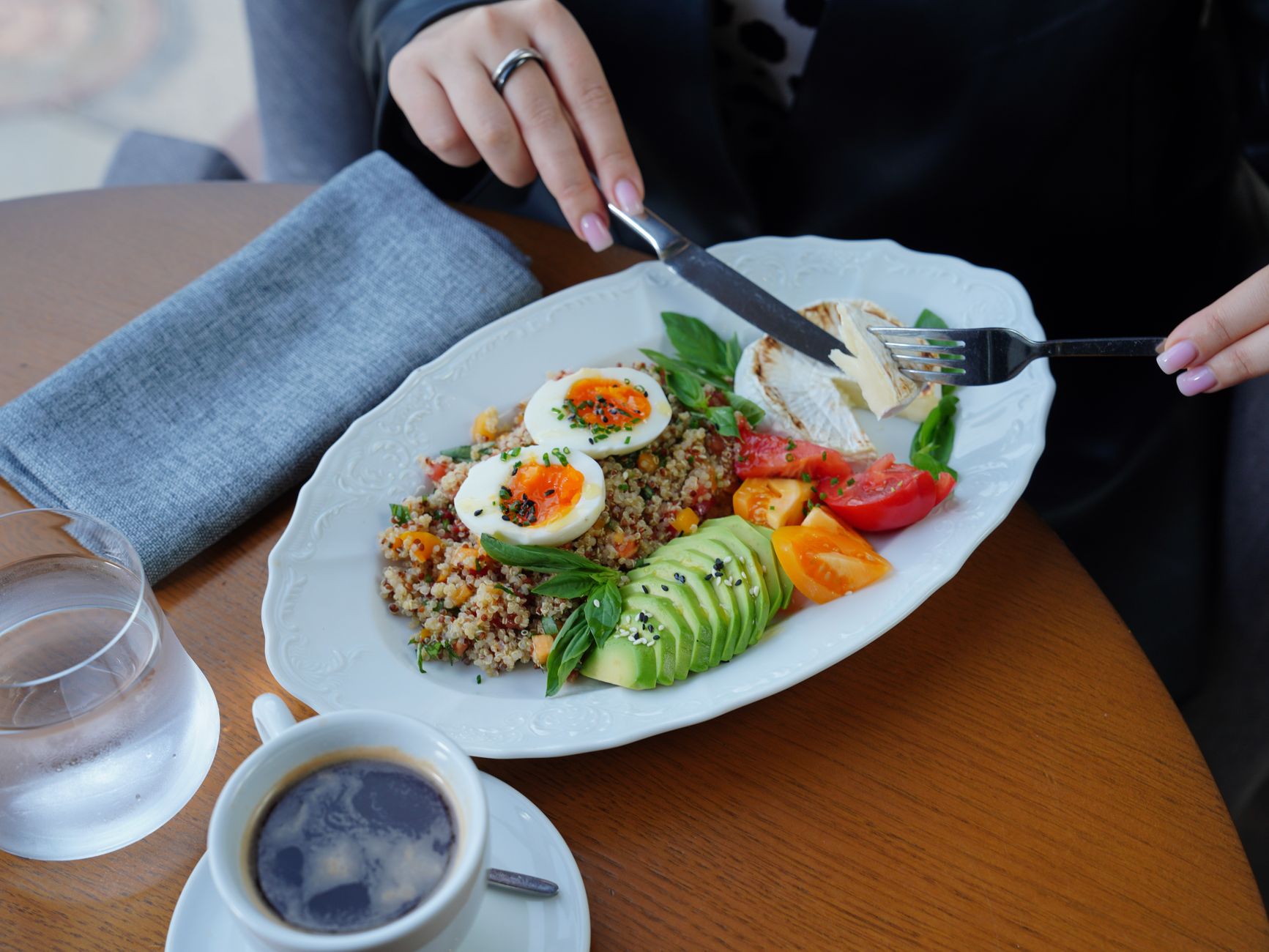
While whole foods are the foundation of an insulin resistance diet, certain spices can also play a supportive role in regulating blood sugar. Research suggests that spices like cinnamon, turmeric, and ginger may help improve insulin sensitivity and reduce inflammation. For example, cinnamon has been shown in studies to lower fasting blood sugar levels by mimicking insulin (Harvard T.H. Chan School of Public Health). Adding a pinch of cinnamon to your coffee, oatmeal, or smoothie can be a simple way to boost your diet’s benefits.
Turmeric, another powerful anti-inflammatory spice, contains curcumin, which may help reduce insulin resistance. Try incorporating it into your meals by adding it to stir-fries, soups, or even smoothies. Ginger, often used to soothe nausea during pregnancy, may also help regulate blood sugar. A small study published in the Journal of Medicinal Food found that ginger extract improved insulin sensitivity in participants with type 2 diabetes. Start with small amounts to avoid digestive upset, and always consult your provider if you're on medication, as spices can interact with certain drugs.
--- ## **What foods should I avoid with insulin resistance during pregnancy?**Just as important as the foods you eat are the ones you avoid. High-glycemic and processed foods can worsen insulin resistance by causing rapid blood sugar spikes. Here’s what to limit or cut out:
- Refined carbohydrates: White bread, pasta, pastries, and sugary cereals. These break down quickly into sugar, overwhelming your system.
- Sugary drinks: Soda, fruit juice, and sweetened coffee or tea. Even "natural" juices can spike blood sugar faster than whole fruit.
- Processed snacks: Chips, crackers, and candy. These often contain hidden sugars and unhealthy fats that disrupt insulin sensitivity.
- Trans fats: Found in fried foods, margarine, and some packaged baked goods. These can increase inflammation and worsen insulin resistance.
- Excessive alcohol: Alcohol can lower blood sugar too quickly, leading to crashes. If you drink, do so in moderation and pair it with food.
One reader described her struggle with cravings: "I used to think I just had a sweet tooth, but after tracking my blood sugar, I realized it was the refined carbs making me crave more sugar. Cutting them out completely changed everything." Small swaps — like choosing dark chocolate (70% or higher) over milk chocolate or snacking on nuts instead of cookies — can make a big difference.
--- ## **How to manage cravings without sabotaging your progress**Cravings are a common hurdle when trying to manage insulin resistance. The key is to identify the root cause — often, cravings stem from blood sugar fluctuations or emotional triggers. Instead of denying yourself, try to meet cravings with nutrient-dense alternatives that satisfy your body’s needs. For example, if you crave something sweet, reach for a small handful of dark chocolate-covered almonds or a smoothie made with Greek yogurt, berries, and a touch of cinnamon. These options provide fiber, healthy fats, and protein to stabilize blood sugar while curbing the craving.
Another strategy is to stay hydrated. Sometimes thirst is mistaken for hunger or cravings. Herbal teas like peppermint or chamomile can be soothing and help curb unnecessary snacking. If you’re feeling emotionally overwhelmed, try a short mindfulness exercise — take three deep breaths and ask yourself, "Am I truly hungry, or am I seeking comfort?" Often, the answer is the latter, and a walk or a few minutes of gentle yoga can provide the relief you need without derailing your diet.
--- ## **Sample 7-day insulin resistance meal plan for pregnant women**Below is a 7-day meal plan designed to support insulin sensitivity while keeping meals simple, nutritious, and pregnancy-friendly. Each day includes breakfast, lunch, dinner, and snacks. Adjust portion sizes based on your hunger levels and energy needs.
Key tips for success:
- Drink plenty of water (aim for at least 8 cups daily).
- Pair carbs with protein or fat to slow digestion.
- Use herbs and spices (like cinnamon, turmeric, and garlic) to add flavor without sugar.
- Meal prep on Sundays to stay on track during busy weeks.
| Day | Breakfast | Snack | Lunch | Snack | Dinner |
|---|---|---|---|---|---|
| Day 1 | Greek yogurt with chia seeds, walnuts, and blueberries | Hard-boiled eggs with avocado slices | Grilled chicken salad with spinach, cherry tomatoes, cucumber, and olive oil dressing | Handful of almonds and a small apple | Baked salmon with roasted Brussels sprouts and quinoa |
| Day 2 | Scrambled eggs with sautéed mushrooms and spinach | Cottage cheese with flaxseeds and cinnamon | Turkey lettuce wraps with avocado, shredded carrots, and hummus | Sliced pear with a tablespoon of almond butter | Grilled shrimp stir-fry with broccoli, bell peppers, and sesame oil |
| Day 3 | Overnight oats with almond milk, flaxseeds, and raspberries | Celery sticks with peanut butter | Quinoa bowl with black beans, corn (in moderation), avocado, and lime dressing | Cheese cubes and whole-grain crackers | Baked chicken with roasted zucchini and cauliflower rice |
| Day 4 | Smoothie with spinach, almond butter, Greek yogurt, and flaxseeds | Roasted chickpeas with sea salt | Grilled fish tacos with cabbage slaw and guacamole | Handful of mixed nuts | Stuffed bell peppers with ground turkey, quinoa, and tomatoes |
| Day 5 | Avocado toast on whole-grain bread with poached eggs | Cottage cheese with pineapple chunks | Lentil soup with a side of mixed greens | Dark chocolate-covered almonds (70% cocoa) | Grilled chicken with roasted asparagus and wild rice |
| Day 6 | Chia pudding with coconut milk and berries | Sliced cucumber with hummus | Turkey and cheese roll-ups with whole-grain mustard | Apple slices with peanut butter | Baked cod with roasted sweet potato (small portion) and steamed green beans |
| Day 7 | Scrambled tofu with turmeric, spinach, and whole-grain toast | Hard-boiled eggs with everything bagel seasoning | Grilled chicken Caesar salad (no croutons, light dressing) | Handful of walnuts and a small orange | Beef and vegetable stir-fry with broccoli, carrots, and brown rice |
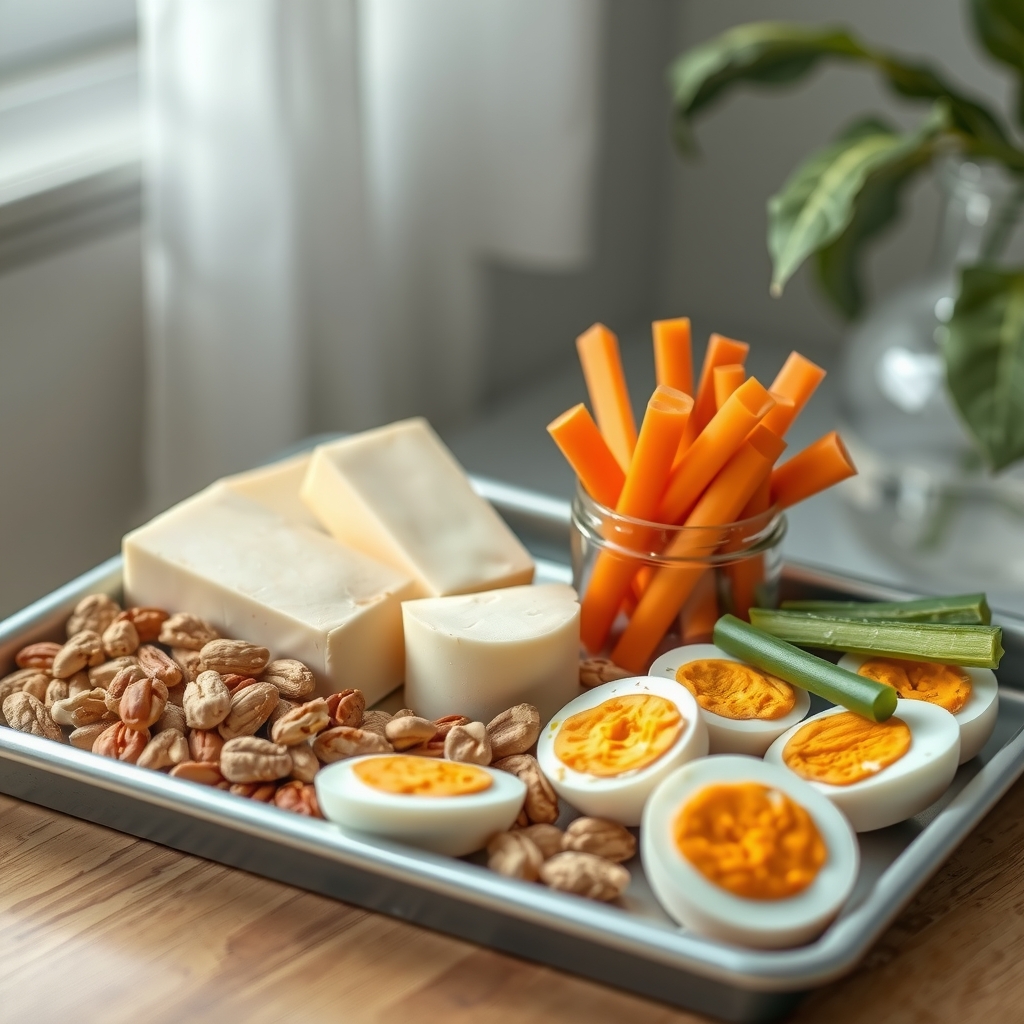
Snacks are your secret weapon for stabilizing blood sugar. Here are some of the best options to keep on hand:
- Nuts and seeds: Almonds, walnuts, chia seeds, or pumpkin seeds. These provide healthy fats and fiber.
- Hard-boiled eggs: A quick protein boost with minimal prep.
- Veggie sticks with dip: Carrots, cucumbers, or bell peppers with hummus or guacamole.
- Greek yogurt with berries: The protein in yogurt helps slow sugar absorption.
- Avocado slices with sea salt: Creamy and satisfying without sugar spikes.
- Cheese and whole-grain crackers: A balanced combo of fat and fiber.
- Dark chocolate (70% or higher): A small square can curb cravings without spiking blood sugar.
It’s common to experience a plateau when adjusting to an insulin resistance diet. If you’ve been consistent with your meals but aren’t seeing improvements in energy or blood sugar levels, it might be time to reassess your approach. Start by tracking your food intake for a few days to identify any hidden sources of sugar or refined carbs. Pay attention to portion sizes — sometimes, even healthy foods can contribute to blood sugar spikes if consumed in excess.
Another strategy is to incorporate more variety into your meals. If you’ve been eating the same foods repeatedly, your body might start to adapt in ways that slow down progress. Try swapping one ingredient at a time — for example, replace quinoa with farro or swap almond butter for peanut butter. Additionally, consider adding a short walk after meals to help your body process glucose more efficiently. If you’ve been sedentary, even a 10-minute stroll can make a difference.
Finally, don’t forget to check in with your healthcare provider. Sometimes, underlying issues like stress, sleep deprivation, or hormonal imbalances can interfere with your progress. They can help you determine if there are other factors at play and provide guidance tailored to your specific needs.
--- ## **Meal prep tips for an insulin resistance diet**Meal prepping is your best friend when it comes to sticking with a new diet. Here’s how to do it efficiently:
- Batch cook proteins: Grill or bake chicken, turkey, or fish for the week. Store in airtight containers in the fridge for up to 4 days.
- Pre-cut vegetables: Wash and chop veggies like bell peppers, cucumbers, and carrots so they’re ready to grab and go.
- Make overnight oats: Portion out oats, chia seeds, and almond milk in jars for grab-and-go breakfasts.
- Use freezer-friendly meals: Soups, stews, and casseroles freeze well. Label and date them for easy retrieval.
- Keep healthy fats on hand: Pre-portioned nuts, nut butters, and avocados make it easy to add healthy fats to meals.
- Plan for leftovers: Cook extra portions of meals you love so you always have something ready.
One mom shared her routine: "I dedicate one Sunday afternoon to meal prep. I’ll cook a big batch of quinoa, roast a tray of veggies, and grill chicken. Then I portion everything into containers, and I’m set for the week. It’s amazing how much easier it is to stick with the diet when I’m not scrambling for meals."
--- ## **Is an insulin resistance diet safe during pregnancy or breastfeeding?**✅ Safe with guidance: An insulin resistance diet is generally safe during pregnancy and breastfeeding, as long as it’s well-balanced and meets your nutritional needs. The focus on whole foods, lean proteins, and healthy fats aligns with guidelines for maternal health. However, it’s crucial to work with your healthcare provider to ensure you’re getting enough calories and nutrients for you and your baby.
⚠️ Important considerations:
- Gestational diabetes: If you’re at risk for gestational diabetes, your provider may recommend monitoring blood sugar levels more closely while following this diet.
- Nutrient deficiencies: Some women may need to supplement with folate, iron, or omega-3s, especially if their diet is very low in certain foods.
- Portion control: Pregnancy increases your caloric needs, so don’t restrict calories without guidance from your provider.
- Avoid fad diets: Extreme low-carb or ketogenic diets are not recommended during pregnancy unless supervised by a healthcare provider.
If you’re breastfeeding, focus on foods that support milk production, like oats, flaxseeds, and leafy greens, while still prioritizing low-glycemic options.
--- ## **Beyond diet: Lifestyle tips to manage insulin resistance**Diet is just one piece of the puzzle. Here are other ways to support your body’s insulin sensitivity:
- Exercise regularly: Aim for at least 150 minutes of moderate exercise per week, such as walking, swimming, or yoga. Strength training 2–3 times a week can also help improve insulin sensitivity.
- Prioritize sleep: Poor sleep can worsen insulin resistance. Aim for 7–9 hours per night and establish a consistent bedtime routine.
- Manage stress: Chronic stress raises cortisol levels, which can interfere with insulin function. Try mindfulness, deep breathing, or gentle yoga to keep stress in check.
- Stay hydrated: Drink water throughout the day. Sometimes thirst is mistaken for hunger, leading to unnecessary snacking.
- Limit alcohol and caffeine: Both can affect blood sugar and stress hormones. If you drink, do so in moderation and pair it with food.

Yes! Many women with PCOS find that an insulin resistance diet helps manage symptoms like irregular periods, acne, and excess hair growth. PCOS is closely linked to insulin resistance, and improving diet can help regulate hormones. Focus on:
- Low-glycemic foods to reduce insulin spikes.
- High-fiber foods to support gut health.
- Healthy fats to balance hormones.
Here are three 5-minute recipes to keep you on track without spending hours in the kitchen:
1. 5-Minute Avocado Egg Toast
- Toast whole-grain bread.
- Mash half an avocado on top.
- Top with a poached or fried egg.
- Sprinkle with sea salt and pepper.
2. Microwave Lentil Salad
- Cook ½ cup dried lentils (or use canned, drained).
- Mix with 1 cup chopped cucumber, ½ cup cherry tomatoes, and ¼ cup crumbled feta.
- Drizzle with olive oil and lemon juice.
- Microwave for 2–3 minutes to warm through.
3. No-Cook Tuna Salad Lettuce Wraps
- Mix 1 can of tuna (in water) with 1 tbsp Greek yogurt, diced celery, and lemon juice.
- Scoop into large lettuce leaves (romaine or butter lettuce).
- Top with avocado slices if desired.
Here’s a weekly shopping list to get you started. Adjust quantities based on your household size and preferences.
Proteins
- Chicken breast
- Turkey breast
- Salmon or other fatty fish
- Eggs
- Greek yogurt (unsweetened)
- Cottage cheese
- Lentils or black beans
- Chickpeas
Vegetables
- Spinach
- Kale
- Broccoli
- Brussels sprouts
- Zucchini
- Bell peppers
- Carrots
- Cucumber
- Cherry tomatoes
- Avocados
Fruits
- Blueberries
- Raspberries
- Apples
- Pears
- Oranges
Grains and Starches
- Quinoa
- Brown rice
- Whole-grain bread
- Whole-grain crackers
- Oats (rolled or steel-cut)
Fats and Oils
- Almonds
- Walnuts
- Chia seeds
- Flaxseeds
- Olive oil
- Avocado oil
- Dark chocolate (70% or higher)
Pantry Staples
- Hummus
- Guacamole
- Almond butter
- Cinnamon
- Turmeric
- Garlic
- Lemon juice
Myth: "You have to cut out all carbs to manage insulin resistance." Fact: While it’s important to limit refined carbs, you don’t need to eliminate carbs entirely. Focus on complex, fiber-rich carbs like quinoa, sweet potatoes (in moderation), and whole grains. These digest more slowly and have less impact on blood sugar. Myth: "An insulin resistance diet is only for people who are overweight." Fact: Insulin resistance can affect anyone, regardless of weight. Even lean individuals can develop insulin resistance due to lifestyle factors like poor diet, lack of sleep, or chronic stress. Myth: "You can’t enjoy dessert while following an insulin resistance diet." Fact: Desserts can still fit into the diet if they’re made with natural sweeteners like stevia or monk fruit, and paired with protein or fat to slow digestion. Dark chocolate, berries with whipped coconut cream, or a small square of high-quality dark chocolate are all great options. Myth: "Insulin resistance is just about what you eat." Fact: While diet is crucial, lifestyle factors like sleep, stress management, and exercise play equally important roles. A holistic approach yields the best results.
--- ## **Key takeaways**- An insulin resistance diet focuses on low-glycemic foods, healthy fats, and lean proteins to stabilize blood sugar.
- Pregnant or breastfeeding women can follow this diet safely, but should consult their provider to ensure nutritional needs are met.
- Meal prep is key to staying consistent — batch cook proteins and veggies to save time.
- Pair carbs with protein or fat to slow digestion and prevent blood sugar spikes.
- Exercise, sleep, and stress management play a crucial role in improving insulin sensitivity.
- Small, consistent changes make a bigger difference than extreme restrictions.
- Spices like cinnamon and turmeric can support blood sugar regulation.
- If you hit a plateau, reassess your food intake, increase variety, and stay active.
What is a good 7-day meal plan for insulin resistance?
Our 7-day meal plan above includes balanced, nutrient-dense meals designed to support insulin sensitivity. Each day features a mix of proteins, healthy fats, and low-glycemic carbs to keep blood sugar stable. Adjust portions based on your hunger and activity level. For additional variety, try swapping one ingredient per day, like replacing quinoa with farro or almond butter with peanut butter.
What foods should I avoid if I am insulin resistant?
Avoid refined carbohydrates (white bread, pasta, pastries), sugary drinks (soda, juice), processed snacks (chips, crackers), and trans fats (fried foods, margarine). These foods cause rapid blood sugar spikes, making insulin resistance worse. Opt for whole, unprocessed foods instead. Additionally, limit alcohol and caffeine, as they can affect blood sugar and stress hormones.
Can you reverse insulin resistance with diet and exercise?
Yes! While you can’t always "reverse" insulin resistance completely, many women see significant improvements in blood sugar regulation with a combination of diet, exercise, and lifestyle changes. Focus on low-glycemic foods, strength training, and stress management for the best results. Consistency is key — small, sustainable changes over time yield the best outcomes. If you’re not seeing progress after a few months, consult your healthcare provider to rule out other underlying conditions.
What snacks are good for insulin resistance?
The best snacks for insulin resistance are those that combine protein, healthy fats, and fiber to slow digestion. Try nuts and seeds, hard-boiled eggs, veggie sticks with hummus, Greek yogurt with berries, avocado slices, or dark chocolate (70% or higher). Avoid snacks high in sugar or refined carbs. For cravings, reach for options like dark chocolate-covered almonds or a smoothie made with Greek yogurt, berries, and a touch of cinnamon.
Is a low-carb diet good for insulin resistance during pregnancy?
While a low-carb diet can help manage insulin resistance, it’s not always the best approach during pregnancy. Pregnant women need adequate calories and nutrients to support fetal development. Instead, focus on low-glycemic carbs like quinoa, sweet potatoes (in moderation), and whole grains. Always consult your provider before making major dietary changes during pregnancy, especially if you have gestational diabetes or other health concerns.
How quickly can diet improve insulin resistance?
Some women notice improvements in energy and blood sugar levels within 2–4 weeks of starting an insulin resistance diet. However, the timeline varies depending on individual factors like genetics, activity level, and consistency. For the best long-term results, focus on sustainable habits rather than quick fixes. If you’re not seeing progress after a few weeks, consider tracking your food intake, increasing your activity level, or consulting your healthcare provider for personalized guidance.
How can I handle cravings without derailing my progress?
Cravings are a common challenge, but they don’t have to derail your diet. Start by identifying the root cause — often, cravings stem from blood sugar fluctuations or emotional triggers. Meet cravings with nutrient-dense alternatives like dark chocolate-covered almonds, a smoothie with Greek yogurt and berries, or a handful of nuts. Stay hydrated, as thirst can sometimes be mistaken for cravings. If you’re feeling emotionally overwhelmed, try a short mindfulness exercise or a walk to address the underlying need.
--- ## **When to see a doctor or specialist**While an insulin resistance diet can be very effective, there are times when you should seek professional guidance:
- If you’re pregnant or breastfeeding and notice persistent high blood sugar levels, consult your obstetrician or endocrinologist.
- If you experience symptoms like extreme fatigue, unexplained weight loss or gain, frequent infections, or vision changes, see your healthcare provider.
- If you’re struggling with PCOS and want personalized advice, an endocrinologist or gynecologist can help tailor a plan to your needs.
- If you’re considering supplements (like magnesium or chromium), check with your provider first — some can interact with medications.
- If you’ve been following the diet for several months and aren’t seeing improvements in blood sugar levels, schedule a follow-up with your provider to rule out other conditions.
Remember: this article is for informational purposes only and not a substitute for personalized medical advice. Always consult your healthcare provider before making significant changes to your diet or lifestyle.
--- ## **References**- American Diabetes Association. (2025). Gestational Diabetes: Diagnosis and Classification.
- Mayo Clinic. (2025). Insulin Resistance.
- Harvard T.H. Chan School of Public Health. (2025). Diet and Insulin Resistance.
- The Menopause Society (NAMS). (2025). PCOS and Insulin Resistance.
- American College of Obstetricians and Gynecologists (ACOG). (2025). Nutrition During Pregnancy.
- National Institutes of Health (NIH). (2025). Exercise and Insulin Sensitivity.
- Journal of Medicinal Food. (2024). Ginger Extract and Insulin Sensitivity.
- FDA. (2025). Dietary Guidelines for Americans.


