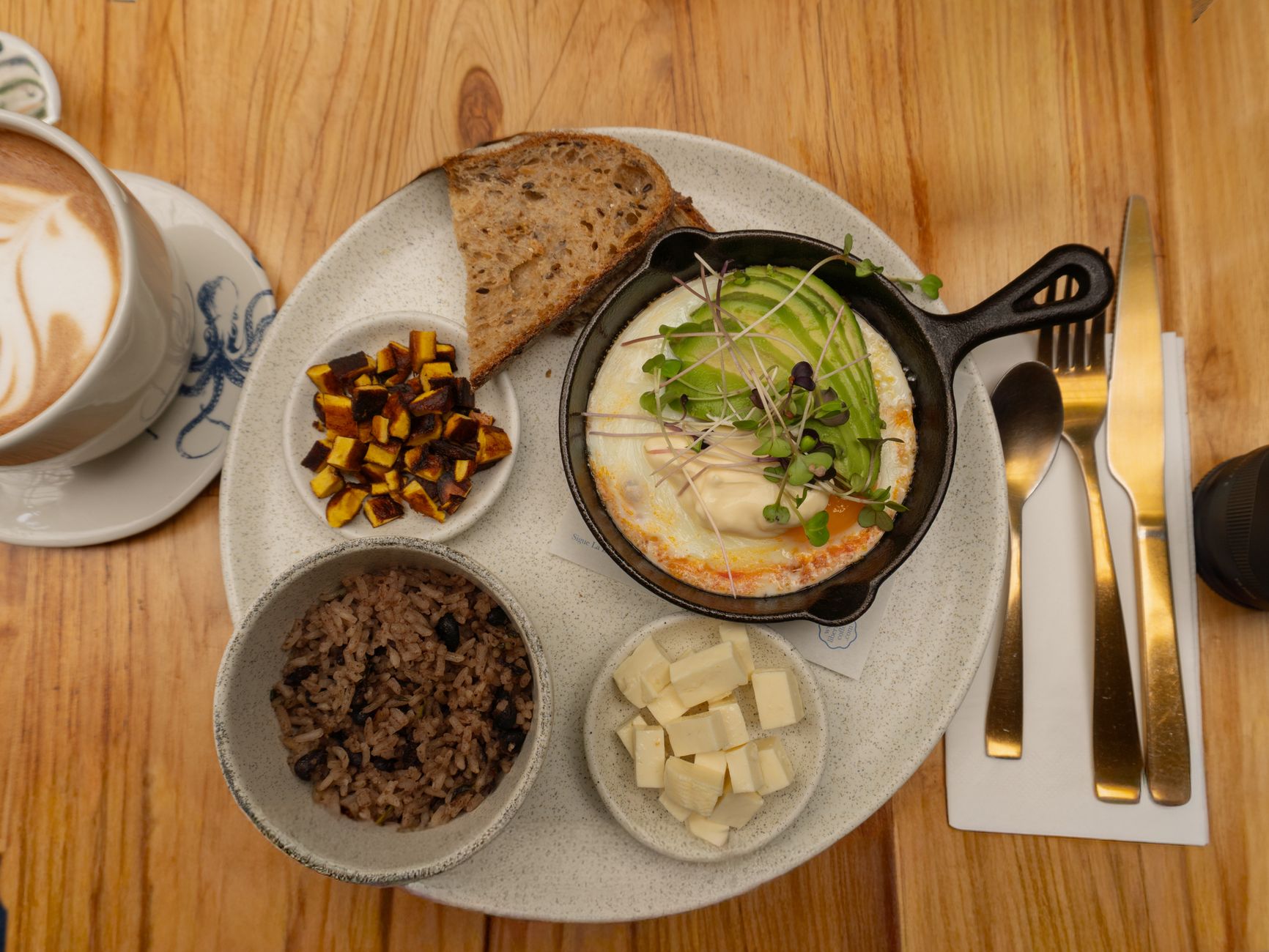
Discover delicious, easy insulin resistance diet breakfast ideas to stabilize blood sugar and boost energy. Our 2026 guide offers balanced recipes, meal prep
By Shubhra Mishra — a mom of two who turned her own confusion during pregnancy into BumpBites, a global mission to make food choices clear, safe, and stress-free for every expecting mother. 💛
Check whether any food is safe during pregnancy with the BumpBites Food Safety Checker.
Quick take: Managing insulin resistance starts with a balanced breakfast that prioritizes protein, fiber, and healthy fats while limiting refined carbohydrates and added sugars. This approach helps stabilize blood sugar, boost energy, and can support overall health, including fertility. Simple meal prep and smart food choices can make healthy breakfasts easy and delicious.
Waking up in the morning often feels like a race against the clock, and for many, breakfast becomes an afterthought—a quick grab-and-go pastry or a bowl of sugary cereal. But if you’re navigating insulin resistance, what you eat first thing can set the tone for your entire day, impacting your energy, mood, and blood sugar levels. It’s easy to feel overwhelmed by dietary advice, wondering if you'll be stuck with bland, repetitive meals.
Take a breath. You're not alone in this. Many women tell us they struggle to find breakfast options that are both quick and genuinely helpful for managing insulin resistance. The good news is, a delicious and satisfying breakfast that supports your health goals is entirely achievable, even on the busiest mornings.
This comprehensive guide is designed to cut through the confusion and equip you with practical, science-backed insulin resistance diet breakfast ideas. We’ll break down the best foods, share easy recipes, offer meal prep strategies, and even provide a 7-day meal plan to kickstart your journey. Get ready to transform your mornings and feel the difference a balanced breakfast can make.
What is insulin resistance and why does breakfast matter?
If you've heard the term "insulin resistance" but aren't quite sure what it means for your body, you're not alone. In simple terms, insulin is a hormone made by your pancreas that acts like a key, unlocking your cells to allow glucose (sugar from the food you eat) to enter and be used for energy. When you have insulin resistance, your cells don't respond as well to this key. Your pancreas then has to work harder, producing more and more insulin to try and get the job done. Over time, this can lead to high blood sugar levels and other health concerns.
Insulin resistance is a common condition that can affect anyone, but it's particularly prevalent among women, often linked to conditions like Polycystic Ovary Syndrome (PCOS), gestational diabetes, and an increased risk for type 2 diabetes and heart disease. It can manifest through symptoms like fatigue, difficulty losing weight, intense sugar cravings, and even skin tags or darkened skin patches (acanthosis nigricans), especially around the neck or armpits. The Centers for Disease Control and Prevention (CDC) estimates that more than 1 in 3 American adults have prediabetes, a state where blood sugar levels are higher than normal but not yet high enough to be diagnosed as type 2 diabetes, and insulin resistance is a key driver of prediabetes.
So, why is breakfast so crucial when you're managing insulin resistance? After a night of fasting, your body is ready for fuel. The type of fuel you provide first thing in the morning can profoundly impact your blood sugar stability for the rest of the day. A breakfast high in refined carbohydrates and sugar can cause a rapid spike in blood glucose, prompting your pancreas to release a large surge of insulin. This creates a cycle of highs and lows that can lead to energy crashes, increased cravings, and further exacerbate insulin resistance.
Conversely, a well-balanced breakfast that focuses on protein, fiber, and healthy fats helps to slow down glucose absorption, leading to a more gradual and sustained rise in blood sugar. This gentle approach puts less stress on your pancreas, supports consistent energy levels, and can help reduce cravings throughout the day. It's about giving your body the right signals from the start, helping it learn to use insulin more effectively and promoting overall metabolic health. The American Diabetes Association (ADA) consistently emphasizes the importance of balanced meals, especially breakfast, for blood sugar management.
Starting your day with a balanced meal supports steady blood sugar and energy levels.
What are the best foods for an insulin resistance breakfast?
Building an insulin resistance-friendly breakfast isn't about deprivation; it's about smart choices that nourish your body and stabilize your blood sugar. The core principles are simple: prioritize protein, fiber, and healthy fats, and choose carbohydrates that are low on the glycemic index. These elements work together to slow digestion, prevent blood sugar spikes, and keep you feeling full and satisfied.
Protein: Your Satiety Superpower
Protein is paramount because it has minimal impact on blood sugar and is incredibly satiating. It helps you feel full longer and reduces the likelihood of reaching for sugary snacks later. Aim for 20-30 grams of protein at breakfast.
Eggs: Whole eggs are a complete protein source, versatile, and inexpensive. Scrambled, boiled, poached, or in an omelet – they're always a good choice.
Greek Yogurt (plain, unsweetened): High in protein and probiotics, but choose full-fat or 2% for better satiety and to avoid added sugars.
Cottage Cheese: Another great source of casein protein, which digests slowly.
Lean Meats: Turkey bacon, chicken sausage (check for added sugars/fillers), or leftover cooked chicken/fish from dinner can make a savory breakfast.
Plant-Based Proteins: Tofu, tempeh, lentils (in a breakfast hash), or protein powder (whey, pea, or hemp) added to smoothies.
Fiber: The Digestive Workhorse
Fiber, especially soluble fiber, slows down the absorption of glucose into your bloodstream, helping to prevent sharp blood sugar spikes. It also supports gut health and contributes to feelings of fullness.
Non-Starchy Vegetables: Spinach, kale, bell peppers, mushrooms, zucchini, broccoli. Sauté them into eggs, add to smoothies, or enjoy as a side.
Berries: Blackberries, raspberries, blueberries, and strawberries are lower in sugar and high in fiber and antioxidants.
Avocado: A fantastic source of both fiber and healthy fats.
Nuts and Seeds: Almonds, walnuts, chia seeds, flax seeds, hemp seeds. Sprinkle them on yogurt, add to smoothies, or eat a small handful as part of your meal.
Whole Grains (in moderation): While some whole grains can be higher in carbs, options like rolled oats (steel-cut or old-fashioned, not instant) can be included if balanced with protein and fat. Quinoa can also be a good choice for a savory breakfast bowl.
Healthy Fats: Sustained Energy and Satiety
Healthy fats provide sustained energy, enhance satiety, and play a role in hormone production. They don't raise blood sugar at all, making them crucial for an insulin resistance diet breakfast.
Avocado: Monounsaturated fats that support heart health.
Ghee or Butter (grass-fed): In moderation for cooking.
Fatty Fish: Smoked salmon, for example, offers omega-3 fatty acids.
Low Glycemic Carbohydrates: Smart Choices
When selecting carbohydrates, focus on those with a low glycemic index (GI), meaning they cause a slower, more gradual rise in blood sugar. Combining them with protein, fat, and fiber further mitigates their impact.
Non-starchy vegetables: As mentioned above, these are your best friends.
Berries: Your go-to fruit choice.
Small portions of whole grains: Steel-cut oats, quinoa (if balanced).
Legumes: Black beans or lentils in a savory breakfast.
By consciously combining these food groups, you create a breakfast that not only tastes great but actively works to support your body's metabolic health. Think about building a plate that includes a generous portion of protein, a good amount of non-starchy vegetables or berries, and a source of healthy fats. This approach helps stabilize your blood sugar, keeps you full, and provides lasting energy without the dreaded mid-morning crash.
Quick and easy insulin resistance breakfast recipes for busy mornings
We know mornings can be a whirlwind. The key to sticking with an insulin resistance-friendly diet is having go-to options that are both nutritious and fast. Here are some quick and easy insulin resistance diet breakfast ideas that require minimal effort but deliver maximum impact on blood sugar stability and satiety.
Speedy Scrambles and Omelets
Eggs are your best friend for a quick, high-protein start. They cook in minutes and are incredibly versatile.
5-Minute Spinach & Feta Scramble: Whisk 2-3 eggs with a splash of unsweetened almond milk. Sauté a handful of fresh spinach in a little olive oil until wilted. Pour in eggs, scramble until nearly set, then stir in 1-2 tablespoons of crumbled feta cheese. Season with salt and pepper.
Microwave Mug Omelet: Whisk 2 eggs with a tablespoon of unsweetened almond milk and your favorite chopped veggies (bell peppers, mushrooms, onions). Pour into a microwave-safe mug coated with cooking spray. Microwave on high for 60-90 seconds, or until set. Top with a slice of avocado or a sprinkle of cheese.
Insulin Resistance Breakfast Smoothie Recipes
Smoothies can be tricky for insulin resistance if they're loaded with fruit juice or too much high-sugar fruit. The trick is to prioritize protein, healthy fats, and fiber, using fruit sparingly.
Green Goddess Smoothie:
1 scoop unsweetened protein powder (whey, pea, or hemp)
1 cup unsweetened almond or coconut milk
1 handful spinach or kale
1/2 small avocado or 1 tbsp almond butter
1/4 cup berries (e.g., raspberries)
1 tbsp chia or flax seeds
Optional: Dash of cinnamon (helps with blood sugar)
Blend until smooth. This smoothie is packed with nutrients, fiber, and healthy fats, keeping you full and blood sugar stable.
Berry & Nut Butter Smoothie:
1 scoop unsweetened protein powder
1 cup unsweetened almond milk
1/2 cup mixed berries
1 tbsp natural almond or peanut butter
Ice (optional)
Blend and enjoy!
Overnight Oats (Done Right for IR)
Traditional overnight oats can be a sugar bomb. For insulin resistance, we need to boost protein and fat, and go easy on the carbs.
Protein-Packed Berry Chia Oats:
1/2 cup rolled oats (not instant)
1 scoop unsweetened protein powder (vanilla or unflavored works well)
1 tbsp chia seeds
1 cup unsweetened almond milk or water
1/4 cup mixed berries
1 tbsp chopped nuts or seeds (almonds, walnuts, pumpkin seeds)
Optional: Dash of cinnamon or vanilla extract
Combine all ingredients in a jar or container. Stir well, cover, and refrigerate overnight. In the morning, stir again and enjoy. The protein powder and chia seeds significantly boost protein and fiber, making this a much more balanced option.
Yogurt Parfaits (Sugar-Free)
Plain, full-fat Greek yogurt is a fantastic base. Avoid flavored yogurts, which are typically loaded with sugar.
Greek Yogurt Power Bowl:
1 cup plain, full-fat Greek yogurt
1/4 cup mixed berries
2 tbsp chopped nuts (walnuts, pecans)
1 tbsp chia or flax seeds
Optional: A few drops of stevia or monk fruit for sweetness, if desired.
Layer and enjoy. This provides a great combination of protein, healthy fats, and fiber.
Breakfast on the Go (No Cooking Required)
Sometimes, you truly have no time to cook. These options are perfect for grabbing as you head out the door.
Hard-Boiled Eggs & Avocado: Keep hard-boiled eggs prepped in the fridge. Grab two, slice half an avocado, and sprinkle with everything bagel seasoning.
Cottage Cheese with Berries & Nuts: Portion out cottage cheese into a container, add a small handful of berries and nuts.
Nut Butter & Celery Sticks: A handful of celery sticks with 2 tablespoons of natural almond or peanut butter.
Cheese Sticks & Olives: A couple of cheese sticks with a small serving of olives for healthy fats.
These quick and easy options prove that managing insulin resistance doesn't mean sacrificing flavor or convenience. With a little planning and smart ingredient choices, you can ensure your mornings start off on the right, blood sugar-friendly foot.
Insulin resistance breakfast meal prep ideas for a healthy week
Meal prepping is a game-changer for managing insulin resistance, especially when it comes to breakfast. Having healthy, pre-made options ready to go eliminates decision fatigue and the temptation to reach for less-than-ideal choices on busy mornings. Dedicate a couple of hours one day a week (often Sunday) to prepare components or entire meals that can be easily assembled or reheated.
Batch Cooking for Grab-and-Go
Batch cooking certain ingredients can save you significant time throughout the week. Think about staples that can be used in multiple breakfast variations.
Hard-Boiled Eggs: Boil a dozen eggs at once. Store them in their shells in the refrigerator for up to a week. They are perfect on their own, chopped into a quick salad, or as a side to almost any meal.
Frittata or Egg Muffins: Whisk eggs with chopped vegetables (spinach, bell peppers, mushrooms), a splash of unsweetened almond milk, and your favorite seasonings. Pour into a muffin tin or a baking dish. Bake until set. These can be stored in the fridge for 3-4 days and reheated quickly in the microwave or oven. They're excellent for a flexitarian diet breakfast too.
Roasted Vegetables: Roast a large tray of non-starchy vegetables (broccoli, cauliflower, zucchini, asparagus) with olive oil and herbs. These can be added to egg scrambles, served alongside cottage cheese, or incorporated into savory breakfast bowls.
Cooked Grains (if consumed): If you include grains like quinoa or steel-cut oats, cook a large batch. Quinoa can be used in savory breakfast bowls with eggs and veggies, while oats can be portioned for overnight oats.
Portioning and Assembly
Once your components are cooked, portioning them into individual servings makes morning assembly a breeze.
Overnight Oats Jars: Assemble several jars of your protein-packed overnight oats (refer to the recipe in the previous section). Layer dry ingredients first, then add liquid, and top with berries/nuts right before serving or on prep day. They'll be ready to grab from the fridge each morning.
Smoothie Packs: Pre-portion all your dry smoothie ingredients (protein powder, seeds, greens, frozen berries) into individual freezer-safe bags. In the morning, just dump the contents into your blender, add liquid, and blend.
Yogurt Parfait Components: Portion plain Greek yogurt into individual containers. In separate small containers or bags, portion out berries, nuts, and seeds. Combine in the morning to keep textures fresh.
Creating a "Breakfast Station"
Designate a shelf in your fridge and pantry for breakfast items. Keep all your nuts, seeds, unsweetened yogurts, pre-chopped veggies, and hard-boiled eggs in an easily accessible spot. This visual cue makes healthy choices effortless.
Pantry Staples: Keep a stock of unsweetened protein powder, chia seeds, flax seeds, raw nuts, natural nut butters, and rolled oats.
One reader shared, "Before I started meal prepping, I'd often skip breakfast or just grab a sugary muffin. Now, I have my frittata muffins ready, or a pre-made smoothie pack. It's made such a difference in my energy levels and how I feel about managing my insulin resistance. It takes effort on Sunday, but it saves me so much mental load during the week."
By investing a little time in meal prep, you’re investing in your health. You’ll find yourself less stressed, more consistent with your healthy eating, and better equipped to manage your insulin resistance effectively throughout the day.
High-protein, low-carb breakfast options for insulin resistance
For many women managing insulin resistance, a high-protein, low-carb breakfast is often the most effective strategy for stabilizing blood sugar and promoting satiety. This approach minimizes the glucose impact, which in turn reduces the need for large insulin releases from your pancreas. It's also excellent for managing weight, as protein and healthy fats keep you feeling full for longer, reducing overall calorie intake. You'll find many of these principles echoed in Atkins diet breakfast ideas, although our approach focuses on whole, unprocessed foods.
Egg-Centric Meals: The Versatility of Eggs
Eggs are a cornerstone of high-protein, low-carb breakfasts. Each large egg provides about 6 grams of protein and less than 1 gram of carbohydrate, along with essential vitamins and healthy fats. Yes, eggs can absolutely help with insulin resistance management!
Loaded Scrambled Eggs: Scramble 2-3 eggs with a generous amount of non-starchy vegetables like spinach, mushrooms, and bell peppers. Add a slice of avocado on the side for healthy fats.
Cheese and Herb Omelet: A fluffy omelet made with 2-3 eggs, filled with a sprinkle of full-fat cheese (cheddar, mozzarella, goat cheese) and fresh herbs like chives or parsley.
Breakfast Salad with Poached Eggs: A bed of mixed greens topped with a few slices of avocado, cherry tomatoes, and two perfectly poached eggs. Drizzle with olive oil and vinegar.
"Egg-in-a-Hole" (low-carb style): Instead of bread, use a large bell pepper ring or a thick slice of zucchini. Crack an egg into the center and cook in a pan until the egg is set.
Savory Protein Bowls
Think beyond traditional breakfast foods. Leftover cooked protein or easily prepared ingredients can create a satisfying savory bowl.
Turkey Sausage & Veggie Hash: Sauté ground turkey sausage (check for sugar-free options) with chopped onions, bell peppers, and zucchini. Top with a fried egg.
Smoked Salmon & Cream Cheese (or Avocado) Platter: Slices of smoked salmon with a dollop of full-fat cream cheese (or mashed avocado for dairy-free), capers, and a side of cucumber slices.
Cottage Cheese & Tomato: A bowl of full-fat cottage cheese topped with sliced tomatoes, a drizzle of olive oil, and a sprinkle of black pepper and fresh basil.
Protein-Packed Smoothies (Revisited)
While we covered general smoothie ideas, focusing on a high-protein, very low-carb version is key here.
Keto-Friendly Green Smoothie:
1-2 scoops unsweetened protein powder (collagen, whey, or pea protein)
1 cup unsweetened almond or coconut milk
1 cup spinach or kale
1/2 avocado
1 tbsp MCT oil or coconut oil (for extra healthy fats)
Optional: Small amount of sugar-free sweetener like stevia or monk fruit.
This blend maximizes healthy fats and protein while keeping carbs extremely low.
Nut and Seed Based Options
Nuts and seeds are excellent for healthy fats, fiber, and some protein, making them great additions or bases for low-carb breakfasts.
Chia Seed Pudding (Keto-style):
2 tbsp chia seeds
1 cup unsweetened almond or coconut milk
1 scoop unsweetened protein powder (optional, but boosts protein)
1/4 tsp vanilla extract
Optional: 1-2 drops liquid stevia
Combine and refrigerate overnight. Top with a few berries or chopped nuts in the morning.
Nut Butter & Cream Cheese "Sandwich": Spread natural almond butter and a thin layer of full-fat cream cheese between two slices of cucumber or bell pepper.
Embracing these high-protein, low-carb breakfast options can significantly improve blood sugar control, reduce cravings, and support your weight management goals. It's about feeling energized and satisfied, ready to tackle your day without the roller coaster of blood sugar highs and lows.
Vegetarian and vegan insulin resistance breakfast ideas
Eating a vegetarian or vegan diet while managing insulin resistance is absolutely achievable and can be highly beneficial, as these diets often emphasize fiber-rich plant foods. The key is to focus on plant-based protein sources, healthy fats, and low-glycemic carbohydrates, just like any other insulin resistance diet. It's about making smart swaps and ensuring you're getting adequate nutrients without relying on processed vegan alternatives that can be high in sugar or refined starches.
Hearty Tofu and Tempeh Dishes
Tofu and tempeh are excellent, versatile plant-based proteins that can form the base of many savory breakfast dishes.
Tofu Scramble with Veggies: Crumble firm tofu and sauté it with a little olive oil, turmeric (for color and anti-inflammatory benefits), black salt (kala namak, for an eggy flavor), and your favorite non-starchy vegetables like spinach, mushrooms, onions, and bell peppers. Serve with a slice of avocado.
Tempeh "Bacon" & Avocado Toast (on low-carb bread): Slice tempeh thinly, marinate in a smoky, savory sauce (tamari, liquid smoke, maple syrup alternative like sugar-free syrup, paprika), and pan-fry until crispy. Serve alongside sliced avocado on a small piece of low-carb, high-fiber bread or lettuce wraps.
Breakfast Burrito Bowls (vegetarian): A mix of scrambled eggs (if vegetarian) or crumbled tofu (if vegan) with black beans (small portion), sautéed peppers and onions, and a dollop of guacamole or salsa.
Nutritious Plant-Based Yogurts and Puddings
Many dairy-free yogurts exist, but choose unsweetened, full-fat versions from coconut or almond milk to minimize sugar and maximize healthy fats. Soy yogurt can also be a good protein source.
Unsweetened Coconut/Almond Yogurt Bowl: Combine plain, unsweetened coconut or almond yogurt with a scoop of plant-based protein powder (pea, hemp, or soy), a handful of berries, and a generous sprinkle of chia seeds, flax seeds, and chopped nuts.
High-Protein Chia Seed Pudding: As detailed in the high-protein section, this is naturally vegan. Use unsweetened almond or coconut milk, add a scoop of vegan protein powder, and sweeten with stevia or monk fruit if desired. Top with berries and nuts.
Savory Plant-Powered Bowls
These bowls are great for using leftovers or quickly assembling a satisfying meal.
Quinoa or Lentil Breakfast Bowl: Cooked quinoa or lentils can be the base. Sauté some kale or spinach with garlic, add some roasted sweet potato (small portion) or bell peppers, and top with a sprinkle of nutritional yeast for a cheesy flavor. Add a dollop of tahini dressing for healthy fats.
Avocado Toast (Low-Carb Vegan): Use a slice of high-fiber, low-carb bread. Mash half an avocado with lemon juice, salt, and red pepper flakes. Top with hemp seeds for extra protein, and a sprinkle of everything bagel seasoning.
Beyond the Basics: Creative Vegan Options
Chickpea Flour Pancakes/Waffles: Mix chickpea flour with water or unsweetened plant milk, baking powder, and savory spices (like cumin or garlic powder) to make protein-rich, low-glycemic pancakes. Top with avocado, salsa, or sautéed veggies.
Nut and Seed Butter "Power Balls": Combine natural nut butter, ground flaxseed, chia seeds, unsweetened shredded coconut, and a scoop of vegan protein powder. Roll into balls and store in the fridge for a quick, on-the-go option. These are often seen as carnivore diet breakfast ideas too, but with plant-based ingredients.
When choosing dairy-free options, always read labels carefully. Many plant-based milks and yogurts contain added sugars, thickeners, and unhealthy oils. Opt for unsweetened varieties and prioritize whole, unprocessed ingredients. With a little creativity, vegetarian and vegan diets can be incredibly effective and delicious for managing insulin resistance.
What foods to avoid for insulin resistance at breakfast?
When you're managing insulin resistance, knowing what to limit or avoid at breakfast is just as important as knowing what to eat. The goal is to minimize foods that cause rapid spikes in blood sugar, which in turn trigger a large insulin response. These foods are typically high in refined carbohydrates, added sugars, and often lack the fiber, protein, and healthy fats that promote satiety and stable blood glucose.
Sugary Cereals and Granola
This is probably the most common breakfast culprit. Most breakfast cereals, even those marketed as "healthy" or "whole grain," are loaded with added sugars and often made from highly processed grains that act like sugar in your body. Granola, while seeming wholesome, can also be packed with sugars and unhealthy oils. Even "best cereals for insulin resistance" usually means *less bad* rather than *good* – it's generally best to avoid or choose very carefully.
Examples to avoid: Sugary puffed cereals, frosted flakes, honey nut varieties, most boxed granolas.
These baked goods are almost always a combination of refined flour, sugar, and unhealthy fats. They offer very little nutritional value and will send your blood sugar soaring.
Examples to avoid: Croissants, danishes, cinnamon rolls, most store-bought muffins, white bread, bagels.
Why: High in refined carbs and sugar, low in fiber and protein, leading to significant blood sugar spikes.
Fruit Juices and Sweetened Beverages
Even 100% fruit juice, while natural, concentrates the sugar from fruit without the beneficial fiber. This leads to a quick sugar rush and provides little to no satiety. Sweetened coffee drinks, sodas, and energy drinks are even worse offenders.
Examples to avoid: Orange juice, apple juice, cranberry juice, sweetened lattes, frappuccinos, sugary smoothies.
Why: Liquid sugar is absorbed very quickly, causing a rapid and large blood sugar spike without the moderating effect of fiber.
Sweetened Yogurts and Dairy-Free Alternatives
Most flavored yogurts (even those "light" or "fat-free" varieties) contain a surprising amount of added sugar. The same goes for many dairy-free yogurts and plant-based milks that are not labeled "unsweetened."
Why: High sugar content negates any protein or calcium benefits, leading to blood sugar issues.
Refined Grains (White Bread, Pancakes, Waffles)
Products made from white flour have had most of their fiber and nutrients stripped away. They are rapidly digested and absorbed, leading to blood sugar spikes similar to pure sugar.
Examples to avoid: White toast, pancakes, waffles (unless made from low-carb flours), most breakfast sandwiches on white buns.
Why: Lack of fiber means quick digestion and absorption, causing blood sugar to rise rapidly.
Dried Fruit (in large quantities)
While fresh whole fruit (especially berries) can be part of an insulin resistance diet in moderation, dried fruit is a concentrated source of sugar with its water removed. A small handful can contain the sugar equivalent of several servings of fresh fruit.
Examples to avoid: Raisins, dried cranberries, dried apricots, dates (unless used sparingly as a natural sweetener in a balanced recipe).
Why: High sugar concentration, easy to overconsume, can lead to blood sugar spikes.
One common mistake many people make is assuming that "low-fat" or "gluten-free" automatically means "healthy" for insulin resistance. Often, these products compensate for the removed fat or gluten by adding more sugar or refined starches, which is counterproductive. Always read nutrition labels carefully, looking specifically at "added sugars" and total carbohydrate content. By consciously avoiding or severely limiting these breakfast saboteurs, you empower your body to maintain stable blood sugar levels and improve insulin sensitivity.
How an insulin resistance breakfast diet supports fertility and pregnancy
For women, managing insulin resistance isn't just about preventing type 2 diabetes; it has profound implications for reproductive health, fertility, and even the course of pregnancy. A breakfast diet specifically designed to address insulin resistance can play a pivotal role in supporting these critical life stages.
Improving Fertility with PCOS
Insulin resistance is a hallmark of Polycystic Ovary Syndrome (PCOS), a leading cause of infertility in women. In PCOS, high insulin levels can stimulate the ovaries to produce excess androgens (male hormones), which interfere with ovulation. This leads to irregular or absent periods, making conception difficult. By adopting an insulin resistance-friendly breakfast (and overall diet), you can:
Regulate Ovulation: Stabilizing blood sugar and lowering insulin levels can help reduce androgen production, promoting more regular menstrual cycles and spontaneous ovulation. This increases the chances of natural conception.
Enhance Egg Quality: A balanced diet reduces inflammation and oxidative stress, which can positively impact egg quality, a crucial factor for successful pregnancy.
Support Weight Management: Many women with PCOS struggle with weight, which can further exacerbate insulin resistance and fertility challenges. A protein-rich, fiber-filled breakfast helps with satiety and weight regulation, creating a more favorable environment for conception.
The American College of Obstetricians and Gynecologists (ACOG) often recommends lifestyle modifications, including dietary changes, as a first-line treatment for managing PCOS symptoms and improving fertility outcomes.
Supporting a Healthy Pregnancy
Even if you conceive, managing insulin resistance remains vital throughout pregnancy, especially for preventing and managing gestational diabetes (GDM). GDM is a type of diabetes that develops during pregnancy and can have significant health implications for both mother and baby. An insulin resistance-aware breakfast helps by:
Preventing Gestational Diabetes: For women with pre-existing insulin resistance or at high risk for GDM, a controlled breakfast helps keep blood sugar levels stable from the start of the day, reducing the likelihood of developing GDM.
Managing Existing GDM: If diagnosed with GDM, a carefully planned breakfast is crucial. It helps prevent post-meal blood sugar spikes, which can be harmful. A meal focused on lean protein, healthy fats, and complex carbohydrates (like those in our meal plan) ensures consistent energy for the mother and steady nutrient supply for the baby without excessive sugar.
Reducing Pregnancy Complications: Well-managed blood sugar levels throughout pregnancy reduce the risk of complications such as large-for-gestational-age babies (macrosomia), preeclampsia, and the need for a C-section. It also lowers the baby's risk of developing obesity and type 2 diabetes later in life.
Sustaining Energy: Pregnancy can be draining. A nutrient-dense, blood sugar-stabilizing breakfast provides consistent energy, helping combat pregnancy fatigue and nausea.
The World Health Organization (WHO) and other global health bodies emphasize the importance of healthy eating during pregnancy, particularly for women at risk of or with GDM, to ensure optimal maternal and fetal outcomes.
In essence, choosing an insulin resistance-friendly breakfast isn't just about your morning meal; it's a powerful tool that impacts your hormonal balance, reproductive health, and the health of your future child. It's a proactive step towards a healthier, more fertile you, and a safer, healthier pregnancy journey.
A balanced diet supports both maternal and fetal health, especially when managing insulin resistance.
Sample 7-day insulin resistance breakfast meal plan for beginners
Getting started with a new way of eating can feel daunting, so we've created a sample 7-day insulin resistance breakfast meal plan to give you a practical blueprint. This plan focuses on variety, ease of preparation, and adherence to the principles of high protein, high fiber, healthy fats, and low glycemic carbohydrates. Feel free to adjust portion sizes based on your individual needs and hunger levels.
Tips for success:
Hydration: Always start your day with a glass of water, perhaps with a squeeze of lemon.
Listen to Your Body: If you're still hungry, add more non-starchy vegetables or a bit more healthy fat.
Prep Ahead: Utilize the meal prep ideas from earlier to make these breakfasts even quicker.
Seasoning: Don't be afraid to use herbs and spices to add flavor without extra sugar or sodium.
Day
Breakfast Idea
Key Components for Insulin Resistance
Monday
Spinach & Mushroom Scramble with Avocado 2-3 scrambled eggs with a handful of spinach and sliced mushrooms, cooked in olive oil. Serve with half an avocado.
High protein, high fiber, healthy fats. Low glycemic.
Tuesday
Protein-Packed Berry Chia Pudding 2 tbsp chia seeds, 1 scoop unsweetened protein powder, 1 cup unsweetened almond milk, a few drops of stevia. Refrigerate overnight. Top with 1/4 cup mixed berries and 1 tbsp chopped almonds.
High protein, high fiber, healthy fats. Low glycemic fruit.
Wednesday
Greek Yogurt Power Bowl 1 cup plain, full-fat Greek yogurt. Top with 1/4 cup mixed berries, 2 tbsp walnuts, and 1 tbsp ground flaxseeds.
High protein, healthy fats, fiber. Probiotics.
Thursday
Turkey Sausage & Bell Pepper Hash Sauté 3 oz ground turkey sausage (sugar-free) with chopped bell peppers and onions. Top with 1 fried egg.
High protein, fiber, healthy fats. Savory and satisfying.
Friday
Green Goddess Smoothie 1 scoop unsweetened protein powder, 1 cup unsweetened almond milk, 1 cup spinach, 1/2 small avocado, 1 tbsp chia seeds, 1/4 cup raspberries. Blend until smooth.
High protein, healthy fats, fiber. Minimal fruit sugar.
Saturday
Smoked Salmon & Cucumber Bites Slices of smoked salmon served with cucumber slices, a dollop of full-fat cream cheese (or mashed avocado), and capers.
High protein, healthy omega-3 fats. Very low carb.
Sunday
Tofu Scramble (Vegan Option) Crumble 4 oz firm tofu and sauté with turmeric, black salt, and a mix of broccoli florets and chopped tomatoes. Serve with a side of sliced avocado.
High plant-based protein, high fiber, healthy fats.
This meal plan provides a solid foundation. Remember, consistency is key, and finding what works best for your taste and lifestyle will ensure long-term success in managing your insulin resistance.
Myth vs. Fact: Insulin Resistance Breakfast Edition
When it comes to diet and health, myths abound. Let's clear up some common misconceptions about insulin resistance and breakfast.
Myth: All fruits are bad for insulin resistance because they contain sugar.
Fact: While fruits do contain natural sugars, they also come with fiber, vitamins, and antioxidants. The fiber helps to slow down sugar absorption. Berries (strawberries, blueberries, raspberries, blackberries) are particularly good choices as they are lower in sugar and higher in fiber compared to tropical fruits. The key is moderation and pairing fruit with protein and fat to further stabilize blood sugar. For example, a small handful of berries with Greek yogurt and nuts is generally fine, but a large glass of fruit juice is not.
Myth: You should skip breakfast to help manage insulin resistance or lose weight.
Fact: For many with insulin resistance, skipping breakfast can actually backfire. Going too long without food can lead to intense hunger later, making you more likely to overeat or choose unhealthy, high-carb options. Moreover, some research suggests that skipping breakfast can negatively impact blood sugar control later in the day. A balanced, protein-rich breakfast helps stabilize blood sugar from the start, prevents overeating, and can support healthy weight management. The timing of meals can be as important as the content.
Myth: Low-fat or fat-free breakfast foods are healthier for insulin resistance.
Fact: Often, when fat is removed from foods like yogurt or cereals, it's replaced with added sugars, artificial sweeteners, or refined starches to maintain flavor and texture. These added ingredients are detrimental for insulin resistance. Healthy fats (like those found in avocado, nuts, seeds, and olive oil) are crucial for satiety and don't raise blood sugar. Opt for full-fat, unsweetened versions of dairy or plant-based foods, and focus on incorporating healthy fats into your breakfast.
Key Takeaways
Prioritize protein, fiber, and healthy fats at breakfast to stabilize blood sugar and enhance satiety.
Focus on low glycemic carbohydrates, such as non-starchy vegetables and berries, in moderation.
Avoid refined sugars, processed grains, and sweetened beverages, which cause rapid blood sugar spikes.
Meal prepping can significantly simplify healthy breakfast choices throughout the week.
A balanced insulin resistance diet can positively impact fertility, pregnancy health, and overall well-being.
Always read food labels to identify hidden sugars and unhealthy additives.
Frequently asked questions
What should I eat for breakfast if I have insulin resistance?
For insulin resistance, your breakfast should focus on protein, healthy fats, and fiber. Think eggs with non-starchy vegetables and avocado, plain Greek yogurt with berries and nuts, or a protein-packed smoothie with greens and seeds. These options help stabilize blood sugar and keep you full.
What is a typical breakfast for insulin resistance?
A typical insulin resistance breakfast is balanced and savory. It often includes a good source of protein like eggs or plain Greek yogurt, healthy fats from avocado or nuts, and fiber from spinach, bell peppers, or a small handful of berries. The goal is to avoid high-sugar, refined carbohydrate options that cause blood sugar spikes.
What foods should I avoid with insulin resistance?
You should primarily avoid foods high in refined carbohydrates and added sugars. This includes sugary cereals, pastries, muffins, white bread, fruit juices, and sweetened yogurts. These items can lead to rapid blood sugar spikes and worsen insulin resistance over time.
Can I eat oatmeal with insulin resistance?
Yes, but with caveats. Opt for steel-cut or old-fashioned rolled oats (not instant), as they have a lower glycemic index. Crucially, always pair your oatmeal with a significant source of protein and healthy fats, such as protein powder, nuts, seeds, or nut butter, to slow down sugar absorption and prevent a blood sugar spike. Keep portion sizes moderate.
Is fruit bad for insulin resistance?
No, fruit is not inherently bad, but moderation and choice are key. Focus on low-sugar, high-fiber fruits like berries (raspberries, blueberries, blackberries) in small portions. Always pair fruit with protein and healthy fats to minimize its impact on blood sugar. Avoid fruit juices, which lack fiber and concentrate sugar.
How can I reverse insulin resistance naturally?
Reversing insulin resistance naturally involves consistent lifestyle changes. This includes adopting a diet rich in whole, unprocessed foods, prioritizing protein, fiber, and healthy fats, and limiting refined carbohydrates and sugars. Regular physical activity, stress management, adequate sleep, and maintaining a healthy weight are also critical components. Always consult your healthcare provider for a personalized plan.
When to see a doctor or specialist
While dietary changes are a powerful tool for managing insulin resistance, they are not a substitute for professional medical advice. If you suspect you have insulin resistance, have been diagnosed with prediabetes or PCOS, or are experiencing symptoms like persistent fatigue, unexplained weight gain, increased thirst, frequent urination, or blurred vision, it's crucial to consult a healthcare provider. An endocrinologist, OB/GYN (especially for PCOS), or a registered dietitian nutritionist (RDN) specializing in metabolic health can provide accurate diagnosis, personalized treatment plans, and guidance tailored to your specific needs. They can also rule out other conditions and help you monitor your progress effectively.
References
American Diabetes Association (ADA). (n.d.). Prediabetes. Retrieved from diabetes.org
Centers for Disease Control and Prevention (CDC). (2022). Prediabetes: Your Chance to Prevent Type 2 Diabetes. Retrieved from cdc.gov
The American College of Obstetricians and Gynecologists (ACOG). (2020). Polycystic Ovary Syndrome (PCOS). Retrieved from acog.org
World Health Organization (WHO). (2018). Guidelines on the management of diabetes in pregnancy. Retrieved from who.int
Not sure about the label on Insulin Resistance Diet Breakfast Ideas products?
Snap the ingredients list and SafeFilter checks every ingredient for your stage — only 3 free scans this month, then you're locked until reset. Unlimited from $7/mo or $50/yr.
When Shubhra Mishra was expecting her first child in 2016, she was overwhelmed by conflicting food advice — one site said yes, another said never. By the time her second baby arrived in 2019, she realized millions of mothers face the same confusion.
That sparked a five-year journey through clinical nutrition papers, cultural diets, and expert conversations — all leading to BumpBites: a calm, compassionate space where science meets everyday motherhood.
Her long-term vision is to build a global community ensuring safe, supported, and free deliveriesfor every mother — because no woman should face pregnancy alone or uninformed. 🌿
🌍 Stand with mothers, shape safer guidance
Join a small circle of experts who review BumpBites articles so expecting parents everywhere can decide with confidence.