A 6‑month‑old typically weighs between 5 kg and 7 kg. The FDA label for cetirizine states that children ≥ 6 months can receive 2.5 mg once daily. This is the same dose you’d give a 5‑kg infant, because the medication’s pharmacokinetics don’t change dramatically within the first year of life.
Clinical data from the American Academy of Pediatrics (AAP) show that a single 2.5 mg dose effectively reduces allergy symptoms in infants without a higher incidence of sedation compared with older children. The dose is also below the threshold that would cause measurable QT‑interval changes, a concern that only appears at much higher concentrations.
What if your baby is exactly 6 months but weighs less than 5 kg?
For infants under 5 kg, the safest approach is to consult a pediatrician before starting any antihistamine. Some clinicians may prescribe an even lower dose (e.g., 1.25 mg) on a case‑by‑case basis, but that is considered off‑label and should be guided by a professional.
Measuring the dose in drops
Using the 1 mg/mL concentration, 2.5 mg = 2.5 mL ≈ 50 drops. If your bottle lists a different concentration (e.g., 5 mg per 5 mL), the math stays the same because the ratio is 1 mg per mL.
When you first open a new bottle, give the initial dose under direct medical supervision if possible. This lets the clinician observe any immediate reaction and gives you confidence for future doses.
Zyrtec dosage chart for infants by weight
The chart below follows the FDA’s weight‑based recommendations and the AAP’s practical guidance. It’s a quick reference you can print and keep in the diaper bag.
Remember: the “maximum daily dose” column reflects the FDA ceiling for a single day. Do not give the dose more than once in a 24‑hour period unless a doctor explicitly says otherwise.
How to use the chart
- Weigh your baby on a reliable scale (preferably the same scale each time).
- Locate the weight range that matches your infant.
- Note the corresponding dose in milligrams and convert to milliliters using the bottle’s concentration.
- Measure with a calibrated oral syringe and give the dose at the same time each day for consistency.
It’s helpful to keep a small notebook in the diaper bag with the most recent weight, the date you measured it, and the exact dose you gave. That way, if you ever need to discuss dosing with a pediatrician, you have concrete data on hand.
Can I give Zyrtec to a newborn weighing 3 pounds?
A newborn that weighs 3 lb (≈ 1.4 kg) is below the FDA’s minimum age recommendation of 6 months for cetirizine. The drug’s safety profile has not been established for neonates, especially those under 2 kg. The American Academy of Pediatrics advises against giving any antihistamine to babies younger than 6 months unless a specialist (e.g., pediatric allergist) explicitly recommends it.
Premature infants often have immature liver enzymes, which can slow the breakdown of cetirizine and increase the risk of accumulation. In such cases, a pediatrician may adjust the dose or choose an alternative medication like a topical corticosteroid for eczema.
What to do if your newborn has severe allergy symptoms
Call your pediatrician or go to the nearest urgent care center. In rare, life‑threatening allergic reactions (anaphylaxis), an epinephrine autoinjector prescribed by a specialist is the first‑line treatment—not Zyrtec.
If a newborn shows persistent nasal congestion or watery eyes, the first step is usually environmental control (e.g., humidifier, dust‑mite covers) rather than medication. These non‑pharmacologic steps can often keep symptoms mild enough to avoid drug exposure altogether.
Zyrtec dosing guidelines for babies with allergies (and infant eczema)
Allergic rhinitis, hives, and atopic eczema are the most common reasons parents consider Zyrtec for infants. The medication works by blocking histamine receptors, which reduces itching, sneezing, and watery eyes. For eczema, oral antihistamines can help with nighttime itching, but they are not a substitute for topical therapy.
Guidelines from the American Academy of Dermatology (AAD) and the American Academy of Pediatrics (AAP) suggest the following approach:
- Start with a non‑pharmacologic regimen: moisturize at least twice daily with a fragrance‑free ointment, keep nails short, and avoid known irritants.
- If itching persists after 1–2 weeks, discuss adding an oral antihistamine with your pediatrician.
- Use the FDA‑approved 2.5 mg dose for infants ≥ 6 months; increase to 5 mg only when the child exceeds 10 kg.
Combining Zyrtec with other eczema treatments
Topical steroids (e.g., hydrocortisone 1 %) or calcineurin inhibitors (e.g., tacrolimus) are safe for infants when prescribed. Oral Zyrtec does not interact with these topical agents, but avoid using multiple oral antihistamines simultaneously (e.g., Zyrtec plus diphenhydramine) without medical guidance.
Some parents report that a nighttime dose of Zyrtec reduces the need for a “night cream” that contains higher‑potency steroids. While that anecdote is promising, the evidence is still limited, so always keep the pediatrician in the loop before making changes.
What are the side effects of Zyrtec in infants under 12 months?
Most babies tolerate a single 2.5 mg dose well. However, the FDA’s safety data sheet lists the following possible adverse effects, sorted by frequency:
- Common (≥ 1 %): mild drowsiness, irritability, or a transient rash.
- Uncommon (0.1–1 %): vomiting, poor feeding, or a slight increase in heart rate.
- Rare (< 0.1 %): severe allergic reaction (urticaria, angioedema), or respiratory distress.
Because infants can’t verbalize how they feel, watch for these observable cues:
- Excessive sleepiness that makes it hard to wake for feeds.
- Persistent crying without an obvious cause.
- Red, blotchy skin or swelling around the eyes or lips.
- Rapid or shallow breathing.
When a side effect becomes an emergency
If you notice any sign of anaphylaxis (hives, swelling of the face or throat, difficulty breathing), call 911 or your local emergency number immediately. Even a “mild” rash that spreads quickly should prompt a call to your pediatrician.
Most side effects are mild and resolve within 24 hours. If symptoms linger beyond that window, or if you’re unsure whether the reaction is medication‑related, schedule a follow‑up appointment.
How often can I give Zyrtec to a 2 kg infant?
The standard dosing schedule for cetirizine in infants ≥ 6 months is once daily. The medication’s half‑life (≈ 8 hours in children) means that giving it more than once in a 24‑hour period does not increase effectiveness but does raise the risk of sedation and other side effects.
For a 2 kg infant (approximately 4.4 lb), the dose remains 2.5 mg once daily. No weight‑adjusted increase is recommended because the flat dose already exceeds the 0.125 mg/kg threshold. If a child is on other antihistamines or a mast cell stabilizer, your pediatrician may advise spacing doses 12 hours apart, but that is an exception, not the rule.
Maximum daily dose
The FDA caps the daily amount at 2.5 mg for infants under 10 kg. Exceeding this limit does not provide more relief and may cause toxicity. The maximum safe dose for toddlers (10–20 kg) is 5 mg per day.
Never “make up” a dose by mixing Zyrtec with other over‑the‑counter syrups. Even if the flavors seem compatible, the combined volume can push the child past the safe milligram ceiling.
Zyrtec vs Benadryl dosage for infants + pediatric dosing calculator
Both cetirizine (Zyrtec) and diphenhydramine (Benadryl) are antihistamines, but they differ in potency, sedation, and dosing frequency. The following table compares the two for infants ≥ 6 months.
Because Benadryl must be given every 6–8 hours, the total daily exposure can be higher, increasing the chance of sedation. Zyrtec’s once‑daily schedule is generally preferred for infants when both drugs are appropriate.
Using a pediatric dosing calculator
Many reputable health sites (e.g., the Mayo Clinic) offer an online dosing calculator where you input your baby’s weight and age. The calculator will output the exact milliliters of syrup to give. Here’s a quick step‑by‑step:
- Enter weight in kilograms (or pounds, the calculator will convert).
- Select “Cetirizine (Zyrtec) – Oral Solution.”
- The tool will display the dose in mL; copy that number.
- Measure with a calibrated syringe and administer.
Even with a calculator, double‑check the result against the official FDA dosing chart above.
Overdose signs of Zyrtec in babies and safety considerations
Accidental overdose can happen if a caregiver uses a dropper instead of a syringe, or if a dose is repeated too soon. The toxic dose of cetirizine in children is not well defined, but case reports suggest that doses above 10 mg in a 6‑month‑old can cause severe sedation and cardiac arrhythmias.
Key overdose warning signs include:
- Excessive drowsiness or difficulty waking.
- Rapid, irregular heartbeats (palpitations).
- Vomiting or diarrhea that persists.
- Seizure‑like activity (rare).
- Swelling of the face, lips, or tongue.
If you suspect an overdose, call your local poison control center (in the U.S., 1‑800‑222‑1222) or seek emergency care immediately. Bring the medication bottle with you; it helps clinicians determine how much was taken.
Zyrtec syrup concentration and dosing accuracy
Most over‑the‑counter Zyrtec oral solutions are labeled 5 mg per 5 mL (1 mg/mL). Some compounding pharmacies may produce a 10 mg/mL concentration for older children. Always verify the “strength” printed on the bottle before measuring. If the concentration differs, adjust the volume accordingly:
Formula: Desired dose (mg) ÷ concentration (mg/mL) = volume (mL). For example, 2.5 mg ÷ 0.5 mg/mL = 5 mL.
Adjustments for premature infants
Premature infants (< 37 weeks gestation) often have reduced renal clearance, which can prolong cetirizine’s half‑life. The AAP recommends a 50 % dose reduction for such babies, and a longer interval between doses (e.g., every 24 hours instead of every 12). Always have a neonatologist or pediatric pharmacist review the plan.
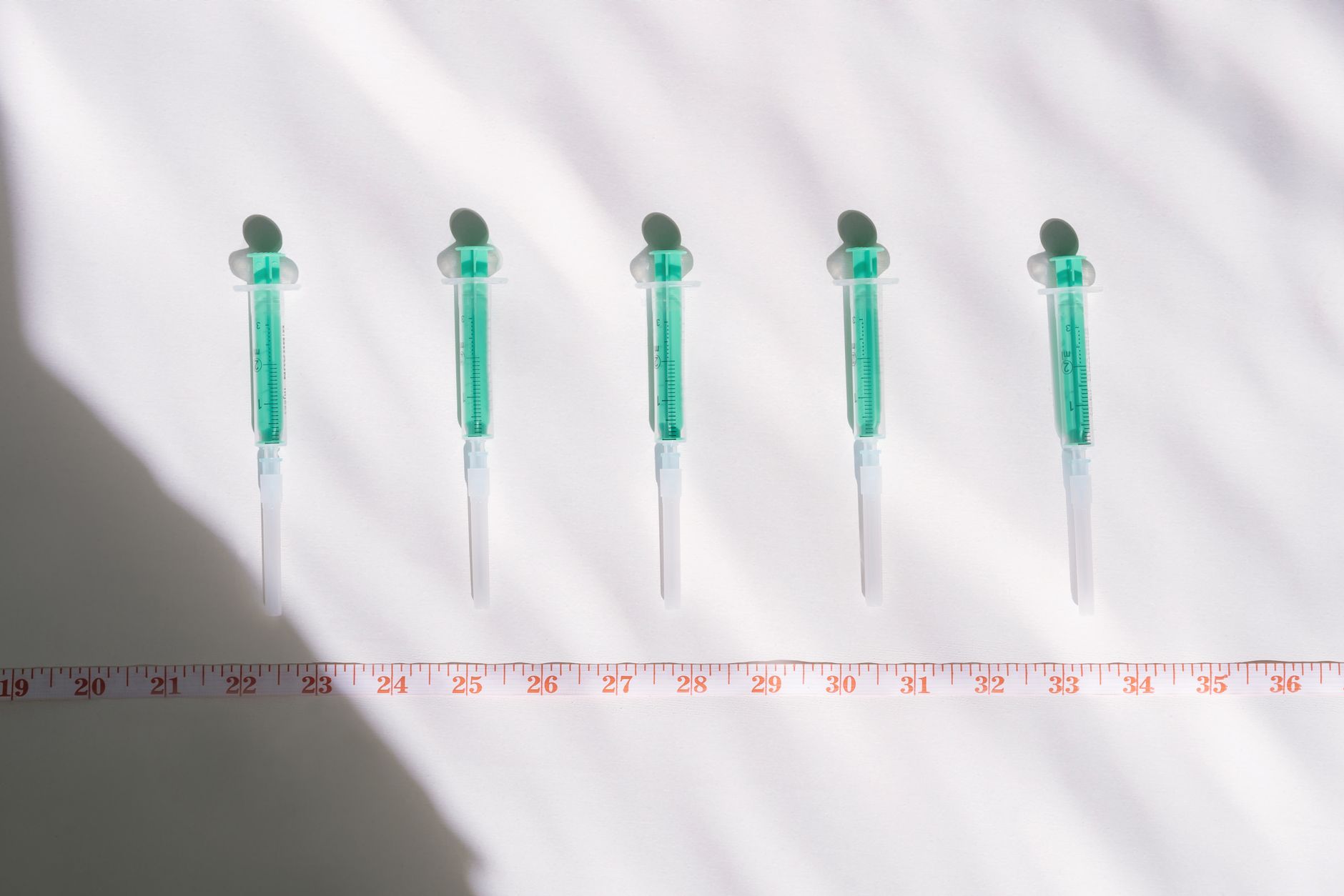
How to store Zyrtec syrup safely and keep it effective
Proper storage helps maintain the medication’s potency and prevents accidental ingestion. The FDA labeling for cetirizine oral solution advises keeping the bottle tightly closed, stored at room temperature (15‑30 °C / 59‑86 °F), and out of direct sunlight. Refrigeration is not required, but if you live in a hot climate, a cool, shaded cabinet can extend shelf life.
Because the bottle is often kept on a nightstand, consider these practical steps:
- Place the bottle in a child‑proof cabinet or on a high shelf that a toddler cannot reach.
- Use a small, labeled plastic container for the daily measured dose; this reduces the temptation to “just take a sip.”
- Check the expiration date every month. Once opened, most liquid antihistamines remain stable for 6 months, but discard any solution that looks cloudy or has an off‑taste.
If you travel with your infant, a travel‑size bottle (usually 30 mL) is convenient. Keep it in a insulated pouch to protect it from temperature extremes, and bring a fresh syringe for each trip.
Zyrtec use while breastfeeding – what you need to know
Many new mothers wonder whether a breastfeeding infant will be exposed to cetirizine through breast milk. Studies summarized by the American Academy of Pediatrics indicate that only trace amounts of cetirizine pass into breast milk, and the levels are far below those that cause pharmacologic effects in the infant.
Key points for nursing parents:
- The infant’s dose from breast milk is estimated at < 0.01 mg/kg/day, which is negligible compared with the therapeutic 2.5 mg dose.
- Most lactating women tolerate cetirizine without a reduction in milk supply.
- If your baby shows unexpected drowsiness or irritability after you start Zyrtec, discuss it with your pediatrician; a switch to a non‑sedating antihistamine is sometimes recommended.
In short, occasional Zyrtec use by a breastfeeding mother is generally considered safe, but always inform your pediatrician and your obstetrician, especially if you’re combining it with other medications.
Non‑drug ways to soothe infant allergy symptoms
Even when Zyrtec is appropriate, many parents appreciate complementary strategies that reduce reliance on medication. Here are three evidence‑based, low‑risk methods you can try at home:
- Humidified air: Using a cool‑mist humidifier in the baby’s room can thin nasal secretions and ease congestion. Change the water daily and clean the unit weekly to prevent mold.
- Saline nasal drops: A few drops of sterile saline before bedtime can clear the nasal passages without medication. Follow with gentle suction using a bulb syringe if needed.
- Allergen‑free bedding: Wash blankets, pillowcases, and plush toys weekly in hot water (≥ 130 °F) to reduce dust‑mite exposure, a common trigger for infant rhinitis.
These practices can be combined with the standard Zyrtec dose for a more holistic approach. They also give you tangible actions to take while you wait for a pediatric appointment.
Myth vs. fact
Myth: “The heavier my baby, the more Zyrtec I should give.”
Fact: For infants under 10 kg, the FDA recommends a flat 2.5 mg dose once daily, regardless of weight.
Myth: “Zyrtec works instantly, so I can give it every few hours if my baby is still itchy.”
Fact: Cetirizine reaches peak effect in 1‑2 hours and lasts about 24 hours; dosing more frequently does not increase relief and raises side‑effect risk.
Myth: “If my baby is allergic to peanuts, Zyrtec will cause a reaction.”
Fact: Zyrtec contains cetirizine, an antihistamine that does not share peanut protein; however, any medication can cause an idiosyncratic allergy, so monitor the first dose closely.
Key takeaways
- Infants ≥ 6 months receive a standard 2.5 mg (2.5 mL) dose of Zyrtec once daily.
- Weight‑based dosing only changes when a child exceeds ≈10 kg, at which point the dose rises to 5 mg once daily.
- Never give Zyrtec to newborns under 6 months without pediatric guidance.
- Use a calibrated oral syringe; 1 mg = 1 mL for the common 1 mg/mL solution.
- Watch for drowsiness, rash, or breathing changes—these may signal an overdose or allergy.
- Always discuss starting any antihistamine with your pediatrician, especially for premature infants or those on other medications.
Frequently asked questions
What is the recommended Zyrtec dose for infants based on weight?
The FDA recommends 2.5 mg (2.5 mL of a 1 mg/mL solution) once daily for infants 6 months to 2 years old, covering weights up to about 10 kg. Above 10 kg, the dose increases to 5 mg once daily.
Is Zyrtec safe for babies under 6 months?
Officially, Zyrtec is not approved for children younger than 6 months. Some specialists may prescribe it off‑label for severe allergy symptoms, but this should only happen after a thorough pediatric evaluation.
How many milligrams of Zyrtec are in a 5 mg tablet for infants?
For infants, the tablet form is rarely used because it’s difficult to split accurately. If a 5 mg tablet were prescribed, a pharmacist could crush it and dispense a measured amount, but the oral solution is the preferred, safest method.
Can I give Zyrtec to a baby who is allergic to peanuts?
Yes. Zyrtec’s active ingredient, cetirizine, does not contain peanut protein. However, monitor the first dose for any unexpected allergic reaction, as with any new medication.
What are the common side effects of Zyrtec in infants?
Most infants experience mild drowsiness or irritability. Rarely, they may develop a rash, vomiting, or respiratory symptoms. Any sign of severe allergy (swelling, difficulty breathing) warrants immediate medical attention.
How often can I administer Zyrtec to my infant?
Once every 24 hours. The dose should not be repeated more frequently unless a pediatrician specifically advises a different schedule.
Is it okay to mix Zyrtec syrup with other over‑the‑counter liquid medicines?
Mixing syrups can unintentionally increase the total cetirizine dose and lead to toxicity. Keep Zyrtec separate, measure each dose with its own syringe, and always double‑check the total milligrams before giving it to your baby.
What should I do if I miss a dose?
If you realize a dose was missed within a few hours, give it as soon as you remember. If it’s been more than 12 hours, wait until the next scheduled time—don’t double the dose.
When to see a doctor / specialist
If your baby shows any of the following, contact your pediatrician right away or head to urgent care:
- Persistent or worsening rash, hives, or swelling.
- Difficulty breathing, wheezing, or persistent cough.
- Extreme drowsiness that makes feeding impossible.
- Vomiting or diarrhea lasting more than 24 hours.
- Signs of overdose (rapid heartbeat, seizures).
For chronic allergy management, a pediatric allergist can tailor a treatment plan, including skin‑prick testing and personalized dosing. If your infant has eczema that isn’t improving with moisturizers, a pediatric dermatologist can recommend topical steroids or calcineurin inhibitors alongside oral antihistamines.
Remember, this article provides general information and should not replace personalized medical advice. Always discuss dosing decisions with your child’s health care provider.
References
- U.S. Food and Drug Administration. “Cetirizine Hydrochloride Oral Solution: FDA‑Approved Label.” 2023.
- American Academy of Pediatrics. “Allergy Management in Infants and Young Children.” Policy Statement, 2022.
- American Academy of Dermatology. “Atopic Dermatitis in Infants: Treatment Guidelines.” 2021.
- American Academy of Allergy, Asthma & Immunology. “Antihistamine Use in Pediatrics.” Clinical Practice Guideline, 2022.
- National Institutes of Health. “Cetirizine (Zyrtec) – Drug Information.” Updated 2024.
- Mayo Clinic. “Cetirizine (Oral Route) Dosage.” Online Resource, accessed July 2024.
- World Health Organization. “WHO Model List of Essential Medicines – 22nd Edition.” 2023.
- British National Formulary for Children (BNFc). “Cetirizine.” 2023.
- Poison Control Center (U.S.). “Cetirizine (Zyrtec) Toxicity.” 2024.
- American Academy of Pediatrics. “Guidance on Medication Use During Breastfeeding.” Clinical Report, 2021.
- National Institute of Allergy and Infectious Diseases. “Allergen Avoidance Strategies for Infants.” 2022.