A two‑month‑old typically weighs between 4.5 kg (10 lb) and 5.5 kg (12 lb). Using the 15 mg/kg guideline:
- At 4.5 kg: 4.5 × 15 = 67.5 mg per dose.
- At 5.5 kg: 5.5 × 15 = 82.5 mg per dose.
Rounded to the nearest half‑milliliter, that translates to 2 mL (≈64 mg) for the lighter end and 2.5 mL (≈80 mg) for the heavier end. The key is to stay within the 75 mg/kg per 24‑hour ceiling, which for a 5 kg baby equals 375 mg total per day.
If you’re unsure of the exact weight, use the most recent growth chart from your pediatrician or weigh the baby on a digital scale. Even a small difference (0.5 kg) can shift the dose by about 7.5 mg, which is why precision matters.
For parents who prefer to avoid the syringe, some pharmacies offer pre‑filled oral syringes calibrated to the exact dose. While convenient, double‑check the label to ensure the concentration matches the standard 160 mg/5 mL formula.
Infant Tylenol dosage chart by weight and age
Below is a quick‑reference chart that pairs common infant weights with the corresponding liquid dose. All values are based on the 15 mg/kg per dose rule and the standard 160 mg/5 mL concentration. The “Maximum daily dose” column reflects the 75 mg/kg per 24‑hour limit.
These numbers assume the baby is older than 2 months and weighs at least 3 kg (≈6 lb). For newborns or premature infants, see the dedicated section below.
When you print this chart or save it on your phone, keep it handy for quick reference during nighttime fevers. If your baby’s weight changes significantly (more than 0.5 kg), recalculate the dose using the same formula.

Is it safe to give Tylenol to a newborn weighing 3 pounds?
Three pounds equals roughly 1.4 kg. The FDA’s labeling for infant acetaminophen states that it is not recommended for infants under 2 months or under 2 kg, unless specifically instructed by a pediatrician. The American Academy of Pediatrics also advises caution: newborns, especially those under 2 months, have immature liver enzymes that process acetaminophen less efficiently.
If a newborn does develop a fever, the first step is to contact your pediatrician. The doctor may recommend a lower dose (often 10 mg/kg) or suggest non‑pharmacologic measures such as tepid sponge baths and ensuring adequate hydration. In rare cases where the physician deems medication necessary, they will provide a precise prescription and dosing schedule.
Bottom line: do not give standard infant Tylenol to a 3‑pound newborn without direct medical guidance. The risk of liver toxicity outweighs the modest benefit of fever reduction at this age.
Some parents wonder whether a rectal acetaminophen suppository is safer for newborns. The NHS advises that suppositories can be used in very young infants, but the dose still follows the 10‑15 mg/kg rule and must be prescribed. Always discuss this option with your provider before trying it.
What are the signs of Tylenol overdose in infants?
Acetaminophen toxicity can be subtle at first, especially in babies who cannot verbalize how they feel. Watch for these red‑flag symptoms, which may appear within hours to a few days after an excessive dose:
- Unusual lethargy or difficulty waking.
- Pale or yellowish skin (jaundice).
- Vomiting, especially if it’s persistent.
- Abdominal pain or swelling.
- Rapid breathing or a sudden change in heart rate.
- Seizures (rare but critical).
If you notice any of these signs, call your pediatrician immediately or head to the nearest emergency department. Early treatment with N‑acetylcysteine (NAC) can prevent serious liver damage, but timing is crucial.
Poison control hotlines are also a reliable resource. In the United States, dial 1‑800‑222‑1222; in the United Kingdom, call 111. Having the medication bottle handy when you call can speed up the assessment.
How often can I give infant Tylenol to a 6 lb baby?
A 6‑pound baby weighs about 2.7 kg. Using the 15 mg/kg rule, the dose is:
- 2.7 kg × 15 mg/kg = ≈ 40 mg per dose.
With the standard 160 mg/5 mL concentration, that equals roughly 1.25 mL. The FDA recommends a minimum interval of 4 hours and a maximum of five doses in any 24‑hour period. Therefore, you could give the dose at 0 h, 4 h, 8 h, 12 h, and 16 h, then wait until the next day before another round.
Always keep a dosing log. It’s easy to lose track when you’re juggling diaper changes, feeds, and sleep cycles. A simple notebook or a notes app on your phone can help you stay within safe limits.
When you’re using a digital scale at home, weigh your baby after each feeding to capture any small weight gain that might affect dosing. Even a 0.2 kg shift can change the dose by about 3 mg, which, while small, adds up over multiple doses.
Difference between infant Tylenol liquid and chewable dosage
Infant Tylenol is most commonly sold as a liquid suspension (160 mg per 5 mL). Chewable tablets, marketed for toddlers 2 years and older, contain 80 mg per tablet. The chewable form is not appropriate for infants under 12 months because:
- Infants cannot reliably chew or swallow tablets without risk of choking.
- Chewable dosing is based on a higher per‑tablet mg, which can lead to accidental overdose if split.
- Liquid formulations include calibrated syringes that make precise measurement easier.
If your child has transitioned to the chewable stage, always follow the weight‑based dosing chart specific to the chewable product. For infants, stick with the liquid and the syringe that comes with the bottle.
The chewable tablets also contain sweeteners and flavorings that are safe for toddlers but not ideal for newborns whose digestive systems are still developing. When you move to chewables, double‑check the label for any added ingredients that might cause an allergic reaction.
Acetaminophen dosage guidelines for infants under 6 months
Infants younger than six months still follow the 15 mg/kg per dose rule, but the maximum daily limit becomes even more critical because their livers are still maturing. The FDA caps the daily total at 75 mg/kg for all ages, which translates to:
- For a 4‑kg (8.8 lb) infant: 4 × 75 = 300 mg per 24 hours.
- That’s roughly four 75‑mg doses (≈2.3 mL each) spread over the day.
Never exceed four doses in 24 hours, and always maintain at least a 4‑hour gap between each. If the fever persists beyond 24 hours, contact your pediatrician for further evaluation.
It’s also worth noting that some clinicians use a slightly lower per‑dose target (10‑12 mg/kg) for infants under 3 months to provide an extra safety margin. Always follow the specific guidance given by your baby’s health care team.
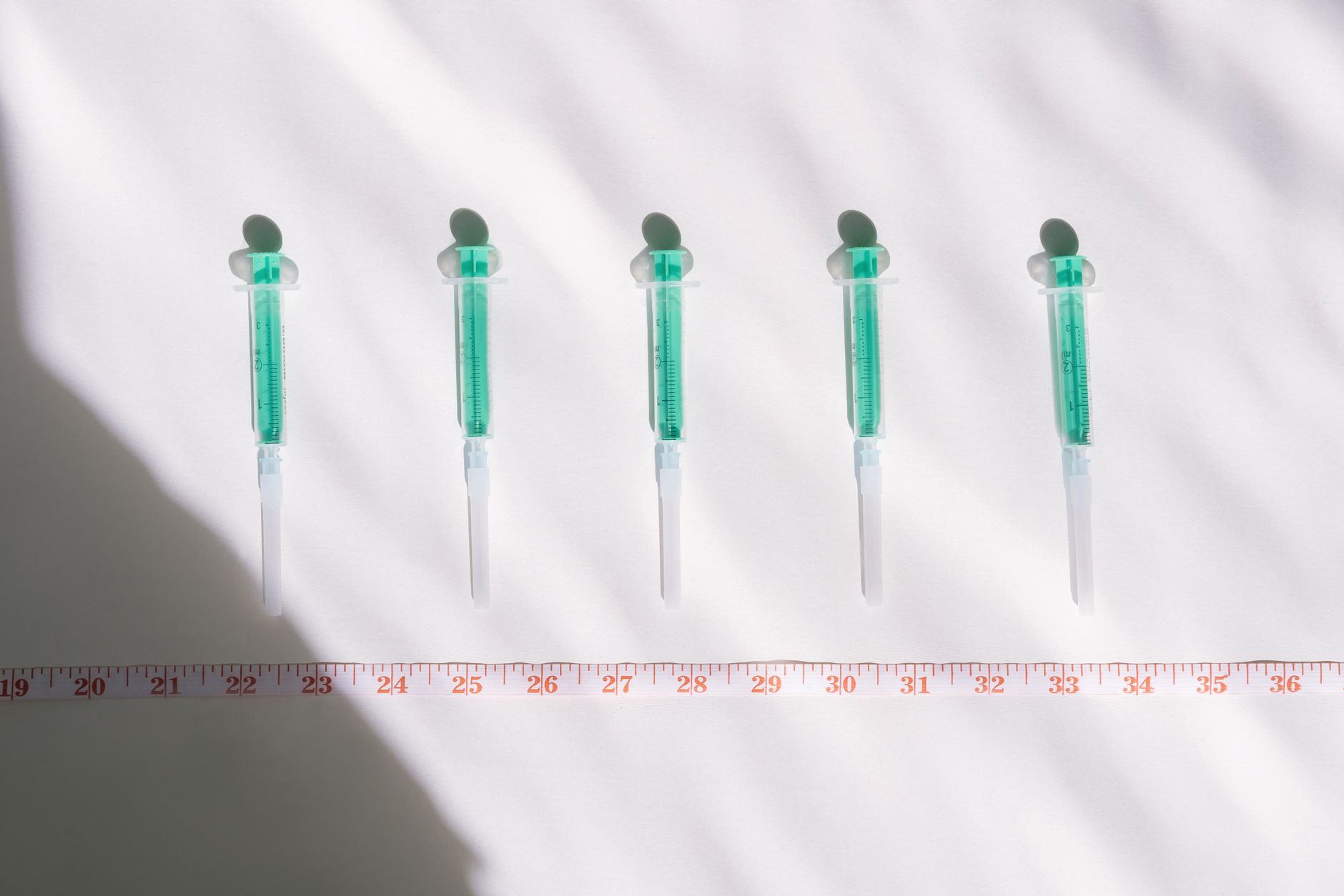
How to measure infant Tylenol with a syringe
Precision matters. Here’s a step‑by‑step guide:
- Wash your hands and the syringe with warm, soapy water; rinse well.
- Shake the bottle gently for 5 seconds to ensure the suspension is evenly mixed.
- Pull the plunger back to the “0 mL” mark, then insert the syringe tip into the bottle.
- Push the liquid up until the desired dose line (e.g., 2.5 mL) aligns with the top of the syringe’s barrel.
- Double‑check the measurement by holding the syringe upright; the liquid should sit at the exact line.
- Administer the dose slowly, allowing the baby to swallow.
- After use, rinse the syringe with water and let it air‑dry.
Never use a kitchen teaspoon; its volume can vary by as much as 30 %.
If you travel often, consider a small, travel‑size syringe that screws onto the bottle. It’s easier to keep in a diaper bag and reduces the chance of losing the original syringe.
Tylenol vs ibuprofen dosage for babies
Both acetaminophen (Tylenol) and ibuprofen (Advil, Motrin) are approved for infants, but they work differently. Acetaminophen reduces pain and fever by acting centrally in the brain, while ibuprofen is an anti‑inflammatory that also lowers fever by inhibiting prostaglandins.
Below is a side‑by‑side comparison for the typical weight range of 3–6 kg.
Key differences:
- Ibuprofen should not be given to infants younger than 6 months or under 5 kg unless directed by a doctor.
- Acetaminophen can be used from birth (with medical guidance) and is gentler on the stomach.
- Both have a maximum daily limit (acetaminophen 75 mg/kg, ibuprofen 40 mg/kg). Overlap in dosing intervals should be avoided to prevent additive toxicity.
When you’re unsure which to choose, the AAP suggests starting with acetaminophen for fever and switching to ibuprofen if the fever persists after 24 hours and the baby meets the age and weight criteria.
What to do if I missed a Tylenol dose for my infant
Missing a scheduled dose is common—especially with newborns who feed irregularly. Here’s how to handle it safely:
- Check the time of the missed dose. If it’s been more than 4 hours, you can give the dose as soon as you remember.
- If it’s been less than 4 hours since the last dose, wait until the 4‑hour window is complete before administering.
- Do not double‑dose to “catch up.” Over‑administering is a leading cause of accidental acetaminophen toxicity.
- Resume the regular schedule after the missed dose, keeping the 4‑hour minimum interval.
If you’re ever uncertain, call your pediatrician’s after‑hours line. A quick clarification can prevent a dosing error.
Some parents find it helpful to set a reminder alarm on their phone for each dosing window. This simple habit reduces the chance of both missed and accidental extra doses.
Can I give Tylenol to a baby with fever and cold?
Fever often accompanies viral upper‑respiratory infections (the “cold”). Tylenol can safely reduce fever and relieve mild discomfort. However, it does not treat the underlying infection. Follow these steps:
- Confirm the baby’s temperature with a reliable rectal thermometer.
- Administer the correct weight‑based dose of infant Tylenol.
- Keep the infant hydrated—offer frequent feeds or expressed breast milk.
- Monitor for worsening symptoms: difficulty breathing, persistent high fever (>39.5 °C / 103 °F), or reduced responsiveness.
If any concerning signs appear, seek medical care promptly. Remember, fever is a natural immune response, but prolonged or very high fevers warrant evaluation.
The NHS also recommends using a cool‑mist humidifier and gentle nasal suction to ease congestion, which can make a fever‑reduction medication more effective by improving breathing.
Tylenol dosage for premature infants
Premature infants (born before 37 weeks gestation) have even less mature liver function. The AAP advises that acetaminophen should only be used in premature babies under close medical supervision. Dosing may be reduced to 10 mg/kg per dose, with a maximum of 4 doses per day.
For a 2 kg preterm infant, the dose would be 20 mg, which equals about 0.6 mL of the standard 160 mg/5 mL suspension. Because the margin for error is narrow, many clinicians prefer to avoid acetaminophen altogether unless the baby has a clear indication (e.g., post‑operative pain) and the benefits outweigh the risks.
When a preterm infant does need acetaminophen, many hospitals use a calibrated oral syringe that measures to the nearest 0.1 mL. This level of precision helps keep the dose within the narrow therapeutic window.
Safe maximum daily acetaminophen for infants
The FDA’s official guidance caps the daily acetaminophen exposure at 75 mg per kilogram for children under 12 years. Exceeding this limit can lead to liver injury, even if individual doses appear appropriate. For practical reference:
- 2 kg infant → 150 mg max per 24 h.
- 3 kg infant → 225 mg max per 24 h.
- 4 kg infant → 300 mg max per 24 h.
- 5 kg infant → 375 mg max per 24 h.
Divide the total by the number of doses you plan (usually five) to ensure you never exceed the per‑dose recommendation.
In the UK, the NHS echoes the same ceiling, advising parents to keep a written log of each dose to avoid accidental cumulative overdose.
Infant Tylenol for postoperative pain
When your baby undergoes a minor procedure—such as a circumcision or ear‑tube placement—doctors often recommend acetaminophen for postoperative comfort. The dosing follows the same 15 mg/kg rule, but the frequency may be adjusted to every 6 hours instead of every 4 hours, depending on the surgeon’s orders.
Because postoperative pain can be more intense, some clinicians prescribe a short‑term “as‑needed” (PRN) schedule, allowing up to six doses in 24 hours if the infant’s weight permits. Always follow the exact instructions on the discharge sheet, and contact the surgeon’s office if you’re unsure whether an extra dose is appropriate.
Non‑pharmacologic comfort measures—such as swaddling, a warm bath, or a gentle rocking motion—can reduce the amount of medication needed and help the baby settle more quickly.
How to store infant Tylenol safely
Proper storage protects both the medication’s potency and your baby’s safety. Keep the bottle tightly sealed and store it at room temperature, away from direct sunlight and heat sources like radiators. The FDA advises that opened liquid acetaminophen should be used within 30 days; after that, the suspension can lose potency.
Place the bottle out of reach of children, ideally on a high shelf or in a locked cabinet. If you have multiple children, consider using a child‑proof latch on the medicine cabinet. In the UK, the NHS recommends labeling the bottle with the date it was opened to track the 30‑day window.
When traveling, bring a small, sealed container of the medication and keep it in a cooler bag if you’ll be away from home for more than a few hours. This prevents accidental spills and keeps the dosage accurate.
Myth vs. fact
Myth: “A higher dose of Tylenol will bring down a fever faster.”
Fact: Fever reduction depends on the body’s set point, not the amount of medication. Giving more than the recommended dose does not speed up recovery and increases toxicity risk.
Myth: “If the baby looks fine, I can skip the dose.”
Fact: Even low‑grade fevers can cause discomfort in infants. A weight‑appropriate dose can improve comfort and sleep without harming the child.
Myth: “All infant pain relievers are interchangeable.”
Fact: Acetaminophen and ibuprofen have different safety profiles; ibuprofen is not recommended for newborns or infants under 6 months without a doctor’s order.
Key takeaways
- Use the 15 mg/kg per dose rule for infant Tylenol; never exceed 75 mg/kg in 24 hours.
- Measure liquid medication with the provided syringe—no kitchen teaspoons.
- For newborns under 2 months or weighing <2 kg, seek pediatric guidance before giving any dose.
- Watch for overdose signs: lethargy, vomiting, jaundice, or unusual breathing.
- Maintain at least a 4‑hour interval between doses and limit to five doses per day.
- Ibuprofen is an alternative for infants >6 months and >5 kg, but it has its own dosing limits.
- Premature infants require reduced dosing and close medical supervision.
- Store the medication at room temperature, keep it sealed, and discard after 30 days once opened.
Frequently asked questions
What is the recommended dose of infant Tylenol per kilogram?
The standard recommendation from the American Academy of Pediatrics is 15 mg of acetaminophen per kilogram of body weight per dose, with a maximum of five doses in a 24‑hour period.
How many times a day can I give Tylenol to my baby?
Give infant Tylenol no more often than every 4 hours. Most babies will not need more than 5 doses in a 24‑hour span.
What are the signs of an acetaminophen overdose in infants?
Early signs include unusual sleepiness, pale or yellow skin, vomiting, and abdominal pain. Later signs may involve rapid breathing or seizures. If any appear, call your pediatrician or emergency services immediately.
Can I use infant Tylenol for a newborn under 2 months?
Only under direct medical advice. The FDA and AAP advise caution for infants under 2 months or under 2 kg because of immature liver function.
Is it safe to give Tylenol with other fever reducers?
Never combine acetaminophen with ibuprofen or any other fever reducer without a doctor’s order. Mixing can increase the risk of overdose and liver or kidney injury.
How do I properly measure a liquid Tylenol dose for my baby?
Use the calibrated syringe that comes with the bottle. Shake the bottle well, pull the plunger to 0 mL, insert the tip, and push the liquid up to the exact dose line (e.g., 2.5 mL). Double‑check before administering.
What should I do if I accidentally give a higher dose than recommended?
Contact your pediatrician or the poison control center (1‑800‑222‑1222 in the U.S.) right away. Early intervention with N‑acetylcysteine can prevent liver damage.
Yes. Acetaminophen does not interact with breast milk or formula. However, keep the baby well‑hydrated, as fever can increase fluid loss. If your infant is exclusively breast‑fed, you can continue normal feeding schedules after dosing.
Is there a difference in dosing if my baby has a liver condition?
Infants with known liver disease should only receive acetaminophen under close medical supervision, often at a reduced dose (e.g., 10 mg/kg). Always discuss any pre‑existing conditions with your pediatrician before administering medication.
When to see a doctor / specialist
If you notice any of the following, seek medical attention promptly:
- Fever above 39.5 °C (103 °F) that persists for more than 24 hours.
- Signs of acetaminophen overdose (lethargy, vomiting, pale skin, jaundice).
- Baby under 2 months with a fever of 38 °C (100.4 °F) or higher.
- Persistent crying or inconsolable pain despite appropriate dosing.
- Any concern about liver health, especially in premature infants.
Contact your pediatrician, or if the situation is urgent, go to the nearest emergency department. For dosage questions in premature infants, a pediatrician or neonatologist is the appropriate specialist.
References
- American Academy of Pediatrics. “Acetaminophen (Tylenol) Use in Infancy.” AAP Clinical Report, 2023.
- U.S. Food and Drug Administration. “Acetaminophen Dosage Guidelines for Children.” FDA Consumer Health Information, 2022.
- Centers for Disease Control and Prevention. “Acetaminophen Poisoning.” CDC Health Topics, 2024.
- American Academy of Pediatrics. “Management of Fever in Children.” AAP Guidelines, 2021.
- World Health Organization. “Guidelines for the Management of Fever in Children.” WHO Publication, 2022.
- National Institute of Child Health and Human Development. “Premature Infant Medication Safety.” NICHD Fact Sheet, 2023.
- Harvard T.H. Chan School of Public Health. “Acetaminophen Safety.” Nutrition Source, 2024.
- National Health Service (UK). “How to give children medicine safely.” NHS Guidance, 2023.
- American Academy of Pediatrics. “Pain Management After Pediatric Surgery.” AAP Clinical Practice, 2022.



