

Quick take: For infants 6 months or older, ibuprofen is typically dosed at 5‑10 mg per kilogram of body weight per dose, every 6‑8 hours, not exceeding 40 mg/kg per day. A 5 kg baby would get about 25‑50 mg (≈0.5‑1 mL of standard 100 mg/5 mL liquid); a 3‑month‑old weighing ≈6 kg can safely take 30‑60 mg per dose. Always use the syringe that comes with the medication, double‑check the dose, and call a healthcare provider if you notice signs of overdose or the baby is under 4 kg, premature, or has kidney issues.
It’s 3 a.m. and the thermometer reads 101.4°F. You’ve just opened the cabinet, spotted the tiny bottle of liquid ibuprofen, and wondered: “Is this the right amount for my little one?” You’re not alone. Many parents feel a knot of anxiety when a fever spikes, especially with a newborn or a low‑weight infant. The good news is that ibuprofen dosing is straightforward once you know the baby’s weight and the concentration of the product.
In this guide we’ll walk you through the exact calculations you need, give you a weight‑based dosage chart for babies under 12 months, explain safety limits, show how to measure the dose with a syringe, and compare ibuprofen with acetaminophen. We’ll also cover special situations—premature infants, low‑weight babies, and those with reflux or kidney concerns—so you can feel confident making the right call.
By the end you’ll have a clear, step‑by‑step plan for treating fever or mild pain safely, plus a quick‑reference checklist for when you should call your pediatrician.
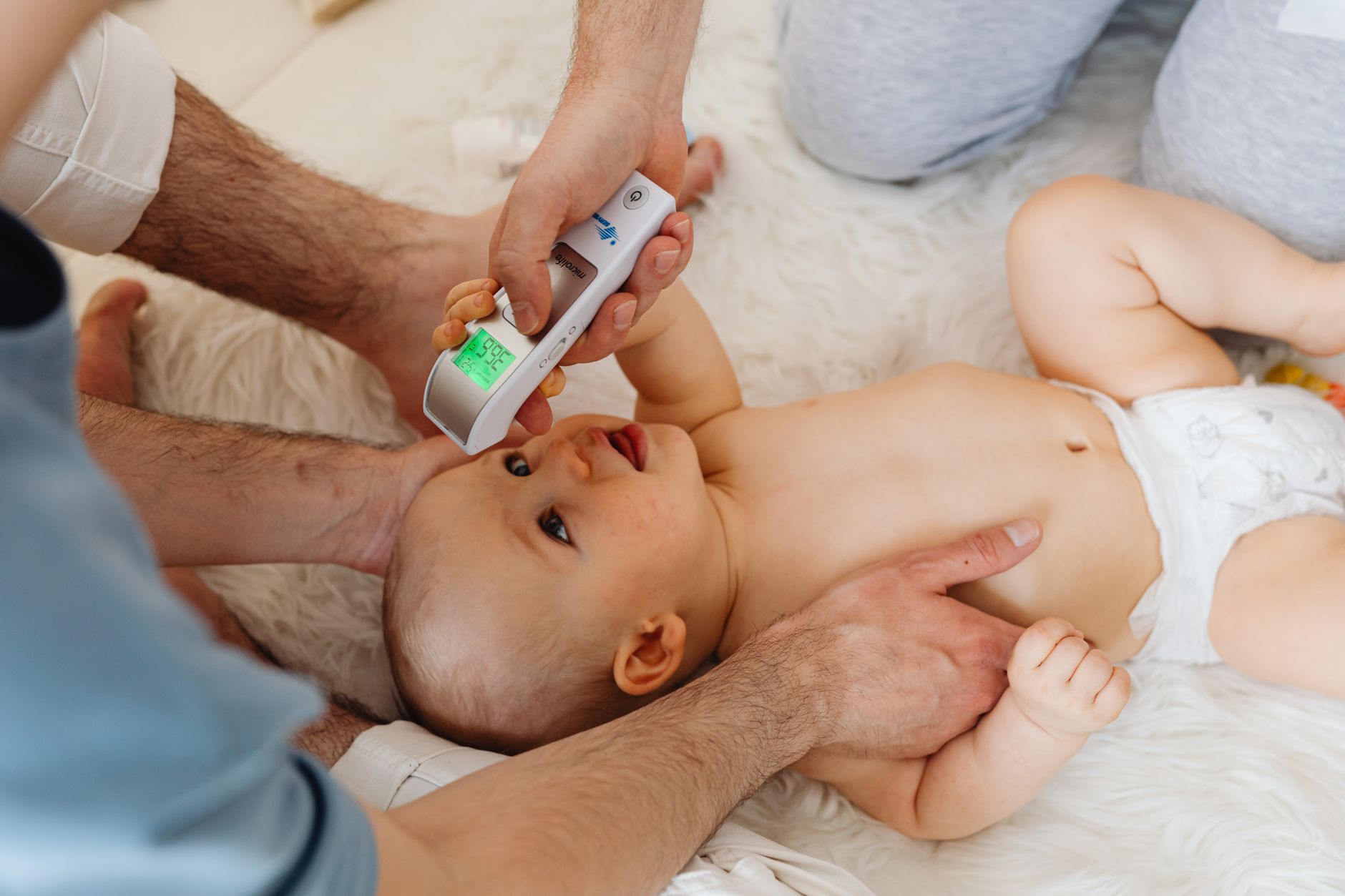
What is the correct ibuprofen dose for a 5 kg infant?
Most pediatric guidelines, including those from the American Academy of Pediatrics (AAP), recommend a dose of 5‑10 mg per kilogram of body weight per administration. For a 5 kg infant, the calculation looks like this:
- Low end: 5 kg × 5 mg/kg = 25 mg
- High end: 5 kg × 10 mg/kg = 50 mg
Standard over‑the‑counter liquid ibuprofen for infants comes in a concentration of 100 mg per 5 mL (or 20 mg per mL). To translate milligrams into milliliters:
- 25 mg ÷ 20 mg/mL = 1.25 mL
- 50 mg ÷ 20 mg/mL = 2.5 mL
So a 5 kg baby should receive **1.25 mL to 2.5 mL** per dose, depending on the severity of the fever or pain and your pediatrician’s recommendation. Use the dosing syringe that accompanies the medication; it usually has markings for 0.5 mL, 1 mL, and 2 mL. If you need a dose between the markings, you can add a few extra drops (1 mL ≈ 20 drops). Always double‑check the label for concentration, as some brands may differ.
Why the range? The lower end (5 mg/kg) is often used for mild fever or discomfort, while the higher end (10 mg/kg) is reserved for more pronounced symptoms. The FDA’s labeling for infant ibuprofen notes that staying within this range maximizes safety while still providing effective antipyretic and analgesic action.1
How to measure the dose with a syringe
1. Shake the bottle gently. 2. Pull the plunger to the “0” mark, then add liquid until the desired volume (e.g., 1.5 mL) aligns with the syringe’s calibration. 3. Hold the syringe upright and dispense the dose directly into the baby’s cheek, not the mouth, to avoid choking.
For extra confidence, practice drawing the dose into the syringe before the fever starts; this reduces stress when you need to act quickly.
How many milligrams of ibuprofen can a 3‑month‑old take per dose?
- Low end (5 mg/kg): 5.5 kg × 5 mg/kg ≈ 28 mg
- High end (10 mg/kg): 6.5 kg × 10 mg/kg ≈ 65 mg
Rounded to the nearest practical volume using the 20 mg/mL concentration:
- ≈ 1.4 mL for 28 mg
- ≈ 3.3 mL for 65 mg (but note the maximum single‑dose volume for infants is usually 2.5 mL; exceeding this should be discussed with a clinician).
Most pediatricians advise staying toward the lower end of the range for infants under 4 months, especially if the baby has a history of gastrointestinal upset. If you’re unsure, start with 1.5 mL (≈30 mg) and observe the response.
Because infants’ metabolism can vary day‑to‑day, it’s wise to monitor how the baby reacts after the first dose. If the fever dips and the child seems calmer, you’ve likely hit the right spot. If the fever persists, you can repeat the dose after the recommended interval, but never exceed the daily maximum.2
Remember that a small change in weight (even 0.2 kg) can shift the exact milligram amount, so always recalculate if your baby has had a recent growth spurt.
Ibuprofen dosage chart by weight for babies under 12 months
The chart below consolidates the 5‑10 mg/kg dosing range for common weight intervals. All doses assume the standard 100 mg/5 mL (20 mg/mL) liquid formulation. Remember, ibuprofen is only approved for infants **6 months or older**; for younger babies, acetaminophen is the safer first‑line option.
| Weight (kg) | Weight (lb) | Low dose (mg) | High dose (mg) | Low dose (mL) | High dose (mL) |
|---|---|---|---|---|---|
| 4.0 | 8.8 | 20 | 40 | 1.0 | 2.0 |
| 4.5 | 9.9 | 22.5 | 45 | 1.1 | 2.3 |
| 5.0 | 11.0 | 25 | 50 | 1.3 | 2.5 |
| 5.5 | 12.1 | 27.5 | 55 | 1.4 | 2.8 |
| 6.0 | 13.2 | 30 | 60 | 1.5 | 3.0 |
| 6.5 | 14.3 | 32.5 | 65 | 1.6 | 3.3 |
| 7.0 | 15.4 | 35 | 70 | 1.8 | 3.5 |
| 7.5 | 16.5 | 37.5 | 75 | 1.9 | 3.8 |
| 8.0 | 17.6 | 40 | 80 | 2.0 | 4.0 |
**Maximum daily dose**: Do not exceed 40 mg/kg in a 24‑hour period. For a 5 kg infant, that’s 200 mg total (≈10 mL) spread across 4‑6 doses.
When using the chart, round the milliliter amount to the nearest 0.1 mL for practicality, and always double‑check with your pediatrician if you’re near the upper limit. The NHS also emphasizes that parents should keep a written log of each dose, especially when giving multiple medications throughout the day.3
Keeping a simple spreadsheet on your phone can make tracking easy, especially if you have more than one child on medication.

Is ibuprofen safe for infants weighing less than 4 kilograms?
Infants under 4 kg (≈8.8 lb) fall into a higher‑risk category for ibuprofen‑related side effects, especially gastrointestinal irritation and renal stress. The AAP advises that ibuprofen should **not be given** to babies under 6 months, and for those 6‑12 months it should be used with caution if the weight is below 4 kg.
Key safety points:
- Renal function: Ibuprofen can reduce blood flow to the kidneys, which is a concern in low‑weight or premature infants whose kidneys are still maturing.
- GI irritation: Younger infants have more delicate stomach linings, increasing the risk of ulceration.
- Dehydration: Fever combined with reduced fluid intake can amplify ibuprofen’s effect on kidney perfusion.
If your baby is below 4 kg, discuss alternatives with your pediatrician. Acetaminophen (paracetamol) is widely accepted for infants as young as 2 months and at lower weights, provided dosing follows weight‑based guidelines.
In practice, many clinicians will recommend a trial of acetaminophen first, reserving ibuprofen for when the fever persists despite acetaminophen or when an anti‑inflammatory effect is specifically needed.4
When you’re unsure, write down the baby’s exact weight and ask the pharmacist to confirm the correct volume before leaving the store.
How often can I give ibuprofen to my 8‑pound newborn?
Eight pounds translates to roughly 3.6 kg. Since ibuprofen is only recommended for infants **6 months or older**, an 8‑pound baby is likely under that age threshold. In such cases, ibuprofen should not be administered. Instead, use acetaminophen for fever or mild pain, following the weight‑based dose of 10‑15 mg/kg every 4‑6 hours, not exceeding 5 doses in 24 hours.
If your newborn is already 6 months and weighs 3.6 kg, the dose would be:
- 5 mg/kg × 3.6 kg ≈ 18 mg (≈0.9 mL)
- 10 mg/kg × 3.6 kg ≈ 36 mg (≈1.8 mL)
Give the dose every 6‑8 hours, and **never exceed 4 doses per day** (maximum 144 mg or about 7.2 mL). Always keep a log of administration times to avoid accidental over‑dosing.
Keeping a simple notebook or a notes app on your phone can help you track the exact times and amounts, which is especially useful if you have more than one child on medication.5
When you notice the fever returning quickly, it may be a sign to call your pediatrician rather than adding another dose.
What are the signs of ibuprofen overdose in infants?
Recognizing an overdose early can prevent serious complications. Common signs include:
- Persistent vomiting or severe nausea
- Abdominal pain or swelling
- Excessive drowsiness or difficulty waking
- Blood in the stool or black, tarry stools (indicating GI bleeding)
- Reduced urine output (fewer wet diapers than usual)
- Rapid breathing or shallow breaths
- Seizures (in severe cases)
If you notice any of these symptoms, call your pediatrician or the emergency department **immediately**. Bring the medication bottle and note the amount given, the time, and the infant’s weight.
In an overdose situation, the emergency team may administer activated charcoal if the ingestion was recent, and they will monitor kidney function closely. Prompt medical attention dramatically reduces the risk of lasting harm.6
Documenting the exact time of each dose can be lifesaving information for the medical team.
Can I give ibuprofen to a newborn with fever?
For newborns (0‑2 months) the safest antipyretic is acetaminophen, as ibuprofen is not approved for this age group. Fever in a newborn can signal a serious infection, so you should contact your pediatrician right away, even before giving any medication.
When the infant is 6 months or older, and the fever is mild (under 104°F or 40 °C), ibuprofen can be used safely if the baby meets the weight criteria (≥ 5 kg is ideal). Always give the dose with food or milk to reduce stomach irritation, and monitor the baby for any side effects.
It’s also worth noting that many newborn fevers resolve with simple supportive care—extra fluids, light clothing, and close monitoring—so medication is not always the first step.7
If the fever persists beyond 24 hours despite treatment, seek medical advice promptly.
Difference between infant ibuprofen and children's ibuprofen dosage
Infant ibuprofen (often labeled “Infants’ Ibuprofen” or “Children’s Ibuprofen Infant Drops”) is formulated at a lower concentration—usually 50 mg per 5 mL (10 mg/mL)—to make precise dosing easier for very small babies. Children’s ibuprofen (e.g., “Children’s Ibuprofen Chewable” or “Liquid Suspension”) is typically 100 mg per 5 mL (20 mg/mL) or higher.
Key distinctions:
- Concentration: Infant drops are half the strength of the standard children’s suspension.
- Administration device: Infant products usually come with a 1 mL oral syringe; children’s versions may include a dosing cup.
- Age range: Infant formulations are intended for 6 months‑24 months; children’s formulations cover 2‑12 years.
When transitioning from infant to children’s ibuprofen—usually around the 2‑year mark or when the child reaches 12 kg—switch the concentration and adjust the volume accordingly to keep the mg/kg dose consistent.
Always double‑check the label; a misread concentration can lead to a dose that’s twice what you intended.
Ibuprofen vs acetaminophen dosage for infants by weight
Both medications are effective antipyretics, but they work differently. Ibuprofen is a non‑steroidal anti‑inflammatory drug (NSAID) that reduces inflammation, while acetaminophen primarily lowers pain and fever without anti‑inflammatory effects. Below is a side‑by‑side comparison of weight‑based dosing for the two drugs.
| Weight (kg) | Ibuprofen (mg per dose) | Ibuprofen (mL) | Acetaminophen (mg per dose) | Acetaminophen (mL) |
|---|---|---|---|---|
| 4.0 | 20‑40 | 1.0‑2.0 | 40‑60 | 0.8‑1.2 |
| 5.0 | 25‑50 | 1.3‑2.5 | 50‑75 | 1.0‑1.5 |
| 6.0 | 30‑60 | 1.5‑3.0 | 60‑90 | 1.2‑1.8 |
| 7.0 | 35‑70 | 1.8‑3.5 | 70‑105 | 1.4‑2.1 |
| 8.0 | 40‑80 | 2.0‑4.0 | 80‑120 | 1.6‑2.4 |
**When to choose which:** Use ibuprofen if the infant has inflammation (e.g., teething gum pain, mild ear infection) and the baby can tolerate oral intake without vomiting. Choose acetaminophen if the infant has a history of stomach upset, dehydration, or kidney concerns, or if they are under 6 months.
Best liquid ibuprofen brand for babies
Most pediatricians recommend brands that have FDA approval and a clear dosing syringe. In the United States, Advil Infant Drops (50 mg/5 mL) and Motrin Infant Drops (50 mg/5 mL) are both trusted options. In the UK, Nurofen for Children (100 mg/5 mL) is widely used for infants over 6 months. Look for “pediatric” on the label and ensure the bottle includes a calibrated oral syringe.
When to switch from infant ibuprofen to children's ibuprofen
Switch when the child reaches either of these milestones:
- Age ≥ 24 months (2 years)
- Weight ≥ 12 kg (≈26 lb)
- Ability to use a dosing cup or chewable tablet safely
At the switch, the concentration doubles (from 10 mg/mL to 20 mg/mL). Adjust the volume so the total milligrams stay within the 5‑10 mg/kg range.
Ibuprofen dosage for premature infants
Premature infants (< 37 weeks gestation) have immature renal and hepatic systems. The AAP advises **avoiding ibuprofen** unless specifically prescribed by a neonatologist for conditions like patent ductus arteriosus (PDA). When used for PDA, dosing is usually 10 mg/kg every 24 hours for a short course, but this is done under close medical supervision.
Effects of ibuprofen on infant kidney function
Ibuprofen can reduce prostaglandin synthesis, which in turn decreases renal blood flow. In healthy infants, occasional use at recommended doses rarely causes problems. However, in dehydrated, low‑weight, or premature babies, the risk of acute kidney injury (AKI) rises. Signs of AKI include reduced urine output, lethargy, and swelling. If any of these appear after ibuprofen, seek medical care promptly.
Guidelines for ibuprofen use in infants with reflux
Gastroesophageal reflux disease (GERD) can be aggravated by NSAIDs because they may irritate the esophageal lining. For infants with diagnosed reflux, the American Academy of Pediatrics recommends:
- Using the lowest effective ibuprofen dose
- Administering the medication with a small amount of formula or breast milk
- Monitoring for increased spit‑up, irritability, or feeding difficulties
If reflux symptoms worsen, switch to acetaminophen or discuss other fever‑reduction strategies with your pediatrician.
Ibuprofen dosing for infants with chronic health conditions
Infants with asthma, congenital heart disease, or chronic lung disease may have altered drug metabolism. The American Academy of Pediatrics suggests consulting the child's specialist before starting ibuprofen, as some conditions increase the risk of bronchospasm or fluid retention.10
In many cases, a lower end of the dosing range (5 mg/kg) and close monitoring of breathing and urine output are prudent.
Reading the label: avoiding common dosing pitfalls
Labels can be confusing because concentrations differ between “infant” and “children’s” formulations. Always verify the mg‑per‑mL value before measuring. A quick tip: the number of milligrams per 5 mL is usually printed in bold near the top of the bottle.
When you buy a new brand, compare its concentration to the one you’re used to; a mismatch can lead to under‑ or overdosing.
Using ibuprofen for teething pain: what you need to know
Teething can cause low‑grade fever and gum inflammation. Ibuprofen’s anti‑inflammatory action can soothe discomfort, but the dose should stay at the low‑end (5 mg/kg) to avoid unnecessary exposure.
Combine medication with a cold teething ring or gentle gum massage for the best relief.
How to store and handle infant ibuprofen safely
Proper storage helps maintain potency and prevents accidental ingestion. Keep the bottle tightly capped, away from direct sunlight, and store it at room temperature—ideally between 20‑25 °C (68‑77 °F). The FDA advises that liquid medications should be discarded after 14 days once opened, because bacterial growth can occur even in sealed syringes.8
For families with multiple children, consider a dedicated, child‑proof cabinet and label the bottle with the infant’s name and weight. This reduces the chance of giving the wrong dose to the wrong child, a mistake that accounts for many pediatric medication errors.
Understanding ibuprofen’s mechanism of action in infants
Ibuprofen works by inhibiting cyclooxygenase (COX) enzymes, which reduces the production of prostaglandins—chemicals that trigger inflammation, pain, and fever. In infants, the same pathway is active, but their kidneys rely more heavily on prostaglandins to maintain blood flow. That’s why the dose ceiling is stricter for babies than for older children or adults.9
Knowing the mechanism helps you recognize why ibuprofen can both relieve fever and, in rare cases, affect kidney function. It also explains why taking ibuprofen with food or milk can lessen stomach irritation, as the medication is absorbed more gradually.
Myth vs. fact
Myth: “A higher dose of ibuprofen will bring down a fever faster.”
Fact: Ibuprofen’s antipyretic effect plateaus at the recommended dose. Giving more does not lower temperature faster and increases the risk of side effects.
Myth: “If my baby is under 4 kg, ibuprofen is still safe if I give a tiny amount.”
Fact: The safety margin is narrow for low‑weight infants; even a small dose can stress the kidneys. Use acetaminophen instead, unless a clinician advises otherwise.
Myth: “Ibuprofen can be mixed with other liquid medicines to make dosing easier.”
Fact: Mixing medications can change absorption rates and lead to dosing errors. Always give each medicine separately, with a clear gap of at least 15 minutes.
Key takeaways
- Ibuprofen dosing for infants ≥ 6 months is 5‑10 mg/kg per dose, every 6‑8 hours, not exceeding 40 mg/kg per day.
- Use a calibrated syringe; a 5 kg baby needs 1.25‑2.5 mL of standard 100 mg/5 mL liquid.
- Never give ibuprofen to infants under 4 kg or under 6 months without pediatric guidance.
- Watch for overdose signs: vomiting, abdominal pain, reduced urine, lethargy, or seizures.
- Acetaminophen is the preferred alternative for very young or low‑weight infants.
- Consult your pediatrician for premature babies, reflux, or kidney concerns before using ibuprofen.
Frequently asked questions
What is the recommended ibuprofen dose for a 6 kg baby?
A 6 kg infant should receive 30‑60 mg per dose, which equals 1.5‑3.0 mL of a 20 mg/mL (100 mg/5 mL) liquid formulation. Most clinicians suggest staying near the lower end (≈1.5 mL) unless the fever is high or pain is severe.
How many times a day can I give ibuprofen to my infant?
The standard interval is every 6‑8 hours, which translates to **3‑4 doses per day**. Do not exceed four doses (maximum 40 mg/kg) within 24 hours.
Can I give ibuprofen to a newborn with a fever?
For newborns (0‑2 months) ibuprofen is not recommended. Contact your pediatrician right away; acetaminophen may be used if the doctor advises it.
What are the side effects of ibuprofen in infants?
Common side effects include stomach upset, mild rash, and occasional vomiting. Rare but serious effects are gastrointestinal bleeding, kidney injury, and allergic reactions such as swelling of the face or difficulty breathing.
How do I know if I gave my baby too much ibuprofen?
Calculate the total milligrams given in the past 24 hours. If it exceeds 40 mg/kg, or if you notice any overdose signs (vomiting, reduced urine, lethargy), call your pediatrician or emergency services immediately.
Is ibuprofen safe for babies under 3 months old?
Official guidelines advise against ibuprofen for infants under 3 months (approximately 6 weeks) because the kidneys and stomach are still developing. Acetaminophen is the safer choice for fever or mild pain in this age group.
When should I switch from infant ibuprofen to children’s ibuprofen?
Switch when the child is at least 24 months old **or** weighs 12 kg (≈26 lb). At that point you can use the higher‑concentration children’s suspension, adjusting the volume to keep the mg/kg dose consistent.
Can I give ibuprofen with breast milk?
Yes. Administering ibuprofen with a small amount of breast milk (or formula) can help protect the stomach lining and improve absorption. Just be sure the baby finishes the milk within a few minutes so the dose isn’t delayed.
Is it okay to give ibuprofen after my baby’s vaccination?
Most pediatricians say it’s fine to give ibuprofen after vaccinations if the infant experiences fever or soreness. The medication can reduce post‑vaccine discomfort without interfering with the immune response, according to the CDC.10
What should I do if my infant vomits after an ibuprofen dose?
If vomiting occurs within 15 minutes, the dose likely wasn’t absorbed; you may repeat the dose after waiting at least 30 minutes, but do not exceed

