

Quick take: A balanced Indian diet during pregnancy should include nutrient-rich foods like paneer, dalia, leafy greens, and lean proteins while avoiding excessive spices, raw papaya, and high-mercury fish. Focus on iron-rich foods, hydration, and portion control—especially if managing gestational diabetes. For a first-trimester diet, prioritize easy-to-digest meals like idli or dosa made with minimal oil, and adjust spices to avoid discomfort. Always consult your provider before making major dietary changes.Indian Diet Sample Day of Eating: The Complete 2026 Guide
It was 3:17 a.m. when Priya sat up in bed, her stomach churning. The morning sickness had eased by day, but now, the thought of her usual breakfast—spicy idli with coconut chutney—made her wince. She had just learned she was pregnant, and the internet had sent her into a spiral of conflicting advice. Can I still eat my favorite foods? What if I crave something unhealthy? Is dalia safe now? The questions swirled as she scrolled through forums, but no one seemed to address the practicality of keeping her beloved Indian meals safe, nutritious, and satisfying during pregnancy. That’s when she realized: she needed a real, day-by-day guide—one that honored her cultural diet while ensuring she and her baby got everything they needed.
If you’re expecting and wondering how to adapt your Indian diet to nourish both you and your baby, you’re not alone. Many women turn to their traditional foods during pregnancy, but balancing flavor with nutrition can feel overwhelming. This guide breaks down what to eat, what to avoid, and how to modify your favorite meals—whether you’re in your first trimester, managing gestational diabetes, or just trying to avoid constipation. We’ll cover meal plans, nutrient-dense swaps, and even how to make idli and dosa healthier. By the end, you’ll have a clear, science-backed roadmap for eating Indian foods safely and deliciously throughout your pregnancy.
Before diving in, it’s important to note that every pregnancy is unique. While this guide provides general guidelines, always check with your healthcare provider before making significant dietary changes—especially if you have pre-existing conditions like diabetes or hypertension. This article is informational only and not a substitute for personalized medical advice.
--- ## **What Should an Indian Diet Look Like During the First Trimester of Pregnancy?** The first trimester is a time of rapid change for your body, and your diet should reflect that. Many women experience morning sickness, fatigue, or food aversions during these early weeks. The good news? Indian cuisine offers plenty of gentle, nutrient-dense options that can ease digestion and support early pregnancy needs. ### **Key Nutrients to Prioritize** Your body needs extra folate, iron, calcium, and B vitamins during the first trimester. Here’s how to get them from Indian foods: - **Folate (folic acid):** Leafy greens like spinach (*palak*), fenugreek (*methi*), and bean sprouts are rich in folate. Include them in your dosas, upmas, or salads. - **Iron:** Lentils (*dal*), paneer, and red meat (if you eat it) are excellent sources. Pair iron-rich foods with vitamin C (like lemon or amla) to boost absorption. - **Calcium:** Low-fat dairy like paneer, curd, and milk are staples. If you’re lactose intolerant, fortified plant-based milks or almonds can help. - **B vitamins:** Whole grains like quinoa (*kuttu ka atta*), oats, and brown rice are great additions to your diet. ### **Foods to Enjoy and Avoid** Safe and nourishing choices: - Steamed or lightly cooked vegetables (gajar ka halwa with minimal sugar, sabzi with minimal oil). - Soft, easy-to-digest grains like dalia, oats, or moong dal. - Lean proteins like boiled eggs, chicken, or fish (low-mercury options like salmon or cod). - Fermented foods like curd or dosa made with fermented batter (probiotic-rich and gentle on digestion). Avoid or limit: - Raw papaya (can stimulate contractions—more on this later). - Excessive caffeine (limit tea/coffee to 2 cups a day). - Spicy or overly oily foods if they trigger nausea or heartburn. - Unpasteurized dairy or raw eggs (risk of foodborne illness). ### **A Sample First-Trimester Day** Here’s how Priya adapted her meals in her first trimester: - **Breakfast:** Steamed moong dal chilla with sautéed spinach and a side of curd. - **Mid-morning snack:** A small bowl of papaya (cooked, not raw) with a sprinkle of chaat masala. - **Lunch:** Quinoa upma with turmeric, carrot, and green beans, served with a small bowl of curd. - **Afternoon snack:** Roasted chana (chickpeas) with a pinch of roasted cumin. - **Dinner:** Steamed fish (salmon) with jeera rice and a side of palak paneer (lightly cooked). - **Before bed:** Warm turmeric milk (haldi doodh) with a dash of honey. ---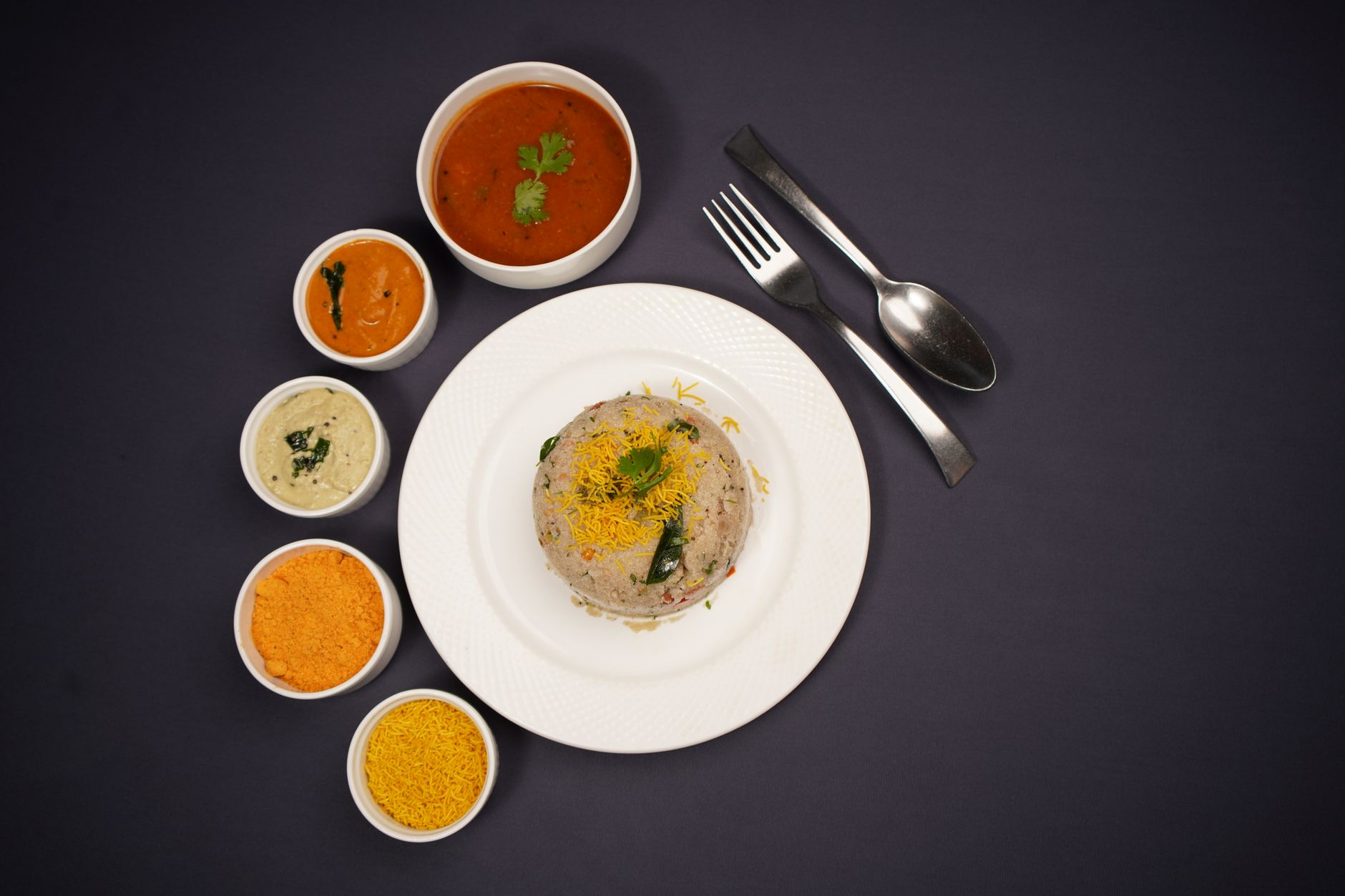 ---
## **Best Indian Breakfast Foods for Pregnancy and Their Nutritional Benefits Explained**
Breakfast sets the tone for your day, and during pregnancy, it’s crucial to fuel your body with energy, fiber, and essential nutrients. Indian breakfasts are versatile—here’s how to make them pregnancy-friendly while keeping them delicious.
### **Top 5 Pregnancy-Safe Breakfasts**
1. **Idli with Coconut Chutney (Lightened-Up Version)**
- Why it’s good: Fermented idli is easy to digest and rich in probiotics. Use less oil (or coconut oil) and add grated carrots or beans to boost fiber and vitamins.
- Nutrition boost: Pair with a side of roasted papad (not deep-fried) and a small bowl of curd.
2. **Dosa with Sambar and Coconut Chutney**
- Why it’s good: Whole wheat or moong dal dosa provides plant-based protein and fiber. Skip the excessive oil in sambar and use homemade chutney with minimal sugar.
- Nutrition boost: Add spinach or grated carrots to the batter for extra nutrients.
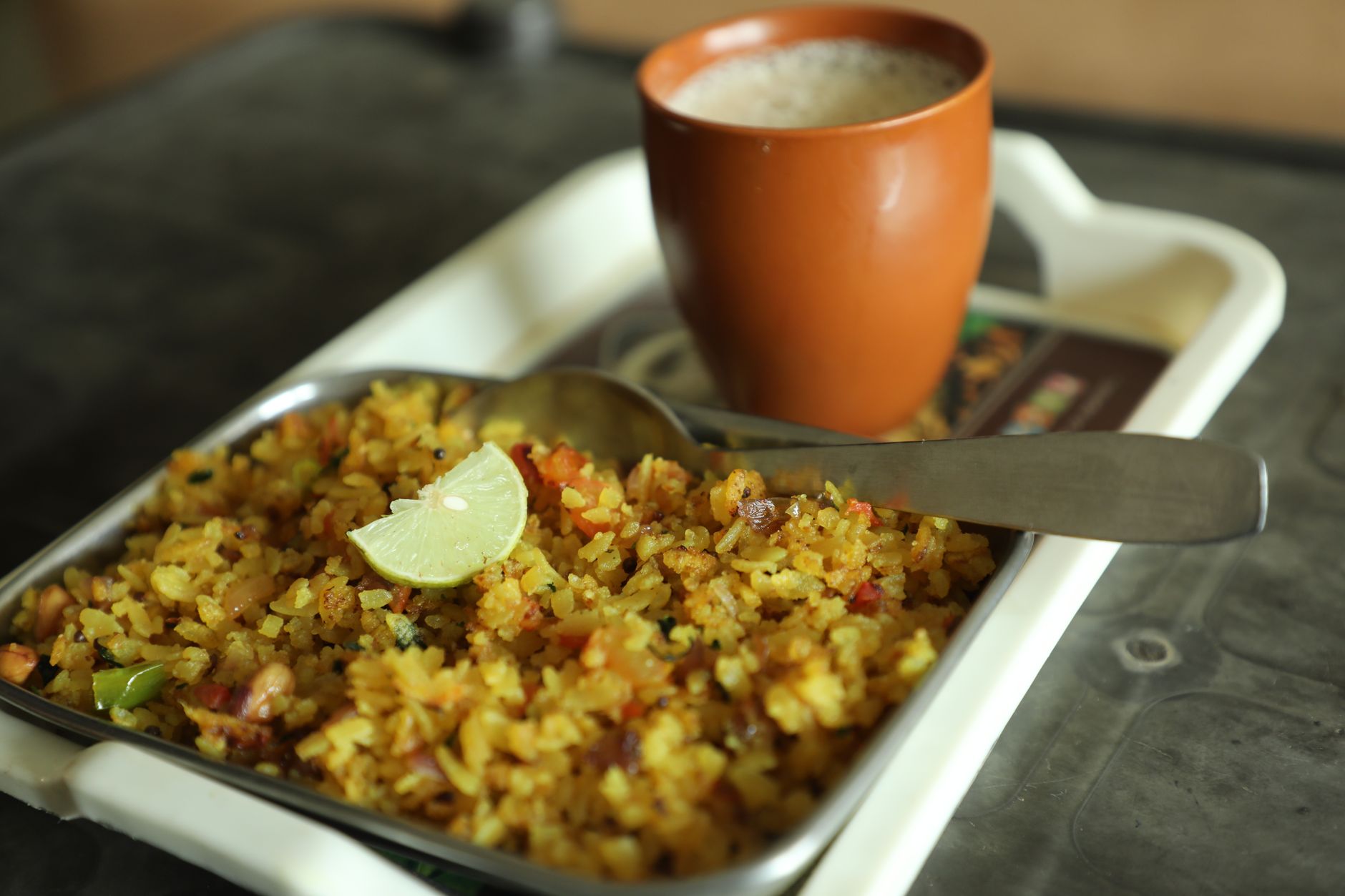
3. **Poha (Flattened Rice) with Peanuts and Turmeric**
- Why it’s good: Light, quick-cooking, and packed with iron from peanuts. Turmeric aids digestion and reduces inflammation.
- Nutrition boost: Add chopped cucumber or lemon for vitamin C.
4. **Besan Chilla with Tomato and Onion**
- Why it’s good: Chickpea flour (besan) is high in protein and folate. Lightly sautéed with minimal oil and loaded with veggies.
- Nutrition boost: Add grated pumpkin or zucchini for extra nutrients.
5. **Oats Poha with Nuts and Seeds**
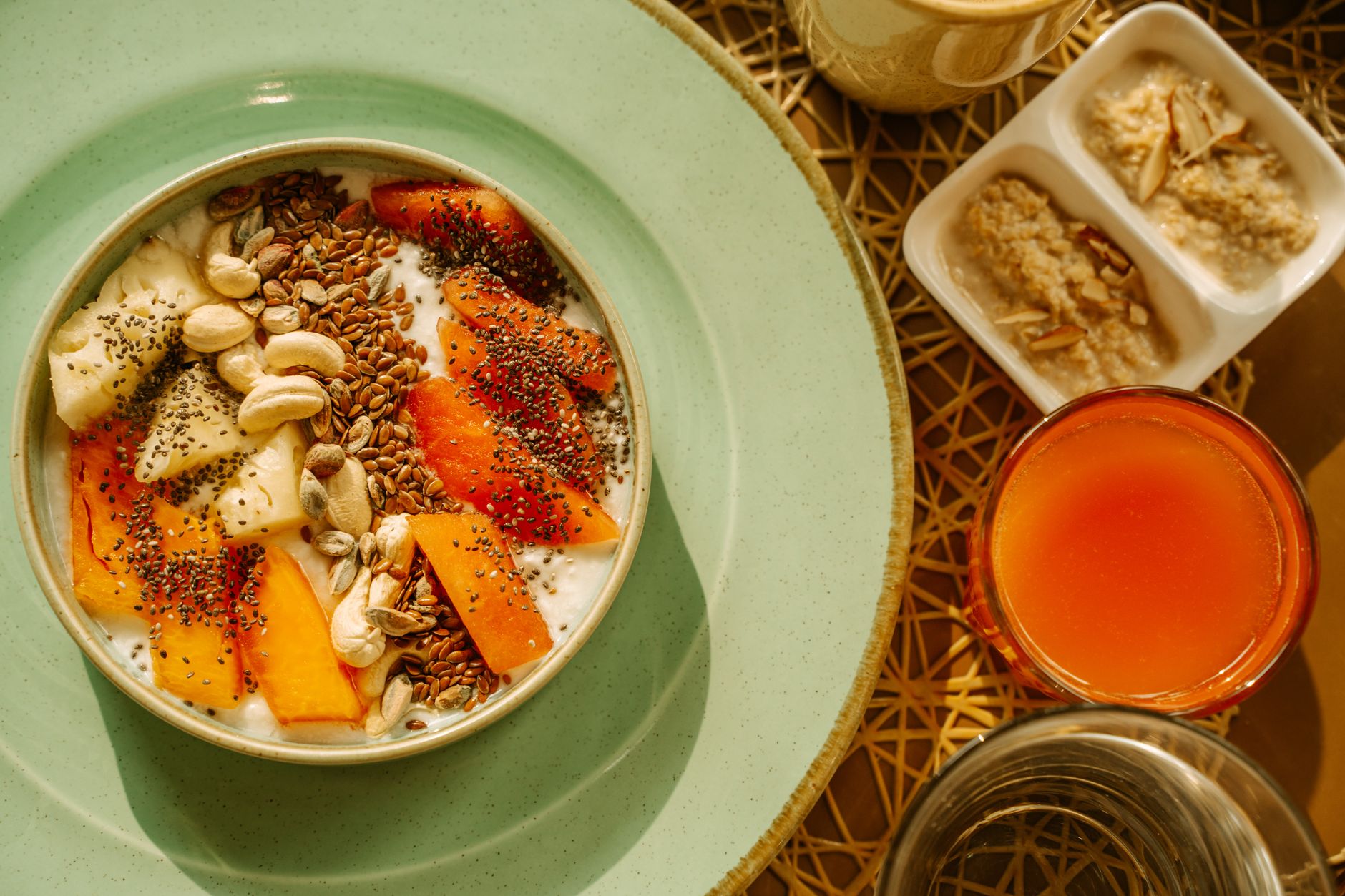
- Why it’s good: Oats are a great source of fiber and magnesium. Add flaxseeds or chia seeds for omega-3s.
- Nutrition boost: Top with a sprinkle of roasted peanuts or cashews.
### **How to Make Them Healthier**
- Use whole grains like jowar (sorghum) or bajra (millet) instead of refined flour.
- Reduce oil by sautéing veggies first and then adding minimal oil to cook the batter.
- Avoid deep-frying papad or samosas—opt for baked or air-fried versions.
- Add veggies to every meal: grated carrots, spinach, or beans can sneak in extra nutrients without altering the taste much.
---
 ---
## **How to Balance Traditional Indian Spices with Pregnancy Safety: A Guide for Expectant Mothers**
Indian cuisine is famous for its bold flavors, but some spices can be tricky during pregnancy. The good news? Most spices are safe in moderation, but a few should be used with caution or avoided entirely.
### **Safe Spices to Enjoy**
These spices are generally safe and even beneficial:
- **Turmeric (Haldi):** Anti-inflammatory and aids digestion. Use it in curries, chutneys, or warm milk.
- **Cumin (Jeera):** Helps with digestion and bloating. Add to dal or rice dishes.
- **Coriander (Dhania):** Rich in antioxidants and vitamin K. Use in chutneys or garnishes.
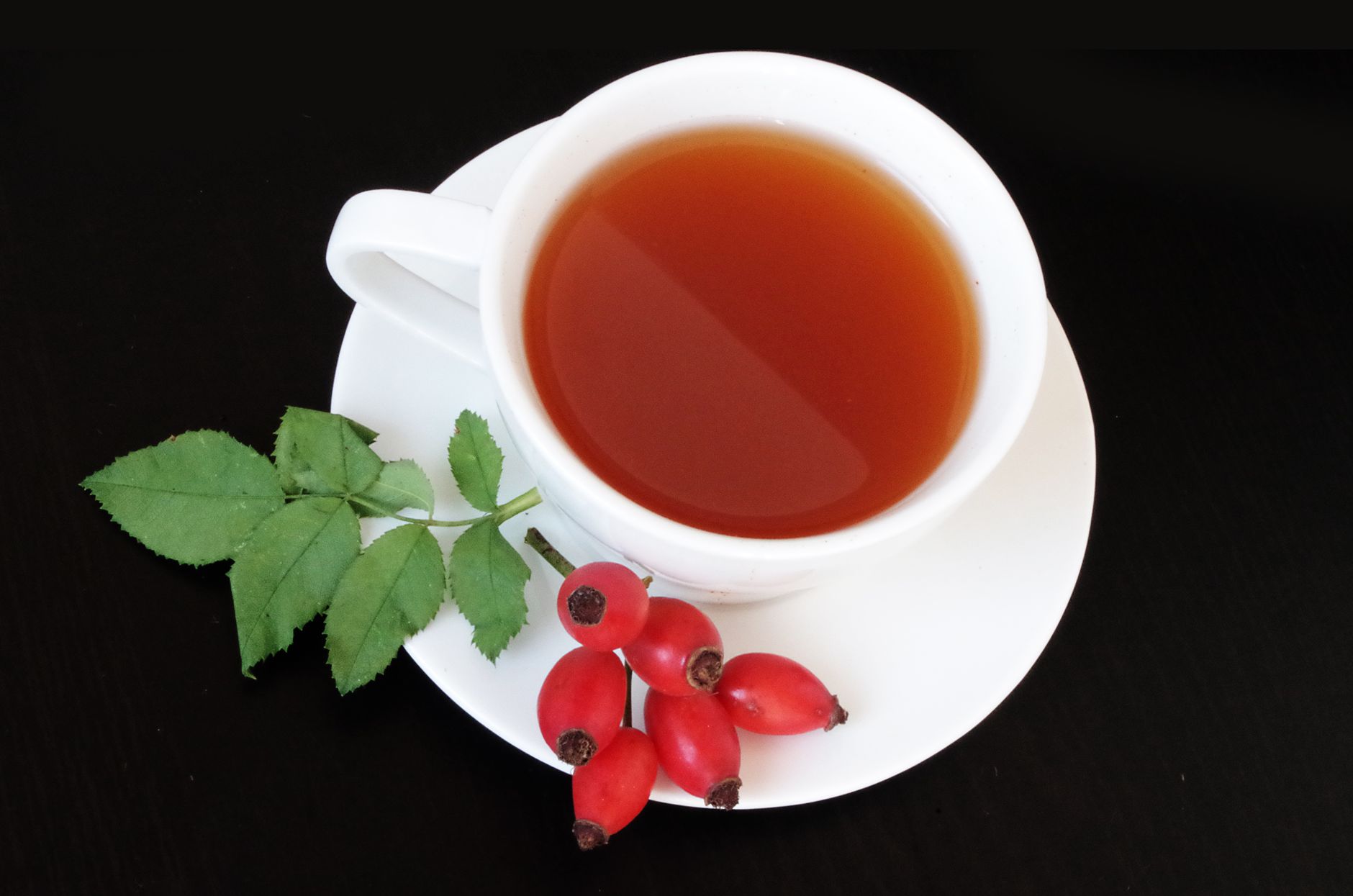
- **Fennel (Saunf):** Soothes nausea and bloating. Chew seeds after meals or add to tea.
- **Ginger (Adrak):** Reduces morning sickness. Add to soups, teas, or stir-fries.
### **Spices to Use with Caution**
- **Black pepper:** Can stimulate contractions in large amounts. Use sparingly.
- **Chili powder:** May cause heartburn or discomfort. Limit if you’re sensitive.
- **Asafoetida (Hing):** Can be strong for some women. Use a pinch in tempering (tadka).
### **Spices to Avoid**
- **Raw papaya leaves or seeds:** Can stimulate uterine contractions.
- **Excessive garlic or onion:** May cause heartburn or digestive discomfort.
- **Excessive salt:** Can lead to water retention. Use herbs and spices to flavor instead.
### **How to Modify Your Curry for Pregnancy**
1. **Reduce oil:** Use less oil for cooking and opt for healthier fats like ghee (in moderation).
2. **Lower spice levels:** If you’re sensitive to heat, use less chili or adjust to your tolerance.
3. **Avoid raw spices:** Always temper spices (heat them in oil/ghee) before adding to dishes to reduce bitterness.
4. **Gentle tempering:** Use a mix of cumin, fennel, and turmeric for a soothing tadka.
---
 ---
## **Indian Diet Sample Day for Gestational Diabetes: Meal Plan and Recipes for Blood Sugar Control**
Gestational diabetes requires careful monitoring of carbohydrates and portion sizes. An Indian diet can still be delicious and balanced—you just need to focus on low-glycemic foods, lean proteins, and healthy fats.
### **Sample Meal Plan for Gestational Diabetes**
| Meal | Food Options | Portion Size Example |
|------------|-----------------------------------------------------------------------------|------------------------------------------|
| **Breakfast** | Oats upma with flaxseeds, grated carrots, and a small bowl of curd. | ½ cup oats + 1 small bowl curd |
| **Mid-Morning** | Roasted chana (chickpeas) with cucumber slices and a glass of water. | ¼ cup chana + ½ cup cucumber |
| **Lunch** | Quinoa or brown rice with steamed veggies (bhindi, gobi, and palak) and 3-4 pieces of grilled fish. | ½ cup quinoa + 1 cup veggies + 3 oz fish |
| **Afternoon Snack** | Sprouted moong salad with lemon and coriander. | ½ cup sprouts + 1 tbsp lemon |
| **Dinner** | Dal (moong or masoor) with jeera rice and a side of steamed pumpkin. | ½ cup dal + ½ cup rice + ½ cup pumpkin |
| **Before Bed** | Warm turmeric milk (unsweetened) with a pinch of cinnamon. | 1 cup milk + ½ tsp cinnamon |
### **Recipes to Try**
1. **Quinoa Upma with Veggies**
- Cook quinoa in low-sodium vegetable broth. Sauté grated carrots, beans, and turmeric. Mix with quinoa and top with fresh coriander.
2. **Grilled Fish with Jeera Rice**
- Marinate fish in lemon, turmeric, and cumin. Grill or bake. Serve with jeera rice (cooked with cumin seeds).
3. **Sprouted Moong Salad**
- Soak moong dal overnight, sprout, and rinse. Mix with chopped cucumber, lemon juice, and coriander.
### **Foods to Limit**
- Refined carbs (white rice, maida-based items).
- Sugary drinks (avoid nimbu pani with sugar).
- Deep-fried snacks (samosas, pakoras).
- Excessive dairy (opt for low-fat or plant-based alternatives).
---
 ---
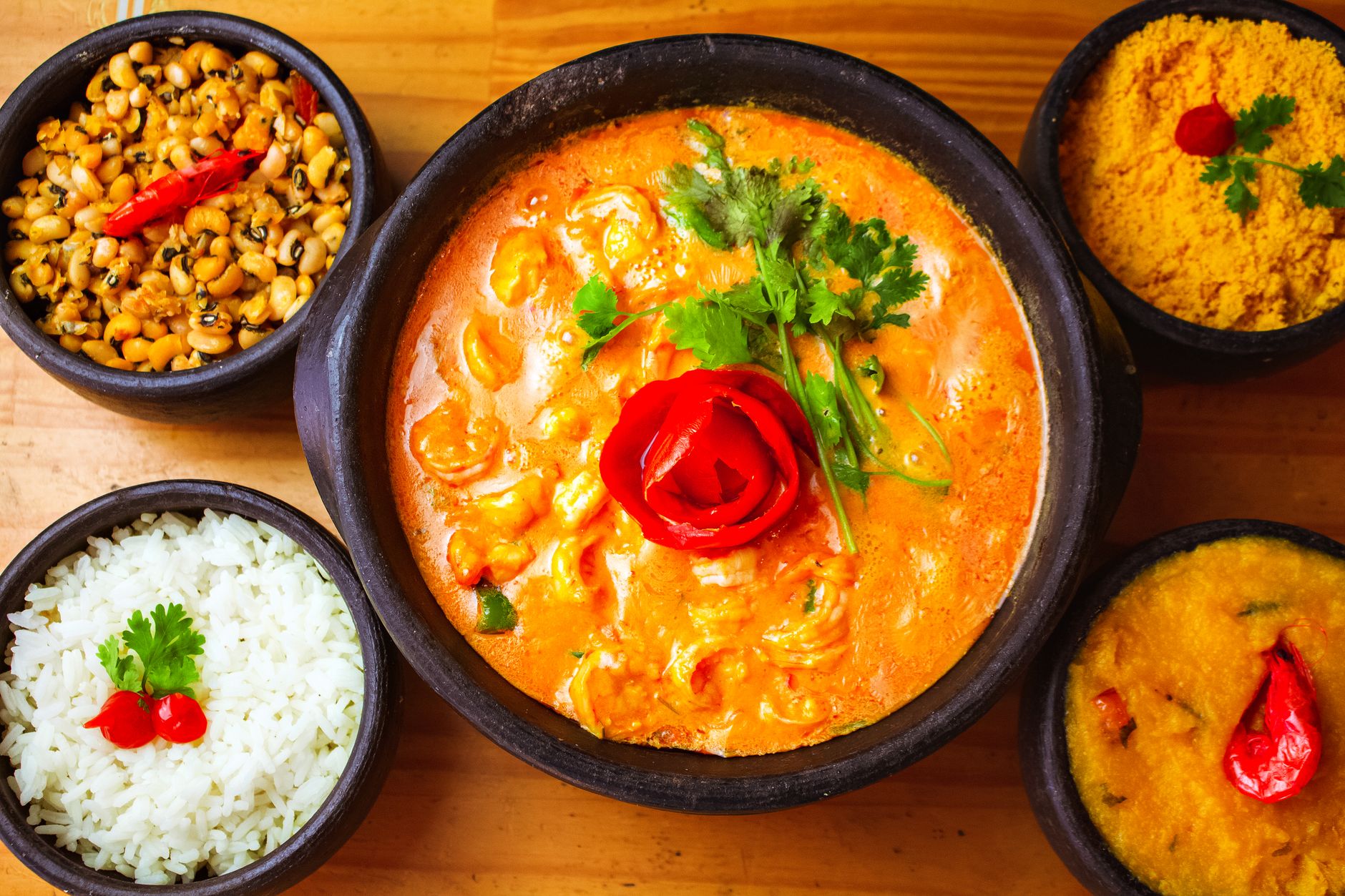
## **Can You Eat Paneer and Dalia During Pregnancy? Nutritionist-Approved Indian Diet Tips**
Paneer and dalia are staples in Indian households, but are they safe and nutritious during pregnancy? The answer is a resounding yes—with some smart tweaks.
### **Paneer During Pregnancy**
Paneer is a fantastic source of **calcium, protein, and probiotics** (if made from curd). Here’s how to enjoy it safely:
- **Choose low-fat paneer** to reduce saturated fat intake.
- **Cook it thoroughly** to avoid any risk of foodborne illness.
- **Pair with vitamin C** (like lemon or amla) to boost iron absorption if eating with dal.
- **Avoid paneer tikka or heavily spiced dishes** if you’re sensitive to heat.
**Best Ways to Eat Paneer:**
- Palak paneer (lightly cooked with spinach and minimal oil).
- Paneer tikka (baked, not fried) with mint chutney.
- Paneer sandwich (whole grain bread, grilled paneer, and veggies).
### **Dalia During Pregnancy**
Dalia (broken wheat) is a **gentle, fiber-rich, and nutrient-dense** option, especially in the first trimester when digestion can be delicate.
- **Cook it with turmeric and ghee** for easy digestion.
- **Add grated veggies** like carrots, beans, or pumpkin for extra nutrients.
- **Avoid adding too much sugar**—use a drizzle of honey or jaggery instead.
**Best Ways to Eat Dalia:**
- Dalia khichdi with moong dal and ghee.
- Dalia upma with sautéed veggies.
- Dalia porridge with nuts and seeds for breakfast.
### **Nutritionist-Approved Tips**
- **For paneer:** Opt for homemade or store-bought paneer labeled "pasteurized."
- **For dalia:** Soak dalia for 30 minutes before cooking to reduce phytic acid (which can inhibit iron absorption).
- **Combine with iron-rich foods** like lentils or spinach to maximize benefits.
---
 ---
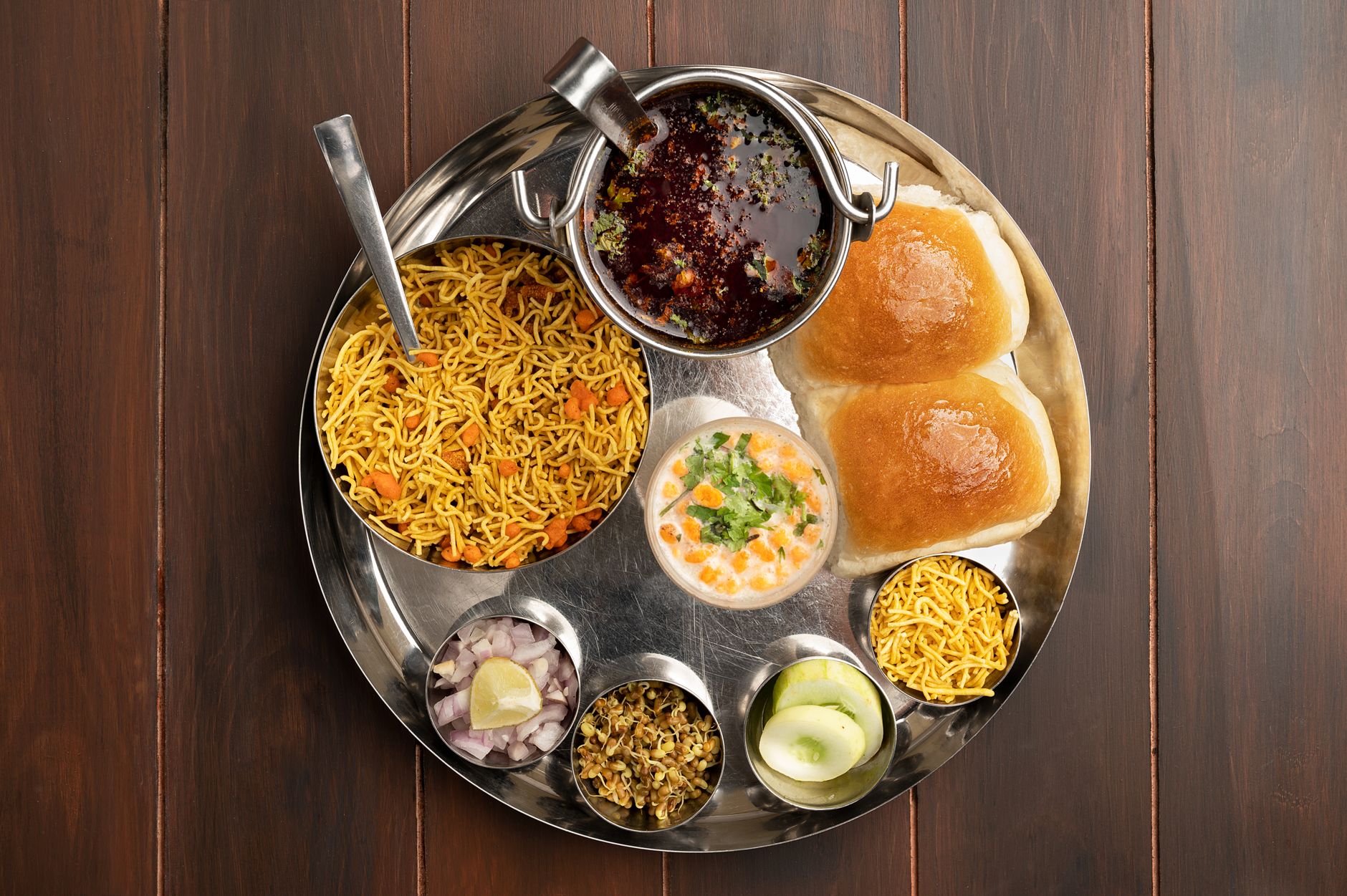
## **How to Modify a Typical Indian Thali for Pregnancy: Protein, Fiber, and Hydration Focus**
An Indian thali is a balanced meal, but pregnancy calls for some adjustments to ensure you’re getting enough **protein, fiber, and hydration** while avoiding excess oil or salt.
### **The Pregnancy-Friendly Thali Breakdown**
| Component | Traditional Choice | Pregnancy-Friendly Swap |
|-----------------|----------------------------------|--------------------------------------------------|
| **Main Grains** | White rice or naan | Brown rice, quinoa, or millet (bajra/jowar) |
| **Protein** | Fried fish or paneer tikka | Grilled fish, boiled eggs, or tofu |
| **Dal** | Red lentil dal with ghee | Moong dal or masoor dal (easier to digest) |
| **Vegetables** | Fried sabzi (with lots of oil) | Steamed or lightly sautéed veggies (bhindi, gobi) |
| **Side Dish** | Papad or chips | Roasted chana or sprouted salad |
| **Beverage** | Nimbu pani (sugary) | Coconut water or herbal tea (jasmine + ginger) |
### **How to Make It More Nutrient-Dense**
1. **Boost Protein:**
- Add a side of sprouted moong or rajma (kidney beans) to your dal.
- Include a small bowl of curd or a piece of grilled chicken.
2. **Increase Fiber:**
- Swap white rice for quinoa or brown rice.
- Add grated veggies like carrots or beans to your dal.
3. **Hydration Hacks:**
- Drink warm water with lemon or jeera (cumin) to aid digestion.
- Avoid sugary drinks—opt for fresh coconut water or herbal teas.
4. **Reduce Oil:**
- Use minimal oil for cooking and opt for healthier fats like ghee (in moderation).
- Skip deep-frying—steam or grill foods instead.
### **Sample Pregnancy Thali Menu**
- **Main:** Quinoa with steamed bhindi and gobi.
- **Protein:** Grilled salmon or boiled eggs.
- **Dal:** Moong dal with turmeric and minimal ghee.
- **Side:** Roasted chana with coriander.
- **Beverage:** Warm turmeric milk or coconut water.
---
 ---
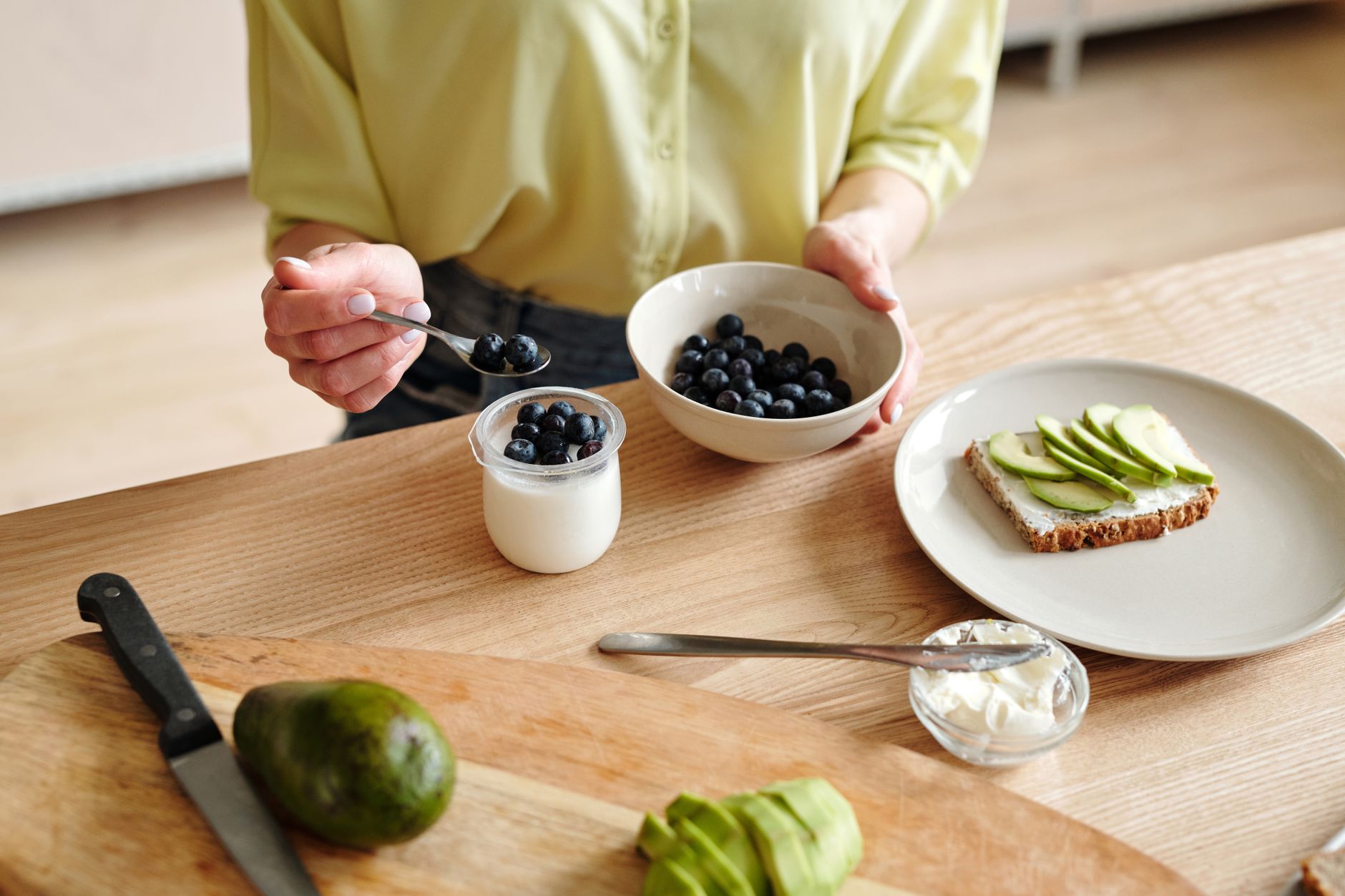
## **Indian Diet for Pregnancy Weight Gain: How Much Is Healthy and What Foods Help?**
Gaining the right amount of weight during pregnancy is crucial for your baby’s health. The recommended weight gain varies based on your pre-pregnancy BMI, but here’s a general guideline:
### **Recommended Weight Gain by BMI Category**
| Pre-Pregnancy BMI | Recommended Weight Gain (kg) | Notes |
|-------------------|-----------------------------|----------------------------------------|
| Underweight (<18.5) | 12.5–18 | Extra weight supports baby’s growth. |
| Normal (18.5–24.9) | 11.5–16 | Balanced gain for healthy pregnancy. |
| Overweight (25–29.9) | 7–11.5 | Slower gain to manage risks. |
| Obese (≥30) | 5–9 | Monitor closely with provider. |
### **How Indian Foods Can Help Achieve Healthy Weight Gain**
1. **Calorie-Dense, Nutrient-Rich Foods:**
- **Paneer:** High in protein and calcium. Add to curries or make paneer bhurji.
- **Nuts and Seeds:** Almonds, cashews, and flaxseeds are packed with healthy fats and calories.
- **Ghee:** Use sparingly in cooking for extra calories (but avoid excessive intake).
2. **High-Protein Foods:**
- Lentils (dal), eggs, fish, and chicken help build your baby’s tissues.
3. **Healthy Carbs:**
- Whole grains like quinoa, brown rice, and millets provide sustained energy.
4. **Hydration and Portion Control:**
- Drink plenty of water, but don’t mistake thirst for hunger.
- Use smaller plates to control portions and avoid overeating.
### **Foods to Avoid for Excessive Weight Gain**
- Sugary snacks (laddoos, jalebi).
- Deep-fried items (samosas, pakoras).
- Excessive ghee or oil in cooking.
- Carbonated drinks or sugary beverages.
---
 ---
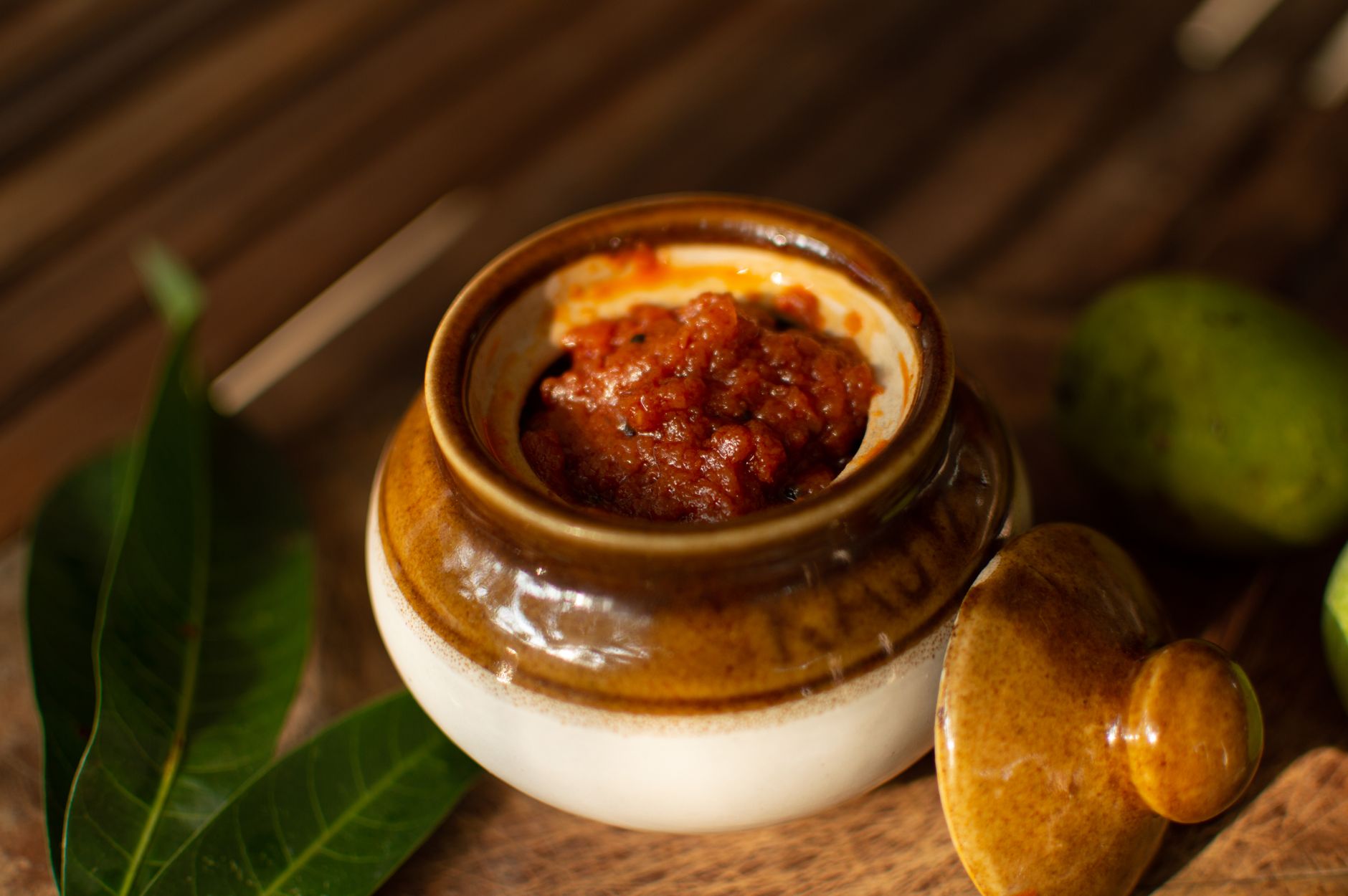
## **Are Indian Pickles Safe During Pregnancy? Risks and Alternatives for Expectant Mothers**
Indian pickles (*achar*) are a beloved condiment, but are they safe during pregnancy? The short answer is caution advised. Here’s what you need to know.
### **Risks of Indian Pickles During Pregnancy**
1. **High Salt Content:**
- Excessive salt can lead to water retention, high blood pressure, and edema.
- Limit pickles to small portions (1–2 tbsp) and rinse them if possible.
2. **Preservatives and Additives:**
- Some pickles contain artificial preservatives or excessive spices that may not be safe in large amounts.
3. **Raw Ingredients:**
- If pickles are made with raw ingredients (like raw onions or garlic), they may carry a risk of foodborne illness.
4. **Acidity:**
- Highly acidic pickles can cause heartburn or discomfort, especially in the third trimester.
### **Safer Alternatives**
- **Homemade Pickles:** Make your own with minimal salt and vinegar (avoid raw ingredients).
- **Fermented Pickles:** Probiotic-rich options like *mango achar* (store-bought, pasteurized) can be safe in moderation.
- **Fresh Herbs:** Use fresh coriander, mint, or lemon instead of pickles for flavor.
### **How to Enjoy Pickles Safely**
- **Limit portions:** Stick to 1–2 tbsp per meal.
- **Rinse them:** Reduces salt content slightly.
- **Choose pasteurized options:** If buying from a store, opt for brands that specify pasteurization.
- **Avoid during meals:** Eat pickles as a side or with other foods to dilute the salt content.
---
 ---
## **How to Prepare Nutritious Indian Idli and Dosa for Pregnancy Without Excess Oil?**
Idli and dosa are staples of South Indian cuisine, but they’re often fried or cooked with excessive oil. Here’s how to make them healthier for pregnancy while keeping them delicious.
### **Nutritious Idli and Dosa Tips**
1. **Use Whole Grains:**
- Replace white rice with brown rice or millet (bajra/jowar).
- Add moong dal or chana dal to the batter for extra protein.
2. **Reduce Oil:**
- **For idli:** Use a steamer instead of deep-frying. Lightly grease the idli mold with ghee or oil.
- **For dosa:** Use minimal oil (1 tsp per dosa) and cook on medium heat.
3. **Add Veggies:**
- Grate carrots, beans, or spinach into the batter for extra nutrients.
- Top with sautéed veggies instead of heavy chutneys.
4. **Healthy Chutneys:**
- Use coconut chutney (blend coconut, coriander, and lemon).
- Mint-coriander chutney (no oil, just herbs and lemon).
### **Sample Recipe: Moong Dal Idli with Spinach**
- **Batter:** Soak moong dal and brown rice overnight. Grind with water, turmeric, and a pinch of salt. Add grated spinach.
- **Steaming:** Pour into idli molds and steam for 8–10 minutes.
- **Serving:** Top with coconut chutney and a side of curd.
### **Sample Recipe: Whole Wheat Dosa with Veggies**
- **Batter:** Mix whole wheat flour, moong dal, and water. Let it ferment overnight.
- **Cooking:** Spread a thin layer on a hot tawa, add grated carrots and beans, and cover with a lid. Cook with minimal oil.
- **Serving:** Serve with sambar (low-sodium) and mint chutney.
---
 ---
## **Indian Diet for Pregnancy Constipation: Foods That Help and Those to Avoid**
Constipation is a common issue during pregnancy, and diet plays a huge role in managing it. Indian foods can be both a blessing and a curse—some are constipation-friendly, while others worsen the problem.
### **Foods That Help Relieve Constipation**
1. **High-Fiber Foods:**
- **Whole grains:** Quinoa, brown rice, millets, and whole wheat.
- **Legumes:** Moong dal, masoor dal, and sprouted beans.
- **Veggies:** Spinach, bottle gourd (lauki), and grated carrots.
- **Fruits:** Prunes, papaya (cooked), and figs.
2. **Hydration Boosters:**
- Warm water with lemon or jeera (cumin).
- Coconut water or herbal teas (jasmine + ginger).
3. **Fermented Foods:**
- Curd, dosa, and idli (probiotics aid digestion).
### **Foods to Avoid or Limit**
- **Low-fiber foods:** White rice, maida (refined flour), and deep-fried snacks.
- **Dairy-heavy meals:** Excessive paneer or cheese can be hard to digest.
- **Spicy or oily foods:** Can irritate the digestive tract.
- **Processed snacks:** Chips, packaged sweets, and sugary drinks.
### **Sample Constipation-Friendly Meal Plan**
- **Breakfast:** Oats with flaxseeds, grated carrots, and a glass of warm water with lemon.
- **Lunch:** Quinoa with sprouted moong salad and steamed bhindi.
- **Dinner:** Dalia khichdi with turmeric and a side of papaya (cooked).
- **Snacks:** Roasted chana, prunes, or a small bowl of curd.
---
 ---
## **Best Indian Snacks for Pregnancy Cravings That Are Also Healthy and Nutritious**
Pregnancy cravings are real—and satisfying them doesn’t mean you have to reach for junk food. Here are some **nutritious Indian snacks** that hit the spot while keeping you and your baby healthy.
### **Healthy Snack Swaps**
| **Craving** | **Unhealthy Choice** | **Healthy Swap** |
|---------------------------|---------------------------|------------------------------------------|
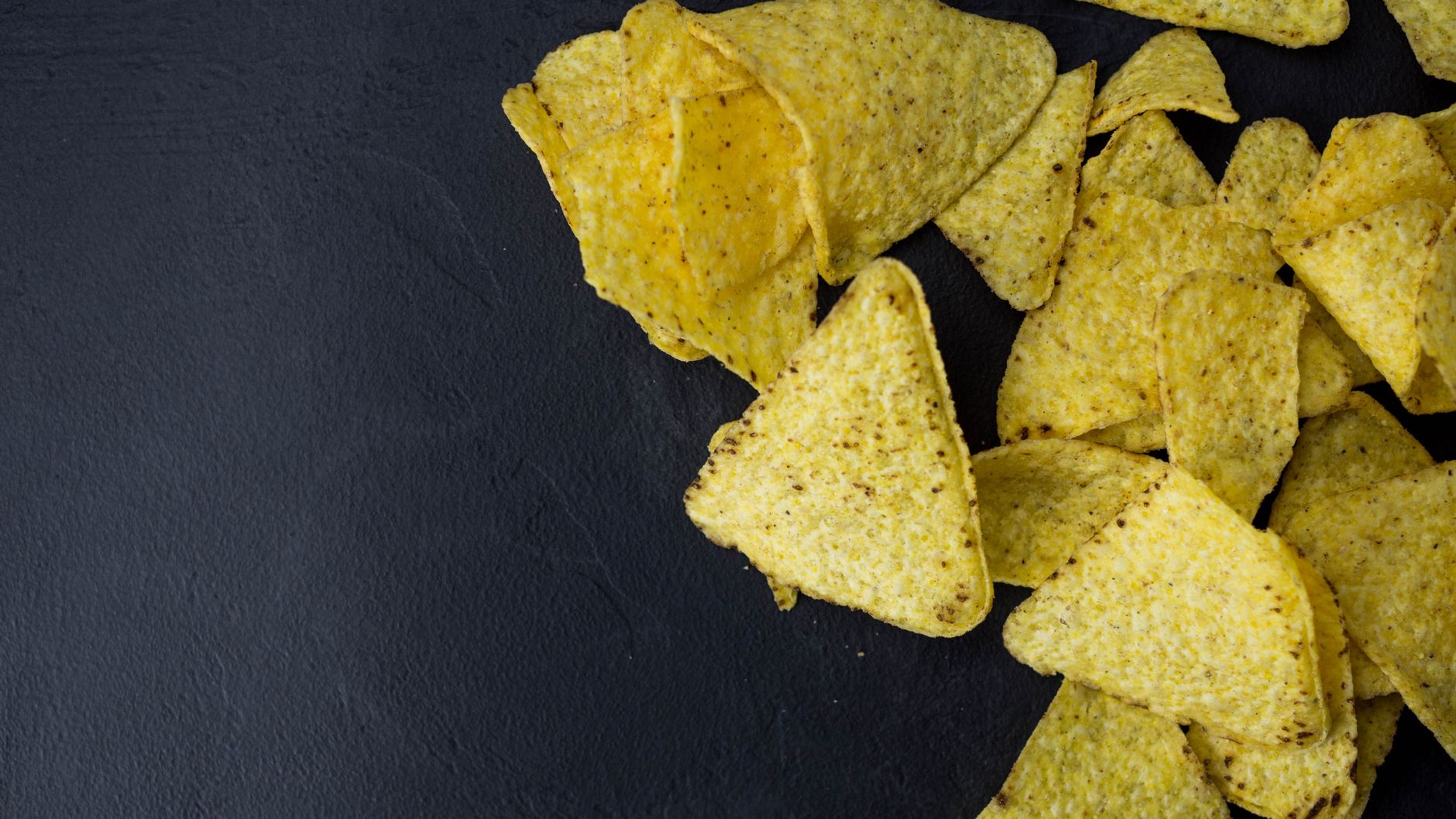
| Salty | Packaged chips | Roasted chana or makhana (fox nuts) |
| Sweet | Laddoos or jalebi | Fresh fruit (mango, banana) or jaggery |
| Crunchy | Samosas or pakoras | Baked papad or roasted makhana |
| Creamy | Ice cream | Kheer (made with skim milk and nuts) |
| Spicy | Chaat (heavy on oil) | Spicy roasted peanuts or papad |
### **Top 5 Healthy Indian Snacks**
1. **Roasted Chana (Chickpeas):**
- Toss chickpeas with turmeric, cumin, and a pinch of salt. Roast until crispy. Packed with fiber and protein.
2. **Makhana (Fox Nuts):**
- Light, crunchy, and rich in magnesium. Boil makhana with a pinch of salt and roast lightly.
3. **Fresh Fruit with Chia Seeds:**
- Mango or banana slices topped with chia seeds and a drizzle of honey.
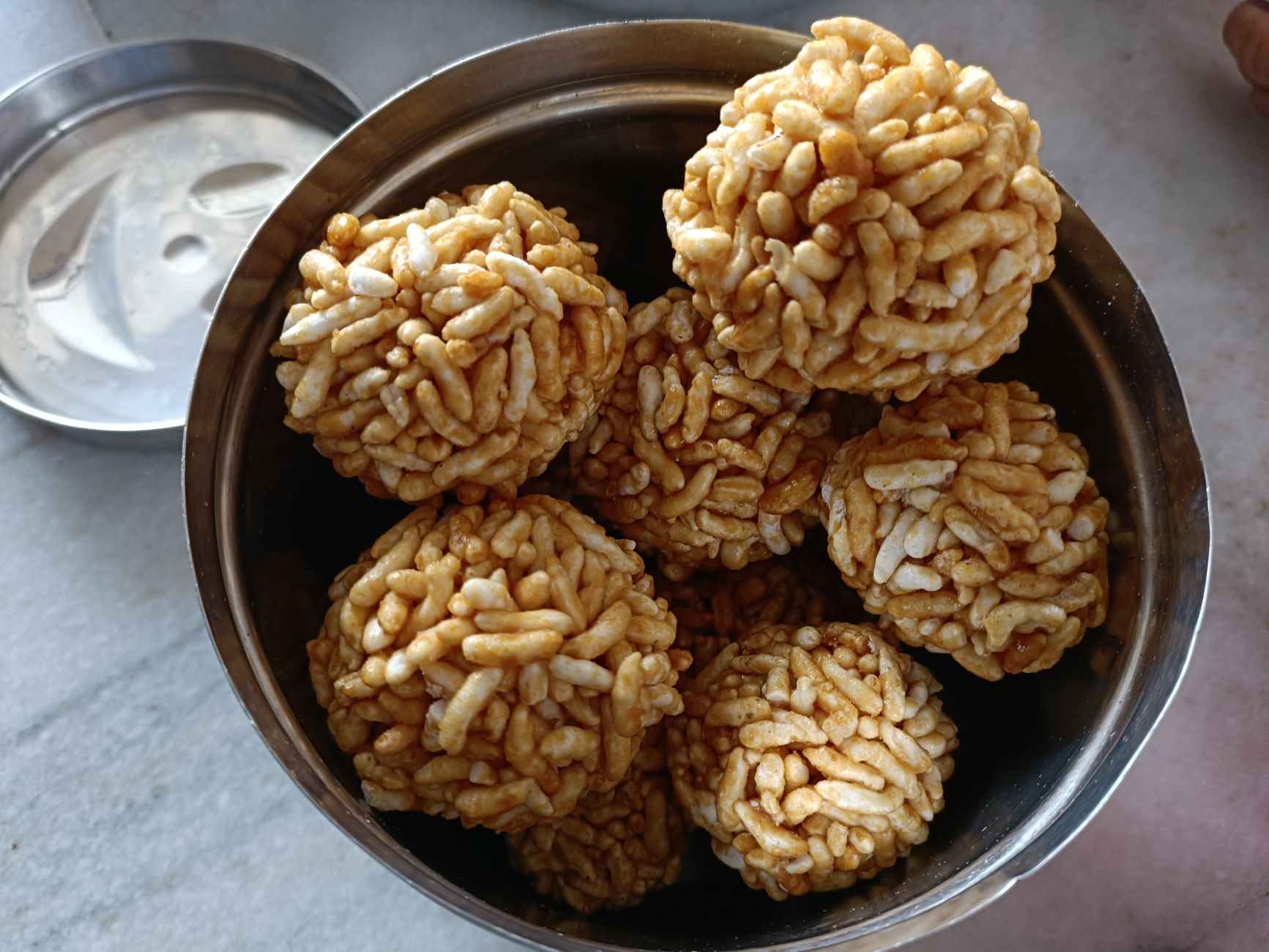
4. **Besan Ladoo (Makes 4):**
- Mix roasted besan (chickpea flour) with jaggery and ghee. Shape into laddoos. High in protein and fiber.
5. **Curd with Herbs:**
- Mix curd with roasted cumin, chaat masala, and a pinch of black pepper. Refreshing and probiotic-rich.
---
 ---
## **How to Ensure Adequate Iron Intake with an Indian Diet During Pregnancy?**
Iron deficiency is common during pregnancy, and an Indian diet can be a great source of iron—if you know where to look. Here’s how to get enough iron safely.
### **Iron-Rich Indian Foods**
1. **Lentils and Beans:**
- Moong dal, masoor dal, and rajma are excellent sources of iron.
- Pair with vitamin C (like lemon or amla) to boost absorption.
2. **Leafy Greens:**
- Spinach (*palak*), fenugreek (*methi*), and amaranth leaves are iron-rich.
3. **Meat and Fish:**
- Chicken liver, mutton, and fish (like salmon) are high in iron.
4. **Nuts and Seeds:**
- Pumpkin seeds, cashews, and sesame seeds (til) are great additions.
### **How to Maximize Iron Absorption**
- **Combine iron-rich foods with vitamin C:** Add lemon juice to dal or eat spinach with amla chutney.
- **Avoid tea/coffee with meals:** Tannins in tea/coffee inhibit iron absorption. Wait 1–2 hours after meals.
- **Cook in iron pots:** If possible, use cast-iron or stainless-steel pots for cooking.
### **Sample Iron-Boosting Meal Plan**
- **Breakfast:** Moong dal chilla with spinach and lemon juice.
- **Lunch:** Rajma chawal with sautéed amaranth leaves.
- **Dinner:** Chicken curry with palak paneer and a side of roasted pumpkin seeds.
- **Snacks:** Fresh fruit (guava is high in vitamin C) or a handful of cashews.
---
 ---
## **Myth vs. Fact: Debunking Common Indian Diet Myths During Pregnancy**
Myths about pregnancy diets can lead to confusion. Here’s the truth behind some common beliefs:
### **Myth 1: "You should eat for two."**
Fact: While your calorie needs increase slightly, you don’t need to double your portions. Focus on nutrient-dense foods rather than quantity. The extra calories should come from healthy fats, proteins, and complex carbs.
### **Myth 2: "Avoid all spices during pregnancy."**
Fact: Most spices are safe in moderation. Avoid raw papaya leaves or excessive black pepper, but turmeric, cumin, and ginger are generally fine. If you’re sensitive to heat, adjust to your comfort level.
### **Myth 3: "You can’t eat raw papaya during pregnancy."**
Fact: Raw papaya (especially the leaves or unripe fruit) can stimulate contractions and should be avoided. However, cooked papaya (like papaya salad) is safe and rich in vitamin A.
### **Myth 4: "Dairy is mandatory for calcium."**
Fact: While dairy is a great source of calcium, you can also get it from fortified plant-based milks, almonds, or leafy greens (like palak). If you’re lactose intolerant, opt for alternatives.
### **Myth 5: "Pickles are harmless in small amounts."**
Fact: While small portions may be okay, excessive salt in pickles can lead to water retention and high blood pressure. Choose low-sodium options or make your own with minimal salt.
---
 ---
## **Key Takeaways: Indian Diet During Pregnancy**
Here’s a quick recap to keep in mind as you plan your meals:
- **Prioritize protein, fiber, and hydration** in every meal.
- **Adjust spices** to avoid discomfort—turmeric, cumin, and ginger are pregnancy-friendly.
- **Swap fried for steamed/grilled** to reduce oil intake.
- **Include iron-rich foods** like lentils, leafy greens, and meat, and pair them with vitamin C.
- **Limit salt, sugar, and processed foods** to avoid excess weight gain or constipation.
- **Stay hydrated** with water, herbal teas, or coconut water.
- **Listen to your body**—if a food disagrees with you, skip it and try alternatives.
---
## **Frequently Asked Questions**
### **Is it safe to eat raw papaya during pregnancy in an Indian diet?**
No, raw papaya (especially the leaves or unripe fruit) can stimulate uterine contractions and should be avoided. However, cooked papaya (like papaya salad) is safe and a great source of vitamin A. Always consult your provider if you’re unsure.
### **What are the best Indian foods to avoid during the


