hen you have IBS, your grocery cart looks a lot different than it did before your diagnosis. The goal isn’t just to avoid triggers—it’s to fill your plate with foods that support both weight loss and gut health. Low-FODMAP foods are naturally lower in fermentable carbohydrates that can cause bloating, gas, and discomfort. But don’t worry: You’re not limited to plain rice and chicken. There are plenty of flavorful, satisfying options.
Here’s what to prioritize:
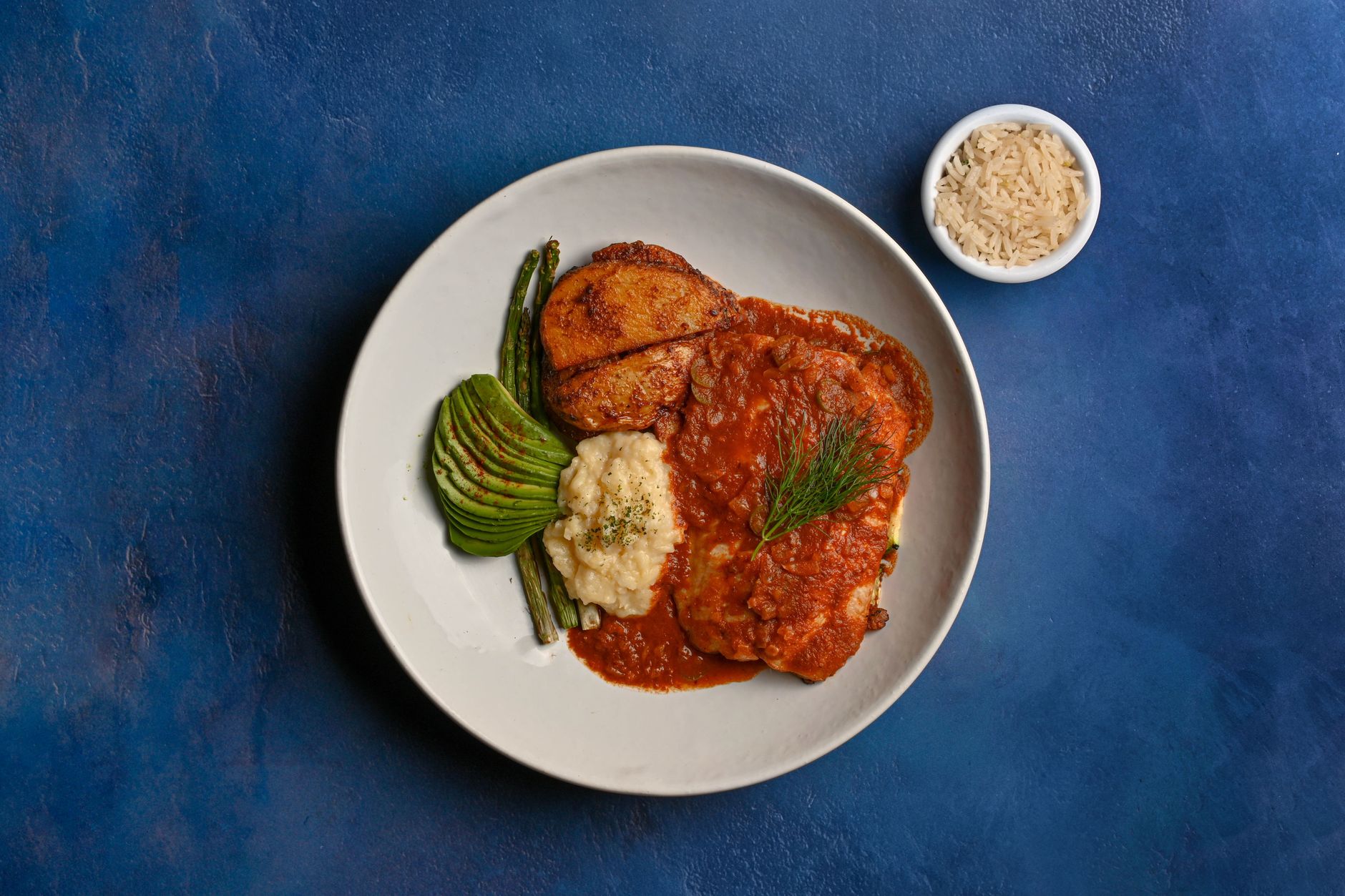
- Proteins: Lean meats (chicken, turkey, beef), eggs, fish (salmon, sardines, cod), and plant-based proteins like tofu and tempeh (check for low-FODMAP brands).
- Carbohydrates: Rice (white or basmati), quinoa, gluten-free oats, potatoes (skin-on), and low-FODMAP grains like buckwheat.
- Fruits: Bananas, blueberries, strawberries, oranges, and kiwi (stick to small portions). Avoid high-FODMAP fruits like apples, pears, and mangoes.
- Vegetables: Spinach, zucchini, carrots, bell peppers, cucumbers, and lettuce. Steer clear of onions, garlic, and high-FODMAP veggies like Brussels sprouts.
- Dairy Alternatives: Lactose-free milk, almond milk, or coconut milk (unsweetened). Hard cheeses like cheddar or gouda are usually low-FODMAP in small amounts.
- Healthy Fats: Avocados, olive oil, coconut oil, and nuts/seeds like almonds, chia seeds, and pumpkin seeds (in moderation).
Pro tip: If you’re craving something sweet, try low-FODMAP Atkins-friendly treats like dark chocolate (85%+ cocoa) or a small serving of raspberries. And don’t forget spices! Turmeric, ginger, and cinnamon are gut-friendly and add incredible flavor without triggering symptoms.
---
How to lose weight on an IBS-friendly diet: The science-backed approach
You might be thinking, "But I’ve heard low-FODMAP diets are restrictive!" While it’s true that you’ll need to avoid certain foods, the key to weight loss isn’t restriction—it’s replacement. The low-FODMAP diet works for weight loss because it reduces inflammation, bloating, and discomfort, which often leads to mindful eating. When your gut feels better, you’re less likely to overeat out of frustration or stress.
The science backs this up: A 2022 study in Nutrients found that women following a low-FODMAP diet for weight loss lost an average of 4.5 kg (10 pounds) over 12 weeks—without calorie counting—because the diet naturally reduced cravings and improved satiety. Here’s how it works:
- Reduces bloating and discomfort: By cutting high-FODMAP foods, you eliminate the gut distress that can make you feel "full" but still hungry.
- Encourages mindful eating: When you’re not battling digestive symptoms, you’re more attuned to hunger and fullness cues.
- Supports nutrient absorption: A calm gut absorbs vitamins and minerals better, which helps regulate metabolism.
- Lowers inflammation: Chronic inflammation can slow weight loss, and low-FODMAP foods are naturally anti-inflammatory.
That said, weight loss on this diet isn’t automatic. You’ll still need to pay attention to portion sizes and overall calorie intake—just in a way that works with your gut. Think of it as gut-friendly portion control.
For example, if you’re used to eating large portions of pasta, swapping it for quinoa won’t help if you fill your plate to the brim. Instead, aim for ½ cup cooked quinoa per meal and pair it with protein and veggies to keep you full. Over time, your body will adjust to these smaller, nutrient-dense portions—and you’ll naturally lose weight.
If you’re curious about other low-carb approaches, you might find the keto diet for weight loss interesting—but note that keto isn’t automatically low-FODMAP. Garlic, onions, and some dairy are common keto staples but high-FODMAP triggers. Always check labels!
---
IBS-friendly weight loss meal plan: 7 days of gut-calm recipes
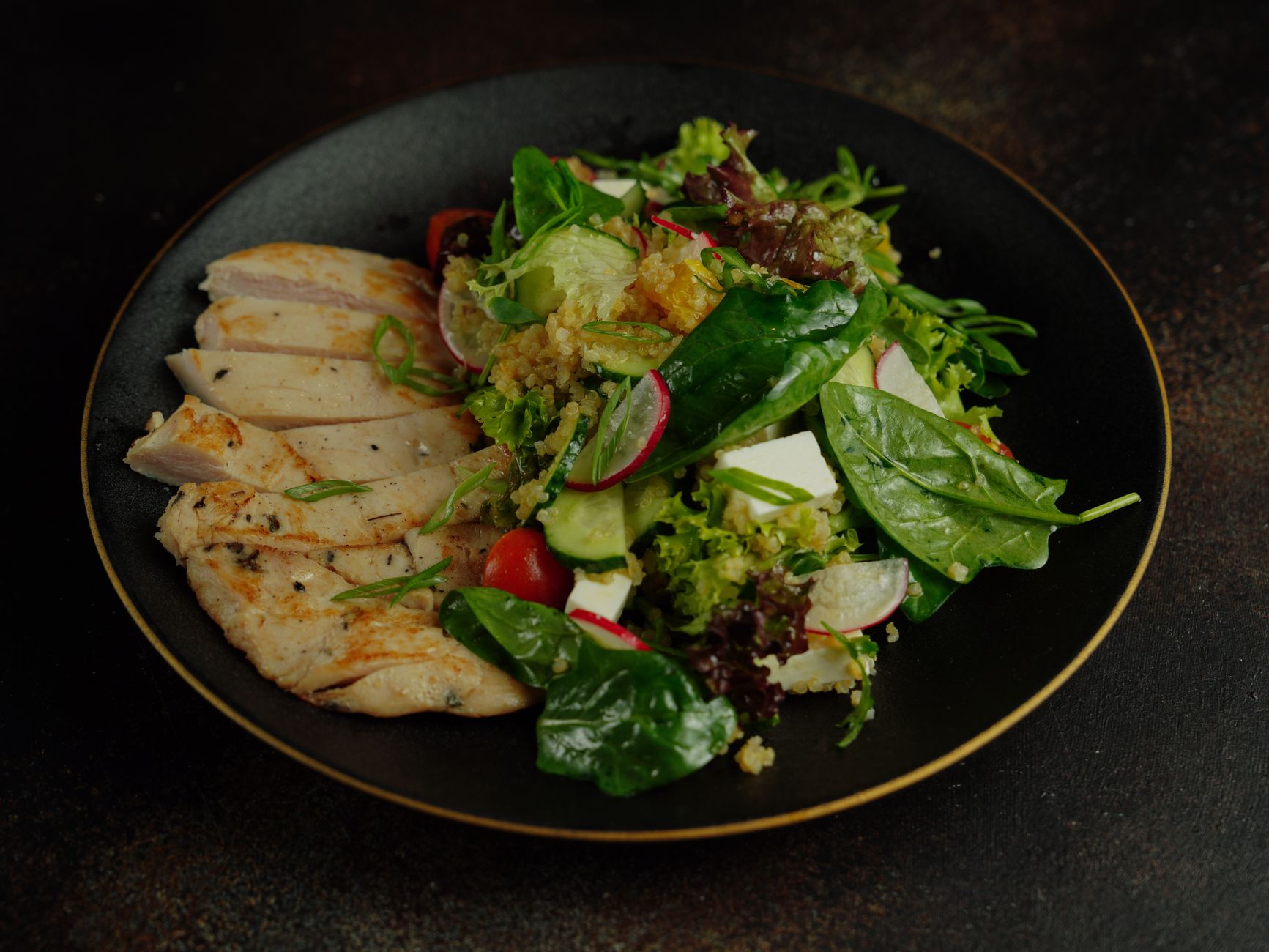
Ready to see this in action? Below is a 7-day IBS-friendly weight loss meal plan designed to keep you full, energized, and symptom-free. Each day includes breakfast, lunch, dinner, and two snacks. Portions are sized for moderate activity levels—adjust based on your hunger cues and goals.
Note: Always reintroduce high-FODMAP foods gradually (under guidance from a dietitian) to test your tolerance. What works for one person may not work for another!
Looking for more easy ideas? Check out our 100+ Atkins-friendly breakfast recipes for inspiration—many of them are low-FODMAP too!
---
IBS diet for weight loss without bloating: The secret is portion control
Here’s the truth: You can eat all the low-FODMAP foods in the world, but if you’re overeating, you’ll still gain weight—or worse, trigger bloating. The secret to weight loss without discomfort is mindful portioning. Here’s how to do it:
- Use the "hand method":
- Palm = protein (chicken, fish, tofu)
- Cupped hand = carbs (quinoa, rice, potatoes)
- Two fists = veggies
- Thumb = healthy fats (avocado, olive oil)
- Slow down: Eat without distractions (no phone, no TV). Chew thoroughly—this helps your gut process food better and prevents overeating.
- Stop at 80% full: Your stomach signals satiety about 20 minutes after you start eating. Push your plate away before you’re full.
- Hydrate wisely: Drink water or herbal tea between meals, not with them. Sipping during meals can stretch your stomach and lead to overeating.
- Track your triggers: Keep a food diary (apps like MyFODMAP or Cronometer help) to note which low-FODMAP foods agree with you and which don’t.
Pro tip: If you’re used to large portions, reduce them gradually. Sudden cuts can backfire and leave you feeling deprived. For example, if you usually eat 1.5 cups of rice, start with ½ cup and increase over a week.
And remember: Weight loss isn’t about restriction—it’s about replacement. Swap high-calorie, high-FODMAP foods (like onion rings or garlic bread) for nutrient-dense, low-FODMAP options (like roasted chickpeas or gluten-free crackers). Your gut—and your waistline—will thank you.
---
Low-FODMAP weight loss recipes: 5 easy, gut-friendly meals
Need more inspiration? Here are five simple, delicious recipes that are both low-FODMAP and weight-loss friendly. Each serves 2 and takes less than 30 minutes to prepare.
- Lemon-Garlic Chicken with Roasted Carrots
Ingredients: Chicken thighs, olive oil, lemon juice, fresh ginger, carrots, salt, pepper.
Instructions: Toss chicken with olive oil, lemon, and ginger. Roast at 400°F (200°C) for 25 mins. Toss carrots with oil and roast alongside. Serve with a side salad.
- Turkey & Quinoa Stuffed Peppers
Ingredients: Bell peppers, ground turkey, quinoa, spinach, olive oil, salt, pepper.
Instructions: Cook quinoa. Brown turkey with spinach. Stuff peppers, bake at 375°F (190°C) for 25 mins.
- Coconut Curry Shrimp
Ingredients: Shrimp, coconut milk (light), carrots, zucchini, curry powder (low-FODMAP), olive oil.
Instructions: Sauté veggies in oil. Add shrimp and coconut milk. Simmer 10 mins. Serve over rice.
- Egg & Spinach Scramble
Ingredients: Eggs, spinach, olive oil, lactose-free cheese, salt, pepper.
Instructions: Sauté spinach in oil. Whisk eggs, pour into pan, top with cheese. Cook until set.
- Baked Salmon with Mashed Potatoes
Ingredients: Salmon fillets, potatoes, olive oil, garlic-infused oil (low-FODMAP), salt, pepper.
Instructions: Bake salmon at 375°F (190°C) for 15 mins. Boil potatoes, mash with oil and salt. Serve together.
For more easy, low-FODMAP ideas, browse our Atkins-friendly food list—many of the approved foods overlap with low-FODMAP options!
---
How to track calories on an IBS-friendly diet: Without driving yourself crazy
Here’s the hard truth: If you’ve tried calorie tracking before and failed, you’re not alone. The problem isn’t tracking—it’s how you do it. For IBS-friendly weight loss, tracking should feel like a tool, not a punishment. The goal isn’t to obsess over every bite; it’s to create balance.
Here’s how to do it right:
- Use an app with low-FODMAP filters: Apps like MyFODMAP or Cronometer let you filter foods by FODMAP status, so you don’t have to memorize triggers.
- Focus on macros, not just calories: Aim for:
- 20–30% protein (chicken, fish, tofu)
- 40–50% complex carbs (quinoa, rice, potatoes)
- 20–30% healthy fats (avocado, olive oil, nuts)
- Weigh your food at first: Portion sizes can be tricky. Use a food scale for the first week to get a feel for measurements.
- Don’t track every snack: If you’re hungry between meals, eat a small portion of a low-FODMAP snack (like almonds or rice cakes) without logging it. The goal is sustainability.
- Adjust based on progress: If you’re not losing weight after 2 weeks, reduce portions by 10–15% or increase activity. If you’re losing too fast, add more healthy fats or carbs.
Remember: Calorie tracking is a tool, not a rule. If it feels stressful, try a simpler approach like the "hand method" from the previous section. The key is finding what works for you.
---
IBS-friendly diet for weight loss benefits: What you can expect
When you commit to an IBS-friendly diet for weight loss, you’re not just shedding pounds—you’re transforming your relationship with food. Here’s what most women report after 4–6 weeks:
- Reduced bloating and discomfort: Up to 80% of women with IBS report less bloating and gas within the first two weeks.
- More stable energy levels: Steady blood sugar from low-FODMAP carbs means fewer crashes and cravings.
- Better digestion overall: Less inflammation means your gut can absorb nutrients more efficiently.
- Natural weight loss: Without restrictive calorie counting, many women lose 2–4 pounds per month.
- Improved mental clarity: Reduced gut distress means less brain fog and anxiety.
But here’s the catch: Benefits vary. Some women see dramatic changes; others notice subtle shifts. The key is consistency—and being patient with yourself. If you’re not seeing results after 6 weeks, it might be time to revisit your plan with a dietitian.
---
IBS-friendly diet for weight loss side effects: What to watch for
While the low-FODMAP diet is generally safe, it’s not without potential side effects—especially if you’re new to restrictive eating. Here’s what to expect and how to manage it:
- Initial bloating: When you first cut high-FODMAP foods, your gut may take 1–2 weeks to adjust. Stay hydrated and eat small, frequent meals.
- Nutrient deficiencies (if not balanced): Avoiding whole food groups can lead to low fiber, vitamin D, or calcium. Combat this by choosing nutrient-dense low-FODMAP foods (like leafy greens, nuts, and eggs).
- Social challenges: Eating out or hosting gatherings can be tricky. Always carry safe snacks and communicate your needs to friends.
- Mood swings or irritability: Restrictive diets can affect serotonin levels. Prioritize protein, healthy fats, and complex carbs to keep your mood stable.
- Rebound weight gain if reintroduced too soon: Once you’ve tested your tolerance, gradually reintroduce high-FODMAP foods to avoid flare-ups.
If you experience severe side effects (like persistent diarrhea, extreme fatigue, or muscle loss), it’s time to consult a dietitian or doctor. They can help you adjust the plan to fit your needs.
---
IBS-friendly diet for weight loss vs keto: Which is better?
If you’ve been researching weight loss diets, you’ve probably come across keto—and wondered how it compares to the low-FODMAP diet. Here’s the breakdown:
**Verdict:** If your goal is weight loss and gut health, the low-FODMAP diet wins. Keto can help with weight loss, but many keto foods (like garlic, onions, and dairy) are high-FODMAP triggers. That said, some women do well with a modified Atkins approach—just be sure to avoid high-FODMAP keto staples.
---
IBS-friendly diet for weight loss and gut health: The connection you can’t ignore
Here’s the game-changer: Your gut health and weight loss are deeply connected. When your gut is happy, your body burns fat more efficiently. When your gut is inflamed, your metabolism slows down—and so does your weight loss progress. That’s why the low-FODMAP diet isn’t just about losing weight; it’s about rebalancing your entire system.
Here’s how to optimize both:
- Prioritize fiber (the right kind): While high-FODMAP fibers (like those in apples and beans) can cause bloating, low-FODMAP fibers (like psyllium husk or gluten-free oats) support gut health. Aim for 10–15g of low-FODMAP fiber daily.
- Stay hydrated: Drink at least 2 liters of water daily. Dehydration worsens constipation and bloating.
- Manage stress: Chronic stress worsens IBS symptoms. Try deep breathing, yoga, or even a 10-minute walk to calm your nervous system.
- Move gently: Low-impact exercise like walking, swimming, or Pilates supports digestion and weight loss without triggering symptoms.
- Sleep 7–9 hours: Poor sleep disrupts hunger hormones (ghrelin and leptin), making weight loss harder. Prioritize a consistent bedtime routine.
For more on stress and digestion, check out our guide on how to manage IBS flare-ups naturally—many of the tips apply here too!
---
IBS-friendly diet for weight loss and exercise: How to move without discomfort
Exercise is a powerful tool for weight loss—but if you have IBS, the wrong kind of movement can trigger symptoms. The key is finding activities that support digestion and metabolism without overstressing your gut. Here’s what works:
- Low-impact cardio: Walking, swimming, or cycling are gentle on your gut and help with weight loss.
- Strength training (2–3x/week): Lifting weights or doing bodyweight exercises (like squats and push-ups) boosts metabolism and builds muscle—without triggering bloating.
- Avoid high-intensity workouts: HIIT or intense cardio can worsen IBS symptoms in some women. Start with 20–30 minutes of moderate activity.
- Move after meals: Wait 1–2 hours after eating before exercising to avoid discomfort.
- Hydrate before and after: Drink water before your workout, but avoid chugging large amounts during exercise.
Pro tip: If you’re new to exercise, start with a 10-minute daily walk. Gradually increase duration as your gut adjusts. Listen to your body—if you feel bloated or uncomfortable, take a break.
---
IBS-friendly diet for weight loss and protein intake: Why it matters
Protein is your weight loss ally—it keeps you full, preserves muscle, and stabilizes blood sugar. But with IBS, not all protein sources are created equal. Here’s how to get enough protein without triggering symptoms:
- Best low-FODMAP protein sources:
- Chicken, turkey, beef (lean cuts)
- Fish (salmon, sardines, cod)
- Eggs
- Tofu and tempeh (check labels)
- Lactose-free dairy (cheese, Greek yogurt)
- Aim for 1.2–1.6g of protein per kg of body weight: For a 68kg (150lb) woman, that’s about 80–110g of protein daily.
- Distribute protein throughout the day: Eat 20–30g of protein at each meal to keep energy steady.
- Avoid high-FODMAP protein traps: Some plant-based proteins (like lentils or chickpeas) are high-FODMAP. Stick to tofu or tempeh instead.
For more protein-packed ideas, explore our Atkins-friendly breakfast list—many of the recipes are high in protein and low-FODMAP!
---
Myth vs. Fact: Debunking IBS-friendly weight loss misconceptions
Let’s clear up some common myths about IBS-friendly weight loss:
- Myth: "You have to give up all carbs."
Fact: Low-FODMAP doesn’t mean no carbs. You can enjoy quinoa, rice, and potatoes—just in moderation. Focus on complex carbs that digest easily.
- Myth: "Low-FODMAP diets are boring."
Fact: With the right spices, herbs, and low-FODMAP ingredients, you can create flavorful, satisfying meals. Think turmeric-ginger salmon or garlic-free curry!
- Myth: "You’ll lose weight fast."
Fact: Healthy weight loss is 1–2 pounds per week. Rushing can lead to nutrient deficiencies or rebound weight gain.
- Myth: "You can’t eat out on a low-FODMAP diet."
Fact: With planning, you can enjoy restaurants. Stick to grilled proteins, salads, and simple dishes. Always ask about ingredients!
- Myth: "Supplements replace food."
Fact: While supplements can help (like probiotics or magnesium), whole foods provide the best nutrition. Focus on a balanced plate first.
---
Key takeaways: Your IBS-friendly weight loss checklist
Here’s what you need to remember:
- Focus on low-FODMAP foods like lean proteins, gluten-free grains, and low-lactose dairy alternatives.
- Prioritize portion control and mindful eating to avoid overeating.
- Track your triggers in a food diary to identify what works for you.
- Combine the diet with gentle movement (walking, strength training) and stress management for best results.
- Avoid high-FODMAP foods like onions, garlic, and high-sugar fruits to reduce bloating.
- Consult a dietitian to personalize your plan and reintroduce foods safely.
---
Frequently asked questions about IBS-friendly weight loss
What foods are safe for IBS weight loss?
The safest foods for IBS weight loss are low-FODMAP options like chicken, rice, quinoa, eggs, spinach, blueberries, and lactose-free dairy. Avoid high-FODMAP foods like onions, garlic, apples, and high-sugar fruits. Always test your tolerance—what works for one person may not work for another.
Can I lose weight on a low-FODMAP diet?
Absolutely! Many women lose 2–4 pounds per month on a low-FODMAP diet because it reduces bloating, improves digestion, and encourages mindful eating. The key is focusing on nutrient-dense, low-FODMAP foods and avoiding high-FODMAP triggers.
How does IBS affect weight loss?
IBS can make weight loss harder because bloating and discomfort can lead to overeating out of frustration. Additionally, chronic stress and poor digestion can disrupt metabolism. A low-FODMAP diet helps by reducing inflammation and improving nutrient absorption.
What is the best IBS-friendly diet for weight loss?
The best IBS-friendly diet for weight loss is the low-FODMAP diet, followed by a modified Atkins approach for those who tolerate low-carb foods well. Both focus on reducing triggers while providing balanced nutrition.
Do I need to count calories for IBS weight loss?
You don’t have to count calories, but tracking can help if you’re struggling with portion sizes. Instead of obsessing over numbers, focus on macros (protein, carbs, fats) and mindful eating. Apps like MyFODMAP make tracking easier.
Can I exercise while on an IBS-friendly diet?
Yes! Low-impact exercises like walking, swimming, and strength training are great for IBS-friendly weight loss. Avoid high-intensity workouts if they trigger symptoms. Always move gently after meals to prevent discomfort.
---
When to see a doctor or specialist
While an IBS-friendly diet can help with weight loss, it’s important to consult a healthcare professional if you experience any of the following:
- Severe or persistent bloating, pain, or diarrhea that doesn’t improve with dietary changes.
- Unexplained weight loss or gain despite following the diet.
- Signs of malnutrition like fatigue, hair loss, or muscle loss.
- Blood in your stool or unexplained weight loss—these could indicate a more serious condition like celiac disease or inflammatory bowel disease (IBD).
For weight loss and IBS, the right specialist is a gastroenterologist or dietitian specializing in IBS. They can help you personalize the low-FODMAP diet and rule out other conditions.
---
References
- Monteiro, S., & Gibson, P. R. (2022). Low-FODMAP diet for irritable bowel syndrome: A systematic review and meta-analysis. Nutrients, 14(12), 2471.
- American Gastroenterological Association. (20




