

Quick take: An IBS-friendly diet focuses on low-FODMAP foods to reduce bloating, gas, and pain. Start with easy staples like rice, quinoa, oats, and leafy greens, and gradually reintroduce tolerated foods. Always check labels for hidden high-FODMAP ingredients, and consider working with a dietitian to personalize your plan. If symptoms persist or worsen, consult your doctor to rule out other conditions.IBS-Friendly Diet Food List for Beginners: The Complete 2026 Guide
It was 2:17 a.m. when the bloating hit. Not the mild, post-lunch kind—this was a full-body pressure that made every step feel like wading through quicksand. I clutched my stomach, staring at my phone screen, willing the Google search results to offer a solution. "IBS-friendly diet food list for beginners" popped up, and for the first time, I saw a path forward—not just another list of foods to avoid, but a roadmap to meals that might actually work. Three months later, I’m still learning, but I’ve swapped panic for patience, and my grocery cart now looks more like a wellness sanctuary than a minefield.
If you’re staring at your fridge at midnight—again—this is your guide. An IBS-friendly diet isn’t about deprivation; it’s about discovering what your gut can handle while gently easing the chaos. Below, you’ll find a comprehensive food list, step-by-step strategies to avoid flare-ups, and answers to the questions that keep you up at night. We’ll cover everything from the safest first foods to how to navigate takeout without regret. And yes, there’s dessert.
Before we dive in, a quick note: IBS (irritable bowel syndrome) is unique to each person. What works for one might trigger another. This guide is based on Monash University’s low-FODMAP research, the gold standard for IBS dietary guidance, and reviewed by a gastroenterologist. But your gut is the final authority—listen to it.
--- ## **What Are the Best Low-FODMAP Foods to Start With When Following an IBS-Friendly Diet for Beginners?**You’re not alone if your first thought is, "Can I even eat anything?" The good news: yes. Start with low-FODMAP foods, which are fermentable carbohydrates that can trigger symptoms in many people with IBS. These are your gut’s new best friends:
- Grains: Rice (white, brown, or basmati), quinoa, oats (certified gluten-free if sensitive), and corn
- Proteins: Chicken, turkey, fish (salmon, cod, tilapia), eggs, tofu, and tempeh
- Vegetables: Spinach, zucchini, carrots, cucumber, bell peppers, and green beans
- Fruits: Blueberries, strawberries, kiwi (in moderation), and oranges (peeled)
- Dairy Alternatives: Lactose-free milk, coconut milk, and almond milk (unsweetened)
- Fats and Oils: Olive oil, coconut oil, avocado oil, and butter (in moderation)
Pro tip: Cooking matters. Roasting, steaming, or boiling veggies can reduce their FODMAP content compared to raw. For example, cooked carrots are safer than raw ones. And if you’re new to cooking, don’t worry—we’ll cover the easiest meals for beginners later.
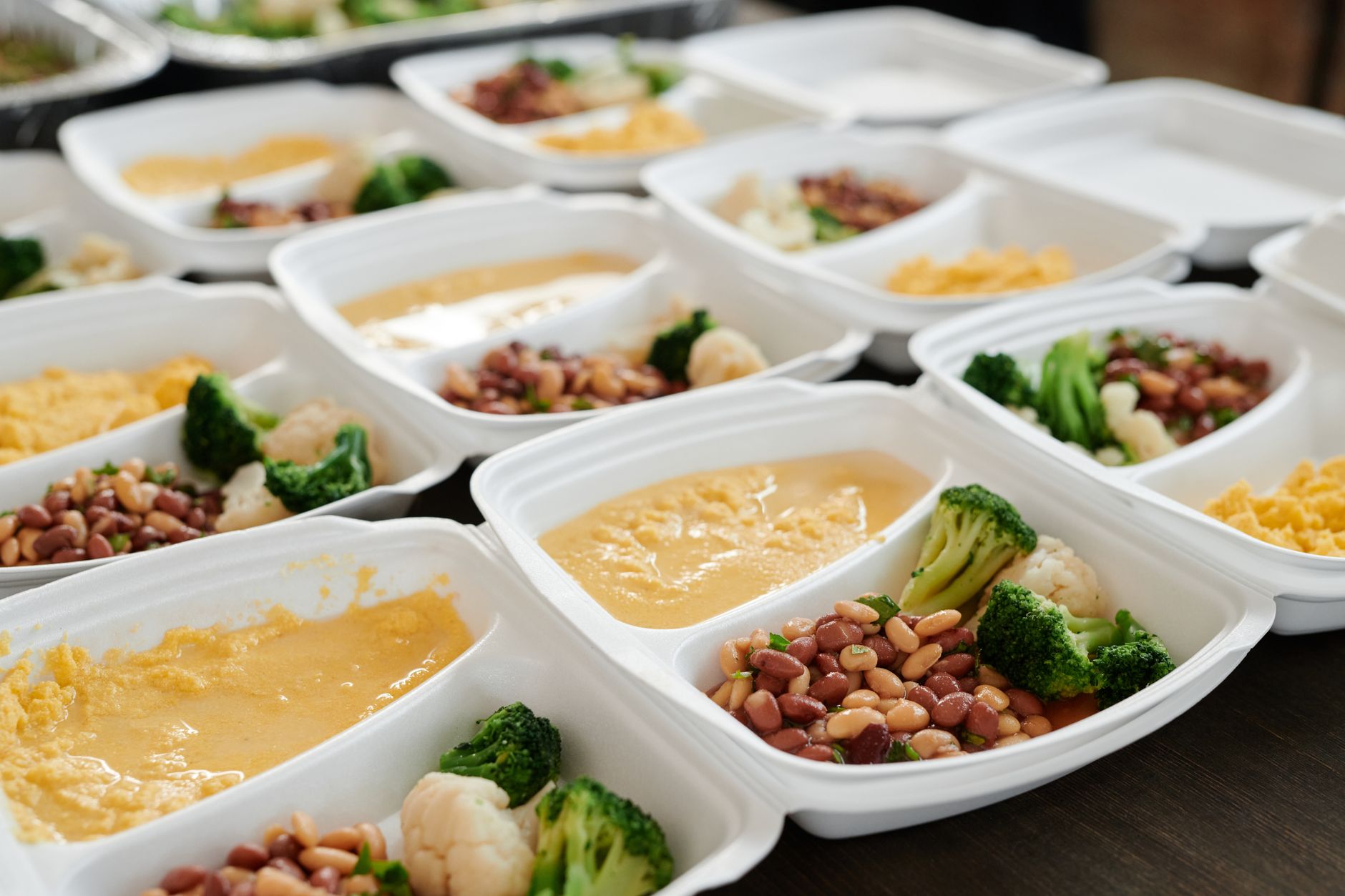
Jumping into a new diet can feel like stepping into a minefield, especially when your gut is already sensitive. The key is gradualness. Start by identifying your top three symptom triggers (bloating, diarrhea, or constipation) and focus on eliminating those first. For example:
- Day 1–3: Stick to the safest foods listed above. Think plain rice, boiled chicken, and steamed carrots. No spices, no sauces—just basics.
- Day 4–7: Introduce one new low-FODMAP food at a time. Wait 24–48 hours to see if symptoms return. Keep a food diary (apps like Monash FODMAP can help).
- Week 2+: Gradually reintroduce moderate-FODMAP foods (like bananas or small amounts of garlic) to test your tolerance. This is where working with a dietitian can be a game-changer.
Another critical step: hydration and timing. Drink water throughout the day (not chilled, as cold liquids can trigger cramps), and avoid eating large meals. Smaller, frequent meals (every 3–4 hours) can help stabilize digestion. If you’re prone to constipation, prioritize fiber-rich low-FODMAP foods like psyllium husk (sparingly) or prunes (in moderation).
Myth: "I have to cut out all dairy forever." Fact: Many people with IBS tolerate lactose-free dairy or small amounts of hard cheeses (like cheddar) well. Start with a tiny portion (e.g., ¼ cup lactose-free milk) and monitor your response.
--- ## **What Are the Most Common IBS-Friendly Breakfast Options That Are Gentle on the Digestive System?**Breakfast should be your gut’s first friend of the day. Skip the high-FODMAP traps (cereal with applesauce, yogurt parfaits with granola) and opt for these easy, low-FODMAP breakfasts:
- Oatmeal: Cook gluten-free oats with water or lactose-free milk. Top with blueberries (½ cup max) and a drizzle of honey (in moderation).
- Scrambled Eggs: Whisk eggs with a splash of olive oil, cook gently, and serve with spinach or zucchini.
- Smoothie: Blend lactose-free milk, strawberries, a handful of spinach, and a spoonful of chia seeds (soaked overnight).
- Rice Cakes: Top gluten-free rice cakes with avocado (½) and a sprinkle of turmeric (if tolerated).
- Chia Pudding: Mix 2 tbsp chia seeds with ½ cup lactose-free milk, let sit overnight, and top with a few kiwi slices (in moderation).
If you’re craving something warm and comforting, try a low-FODMAP version of the DASH diet’s breakfast—like a veggie omelet with tomatoes (peeled) and onions (in moderation).
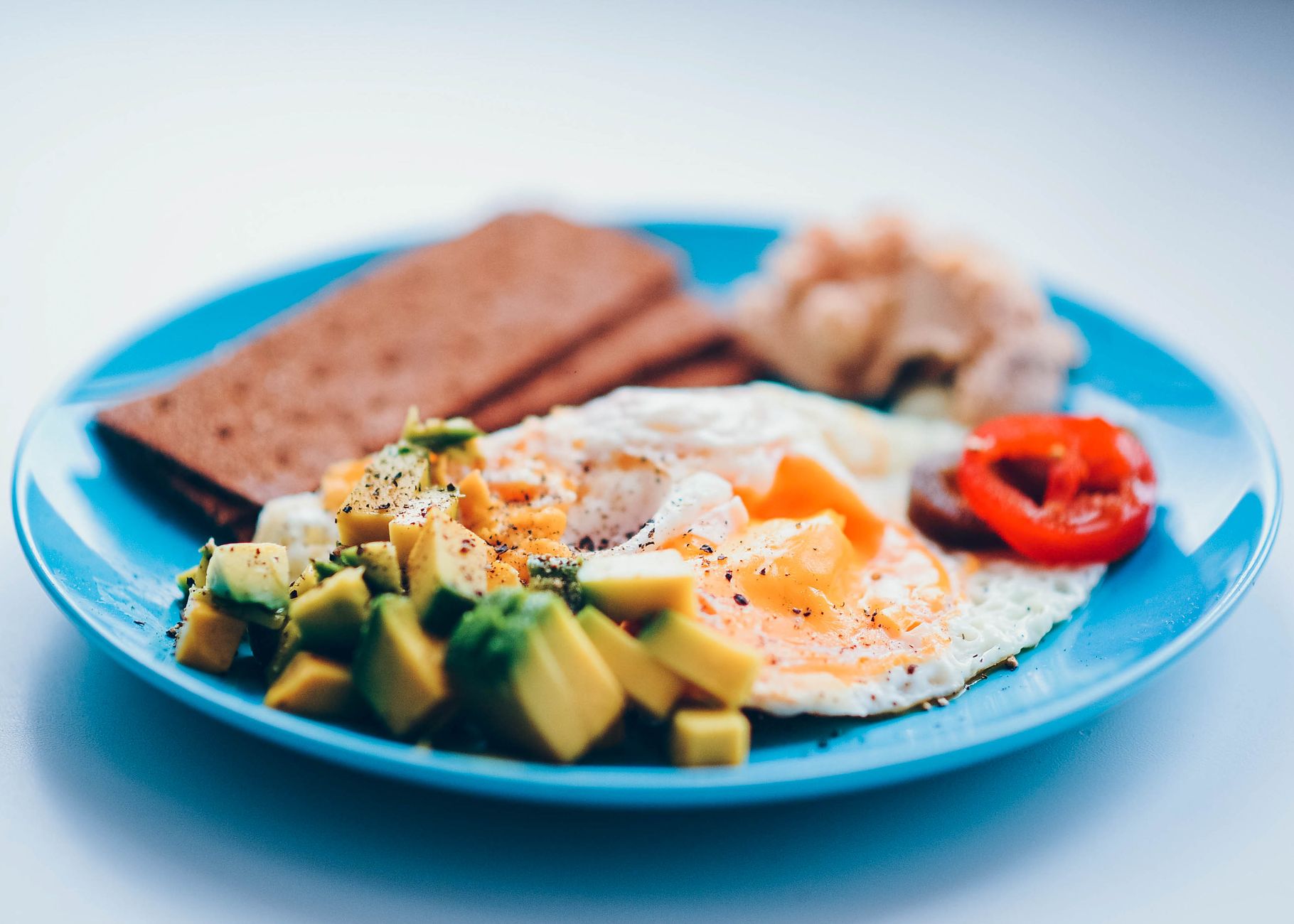
Snacking isn’t off the table—it’s about choosing wisely. Many people with IBS avoid snacks entirely, which can lead to blood sugar crashes and more bloating. Instead, opt for these low-FODMAP snack powerhouses:
- Fresh Veggies and Dip: Carrot sticks or cucumber slices with lactose-free yogurt dip (plain, unsweetened).
- Nuts and Seeds: Almonds, walnuts, or pumpkin seeds (small portions—¼ cup max). Avoid cashews and pistachios (high in FODMAPs).
- Rice Crackers: Plain rice crackers with avocado or lactose-free cheese.
- Hard-Boiled Eggs: Pre-peel a few for grab-and-go protein.
- Popcorn: Air-popped, unsalted popcorn (check for no added garlic or onion seasoning).
- Dark Chocolate: 85% or higher cocoa (1–2 squares). Dark chocolate is lower in FODMAPs than milk chocolate.
If you’re craving something sweet, try low-FODMAP desserts like:
- Banana "nice cream" (blend frozen bananas with a splash of lactose-free milk).
- Lactose-free pudding (made with cornstarch or tapioca).
- Rice krispie treats (use lactose-free marshmallows and plain rice cereal).
Pro tip: Portion control is key. Even safe foods can trigger symptoms if eaten in excess. Start with small amounts and adjust based on how your body responds.
--- ## **How Do I Read Nutrition Labels to Identify Hidden High-FODMAP Ingredients in Packaged Foods?**Packaged foods are the silent saboteurs of IBS-friendly diets. Many products hide high-FODMAP ingredients in unexpected places. Here’s how to decode labels like a pro:
- Check the Ingredient List: Look for these common high-FODMAP culprits:
- Onion powder, garlic powder, or "natural flavors" (often contain garlic/onion).
- High-fructose corn syrup or honey (in excess).
- Lactose (in dairy products) or whey (in protein powders).
- Applesauce, pear puree, or dried fruits (like raisins or dates).
- Chicory root (found in some prebiotic supplements).
- Watch for "May Contain" Warnings: If a product is processed in a facility that also handles high-FODMAP ingredients, cross-contamination is possible. For example, a bag of chips might say, "Processed in a facility that also handles onions."
- Use the Monash FODMAP App: This app has a database of over 1,500 foods with their FODMAP status. Scan barcodes or search ingredients to avoid surprises.
- Beware of Sauces and Condiments: Soy sauce, teriyaki, and BBQ sauce often contain garlic or onion. Stick to plain mustard, olive oil, or lactose-free mayo.
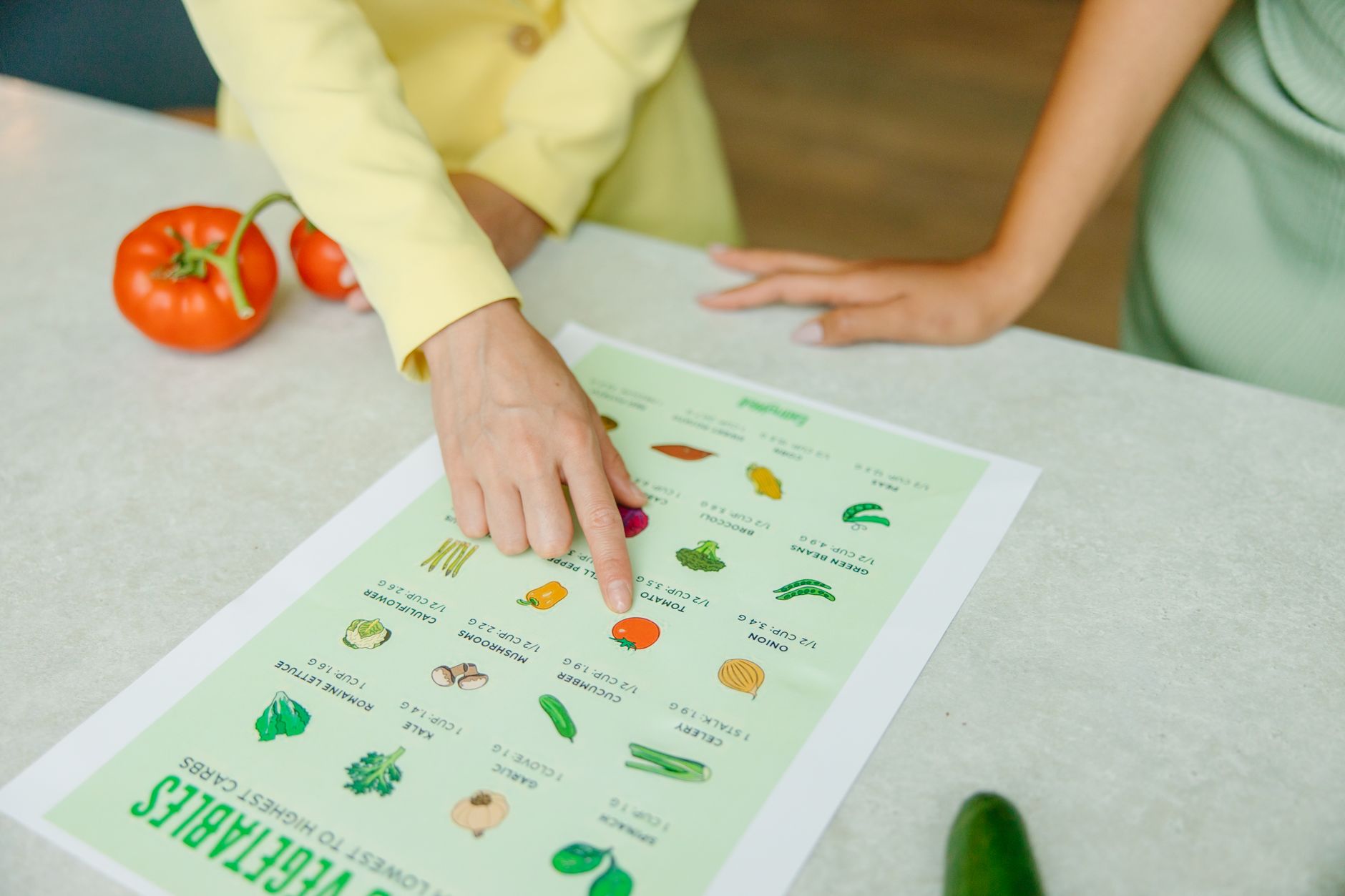
Meal prep is your superpower when managing IBS. It reduces stress, eliminates guesswork, and keeps you from resorting to takeout (which can be a minefield). Here’s how to prep like a pro:
- Batch Cook Grains: Cook a big pot of rice or quinoa at the start of the week. Store in the fridge for up to 5 days or freeze portions. Use them as a base for bowls, salads, or stir-fries.
- Pre-Chop Veggies: Wash, dry, and chop low-FODMAP veggies like carrots, zucchini, and bell peppers. Store in airtight containers in the fridge for up to 4 days. This makes it easier to toss together quick meals.
- Hard-Boil Eggs: Boil a batch of eggs for the week. They’re a protein powerhouse and take 10 minutes to cook.
- Portion Sauces and Dressings: Make small batches of low-FODMAP sauces like olive oil-lemon dressing or lactose-free mayo. Store in single-serve containers to avoid overdoing it.
- Freeze Meals: Cook larger batches of meals like chicken and rice or veggie stir-fry and freeze portions. Reheat in the microwave or oven as needed.
- Keep Emergency Snacks Handy: Stock your fridge and pantry with pre-portioned snacks like rice crackers, nuts, or lactose-free yogurt. This way, you’re never caught without an option.
For a no-cook meal prep, try:
- Assembled salads with lettuce, cucumber, chicken, and olive oil dressing.
- Rice paper rolls with shrimp, rice noodles, and low-FODMAP veggies.
- Hummus and veggie platters (use lactose-free hummus).
At first glance, IBS-friendly, gluten-free, and dairy-free diets might seem similar, but they’re not the same. Here’s the breakdown:
Key Differences:
| **Diet Type** | **Primary Focus** | **Key Foods to Avoid** | **Safe Foods** | **Best For** | |---------------------|--------------------------------------------|------------------------------------------------|----------------------------------------|----------------------------------------| | **IBS-Friendly** | Low-FODMAP to reduce bloating, gas, and pain | High-FODMAP foods (e.g., onions, garlic, apples) | Rice, chicken, spinach, blueberries | People with IBS who need symptom relief | | **Gluten-Free** | Avoid gluten to prevent digestive issues | Wheat, barley, rye | Rice, quinoa, gluten-free oats | People with celiac disease or gluten sensitivity | | **Dairy-Free** | Avoid lactose or dairy proteins | Milk, cheese, butter | Lactose-free milk, coconut milk | People with lactose intolerance or dairy allergies |For example, gluten-free doesn’t mean low-FODMAP. A gluten-free bread might still contain wheat starch (a high-FODMAP ingredient). Similarly, dairy-free doesn’t mean low-FODMAP—almond milk is dairy-free but safe for IBS, while coconut milk is also safe but can be high in saturated fats.
If you’re following a dairy-free diet or AIP diet (autoimmune protocol), you’ll need to cross-reference with low-FODMAP guidelines to avoid unnecessary restrictions.
--- ## **What Are the Signs That an IBS-Friendly Diet Is Working, and When Should I Consult a Doctor?**You’ll know the diet is working when:
- Your symptoms (bloating, gas, diarrhea, or constipation) improve within 2–6 weeks.
- You can identify specific trigger foods and avoid them without discomfort.
- You feel more in control of your meals and less anxious about eating.
However, if:
- Your symptoms worsen or you develop new ones (e.g., blood in stool, unexplained weight loss).
- You’re constantly fatigued or notice other systemic symptoms (e.g., joint pain, mouth ulcers).
- You’re not tolerating any foods after several weeks (this could signal another condition like celiac disease or SIBO).
In these cases, consult your doctor or a gastroenterologist. They may recommend:
- Further testing (e.g., stool tests, endoscopy).
- Referral to a dietitian specializing in IBS.
- Medications like probiotics or antispasmodics to manage symptoms.
Myth: "If IBS-friendly diets don’t work, I’ll never feel better." Fact: While low-FODMAP is the most evidence-based approach, some people benefit from other strategies like the Blue Zones diet or diabetic-friendly meals, which emphasize whole foods and reduce processed ingredients.
--- ## **Easiest IBS-Friendly Meals for First-Time Beginners with No Cooking Experience**If you’re new to cooking, start with these no-fuss, no-recipe meals:
- Microwave Scrambled Eggs: Whisk 2 eggs with 1 tbsp olive oil and a splash of water. Microwave in 30-second bursts, stirring in between, until cooked. Serve with steamed carrots (microwaved for 2–3 minutes).
- Rice and Bean Bowl: Cook a cup of rice (microwaveable pouches work). Mix with canned chickpeas (drained and rinsed) and a drizzle of olive oil. Top with steamed spinach (microwaved for 1–2 minutes).
- Grilled Chicken and Veggies: Buy pre-cooked chicken strips (check for no added garlic/onion). Microwave for 1 minute to reheat. Pair with pre-washed baby spinach and cucumber slices.
- Oatmeal with Toppings Bar: Cook oats with lactose-free milk. Set out toppings like blueberries, chia seeds, and honey (in moderation) and let yourself customize.
- Tuna Salad Lettuce Wraps: Mix canned tuna (in water) with lactose-free mayo and a pinch of salt. Spoon into butter lettuce leaves. Add sliced cucumber for crunch.
For even less effort, opt for pre-cooked grains (like microwaveable rice) or frozen low-FODMAP veggies (e.g., steamed broccoli or green beans). Just heat and eat!
--- ## **How to Make an IBS-Friendly Grocery List for Someone New to the Diet**Your grocery list should be your gut’s safety net. Start with these categories and build from there:
### **Produce (Low-FODMAP Picks)** - Spinach, zucchini, carrots, cucumber, bell peppers, green beans - Blueberries, strawberries, kiwi (in moderation), oranges (peeled) ### **Proteins** - Chicken breast, turkey, salmon, cod, eggs - Lactose-free milk, coconut milk, almond milk - Tofu, tempeh (check for no added garlic/onion) ### **Grains** - White rice, brown rice, basmati rice - Gluten-free oats, quinoa, corn tortillas ### **Snacks** - Rice crackers, popcorn (plain), almonds (small portions) - Lactose-free yogurt, dark chocolate (85%+) ### **Pantry Staples** - Olive oil, coconut oil, butter (in moderation) - Psyllium husk (if constipation is an issue) - Lactose-free cheese (e.g., cheddar) ### **Condiments & Sauces** - Olive oil + lemon juice - Lactose-free mayo - Plain mustard (no garlic/onion)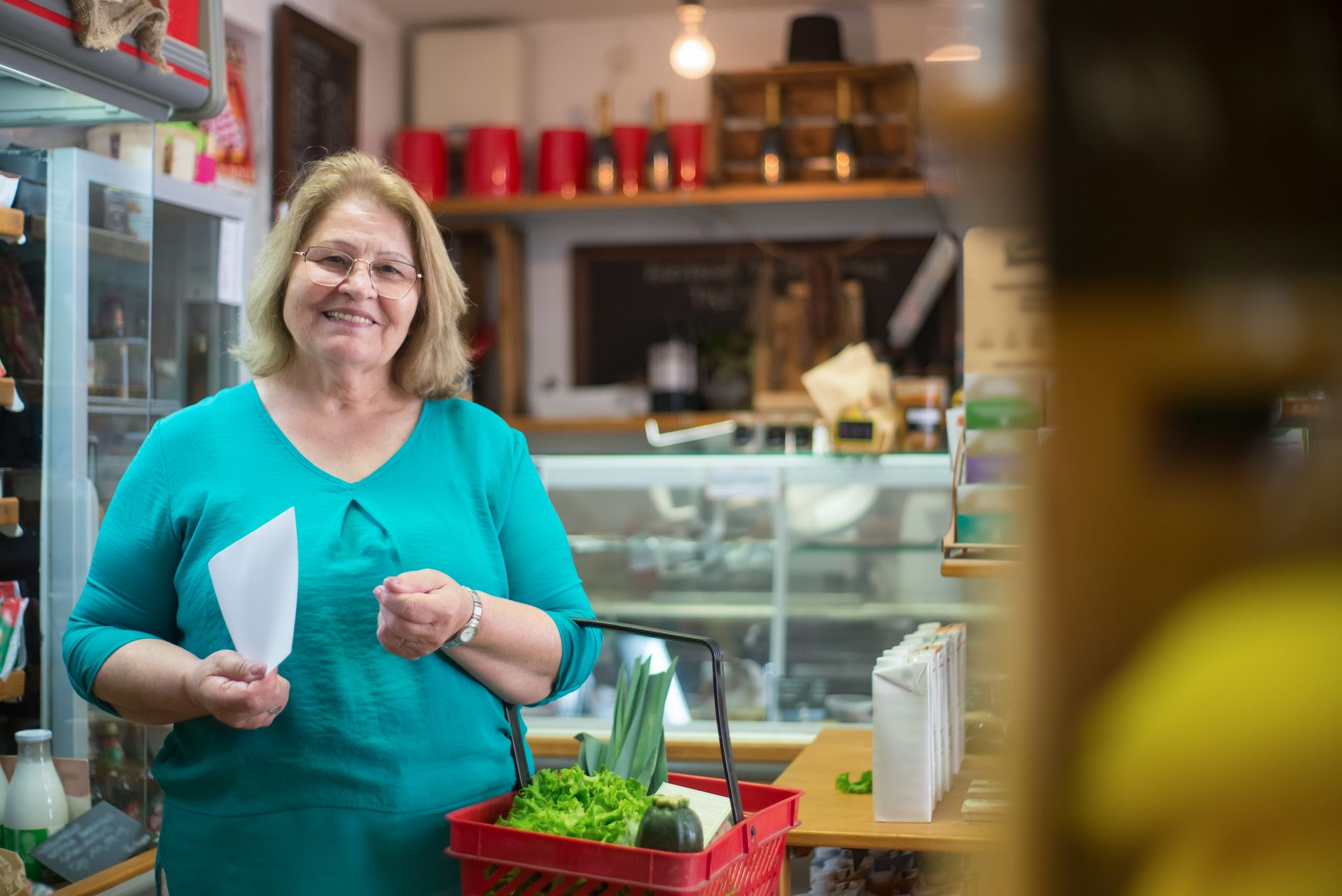
Dining out can feel like a minefield, but with a little prep, you can enjoy meals away from home. Here’s how to navigate it:
- Call Ahead: Explain your IBS and ask if they can prepare a low-FODMAP meal. Many restaurants are happy to accommodate.
- Safe Restaurant Choices:
- Greek: Grilled chicken, rice, and cucumber salad (no feta or olives).
- Italian: Plain pasta with olive oil and grilled chicken (no garlic bread or marinara).
- Sushi: Plain rice, grilled fish (like salmon), and cucumber rolls (no wasabi or soy sauce—opt for coconut aminos instead).
- Burger Joints: Plain burger (no onions, pickles, or special sauces) with a side of fries (check for no garlic butter).
- Takeout Hacks:
- Order grilled or baked proteins (chicken, fish, tofu).
- Avoid fried foods, heavy sauces, and processed meats.
- Ask for dressings/sauces on the side and request no garlic/onion.
- Delivery Apps: Use filters to search for "low-FODMAP" or "gluten-free" options. Apps like Monash FODMAP can help you identify safe choices.
The timeline varies, but most people see noticeable improvement within 2–6 weeks. Here’s what to expect:
- First Week: You might feel less bloated and notice reduced gas. This is often due to eliminating high-FODMAP foods.
- Second Week: Digestive regularity may improve, and you’ll start identifying specific triggers.
- Third Week Onward: Many people experience less pain and discomfort with meals. Some may reintroduce moderate-FODMAP foods without symptoms.
If you don’t see improvement after 6 weeks, consider:
- Working with a dietitian to refine your plan.
- Testing for other conditions (e.g., SIBO, celiac disease).
- Exploring probiotics or other supplements (like peppermint oil) to support digestion.
Yes! Rice is one of the safest grains for IBS, as it’s naturally low in FODMAPs. Here’s what you need to know:
- Safe Rice Varieties: White rice, brown rice, basmati rice, and jasmine rice are all low-FODMAP in ½ cup servings.
- Avoid: Wild rice (high in FODMAPs) and rice with added sauces (like teriyaki, which often contains garlic/onion).
- Cooking Tips:
- Rinse rice before cooking to remove excess starch.
- Use a 1:2 rice-to-water ratio for fluffy white rice.
- Try quinoa as a rice alternative—it’s also low-FODMAP and packed with protein.
Rice is a staple for IBS-friendly meals. Pair it with protein (like chicken or tofu) and low-FODMAP veggies for a balanced meal.
--- ## **What Are the Worst Foods to Avoid on an IBS-Friendly Diet That Beginners Often Overlook?**Some high-FODMAP foods are obvious (onions, garlic), but others sneak in unnoticed. Here are the common culprits beginners often miss:
- Processed Meats: Bacon, sausages, and deli meats often contain added garlic or onion powder.
- Sauces and Condiments: Soy sauce, BBQ sauce, and teriyaki often contain high-FODMAP ingredients.
- Bread and Pastries: Many commercial breads contain wheat starch (a high-FODMAP ingredient). Opt for gluten-free bread made with rice flour instead.
- Fruits: Apples, pears, and mangoes are high in FODMAPs. Stick to blueberries, strawberries, and kiwi (in moderation).
- Nuts and Seeds: Cashews, pistachios, and macadamia nuts are high-FODMAP. Almonds, walnuts, and pumpkin seeds are safer.
- Chicory Root: Found in some prebiotic supplements and coffee substitutes, chicory is a major FODMAP trigger.
- Artificial Sweeteners: Sorbitol, xylitol, and high-fructose corn syrup can worsen symptoms. Stick to honey (in moderation) or stevia.
Socializing with IBS can feel like walking a tightrope, but it’s manageable with a little preparation. Here’s how to navigate it:
- Communicate Openly: If you’re eating with friends or family, explain your IBS and what you can eat. Most people are happy to accommodate.
- Bring Your Own Safe Food: Pack a low-FODMAP dish to share, like a grilled chicken salad or rice bowl.
- Use the "Safe Food" Strategy: At parties or gatherings, focus on safe foods like:
- Plain chips and salsa (no onion)
- Cheese and crackers (lactose-free cheese)
- Meat and veggie platters (no garlic bread)
- Plan Ahead for Celebrations: If you’re attending a holiday dinner, call ahead to ask about ingredients. Bring a safe side dish or dessert (like low-FODMAP fruit salad).
- Practice Self-Compassion: It’s okay to skip a meal or leave a party early if you’re feeling unwell. Your gut’s health matters more than social pressure.
Some supplements can support digestion while you adjust to an IBS-friendly diet. Always check with your doctor before starting any new supplement:
Safe and Evidence-Based Options:
| **Supplement** | **Typical Dose** | **Best Time to Take** | **Food Sources** | **Known Interactions** | |----------------------|---------------------------------|--------------------------------|--------------------------------------|--------------------------------------------| | **Probiotics** | 1–10 billion CFU/day | With breakfast or dinner | Yogurt (lactose-free), kefir | Antibiotic use (may reduce effectiveness) | | **Peppermint Oil** | 0.2–0.4 ml capsules, 2–3x/day | With meals | Fresh peppermint (in moderation) | None major, but avoid if GERD is severe | | **Fiber (Psyllium)** | 1 tbsp (7g) daily | With meals | Oats, chia seeds | Can interfere with absorption of some meds | | **Magnesium** | 200–400 mg/day | At bedtime | Nuts, seeds | Diuretics, some antibiotics | | **Vitamin D** | 1,000–2,000 IU/day | With a meal | Fatty fish, egg yolks | None major, but check with doctor first |Myth: "All probiotics are the same." Fact: Different strains target different symptoms. For IBS, look for Lactobacillus plantarum 299v or Bifidobacterium infantis 35624.
--- ## **Myth vs. Fact: Common Misconceptions About IBS-Friendly Diets**Let’s clear up some confusion:
- Myth: "An IBS-friendly diet is just a gluten-free or dairy-free diet." Fact: While gluten and dairy can trigger IBS symptoms, the diet focuses on low-FODMAP foods, which are different. For example, gluten-free bread might still contain high-FODMAP ingredients like wheat starch.
- Myth: "I have to give up all fruits and vegetables." Fact: You can still enjoy many veggies and fruits—just stick to low-FODMAP options like spinach, carrots, and blueberries. Cooking can also reduce FODMAPs in some foods.
- Myth: "An IBS-friendly diet is restrictive and boring." Fact: With creativity, you can make delicious meals. Think grilled chicken with lemon, rice bowls with avocado, and low-FODMAP desserts like banana "nice cream."
- Start with low-FODMAP staples like rice, chicken, spinach, and blueberries.
- Transition gradually to avoid flare-ups—introduce one new food at a time.
- Always check labels for hidden high-FODMAP ingredients.
- Meal prep to stay on track, especially on busy days.
- Dining out is possible—call ahead and ask for modifications.
- If symptoms persist or worsen, consult your doctor or a dietitian.
- Be patient—improvement often takes 2–6 weeks.
What are the most common mistakes beginners make when starting an IBS-friendly diet?
Many people make one of two mistakes: eliminating too much too fast (leading to nutrient deficiencies) or not reintroducing foods to test tolerance. Start with the safest foods and gradually reintroduce moderate-FODMAP options. Also, avoid skipping meals—eating regularly helps stabilize digestion.
How does an IBS-friendly diet help reduce bloating and gas for new followers?
The diet reduces bloating and gas by eliminating FODMAPs, which are fermentable carbohydrates that feed gut bacteria and produce gas. Low-FODMAP foods are less likely to trigger this fermentation process,


