Quick take: The Blue Zones diet is all about eating like the world’s longest-living communities—think beans, vegetables, whole grains, and healthy fats, with very little processed food. For beginners, start with simple staples like lentils, sweet potatoes, leafy greens, and olive oil, and gradually build meals around these. Expect to see improvements in energy, digestion, and long-term health within weeks. Skip the guesswork with a clear food list and meal plan to avoid common pitfalls.
What foods are included in the blue zones diet for beginners?
You’re standing in the grocery store aisle, staring at the shelves of packaged snacks and wondering, “How do I even start?” The Blue Zones diet isn’t about deprivation—it’s about rediscovering the simple, whole foods that nourished the world’s longest-living communities. Many beginners are overwhelmed by the idea of “eating like a centenarian,” but the truth is, it’s far simpler than you think. The diet centers on nine key pillars, and the food list is rooted in plants, legumes, and healthy fats. Think of it as your return to the basics—no fads, no gimmicks, just real, unprocessed foods that your body was designed to thrive on.
One reader described her first week on the Blue Zones diet this way: “I swapped my morning cereal for oatmeal with nuts and berries, and my lunch for a big salad with chickpeas and olive oil. I didn’t feel hungry, and by the end of the day, I had way more energy than I thought possible.” The key? Start slow. You don’t have to overhaul your diet overnight—just replace one meal at a time with a Blue Zones-friendly option.
Here’s the good news: the diet is naturally plant-forward, which means it’s easy to adapt to your preferences—whether you’re vegan, vegetarian, or just looking to cut back on meat. The focus is on beans, vegetables, whole grains, nuts, seeds, and healthy fats, with small amounts of fish, poultry, and dairy. The bad news? Processed foods, sugar, and red meat are off the table. But if you’re tired of feeling sluggish or constantly craving junk, this shift is worth it.
Beans: The Protein Powerhouse
Beans—especially black beans, lentils, and chickpeas—are the backbone of the Blue Zones diet. They’re packed with fiber, plant-based protein, and essential nutrients like folate and magnesium. For beginners, start with 1/2 cup of cooked beans per day, either as a side dish or blended into soups and stews. Try adding them to salads, wraps, or even smoothies for a protein boost.
Vegetables: The Colorful Foundation
Vegetables should make up the majority of your plate. Focus on leafy greens like spinach and kale, cruciferous veggies such as broccoli and Brussels sprouts, and root vegetables like sweet potatoes. Aim for at least 2 cups of vegetables per day, either raw, steamed, roasted, or stir-fried. Pro tip: Keep pre-cut veggies on hand for easy snacking.
Whole Grains: The Energy Boosters
Swap refined grains for whole grains like quinoa, brown rice, oats, and whole-wheat pasta. These provide steady energy and are rich in fiber. Start with 1/2 cup of whole grains per meal, such as oatmeal for breakfast or whole-grain bread with hummus for lunch.
Nuts and Seeds: The Healthy Fats
Nuts and seeds are your go-to for healthy fats, protein, and crunch. Almonds, walnuts, chia seeds, and flaxseeds are all excellent choices. Snack on a small handful (about 1/4 cup) daily or sprinkle them over salads and yogurt. Just watch your portions—they’re calorie-dense!
Healthy Fats: Olive Oil and Avocados
Olive oil is the star of the Blue Zones diet, used generously in cooking and dressings. Avocados are another great source of healthy fats, adding creaminess to meals without the need for dairy. Use 1–2 tablespoons of olive oil daily for cooking or drizzling over dishes.
Fish: The Occasional Protein
Fish is eaten sparingly in Blue Zones communities, usually once or twice a week. Opt for fatty fish like salmon, mackerel, and sardines, which are rich in omega-3s. If you’re vegetarian or vegan, focus on plant-based protein sources like tofu or tempeh.
Fruits: The Natural Sweeteners
Fruits are enjoyed in moderation, mostly as snacks or desserts. Berries, apples, and pears are popular choices. Aim for 1–2 servings of fruit per day, keeping portions small—about 1/2 cup per serving.
What About Dairy?
Dairy is limited in Blue Zones diets, with small amounts of fermented dairy like yogurt or kefir being the exception. If you’re lactose intolerant or prefer to avoid dairy, you’re in luck—the diet is naturally dairy-light, and you can easily swap in dairy-free alternatives like coconut yogurt or almond milk.
Herbs and Spices: The Flavor Boosters
Herbs and spices like garlic, turmeric, and ginger are used liberally in Blue Zones cooking to add flavor without salt. They also have anti-inflammatory benefits. Keep a small stash of dried herbs and fresh spices on hand to elevate every meal.
Blue zones diet meal plan for beginners 2026
Y
ou’ve got your food list down, but now you’re staring at a blank calendar and thinking, “How do I actually eat this every day?” The good news is, the Blue Zones diet is designed to be simple and sustainable. Start with a 7-day meal plan that covers breakfast, lunch, dinner, and snacks, and adjust as you go. The key is repetition—once you find meals you love, you’ll want to make them often.
Here’s a sample plan to get you started. Remember, portion sizes are flexible—listen to your body and adjust as needed. If you’re active, you may need more calories; if you’re sedentary, you might opt for smaller portions.
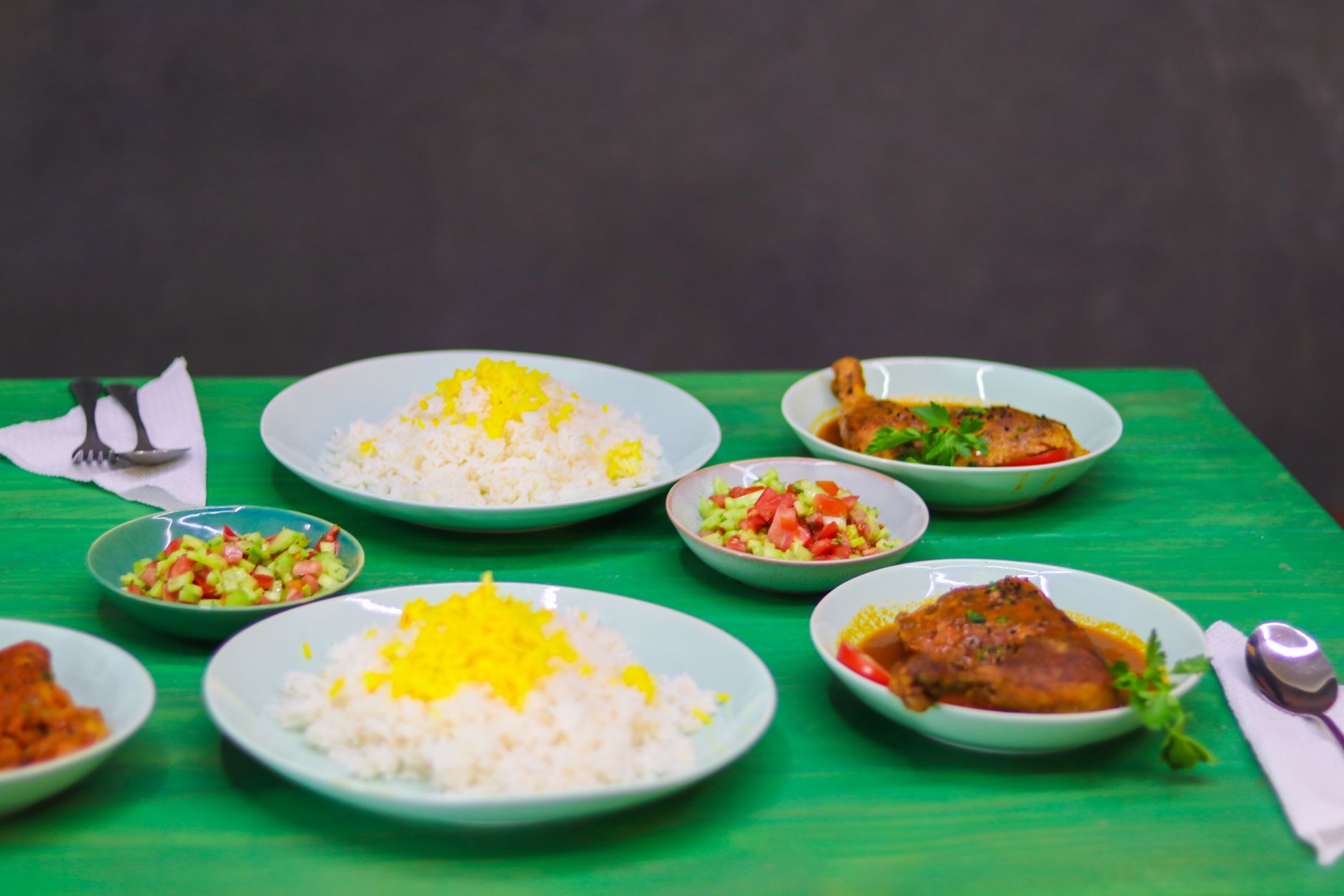
This plan is a starting point—feel free to swap in your favorite Blue Zones foods. The goal is to make meals enjoyable and sustainable. If you’re short on time, batch-cook grains and beans to save prep time. And don’t forget to explore other plant-forward diets if you want more variety.
How to start the blue zones diet with a beginner-friendly food list
You’re ready to dive in, but where do you even begin? Starting the Blue Zones diet doesn’t have to be overwhelming. The key is to focus on one change at a time and build from there. Many beginners make the mistake of trying to overhaul their diet overnight, which leads to burnout. Instead, pick one meal to transition first—maybe breakfast or lunch—and gradually work your way through the rest of the day.
Here’s a step-by-step guide to help you get started:
- Stock your pantry: Fill your kitchen with Blue Zones staples like beans, whole grains, nuts, seeds, and healthy fats. Keep it simple—start with a few key items and expand as you go.
- Plan your meals: Use the 7-day meal plan above as a template, but customize it to fit your tastes and schedule. Write down your meals for the week to avoid last-minute decisions.
- Start with one meal: Choose one meal to transition first, such as breakfast or lunch. For example, swap your usual cereal for oatmeal with nuts and berries. This makes the shift feel manageable.
- Gradually introduce new foods: If you’re not used to eating beans, start with small portions and work your way up. The same goes for vegetables—try a new one each week to keep things interesting.
- Cook at home: The Blue Zones diet is all about whole, unprocessed foods, which means cooking from scratch. Start with simple recipes like soups, stews, and roasted vegetables to build your skills.
- Stay hydrated: Drink plenty of water throughout the day. Herbal teas and infused water can add flavor without calories.
Remember, progress is progress—even if you only make one change at a time. The goal is to create a sustainable lifestyle, not a temporary fix.
Best plant-based foods for the blue zones diet beginners
You don’t have to be vegetarian or vegan to thrive on the Blue Zones diet—plant-based foods are the foundation, and they’re incredibly versatile. If you’re new to plant-based eating, don’t worry. The diet is designed to be flexible, and there are plenty of delicious, easy-to-prepare options to get you started.
Here’s a list of the best plant-based foods for beginners, along with simple ways to incorporate them into your meals:
- Beans and lentils: Add to salads, soups, or blend into dips like hummus. Start with 1/2 cup cooked per day.
- Quinoa and brown rice: Use as a base for bowls or salads. Cook a big batch for the week to save time.
- Sweet potatoes: Roast or mash them as a side dish or even as a main course with beans and avocado.
- Leafy greens: Spinach, kale, and Swiss chard are easy to find and versatile. Add them to smoothies, salads, or sauté them with garlic.
- Nuts and seeds: Sprinkle over salads, yogurt, or oatmeal. Keep a small bag of mixed nuts on hand for quick snacks.
- Avocados: Add to toast, salads, or blend into guacamole. One avocado per day is plenty.
- Olive oil: Use for cooking, dressings, or drizzling over meals. Start with 1–2 tablespoons per day.
- Berries: Enjoy as a snack or add to yogurt or oatmeal. Aim for 1/2 cup per day.
- Whole-grain bread and pasta: Use as a base for wraps, sandwiches, or pasta dishes.
- Herbs and spices: Keep a small stash of dried herbs and fresh spices to add flavor without salt.
If you’re looking for more plant-based inspiration, check out flexitarian diets, which are similar in their focus on plants but offer even more flexibility.
Blue zones diet grocery list for beginners with budget tips
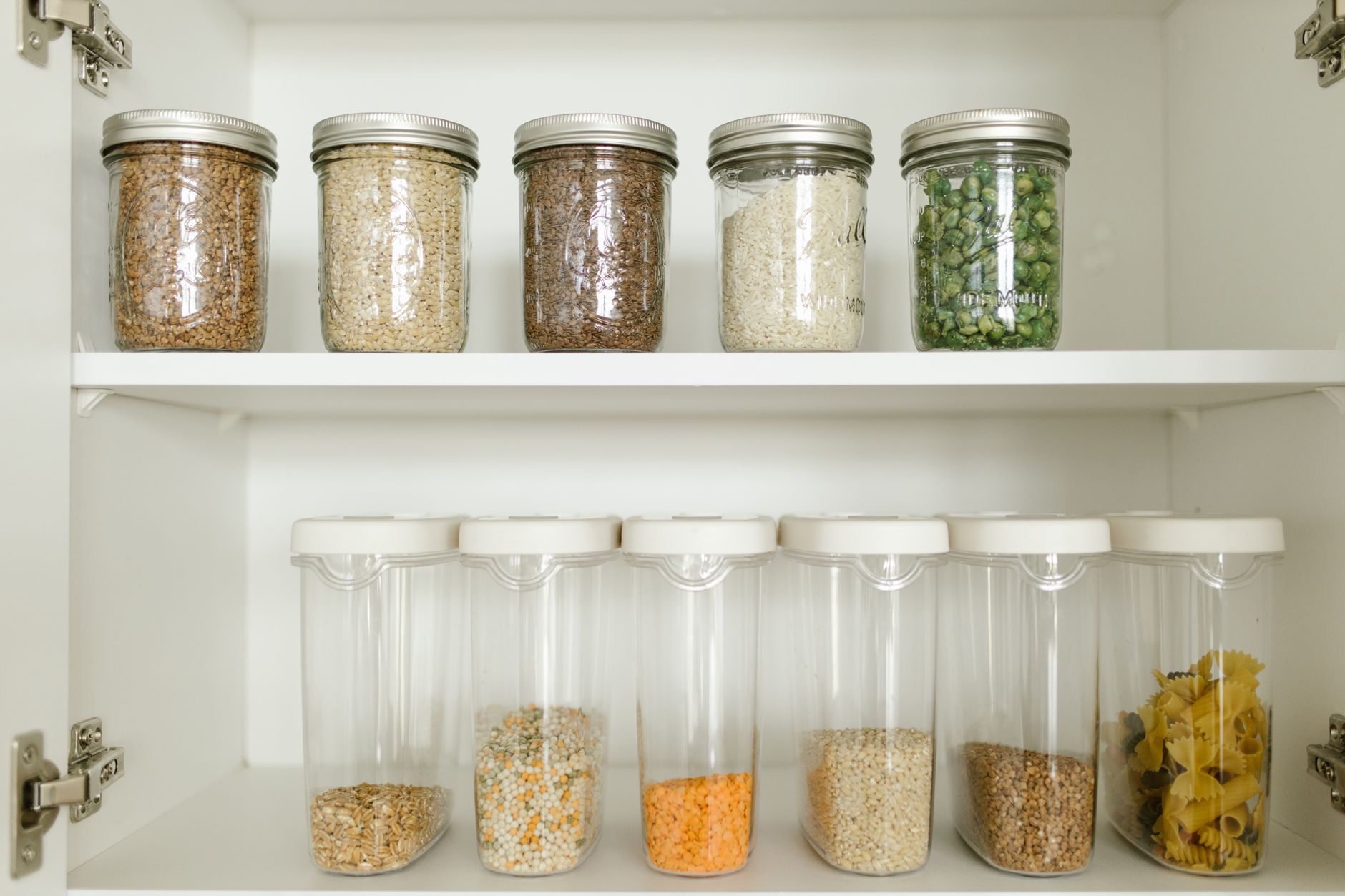
You’re ready to shop, but you’re also thinking, “How do I do this without breaking the bank?” The Blue Zones diet is naturally budget-friendly when you focus on whole foods and buy in bulk. The key is to prioritize affordable staples like beans, rice, oats, and seasonal vegetables. Here’s a budget-friendly grocery list to get you started, along with tips to save even more.
Pantry Staples
- Dried beans (black, lentils, chickpeas)
- Brown rice and quinoa
- Oats
- Whole-grain pasta
- Whole-grain bread
- Nuts and seeds (almonds, walnuts, chia, flax)
- Olive oil
- Herbs and spices (garlic powder, turmeric, cumin, cinnamon)
- Canned tomatoes
- Coconut milk (for curries and soups)
Fresh Produce
- Leafy greens (spinach, kale, Swiss chard)
- Sweet potatoes
- Carrots
- Onions and garlic
- Bell peppers
- Apples and bananas
- Berries (frozen are cheaper and last longer)
Proteins
- Eggs
- Chickpeas (canned or dried)
- Lentils (dried or canned)
- Canned tuna or salmon (for occasional fish meals)
Budget Tips
- Buy in bulk: Purchase dried beans, rice, and nuts in larger quantities to save money. Store them in airtight containers.
- Choose frozen or canned: Frozen vegetables and canned beans are often cheaper and just as nutritious.
- Shop seasonal: Seasonal produce is fresher, cheaper, and more flavorful. Plan meals around what’s in season.
- Cook from scratch: Homemade meals are almost always cheaper than takeout or pre-packaged foods.
- Use leftovers: Cook big batches of grains, beans, and soups to use in multiple meals throughout the week.
- Limit processed foods: The Blue Zones diet avoids processed foods, which are often expensive and less nutritious.
Blue zones diet cooking recipes for beginners
You’ve got your food list and meal plan, but now you’re thinking, “How do I actually cook this?” The good news is, the Blue Zones diet is all about simple, wholesome recipes that require minimal effort. Here are five easy recipes to get you started, each with step-by-step instructions and tips for success.
1. Easy Lentil Soup
Ingredients:
- 1 cup dried lentils
- 1 onion, diced
- 2 carrots, diced
- 2 celery stalks, diced
- 2 cloves garlic, minced
- 4 cups vegetable broth
- 1 can diced tomatoes
- 1 tsp cumin
- 1 tsp paprika
- Salt and pepper to taste
- 1 tbsp olive oil
Instructions:
- Rinse the lentils under cold water.
- In a pot, heat olive oil over medium heat. Add onion, carrots, celery, and garlic. Sauté for 5 minutes.
- Add lentils, vegetable broth, diced tomatoes, cumin, paprika, salt, and pepper. Stir well.
- Bring to a boil, then reduce heat and simmer for 25–30 minutes, or until lentils are tender.
- Adjust seasoning and serve with a slice of whole-grain bread.
2. Roasted Sweet Potatoes with Chickpeas
Ingredients:
- 2 sweet potatoes, cubed
- 1 can chickpeas, drained and rinsed
- 2 tbsp olive oil
- 1 tsp smoked paprika
- 1 tsp cumin
- Salt and pepper to taste
- 1/4 cup fresh parsley, chopped
Instructions:
- Preheat oven to 400°F (200°C).
- In a bowl, toss sweet potatoes and chickpeas with olive oil, paprika, cumin, salt, and pepper.
- Spread on a baking sheet and roast for 25–30 minutes, stirring halfway through.
- Garnish with parsley and serve with a side salad.
3. Simple Quinoa Salad
Ingredients:
- 1 cup quinoa, rinsed
- 2 cups water or vegetable broth
- 1 cup cherry tomatoes, halved
- 1 cucumber, diced
- 1/2 red onion, finely chopped
- 1/4 cup fresh parsley, chopped
- 2 tbsp olive oil
- 1 tbsp lemon juice
- Salt and pepper to taste
Instructions:
- Cook quinoa according to package instructions (usually 15 minutes in water or broth).
- While quinoa cooks, chop tomatoes, cucumber, onion, and parsley.
- In a bowl, combine cooked quinoa with vegetables.
- Whisk together olive oil, lemon juice, salt, and pepper. Pour over salad and toss.
- Chill for at least 30 minutes before serving.
4. Baked Salmon with Vegetables
Ingredients:
- 2 salmon fillets
- 1 lb broccoli florets
- 1 bell pepper, sliced
- 2 tbsp olive oil
- 1 tsp garlic powder
- 1 tsp dried oregano
- Salt and pepper to taste
Instructions:
- Preheat oven to 375°F (190°C).
- Line a baking sheet with parchment paper.
- Place salmon fillets on one side of the sheet and vegetables on the other.
- Drizzle olive oil over salmon and vegetables. Sprinkle with garlic powder, oregano, salt, and pepper.
- Bake for 15–20 minutes, or until salmon flakes easily.
- Serve with a side of brown rice or quinoa.
5. Hummus and Veggie Wrap
Ingredients:
- 1 whole-grain tortilla
- 1/4 cup hummus
- 1/2 cup shredded carrots
- 1/2 cup shredded cabbage
- 1/4 cup sliced cucumber
- 1/4 cup sliced bell peppers
- Handful of fresh spinach
- 1 tbsp olive oil
Instructions:
- Spread hummus evenly over the tortilla.
- Layer carrots, cabbage, cucumber, bell peppers, and spinach on top.
- Drizzle with olive oil and wrap tightly.
- Slice in half and serve with a side of Greek yogurt or a simple salad.
Blue zones diet food list for beginners with portion sizes
You’ve got your food list and recipes, but you’re still unsure about portions. The Blue Zones diet is all about balance, and getting your portions right is key to feeling satisfied and energized. Here’s a quick-reference guide to portion sizes for the most common Blue Zones foods.
Remember, these are general guidelines. Listen to your body—if you’re still hungry after a meal, add a little more. If you feel full before finishing, that’s okay too. The goal is to enjoy your food while nourishing your body.
Blue zones diet benefits for beginners
You’re considering the Blue Zones diet because you’ve heard it’s one of the healthiest ways to eat. But what exactly can you expect to gain? The Blue Zones diet isn’t just about longevity—it’s about improving energy, digestion, heart health, and even mental clarity. Many beginners report feeling lighter, more energized, and less bloated within just a few weeks. But what does the science say?
Research on the Blue Zones diet is still evolving, but studies and anecdotal reports highlight several key benefits:
- Heart health: The diet is rich in fiber, healthy fats, and antioxidants, which help lower cholesterol and blood pressure. A study published in the National Heart, Lung, and Blood Institute found that diets high in plant-based foods and low in processed foods significantly reduce the risk of heart disease.
- Weight management: The diet is naturally low in calories and high in nutrients, making it easier to maintain a healthy weight. Many beginners lose weight without feeling deprived.
- Digestive health: The high fiber content promotes healthy digestion and may reduce the risk of constipation and other gastrointestinal issues.
- Reduced inflammation: The focus on anti-inflammatory foods like olive oil, nuts, and leafy greens can help reduce chronic inflammation, which is linked to a variety of diseases.
- Improved mental clarity: The diet’s emphasis on whole foods and healthy fats supports brain health and may reduce brain fog.
- Longer lifespan: The diet is inspired by the eating habits of the world’s longest-living communities, suggesting it may contribute to longevity and reduced risk of age-related diseases.
One reader shared, “I’ve never felt this good. My energy is through the roof, my digestion is regular, and I’ve even lost a few pounds without trying. It’s amazing how simple changes can make such a big difference.”
Blue zones diet vs mediterranean diet for beginners
You’ve heard of the Mediterranean diet, and now you’re wondering how the Blue Zones diet compares. Both diets are plant-focused, heart-healthy, and inspired by long-lived cultures. But there are some key differences that might help you decide which one is right for you.
Here’s a quick comparison:
If you’re looking for a strictly plant-forward diet with minimal processed foods, the Blue Zones diet might be your best fit. If you prefer a more flexible approach with a little more variety in protein and occasional red meat, the Mediterranean diet could be a better choice. Both are excellent for heart health and longevity—it really comes down to personal preference.
Blue zones diet foods to avoid for beginners
You’re excited to start the Blue Zones diet, but you’re also wondering, “What exactly should I avoid?” The diet isn’t just about what you should eat—it’s also about eliminating the foods that are linked to chronic diseases, inflammation, and weight gain. Here’s a list of foods to avoid or limit on the Blue Zones diet:
- Processed meats: Sausages, bacon, deli meats, and hot dogs are off-limits. These are linked to an increased risk of heart disease and cancer.
- Red meat: Beef, pork, and lamb should be eaten very rarely—think once a month or less. Opt for lean cuts if you do include them.
- Refined sugars: Sugary drinks, candy, pastries, and desserts are major no-nos. These spike blood sugar and contribute to weight gain and inflammation.
- Refined grains: White bread, white rice, and pasta are stripped of fiber and nutrients. Stick to whole grains like brown rice, quinoa, and whole-wheat pasta.
- Processed




