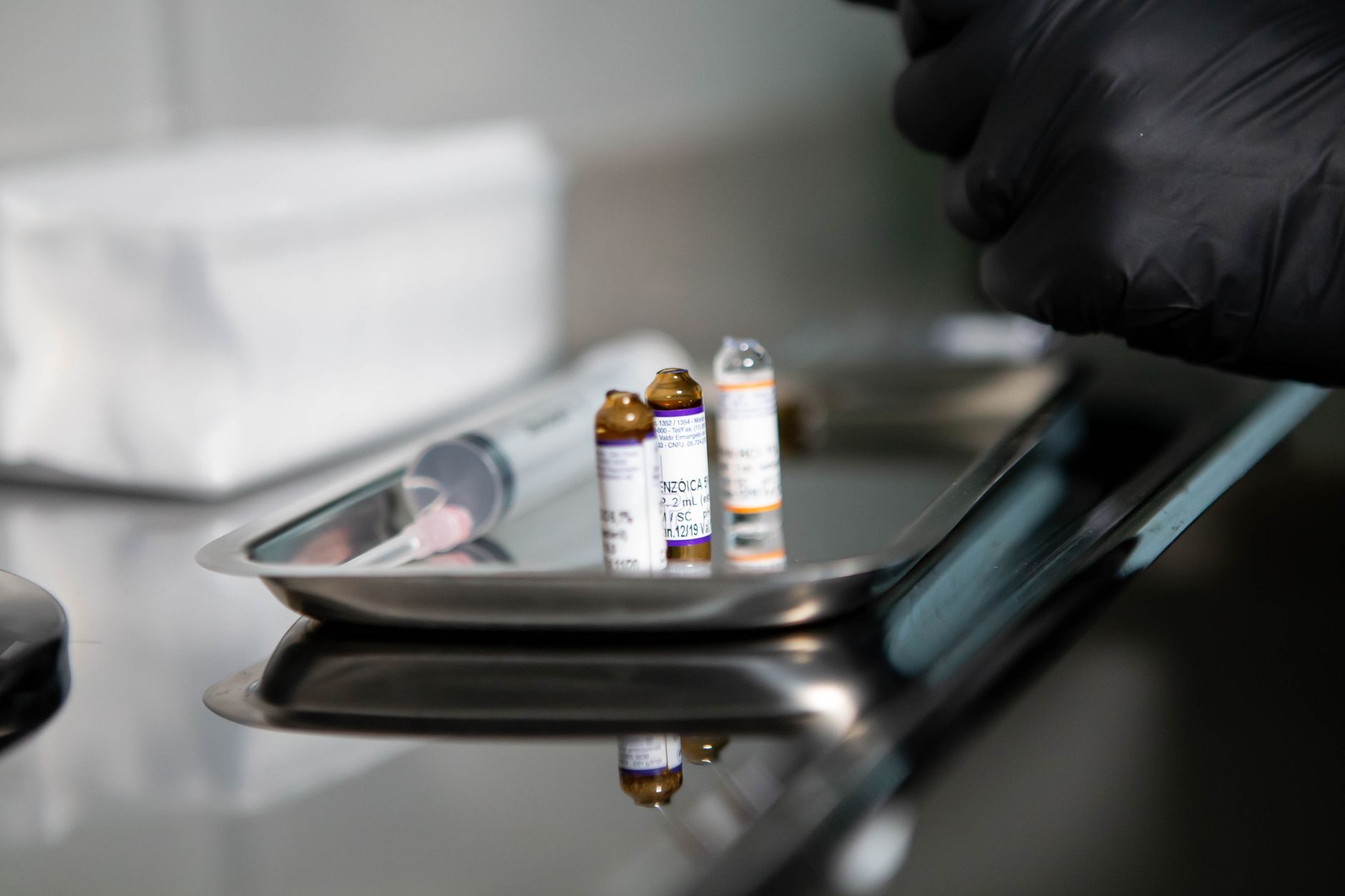
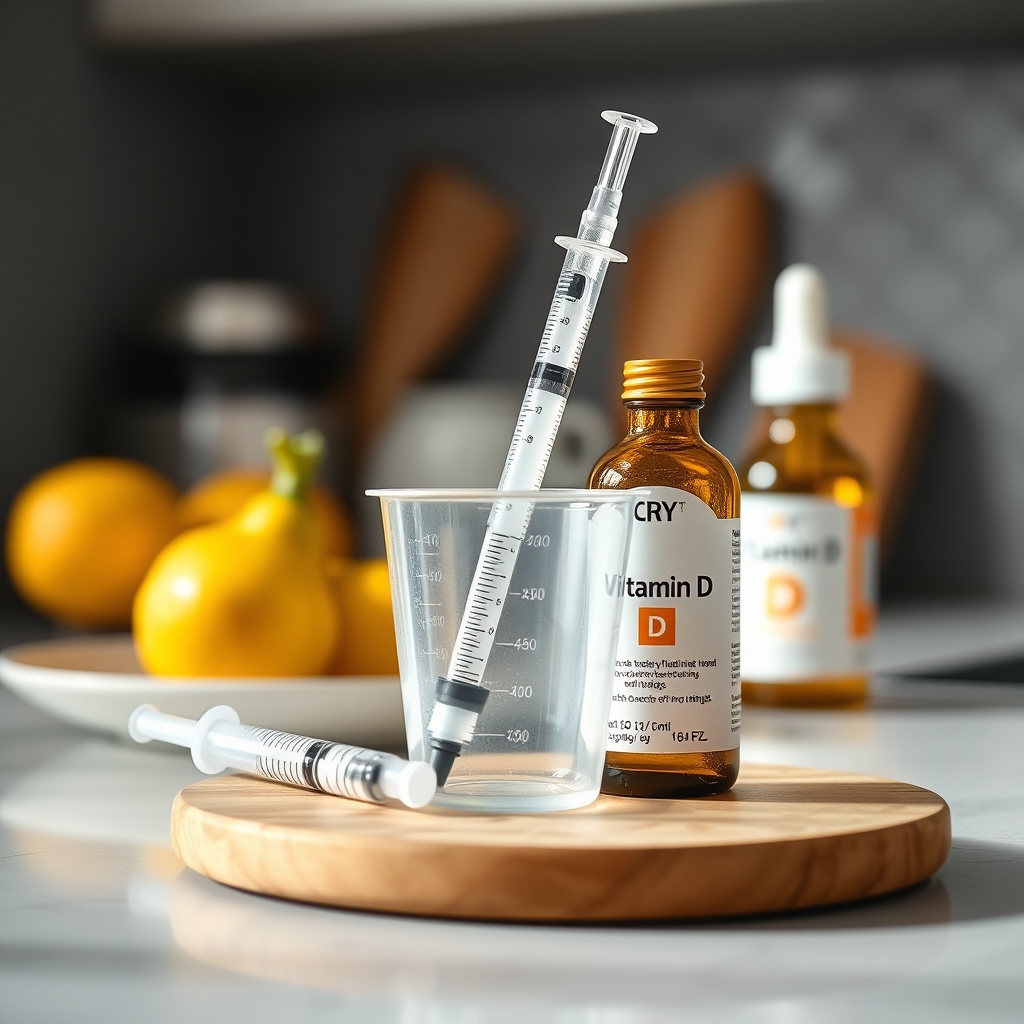
Newborns have limited neck control and a strong gag reflex, so the safest method is to administer the medicine while they are lying on their back with the head slightly elevated. Place a soft towel under their shoulders to create a gentle incline—this helps the medicine flow toward the throat rather than the airway.
Use a small‑volume oral syringe (0.5 mL‑1 mL) and aim for the inside of the cheek, not the back of the throat. Deliver the dose slowly, pausing between each 0.1 mL if needed. This method reduces the risk of choking and gives you a chance to see if the baby is swallowing.
When the baby is especially fussy, a brief pause after each micro‑dose can give them a moment to settle. Some parents find that a light, rhythmic rocking motion while delivering the medicine helps maintain a calm environment, reducing the chance of a startle‑induced gag.
What is the safest way to administer liquid medicine to a newborn?
The safest way combines a calibrated syringe, a slight incline, and a calm voice. Hold the baby’s head gently with one hand, and with the other hand, place the syringe tip inside the cheek. Speak softly, “Here comes your medicine,” and slowly depress the plunger. If the baby turns its head away, pause and try again in a few seconds.
How to give baby cough syrup without a syringe?
If a syringe isn’t available, a dosing cup that comes with the medication can be used, but it must be filled to the exact line. Avoid using kitchen spoons—measure the dose with the cup, then tip the baby’s head back slightly and pour the medicine into the side of the mouth. This method is less precise, so it should be a backup only.
Tips for giving liquid antibiotics to infants
Antibiotics often have a bitter taste, which can make infants grimace or spit out the dose. To improve compliance, you can let the medicine sit at room temperature for a few minutes (see the temperature section) and ensure the baby isn’t hungry or overly full.
Some pediatricians recommend giving the antibiotic with a small amount of breast milk or formula after the dose, but only if the label says it’s safe to mix. Always verify with your pharmacist first.
When a baby is particularly sensitive to flavor, you might ask the pharmacist whether a flavored version is available. In the United Kingdom, the NHS notes that certain pediatric antibiotics are offered in strawberry or cherry flavors to aid adherence, but the flavor does not change the dosage.
What are common side effects of liquid antibiotics for babies?
Common side effects include mild diarrhea, a temporary rash, or a slight change in stool color. These are usually harmless and resolve after the course ends. However, watch for severe diarrhea, vomiting, or a rash that spreads quickly—these could signal an allergic reaction and require immediate medical attention.
How long to wait before feeding baby after medicine?
Most liquid antibiotics can be given with a small amount of food or milk, but if the label advises “take on an empty stomach,” wait at least 30 minutes after dosing before feeding. Conversely, if the medicine may irritate the stomach, give it with a tiny sip of breast milk or formula to reduce discomfort.
How to use a medicine dropper for a baby
A medicine dropper is handy for very small doses (0.1 mL‑0.5 mL). To use it, squeeze the bulb to expel air, submerge the tip in the medication, then release the plunger to draw the liquid up to the marked line. Always check the dropper for cracks before each use.
When placing the dropper in the baby’s mouth, aim for the inner cheek, not the throat, and dispense the dose slowly. This gives the baby time to swallow and reduces the chance of the liquid spilling or being aspirated.
If you’re using a dropper that came with an over‑the‑counter product, verify that the dropper’s calibration matches the syringe’s. A mismatch of even a single drop can mean a 5% dosing error, which matters for medications with a narrow therapeutic window.
Can I give my baby liquid medication with a spoon?
While a spoon can be used in a pinch, it is not recommended for precise dosing. A standard teaspoon holds about 5 mL, but most infant doses are 0.5‑1 mL, making it easy to over‑dose. If you must use a spoon, use a calibrated pediatric spoon that marks 0.5 mL increments and double‑check the amount.
How to give baby medicine with a dropper correctly?
First, ensure the dropper is clean. Draw the exact dose, then gently place the tip against the inside of the baby’s cheek. Release the plunger slowly, allowing the liquid to drip. If the baby spits it out, pause, comfort them, and try again after a brief break.
How to prevent choking when giving baby liquid medication
Choking can happen if the baby’s airway is obstructed or if the dose is given too quickly. To minimize risk, keep the baby upright, use a small volume syringe or dropper, and administer the medicine in tiny increments.
After each small amount, pause and give the baby a chance to swallow. If you notice coughing, gently pat the baby’s back while keeping the head slightly elevated. Never force the medicine; a calm, patient approach works best.
In the rare event of a prolonged cough, the American Academy of Pediatrics recommends placing the baby on their side with the head slightly lower than the chest to keep the airway open while you seek help.
How to calm a baby during medicine administration?
Soft singing, gentle rocking, or a favorite pacifier can soothe a nervous infant. Swaddling the baby’s torso while keeping the head free helps create a sense of security. Speak in a soothing tone and maintain eye contact—your calm demeanor often transfers to the baby.
What should I do if my baby spits out the medicine?
If the baby spits it out, wait a few seconds, then try again with a smaller amount. Offer a brief sip of breast milk or formula afterward to help wash down any remaining residue. If the baby continues to refuse the medication after two attempts, contact your pediatrician for alternative formulations.
What temperature should baby medicine be before giving
Room temperature (around 20‑22 °C or 68‑72 °F) is generally ideal. Cold medicine can startle the baby’s palate, while overheated liquid can burn the delicate mouth lining. If the medication has been refrigerated, hold the bottle in your hand for a few minutes or place it in a warm water bath (no hotter than body temperature) to bring it to room temperature.
Some formulations, such as certain vitamin D drops, are stable at cooler temperatures and may be administered directly from a refrigerated bottle. Always check the label; if a product states “store at 2‑8 °C,” keep it refrigerated but allow it to sit a few minutes before dosing.
Is it okay to give a baby liquid medication that is at room temperature?
Yes. Most pediatric liquid medications are formulated to be safe at room temperature. The American Academy of Pediatrics confirms that giving medication at this temperature is comfortable for infants and reduces the risk of gagging.
How to store liquid medication for infants safely
Proper storage preserves potency and prevents contamination. Keep the bottle tightly capped, store it in a cool, dry place away from direct sunlight, and follow any specific refrigeration instructions on the label. Some antibiotics require refrigeration after opening—always note the “after opening” date on the bottle.
Label the bottle with the date you opened it and set a reminder to discard it after the recommended period (usually 7‑14 days for most reconstituted antibiotics). Use a dedicated shelf in the refrigerator for baby meds to avoid cross‑contamination with adult medications.
In the United Kingdom, the NHS advises using the original pharmacy bottle for storage rather than transferring the medication to a generic container, which can affect stability. If you must transfer, use a clean, airtight, child‑proof container that is clearly labeled.
When to discard leftover baby liquid medication?
Most liquid antibiotics should be discarded 7‑10 days after opening, even if there’s still liquid left. If the bottle label says “use within 14 days after opening,” follow that guidance. Discard any medication that changes color, smells unusual, or develops particles.
Differences between pediatric liquid meds and adult versions
Pediatric liquids have lower concentrations of active ingredients, flavorings designed for young taste buds, and often include preservatives that are safe for infants. Adult liquids may contain higher doses that could be toxic to a baby. Always verify that the medication is specifically labeled for infants or children.
How to tell if baby swallowed the medicine
Observing a baby’s swallow can be tricky. Look for a small “gulp” motion, a brief pause in breathing, or a satisfied sigh after the dose. If the baby’s cheeks look full and the mouth is closed, they likely swallowed the full amount.
Another method is to gently press the baby’s cheek to see if any liquid remains. If you suspect a portion was missed, you can give a tiny extra amount (no more than the prescribed dose) after confirming with your pediatrician that it’s safe.
For parents who find visual cues ambiguous, a quick “wet‑finger” check—running a clean fingertip along the baby’s inner cheek—can reveal residual medicine. If any is found, you can administer a second micro‑dose using the same syringe.
Can I mix baby medicine with juice?
Only if the label explicitly says it’s safe. Many liquid antibiotics are not stable when mixed with acidic juices, which can reduce effectiveness. For vitamins or certain cough syrups, a small amount of apple juice may be acceptable—but always ask your pharmacist first.
How to verify the full dose was taken?
After dosing, gently wipe the baby’s mouth with a soft cloth and check the syringe or dropper for any remaining liquid. If the device is empty and the baby shows signs of swallowing, you can be confident the full dose was administered. If any liquid remains, consider giving the remainder in a second, smaller portion.
How to administer liquid vitamins to infants
Vitamins such as vitamin D and iron are often prescribed for infants, especially those who are exclusively breast‑fed. Vitamin D drops are typically 400 IU per 0.5 mL, and the dosage is usually given once daily. Use the same calibrated syringe you use for medicines to ensure accuracy.
Because iron can cause constipation, many pediatricians suggest giving iron drops with a small amount of breast milk or formula to soften the stomach lining. The FDA recommends storing vitamin drops in a cool, dry place and discarding them after 30 days once opened.
What if my baby refuses vitamin drops?
If the baby turns away, try offering the dose on a clean finger—some infants will suck on a fingertip, allowing the drop to be absorbed. Alternatively, mix the drop into a teaspoon of breast milk if the label permits. Never force the baby’s mouth open; a gentle approach reduces stress for both of you.
Understanding medication labels for infants
Medication labels contain several pieces of information that can be confusing: concentration, dose, storage instructions, and expiration dates. The “strength” tells you how much active ingredient is in each milliliter; the “dose” tells you how many milliliters to give. In the UK, the NHS uses the term “dose volume” to describe the same concept.
When you see “use within 24 hours after reconstitution,” that means the medication was mixed with water or a diluent and must be used quickly. For any label that says “Do not use if the bottle is cracked or the seal is broken,” treat it as a red‑flag and discard the product.
How to interpret “after opening” dates?
“After opening: 7 days” means you have a one‑week window from the moment you first remove the cap. Write the opening date on a piece of masking tape and attach it to the bottle. This visual cue helps prevent accidental use of expired medication.
What to do if you miss a dose
Missing a dose can happen, especially with busy schedules. For most antibiotics, the recommendation is to give the missed dose as soon as you remember, unless it’s almost time for the next scheduled dose. In that case, skip the missed dose and resume the regular schedule—don’t double‑dose.
For vitamins and over‑the‑counter cough syrups, the same principle applies: give the missed dose if there’s still more than half the interval left before the next dose. If you’re unsure, a quick call to your pediatrician or pharmacist can clarify the safest approach.
Myth vs. fact
Myth: “A few extra drops won’t hurt my baby.”
Fact: Even a small overdose of certain medications (e.g., acetaminophen) can be harmful. Always use the exact dose prescribed.
Myth: “I can give the medicine straight from the bottle with a spoon.”
Fact: Spoon measurements are imprecise; a calibrated syringe ensures the correct dose every time.
Myth: “Cold medicine is safer because it’s stored in the fridge.”
Fact: Cold liquids can cause gagging and increase the risk of choking. Room temperature is generally best unless the label says otherwise.
Key takeaways
- Use a calibrated oral syringe or dropper for precise dosing.
- Keep medicine at room temperature; warm refrigerated meds gently before use.
- Position the baby upright with a slight incline and give the dose slowly.
- Watch for swallowing cues and check the dosing device for leftover liquid.
- Store liquids in a cool, dry place and discard them per the label’s “after opening” timeline.
- Never mix medication with juice or food unless the label explicitly permits it.
- Contact your pediatrician if the baby chokes, shows an allergic reaction, or repeatedly refuses the dose.
- Read and understand label instructions, especially “use within” and “after opening” dates.
- If a dose is missed, follow the guidance on timing rather than doubling up.
Frequently asked questions
How many drops are in a milliliter for baby medicine?
Approximately 20 drops equal 1 mL, but drop size varies by dropper. Because of this variability, the AAP recommends using a calibrated syringe instead of counting drops for dosing.
Can I give my baby liquid medication with a spoon?
Only if you have a pediatric spoon that marks 0.5 mL increments. Regular kitchen spoons are not precise enough for infant dosing and can lead to over‑ or under‑dosing.
What is the safest way to administer liquid medicine to a newborn?
Use a small‑volume syringe, hold the baby slightly upright, aim for the inside of the cheek, and give the dose slowly. This method minimizes choking risk and ensures the medicine reaches the throat.
How do I know if my baby has taken the full dose of liquid medication?
Observe a swallow, check that the syringe or dropper is empty, and gently wipe the baby’s mouth. If no liquid remains and the baby appears satisfied, the full dose was likely taken.
Is it okay to give a baby liquid medication that is at room temperature?
Yes. Room temperature (68‑72 °F) is generally recommended for comfort and safety. Avoid giving medication that is too cold or too hot.
What should I do if my baby spits out the medicine?
Pause, comfort the baby, and try again with a smaller amount. If the baby continues to refuse after two attempts, contact your pediatrician for an alternative formulation.
How long should I wait before feeding my baby after giving medicine?
Follow the label’s instructions. If it says “on an empty stomach,” wait 30 minutes; if it can be taken with food, a small sip of breast milk or formula is usually fine.
Can I use a breast‑pump bottle as a medicine dispenser?
Only if the bottle is specifically labeled as a medication dispenser and you have verified the calibration with your pharmacist. Most breast‑pump bottles are not calibrated for dosing and can lead to inaccurate measurements.
What if I miss a dose of my baby’s antibiotic?
Give the missed dose as soon as you remember, unless it’s nearly time for the next scheduled dose. In that case, skip the missed dose and continue with the regular schedule—never double the dose.
When to see a doctor
If your baby shows any of the following after taking liquid medication, seek medical care promptly:
- Persistent coughing or choking that doesn’t resolve within a minute.
- Vomiting more than once or signs of dehydration.
- A rash that spreads quickly or swelling of the face, lips, or tongue.
- Extreme irritability or lethargy that is out of the ordinary.
- Any signs of an allergic reaction, such as hives or difficulty breathing.
In these cases, contact your pediatrician or go to the nearest urgent care center. This article is for informational purposes only and does not replace personalized medical advice.
References
- American Academy of Pediatrics. “Medication Dosing for Infants.” 2023.
- American Academy of Pediatrics. “Safe Administration of Liquid Medicines.” 2022.
- U.S. Food and Drug Administration. “Guidance for Liquid Medication Storage.” 2021.
- National Institutes of Health. “Pediatric Antibiotic Use and Side Effects.” 2022.
- Academy of Nutrition and Dietetics. “Feeding Infants After Medication.” 2023.
- American College of Obstetricians and Gynecologists. “Medication Safety in Newborns.” 2024.
- National Health Service (UK). “Storing and Using Children’s Medicines.” 2023.
- American Academy of Pediatrics. “Vitamin D Supplementation for Infants.” 2024.