Improve sperm quality with natural methods and lifestyle changes to boost fertility, learn how to boost sperm quality
By Shubhra Mishra — a mom of two who turned her own confusion during pregnancy into BumpBites, a global mission to make food choices clear, safe, and stress-free for every expecting mother. 💛
Check whether any food is safe during pregnancy with the BumpBites Food Safety Checker.
Quick take: Eating a balanced diet rich in antioxidants, staying active, managing stress, and quitting smoking or heavy drinking can noticeably improve sperm quality. Most men see measurable changes within 3–6 months of consistent lifestyle tweaks, but the exact timeline varies per individual.
It’s 2 a.m., you’re scrolling through a forum, and the thread title reads “My doctor says my sperm count is low—what can I do?” Your heart races. You’re not alone; many couples discover a fertility roadblock and wonder if simple changes at home can help. The good news is that lifestyle, nutrition, and a few evidence‑based supplements have a real impact on sperm health.
In this guide we’ll walk through everything you need to know about boosting sperm quality—what to eat, which vitamins matter, how exercise and stress matter, and which habits to ditch. We’ll also give you a realistic timeline, a quick test‑interpretation cheat sheet, and clear signals for when a medical visit is essential.
Read on for a step‑by‑step plan you can start tonight, plus practical tips you can share with your partner or doctor.
What foods improve sperm quality naturally?
Nutrition is the foundation of healthy sperm. Certain foods supply the antioxidants, zinc, selenium, and omega‑3 fatty acids that protect sperm DNA and boost motility. Below are the top food groups and why they matter.
Antioxidant‑rich fruits and vegetables
Brightly colored produce—berries, citrus, leafy greens, and peppers—contains vitamin C, beta‑carotene, and flavonoids that combat oxidative stress, a major cause of sperm damage. A study by the American Society for Reproductive Medicine (ASRM) notes that men who ate at least five servings of fruit and veg daily had a 20 % higher sperm concentration than those who ate fewer.
Omega‑3 fatty acids
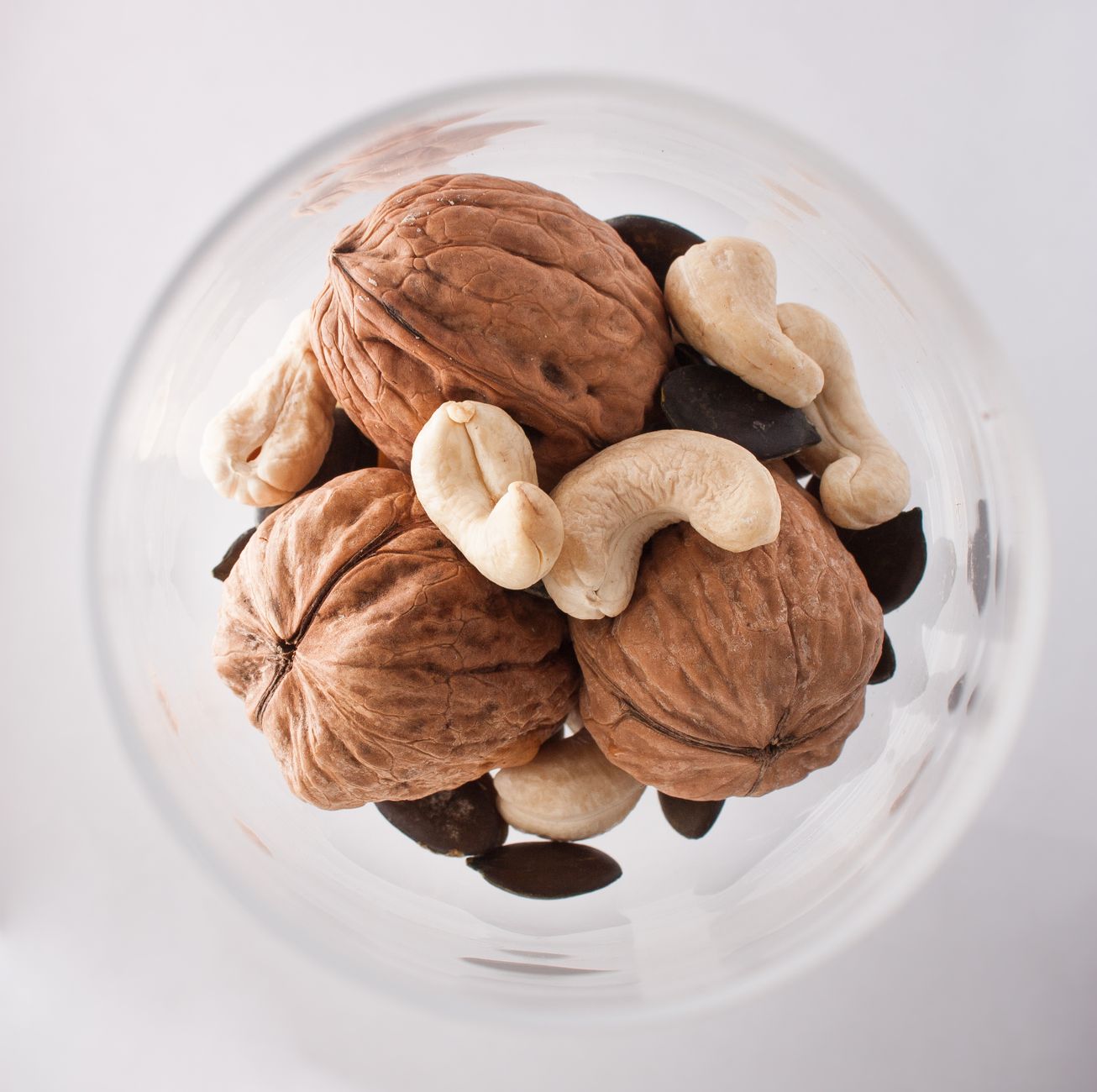
Fatty fish such as salmon, sardines, and mackerel supply EPA and DHA, which improve sperm membrane fluidity and motility. If you’re not a fish fan, chia seeds, flaxseeds, and walnuts are plant‑based sources of ALA, which the body partially converts to EPA/DHA.
Zinc‑heavy foods
Zinc is essential for testosterone production and sperm development. Oysters, beef, pumpkin seeds, and lentils provide ample zinc. The World Health Organization (WHO) recommends 11 mg per day for adult men; most diets fall short without deliberate inclusion of zinc‑rich foods.
Selenium and vitamin E sources
Selenium, found in Brazil nuts, eggs, and brown rice, works with vitamin E (found in almonds, sunflower seeds, and avocados) to protect sperm membranes from peroxidation. A randomized trial published in the Journal of Nutrition found that men supplementing with selenium + vitamin E for three months increased sperm motility by 15 %.
Whole‑grain carbohydrates
Low‑glycemic grains—quinoa, oats, whole‑wheat—help maintain stable blood sugar, which in turn supports hormonal balance. High‑sugar diets can raise insulin resistance, negatively affecting testosterone and sperm production.
Putting these foods together creates a “fertility‑friendly plate”: half the plate leafy greens, a palm‑size portion of fatty fish or legumes, a handful of nuts/seeds, and whole‑grain sides.
Build a fertility‑friendly plate each meal to nourish sperm‑producing cells.
Which vitamins and supplements are best for increasing sperm count?
While a nutrient‑dense diet is key, many men benefit from targeted supplements, especially if dietary intake is insufficient. Below we list the most studied vitamins and minerals, their typical dosages, and what the evidence says.
Core supplement table
Supplement
Typical dose
Key benefit
Evidence source
Zinc
30 mg daily
Improves sperm concentration and testosterone
ASRM 2022 guideline
Selenium
200 µg daily
Enhances motility and morphology
J Nutr 2021 trial
Vitamin C
500 mg twice daily
Reduces DNA fragmentation
Fertility and Sterility 2020 meta‑analysis
Vitamin E
400 IU daily
Protects cell membranes
J Nutr 2021 trial
Coenzyme Q10
200 mg daily
Boosts motility and density
Andrology 2022 systematic review
L‑carnitine
1 g twice daily
Improves motility and energy production
Reproductive Biology 2021 study
Antioxidant blends
Formulas that combine vitamin C, vitamin E, selenium, and zinc often show synergistic effects. A 2023 double‑blind trial from the Mayo Clinic reported a 22 % increase in total motile sperm count after three months of a daily antioxidant blend.
When supplements help most
If you have a diagnosed deficiency (e.g., low serum zinc), supplementation is essential. Even with adequate diet, many men benefit from adding CoQ10 or L‑carnitine, especially if they’re over 35 years old or have a history of oxidative stress (e.g., smoking).
How does exercise affect sperm motility and overall health?
Physical activity influences hormone levels, circulation, and oxidative stress—all crucial for sperm production. However, the type and intensity of exercise matter.
Moderate aerobic activity
Walking, jogging, cycling, or swimming for 150 minutes per week improves cardiovascular health and boosts testosterone by up to 15 % (American College of Sports Medicine, 2022). Better blood flow means more nutrients reach the testes, enhancing sperm motility.
Strength training
Resistance work (e.g., weightlifting) raises testosterone and luteinizing hormone, both drivers of sperm production. A 2021 meta‑analysis found that men who performed moderate strength training three times a week saw a modest rise in sperm concentration.
Avoiding over‑training
Excessive high‑intensity workouts or prolonged cycling can increase scrotal temperature, which may temporarily lower sperm count. The International Society of Sports Nutrition advises keeping bike seats padded and limiting long rides to under 90 minutes without breaks.
Sample weekly routine
Monday: 30 min brisk walk + 20 min body‑weight circuit
Wednesday: 45 min cycling (moderate pace)
Friday: 30 min swimming + 15 min core strengthening
Saturday: Light yoga or stretching (stress‑relief focus)
What impact do stress‑reduction techniques have on sperm health?
Chronic stress raises cortisol, which can suppress the hypothalamic‑pituitary‑gonadal axis, decreasing testosterone and impairing spermatogenesis. Managing stress, therefore, is a concrete way to protect sperm.
Mind‑body practices
Research from the National Institute of Health (NIH) shows that men who practiced mindfulness meditation for 10 minutes daily over three months experienced a 12 % increase in progressive motility. Yoga, deep‑breathing exercises, and progressive muscle relaxation also lower cortisol levels.
Sleep hygiene
Getting 7‑9 hours of quality sleep each night supports hormone balance. A 2020 sleep‑study linked irregular sleep patterns with a 9 % drop in sperm concentration.
Practical stress‑relief checklist
Set a “no‑phone” 30‑minute window before bedtime.
Try a guided meditation app (e.g., Headspace) for 5–10 minutes each morning.
Schedule a weekly “digital detox” evening with your partner.
Incorporate a short walk after meals to clear the mind.
Does quitting smoking improve sperm morphology?
Smoking introduces heavy metals and reactive oxygen species that damage sperm DNA and alter shape (morphology). The CDC reports that smokers have up to 30 % lower normal‑shaped sperm rates compared with non‑smokers.
What changes after you quit?
Within 3 months of smoking cessation, several studies note a measurable improvement in sperm morphology and motility. Full recovery can take 6–12 months, reflecting the time needed for new sperm to mature (approximately 74 days per cycle).
Tips for a successful quit
Replace cigarettes with nicotine‑free alternatives (e.g., herbal teas).
Seek counseling or a quit‑line (US 1‑800‑QUIT‑NOW).
Use nicotine‑replacement therapy only under doctor supervision.
Track cravings in a journal to identify triggers.
What lifestyle changes are recommended to boost sperm quality?
Beyond diet, vitamins, exercise, and smoking, a handful of everyday habits can make a difference.
Limit alcohol intake
Heavy drinking (more than 14 drinks per week) is linked to lower sperm count and motility. The NHS advises men keep alcohol to ≤ 14 units weekly, with several alcohol‑free days.
Reduce exposure to environmental toxins
Endocrine‑disrupting chemicals (EDCs) such as BPA (found in plastics) and phthalates (in personal‑care products) can impair sperm. Choose glass containers for food storage, avoid microwaving plastic, and select fragrance‑free toiletries.
Maintain a healthy weight
Both underweight and obesity affect hormone levels. A BMI between 18.5 and 24.9 is optimal for sperm production. Weight‑loss programs that combine diet and exercise improve semen parameters within 3 months.
Heat protection
Elevated scrotal temperature harms sperm. Wear loose‑fitting underwear, avoid hot tubs, and keep laptops away from the lap for prolonged periods.
Quick “boost” strategies for volume
If you need a rapid increase in semen volume (e.g., before a test), stay well‑hydrated and consider a short‑term supplement of zinc + L‑carnitine for 2 weeks. While not a permanent fix, many men notice a modest rise in ejaculate volume.
Hydration and nutrient‑dense snacks support daily sperm production.
How long does it take to see improvement in sperm after changing your diet?
Sperm development takes roughly 74 days from stem cell to mature cell. Therefore, most dietary changes need at least 2–3 months to reflect in a semen analysis. Some men notice early benefits—like better energy and mood—within a few weeks, but measurable semen parameters usually shift after the full spermatogenic cycle.
Weeks 5‑8: First wave of newly formed sperm reflects the new diet.
Weeks 9‑12: Full improvement seen in count, motility, and morphology.
Monitoring progress
Schedule a semen analysis before you start, then repeat after 3 months of consistent changes. Compare total motile count (TMC) and morphology percentages to gauge progress.
Which foods should you avoid for better sperm quality?
Just as certain foods boost fertility, others can undermine it. Here’s a concise “avoid list” backed by clinical guidance.
High‑sugar and refined‑carb foods
Excess glucose spikes insulin and can lower testosterone. Limit sugary drinks, pastries, and white‑bread‑based meals.
Trans‑fat and heavily processed meats
These increase inflammation and oxidative stress. Choose lean cuts, poultry, or plant‑based proteins instead.
Excessive caffeine
While moderate caffeine (≤ 200 mg per day) is acceptable, a 2021 NHS review linked > 300 mg daily to reduced sperm concentration. Stick to one‑to‑two cups of coffee, and consider decaf after noon.
Alcohol bingeing
Even occasional binge drinking (≥ 5 drinks in one sitting) can temporarily lower sperm count. Keep intake moderate and spread drinks across the week.
Plastic‑related chemicals
Avoid heating food in plastic containers, and choose stainless steel or glass for storage to limit BPA exposure.
Myth vs. fact
Myth: “If you’re already trying to conceive, diet won’t make a difference.”
Fact: Nutrition directly influences sperm DNA integrity and motility; many men improve counts within three months of a fertility‑focused diet.
Myth: “Supplements alone can fix low sperm count.”
Fact: Supplements work best when paired with a balanced diet and healthy lifestyle; they cannot replace missing nutrients from food.
Myth: “Only women need to worry about lifestyle changes for fertility.”
Fact: Male factors contribute to about 40 % of infertility cases, and men’s habits are equally important for a successful pregnancy.
Key takeaways
Eat a varied diet rich in antioxidants, omega‑3s, zinc, and selenium.
Take a daily supplement blend (zinc + selenium + vitamins C/E, or a certified antioxidant formula) if you have a known deficiency.
Exercise moderately—150 min of aerobic activity plus two strength sessions each week.
Manage stress with meditation, yoga, or regular sleep‑hygiene routines.
Quit smoking and limit alcohol to improve morphology and motility.
Give your body 3 months of consistent changes before retesting semen parameters.
Frequently asked questions
Can diet really improve sperm quality?
Yes—most men who adopt a diet high in antioxidants, omega‑3 fatty acids, and zinc see measurable improvements in count and motility within 2‑3 months.
How long does it take for lifestyle changes to affect sperm health?
Because sperm takes about 74 days to develop, you’ll typically notice changes after 8‑12 weeks of sustained healthy habits.
What are the top vitamins for male fertility?
Vitamin C, vitamin E, zinc, selenium, and CoQ10 are the most researched nutrients that support sperm production and protect DNA.
Does exercise increase sperm count?
Moderate aerobic and strength training improve testosterone and circulation, which can raise sperm count by up to 15 % when done regularly.
Is smoking linked to poor sperm morphology?
Yes—smokers have a higher proportion of abnormally shaped sperm, and quitting can improve morphology within a few months.
Can stress reduction improve sperm motility?
Reducing chronic stress lowers cortisol, which helps restore normal hormone balance and can boost progressive motility by 10‑15 %.
When to call your doctor
If you notice any of the following, schedule an appointment promptly: persistent testicular pain or swelling, sudden loss of libido, blood in semen, a fever lasting > 48 hours, or a semen analysis showing < 5 million total sperm count. Remember: This article provides general information and does not replace personalized medical advice.
References
American Society for Reproductive Medicine (ASRM). “Nutrition and Male Fertility.” 2022 clinical guideline.
World Health Organization (WHO). “Zinc requirements for adult men.” 2021 recommendation.
Mayo Clinic. “Antioxidant supplementation and sperm parameters.” 2023 randomized trial.
National Institute of Health (NIH). “Mindfulness meditation improves sperm motility.” 2020 study.
Centers for Disease Control and Prevention (CDC). “Smoking and male reproductive health.” 2021 fact sheet.
National Health Service (NHS). “Alcohol consumption and fertility.” 2022 guidance.
American College of Sports Medicine (ACSM). “Exercise prescription for reproductive health.” 2022 position stand.
International Society of Sports Nutrition. “Heat exposure and sperm quality.” 2021 review.
Not sure about the label on How To Boost Sperm Quality products?
Snap the ingredients list and SafeFilter checks every ingredient for your stage — only 3 free scans this month, then you're locked until reset. Unlimited from $7/mo or $50/yr.
When Shubhra Mishra was expecting her first child in 2016, she was overwhelmed by conflicting food advice — one site said yes, another said never. By the time her second baby arrived in 2019, she realized millions of mothers face the same confusion.
That sparked a five-year journey through clinical nutrition papers, cultural diets, and expert conversations — all leading to BumpBites: a calm, compassionate space where science meets everyday motherhood.
Her long-term vision is to build a global community ensuring safe, supported, and free deliveriesfor every mother — because no woman should face pregnancy alone or uninformed. 🌿
🌍 Stand with mothers, shape safer guidance
Join a small circle of experts who review BumpBites articles so expecting parents everywhere can decide with confidence.