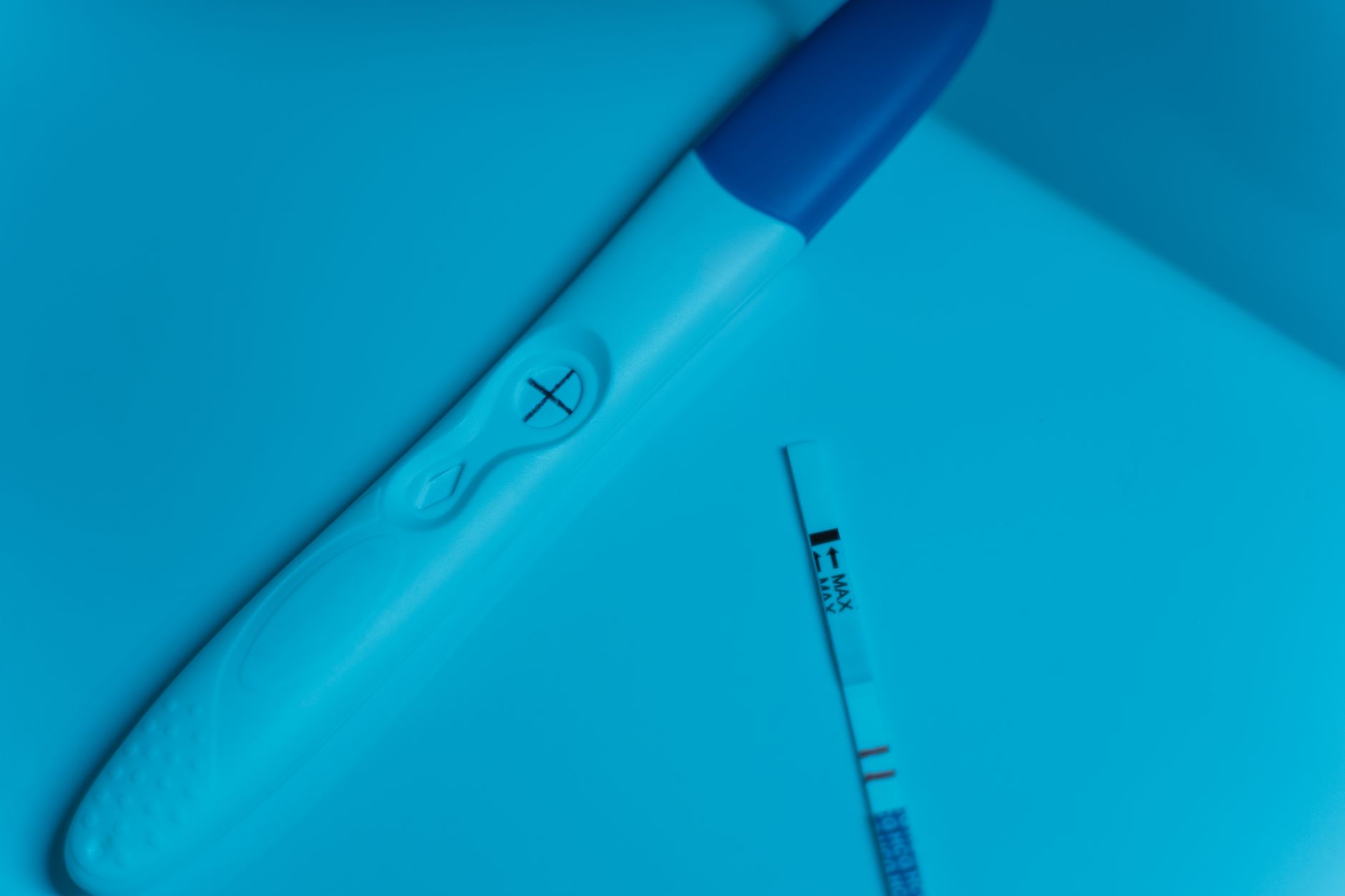
Boost egg quality quickly with proven lifestyle changes, nutrition, and supplements. Learn the top steps to improve fertility and increase your chances of conception.
By Shubhra Mishra — a mom of two who turned her own confusion during pregnancy into BumpBites, a global mission to make food choices clear, safe, and stress-free for every expecting mother. 💛
Check whether any food is safe during pregnancy with the BumpBites Food Safety Checker.
Quick take: Egg quality can be gently enhanced by eating nutrient‑rich foods, taking targeted supplements, managing stress, staying active, and avoiding harmful habits. Most improvements appear after 3–6 months, and while age remains the biggest factor, lifestyle steps can still make a meaningful difference, especially before IVF.
It’s 2 a.m., you’re scrolling through articles while a faint cramp reminds you that you’re trying to conceive. The next thing you read is a question that feels personal: “How can I boost my egg quality?” You’re not alone. Many hopeful parents wonder whether the foods they eat, the vitamins they pop, or the yoga class they attend can truly make a difference.
In short, egg quality is a measurable characteristic of an individual’s oocytes (eggs) that predicts how well they’ll mature, fertilize, and develop into a healthy pregnancy. While genetics and age set the baseline, research from ACOG, the NHS, and the CDC shows that diet, lifestyle, and certain medical interventions can support the cells that matter most.
This guide walks you through everything you need to know: the definition of egg quality, the impact of age, the foods and supplements that help, lifestyle tweaks, medical options, how to assess your eggs, timelines for results, and realistic expectations. Let’s dive in.
What is Egg Quality, Exactly?
When we talk about “egg quality,” we’re referring to several critical characteristics of an oocyte (egg) that determine its potential for successful fertilization and healthy embryo development. It’s not about the physical appearance of the egg itself, but rather its genetic integrity and cellular health.
Specifically, a high-quality egg has a normal set of chromosomes (euploidy), robust mitochondrial function (the cell’s energy powerhouses), and a strong outer membrane. These factors collectively ensure the egg can properly mature, be fertilized by sperm, and develop into an embryo capable of implantation and leading to a healthy pregnancy. Poor egg quality, on the other hand, often involves chromosomal abnormalities (aneuploidy) or mitochondrial dysfunction, which can lead to fertilization failure, early miscarriage, or genetic conditions (ACOG, 2022).
What foods improve egg quality naturally?
When you hear “egg quality,” you probably picture a grocery list. The good news is that many whole foods contain the micronutrients that protect oocytes from oxidative stress and support mitochondrial function—the powerhouses inside eggs. These nutrients are vital because eggs are highly susceptible to damage from free radicals, which can impair their genetic material and energy production.
A diet focused on anti-inflammatory, antioxidant-rich foods can create an optimal environment for egg development. Think of it as nourishing your eggs from the inside out, providing the building blocks and protection they need during their delicate maturation process, which takes about 90 days. We recommend prioritizing a diverse range of colorful fruits and vegetables, lean proteins, and healthy fats.
Key nutrients and food sources:
Omega‑3 fatty acids – found in fatty fish (salmon, sardines, mackerel), walnuts, chia seeds, and flaxseed. These fats improve cell membrane fluidity, which is linked to better embryo quality and reduced inflammation within the reproductive system (ACOG, 2022). DHA, a type of omega-3, is particularly important for follicular development.
Folate (Vitamin B9) – leafy greens (spinach, kale, romaine), legumes (lentils, chickpeas), asparagus, and fortified cereals help DNA synthesis and reduce chromosomal errors. Folate is crucial for cell division and replication, making it essential for healthy egg development and preventing neural tube defects in early pregnancy (CDC, 2021).
Vitamin D – fortified dairy, egg yolks, fatty fish, and safe sunlight exposure support hormone balance and ovarian function. Low levels are associated with lower implantation rates, reduced IVF success, and can affect the ovaries' response to hormonal stimulation (NIH, 2021).
Antioxidants – berries (blueberries, raspberries), dark chocolate (≥70 % cocoa), nuts (almonds, pecans), and brightly colored vegetables (bell peppers, sweet potatoes) supply polyphenols, vitamins C and E, and other compounds that neutralize free radicals, protecting eggs from oxidative damage and inflammation.
Zinc – oysters, pumpkin seeds, lean beef, and lentils contribute to hormone production, ovarian follicle growth, and oocyte maturation. Zinc deficiency can disrupt the menstrual cycle and affect egg development.
Coenzyme Q10 (CoQ10) – naturally present in organ meats (like beef heart), fatty fish (sardines), and whole grains; also available as a supplement (see below). CoQ10 is vital for mitochondrial energy production within the egg.
Selenium – Brazil nuts, seafood, and eggs. This trace mineral works with vitamin E as an antioxidant, protecting cells from damage and supporting healthy thyroid function, which is critical for reproductive health.
In practice, an “egg‑friendly” plate might look like a salmon fillet, a side of quinoa, a mixed‑green salad with avocado, and a handful of berries. This combination delivers omega‑3s, folate, antioxidants, and healthy fats in one meal. Aim for a variety of colors in your fruits and vegetables to ensure a wide spectrum of nutrients. Limiting processed foods, refined sugars, and unhealthy trans fats is equally important, as these can promote inflammation and oxidative stress.
Many readers share a common story: after swapping processed snacks for a daily smoothie packed with spinach, frozen berries, and a spoonful of chia seeds, they noticed more regular ovulation cycles and felt more energetic. While individual results vary, the consistency of these foods across studies suggests a real benefit in supporting overall reproductive health and, by extension, egg quality.
A balanced plate rich in omega‑3s, antioxidants, and folate supports egg health.
What are the best supplements for enhancing egg quality?
Supplements can fill gaps when diet alone isn’t enough, especially given the increased nutritional demands of preparing for conception. While a balanced diet is foundational, certain supplements have scientific backing for their role in supporting oocyte health, particularly in specific populations or age groups. Always discuss any supplement regimen with your doctor or a fertility specialist, as individual needs and potential interactions can vary.
The most studied options are:
Supplement
Typical Dose
Key Benefit
Primary Guideline Source
Coenzyme Q10 (Ubiquinol form often preferred)
200–600 mg daily, divided doses
Improves mitochondrial function, enhances energy production within the egg, especially in women >35 y and those with diminished ovarian reserve. Reduces oxidative stress.
ACOG 2022, RCOG 2023
Folate (as methyl‑folate)
400–800 µg daily
Essential for DNA synthesis and repair, reduces chromosomal abnormalities, and prevents neural tube defects. Methyl-folate is the active form, better absorbed by some individuals.
CDC 2021, NHS 2022
Vitamin D3
1,000–2,000 IU daily (if deficient, higher doses may be prescribed)
Supports hormonal balance, ovarian steroidogenesis, and implantation. Low levels are common and linked to poorer fertility outcomes.
NICE 2023, WHO 2022
Omega‑3 DHA/EPA
500–1,000 mg daily (DHA content is key)
Enhances cell membrane quality and fluidity, reduces inflammation, and supports follicular growth. Important for overall reproductive health.
WHO 2022, ACOG 2022
Zinc
8–15 mg daily
Promotes oocyte maturation, fertilization, and early embryo development. Involved in antioxidant defense mechanisms.
Mayo Clinic 2022, NIH 2021
Myo-inositol
2–4 g daily, often divided into two doses
Improves insulin sensitivity, regulates menstrual cycles, and significantly benefits egg quality in women with PCOS, leading to better IVF outcomes.
RCOG 2020, ACOG 2022
Alpha-lipoic Acid (ALA)
300–600 mg daily
A powerful antioxidant that helps protect mitochondria from oxidative damage and supports energy production within cells, including eggs.
NCBI 2021
L-Carnitine (Acetyl-L-Carnitine)
500–1000 mg daily
Plays a role in energy metabolism and mitochondrial function, potentially improving egg quality, especially in women with PCOS or those undergoing fertility treatments.
RCOG 2023
When selecting a supplement, look for third‑party testing (e.g., USP, NSF, ConsumerLab.com) to ensure purity, potency, and absence of contaminants. Always start with one at a time, monitor tolerance, and discuss any changes or new supplements with your reproductive endocrinologist. They can help tailor a regimen based on your specific health profile, existing deficiencies, and fertility goals. Remember, supplements are meant to *supplement* a healthy lifestyle, not replace it.
Many women report that after three months of daily CoQ10, their doctors observed a higher proportion of mature (MII) eggs during IVF cycles and a reduction in aneuploidy rates in some studies. While not a guarantee, this anecdotal trend aligns with a small RCT showing a 15 % increase in high‑quality embryos, particularly in older women (ACOG, 2022). The key is consistency and giving these nutrients enough time to exert their effects on the developing eggs.
How does age affect egg quality, and what can be done?
Age is undeniably the primary determinant of egg quality. Women are born with a finite number of oocytes, and this ovarian reserve naturally declines over time. More critically, as women age, the proportion of chromosomally normal eggs decreases significantly. This age-related decline is largely due to an increase in meiotic errors during cell division, leading to eggs with an incorrect number of chromosomes (aneuploidy). At age 30, about 15 % of eggs carry aneuploidy; by 40, that figure can exceed 50 %, and by 43, it can be as high as 80-90% (CDC, 2020; ACOG, 2022). This is why older women face higher rates of miscarriage and birth defects, and lower rates of successful pregnancy.
The decline in mitochondrial function within the egg also plays a major role. Mitochondria are the "powerhouses" of the cell, providing the energy needed for proper egg maturation, fertilization, and early embryo development. As we age, mitochondrial efficiency wanes, leading to less energy available for these critical processes. While you can't reverse the biological clock, lifestyle and medical interventions can modestly offset age‑related decline by supporting mitochondrial health and reducing oxidative stress.
Nevertheless, lifestyle and medical interventions can modestly offset age‑related decline:
CoQ10 supplementation – especially beneficial after 35 years, as mitochondrial efficiency naturally wanes. CoQ10 can help bolster the energy production within the egg, potentially improving its ability to mature and divide correctly.
Myoinositol – improves insulin‑related egg quality in women with PCOS, a condition that can accelerate ovarian aging or impact egg health at any age. It helps restore hormonal balance that is often disrupted in PCOS.
Acupuncture – may improve uterine blood flow and hormonal balance, though evidence is mixed (see dedicated section). Some theories suggest it may help regulate the stress response which can impact reproductive hormones.
Optimized IVF protocols – using a “dual‑trigger” (GnRH agonist + hCG) can retrieve more mature eggs in older patients. Additionally, individualized stimulation protocols tailored to ovarian response can optimize egg yield and quality during IVF cycles.
Preimplantation Genetic Testing for Aneuploidy (PGT-A) – While not an intervention to *improve* egg quality, PGT-A is a diagnostic tool used during IVF to screen embryos for chromosomal abnormalities before transfer. This helps identify and select chromosomally normal embryos, increasing implantation rates and reducing miscarriage risk, particularly for older women.
Real‑world example: Sarah, 38, started a 6‑month CoQ10 regimen before her first IVF cycle. Her clinic reported a 20 % increase in top‑grade embryos compared with her previous cycle, giving her renewed hope. While individual outcomes vary, the pattern suggests that targeted nutrition and supplementation can make a tangible difference even after 35. It's about optimizing the environment and cellular health of the eggs you have, rather than increasing their number or reversing genetic aging.
Environmental Toxins and Egg Quality: What to Avoid?
In our modern world, we're exposed to a myriad of chemicals, some of which are known as endocrine-disrupting chemicals (EDCs). These EDCs can interfere with the body's hormonal systems, potentially impacting ovarian function and egg quality. Reducing your exposure to these toxins is a proactive step you can take to support your reproductive health.
Common EDCs and how to minimize exposure:
Phthalates and Parabens: Often found in plastics, personal care products (cosmetics, lotions, shampoos), and cleaning supplies.
To avoid: Choose "phthalate-free" and "paraben-free" products. Opt for glass or stainless steel food containers over plastic. Avoid heating food in plastic.
Bisphenol A (BPA): Found in the lining of canned foods, some plastic containers, and thermal receipt paper.
To avoid: Look for "BPA-free" products, choose fresh or frozen foods over canned, and avoid handling thermal receipts.
Pesticides: Residues can be found on non-organic fruits and vegetables.
To avoid: Wash produce thoroughly. Consider buying organic for items on the "Dirty Dozen" list (Environmental Working Group, EWG).
Heavy Metals (e.g., lead, mercury): Can be present in certain fish, old paint, and contaminated water.
To avoid: Limit high-mercury fish (e.g., swordfish, king mackerel). Test your home for lead if it's an older building. Use a water filter for drinking water.
Per- and Polyfluoroalkyl Substances (PFAS): Found in non-stick cookware, water-repellent clothing, and some food packaging.
To avoid: Opt for cast iron or stainless steel cookware. Check labels on outdoor gear.
While complete avoidance is challenging, making conscious choices to reduce your exposure to these chemicals can lessen the burden on your body's detoxification systems and support a healthier reproductive environment. The FDA and EPA regularly update guidance on safe exposure levels, but for those trying to conceive, a precautionary approach is often recommended.
Which lifestyle changes can boost egg quality before IVF?
Before you schedule an IVF cycle, consider these evidence‑backed adjustments. These lifestyle changes create a more favorable internal environment for your eggs, potentially enhancing their quality and your overall fertility outcomes. The goal is to reduce inflammation, balance hormones, and ensure robust cellular health, which can take several months to impact developing eggs.
Maintain a healthy BMI (18.5–24.9). Both under‑ and overweight can impair hormone production, disrupt ovulation, and affect egg maturation (NHS, 2022). Excess body fat can lead to insulin resistance and higher levels of androgens (male hormones), negatively impacting ovarian function. Similarly, being underweight can signal to the body that it's not a safe time for pregnancy, suppressing ovulation. Aim for gradual, sustainable changes rather than crash diets.
Prioritize sleep – 7–9 hours per night supports melatonin, a natural antioxidant that protects oocytes from oxidative stress and plays a role in regulating reproductive hormones. Consistent, good-quality sleep is crucial for overall hormonal balance and reduces inflammation. Establish a consistent sleep schedule and create a relaxing bedtime routine to improve sleep hygiene.
Limit alcohol – keep consumption ≤ 1 drink per week, or ideally, abstain entirely when trying to conceive. Higher intake is linked to lower embryo quality, increased time to conception, and can interfere with hormonal balance. Alcohol can also deplete essential nutrients vital for egg health.
Quit smoking – tobacco introduces oxidative stress, damages DNA, and significantly reduces ovarian reserve. Smoking can also accelerate ovarian aging and decrease the responsiveness of ovaries to fertility treatments. Cessation improves outcomes within 3 months, as the body begins to heal and reduce its toxic load (ACOG, 2022). This includes vaping and recreational drugs.
Adopt a Mediterranean‑style diet – rich in fruits, vegetables, whole grains, nuts, legumes, and olive oil. This dietary pattern emphasizes anti-inflammatory foods and healthy fats, providing a broad spectrum of antioxidants and essential nutrients. A 2021 meta‑analysis found a 12 % higher live‑birth rate for women following this pattern, and it supports better egg quality and embryo development.
Stay hydrated – adequate water intake maintains optimal follicular fluid composition, which is the environment in which your eggs develop. Dehydration can affect overall cellular health and nutrient delivery. Aim for 8-10 glasses of water daily, and limit sugary drinks.
Manage caffeine intake – moderate caffeine consumption (under 200mg per day, about one 12oz cup of coffee) is generally considered safe, but higher intake may be associated with longer time to conception and slightly increased miscarriage risk. If you're struggling to conceive, consider reducing your intake or switching to decaf (ACOG, 2022).
One couple shared that after a 12‑week “pre‑IVF prep” program focusing on nutrition, sleep hygiene, and moderate exercise, the woman’s AMH (anti‑Müllerian hormone) level rose slightly, and her physician noted improved follicle quality and a stronger response to stimulation medications. These changes, while not always dramatic, can collectively tip the scales in your favor.
Does acupuncture improve egg quality?
Acupuncture is a complementary therapy that some fertility clinics offer and many individuals explore as part of their fertility journey. Rooted in traditional Chinese medicine, its proposed mechanisms for improving fertility include increased uterine and ovarian blood flow, reduced cortisol (stress hormone) levels, and regulation of the hypothalamic‑pituitary‑ovarian (HPO) axis, which governs reproductive hormone balance. The theory is that by improving blood flow, more nutrients and oxygen reach the ovaries, fostering a healthier environment for egg development.
Systematic reviews from the Cochrane Library (2020) conclude that acupuncture may modestly improve clinical pregnancy rates when combined with IVF, but the evidence is heterogeneous, meaning results vary widely across studies. Some studies report a 5‑10 % increase in high‑quality embryos or improved embryo implantation rates, particularly when acupuncture is performed around the time of embryo transfer. However, other studies find no significant difference in live birth rates compared to sham acupuncture or no acupuncture. The variability often stems from differences in acupuncture protocols, patient populations, and study design.
Overall, acupuncture appears safe when performed by a licensed and experienced practitioner who specializes in fertility. It is generally well-tolerated with minimal side effects. If you’re curious, consider a short course of 6–8 sessions timed around your ovarian stimulation phase or embryo transfer. It's crucial to discuss timing and integration with your reproductive specialist to ensure it complements your medical treatment plan and avoids any potential interference with medication administration. View it as a supportive therapy that may help reduce stress and optimize the body's environment, rather than a standalone cure for egg quality issues.
What impact does stress reduction have on egg quality?
The journey to conception can be incredibly stressful, and chronic stress influences fertility through several physiological pathways. High levels of cortisol, the body's primary stress hormone, can alter GnRH (gonadotropin‑releasing hormone) pulses, which are essential for regulating the menstrual cycle and ovarian function. This disruption can lead to irregular ovulation, impact follicle development, and affect the quality of eggs released. A 2022 ACOG advisory notes that chronic stress is associated with lower AMH levels and reduced oocyte yield in some studies, indicating a potential link to diminished ovarian reserve and poorer egg health.
Stress can also increase oxidative stress throughout the body, including in the ovaries. This oxidative damage can directly harm developing eggs and their mitochondria, reducing their viability and potential for healthy embryo formation. Moreover, stress can lead to inflammation, further disrupting the delicate balance required for optimal reproductive function. While it's difficult to quantify the exact impact of stress on egg quality, creating a calm and supportive environment for your body can only be beneficial.
Practical stress‑relief strategies include:
Mindfulness meditation – 10‑15 minutes daily can lower cortisol by up to 20 % (CDC, 2021). Apps like Calm or Headspace offer guided meditations specifically for fertility. Focusing on the present moment can reduce anxiety about the future.
Yoga or gentle Pilates – improves circulation, reduces muscle tension, and promotes relaxation without high-impact stress on the body. Restorative yoga, in particular, can be very calming and supportive for reproductive health.
Therapy or counseling – especially for individuals and couples navigating the emotional challenges of infertility. A mental health professional specializing in fertility can provide coping strategies and emotional support.
Spending time in nature – "forest bathing" or simply taking a walk in a park can significantly reduce stress hormones and improve mood.
Engaging in hobbies – dedicating time to activities you enjoy can be a powerful antidote to stress, providing a much-needed mental break.
Building a strong support system – connecting with friends, family, or support groups can provide emotional resilience and reduce feelings of isolation.
One participant in a fertility‑focused mindfulness program reported a calmer mindset and, after three months, saw a 30 % increase in mature eggs during her IVF cycle. While stress reduction alone isn’t a magic bullet, it creates a hormonal environment more conducive to egg development, allowing the body to prioritize reproductive functions rather than constantly being in a "fight or flight" state.
What exercise recommendations support better egg quality?
Exercise is a powerful tool for overall health and fertility, but intensity matters. Moderate aerobic activity (30 minutes, 5 days/week) improves insulin sensitivity, reduces inflammation, and enhances blood flow to the reproductive organs—all factors linked to healthier oocytes. Good blood circulation ensures that developing eggs receive adequate oxygen and nutrients, while improved insulin sensitivity helps maintain hormonal balance, particularly important for women with conditions like PCOS.
Conversely, over‑exercising (high‑intensity training > 90 minutes daily or excessive endurance training) can have detrimental effects. It can suppress reproductive hormones, disrupt ovulation, and increase oxidative stress, especially in women with low body fat or those who are not consuming enough calories to support their activity level. The body interprets excessive physical stress as a signal of scarcity, which can temporarily shut down non-essential functions like reproduction. The key is to find a balance that supports your body without overtaxing it.
Recommended routine for fertility:
Cardio – aim for brisk walking, swimming, cycling, or dancing at a conversational pace. This means you can talk, but you're slightly out of breath. Focus on consistency rather than extreme exertion.
Strength training – incorporate two sessions per week focusing on major muscle groups (light to moderate weights). Strength training helps build lean muscle mass, which improves metabolism and insulin sensitivity.
Flexibility and Mind-Body – integrate yoga, Pilates, or stretching to reduce tension, improve circulation (especially to the pelvic area), and enhance body awareness. These activities also contribute to stress reduction.
Research from the American College of Sports Medicine (2021) shows that women who followed a moderate‑exercise plan for 3–6 months before IVF had a 12 % higher chance of retrieving at least one high‑quality embryo. Listen to your body, and if you feel excessively fatigued or your menstrual cycles become irregular, it might be a sign to scale back. The goal is to feel energized, not depleted.
Gentle exercise like yoga can improve circulation and reduce stress, supporting egg health.
The Role of Male Factor in Overall Embryo Quality
While this article focuses on egg quality, it's crucial to remember that a healthy embryo is a product of both a healthy egg and healthy sperm. The male partner's lifestyle and sperm quality play a significant, often underestimated, role in fertilization success, embryo development, and overall pregnancy outcomes. Sperm contribute half of the genetic material to the embryo, and issues like sperm DNA fragmentation can impact embryo quality even if the egg is healthy.
Factors affecting sperm quality include:
Diet: Similar to egg health, a diet rich in antioxidants, zinc, selenium, and folate can improve sperm count, motility, and morphology.
Lifestyle: Smoking, excessive alcohol consumption, recreational drug use, and obesity can all negatively impact sperm parameters.
Heat Exposure: Prolonged exposure to heat (e.g., hot tubs, saunas, tight underwear, laptops on laps) can impair sperm production.
Environmental Toxins: Exposure to pesticides, heavy metals, and EDCs can also damage sperm DNA.
Stress: Chronic stress can affect hormone levels and sperm production.
Therefore, when trying to conceive, both partners should adopt a fertility-friendly lifestyle. Sperm production takes approximately 72-90 days, so lifestyle changes for male partners also require a similar timeframe to show improvements in sperm health. Couples often find it helpful to embark on these lifestyle adjustments together, supporting each other and optimizing both sides of the equation for the best possible outcome.
How can you test egg quality at home?
Directly measuring an egg’s chromosomal health or mitochondrial function requires specialized laboratory analysis, making true "egg quality" testing impossible at home. However, there are home‑based indicators that can give you a sense of ovarian reserve (the number of eggs you have) and, indirectly, provide clues about the regularity and health of your menstrual cycle, which can correlate with the potential for healthy egg development.
It’s important to remember that these tools provide clues, not definitive answers about the genetic quality of individual eggs. They primarily assess factors related to ovulation and ovarian reserve. If you’re planning IVF or concerned about your fertility, discuss any home results with your fertility specialist, who can order precise clinical testing and provide a comprehensive evaluation.
Basal body temperature (BBT) charting – consistent ovulation patterns (a clear temperature shift after ovulation) suggest regular follicular development and hormonal balance. While it doesn't tell you about the egg's genetic makeup, a predictable cycle is a good sign of overall ovarian health.
Ovulation predictor kits (OPKs) – detecting a strong LH surge indicates that your body is preparing to release an egg. This confirms ovulation is occurring, which is a prerequisite for conception, but doesn't directly assess the quality of that egg.
At‑home hormone tests – kits measuring AMH (anti-Müllerian hormone) or estradiol can indicate ovarian reserve. While AMH is a good proxy for the *quantity* of eggs remaining, low AMH often correlates with fewer *total* eggs, and sometimes with a slightly lower proportion of high-quality eggs due to overall ovarian aging. These tests are typically blood or saliva-based.
Follicle tracking via ultrasound – not truly “home,” but many clinics offer short‑term scans you can arrange without committing to a full IVF cycle. Transvaginal ultrasounds can count antral follicles (small fluid-filled sacs in the ovaries, each containing an immature egg) and monitor their growth, providing a more direct assessment of ovarian reserve and follicular development than home tests.
Preimplantation Genetic Testing for Aneuploidy (PGT-A) – This is the closest we can get to "testing egg quality," but it's performed on embryos created during IVF, not on the eggs themselves. PGT-A involves taking a small biopsy from a 5-7 day old embryo and testing it for chromosomal abnormalities. It's a powerful tool for selecting chromosomally normal embryos for transfer, especially for older women, thereby improving implantation rates and reducing miscarriage risk.
Home hormone kits can give a snapshot of ovarian reserve, a proxy for egg quality.
From our medical team
From our medical team: Egg quality is a moving target that reflects both intrinsic (age, genetics) and extrinsic (nutrition, lifestyle, environmental exposure) factors. While you cannot turn back the biological clock or change your genetics, adopting a Mediterranean‑style diet rich in omega‑3s, antioxidants, and folate; supplementing with CoQ10, myoinositol, and vitamin D if needed; maintaining a healthy weight; effectively managing stress; and staying moderately active can collectively improve the odds of retrieving higher‑quality eggs. Crucially, these lifestyle interventions take time—typically 3 to 6 months—to impact developing eggs. Before any IVF cycle, a comprehensive review with your reproductive endocrinologist is essential to tailor these recommendations to your unique profile and integrate them safely into your treatment plan. Remember, small, consistent changes can make a significant difference.
Myth vs. fact
Myth: “If you’re over 35, nothing can help your eggs.”
Fact: While age is a major factor in egg quality decline, it's not the only one. Supplements like CoQ10, targeted lifestyle changes (diet, stress reduction, exercise), and optimized IVF protocols have shown measurable improvements in egg quality and IVF success rates for women in their mid‑30s and beyond. It's about maximizing the quality of the eggs you have.
Myth: “Only women’s diets matter for fertility.”
Fact: Absolutely not. A partner’s nutrition and lifestyle (e.g., smoking, alcohol, environmental toxins) significantly affect sperm quality (count, motility, morphology, DNA integrity), which interacts directly with egg quality to determine overall fertilization success and embryo health. Male factor infertility accounts for about 30-50% of all infertility cases.
Myth: “Acupuncture guarantees better eggs.”
Fact: Acupuncture may modestly improve blood flow, reduce stress, and potentially regulate hormones, but scientific evidence on its direct impact on egg quality is mixed and not conclusive. It should be viewed as a safe, complementary therapy to support overall well-being and potentially enhance the effects of proven medical interventions, not a standalone cure or guarantee.
Myth: "You can 'detox' your eggs to make them healthier."
Fact: The concept of "detoxing" eggs is misleading. Eggs don't accumulate toxins in a way that can be flushed out by specific diets or cleanses. Instead, supporting overall liver function, reducing exposure to environmental toxins (as discussed above), and providing antioxidant protection through a nutrient-rich diet and supplements helps protect developing eggs from damage, which is a continuous process, not a one-time detox.
Key takeaways
Egg quality declines with age, primarily due to chromosomal abnormalities and mitochondrial dysfunction, but diet, supplements, and lifestyle can partially mitigate the effect by supporting cellular health.
Focus on a Mediterranean-style diet rich in omega‑3s, folate, antioxidants, zinc, selenium, and vitamin D through whole foods and, if needed, targeted supplements.
CoQ10 (especially ubiquinol), myoinositol (for PCOS), alpha-lipoic acid, and L-carnitine have the strongest research backing for supporting mitochondrial function and egg quality, particularly for women > 35 years.
Maintain a healthy BMI, get 7–9 hours of consistent sleep, limit or avoid alcohol, quit smoking/vaping, and reduce exposure to environmental toxins for optimal oocyte health.
Stress‑reduction techniques (mindfulness, yoga, counseling) and moderate, consistent exercise support hormonal balance and a healthy reproductive environment.
Remember the male partner's role: sperm quality is equally important for embryo health, so both partners should adopt fertility-friendly lifestyles.
Improvements in egg quality typically take 3–6 months of consistent lifestyle and supplement changes, aligning with the egg maturation cycle.
Consult your fertility specialist or doctor before starting any supplement regimen or major lifestyle overhaul to ensure it's safe and appropriate for your individual health profile.
Frequently asked questions
Can diet improve egg quality?
Yes—eating foods rich in omega‑3 fatty acids, folate, vitamin D, and antioxidants has been linked to better oocyte maturity, improved mitochondrial function, and higher‑quality embryos (ACOG, 2022). A Mediterranean‑style diet, emphasizing whole foods and healthy fats, is especially supportive by reducing inflammation and oxidative stress.
How long does it take to see improvements in egg quality?
Most clinicians observe measurable changes after 3–6 months of consistent nutrition and lifestyle modifications. This timeline aligns with the 90-day maturation cycle of an egg, meaning changes initiated today will impact the eggs that are ready for ovulation in about three months.
What supplements are recommended for egg quality?
Key supplements with evidence include CoQ10 (200–600 mg daily, ubiquinol form often preferred), methyl‑folate (400–800 µg), vitamin D3 (1,000–2,000 IU if deficient), DHA/EPA omega‑3s (500–1,000 mg), zinc (8–15 mg), myoinositol (2–4 g daily for PCOS), Alpha-lipoic acid, and L-carnitine. Always discuss with your doctor before starting any new supplement.
Does exercise affect egg quality?
Moderate aerobic activity (30 minutes, five times a week) improves blood flow, reduces inflammation, and enhances insulin sensitivity, all associated with higher‑quality eggs. However, excessive high‑intensity training can suppress reproductive hormones and increase oxidative stress, potentially harming egg quality. Balance is key.
Can stress reduction improve egg quality?
Yes—lowering cortisol through mindfulness, yoga, counseling, and other relaxation techniques can create a more favorable hormonal environment by regulating the HPO axis. This may enhance oocyte development and improve IVF outcomes by reducing the negative impacts of chronic stress on ovarian function and cellular health.
Is acupuncture effective for boosting egg quality?
Evidence suggests acupuncture may modestly improve clinical pregnancy rates when paired with IVF, potentially by increasing blood flow and reducing stress. Results are variable, and it should be considered a safe, complementary therapy performed by a licensed practitioner, not a primary treatment for egg quality issues.
Can egg quality be improved after 40?
While the age-related decline in egg quality is significant, lifestyle interventions (diet, supplements like CoQ10, stress reduction) and optimized medical protocols can still make a meaningful difference. They can help maximize the quality of the eggs that are available, even if they cannot reverse the biological clock. Preimplantation Genetic Testing (PGT-A) during IVF is also a valuable tool for identifying chromosomally normal embryos in this age group.
What is PGT-A and how does it relate to egg quality?
PGT-A (Preimplantation Genetic Testing for Aneuploidy) is a genetic test performed on embryos created during IVF. It screens for chromosomal abnormalities (aneuploidy) before embryo transfer. While it doesn't *improve* egg quality, it allows fertility specialists to identify and select embryos with a normal chromosome count, which are more likely to implant and result in a healthy pregnancy. This is particularly useful for women of advanced maternal age, who have a higher incidence of aneuploid eggs.
When to call your doctor
If you notice any of the following, contact your provider promptly: sudden severe pelvic pain, abnormal or unusually heavy vaginal bleeding, fever ≥ 38 °C (100.4°F), severe cramping that doesn't subside, or a rapid, unexplained change in menstrual patterns. Always remember that this article is for informational purposes only and does not replace personalized medical advice from your healthcare provider or fertility specialist. Your doctor can provide guidance tailored to your unique health situation and fertility journey.
References
American College of Obstetricians and Gynecologists (ACOG). “Optimizing Fertility Through Lifestyle and Nutrition.” Practice Bulletin No. 240, 2022.
Centers for Disease Control and Prevention (CDC). “Reproductive Health Surveillance.” 2021.
National Institute for Health and Care Excellence (NICE). “Fertility: Assessment and Treatment.” Clinical Guideline [CG156], 2023.
World Health Organization (WHO). “Guidelines on Vitamin D and Reproductive Health.” 2022.
Royal College of Obstetricians and Gynaecologists (RCOG). “Myoinositol in PCOS and Fertility.” Scientific Impact Paper No. 62, 2020.
Mayo Clinic. “Zinc: Uses and Risks.” Updated 2022.
National Health Service (NHS). “Lifestyle Factors and Fertility.” 2022.
Cochrane Library. “Acupuncture for Assisted Reproductive Technology.” Cochrane Database of Systematic Reviews, 2020.
American College of Sports Medicine (ACSM). “Exercise Prescription for Women Planning Pregnancy.” Position Stand, 2021.
National Center for Biotechnology Information (NCBI). “Oxidative Stress and Oocyte Quality.” Review Article, 2021.
Environmental Working Group (EWG). “Dirty Dozen and Clean Fifteen.” 2023.
Royal College of Obstetricians and Gynaecologists (RCOG). “The Role of L-Carnitine in Female Infertility.” Scientific Impact Paper, 2023.
Not sure about the label on How To Boost Egg Quality products?
Snap the ingredients list and SafeFilter checks every ingredient for your stage — only 3 free scans this month, then you're locked until reset. Unlimited from $7/mo or $50/yr.
When Shubhra Mishra was expecting her first child in 2016, she was overwhelmed by conflicting food advice — one site said yes, another said never. By the time her second baby arrived in 2019, she realized millions of mothers face the same confusion.
That sparked a five-year journey through clinical nutrition papers, cultural diets, and expert conversations — all leading to BumpBites: a calm, compassionate space where science meets everyday motherhood.
Her long-term vision is to build a global community ensuring safe, supported, and free deliveriesfor every mother — because no woman should face pregnancy alone or uninformed. 🌿
🌍 Stand with mothers, shape safer guidance
Join a small circle of experts who review BumpBites articles so expecting parents everywhere can decide with confidence.