

Quick take: Most home pregnancy tests can detect a pregnancy about 10–14 days after conception, but waiting until after your missed period—or at least 14 days after ovulation—gives the most reliable result. If you test early and get a negative, retest a few days later. Blood tests can confirm pregnancy as early as 6–8 days after fertilization, and factors like urine concentration, test sensitivity, and cycle regularity all play a role in accuracy.
It’s 2 a.m., you’re curled up in bed, and a sudden wave of nausea makes you wonder: “Did I just get pregnant?” The clock is ticking, and the internet is full of conflicting advice about when you can finally find out. You’re not alone—many people wonder exactly how soon can you take a pregnancy test after conception and whether a negative result means “not yet” or “no pregnancy at all.” Maybe you’re tracking ovulation with an app, or perhaps you’re just counting days since that late-night craving for pickles and ice cream. Either way, the wait can feel endless.
In this guide, we’ll walk you through the science of fertilization, the rise of the hormone hCG, and the differences between urine and blood tests. You’ll learn the optimal timing for a home test, what early symptoms might appear, why some tests turn negative even if you’re pregnant, and when it’s time to call your provider. We’ll also cover how to choose the right test for your needs, what to do if you get a faint line, and how to manage the emotional rollercoaster of waiting. By the end, you’ll have a clear, step‑by‑step plan for getting the most accurate answer—without unnecessary anxiety.

When can I take a pregnancy test after ovulation?
Ovulation typically occurs about 14 days before the start of your next period. After the egg is released, fertilization (if it happens) can occur within 12–24 hours. Implantation—the moment the fertilized egg embeds into the uterine lining—usually takes 6–12 days after fertilization. Only after implantation does the placenta begin to produce detectable levels of human chorionic gonadotropin (hCG), the hormone that pregnancy tests look for.
Because hCG rises slowly at first, most experts, including the American College of Obstetricians and Gynecologists (ACOG), recommend waiting at least 14 days after ovulation before using a home urine test. This timing aligns with the “day of expected period” for a typical 28‑day cycle. Testing earlier can give a false‑negative result, as the hormone may still be below the detection threshold of most over‑the‑counter kits. For example, if you ovulate on day 14 of your cycle, implantation might not occur until day 20–26, and hCG may not reach detectable levels until day 28—the day your period is due.
If your cycles are shorter or longer than 28 days, the timing shifts. For instance, if you have a 25-day cycle, ovulation might occur around day 11, and your period would be due on day 25. In this case, waiting until day 25 (or 14 days after ovulation) is ideal. Conversely, if you have a 35-day cycle, ovulation might occur around day 21, and your period would be due on day 35. Here, waiting until day 35 is best. Tracking ovulation with basal body temperature (BBT) or ovulation predictor kits (OPKs) can help you pinpoint your personal timeline more accurately.
Best time of day to take a pregnancy test
First‑morning urine is most concentrated, meaning it contains the highest hCG levels. If you can’t test in the morning, try to avoid drinking large amounts of fluid for at least an hour beforehand. This simple step can improve reliability by up to 15 % according to data from the NHS. If you’ve been drinking water or other fluids throughout the day, your urine may be too diluted to detect low levels of hCG, leading to a false negative.
If you’re testing early (before your missed period), the time of day becomes even more critical. For example, if you test at 8 p.m. after drinking several glasses of water, your urine may not contain enough hCG to trigger a positive result, even if you are pregnant. Many people find it helpful to set a reminder to test first thing in the morning, especially if they’re anxious to know the result. If you’re using a digital test, the display may be easier to read in good lighting, so testing during the day (with concentrated urine) can also work well.
How many days after conception will a home pregnancy test show positive?
Some ultra‑sensitive tests claim to detect hCG as low as 10 mIU/mL, allowing a positive result as early as 8 days post‑conception. However, the accuracy at that point drops to roughly 50 % because hormone levels vary widely between individuals. The Centers for Disease Control and Prevention (CDC) advises that if you test before day 12 and receive a negative, you should retest two to three days later. For example, if you test on day 10 and get a negative, retesting on day 12 or 13 may yield a positive result as hCG levels double every 48–72 hours in early pregnancy.
It’s also worth noting that not all pregnancies progress at the same rate. In some cases, hCG levels may rise more slowly, especially in early miscarriages or ectopic pregnancies. If you test early and get a faint line, it’s a good idea to retest in a few days to see if the line darkens, which would indicate rising hCG levels. If the line doesn’t darken or disappears, it may signal a chemical pregnancy—a very early miscarriage that occurs before the pregnancy is clinically detectable.
Earliest signs of pregnancy before a test
Before hCG is measurable, you may notice subtle changes: light spotting (implantation bleeding), mild cramping, heightened sense of smell, and a slight increase in basal body temperature. These signs are not definitive, but they often prompt people to reach for a test earlier than recommended. Implantation bleeding, for example, occurs when the fertilized egg attaches to the uterine lining, causing light spotting that may be mistaken for a very light period. It’s usually pink or brown in color and lasts only a day or two.
Other early signs include breast tenderness, fatigue, and frequent urination. Some people also report a metallic taste in their mouth or food aversions. These symptoms can be confusing because they overlap with premenstrual symptoms, making it hard to know whether they’re due to pregnancy or an impending period. For instance, breast tenderness is common in both scenarios, but it may feel more intense or start earlier in pregnancy. Similarly, fatigue can be a sign of pregnancy, but it’s also a common symptom of stress or poor sleep.
If you’re tracking your basal body temperature (BBT), you may notice that it stays elevated after ovulation instead of dropping as it usually does before your period. This sustained rise can be an early clue that you’re pregnant, but it’s not foolproof—stress, illness, or changes in sleep patterns can also affect BBT. If you’re using an app to track your cycle, you might see a pattern emerge over time, but it’s always best to confirm with a pregnancy test.
Does a missed period affect pregnancy test timing?
A missed period is the classic cue to test, because it usually indicates that 14 days have passed since ovulation. The hormone surge is typically high enough by then for most home kits to register a clear positive line. If your cycle is irregular, you can use an ovulation predictor kit (OPK) to pinpoint the likely day of ovulation and then count 14 days from that point. For example, if you ovulate on day 16 of your cycle, you’d count 14 days from day 16 to determine when to test (day 30).
For women on hormonal birth control or with short cycles, a missed period may not be a reliable indicator. In those cases, counting days from the last known ovulation—or using a blood test—provides a more accurate timeline. Hormonal birth control, such as the pill, patch, or hormonal IUD, can alter menstrual timing or even stop periods altogether. If you’re on birth control and suspect pregnancy, a blood test is the most definitive early option, as it can detect hCG levels as low as 1–2 mIU/mL.
If you have polycystic ovary syndrome (PCOS) or another condition that causes irregular cycles, tracking ovulation can be especially helpful. PCOS can make cycles unpredictable, with some women experiencing cycles as short as 21 days or as long as 35 days. In these cases, using an OPK or tracking cervical mucus can help you identify ovulation more accurately. Once you’ve confirmed ovulation, you can count 14 days forward to determine the best time to test.
Can I take a pregnancy test while on birth control?
Yes. Birth control does not interfere with hCG detection. However, some hormonal methods can alter menstrual timing, making it harder to know when to test. If you suspect pregnancy while using birth control, a blood test is the most definitive early option. For example, if you’re on the pill and miss a period, it could be due to the hormones in the pill rather than pregnancy. Similarly, if you have a hormonal IUD, you may have lighter periods or no periods at all, making it difficult to know when to test.
If you’re using a non-hormonal method like a copper IUD or condoms, your cycles should remain more predictable, and a missed period is a clearer sign to test. However, even with non-hormonal methods, stress, illness, or changes in weight can affect your cycle. If you’re unsure, a blood test can provide a definitive answer as early as 6–8 days after fertilization.
Can blood tests detect pregnancy earlier than urine tests?
Blood tests measure serum hCG directly and can detect levels as low as 1–2 mIU/mL, far below the ~25 mIU/mL threshold of most urine kits. This means a blood test can confirm pregnancy as early as 6–8 days after fertilization, roughly 3–5 days before a typical home test would turn positive. Blood tests are often used in clinical settings, such as fertility clinics or early pregnancy units, where early detection is critical. For example, after an IVF embryo transfer, many clinics schedule a blood test on day 10–12 post-transfer to confirm pregnancy.
Quantitative (beta‑hCG) blood tests also provide a numeric value, allowing clinicians to track the hormone’s rise and assess viability. In a healthy pregnancy, hCG levels double every 48–72 hours in the first few weeks. If the levels rise more slowly, it may indicate an ectopic pregnancy or a potential miscarriage. Qualitative blood tests simply report “positive” or “negative,” but still offer earlier detection than urine. The World Health Organization (WHO) recommends a blood test for anyone who needs an early, definitive answer—such as after IVF embryo transfer or if there’s a suspected ectopic pregnancy.
Blood tests are also useful if you’ve had a previous ectopic pregnancy or miscarriage, as they allow your provider to monitor hCG levels more closely. For example, if you’ve had an ectopic pregnancy in the past, your provider may recommend a blood test as early as 6 days after ovulation to check for rising hCG levels. If the levels are lower than expected or rise too slowly, further testing (such as an ultrasound) may be needed to rule out another ectopic pregnancy.
Pregnancy test after IVF embryo transfer timing
After an embryo transfer, many fertility clinics advise a serum beta‑hCG test on day 10–12 post‑transfer. This timing aligns with the expected rise in hCG from the implanted embryo and gives the most reliable early result. For example, if you have a day-5 embryo transfer, you’d count 10–12 days from the transfer date to schedule the blood test. Some clinics may recommend testing as early as day 9, but this can increase the risk of a false negative if hCG levels are still too low.
It’s important to note that hCG levels can vary widely after IVF, depending on factors like the number of embryos transferred and the quality of the embryos. For example, if two embryos implant, your hCG levels may be higher than if only one embryo implants. Similarly, if you’re taking hCG injections as part of your fertility treatment, residual hCG from the injections may cause a false positive. In these cases, your provider may recommend waiting a few extra days to test or repeating the blood test to confirm the result.
How accurate are early pregnancy tests?
When used according to the manufacturer’s instructions after a missed period, most over‑the‑counter tests claim >99 % accuracy. This figure drops to about 70–80 % if you test before the expected period because hCG levels may still be below the detection threshold. Sensitivity varies by brand; for example, First Response Early Result® advertises a detection threshold of 6.3 mIU/mL, while many generic brands start at 25 mIU/mL. The lower the threshold, the earlier the test can detect pregnancy, but the trade-off is a higher chance of a faint line or false negative.
Digital tests, which display “Pregnant” or “Not Pregnant” instead of lines, have similar sensitivity but may be slightly less prone to user interpretation errors. A recent review by the National Institute for Health and Care Excellence (NICE) found no clinically significant difference in accuracy between digital and line tests when used at the appropriate time. However, digital tests can be more expensive, and some people prefer the visual confirmation of a line test, especially if they’re testing early and expect a faint line.
It’s also worth noting that test accuracy can be affected by user error. For example, reading the test too early or too late can lead to misinterpretation. Most tests recommend reading the result within 3–5 minutes, but some people check the test after 10 minutes, when evaporation lines can appear. Evaporation lines are colorless streaks that can be mistaken for a positive result, especially if the test is read after the recommended time window. To avoid confusion, always follow the manufacturer’s instructions and read the test within the specified time frame.
Difference between digital and line pregnancy tests early detection
Both formats rely on the same chemical reaction. Digital tests often incorporate a built‑in control line and a clearer display, which can reduce “ambiguous” faint‑line situations. However, the underlying detection threshold is set by the test’s antibodies, not the display type. For example, a digital test with a 25 mIU/mL threshold will not detect pregnancy any earlier than a line test with the same threshold. The main advantage of digital tests is that they eliminate the guesswork of interpreting faint lines, which can be especially helpful for people who are anxious or unsure about their results.
Line tests, on the other hand, can provide more information about the progression of your pregnancy. For example, if you test early and get a faint line, you can retest in a few days to see if the line darkens, which would indicate rising hCG levels. This can be reassuring if you’re tracking the progress of your pregnancy. However, line tests can also be more confusing if you’re not familiar with how they work. For instance, some people mistake an evaporation line for a positive result, while others may not notice a very faint line at all.
What factors can cause a false negative early pregnancy test?
A false negative occurs when the test says “not pregnant” even though pregnancy exists. Early false negatives are most common due to:
- Testing too soon: hCG below detection threshold.
- Diluted urine: Drinking lots of fluids before testing.
- Improper storage: Expired or heat‑exposed kits lose sensitivity.
- Medical conditions: Certain hormonal disorders or ectopic pregnancies can produce lower hCG levels.
- Medications: High doses of hCG for fertility treatments can paradoxically cause “hook effect” false negatives, though this is rare.
Stress does not directly affect hCG levels, but it can alter menstrual timing, leading you to test before implantation is complete. If you suspect stress‑related timing shifts, wait a few extra days before testing again. For example, if you’re under a lot of stress at work or home, your period may be delayed, making it seem like you’ve missed it when you haven’t. In this case, waiting a few extra days to test can help avoid a false negative.
Other factors that can cause a false negative include testing too early in the day (when urine is less concentrated) or using a test that’s past its expiration date. Always check the expiration date on the test packaging before using it, and store tests in a cool, dry place to maintain their sensitivity. If you’re using a test that’s been stored in a hot car or bathroom, it may not work as well, leading to a false negative.
Can stress affect early pregnancy test results?
Stress itself does not change hCG production, but cortisol spikes can delay ovulation or implantation, meaning the hormone may not be present when you test. The best approach is to stay calm, maintain a healthy routine, and retest after a short waiting period. For example, if you’re trying to conceive and feeling anxious about the outcome, it’s natural to want to test as soon as possible. However, testing too early can lead to disappointment and unnecessary stress. Instead, try to focus on other aspects of your life, such as work, hobbies, or spending time with loved ones, to take your mind off the waiting game.
If you’re feeling overwhelmed, consider talking to a therapist or counselor who specializes in fertility or pregnancy-related anxiety. They can provide strategies to manage stress and cope with the emotional ups and downs of trying to conceive. Many people also find support groups helpful, as they provide a safe space to share experiences and connect with others who are going through the same thing.
Should I wait for a certain hormone level before testing?
In a clinical setting, doctors often wait until serum hCG reaches at least 5 mIU/mL before interpreting a blood test as positive. For home testing, the practical equivalent is to wait until your period is late—roughly 14 days after ovulation—when urine hCG typically exceeds 25 mIU/mL. If you’re eager to know sooner, choose a test with the lowest detection threshold (around 6 mIU/mL) and test first‑thing‑in‑the‑morning. Even then, understand that a negative result before day 12 post‑ovulation is not definitive; a repeat test after a few days is advisable.
If you’re tracking your hCG levels with blood tests, your provider may recommend waiting until the levels reach a certain threshold before confirming the pregnancy. For example, some providers consider an hCG level of 100 mIU/mL or higher to be a strong indicator of a viable pregnancy. However, even low hCG levels can indicate a healthy pregnancy, especially in the very early stages. The key is to look for a consistent rise in hCG levels over time, rather than focusing on a single number.
It’s also important to remember that hCG levels can vary widely between individuals. For example, one person’s hCG level at 4 weeks pregnant might be 50 mIU/mL, while another’s might be 200 mIU/mL. Both can be normal, as long as the levels are rising appropriately. If you’re concerned about your hCG levels, talk to your provider about what’s normal for your specific situation.
What is the detection threshold of over‑the‑counter pregnancy tests?
| Test brand | Detection threshold (mIU/mL) | Earliest positive (days after ovulation) |
|---|---|---|
| First Response Early Result® | 6.3 | 8–10 |
| Clearblue Early Detection | 10 | 9–11 |
| Generic store brand | 25 | 12–14 |
This table shows why some kits can turn positive a few days earlier, but the trade‑off is a higher chance of an ambiguous faint line. For example, if you use a First Response Early Result® test on day 8 after ovulation, you might get a faint line, while a generic test might not show any line at all. If you’re testing early, it’s a good idea to use a test with a low detection threshold and be prepared for the possibility of a faint line.
How to choose the right pregnancy test for your needs
With so many options on the market, choosing a pregnancy test can feel overwhelming. The best test for you depends on your priorities: early detection, ease of use, or cost. If you’re eager to know as soon as possible, opt for a test with a low detection threshold (around 6–10 mIU/mL), such as First Response Early Result® or Clearblue Early Detection. These tests can detect pregnancy a few days before your missed period, but they may also produce faint lines that can be confusing.
If you prefer a clearer result, digital tests like Clearblue Digital Pregnancy Test with Smart Countdown can eliminate the guesswork of interpreting lines. These tests display “Pregnant” or “Not Pregnant” on a digital screen, making them easier to read, especially in low light. However, digital tests tend to be more expensive and may not detect pregnancy as early as some line tests.
If cost is a concern, generic store-brand tests are a budget-friendly option. While they may have a higher detection threshold (around 25 mIU/mL), they’re just as accurate as name-brand tests when used after a missed period. Many people buy a pack of generic tests to use for retesting if they get a negative result early on. For example, you might use a generic test on the day your period is due, then retest with a more sensitive test a few days later if the first result is negative.
Another factor to consider is the test’s ease of use. Some tests have a wide, easy-to-hold design, while others are more compact. If you’re testing on the go, you might prefer a test that’s discreet and easy to use in a public restroom. Some tests also come with a built-in cap to protect the test strip after use, which can be helpful if you’re testing at work or while traveling.
What to do if you get a faint line on a pregnancy test
A faint line on a pregnancy test can be confusing and emotionally charged. It often indicates a very early pregnancy when hCG levels are still low. The first thing to do is check the test’s instructions to confirm that the line is within the reading window (usually 3–5 minutes). If the line appears after the recommended time, it may be an evaporation line, which is not a positive result. Evaporation lines are colorless streaks that can appear as the urine dries on the test strip.
If the faint line appears within the reading window, it’s likely a positive result, even if it’s very light. To confirm, retest in 2–3 days using first-morning urine. If the line darkens, it indicates rising hCG levels and a progressing pregnancy. If the line disappears or remains faint, it may signal a chemical pregnancy—a very early miscarriage that occurs before the pregnancy is clinically detectable. Chemical pregnancies are common and often go unnoticed, as they may be mistaken for a late period.
If you’re unsure about the result, consider using a digital test for a clearer answer. Digital tests eliminate the guesswork of interpreting faint lines, as they display “Pregnant” or “Not Pregnant” on the screen. However, keep in mind that digital tests may not detect pregnancy as early as some line tests, so you may need to wait a few extra days to get a definitive result.
It’s also a good idea to track your symptoms and any changes in the test line over time. For example, if you notice that the faint line is getting darker with each test, it’s a sign that your hCG levels are rising, which is a positive indicator of pregnancy. On the other hand, if the line remains faint or disappears, it may be a sign of a chemical pregnancy or ectopic pregnancy. In either case, it’s important to follow up with your provider for further testing and guidance.
How to manage the emotional wait for a pregnancy test
The two-week wait between ovulation and your expected period can feel like an eternity, especially if you’re trying to conceive. It’s normal to feel anxious, excited, or even frustrated during this time. One way to manage the wait is to distract yourself with activities you enjoy, such as reading, exercising, or spending time with friends and family. Many people find it helpful to keep a journal or talk to a partner or trusted friend about their feelings.
It’s also important to set realistic expectations. Even if you’re using the most sensitive test on the market, there’s still a chance of a false negative if you test too early. Remind yourself that a negative result doesn’t necessarily mean you’re not pregnant—it may just mean you need to wait a little longer. If you’re feeling particularly anxious, consider waiting until the day your period is due to test, as this will give you the most reliable result.
If you’re struggling with the emotional toll of trying to conceive, consider joining a support group or talking to a therapist who specializes in fertility or pregnancy-related anxiety. Many people find comfort in connecting with others who are going through the same experience. You can also find online communities where people share their stories and offer support and advice.
Finally, be kind to yourself. The journey to pregnancy can be unpredictable, and it’s okay to feel a range of emotions. Whether you get a positive or negative result, remember that you’re not alone, and there are resources and people who can support you along the way.
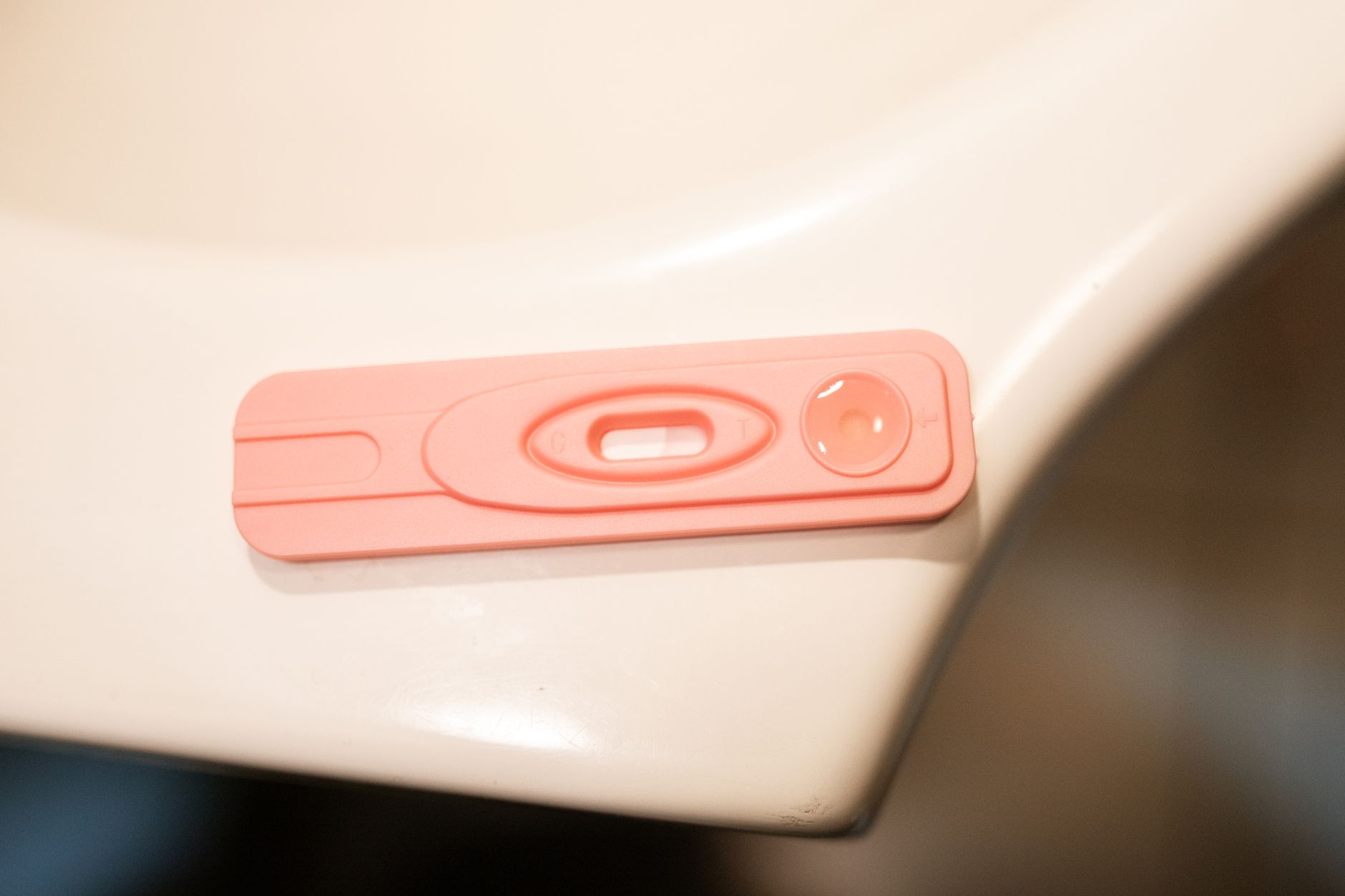

From our medical team: If you’re unsure whether to test now or wait, consider your cycle length, any ovulation tracking data you have, and whether you’ve experienced early symptoms. A negative result taken too early is not cause for alarm—simply retest in a few days or schedule a serum hCG blood test for definitive confirmation. Remember, hCG levels double every 48–72 hours in early pregnancy, so even a faint line today could become a clear positive in just a few days. If you’re feeling overwhelmed, don’t hesitate to reach out to your provider for guidance and support.
Myth vs. fact
Myth: You can get a reliable positive result two days after conception.
Fact: hCG production begins after implantation, which occurs 6–12 days post‑fertilization. Tests taken within two days will almost always be negative. Even ultra-sensitive tests cannot detect pregnancy before implantation.
Myth: If the urine test line is faint, it means you’re not pregnant.
Fact: A faint line often indicates a very early pregnancy when hCG levels are low. Follow the manufacturer’s guidance—most recommend reading the result within 3–5 minutes and retesting after a few days if you see a faint line. A faint line that darkens over time is a sign of rising hCG levels and a progressing pregnancy.
Myth: Stress can cause a false‑positive pregnancy test.
Fact: Stress does not increase hCG; false positives are usually due to chemical interference (e.g., certain fertility medications) or user error. For example, reading the test after the recommended time window can result in an evaporation line, which may be mistaken for a positive result.
Myth: You need to use a specific brand of pregnancy test to get accurate results.
Fact: All FDA-approved pregnancy tests are accurate when used correctly. The main difference between brands is the detection threshold—some tests can detect pregnancy earlier than others, but all will give a reliable result by the day your period is due.
Key takeaways
- Wait at least 14 days after ovulation (or after a missed period) for the most reliable home test result. Testing earlier increases the risk of a false negative.
- First‑morning urine provides the most concentrated hCG and reduces false negatives. If you test later in the day, avoid drinking large amounts of fluid for at least an hour beforehand.
- Blood tests can detect pregnancy 6–8 days after fertilization, earlier than any urine test. They’re especially useful for early confirmation after IVF or if you suspect an ectopic pregnancy.
- Use a low‑threshold test (≈6 mIU/mL) if you need an early answer, but expect possible faint lines. Retest in a few days to confirm the result.
- False negatives are usually due to testing too early, diluted urine, or expired kits—retest after 2–3 days. If you get a faint line, retest to see if it darkens, indicating rising hCG levels.
- Choose a test that fits your needs: early detection, ease of use, or cost. Digital tests eliminate guesswork, while line tests can provide more information about hCG progression.
- Manage the emotional wait by distracting yourself with activities you enjoy and setting realistic expectations. Remember that a negative result doesn’t necessarily mean you’re not pregnant—it may just mean you need to wait a little longer.
- Contact your provider if you have severe abdominal pain, heavy bleeding, or any signs of ectopic pregnancy. These symptoms require prompt medical attention.
Frequently asked questions
Can you get a positive pregnancy test two days after conception?
No. hCG is not produced until the embryo implants, which takes about 6–12 days after fertilization. A test taken two days after conception will almost certainly be negative. Even the most sensitive tests cannot detect pregnancy before implantation.
How early can a blood test detect pregnancy?
A quantitative serum beta‑hCG test can detect pregnancy as early as 6–8 days after fertilization, well before a home urine test would turn positive. Blood tests are often used in clinical settings for early confirmation, such as after IVF or if there’s a suspected ectopic pregnancy.
What causes a false negative pregnancy test?
Testing too soon, diluted urine, expired or improperly stored tests, and certain medical conditions can all lead to a false negative. Retesting after a few days often resolves the issue. For example, if you test on day 10 after ovulation and get a negative, retesting on day 12 or 13 may yield a positive result as hCG levels rise.
Do pregnancy symptoms appear before a test can detect pregnancy?
Early signs such as mild cramping, spotting, or changes in basal temperature can appear before hCG reaches a detectable level, so symptoms may precede a positive test. However, these symptoms are not definitive and can also be caused by other factors, such as stress or hormonal fluctuations.
Is it better to test in the morning or at night?
Morning urine is more concentrated, making it the preferred time. If you test later, avoid excessive fluid intake for at least an hour beforehand. For example, if you test at 8 p.m. after drinking several glasses of water, your urine may be too diluted to detect low hCG levels.
How long after a missed period can you take a pregnancy test?
You can test the day your period is expected, but waiting 2–3 days after a missed period improves accuracy, especially if you have irregular cycles. If your cycles are unpredictable, tracking ovulation can help you determine the best time to test.
What should I do if I get a faint line on a pregnancy test?
A faint line within the reading window is likely a positive result, indicating early pregnancy. Retest in 2–3 days using first-morning urine to see if the line darkens, which would confirm rising hCG levels. If the line disappears or remains faint, it may signal a chemical pregnancy or ectopic pregnancy—follow up with your provider for further testing.

