Quick take: Most 6‑month‑old babies enjoy a bath 2–3 times a week, with lukewarm water (about 98‑100°F/37‑38°C) and a brief, gentle routine. Daily baths are usually safe if you use a mild, fragrance‑free cleanser and keep the baby warm, but over‑bathing can dry out delicate skin. Watch for signs of irritation or chill, and always supervise the tub.
It’s 3 a.m., the house is quiet, and you’re holding your squirming six‑month‑old, wondering whether tonight’s bath will be a soothing bedtime ritual or an unnecessary splash of stress. You’ve read conflicting advice online—some say “bathe daily,” others warn “too many baths can dry out skin.” You’re not alone. Many parents reach that exact moment of uncertainty, and the answer isn’t one‑size‑fits‑all.
In this guide we’ll walk you through the science, the safety basics, and the practical tips you need to feel confident about bathing your six‑month‑old. We’ll cover how often you should bathe a 6‑month‑old, the ideal water temperature, the right products, how to keep baby cozy, and what to watch for if skin irritation appears. By the end, you’ll have a clear, evidence‑based routine that fits your family’s schedule and your baby’s needs.
Whether you’re a night‑owl parent, a daytime caregiver, or somewhere in between, the information below answers the most common queries—like “how often should I bathe my 6 month old baby at night?”—and provides the extra details you’ll need for a happy, healthy bath time.
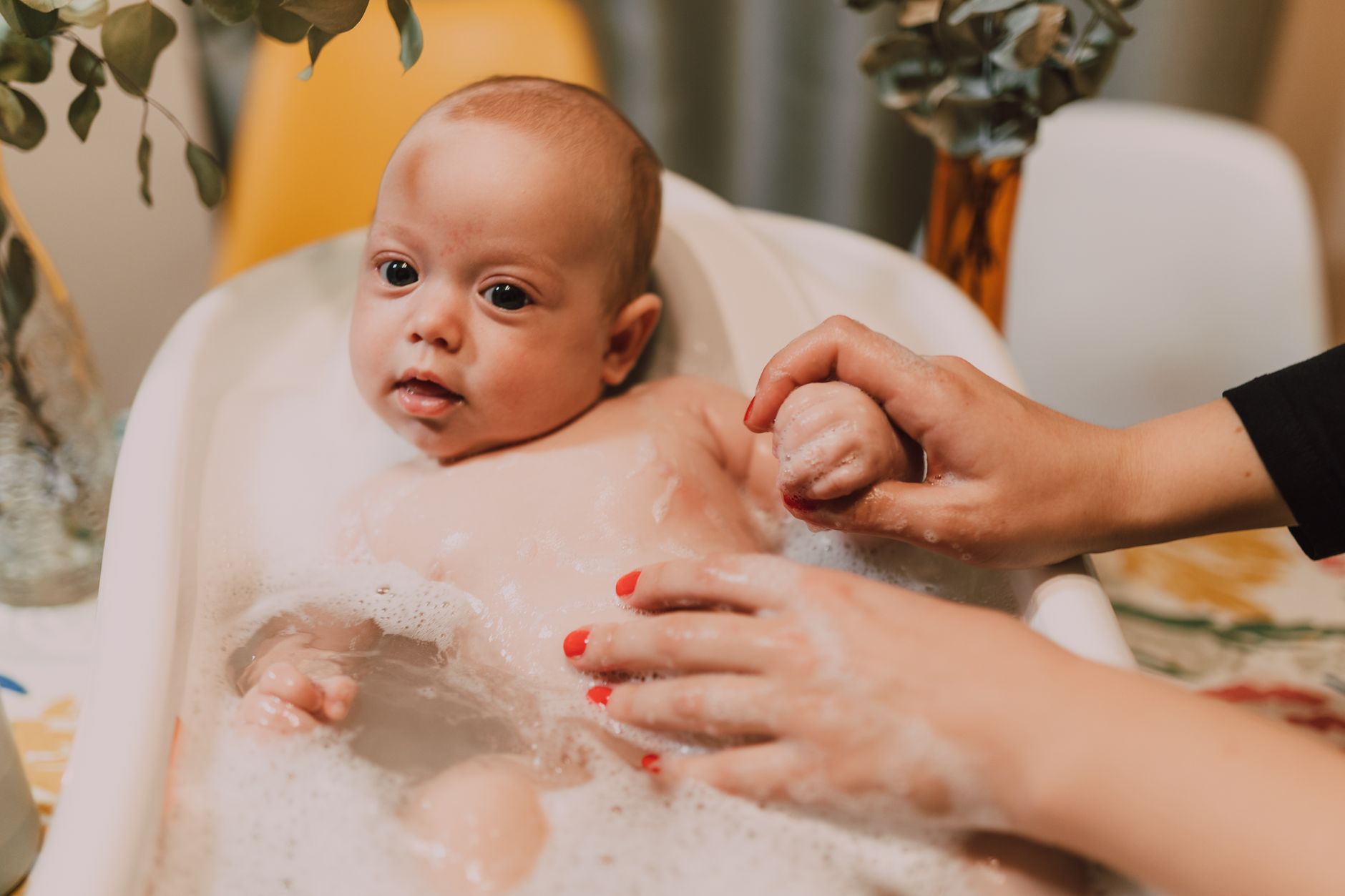
How often should I bathe my 6‑month‑old baby at night?
If you’ve settled into a nighttime routine that includes a soothing soak, the key is balance. For most infants at six months, a bath every 2–3 days is sufficient to keep the skin clean without stripping natural oils. Night‑time baths can be especially calming, signaling that it’s time to wind down. However, if your baby’s skin is dry, you might skip the nightly soak and opt for a quick “sponge‑only” wipe‑down instead.
Factors that influence night‑time bathing frequency include:
- Skin type: Babies with very dry or eczema‑prone skin may benefit from fewer full baths.
- Activity level: A baby who gets especially messy after a meal or playtime may need an extra bath.
- Family schedule: If nighttime is the only quiet moment you have, a brief bath can become a cherished ritual—just keep it short (5‑10 minutes).
To decide if a nightly bath is right for your family, try a week of bathing every other night and observe any changes in skin texture, sleep pattern, and overall mood. If you notice increased dryness or irritability, scale back and use a warm, damp washcloth for a quick cleanse instead.
When you do choose a night‑time bath, make the environment as soothing as possible. Dim the lights, play a soft lullaby, and keep the water temperature stable. Consistency helps your baby associate the bath with calm, making the transition to sleep smoother.
Is it safe to bathe a 6‑month‑old daily?
Daily bathing is generally safe for a six‑month‑old as long as you follow a few safety guidelines:
- Use lukewarm water (98‑100°F/37‑38°C).
- Choose a mild, fragrance‑free cleanser designed for infants.
- Keep the bath short—no longer than 10 minutes.
- Always supervise the baby; never leave them unattended, even for a moment.
When done correctly, a daily bath can become a bonding moment and a way to establish a routine. However, the American Academy of Pediatrics (AAP) notes that excessive bathing—especially with harsh soaps—can lead to xerosis (dry skin) and irritant dermatitis. If you notice flaky patches, redness, or increased fussiness after a bath, consider reducing frequency or switching to a soap‑free rinse.
For babies with eczema or other skin conditions, many dermatologists, including the American Academy of Dermatology (AAD), recommend limiting full baths to 2–3 times per week and using a gentle, fragrance‑free cleanser. In those cases, daily “sponge baths” without soap can keep the baby clean without over‑drying the skin.
Beyond skin health, daily baths give you a chance to check for any new rashes, cradle‑cap, or signs of infection—especially important if your baby attends daycare or has regular contact with other children.
What is the best time of day to bathe a 6‑month‑old?
Choosing the optimal time hinges on your baby’s natural rhythm and your daily schedule. Most parents find that a late‑afternoon or early‑evening bath works well because it aligns with the baby’s natural dip in alertness before bedtime. A warm soak can also serve as a cue that sleep is approaching, making the transition smoother.
Consider these timing guidelines:
- Morning baths: Good for babies who are naturally alert and enjoy a fresh start, but may interfere with daytime naps.
- Afternoon baths: Ideal after a feed and a short nap, especially if the baby is prone to evening fussiness.
- Evening baths: Often the most calming; pair with a dimmed room, soft music, and a gentle massage to promote sleep.
Whatever time you choose, keep the environment consistent: dim the lights, use a soft voice, and maintain a steady water temperature. Consistency helps your baby associate the bath with relaxation, reinforcing the routine over time.
If your schedule is unpredictable, you can keep a portable “bath kit” (small basin, washcloth, mild cleanser) handy for a quick rinse wherever you are. The flexibility reduces stress for both you and your baby.
How many baths per week are recommended for a 6‑month‑old?
Professional guidelines from both the AAP and the UK’s National Health Service (NHS) suggest that 2–3 baths per week are adequate for most six‑month‑old infants. This frequency balances cleanliness with the preservation of the skin’s natural moisture barrier.
If your baby enjoys playing with water toys or gets especially messy after meals, you can add a brief “sponge‑only” session on non‑bath days. Remember that the goal is to keep the skin hydrated, not to keep it constantly wet.
For families who travel frequently, a compact, fold‑out bathtub insert can make it easier to maintain the 2–3‑times‑a‑week schedule even when staying in hotels or visiting relatives.
Should I use soap when bathing a 6‑month‑old infant?
The short answer: yes, but choose wisely. At six months, a baby’s skin barrier is still developing, so it’s best to use a mild, fragrance‑free, tear‑free soap made specifically for infants. Look for products that list “hypoallergenic” or “for sensitive skin” on the label, and avoid those with added dyes, parabens, or heavy fragrances.
Here’s a quick checklist for selecting a safe soap:
- pH‑balanced: Aim for a pH between 5.5 and 6.5, close to the natural skin pH.
- Free of harsh surfactants: Sodium lauryl sulfate (SLS) can be irritating; choose SLS‑free formulas.
- Minimal ingredients: Fewer than ten ingredients reduces the chance of an allergic reaction.
If your baby has eczema, the AAD recommends using an unscented, fragrance‑free cleanser or even plain water for most baths, reserving soap for areas that need extra cleaning (like the diaper region).
When you first introduce a new soap, do a patch test on a small area of the baby’s forearm. Wait 24 hours; if no redness or irritation appears, the product is likely safe for regular use.
How can I keep a 6‑month‑old warm during bath time?
Keeping a six‑month‑old warm is crucial because infants lose heat faster than adults. Here are proven strategies to maintain a cozy temperature:
- Pre‑warm the room: Aim for a room temperature of 75‑78°F (24‑26°C). Use a space heater if needed, but ensure it’s placed safely out of reach.
- Warm the water: Test water with your wrist or elbow; it should feel comfortably warm, not hot.
- Use a bath thermometer: A simple digital thermometer eliminates guesswork.
- Wrap in a towel immediately: Have a soft, hooded towel ready to swaddle the baby as soon as you lift them out.
- Limit exposure time: Keep baths under 10 minutes to prevent cooling.
- Dress in a cotton onesie: After drying, keep the baby in a breathable, cotton outfit to retain body heat.
For extra comfort, consider a bathtub insert that fits snugly around the infant, reducing the amount of water needed and keeping the baby’s legs and torso supported.
Another tip is to place a warm, dry towel on the counter next to the tub, so you can quickly pat the baby dry without having to reach for a colder towel.
What signs show my 6‑month‑old is ready for a bath routine?
Every baby develops at their own pace, but there are clear cues indicating that a six‑month‑old is ready for a regular bath routine:
- Increased alertness: The baby can sit with support and watches your movements.
- Reduced fussiness after baths: If the baby calms down and smiles during or after a bath, it’s a good sign they’re enjoying the experience.
- Cooperative behavior: The baby opens eyes, coos, or reaches out toward toys in the tub.
- Skin tolerance: No signs of redness, rash, or extreme dryness after a bath.
If you notice any of these, you can start establishing a short, consistent routine—perhaps a 5‑minute soak followed by a gentle massage with a fragrance‑free moisturizer.
Conversely, if your baby consistently cries, turns away, or shows signs of distress, you may need to adjust the water temperature, shorten the bath, or try a different time of day.
How do I bathe a 6‑month‑old with eczema (and other skin concerns)?
Eczema, or atopic dermatitis, is a common skin condition in infants. Bathing can actually help soothe eczema if done correctly. The National Eczema Association (NEA) recommends the following steps:
- Use lukewarm water (98‑100°F/37‑38°C) for 5–10 minutes.
- Skip soap or use an unscented, mild cleanser only on the diaper area.
- Add a colloidal oatmeal bath (1‑2 tablespoons in the water) to reduce itch.
- Pat dry gently—do not rub.
- Apply a thick, fragrance‑free moisturizer within 3 minutes of drying to lock in moisture.
For babies without eczema, a gentle baby wash is fine, but always follow up with a light, hypoallergenic moisturizer to keep the skin barrier intact.
When choosing a moisturizer, look for products that contain ceramides or hyaluronic acid, as these ingredients help restore the protective lipid layer. Apply the moisturizer while the skin is still slightly damp for best absorption.
When can I start using shampoo on my 6‑month‑old, and how to prevent diaper rash after baths?
Most pediatricians, including the AAP, say it’s safe to introduce a tear‑free baby shampoo as early as the first month, provided the baby’s scalp isn’t overly dry or irritated. For a six‑month‑old, you can use a small amount—about a pea‑size dollop—applied gently to the scalp, then rinsed thoroughly.
Key tips for safe shampoo use:
- Choose a fragrance‑free, hypoallergenic formula.
- Use a soft washcloth or silicone brush to distribute shampoo without scratching the scalp.
- Rinse completely. Residual shampoo can cause irritation.
After any bath, preventing diaper rash involves a few simple steps:
- Make sure the diaper area is completely dry before putting on a fresh diaper.
- Apply a thin layer of zinc oxide cream or a pediatric‑recommended barrier ointment.
- Choose breathable, cotton‑blend diapers and change them promptly after wetting.
- Avoid heavy‑scented wipes; opt for fragrance‑free, water‑based wipes or a soft cloth.
These practices reduce moisture buildup and friction, two major contributors to diaper rash.
If you notice persistent redness or a rash that doesn’t improve after a few days of barrier ointment, contact your pediatrician—there may be an underlying yeast infection or bacterial issue that requires treatment.
Myth vs. fact
Myth: Babies need a daily bath to stay clean.
Fact: Most six‑month‑old infants are clean enough with 2–3 baths per week; daily sponge‑only wipes are sufficient for routine hygiene.
Myth: Hot water helps relax a baby.
Fact: Water that’s too hot can burn delicate skin; lukewarm water (98‑100°F/37‑38°C) is the safest and most soothing temperature.
Myth: Any baby soap will do.
Fact: Only fragrance‑free, pH‑balanced, tear‑free products protect the infant’s skin barrier and reduce irritation risk.
Key takeaways
- Bathe a 6‑month‑old 2–3 times a week; daily baths are okay if you use mild products and keep them short.
- Water should be lukewarm—about 98‑100°F (37‑38°C).
- Use fragrance‑free, tear‑free cleansers; skip soap for eczema‑prone skin.
- Keep the baby warm with a pre‑heated room, quick drying, and a soft towel.
- Watch for signs of over‑bathing: dry, flaky skin, redness, or increased fussiness.
- Introduce baby shampoo gently and always follow with a moisturizer.
- Use a barrier ointment and keep the diaper area dry to prevent rash.
Frequently asked questions
Can I bathe my 6‑month‑old every day?
Yes, daily baths are generally safe if you use lukewarm water, a mild, fragrance‑free cleanser, and keep the bath under 10 minutes. Monitor the skin for dryness and adjust frequency if irritation appears.
What temperature should the bath water be for a 6‑month‑old?
Aim for 98‑100°F (37‑38°C). Use a bath thermometer or test the water with your wrist or elbow; it should feel warm—not hot.
How long should a bath be for a 6‑month‑old baby?
A bath should last no longer than 5‑10 minutes. Short baths prevent the baby from getting cold and reduce the risk of skin drying.
Is it okay to use baby shampoo on a 6‑month‑old?
Yes, as long as the shampoo is tear‑free, fragrance‑free, and hypoallergenic. Use a pea‑size amount, apply gently, and rinse thoroughly.
How often should I change my 6‑month‑old's diaper after a bath?
Change the diaper immediately after drying the baby to keep the area clean and dry. If the diaper becomes wet or soiled before the next scheduled change, replace it promptly.
What signs indicate my baby is too cold during a bath?
Look for a pale or bluish hue on the face, shivering, or a drop in body temperature (below 97.5°F/36.4°C). If any of these occur, remove the baby from the water, dry quickly, and warm the room.
When can I start using a regular (non‑baby) shampoo?
Most pediatricians recommend waiting until after the first year, unless the baby has a specific need and the shampoo is gentle. For most six‑month‑olds, stick with a baby‑specific formula.
Can I use essential oils in my baby’s bath?
Essential oils are not recommended for infants under 12 months unless specifically approved by a pediatrician. Even “baby‑safe” blends can cause irritation or allergic reactions. Stick to plain water or a mild, fragrance‑free cleanser.
What should I do if my baby dislikes baths?
Try a gradual approach: start with a quick splash of warm water on the hands and feet, then slowly add more water over several days. Use a favorite toy, sing a lullaby, and keep the environment calm. If resistance persists, consult your pediatrician to rule out sensory issues.
When can I start using a baby bathtub insert?
A bathtub insert is a handy accessory that creates a snug, water‑filled nook for a small infant. Most inserts are designed for babies from birth up to about 12 months, or until the baby can sit unsupported for 30 seconds. Look for inserts that are BPA‑free, have non‑slip surfaces, and are easy to clean.
Benefits of an insert include:
- Reduced water volume: Less water means faster warming and less heat loss for the baby.
- Enhanced safety: The side walls keep the baby’s head and torso supported, lowering the risk of slipping.
- Portability: Many inserts fold flat for travel, making it easier to keep a consistent routine on the go.
When using an insert, still supervise the baby at all times and check water temperature before placing the infant inside. The insert does not replace the need for a bath thermometer.
What bath accessories are safe for a 6‑month‑old?
Beyond the tub and washcloth, a few accessories can make bath time both fun and safe:
- Soft silicone toys: Look for BPA‑free, easy‑to‑grip shapes that encourage sensory play without breaking.
- Floating bath books: Waterproof books with high‑contrast images support early language development.
- Non‑slip bath mat: A mat placed on the tub floor adds stability for the baby’s feet.
- Hooded towel: A plush, hooded towel keeps the baby warm and cozy after the bath.
- Bath thermometer: A small digital or dial thermometer takes the guesswork out of water temperature.
Avoid bath accessories with small detachable parts, loose strings, or strong fragrances, as these can pose choking or irritation hazards.
How to create a calming bath environment for a 6‑month‑old
Setting the right ambiance can turn a routine wash into a soothing ritual. Here are three low‑effort ways to create a calming space:
- Lighting: Dim the lights or use a night‑light with a warm hue (around 2700 K). Harsh, bright light can overstimulate a baby’s senses.
- Sound: Play soft instrumental music or a white‑noise machine at a low volume. Consistent background sound can help mask sudden noises that might startle the baby.
- Scent (optional): While essential oils are discouraged, a lightly scented, unscented cotton washcloth can provide a gentle, familiar smell if the baby seems comforted by a particular scent from a parent’s clothing.
Combine these elements with a consistent routine—same order of steps, same gentle voice—so your baby learns to associate the bath with calm and security.
When to see a doctor / specialist
If you notice any of the following after a bath, contact your pediatrician or a pediatric dermatologist promptly:
- Persistent redness, rash, or hives that do not improve within 24‑48 hours.
- Signs of infection: pus, swelling, or foul odor on the skin.
- Severe dryness that leads to cracking or bleeding.
- Fever (temperature ≥ 100.4°F/38°C) accompanying skin changes.
- Any difficulty breathing or swelling of the face after using a new product—possible allergic reaction.
These symptoms may indicate an underlying condition such as eczema, allergic contact dermatitis, or a bacterial infection that requires professional evaluation. Your pediatrician can also guide you on appropriate moisturizers, barrier creams, or prescription treatments if needed.
References
- American Academy of Pediatrics. “Guidelines for Infant Skin Care.” AAP, 2023.
- National Health Service (NHS). “Bathing your baby.” NHS, 2022.
- American Academy of Dermatology. “Eczema in infants: Treatment and skin‑care tips.” AAD, 2023.
- National Eczema Association. “Bathing Tips for Babies with Eczema.” NEA, 2022.
- Academy of Nutrition and Dietetics. “Safe Bathing Practices for Infants.” AND, 2021.
- U.S. Food and Drug Administration (FDA). “Infant Soap Safety.” FDA, 2022.
- Mayo Clinic. “How often should you bathe your baby?” Mayo Clinic, 2023.
- World Health Organization (WHO). “Water Safety and Hygiene for Children.” WHO, 2021.
- British Paediatric Association. “Bathing Guidelines for Infants.” BPA, 2022.
- American Academy of Pediatrics. “Bathing and Skin Care for Infants.” AAP Clinical Report, 2021.
- National Eczema Association. “Oatmeal Baths: How They Help.” NEA, 2021.
- American Academy of Dermatology. “Choosing Baby‑Safe Bath Products.” AAD, 2022.



