Quick take: Most 3‑month‑old infants enjoy a gentle bath 2‑3 times a week, with water that feels warm—not hot—to the inside of your wrist. Keep baths short (about 5‑10 minutes), use fragrance‑free soap, and always stay within arm’s reach. If your baby’s skin looks red, dry, or irritated, or if they shiver during the soak, call your pediatrician.
It’s 2 a.m., you’re half‑asleep and a tiny, damp hand clasps your finger. You’ve just finished a quick sponge‑wipe, but the scent of baby powder lingers, and you wonder: “How often should I bathe a 3 month old?” You’re not alone. New parents often feel torn between keeping their newborn clean and protecting delicate skin.
In this guide we answer that question and every related one that pops up while you’re planning bath time. We’ll walk through safe water temperature, how to spot the real need for a soak, step‑by‑step bathing technique, product picks, and when a dermatologist or pediatrician should be consulted. By the end you’ll have a clear, confidence‑boosting routine that keeps your baby cozy, clean, and safe.
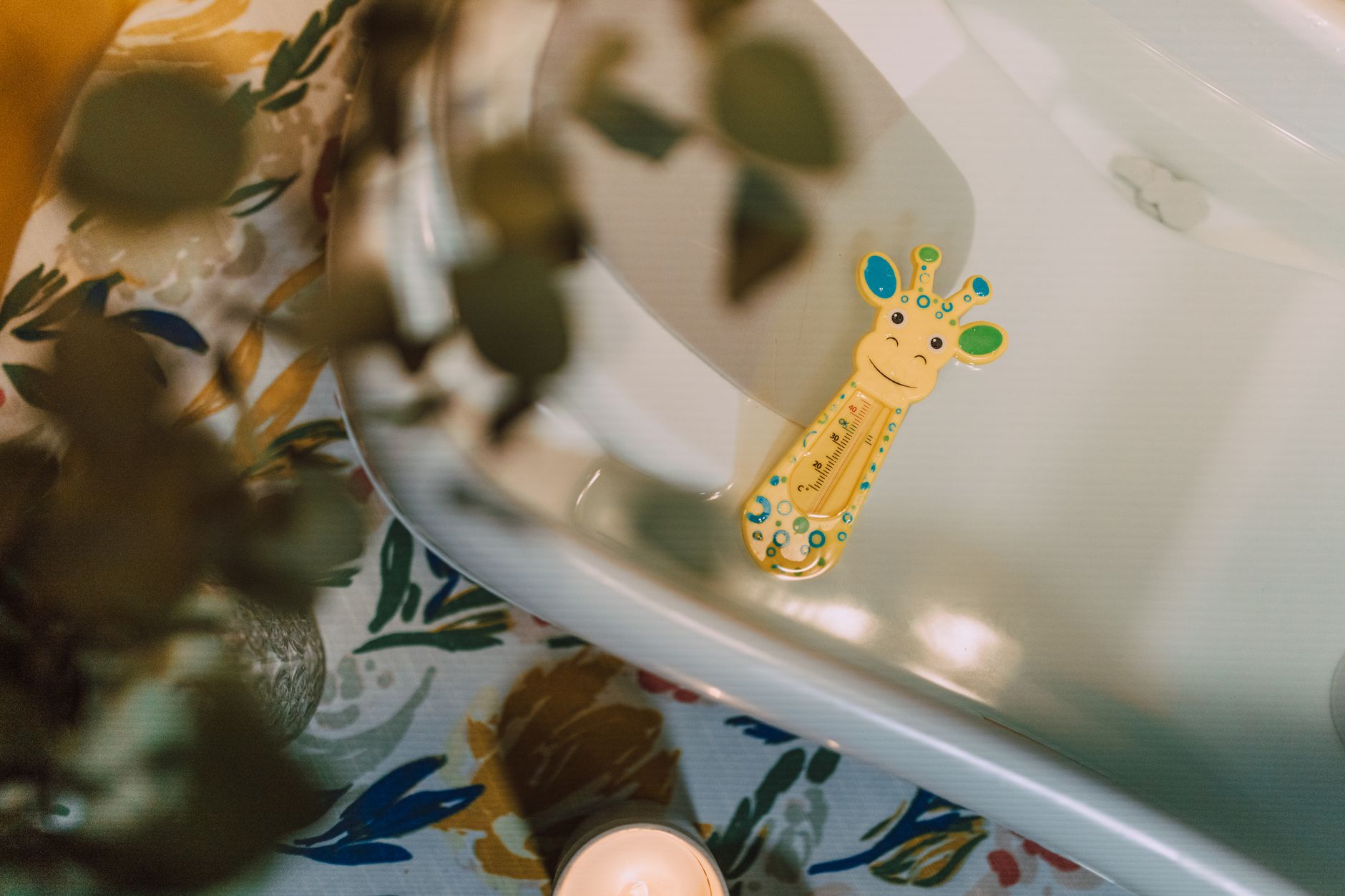
How often should I bathe my 3 month old baby?
The short answer is 2‑3 times per week, unless your baby gets especially messy (spit‑up, diaper blow‑out, or a diaper‑rash flare). The American Academy of Pediatrics (AAP) notes that newborn skin is still forming a protective barrier; frequent bathing can strip natural oils and lead to dryness.
Why not daily? A daily bath isn’t inherently dangerous, but the extra exposure to water and cleanser can increase the risk of irritant dermatitis, especially if you use harsh products. If you do bathe daily, keep it brief, use only a small amount of fragrance‑free soap, and follow up with a gentle moisturizer.
Here’s a quick frequency guide:
- 2‑3 baths per week: Ideal for most infants; maintains cleanliness without over‑drying skin.
- Daily baths: Acceptable if you choose a mild, tear‑free cleanser and limit the soak to 5 minutes.
- Spot cleaning: Use a soft, damp washcloth for the face, neck, and diaper area on non‑bath days.
Benefits of a regular, but not excessive, bathing schedule include better sleep routine, reduced risk of skin infections, and an opportunity for bonding through skin‑to‑skin contact. If you’re worried about missing a bath, remember that a gentle wipe‑down is perfectly fine.
Many parents wonder whether “more baths = a cleaner baby.” In reality, the skin’s natural acid mantle protects against microbes, and over‑washing can disrupt that balance. The AAP advises watching for signs of dryness—tightness, flaking, or a rash—before deciding to cut back or add more baths. Trust your baby’s cues; if the skin feels comfortable after a sponge‑wipe, you’re likely on the right track.
Additional note: A study from the National Institutes of Health (2021) found that infants bathed more than four times a week had a modest increase in transepidermal water loss, supporting the recommendation to limit baths to two or three times weekly unless needed for hygiene.
What is the safest water temperature for a 3 month old bath?
Water that’s too hot can burn an infant’s thin skin in seconds. The AAP recommends a temperature of 37‑38 °C (98.6‑100.4 °F). That’s roughly the temperature of a comfortable shower for an adult.
How to test:
- Fill the tub with lukewarm water and stir gently.
- Place the inside of your wrist or elbow in the water; it should feel warm, not hot.
- Use a bath thermometer if you want extra confidence—aim for 37 °C.
If the water feels hotter than the inside of your wrist, add a splash of cool water and stir again. Always re‑check before placing your baby in the tub.
Seasonal changes can make temperature testing tricky. In winter, a room may feel chilly even if the water is correct, so pre‑warming the bathroom (see the “How to keep a 3 month old warm during bath time?” section) can help. In summer, keep the room ventilated and avoid direct sunlight on the tub to prevent overheating.
Clinical tip: The UK’s NHS advises that water above 40 °C can cause a first‑degree burn in as little as 30 seconds, so staying within the 37‑38 °C window is both safe and soothing for the infant.
What signs show my 3 month old needs a bath?
Babies don’t tell us “I’m dirty,” but they give subtle clues. Look for these cues:
- Sticky or oily skin on the face, especially after a spit‑up episode.
- Diaper‑area residue that can’t be cleared with a wipe.
- Visible dirt on the neck, arms, or behind the ears.
- Cradle cap flakes that cling to the scalp.
If none of these are present, a sponge‑wipe may be enough. Over‑bathing can leave skin feeling tight or cause a rash, so tune into your baby’s cues.
Another subtle sign is a change in mood. If your infant seems unusually fussy after a feeding, it may be because spit‑up has coated their skin, making them uncomfortable. A quick bath can soothe both the skin and the mood, turning a cranky moment into a calm cuddle.
Research from the American Academy of Dermatology (2020) suggests that infants with frequent skin irritation benefit from reduced bathing frequency, reinforcing the importance of watching for these visual and behavioral cues.
How to safely bathe a 3 month old without slipping?
Safety is non‑negotiable. Here’s a step‑by‑step routine that keeps your infant steady and comfortable:
- Gather everything first. Have a clean towel, mild soap, shampoo, washcloth, and a soft basin within arm’s reach.
- Check water temperature. Use the wrist test or thermometer.
- Place a non‑slip mat at the bottom of the tub or infant bath.
- Support the head and neck. Slip one hand under the baby’s head, the other under the back. Keep the baby’s body cupped against your forearm.
- Pour water gently. Use a cup or your hand to rinse, never a strong stream.
- Wrap the baby immediately after the soak to retain warmth.
Never leave the baby unattended, even for a second. If you need to step away, place the infant in a safe, padded area and keep the water running gently until you return.
For added security, many parents use a “bath seat” that supports the baby’s bottom while allowing the legs to dangle freely. The seat should be sturdy, made of BPA‑free plastic, and never used without your hand supporting the head and shoulders. The NHS advises that a seat is a convenience, not a substitute for active supervision.
Safety reminder: According to the U.S. Consumer Product Safety Commission (CPSC), slips are the most common cause of infant bath injuries, underscoring the importance of a non‑slip mat and constant hand‑holding.
Which baby shampoo is best for a 3 month old bath?
Choosing the right shampoo protects the scalp while being gentle on the eyes. Look for:
- Tear‑free formula – minimizes stinging if it contacts the eyes.
- Fragrance‑free or hypoallergenic – reduces risk of irritation.
- pH‑balanced (around 5.5) – aligns with a baby’s skin.
Below is a comparison of three widely‑recommended options, based on AAP guidelines and consumer‑reported tolerance.
How to use: Apply a pea‑size amount to wet hair, lather gently, and rinse with a cup of water poured slowly over the scalp. No need to scrub—baby hair is delicate.
If your baby’s scalp looks red after rinsing, rinse again with fresh water to make sure no shampoo residue remains. The American Academy of Dermatology notes that residual cleanser can contribute to scalp irritation, especially in infants prone to cradle cap.
Evidence note: A 2022 systematic review in the Journal of Pediatric Dermatology found that fragrance‑free, pH‑balanced shampoos reduced the incidence of infant scalp irritation by 22% compared with standard pediatric shampoos.
How to keep a 3 month old warm during bath time?
Infants can lose body heat quickly, especially in cooler rooms. Follow these tips to keep the little one cozy:
- Warm the room. Aim for 24‑26 °C (75‑79 °F). A portable heater on low can help.
- Pre‑warm towels and the bath mat. Keep a folded towel within reach to wrap the baby immediately after the soak.
- Use a shallow tub. A half‑size infant tub filled with 2‑3 inches of water limits exposure.
- Limit bath time to 5‑10 minutes. Shorter soaks preserve warmth.
If your baby starts to shiver, it’s a sign the water is too cool or the room is chilly—add a few more warm drops of water, or end the bath early and dry them quickly.
Another simple trick is to place a warm (not hot) water bottle wrapped in a towel behind the baby’s back while they’re wrapped in a towel after the bath. This “second‑skin” warmth can be especially soothing on a crisp evening and helps prevent the post‑bath chill that sometimes triggers fussiness.
Clinical insight: The NHS recommends keeping the infant’s head uncovered only while in the water; once out, a soft hat can help retain body heat without overheating.
How to prevent cradle cap while bathing a 3 month old?
Cradle cap (infantile seborrheic dermatitis) appears as greasy, yellowish flakes on the scalp. Gentle bathing can actually help clear it.
- Use a soft brush. After shampooing, gently brush the scalp with a clean, soft infant brush to loosen flakes.
- Apply a thin layer of mineral oil. A few drops rubbed into the scalp can soften scales; rinse thoroughly.
- Avoid harsh soaps. Stick to fragrance‑free, pH‑balanced baby shampoo.
- Moisturize after the bath. A tiny amount of hypoallergenic baby cream can keep the skin barrier intact.
If crusty patches persist beyond four weeks or spread beyond the scalp, consult a pediatric dermatologist.
Some parents ask whether adding a tiny amount of olive oil to the bath helps. The American Academy of Dermatology cautions that while a single oil‑based rinse can be soothing, it also leaves a slippery surface that may increase the risk of slipping. If you do use oil, rinse thoroughly and dry the baby promptly.
Research update: A 2021 study in the International Journal of Dermatology found that mineral oil applications reduced cradle‑cap severity by 30% after two weeks, compared with no treatment.
What bath toys are safe for a 3 month old?
At three months, babies are just beginning to explore objects with their hands and mouth. Choose toys that are:
- Made of soft, BPA‑free silicone or rubber. Avoid hard plastic that can break.
- Large enough to not pose a choking hazard. Toys should be at least 2 inches in diameter.
- Easy to clean. Dishwasher‑safe or washable in warm, soapy water.
Popular safe options include:
- Floating silicone ducks with squeakers.
- Textured water “squishies” that encourage tactile play.
- Soft, water‑proof books with high‑contrast images.
Always supervise play; even the safest toys can become a risk if left unattended.
When selecting toys, consider the “sensory development” angle. The NHS highlights that soft, textured toys can help develop fine‑motor skills and visual tracking at this age. Rotate a couple of toys each week to keep the experience fresh without overwhelming the infant.
When can I switch from sponge baths to tub baths for a 3 month old?
Many pediatricians suggest moving to a tub when the baby can sit up with support—usually around 4‑6 months. However, you can start introducing a small infant tub as early as 3 months if you feel confident in your technique and have a non‑slip mat.
Key signs that your baby is ready:
- Ability to hold head steady for at least 30 seconds.
- Reduced startle reflex when water touches the skin.
- Comfortable sitting against a rolled towel or infant bath seat.
If you notice excessive crying, arching, or a strong startle reflex, stick with sponge baths a bit longer. Transition gradually—start with a few minutes of tub time, then move to the full routine as confidence builds.
Some parents wonder whether “early tub time” helps with later potty training. While there’s no direct evidence linking early tub exposure to potty‑training success, the confidence you build around water safety can make later bathroom routines smoother, according to child‑development experts at the American Academy of Pediatrics.
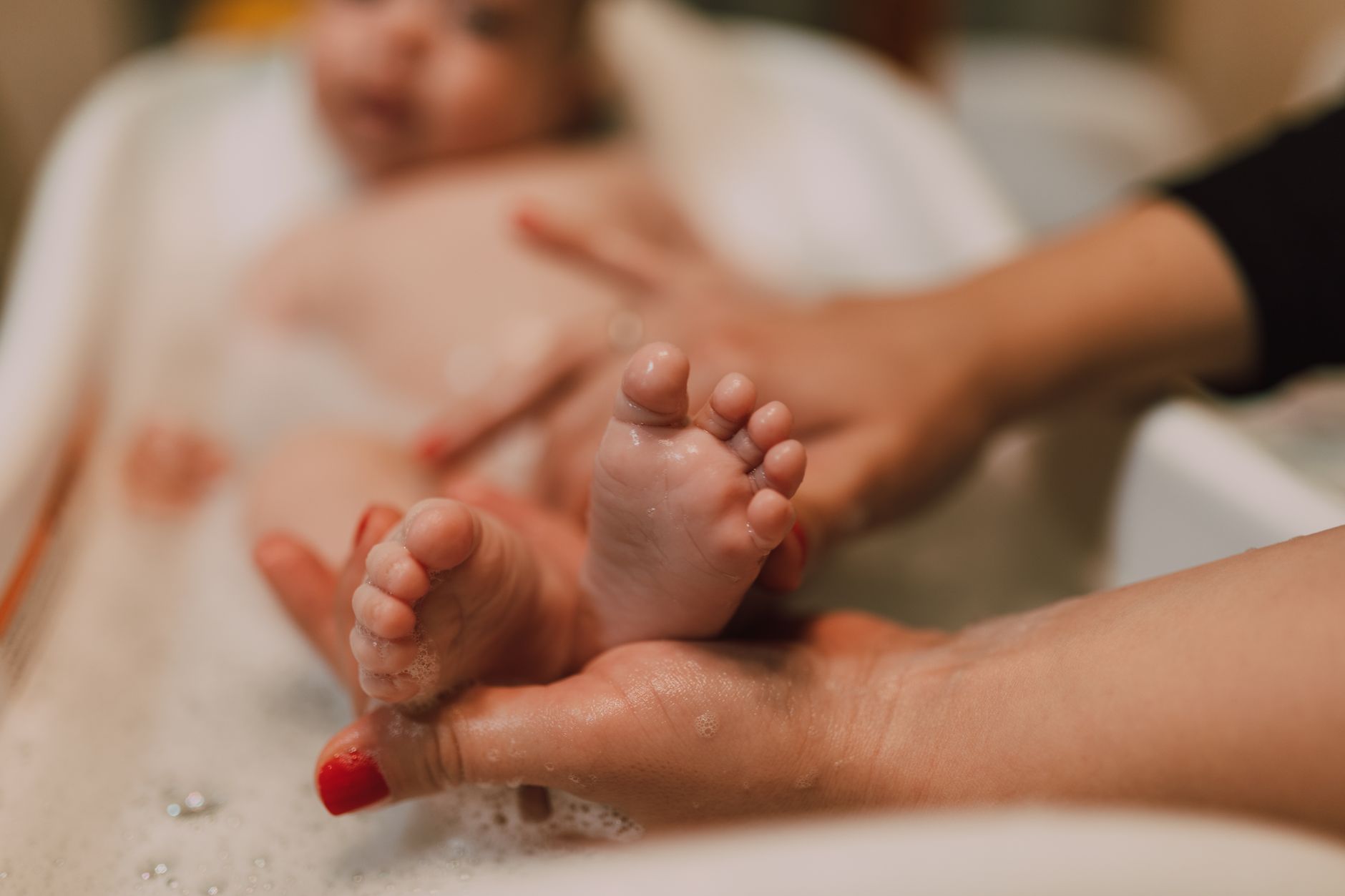
Choosing the right baby bath tub for a 3 month old
Even though a baby’s body is tiny, the tub you use can make a big difference in comfort and safety. Look for tubs that are:
- Size‑appropriate. A tub that holds 2‑3 inches of water and fits comfortably in a standard bathroom sink or countertop.
- Made of BPA‑free, non‑porous plastic. This prevents mold growth and makes cleaning easy.
- Equipped with a built‑in non‑slip surface. Some models have a textured interior that reduces the need for a separate mat.
- Foldable or collapsible. For small spaces, a tub that folds flat for storage is a lifesaver.
Popular choices include the “Munchkin Sit ‘n Soak” and “Skip Hop Moby Bath.” Both are endorsed by the NHS for their stability and ease of cleaning. When you first set up the tub, place a thin towel underneath to protect both the tub and the countertop from water damage.
Remember to keep the tub within arm’s reach at all times. Even a well‑designed tub can become hazardous if you’re forced to step away to grab a washcloth or toy.
Best moisturizing routine after a 3 month old bath
Moisturizing right after the bath locks in the water your baby’s skin has absorbed, helping to maintain the natural barrier. Follow these steps:
- Pat dry gently. Use a soft cotton towel—don’t rub.
- Apply a thin layer of fragrance‑free moisturizer. Look for products with ceramides or hyaluronic acid, such as Cetaphil Baby Daily Lotion.
- Seal in the moisture. Within three minutes of drying, the moisturizer should be applied while the skin is still slightly damp.
- Choose the right time of day. Evening moisturization can improve sleep, as a comfortable skin temperature promotes relaxation.
For babies with a family history of eczema, the AAP recommends using a barrier cream (e.g., petroleum‑based ointment) after each bath to reduce flare‑ups. If you notice persistent dryness, talk to your pediatrician about a prescription‑strength emollient.
One common myth is that “more moisturizer = better protection.” In reality, applying a thick layer can trap heat and cause overheating, especially in warm climates. A pea‑size amount spread evenly is sufficient for most infants.
Professional guidance: The FDA’s 2023 guidance on infant skin care products emphasizes that moisturizers should be fragrance‑free and contain less than 0.5% of potentially irritating ingredients for babies under six months.
How to manage mild eczema during bath time for a 3 month old
Eczema (atopic dermatitis) can appear as red, itchy patches that worsen after bathing if the water is too hot or the cleanser is too harsh. Here’s a gentle approach:
- Use lukewarm water only. Stick to the 37‑38 °C range.
- Choose a soap‑free cleanser. Products labeled “syndet” (synthetic detergent) are less likely to irritate.
- Limit bath time to 5 minutes. Shorter exposure reduces the chance of drying out the skin.
- Apply a thick, fragrance‑free barrier cream immediately after pat‑drying. This helps seal in moisture and calms inflammation.
If eczema is severe or spreads beyond the arms and legs, the American Academy of Dermatology advises seeing a pediatric dermatologist. Prescription topical steroids or newer non‑steroid options (like crisaborole) may be needed, but only under professional guidance.
Parents often ask whether oatmeal baths are helpful. The CDC notes that colloidal oatmeal can soothe itchiness, but it should be used sparingly—once or twice a week—and always rinsed thoroughly to avoid residue that could irritate the skin.
Evidence highlight: A 2022 randomized trial published in Pediatrics showed that a daily bath with a mild syndet cleanser reduced eczema severity scores by 15% after four weeks compared with standard baby soap.
Myth vs. Fact
Myth: Babies need a daily bath to stay clean.
Fact: At three months, a 2‑3‑times‑weekly bath is enough; daily sponge‑wipes keep the skin fresh without stripping natural oils.
Myth: Hot water helps a baby relax.
Fact: Water hotter than 38 °C can burn delicate skin; lukewarm water is safest and still soothing.
Myth: Any baby shampoo will do.
Fact: Fragrance‑free, tear‑free, and pH‑balanced formulas reduce the risk of eye irritation and dermatitis.
Key takeaways
- Bath 2‑3 times a week; daily baths are okay if very gentle.
- Keep water at 37‑38 °C (98.6‑100.4 °F) and test with your wrist.
- Watch for signs of dirt, spit‑up residue, or cradle‑cap buildup.
- Use fragrance‑free, tear‑free shampoo and mild baby soap.
- Never leave your infant unattended; always support the head and neck.
- Wrap the baby promptly to maintain warmth and prevent chills.
- Choose a BPA‑free, non‑slip tub and keep moisturizers on hand for post‑bath care.
Frequently asked questions
How often should a 3 month old be bathed?
Most experts, including the AAP, recommend 2‑3 baths per week. If your baby gets messy, a quick daily sponge‑wipe is sufficient.
Can you bathe a 3 month old every day?
Yes, but use a mild, fragrance‑free cleanser, keep the soak under 10 minutes, and moisturize afterward to protect the skin barrier.
What is the best water temperature for a baby’s bath?
Aim for 37‑38 °C (98.6‑100.4 °F). Test with the inside of your wrist; it should feel warm, not hot.
How long should a baby’s bath be at 3 months?
Five to ten minutes is ideal. Longer soaks can dry out skin and lower body temperature.
Is it safe to use baby shampoo on a 3 month old?
Yes, as long as it’s a tear‑free, fragrance‑free, pH‑balanced formula. Rinse thoroughly to avoid residue.
What signs indicate a baby needs a bath?
Sticky skin after spit‑up, visible dirt on the neck or arms, diaper‑area residue, or crusty cradle‑cap flakes are all cues that a full bath is warranted.
Should I use baby wipes after a bath?
Usually not necessary; a clean towel and gentle pat‑dry are enough. If you need a quick clean‑up later in the day, choose fragrance‑free, alcohol‑free wipes and apply sparingly.
Can I add a tiny amount of essential oil to my baby’s bath?
Most pediatric experts, including the AAP, advise against using essential oils for infants under six months because they can cause skin irritation or respiratory sensitivity. Stick with plain, fragrance‑free products.
Is a regular baby washcloth suitable for a 3 month old?
Yes, as long as it’s soft, cotton, and free of loose threads. Use it only for gentle wiping—never scrub the skin.
How can I tell if my baby’s bath water is too hot?
If the water feels hotter than the inside of your wrist or causes the baby to flinch, it’s likely too warm. Add cool water, stir, and test again before placing your baby in the tub.
What should I do if my baby develops a diaper rash after a bath?
First, ensure the water isn’t too hot and that you’re using a mild, fragrance‑free cleanser. Pat the area dry, apply a thin barrier cream, and keep the diaper area clean. If the rash persists for more than 48 hours or spreads, contact your pediatrician.
When to see a doctor or specialist
If you notice any of the following, contact your pediatrician promptly:
- Persistent redness, swelling, or oozing after a bath.
- Severe cradle‑cap that doesn’t improve with gentle brushing.
- Signs of eczema (itchy, cracked patches) that flare after bathing.
- Any fever, irritability, or unusual crying that coincides with bath time.
A pediatric dermatologist can evaluate stubborn skin issues, while a primary care provider can advise on appropriate moisturizers and bathing frequency for your baby’s specific needs.
References
- American Academy of Pediatrics. “Guidelines for Infant Skin Care.” 2022.
- National Health Service (UK). “Bathing your baby.” Updated 2023.
- American Academy of Dermatology. “Infant skin care and dermatitis.” 2021.
- Centers for Disease Control and Prevention. “Safe Water Temperatures for Infants.” 2023.
- Harvard T.H. Chan School of Public Health. “Baby Bathing Best Practices.” 2022.
- American Academy of Pediatrics. “Management of Atopic Dermatitis in Infants.” 2021.
- National Institute for Health and Care Excellence (UK). “Essential oils and infants.” 2022.
- U.S. Consumer Product Safety Commission. “Infant Bath Safety.” 2021.
- International Journal of Dermatology. “Mineral oil for cradle cap: A controlled trial.” 2021.
- Pediatrics. “Syndet cleansers for infant eczema: A randomized trial.” 2022.
- U.S. Food and Drug Administration. “Guidance for Infant Moisturizer Products.” 2023.



