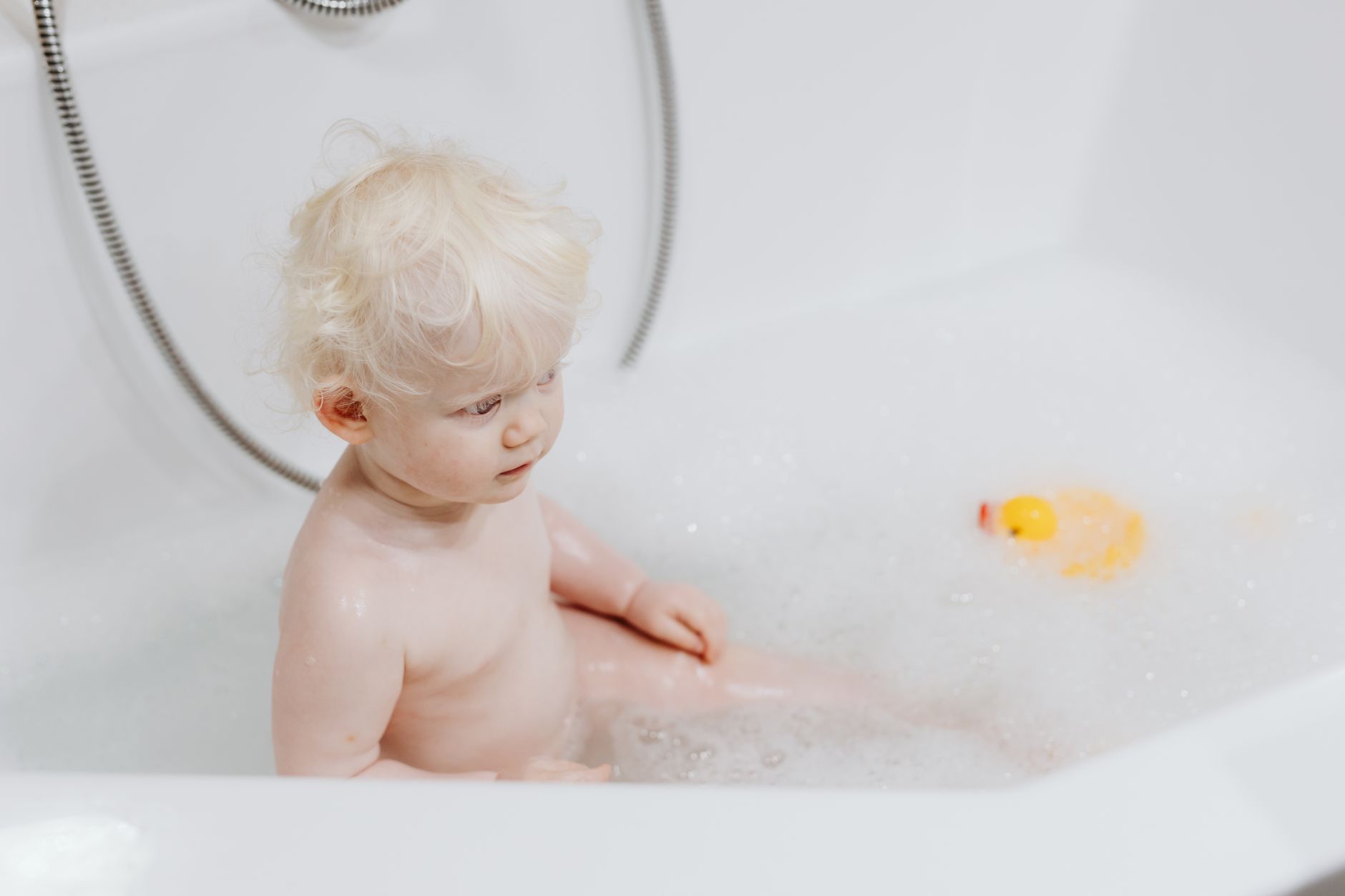
Turning a routine into a ritual starts with a predictable, calm process. The “best way” combines safety, comfort, and efficiency.
Many parents find that laying out all supplies on a nearby counter before filling the tub cuts down on the time spent scrambling for items mid‑bath, making the whole experience smoother for both caregiver and child.
Step‑by‑step bath routine
- Gather supplies first. Have a soft washcloth, a cup for rinsing, a gentle baby cleanser, a hooded towel, and any soothing toys within arm’s reach.
- Check water temperature. Aim for 37–38 °C (98–100 °F). The “wrist test”—the water should feel warm, not hot, on the inside of your wrist.
- Set the scene. Dim the lights, play a soft song, and keep the room warm (around 22 °C/71 °F) to prevent chills.
- Support your child. Use a non‑slip bath seat or a small, sturdy tub that lets you keep one hand on your toddler at all times.
- Wash gently. Start with the face using a soft washcloth, then move to the neck, arms, torso, legs, and finally the diaper area. Use only a pea‑size amount of cleanser.
- Rinse thoroughly. A cup or handheld sprayer helps avoid soaking the hair area, which can be uncomfortable for a toddler.
- Pat dry. Gently pat the skin dry with a hooded towel, paying special attention to skin folds.
- Moisturize. Apply a fragrance‑free moisturizer while the skin is still slightly damp to lock in moisture.
Choosing a bath location: sink vs. tub
Both a small infant tub and a regular bathroom sink can work, but each has pros and cons:
For most families, a small tub with a non‑slip base offers the most secure environment, especially when you need both hands free to support a curious toddler.
How to bathe a 1 year old with sensitive skin
Sensitive skin reacts to fragrances, harsh surfactants, and even certain temperatures. The AAP advises using products labeled “hypoallergenic” or “for sensitive skin.”
Before introducing any new cleanser, consider a brief patch test on the inner forearm for 24 hours. If no redness or irritation appears, the product is likely safe for regular use.
Gentle cleansing products
- Fragrance‑free baby wash. Look for formulas with minimal ingredients—often just water, a mild cleanser, and a soothing agent like oat extract.
- Natural oils. A few drops of organic jojoba or almond oil mixed with warm water can cleanse without stripping natural oils.
- Avoid baby wipes. While convenient, many contain alcohol and fragrance, which can aggravate sensitive skin.
Bathing technique for delicate skin
Keep the bath short—no longer than 5–7 minutes—to prevent the skin from drying out. Use a soft, cotton washcloth instead of a loofah, and always rinse thoroughly to remove any residual cleanser.
After‑bath care
Apply a thin layer of a fragrance‑free moisturizer within three minutes of exiting the water. Products containing ceramides or colloidal oatmeal are especially soothing for sensitive skin.
Can you bathe a 1 year old every day?
Yes, you can bathe a 1‑year‑old daily, provided you follow a few key guidelines to protect the skin’s barrier.
Watch for signs such as persistent tightness, redness, or increased itching after a bath—these may indicate that the routine is too aggressive for your child’s skin.
When daily baths are appropriate
- Active, sweaty days. After a day of outdoor play, a quick rinse keeps the skin comfortable.
- Skin conditions. For eczema, the National Eczema Association recommends daily “wet wrap” baths using a mild cleanser, followed by moisturizer.
- Family preference. Some parents enjoy the routine as a bonding moment; in those cases, keep the bath short and use a gentle cleanser.
Potential downsides of daily bathing
Excessive bathing with harsh soaps can strip natural oils, leading to dryness, irritation, or worsening eczema. To mitigate this:
- Use only a pea‑size amount of a mild cleanser.
- Skip washing the hair every day—focus on the body.
- Immediately moisturize after each bath.
How to bathe a 1 year old with eczema
Eczema (atopic dermatitis) affects up to 10 % of toddlers worldwide. The condition causes itchy, inflamed patches that can be triggered by soaps, heat, and friction.
Maintaining moderate humidity in the home, especially during winter, can help reduce flare‑ups. A cool‑mist humidifier placed in the child’s bedroom provides steady moisture without over‑wetting the skin.
Bathing protocol recommended by the National Eczema Association
- Warm, not hot water. Temperature should be around 37 °C (98 °F) to avoid irritation.
- Limit bath time. Aim for 5–10 minutes.
- Use an eczema‑friendly cleanser. Look for products with colloidal oatmeal, ceramides, or plain liquid soap without fragrance.
- Add oil or oatmeal. Adding a tablespoon of colloidal oatmeal or a few drops of mineral oil to the bath can help soothe the skin.
- Pat dry and lock in moisture. Use a soft towel, then apply a thick moisturizer (e.g., a petroleum‑based ointment) within three minutes.
Products to consider
- CeraVe Hydrating Cleanser. Contains ceramides and hyaluronic acid, both supportive of the skin barrier.
- Aveeno Soothing Bath Treatment. Colloidal oatmeal is a well‑studied anti‑inflammatory.
- Vanicream Gentle Body Wash. Fragrance‑free and formulated for eczema‑prone skin.
Bathing a 1 year old with cradle cap
Cradle cap (infantile seborrheic dermatitis) appears as flaky, greasy scales on the scalp. Though it often clears by 12 months, gentle care can speed up the process.
Using a soft silicone brush gently each bath helps dislodge stubborn scales without irritating the sensitive scalp.
Step‑by‑step scalp care
- Warm water soak. Let your child sit in lukewarm water for 2–3 minutes to soften scales.
- Gentle massage. Use a soft baby brush or a clean, damp washcloth to lightly rub the scalp in circular motions.
- Mild shampoo. Choose a pediatric‑approved, fragrance‑free shampoo—such as Mustela Gentle Shampoo—and lather gently.
- Rinse thoroughly. Ensure no residue remains, as leftover shampoo can worsen irritation.
- Moisturize. Apply a thin layer of a hypoallergenic baby oil (e.g., pure coconut oil) after the bath to keep the skin supple.
When to seek professional help
If the scales become thick, painful, or are accompanied by redness and swelling, contact a pediatric dermatologist. In rare cases, a prescription‑strength antifungal or steroid cream may be needed.
How often to wash a 1 year old's hair
Hair hygiene for toddlers is less about daily cleansing and more about maintaining a healthy scalp.
When detangling, use a water‑based conditioner or a leave‑in detangler to avoid pulling on the delicate scalp. This can make the shampoo step smoother and reduce crying.
Recommended frequency
- 2–3 times per week. For most toddlers, washing every other day keeps the scalp clean without over‑drying.
- More often if needed. If your child gets especially sweaty or has a scalp condition, a gentle shampoo can be used daily.
Choosing the right shampoo
Look for a “tear‑free,” fragrance‑free formula with minimal surfactants. Products such as Johnson’s Baby Shampoo (Fragrance‑Free) or Mustela Shampoo are designed for sensitive scalp skin.
Technique tips
- Wet hair with warm water.
- Apply a tiny dollop (about the size of a pea) to the scalp.
- Massage gently with fingertips—avoid using nails.
- Rinse thoroughly to prevent residue, which can cause itching.
- Follow with a light, silicone‑free conditioner if hair feels dry.
Tips for bathing a 1 year old safely
Safety is the backbone of any bath routine. A single slip can turn a soothing moment into a scary one.
Always keep the water level below the child’s belly—no higher than the top of the small tub—to reduce the risk of accidental submersion.
Preventing slips and falls
- Non‑slip mats. Place a rubberized bath mat on the tub floor and a non‑slip pad on the bathroom floor.
- Stay within arm’s reach. Never leave your child unattended, even for a second.
- Use a bath seat. A sturdy, BPA‑free infant tub seat adds extra support.
- Check water temperature. Use a bath thermometer or the wrist test each time.
Bath time safety checklist
- Gather all supplies before filling the tub.
- Set the water temperature (37–38 °C/98–100 °F).
- Place a non‑slip mat inside the tub and on the bathroom floor.
- Never leave the child alone, even if you step away for a quick phone call.
- Keep water level low—no higher than the child’s belly.
- After the bath, wrap the child in a hooded towel and keep the room warm.
Creating a calming routine
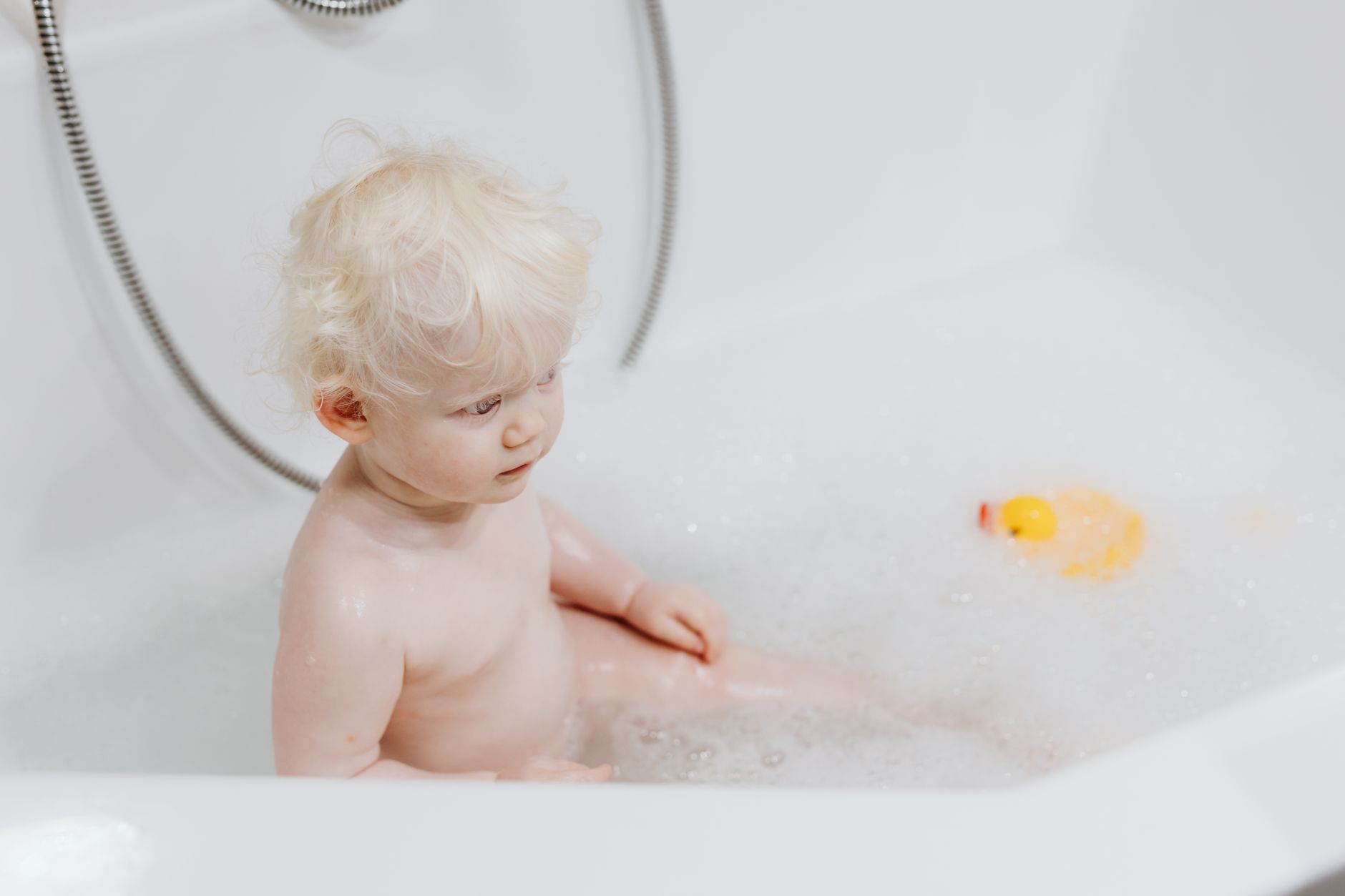
Consistent cues—like a specific song, a favorite rubber duck, or a gentle “bath time” phrase—signal to your toddler that it’s time to wind down. Over time, these cues become a soothing ritual that reduces resistance.
How climate affects bathing frequency for a 1‑year‑old
Temperature and humidity can change how often a toddler feels the need for a rinse. In hot, humid regions, sweat can cling to the skin, making a quick post‑play splash feel refreshing and preventing heat rash. In contrast, cooler or dryer climates may leave the skin prone to flaking if bathed too often.
The NHS advises adjusting water temperature and bath length to the season: cooler water in summer, a slightly warmer soak in winter, and always keeping the room temperature comfortable (National Health Service, 2023). If you notice your child’s skin becoming dry or itchy after a hot day, a brief “cool‑down” rinse—without soap—can restore comfort without stripping oils.
In very dry indoor environments, a cool‑mist humidifier placed near the toddler’s bedroom can help maintain skin hydration between baths, reducing the need for extra rinses.
Choosing safe and development‑friendly bath toys for a 1‑year‑old
Bath toys do more than entertain; they support fine‑motor development, hand‑eye coordination, and early language skills. Look for toys that are large enough to avoid choking hazards, made of BPA‑free, non‑toxic plastics, and easy to clean.
Rotating a small selection of toys every few weeks keeps the bath interesting without overwhelming the child with too many objects at once.
Popular choices include silicone stacking cups, floating animals with textured surfaces, and soft, squeezable ducks that encourage grasping. The American Academy of Pediatrics notes that toys with simple cause‑and‑effect features (e.g., a squeaky water‑wheel) can boost cognitive growth while keeping bath time playful (American Academy of Pediatrics, 2021).
To keep toys sanitary, rinse them after each bath and let them air‑dry on a clean towel. Replace any that show signs of wear, cracks, or mold.
Bath time and bedtime: linking a clean routine to better sleep
Many parents notice that a warm bath before bedtime helps a toddler settle more quickly. The science behind this is the body’s natural drop in core temperature after a warm soak, which signals the brain that it’s time to sleep.
A study published by the Harvard T.H. Chan School of Public Health found that a 10‑minute warm bath, followed by a cool‑down period, can improve sleep onset latency in young children (Harvard Health Publishing, 2021). Pair the bath with a dimming routine—soft lighting, a lullaby, and a brief story—to reinforce the sleep cue.
Consistency beats length: even a brief 5‑minute bath done at the same time each night can become a powerful sleep trigger, especially when paired with a predictable “goodnight” phrase.

Bathing a 1‑year‑old with hard water or mineral concerns
Hard water contains high levels of calcium and magnesium, which can leave a film on a toddler’s skin, making it feel dry or itchy. The American Academy of Dermatology recommends a final rinse with distilled or filtered water when you know your tap water is hard.
If a water softener is not an option, adding a small amount of baby‑safe mineral oil to the bath can help counteract the drying effect. Follow with a fragrance‑free moisturizer within minutes to seal in hydration.
Bath time for toddlers with sensory processing sensitivities
Some children are hypersensitive to temperature, texture, or sound, making bath time a challenge. A sensory‑friendly approach includes using lukewarm water (closer to body temperature), dim lighting, and soft background music rather than bright lights or loud splashing.
Offering a “choice” board—allowing the toddler to pick a favorite toy or a soothing scent‑free lotion—gives them a sense of control, which often reduces anxiety and makes the experience more enjoyable.
Myth vs. fact
Even well‑meaning advice can get tangled in folklore. Let’s set the record straight.
Myth: Babies need a daily soap‑filled bath to stay clean.
Fact: A short, warm water rinse with a mild cleanser 3–4 times a week is sufficient for most 1‑year‑olds; over‑washing can dry out the skin.
Myth: Hot water helps kill germs on a toddler’s skin.
Fact: Hot water can damage the skin barrier and cause burns. Warm water (37–38 °C) is safest and just as effective for cleaning.
Myth: You should always use baby shampoo on a toddler’s hair.
Fact: While many baby shampoos are safe, any gentle, fragrance‑free shampoo works. The focus should be on mild surfactants, not the “baby” label.
Key takeaways
- Bath a 1‑year‑old 3–4 times weekly; daily baths are fine with gentle products.
- Use warm (37–38 °C) water and keep the bath under 10 minutes.
- Choose fragrance‑free, hypoallergenic cleansers; avoid harsh soaps.
- For eczema or cradle cap, incorporate oatmeal or oil and moisturize promptly.
- Safety first: non‑slip mats, constant supervision, and a low water level.
- Turn bath time into a fun routine with songs, toys, and predictable cues.
- Adjust frequency for climate, select development‑friendly toys, and link the bath to bedtime for better sleep.
- Hard water? Finish with a filtered rinse and moisturize.
- Sensory‑sensitive toddlers benefit from lukewarm water, soft lighting, and offering choices.
Frequently asked questions
How often should I wash my 1 year old's face?
Gentle cleansing once a day is enough. Use a soft, damp washcloth with plain water or a mild baby cleanser. Avoid scrubbing, as the facial skin is especially thin and prone to irritation.
Can I use regular soap on my 1 year old?
Most regular soaps contain stronger detergents and fragrance that can strip a toddler’s skin of natural oils. The AAP recommends a baby‑specific, fragrance‑free cleanser for daily use. If you must use regular soap, choose a “mild” or “sensitive‑skin” version and rinse thoroughly.
How do I keep my 1 year old's bath water safe?
Test water temperature with a bath thermometer or the inside of your wrist. Keep the water level no higher than the child’s belly to prevent accidental submersion. Never add essential oils or bubble bath without checking for pediatric safety.
What is the ideal bath water temperature for a 1 year old?
The ideal range is 37–38 °C (98–100 °F). Water cooler than this may be uncomfortable, while anything above 39 °C (102 °F) risks burns. The wrist test—water should feel warm, not hot—works well.
Can I bathe my 1 year old with a cold?
Cold water isn’t recommended for a toddler’s first bath because it can cause shivering and increase the risk of hypothermia. However, a brief “cool‑down” rinse after a warm bath can be refreshing in hot weather, as long as the child is wrapped promptly afterward.
How often should I trim my 1 year old's nails during bath time?
Trim nails every 1–2 weeks, or whenever you notice sharp edges. Doing it after a bath, when nails are softer, reduces the chance of accidental scratches.
Is it okay to use a bath thermometer instead of the wrist test?
Yes. A bath thermometer provides a precise reading and eliminates guesswork, especially for parents who are unsure about the wrist method.
What signs indicate my toddler’s skin is too dry after a bath?
Look for tightness, flaking, or a “rough” feeling that doesn’t improve after a light moisturizer. If the skin appears red, cracked, or the child complains of itching, increase moisturizing frequency and consider a gentler cleanser. Persistent dryness may merit a pediatrician visit.
Can I add essential oils to my toddler’s bath?
Most pediatricians advise against using essential oils in a toddler’s bath unless the product is specifically labeled “safe for children” and you have consulted a healthcare provider. Many oils can cause irritation or allergic reactions in sensitive skin.
My toddler resists bath time—what can I do?
Offer choices (e.g., which rubber duck to use), keep the bath short, and use a calming soundtrack. A brief “splash‑only” rinse can be a low‑pressure way to transition into a full bath later.
Is a sponge bath a safe alternative to a tub?
Yes, a sponge bath can be used when a tub isn’t available, but make sure the water is warm, the room is warm, and you keep the child’s head supported. Sponge baths should still be followed by a quick moisturize.
When to see a doctor / specialist
If you notice any of the following, contact your pediatrician or a pediatric dermatologist promptly:
- Persistent redness, swelling, or oozing after a bath.
- Severe itching, cracking, or bleeding skin that doesn’t improve with moisturizers.
- Fever, rash, or signs of infection (pus, streaking).
- Unusual odor or thick yellowish discharge from the scalp (possible infection).
- Repeated slipping incidents despite safety measures.
These signs may indicate an underlying condition such as eczema flare‑up, bacterial or fungal infection, or a safety issue that requires professional guidance.
References
- American Academy of Pediatrics. “Bathing and Hygiene for Infants and Toddlers.” AAP Policy Statement, 2022.
- National Eczema Association. “Bathing Guidelines for Eczema.” NEA Clinical Resources, 2021.
- American Academy of Dermatology. “Hard Water and Skin Health.” AAD Patient Education, 2023.
- American Academy of Pediatrics. “Safe Sleep and Bathing Practices.” AAP, 2021.
- National Health Service (UK). “Bathing your baby.” NHS, 2023.
- Harvard T.H. Chan School of Public Health. “Skin Care for Babies and Young Children.” Harvard Health Publishing, 2021.
- World Health Organization. “Water Safety and Child Health.” WHO Guidelines, 2020.
- Centers for Disease Control and Prevention. “Child Care Health Guidelines: Bathing and Hygiene.” CDC, 2022.
- National Osteoporosis Society. “Hydration and Skin Health in Early Childhood.” NOS, 2022.
- Food and Drug Administration. “Consumer Safety: Bath Products for Children.” FDA, 2022.
- American Academy of Pediatrics. “Bathing Tips for Sensory‑Sensitive Children.” AAP Clinical Report, 2023.
- National Institute of Neurological Disorders and Stroke. “Sensory Processing Disorder Overview.” NINDS, 2021.