Quick take: Zarbee’s honey‑based cough syrup is generally safe for babies 12 months and older when used exactly as the label directs—typically 5 mL (one teaspoon) every 4 hours, not exceeding six doses per day. It is not recommended for infants under 12 months without a pediatrician’s approval, and you should always measure doses with the provided syringe or dropper. If you notice any signs of overdose, persistent fever, or worsening symptoms, call your pediatrician right away.
It’s 2 a.m., the house is quiet, and you’re perched on the edge of the crib, listening to the soft, hacky cough of your little one. You’ve grabbed the bottle of Zarbee’s honey cough syrup from the night‑stand, but a swirl of questions rushes through your mind: “How many times can I really give this? Is it safe for my six‑month‑old? What if I’m also using other meds?” You’re not alone—many parents wrestle with these exact concerns, especially when a tiny cough turns into sleepless nights.
In this guide we break down everything you need to know about Zarbee’s cough syrup for babies, from the exact dosage based on age and weight, to how often you can safely give it, what to watch for, and when it’s time to call a pediatrician. We’ll also compare it with other over‑the‑counter (OTC) cough options, suggest gentle alternatives, and debunk common myths. By the end, you’ll feel confident making the right call for your child’s comfort.

How many times a day can I give my baby Zarbee's cough syrup?
The label on Zarbee’s Honey Cough Syrup (the version for children 12 months and older) recommends a dose of 5 mL (one teaspoon) every four hours, with a maximum of six doses (30 mL) in a 24‑hour period. This translates to roughly three to four times per day, depending on how often the cough returns. The “every 4 hours” rule is designed to keep the active ingredients—usually honey and a gentle demulcent—within a safe concentration while providing enough relief.
If your baby is exactly 12 months old, you can start with the standard dose, but always use the measuring device that comes with the bottle (a dropper or a calibrated syringe). For older toddlers, the same dosing applies, but you may find that a slight reduction to 2.5 mL (½ tsp) is enough if the cough is mild. The key is to avoid exceeding the six‑dose daily ceiling; doing so can increase the risk of honey‑related side effects, such as diarrhea or, in rare cases, infant botulism for children under one year.
Because the dosing window is relatively narrow, many parents set a simple schedule—e.g., “dose at 7 a.m., 11 a.m., 3 p.m., 7 p.m., and bedtime”—to stay within limits. If you miss a dose, skip it rather than double‑up. Consistency, not frequency, is what keeps the syrup effective without overloading your child’s system.
Zarbee's cough syrup dosage for a 6 month old
Officially, Zarbee’s Honey Cough Syrup is not approved for children under 12 months. The American Academy of Pediatrics (AAP) advises against giving honey‑based products to infants younger than one year because of the risk of infant botulism. If a pediatrician does prescribe a honey‑free version of Zarbee’s specially formulated for infants, the typical dose is 2.5 mL (½ tsp) every 6 hours, not exceeding four doses (10 mL) per day.
When measuring a dose for a six‑month‑old, use the syringe that comes with the bottle. Fill it to the 2.5 mL mark, then gently place the syrup into the baby’s mouth or onto a spoon. Administering the syrup after a feeding can help mask the taste, but avoid giving it on an empty stomach, as honey can be irritating.
Because infants this age have low body weight (approximately 7 kg or 15 lb), the dose per kilogram is roughly 0.35 mL/kg. This is well within the safety margin set by the FDA for honey‑based products, but always double‑check with your pediatrician before starting any OTC cough remedy.
Is Zarbee's cough syrup safe for infants under 12 months?
Safety hinges on two factors: age and ingredient composition. The primary ingredient—honey—contains natural sugars and trace amounts of botulinum spores that can germinate in an infant’s immature gut. For this reason, the AAP and the U.S. Food and Drug Administration (FDA) recommend that honey not be given to children under one year.
Beyond honey, Zarbee’s formula may include diphenhydramine or dextromethorphan in some variants, which are not recommended for infants without a physician’s direction. The “baby” version of Zarbee’s (if available) typically omits these agents, focusing on honey and natural extracts only. Even then, the product is labeled for “use in children 12 months and older.”
If you’re considering Zarbee’s for a baby under 12 months, the safest route is to discuss it with your pediatrician. They may suggest alternative supportive measures—like saline nasal drops, a humidifier, or a brief course of acetaminophen for fever—rather than an OTC cough syrup.
What is the maximum daily dose of Zarbee's honey cough syrup for babies?
The maximum daily dose, as printed on the label for children 12 months and older, is 30 mL (six teaspoons) per 24 hours. This limit is set to prevent excessive honey intake, which can lead to hyperglycemia or gastrointestinal upset. For infants who are prescribed a special infant‑only formula (if such a product exists), the capped dose is usually 10 mL per day, split into four doses.
When calculating the maximum based on weight, a general rule of thumb used by pediatric pharmacists is 0.5 mL per kilogram of body weight per dose. For a typical 12‑month‑old weighing 10 kg (22 lb), a 5 mL dose aligns with that guideline. Exceeding the 30 mL total can increase the risk of honey‑related side effects and may mask more serious respiratory issues that need medical evaluation.
To stay within the safe zone, keep a simple log—write the time of each dose on a sticky note or use a phone reminder app. This habit prevents accidental over‑administration, especially during nighttime awakenings when you may be tempted to “just one more” dose.
How long can I use Zarbee's cough syrup for my baby?
Zarbee’s honey cough syrup is intended for short‑term relief of a cough or mild throat irritation—usually no longer than seven days. If symptoms persist beyond a week, it may signal an underlying infection, asthma, or another condition that warrants a professional evaluation. The American College of Emergency Physicians (ACEP) advises that OTC cough remedies should be discontinued if there is no improvement within 3–5 days.
Prolonged use can also increase the chance of side effects like constipation, mild diarrhea, or allergic reactions to honey or other botanical extracts. For infants and toddlers, the body’s ability to clear substances is still developing, so a conservative approach is best.
When you notice the cough improving, taper the syrup gradually—reduce the frequency from every four hours to every eight, then stop. This helps your child’s natural cough reflex return without dependence on the syrup’s soothing effect.
Can I give Zarbee's cough syrup with other medications for babies?
Mixing Zarbee’s honey cough syrup with other medications should be done with caution. The syrup’s primary active component—honey—does not typically interact with common pediatric drugs, but certain formulations contain diphenhydramine (an antihistamine) or dextromethorphan (a cough suppressant). Combining these with other sedating agents (like antihistamines for allergies or certain antihistamine‑containing cold medicines) can amplify drowsiness or respiratory depression.
Here are the most common medication pairings to watch:
- Acetaminophen or ibuprofen: Generally safe; they address fever or pain while Zarbee’s soothes the cough.
- Antihistamines (e.g., cetirizine, diphenhydramine): Avoid simultaneous use if your Zarbee’s product already contains an antihistamine; the combined dose may cause excessive sleepiness.
- Bronchodilators (e.g., albuterol): No direct interaction, but consult your pediatrician if your child uses a rescue inhaler.
- Prescription antibiotics: No known interaction, but if the cough is bacterial, antibiotics are the primary treatment.
When in doubt, always read the label of every product and ask your pharmacist or pediatrician whether the ingredients overlap. Using the smallest effective dose of each medication reduces the risk of side‑effects while still providing symptom relief.
What are the side effects of giving Zarbee's cough syrup too often?
Even a “natural” product can cause unwanted reactions if taken beyond recommended limits. Common side effects of excessive Zarbee’s honey cough syrup include:
- Gastrointestinal upset: Diarrhea, abdominal cramping, or loose stools from too much honey.
- Allergic reaction: Hives, swelling, or difficulty breathing if your child is allergic to honey or any botanical extract.
- Botulism risk: Although rare, infants under 12 months are vulnerable to botulinum spores in honey; symptoms include constipation, weak cry, and poor feeding.
- Hyperglycemia: High sugar intake can raise blood glucose, especially concerning for children with metabolic disorders.
- Excessive drowsiness: If the syrup contains an antihistamine, over‑dosing can lead to marked sedation.
Signs of overdose—such as persistent vomiting, lethargy, or a sudden drop in activity level—should prompt an immediate call to your pediatrician or a visit to the nearest emergency department. Keep the product’s packaging handy so you can provide the exact concentration and dose information to healthcare providers.
Zarbee's vs. other baby cough syrups dosage frequency
Understanding how Zarbee’s stacks up against other OTC options helps you make an informed choice. Below is a comparison of popular baby cough syrups, focusing on dosage frequency, maximum daily dose, and key ingredients.
Notice that Zarbee’s and Little Remedies share the same honey‑based profile and dosing interval, whereas products with dextromethorphan or diphenhydramine require longer intervals and have lower maximum daily limits. This reflects the different pharmacologic actions and safety margins of each ingredient.
Zarbee's cough syrup ingredients and safety for newborns
Zarbee’s Honey Cough Syrup’s ingredient list typically includes:
- Honey (natural sweetener and demulcent)
- Water
- Natural flavors (e.g., lemon, orange)
- Citric acid (preserves pH)
- Glycerin (helps retain moisture)
For newborns (0–3 months), none of these ingredients are considered “safe” by pediatric standards because honey can contain botulism spores and the syrup lacks the therapeutic strength needed for very young infants. The AAP recommends using saline nasal drops, a cool‑mist humidifier, and ensuring adequate hydration instead of any honey‑based product.
If you’re looking for a “newborn‑friendly” soothing option, consider plain breast milk or formula administered via a small spoon to coat the throat, or a pediatric‑approved glycerin‑based syrup that contains no honey. Always verify the product’s age labeling before offering it to a baby under one year.
Recommended age for Zarbee's honey cough syrup
The manufacturer’s label states 12 months and older as the minimum age. This aligns with the FDA’s guidance that honey‑containing products should not be given to children under one year due to botulism risk. Some pediatricians may make an exception for a honey‑free version, but the standard Zarbee’s honey syrup is not recommended for infants younger than 12 months.
For toddlers aged 12–24 months, the dosage remains the same (5 mL every 4 hours) but watch for any signs of allergic reaction, especially if the child has a known pollen or bee product sensitivity. As children grow, the syrup can be used intermittently for cough relief, but always within the six‑dose daily ceiling.
How to measure Zarbee's cough syrup dose accurately
Accuracy starts with the measuring device that comes with the bottle—a calibrated oral syringe or dropper. Follow these steps:
- Read the label: Confirm the concentration (usually 5 mL per dose).
- Shake gently: Ensure the honey is evenly distributed; honey can settle.
- Draw the dose: Place the syringe tip into the syrup, pull the plunger to the exact 5 mL (or 2.5 mL for infant‑only formulations) mark.
- Check for air bubbles: Tap the syringe gently to release any trapped air.
- Administer quickly: Offer the syrup directly into the mouth or onto a spoon to prevent dribbling.
Never use a kitchen spoon, as the volume can vary widely. Using the provided syringe also helps you keep a log of how many doses have been given throughout the day.
Alternatives to Zarbee's cough syrup for infants
If you’re hesitant about honey‑based cough syrup, there are several evidence‑backed alternatives that pediatricians commonly recommend:
- Saline nasal drops or spray: A few drops in each nostril can thin mucus and reduce cough triggers. The CDC endorses saline for infants of any age.
- Humidifier: A cool‑mist humidifier adds moisture to the air, easing throat irritation. The American Academy of Pediatrics (AAP) notes that humidifiers can reduce nighttime coughing.
- Honey‑free glycerin syrup: Some pharmacy‑compounded syrups use glycerin and a mild demulcent, safe for children over six months.
- Elevated sleep position: Slightly raising the head of the crib (using a wedge) can help reduce post‑nasal drip.
- Acetaminophen (for fever or pain): While it doesn’t suppress cough, it can improve comfort, allowing better sleep.
Always discuss these alternatives with your pediatrician, especially if your baby has underlying conditions such as asthma or reflux.
When to stop giving Zarbee's cough syrup to a baby
The general rule is to discontinue Zarbee’s after seven days of use or when the cough has resolved, whichever comes first. Also stop if you observe any of the following red‑flag symptoms:
- Fever persisting above 38.5 °C (101.5 °F) for more than 48 hours.
- Worsening cough, wheezing, or shortness of breath.
- Vomiting after each dose.
- Signs of an allergic reaction (hives, swelling, difficulty breathing).
- Persistent diarrhea or unusual lethargy.
When any of these appear, set the bottle aside and contact your pediatrician immediately. Continuing the syrup under these conditions can mask serious illness and delay appropriate treatment.
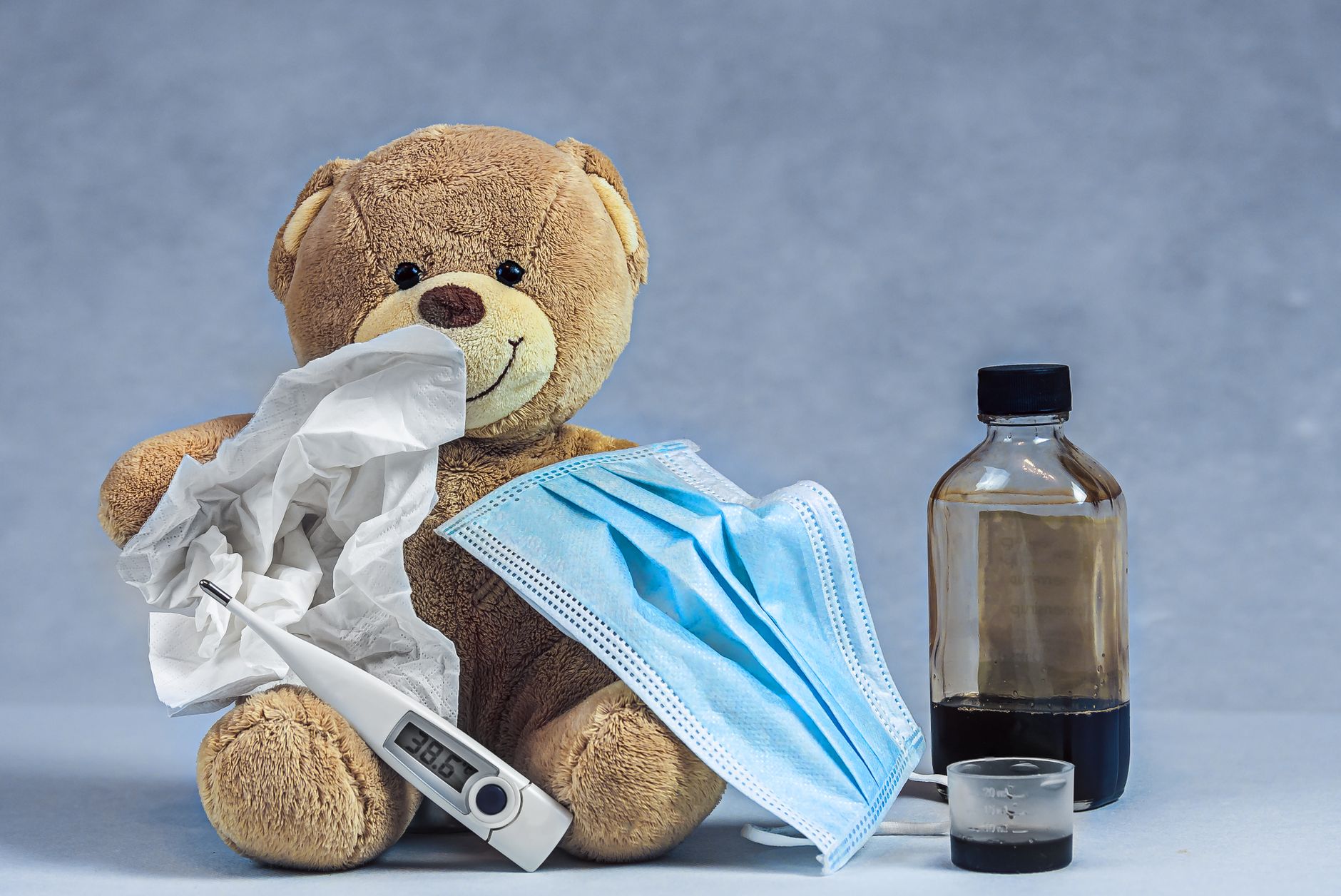
Zarbee's cough syrup and fever in babies
Fever and cough often travel together, especially during viral upper‑respiratory infections. Zarbee’s syrup does not contain antipyretic (fever‑reducing) ingredients, so it won’t lower a child’s temperature. If your baby has a fever, you should treat the fever separately with an age‑appropriate dose of acetaminophen or ibuprofen (if over six months and without contraindications).
Combining fever reducers with Zarbee’s is generally safe, as the mechanisms differ. However, always keep the dosing intervals separate—give acetaminophen every 4–6 hours, and Zarbee’s every 4 hours—so you don’t exceed the total number of medication administrations in a 24‑hour period.
If the fever spikes above 39 °C (102.2 °F) or lasts more than 24 hours, seek medical attention regardless of cough severity. High fevers can indicate bacterial infections that require antibiotics, not just symptomatic relief.
Doctor advice on Zarbee's cough syrup dosage
Most pediatricians will echo the label’s guidance: 5 mL every 4 hours, up to six doses per day for children 12 months and older. They will also stress the importance of:
- Confirming the child’s exact age and weight before starting any OTC product.
- Using the provided measuring syringe to avoid dosing errors.
- Monitoring for side effects, especially allergic reactions.
- Not exceeding the 30 mL daily maximum.
- Seeking medical evaluation if the cough persists beyond 7 days or is accompanied by fever, wheezing, or difficulty breathing.
When you bring the bottle to your appointment, ask the doctor to confirm the dose based on your child’s weight and to discuss any other medicines your child may be taking. This conversation ensures a coordinated approach and reduces the risk of inadvertent drug interactions.
Myth vs. fact
Myth: “Honey cough syrup cures a cold.”
Fact: Honey can soothe a sore throat and reduce coughing, but it does not treat the underlying viral infection. Recovery still depends on the body’s immune response.
Myth: “If the cough is mild, I can give extra doses for faster relief.”
Fact: Exceeding the recommended dose raises the risk of side effects without proven benefit. Stick to the dosing schedule; the cough will improve with time.
Myth: “All baby cough syrups are the same, so any brand works equally.”
Fact: Ingredients differ—some contain antihistamines or dextromethorphan, which have distinct dosing limits and side‑effect profiles. Always read the label and compare.
Key takeaways
- For children 12 months and older, Zarbee’s honey cough syrup is dosed at 5 mL every 4 hours, not exceeding six doses (30 mL) per day.
- The syrup is not recommended for infants under 12 months because of botulism risk from honey.
- Use the supplied syringe to measure doses accurately; never substitute kitchen spoons.
- Watch for side effects such as diarrhea, allergic reactions, or excessive drowsiness.
- Stop the syrup after 7 days or if red‑flag symptoms (fever, worsening cough, vomiting) appear.
- Consult your pediatrician before combining Zarbee’s with other meds, especially antihistamines or cough suppressants.
Frequently asked questions
How often can I give Zarbee's cough syrup to my baby?
You can give Zarbee’s honey cough syrup every four hours, up to six times in a 24‑hour period, for children 12 months and older. This equals a maximum of 30 mL per day. For infants under one year, the product is not recommended unless a pediatrician advises otherwise.
What is the recommended dosage of Zarbee's cough syrup for infants?
The standard dose for toddlers 12 months and up is 5 mL (one teaspoon) per administration. If a pediatrician prescribes an infant‑specific formulation, the dose may be 2.5 mL every six hours, with a daily maximum of 10 mL. Always follow the exact instructions on the label and your doctor’s guidance.
Is Zarbee's cough syrup safe for babies under 12 months?
Because the syrup contains honey, the American Academy of Pediatrics advises against giving it to children younger than one year due to the risk of infant botulism. A honey‑free, pediatric‑approved alternative should be used for infants under 12 months.
Can I give Zarbee's cough syrup with other medications?
Generally yes, but avoid combining it with other antihistamines or cough suppressants that could cause excessive sedation. Acetaminophen for fever is safe, but always check the ingredient list and consult your pediatrician if your child is on multiple medicines.
What are the side effects of Zarbee's cough syrup in babies?
Common side effects include mild diarrhea, stomach upset, or allergic reactions such as hives. Rarely, excessive honey intake can lead to botulism in infants under one year. If you notice persistent vomiting, lethargy, or breathing difficulty, seek medical care promptly.
How long should I continue using Zarbee's cough syrup for my child?
Use the syrup for no more than seven days. If the cough persists beyond a week, worsens, or is accompanied by fever, wheezing, or difficulty breathing, stop the medication and contact your pediatrician for further evaluation.
When to see a doctor / specialist
If your baby shows any of the following, call your pediatrician or seek emergency care immediately:
- Fever > 38.5 °C (101.5 °F) lasting more than 48 hours.
- Worsening cough, wheezing, or shortness of breath.
- Persistent vomiting after each dose of Zarbee’s.
- Signs of an allergic reaction (hives, swelling, trouble breathing).
- Diarrhea or lethargy that does not improve within 24 hours.
These symptoms may indicate a more serious respiratory infection, asthma, or an adverse reaction that requires professional assessment. Your pediatrician or, if needed, a pediatric pulmonologist can provide targeted treatment and safe symptom management.
References
- American Academy of Pediatrics. “Infant Botulism.” AAP Policy Statement, 2022.
- U.S. Food and Drug Administration. “Guidance for Industry: OTC Cough and Cold Products for Children.” FDA, 2021.
- American Academy of Pediatrics. “Management of Cough and Cold in Children.” Clinical Report, 2020.
- Centers for Disease Control and Prevention. “Honey and Infant Botulism.” CDC, 2023.
- National Institutes of Health. “Honey.” NIH Office of Dietary Supplements, 2022.
- American College of Emergency Physicians. “Cough and Cold Medications in Children.” ACEP Clinical Policy, 2021.
- Harvard T.H. Chan School of Public Health. “Honey: Benefits and Risks.” Nutrition Source, 2023.



