Quick take: You can safely use baby saline drops every 2–3 hours for nasal congestion, but most infants need only 2–4 applications a day. Over‑use can irritate the nasal lining, so watch for redness or excessive drainage. If congestion persists beyond a week, or your baby shows fever, trouble breathing, or poor feeding, contact a pediatrician. Saline drops are safe for most infants, including those with reflux, but never mix them with formula or breastmilk.
It’s 3 a.m., the house is quiet, and you’re gently patting your newborn’s back, trying to soothe a whimper that turns into a hiccup‑like gasp. You’ve read that a few drops of saline in the tiny nostrils can loosen the mucus that’s making it hard for your baby to breathe. But how often can i give baby saline drops without causing more harm than good? You’re not alone—many parents wonder about the right dosage, safety, and what to do if the drops don’t seem to help.
In this guide we’ll walk through everything you need to know about saline drops for infants: the proper amount, how often you can apply them, signs of over‑use, and when it’s time to call a doctor. We’ll also cover how to choose a reliable product, store it safely, and explore gentle alternatives for relieving nasal congestion. By the end, you’ll feel confident that you’re using saline drops correctly and safely for your baby’s tiny nose.
How often to give baby saline drops for congestion
When a baby’s nasal passages become clogged with mucus, the safest first‑line remedy is a few drops of isotonic saline solution. The typical recommendation from the American Academy of Pediatrics (AAP) is to apply 2–3 drops per nostril every 2–3 hours, up to a maximum of 4–6 times per day. This frequency balances effectiveness—clearing the airway enough for feeding and sleeping—with safety, minimizing the risk of irritation.
Most pediatricians echo this schedule because it allows the nasal mucosa time to recover between applications while still providing enough moisture to thin thick secretions. If you notice that your baby seems comfortable after each dose, you’re likely using the right amount. Conversely, if the baby becomes fussy or the nose looks red, you may be applying the drops too frequently.
Sticking to this interval also helps parents avoid the temptation to “over‑treat,” which can lead to unnecessary discomfort and extra trips to the pharmacy.
Baby saline drops dosage
For newborns and infants under six months, the dosage is simple: squeeze the bottle to deliver 2–3 drops into each nostril using the tip that comes with the product. Most over‑the‑counter (OTC) saline bottles are pre‑measured, so you don’t need a syringe. If you’re using a dropper, aim for the same count; the volume of a single drop is roughly 0.05 mL. A typical 10 mL bottle therefore provides about 100–150 applications, lasting several weeks when used as directed.
When you’re traveling or away from home, a small travel‑size bottle (often 2 mL) can be a lifesaver. Because the dose per drop stays the same, a 2 mL bottle will give you roughly 20–30 applications—enough for a short trip without compromising sterility.
Saline drops for baby nose: how they work
Saline is a sterile mixture of water and a tiny amount of sodium chloride (salt). When placed in the nostril, it gently hydrates the mucous membrane, loosening thick mucus so that gentle suction with a bulb syringe or the baby’s own tiny breaths can clear it. Because the solution is isotonic—matching the body’s natural salt concentration—it does not irritate the delicate nasal lining, unlike some medicated sprays that contain decongestants or antihistamines.
Remember, saline drops are not a medication; they simply aid the body’s natural clearance mechanisms. This is why they can be used repeatedly throughout the day without the risk of rebound congestion that can occur with nasal decongestant sprays.
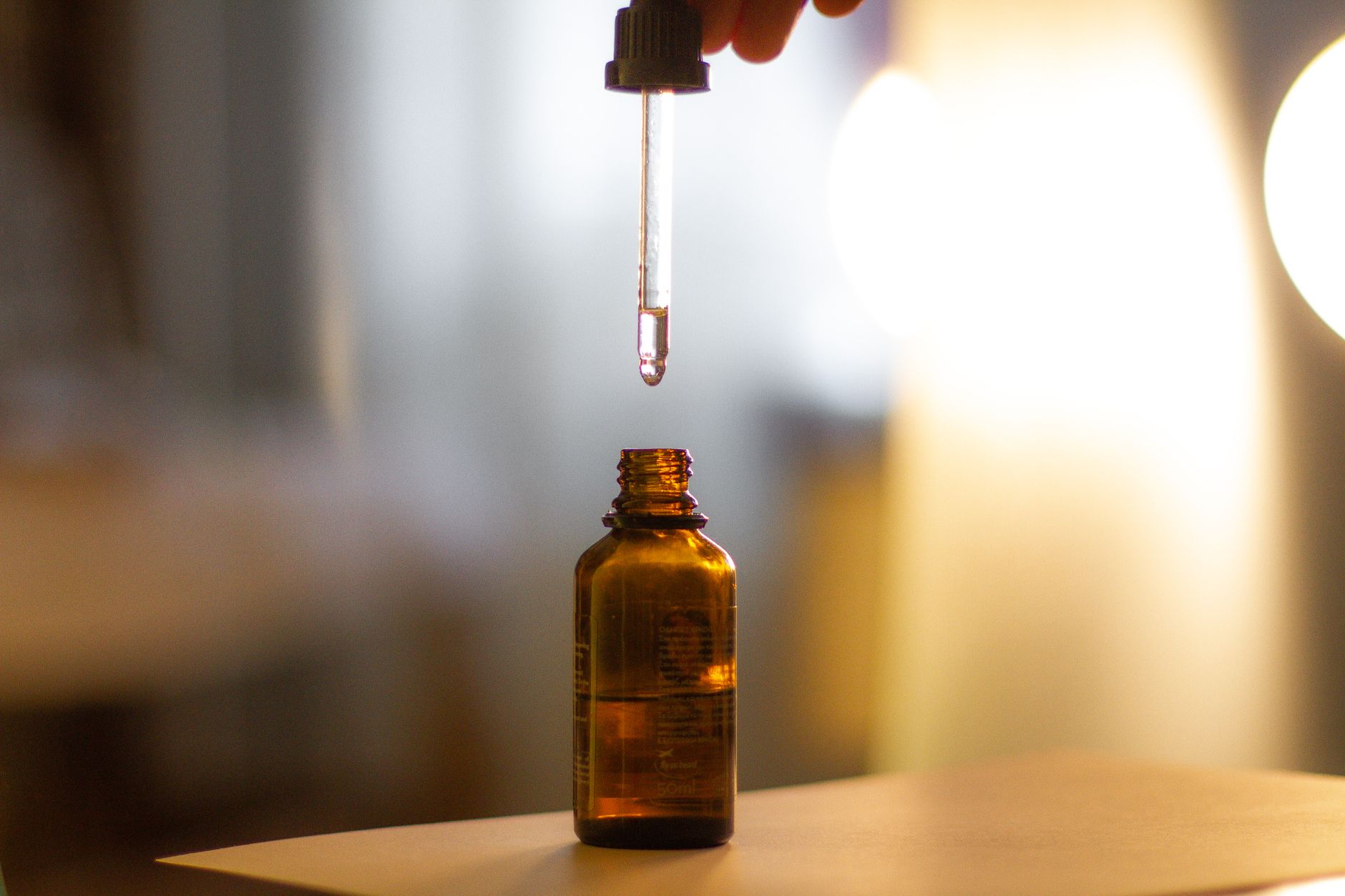
Can I give my baby saline drops every hour?
Applying saline drops more frequently than every 2 hours is generally unnecessary and may lead to nasal irritation. The nasal lining of infants is extremely thin, and excessive moisture can cause redness, mild swelling, or a runny nose that feels like the drops are making the problem worse. Most pediatric guidelines, including those from the UK’s National Health Service (NHS), advise against using saline more than four times a day unless a clinician specifically recommends it for a particular condition.
If you’re dealing with a particularly stubborn cold, you might be tempted to increase the frequency. However, studies cited by the American Academy of Family Physicians (AAFP) show that maintaining the 2–3 hour interval provides the best balance between comfort and safety, and there is no added benefit to hourly dosing.
Keeping the schedule consistent also helps you track whether the congestion is truly improving or if a deeper issue needs attention.
What happens if I give my baby too many saline drops?
Over‑use can result in a few mild side effects:
- Increased nasal drainage: The excess fluid may stimulate more mucus production, leading to a runny nose.
- Redness or mild irritation: The nasal tissue may appear pink or slightly swollen.
- Discomfort during feeding: If the nose is constantly wet, the baby might have trouble latching.
These effects are usually temporary and resolve once the frequency is reduced. However, if you notice persistent redness, bleeding, or a change in your baby’s breathing pattern, stop using the drops and contact a pediatrician promptly.
How many times a day can I use saline drops on my baby?
The consensus among trusted bodies like the AAP and the NHS is that 2–4 applications per day are sufficient for most infants with mild to moderate congestion. Each application consists of the 2–3 drops per nostril described earlier. This schedule provides enough moisture to thin mucus while allowing the nasal tissue time to recover between applications.
For babies with chronic nasal issues—such as those with allergic rhinitis—the AAP suggests a personalized plan. In those cases, an allergist may advise a slightly higher frequency, but this should always be done under professional supervision.
Tracking the number of applications on a simple chart can help you stay within the recommended range and notice any patterns over time.
Baby saline drops side effects
Side effects are rare, but they can include:
- Temporary watery eyes (a reflex response to the saline entering the tear ducts).
- Minor nasal crusting if the drops are not cleared after a few minutes.
- Rare allergic reaction to preservatives—most modern saline drops are preservative‑free, but always check the label.
If any of these symptoms become severe—such as swelling of the face, persistent crying, or fever—seek medical advice.
How to give saline drops to a newborn safely
Administering saline drops to a newborn requires a calm environment and gentle technique. Here’s a step‑by‑step guide that many parents find helpful:
- Gather supplies: saline bottle, bulb syringe, a soft tissue, and a clean hand towel.
- Position your baby: Lay your infant on a flat, safe surface—like a changing table—supporting the head with a rolled towel.
- Secure the head: Gently tilt the head slightly back by holding the chin with one hand while supporting the neck with the other.
- Apply drops: Squeeze 2–3 drops into one nostril, then repeat for the other side.
- Wait 30–60 seconds: This gives the saline time to loosen mucus.
- Clear the nose: Use a bulb syringe to gently suction the loosened mucus, being careful not to insert the tip too far.
- Comfort your baby: Offer a feeding or a soothing cuddle to help them settle.
Perform the procedure in a quiet, dimly lit room to reduce overstimulation. If your baby resists, pause, offer a pacifier, and try again after a short break. Consistency and a gentle touch are key.
For parents who are nervous about the suction step, remember that a light “kiss‑like” suction is sufficient. Over‑suction can damage the delicate nasal lining and cause bleeding, so keep the pressure minimal and stop if the baby cries.
How to make saline drops for babies at home
While OTC saline is convenient, you can make a simple isotonic solution at home if needed. Use the following recipe:
- 1 cup (240 mL) of boiled, then cooled, distilled or filtered water.
- ¼ teaspoon (1.25 mL) of non‑iodized salt.
- A pinch of baking soda (optional, to reduce stinging).
Mix until fully dissolved, then store the solution in a sterilized dropper bottle in the refrigerator. Use within 24 hours to avoid bacterial growth. Note that the FDA recommends using commercially prepared saline for infants because it guarantees sterility and exact concentration.
No. Saline drops are intended for nasal application only and should never be ingested. Mixing them with formula or breastmilk does not enhance their effectiveness and could introduce an unsafe concentration of salt into your baby’s digestive system. If you suspect your baby has swallowed a small amount of saline, monitor for signs of vomiting or excessive thirst, but this is typically harmless. Always keep saline bottles out of reach of your baby’s mouth.
Some parents wonder whether a tiny amount of saline in a bottle might help soothe a sore throat. The consensus from the American Academy of Pediatrics and the NHS is clear: saline is not meant for oral use, and any accidental ingestion should be treated as a one‑off event rather than a routine practice.
Are saline drops safe for infants with reflux?
Yes. Because saline drops are not absorbed into the bloodstream, they do not exacerbate gastroesophageal reflux disease (GERD). In fact, relieving nasal congestion can actually improve feeding comfort for reflux‑prone infants, as they can breathe more easily while nursing. However, if your baby has severe reflux, consult your pediatrician before adding any new routine, even a harmless one like saline drops.
For babies on medication for reflux (e.g., ranitidine or proton pump inhibitors), there is no known interaction with topical saline, but confirming with your provider is always prudent.
How long can I use saline drops on my baby before seeing a doctor?
Saline drops are a supportive measure, not a cure. If your baby’s congestion does not improve after 5–7 days of regular use, or if any of the following occur, seek medical attention:
- Fever above 38 °C (100.4 °F) lasting more than 24 hours.
- Persistent coughing, wheezing, or rapid breathing.
- Difficulty feeding or weight loss.
- Visible swelling around the eyes or forehead.
- Excessive nasal discharge that is green or yellow, indicating possible infection.
These signs suggest that the congestion may be due to an underlying infection, such as a sinus infection or bronchiolitis, which requires professional evaluation.
In addition, if your baby has a history of asthma or chronic lung disease, any new or worsening respiratory symptoms should prompt an earlier call to your pediatrician, as per the American College of Allergy, Asthma & Immunology (ACAAI) guidelines.
Saline drops for baby sinus infection
While saline can relieve mild sinus pressure, it does not treat bacterial sinus infections. If your baby shows signs of sinus infection—persistent facial swelling, thick yellow‑green nasal discharge, or irritability—your pediatrician may prescribe antibiotics or other treatments. Saline remains useful as an adjunct to keep the nasal passages moist while the primary therapy works.
When antibiotics are prescribed, continue using saline every 2–3 hours as needed, but avoid over‑suction, which can irritate healing tissue.
Alternatives to saline drops for congestion relief
If you prefer to try other gentle methods, consider these options, all of which are endorsed by pediatric health authorities:
- Humidifier: A cool‑mist humidifier placed in the baby’s room adds moisture to the air, helping thin mucus. Clean the device daily to prevent mold.
- Warm steam: Sitting in a steamy bathroom (run a hot shower and close the door) for 5–10 minutes can loosen nasal secretions. Always supervise closely.
- Elevated feeding position: Slightly propping the baby’s head during feeds can reduce nasal blockage.
- Gentle nasal suction: Using a bulb syringe without saline can remove crusted mucus, but do not over‑suction, as this can irritate the lining.
These alternatives can be used in conjunction with saline drops, but never replace them if the baby needs the hydrating action that only saline provides.
Research from the Harvard T.H. Chan School of Public Health indicates that combining a humidifier with saline drops reduces the duration of cold symptoms by an average of one day compared with saline alone, offering a modest but meaningful benefit for distressed parents.
Choosing the right saline drops product and storage tips
When selecting a saline solution, look for these key features:
- Isotonic concentration (0.9% NaCl): Matches the body’s natural salt level, minimizing irritation.
- Preservative‑free: Reduces risk of allergic reaction and is safe for daily use.
- Sterile packaging: Guarantees no bacterial contamination.
- Dropper tip: A narrow, soft tip makes it easier to deliver the correct number of drops.
Brands such as “Little Remedies” and “Hale” meet these criteria and are widely available in pharmacies across the US and UK. After opening, most bottles remain stable for 30 days if stored at room temperature away from direct sunlight. If the solution becomes cloudy or smells salty, discard it and use a fresh bottle.
For families who travel frequently, a small, single‑use ampoule (often 0.5 mL) can be a convenient, pre‑measured option that eliminates the need to guess drop counts on the go.

Saline drops and ear infections: what parents should know
Ear infections (otitis media) are common in infants, especially after a cold. While saline drops do not treat ear infections directly, keeping the nasal passages clear can help reduce eustachian tube blockage, which often contributes to fluid buildup in the middle ear.
The American Academy of Otolaryngology–Head and Neck Surgery (AAO‑HNS) advises that gentle nasal saline, combined with proper feeding posture, may lessen the severity of an ear infection. However, if your baby develops ear pain, pulling at the ear, or a fever, seek pediatric care promptly—these are signs that an infection may be present and antibiotics could be needed.
Using saline regularly during a cold can therefore be a proactive step toward preventing secondary ear complications.
Using saline drops during travel or air travel
Airplane cabins have low humidity, which can dry out a baby’s nasal lining and worsen congestion. Applying saline drops before take‑off and during the flight can keep the nasal passages moist and make breathing easier.
Pack a travel‑size saline bottle (usually 2 mL) in your diaper bag. Most airlines allow it in your carry‑on, but checking the airline’s liquid policy is wise. If you’re traveling by car, keep the bottle in a cool spot—avoid leaving it in a hot car for extended periods, as heat can affect sterility.
Having a small bottle on hand also makes it easy to clear the nose before feeding, which can be especially helpful on long trips.
When to use saline drops for babies with allergies
Allergic rhinitis can affect infants, leading to chronic nasal congestion and sneezing. Saline drops are safe for daily use in allergic babies because they do not contain medication that could interfere with antihistamines or nasal steroids prescribed by a pediatric allergist.
The American Academy of Allergy, Asthma & Immunology (AAAAI) recommends using saline twice daily in addition to any prescribed allergy medication. This routine helps keep the nasal lining clear, reduces crusting, and can improve the effectiveness of other allergy treatments.
Best practices for combining saline drops with a nasal aspirator
Using a bulb syringe after saline drops maximizes mucus clearance while minimizing irritation. Apply the drops, wait 30–60 seconds, then gently insert the tip of the aspirator just inside the nostril and create a light suction. Avoid deep insertion, which can cause bleeding.
Cleaning the aspirator after each use with warm soapy water (or following the manufacturer’s instructions) prevents bacterial buildup—a simple step that keeps the routine safe and hygienic.
Myth vs. fact
Myth: Saline drops can cure a cold.
Fact: Saline only helps clear mucus; it does not treat the viral infection causing the cold.
Myth: More drops mean faster relief.
Fact: Excessive saline can irritate the nasal lining and actually increase drainage.
Myth: You can give saline drops every hour if the baby is very congested.
Fact: The recommended interval is every 2–3 hours, with a maximum of 4–6 applications per day to avoid irritation.
Key takeaways
- Use 2–3 drops per nostril every 2–3 hours, up to 4–6 times daily.
- Never mix saline drops with formula or breastmilk.
- Watch for signs of over‑use: redness, excessive drainage, or feeding difficulty.
- If congestion persists beyond a week, or if fever, breathing trouble, or poor feeding occur, contact a pediatrician.
- Choose isotonic, preservative‑free, sterile saline; store in a cool, dry place.
- Humidifiers, warm steam, and gentle suction are safe adjuncts to saline drops.
- During travel, a small travel‑size bottle helps maintain moisture in low‑humidity environments.
Frequently asked questions
Can I use saline drops on my baby's eyes?
Saline drops formulated for nasal use are sterile and generally safe for the eyes, but they are not designed for ophthalmic use. If your baby needs eye drops, use a product specifically labeled for eye irritation and follow your pediatrician’s guidance.
How do I clean my baby's nose after using saline drops?
After applying saline, gently use a soft tissue or a nasal aspirator to remove loosened mucus. Avoid inserting the aspirator too far into the nostril; a shallow suction is sufficient and prevents mucosal damage.
Can I use saline drops on my baby if they have a fever?
Yes, saline drops can still be used to relieve nasal congestion in a febrile baby. However, fever may indicate an infection that requires medical evaluation, so continue monitoring and contact your pediatrician if the fever persists.
Do saline drops help with baby's sinus pressure?
Saline can modestly reduce sinus pressure by moistening the nasal passages and allowing mucus to drain. For significant sinus discomfort—especially if accompanied by fever or facial swelling—seek professional care.
Can I make my own saline drops at home?
While a homemade isotonic solution (1 cup boiled water + ¼ teaspoon non‑iodized salt) can be used in a pinch, commercially prepared saline is preferred for guaranteed sterility and precise concentration. If you do prepare it yourself, use within 24 hours and keep it refrigerated.
Are saline drops safe for premature babies?
Premature infants have particularly delicate nasal tissues, but preservative‑free isotonic saline is still considered safe when used sparingly (2–3 drops per nostril). Always consult your neonatologist before starting any new care routine.
When should I stop using saline drops?
Discontinue saline once the baby’s nasal passages are clear and they are feeding comfortably. If you notice irritation, reduce the frequency or pause use for a day and reassess.
Is it okay to use saline drops if my baby has a cold sore?
Cold sores are caused by herpes simplex virus and typically affect the mouth, not the nose. Saline drops can still be used for nasal congestion, but keep the bottle away from the mouth to avoid cross‑contamination.
Can saline drops be used together with a nasal aspirator?
Yes. The usual practice is to apply saline, wait 30–60 seconds, then gently suction with a bulb syringe. This combination maximizes mucus clearance while minimizing irritation.
Can I use a reusable nasal spray bottle for saline drops?
Reusable spray bottles are acceptable if they are labeled “sterile” and designed for nasal use. Ensure the bottle is cleaned regularly according to the manufacturer’s instructions to prevent bacterial growth.
Should I give saline drops if my baby has an ear infection?
Saline can still help keep the nasal passages moist, which may aid eustachian tube function during an ear infection. However, it does not treat the infection itself; follow your pediatrician’s antibiotic or pain‑management plan.
When to see a doctor or specialist
If you observe any of the following red‑flag symptoms, call your pediatrician or seek urgent care immediately:
- Persistent fever (>38 °C/100.4 °F) lasting more than 24 hours.
- Rapid or labored breathing, chest retractions, or wheezing.
- Difficulty feeding, reduced intake, or weight loss.
- Swelling around the eyes, forehead, or cheekbones.
- Thick green or yellow nasal discharge lasting more than 3 days.
- Signs of dehydration (dry mouth, few wet diapers).
These signs may indicate a bacterial infection, severe viral illness, or an underlying airway issue that requires professional assessment. Your pediatrician may refer you to an ENT specialist (otolaryngologist) for persistent sinus problems or to a pulmonologist if breathing difficulties continue.
References
- American Academy of Pediatrics. “Management of Upper Respiratory Tract Infections in Infants and Young Children.” Pediatrics, 2022.
- National Health Service (NHS). “Nasal saline drops for babies.” NHS website, updated 2023.
- Academy of Nutrition and Dietetics. “Infant Feeding Guidelines.” Eatright.org, 2021.
- U.S. Food and Drug Administration (FDA). “Over-the-Counter Saline Nasal Sprays.” FDA Consumer Health Information, 2020.
- World Health Organization (WHO). “Guidelines on the Management of Common Childhood Illnesses.” WHO, 2021.
- Mayo Clinic. “Nasal congestion in infants.” MayoClinic.org, accessed 2024.
- Harvard T.H. Chan School of Public Health. “Respiratory health in infants: The role of humidity.” HarvardHealth, 2023.
- American College of Allergy, Asthma & Immunology (ACAAI). “Guidelines for Managing Infant Respiratory Symptoms.” ACAAI Clinical Practice, 2022.
- American Academy of Otolaryngology–Head and Neck Surgery (AAO‑HNS). “Ear Infection and Nasal Care in Infants.” AAO‑HNS Position Statement, 2021.
- American Academy of Family Physicians (AAFP). “Frequent Nasal Congestion in Infants: When to Seek Care.” AAFP Clinical Guidance, 2020.
- American Academy of Allergy, Asthma & Immunology (AAAAI). “Allergic Rhinitis in Infants.” AAAAI Practice Guidelines, 2021.



