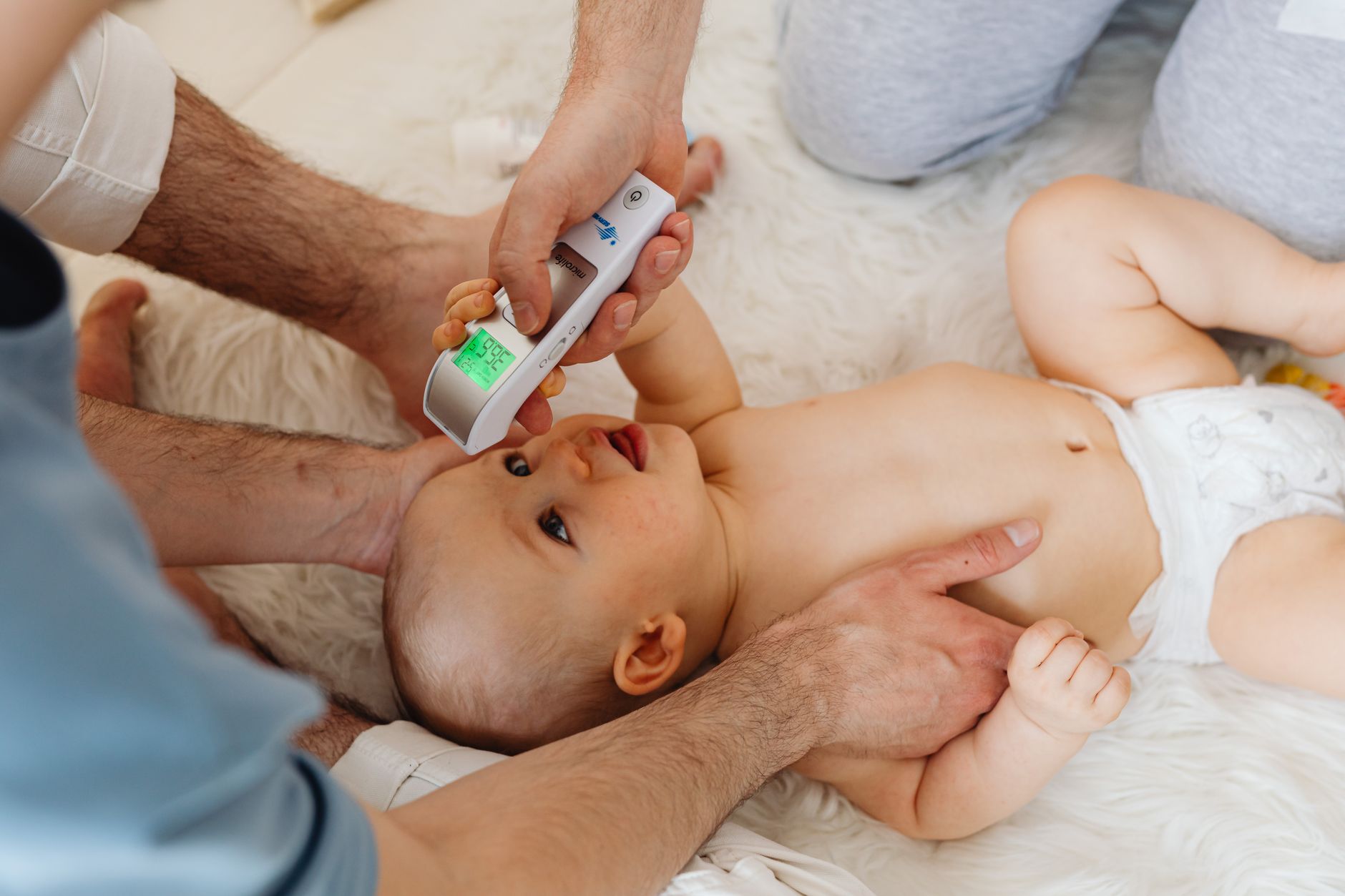
The short answer is no—giving Motrin every 4 hours exceeds the safe dosing interval. The FDA and AAP both state that ibuprofen should be spaced at least 6 hours apart. This interval allows the drug’s half‑life (about 2 hours in infants) to clear enough from the bloodstream, reducing the risk of stomach irritation and kidney stress.
Recommended dosing interval
- Minimum interval: 6 hours between doses.
- Maximum daily frequency: Four doses (24 hours).
- When fever persists: If the temperature stays above 38.5 °C (101.3 °F) after two doses, call your pediatrician rather than adding a third dose.
Many parents wonder whether a “quick‑fix” dose every 4 hours will bring a fever down faster. In reality, the body’s temperature‑regulating mechanisms respond best to a steady, safe dosing schedule. Over‑dosing can lead to gastrointestinal bleeding, reduced urine output, or even central nervous system effects in severe cases.
Evidence from the ACOG Committee Opinion on fever management in neonates (2022) supports a 6‑hour minimum interval, noting that shorter intervals do not provide additional fever‑reduction benefit but do increase adverse‑event risk. Keeping a simple log—paper or phone‑based—helps you stay within the safe window.
Maximum number of Motrin doses per day for a newborn and safety for infants under 6 months
Newborns (0–2 months) and infants under 6 months have immature renal function, making them more vulnerable to ibuprofen’s side effects. The FDA has not approved ibuprofen for children younger than 6 months, except under strict medical supervision.
If a pediatrician does prescribe Motrin for a newborn—typically for specific inflammatory conditions—the dose is usually capped at the lower end of the range (5 mg/kg) and limited to no more than two doses in 24 hours. Any higher frequency should be discussed with a specialist, such as a pediatric nephrologist.
For most infants under 6 months, acetaminophen (Tylenol) is the first‑line medication for fever and mild pain, because it is metabolized differently and poses less risk to the kidneys. Only use ibuprofen for a newborn if you have a clear prescription and a documented plan for monitoring urine output and hydration.
In practice, clinicians often combine ibuprofen with close monitoring of weight and fluid intake for infants with conditions like bronchiolitis, where inflammation may be severe. The British National Formulary for Children (BNFC) advises that, when ibuprofen is used in this age group, parents should be instructed to track wet diapers and seek care if output drops below four diapers per day.
Differences between infant Motrin and children’s Motrin dosing schedules
Infant Motrin comes in a liquid suspension (usually 100 mg per 5 mL) designed for precise low‑volume dosing. Children’s Motrin, on the other hand, is often available as chewable tablets or higher‑strength liquids (e.g., 200 mg per 5 mL). The key differences are:
- Concentration: Infant suspension = 20 mg/mL; children’s liquid = 40 mg/mL or more.
- Dose calculation: Infants require exact milligram dosing based on weight; older children can use weight‑based dosing that rounds to the nearest half‑tablet.
- Age restrictions: Infant formulation is approved for 6 months and older; children’s formulation is approved for 12 months and older.
- Administration: Infant doses are measured with a syringe; children’s doses can be given with a dosing cup or tablet.
Mixing the two formulations can lead to accidental overdose, so keep them separate and label each bottle clearly. The AAP also recommends that caregivers store each product in distinct locations to avoid confusion, especially when multiple children of different ages share a medicine cabinet.
When transitioning from infant to children’s Motrin—usually around the first birthday—parents should re‑calculate the dose using the child’s current weight and the higher concentration. This stepwise approach prevents a sudden increase in total milligrams that could irritate the stomach.
Signs of Motrin overdose in infants
Recognizing an overdose early can prevent serious complications. According to the American Academy of Pediatrics and the FDA, the most common early warning signs include:
- Persistent vomiting or severe stomach pain
- Blood in stool or vomit (a sign of gastrointestinal bleeding)
- Unusual drowsiness or difficulty waking
- Reduced urine output (fewer wet diapers than usual)
- Rapid breathing or a sudden drop in blood pressure
- Rash or hives that spread quickly
If you notice any of these symptoms, call emergency services (911 in the U.S.) or go to the nearest urgent‑care center. Prompt treatment can involve activated charcoal, IV fluids, and close monitoring of kidney function.
In rare cases, ibuprofen overdose can lead to metabolic acidosis—a condition where the blood becomes too acidic. The NHS advises that any infant showing signs of lethargy, rapid breathing, or a fruity odor on the breath should be evaluated immediately, as these may indicate a more severe systemic reaction.
Alternatives to infant Motrin for pain relief
When fever or pain strikes, you have several safe options besides ibuprofen. Below is a comparison of the most common remedies for infants and toddlers.
Many parents wonder, “Can I give infant Motrin and acetaminophen together?” The answer is yes—if you alternate them, you can maintain pain control while staying within each medication’s maximum daily limit. For example, give ibuprofen at 8 a.m., acetaminophen at 12 p.m., ibuprofen again at 4 p.m., and so on, ensuring at least a 4‑hour gap between different drugs. Always double‑check the total daily dose for each medication before combining.
Some clinicians also recommend a brief trial of a tepid sponge bath before reaching for medication, especially for low‑grade fevers (below 38 °C). This non‑pharmacologic step can be soothing and may reduce the need for a second dose.
How long does Motrin stay in a baby’s system and how to store it properly
Ibuprofen’s half‑life in infants is roughly 2 hours, meaning that after 6 hours about 12.5 % of the original dose remains in the bloodstream. Complete elimination usually occurs within 24 hours, assuming normal kidney function.
Proper storage helps maintain potency and prevents accidental ingestion. The FDA advises:
- Keep the bottle tightly closed and store at room temperature (15‑30 °C or 59‑86 °F).
- Do not refrigerate unless the label explicitly permits it.
- Place the medication out of reach of children—ideally on a high shelf or in a locked cabinet.
- Discard any leftover suspension after the expiration date or after 30 days of opening, whichever comes first.
When you’re ready to give a dose, use the calibrated syringe that comes with the bottle. Avoid kitchen spoons, as they can lead to dosing errors. If you have multiple children, consider color‑coding the syringes to match each child’s medication bottle.
Temperature fluctuations can degrade ibuprofen’s efficacy. If a bottle has been left in a hot car or a cold garage for more than a few hours, it’s safest to replace it with a fresh bottle to ensure accurate dosing.

Can I give infant Motrin while my baby is breast‑feeding?
Yes—ibuprofen is considered compatible with breastfeeding. The American College of Obstetricians and Gynecologists (ACOG) states that only trace amounts of ibuprofen appear in breast milk, and these levels are far below therapeutic doses for the infant. Nevertheless, the NHS advises that mothers monitor their baby for any unusual signs, such as increased fussiness or changes in stool pattern, after a dose.
If you are nursing and need to give your baby Motrin, it’s still important to follow the infant dosing guidelines. The drug does not accumulate significantly in breast milk, but consistent, high‑frequency dosing could theoretically increase exposure. When in doubt, discuss the plan with your pediatrician or a lactation consultant.
Accurate measurement is the single most common source of dosing errors in infants. The FDA recommends using the calibrated oral syringe that comes with the medication, as it provides 0.1 mL increments. If the syringe is misplaced, a pharmacy‑filled 1 mL oral syringe is an acceptable substitute.
When measuring, place the syringe on a flat surface, pull the plunger to the “zero” mark, and then draw the medication up to the prescribed volume. Avoid shaking the bottle vigorously; instead, gently roll it between your hands to mix the suspension evenly. For families who administer multiple medications, a simple chart on the refrigerator can remind you which syringe belongs to which drug.
Some parents find it helpful to pre‑fill a small, clearly labeled cup with the exact dose for the day’s schedule. This method reduces the chance of misreading the syringe each time and can be especially useful during nighttime awakenings.
Myth vs fact about infant Motrin
Myth: “If the fever returns, I can give Motrin again after just a few hours.”
Fact: The minimum safe interval is 6 hours. Giving doses more frequently increases the risk of stomach irritation and kidney strain.
Myth: “A single dose of Motrin can cure a cold.”
Fact: Motrin reduces fever and eases pain but does not treat viral infections; supportive care and hydration remain essential.
Myth: “Infant Motrin and children’s Motrin are interchangeable.”
Fact: They differ in concentration and age‑specific labeling; using the wrong formulation can lead to accidental overdose.
When should I call a doctor after giving Motrin to my baby?
If you notice any of the following red‑flag symptoms, seek medical attention promptly. These signs suggest that the ibuprofen may be affecting your baby’s kidneys, stomach, or overall wellbeing.
- Fewer than four wet diapers in a 24‑hour period
- Persistent vomiting or diarrhea lasting more than 24 hours
- Unexplained rash, bruising, or bleeding
- Extreme drowsiness, irritability, or a high‑pitched cry
- Sudden drop in temperature (hypothermia) after a dose
Contact your pediatrician, a pediatric urgent‑care clinic, or go to the emergency department if any of these appear. For severe symptoms—such as seizures, difficulty breathing, or signs of shock—dial emergency services immediately.
In addition to the above, the AAP recommends calling your doctor if your baby has a pre‑existing kidney condition, a history of stomach ulcers, or is taking other medications that could interact with ibuprofen, such as certain antibiotics or diuretics.
When is ibuprofen NOT recommended for infants?
Even though ibuprofen is a versatile fever‑reducer, there are situations where it should be avoided. According to the FDA and NHS, you should not give Motrin to an infant who:
- Has a known allergy to ibuprofen or other NSAIDs
- Is severely dehydrated (e.g., from vomiting or diarrhea)
- Has an active gastrointestinal bleed or ulcer
- Has chronic kidney disease or a recent kidney injury
- Is taking blood‑thinning medications such as warfarin
In these cases, acetaminophen is generally the safer alternative. Always discuss any underlying health issues with your pediatrician before starting a fever‑reduction regimen.

How to track dosing and fever patterns at home
Keeping a simple record can prevent accidental overdose and help you spot trends that may require a doctor’s input. A paper chart or a note‑taking app should include:
- Date and time of each dose
- Exact amount given (mL)
- Baby’s temperature before and after medication
- Number of wet diapers in the 24‑hour period
- Any side effects such as rash or unusual sleepiness
When you notice a pattern—like fever persisting after the maximum four doses in 24 hours—bring the chart to your pediatric appointment. The data gives the clinician a clear picture of your baby’s response and helps guide the next steps, whether that means a different medication, additional labs, or a referral to a specialist.
Key takeaways
- Use a weight‑based dose of 5–10 mg/kg for infants ≥ 6 months.
- Give Motrin every 6–8 hours, never more than four times in 24 hours.
- Never give ibuprofen to babies under 6 months without a pediatrician’s order.
- Watch for vomiting, reduced urine output, rash, or unusual drowsiness as signs of overdose.
- Acetaminophen is a safe alternative for infants ≥ 2 months and can be alternated with ibuprofen if needed.
- Store the suspension at room temperature, tightly sealed, and discard after 30 days of opening.
- Breast‑feeding parents can use infant Motrin safely, but keep an eye on the baby for any changes.
- Avoid ibuprofen if your baby is dehydrated, has kidney issues, or is on blood‑thinners.
Frequently asked questions
How many milligrams of Motrin can a baby take?
For infants ≥ 6 months, the dose is 5–10 mg per kilogram of body weight per administration, with a maximum of 40 mg/kg per 24 hours. For babies under 6 months, only a pediatrician‑directed dose is allowed, typically at the lower end of the range.
Is it safe to give Motrin to a newborn?
Generally no. The FDA has not approved ibuprofen for newborns, and the AAP recommends acetaminophen instead. A newborn may receive Motrin only under a specialist’s supervision for specific conditions, and the dose is limited to 5 mg/kg with no more than two doses per day.
What is the minimum interval between Motrin doses for infants?
The minimum safe interval is six hours. Giving doses any sooner increases the risk of gastrointestinal bleeding and kidney stress.
Can I give infant Motrin for a cold?
Motrin can reduce fever and relieve mild aches associated with a cold, but it does not treat the viral infection itself. Use it only for symptom relief, and always stay within the dosing limits.
What should I do if I miss a Motrin dose for my baby?
Do not double the next dose. Wait until the next scheduled time and continue with the regular 6‑hour interval. If you’re unsure, call your pediatrician for guidance.
Are there any drug interactions with infant Motrin?
Ibuprofen can interact with certain antibiotics (e.g., aminoglycosides), diuretics, and blood thinners. Always inform your provider about any other medications your baby is taking, including over‑the‑counter supplements.
Can I mix infant Motrin with acetaminophen safely?
Yes—alternating ibuprofen and acetaminophen is a common strategy for persistent fever, provided you stay within each medication’s maximum daily dose. Keep a clear record of timing to avoid accidental overlap.
Is it okay to give infant Motrin at the same time as a vaccine?
Current guidance from the CDC and AAP suggests that ibuprofen can be given after vaccination to alleviate soreness or fever, as long as you follow the standard dosing interval. Some clinicians prefer acetaminophen for post‑vaccine pain, but ibuprofen is not contraindicated.
Can ibuprofen affect my baby’s gut microbiome?
Emerging research, such as a 2022 review in the Journal of Pediatric Gastroenterology, indicates that short‑term ibuprofen use does not cause lasting changes to the infant gut microbiome. However, prolonged or high‑dose use should be avoided, and probiotics may be considered if your baby has frequent gastrointestinal upset.
What if I accidentally give a higher dose than recommended?
If you think you’ve given more than the recommended amount, call your pediatrician or poison control center right away. They will guide you on whether monitoring at home is sufficient or if a medical evaluation is needed. Do not try to “undo” the dose by giving water or food.
Can I give infant Motrin if my baby is constipated?
Constipation alone isn’t a contraindication, but ibuprofen can sometimes cause mild stomach upset. If your baby is already uncomfortable, discuss with your pediatrician whether acetaminophen might be a gentler option for fever relief.
When to see a doctor / specialist
Seek immediate medical care if your baby shows any of the following red‑flag symptoms after taking Motrin:
- Less than four wet diapers in 24 hours
- Persistent vomiting or diarrhea lasting more than a day
- Blood in stool or vomit
- Unexplained rash, bruising, or bleeding
- Extreme drowsiness, difficulty waking, or a high‑pitched cry
- Rapid breathing, low blood pressure, or signs of shock
In these cases, call your pediatrician, visit an urgent‑care clinic, or go to the emergency department. For ongoing concerns—such as a history of kidney disease, recurrent stomach ulcers, or a need for frequent ibuprofen—ask for a referral to a pediatric nephrologist or gastroenterologist.
This article is for informational purposes only and does not replace personalized medical advice. Always consult your health‑care provider before starting or changing any medication regimen for your baby.
References
- American Academy of Pediatrics. Clinical Report: Use of Ibuprofen in Infants and Children. 2023.
- U.S. Food & Drug Administration. Ibuprofen (Motrin) Pediatric Dosing Guidelines. Updated 2022.
- American Academy of Pediatrics. Acetaminophen Use in Infants. 2021.
- National Institutes of Health. Ibuprofen Pharmacokinetics in Pediatrics. 2022.
- World Health Organization. Guidelines for the Management of Fever in Children. 2021.
- Harvard T.H. Chan School of Public Health. Safe Use of Over‑the‑Counter Pain Relievers in Children. 2023.
- American College of Obstetricians and Gynecologists. Medication Use During Lactation. Committee Opinion 2022.
- National Health Service (UK). Ibuprofen in Children: Safety and Guidance. 2022.
- British National Formulary for Children. Ibuprofen Dosing in Neonates. 2021.
- Centers for Disease Control and Prevention. Vaccination and Fever Management in Infants. 2023.
- Journal of Pediatric Gastroenterology. Impact of NSAIDs on the Infant Gut Microbiome: A Systematic Review. 2022.
- American College of Obstetricians and Gynecologists. Committee Opinion on NSAID Use in Breastfeeding Mothers. 2022.
- National Health Service (UK). When to Seek Emergency Care for a Child on Ibuprofen. 2023.