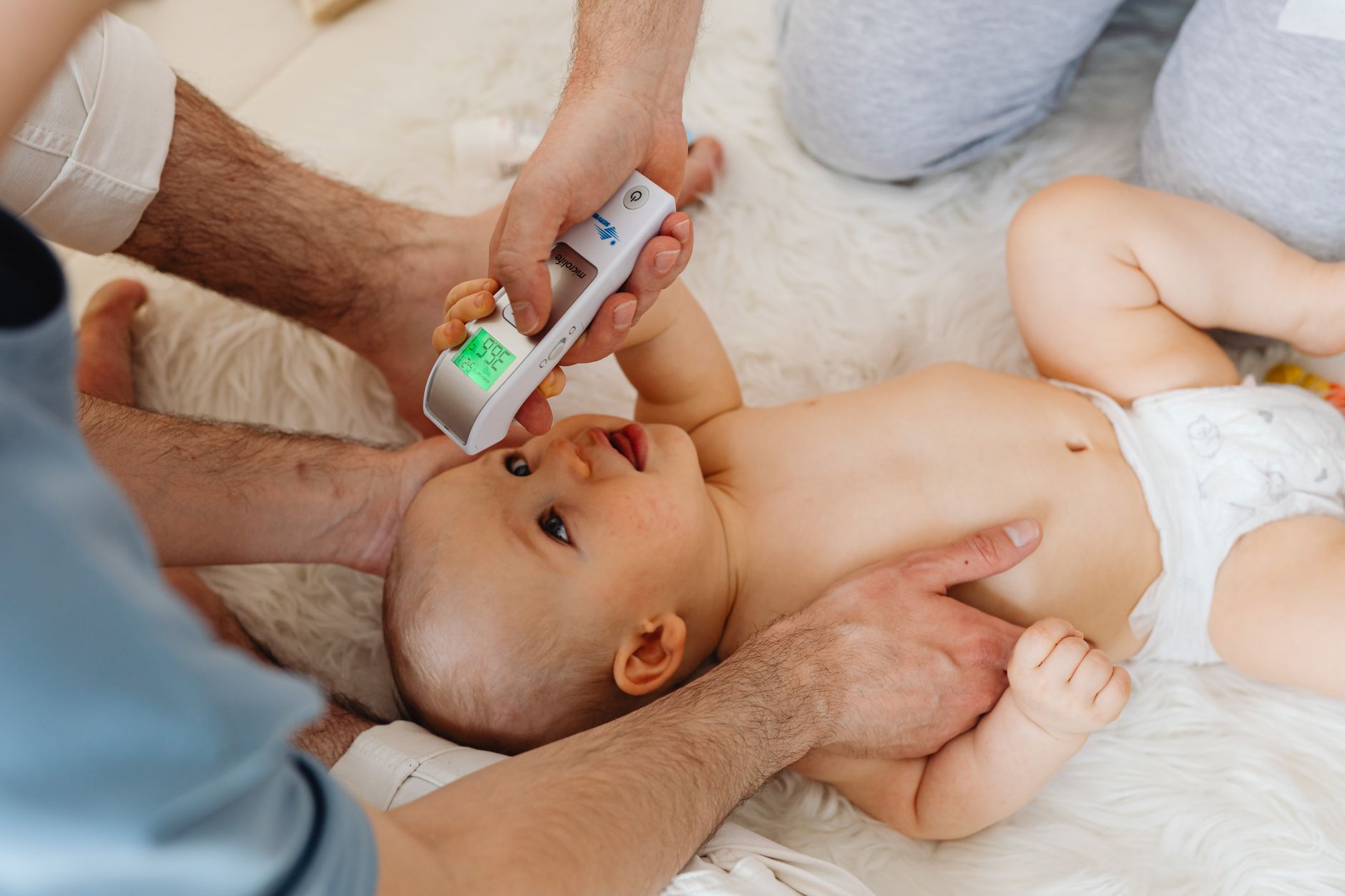
Children’s Tylenol comes in a liquid form (usually 160 mg per 5 mL) and an infant drop‑per‑ounce concentration (80 mg per 0.8 mL). It's crucial to understand these different concentrations to avoid dosing errors, as using the wrong one can lead to under- or over-dosing. The correct dose depends on your baby’s weight, not just age. Below is the standard dosing recommendation based on weight:
Always use the dosing syringe that comes with the bottle; kitchen spoons can vary greatly in size and lead to inaccurate dosing, which is a common cause of medication errors in children. If your baby’s weight falls between two categories, round down to the lower dose to stay on the safe side, and if you're ever unsure, always consult your pediatrician or a pharmacist.
Can I give Children’s Tylenol to my baby every 4 hours?
Yes, the medication can be repeated every 4 hours, but only if the total number of doses does not exceed five within any 24‑hour window. This interval is the most conservative recommendation and aligns with the FDA’s labeling for pediatric acetaminophen. It's vital to stick to this schedule precisely, as giving doses too frequently or too many within 24 hours can increase the risk of liver damage.
When you’re using the 4‑hour schedule, keep a simple log—write the time of each dose on a sticky note or a phone app. Many parents find it helpful to set reminders on their phones or use a dedicated medication tracking app, especially during the often-disorienting nighttime hours. This prevents accidental over‑dosing, especially when you’re juggling nighttime feeds and diaper changes, or if multiple caregivers are involved.
If your baby’s fever returns quickly after a dose, rather than giving another dose immediately, consider other comfort measures first: a lukewarm sponge bath (avoid cold water, which can cause shivering and actually raise body temperature), extra fluids (breast milk, formula, or oral rehydration solution), and light clothing. If the fever persists beyond 24 hours despite proper dosing, or if your baby seems unusually distressed, contact your pediatrician for further guidance.
How long can I give my baby Children’s Tylenol for teething pain?
Teething can cause low‑grade fevers, irritability, drooling, and gum tenderness, and many parents turn to Children’s Tylenol for relief. While it’s safe to use the medication for short‑term discomfort, it should not become a routine daily treatment unless a healthcare provider advises it. Teething symptoms typically come and go, so medication should be used intermittently, as needed.
Typically, you would give a dose for teething pain only when the baby appears significantly uncomfortable or the temperature rises above 100.4 °F (38 °C). Using the medicine for more than three consecutive days without a medical review may mask an underlying infection, such as an ear infection or a viral illness, so it’s wise to check in with your pediatrician if you find yourself needing the medication repeatedly for teething. Persistent pain or discomfort without other clear symptoms warrants a doctor's visit.
Non‑pharmacologic options—such as a chilled (but not frozen, which can harm gums) teething ring, gentle gum massage with a clean finger, or a clean, damp washcloth—can be used alongside occasional Tylenol doses to provide comprehensive relief. Avoid teething gels containing benzocaine, as these are not recommended for infants due to potential side effects, as warned by the FDA.
Is it safe to give Children’s Tylenol to newborns?
Newborns (especially those under 2 months) have immature liver enzymes, making them more vulnerable to acetaminophen toxicity. Their tiny bodies aren't as efficient at processing and eliminating the medication, which means it can build up to toxic levels more easily. The AAP advises that acetaminophen should only be given to infants younger than 2 months if a physician explicitly recommends it for a fever of 100.4 °F (38 °C) or higher, or for other specific medical reasons.
If your baby is a newborn and develops a fever, the safest approach is to monitor their temperature, keep them hydrated, and seek medical advice promptly. A fever in a newborn is always a serious concern and requires immediate evaluation by a healthcare professional to rule out severe infections. Many pediatricians will recommend a clinical evaluation before any medication is administered, often including blood tests or other diagnostics.
For infants 2 months and older, the standard weight‑based dosing (as shown in the chart above) is considered safe, provided you stay within the maximum dose frequency and closely monitor your baby for any adverse reactions. Always confirm the correct dosage with your pediatrician or pharmacist, especially if your baby has any existing health conditions.
What are the side effects of giving Children’s Tylenol to babies?
Acetaminophen is generally well‑tolerated, but like any medication, it can cause side effects. The most commonly reported reactions in infants include:
- Transient rash or mild redness at the site of administration. These are usually mild and disappear on their own.
- Vomiting or mild stomach upset (often due to the taste or the syrupy texture). Giving the medication with a small amount of food or liquid can sometimes help.
- Rarely, allergic reactions such as hives, swelling of the face, lips, or tongue, or difficulty breathing—these require immediate medical attention.
- Excessive use, especially chronic over-dosing, can lead to severe liver injury, which may present as yellowing of the skin or eyes (jaundice), dark urine, unusual fatigue, loss of appetite, or pain in the upper right abdomen.
Most side effects are mild and resolve on their own. However, any sign of an allergic reaction or a significant change in the baby’s behavior, feeding, or alertness after a dose should prompt a call to your pediatrician or a trip to the emergency department. Always trust your instincts as a parent; if something feels wrong, seek medical advice.
Can I alternate between Children’s Tylenol and ibuprofen for my baby?
Alternating acetaminophen (Children’s Tylenol) with ibuprofen (such as Motrin or Advil) can be an effective way to manage persistent fever or pain, especially when one medication alone isn't providing sufficient or long-lasting relief, while staying within safe dosing limits for each medication. The CDC and AAP both support this approach, provided you follow these rules carefully:
- Maintain a minimum 3‑hour gap between an acetaminophen dose and an ibuprofen dose. This means if you give Tylenol, you wait at least 3 hours before giving ibuprofen, and vice-versa.
- Never exceed the maximum daily dose for either medication (5 doses of acetaminophen, 4 doses of ibuprofen for infants). This is critical to prevent overdose.
- Track each dose carefully—using a dosing chart or a smartphone reminder can help avoid overlap and confusion, especially during the night.
- Only alternate if your baby is at least 6 months old for ibuprofen, as younger infants are more prone to kidney concerns with NSAIDs (Nonsteroidal Anti-inflammatory Drugs like ibuprofen).
Alternating can offer more consistent temperature control and pain relief, but it is not necessary for mild fevers. Discuss the plan with your pediatrician, especially if your baby has any underlying health conditions like kidney issues, asthma, or bleeding disorders, as these can affect how they tolerate ibuprofen.
How often can I give Children’s Tylenol to my baby for cold symptoms?
Cold symptoms—like congestion, cough, or mild fever—often prompt parents to reach for a fever reducer. Children’s Tylenol can be given every 4–6 hours for fever associated with a cold, but it does not treat the virus itself. Acetaminophen will only address the fever and any associated aches, not the underlying cause or other cold symptoms like a runny nose or cough. It's important not to rely solely on medication for cold relief.
- Use acetaminophen for fever or discomfort only when the temperature reaches 100.4 °F (38 °C) or higher, or if your baby is clearly uncomfortable.
- For a runny nose or cough, consider non-pharmacologic remedies first: saline nasal drops and gentle suctioning, a cool-mist humidifier in the baby's room to ease congestion, or a warm bath to help clear airways.
- Hydration is key—offer breast milk, formula, or water (for babies over 6 months) frequently to prevent dehydration and help thin mucus.
If your baby’s cold symptoms last longer than a week, or if breathing becomes labored, they develop a persistent cough, or show signs of dehydration, contact a healthcare provider. Over‑use of fever reducers can mask worsening illness, so keep dosing to the minimum needed for comfort and always prioritize natural remedies for congestion and cough.
Children’s Tylenol dosage chart by weight
Below is a quick‑reference chart you can keep on your fridge or in the medicine cabinet. The chart reflects the FDA‑approved dosing for the liquid concentration (160 mg / 5 mL). Always round down to the nearest half‑milliliter if you’re between weight categories. It's crucial to weigh your baby accurately, as dosage is strictly weight-based, and even small differences can impact effectiveness and safety. Use a baby scale for the most precise measurement.
When in doubt, use the lower dose. If your baby’s weight changes quickly (as can happen with a growth spurt), re‑calculate the dose before the next administration. Never guess your baby's weight; if you don't have a scale, ask your pediatrician's office or a local pharmacy if you can use theirs.
How to give Children’s Tylenol to a baby who spits up
Spitting up is common in infants, especially after feeds, and can make administering medication tricky. If your baby vomits shortly after taking Children’s Tylenol, follow these steps:
- Wait at least 30 minutes before offering another dose. This gives the stomach a chance to settle and ensures you don't accidentally double dose if some of the medicine was absorbed.
- Check the dose you gave—if you’re unsure whether the full amount was absorbed (e.g., if it was a small spit-up), it’s safest to hold off on a repeat dose and call your pediatrician. Err on the side of caution.
- When re-dosing (if advised by a doctor), try giving the medication with a small amount of breast milk or formula (no more than 1–2 tsp) to help the medicine stay down. You can also try giving it slowly, aiming the syringe towards the side of the baby's cheek, not directly down the throat.
- If the baby continues to vomit, seek medical advice; persistent vomiting can lead to dehydration, which is a serious concern for infants.
Keeping the baby upright for 20–30 minutes after dosing, rather than laying them down immediately, can also reduce the chance of regurgitation. Offering a pacifier or a comfort feed immediately after the medication can also help distract them and encourage swallowing.
Can I give Children’s Tylenol to my baby with reflux?
Gastroesophageal reflux disease (GERD) is common in infants, and the medication’s mild acidity generally does not worsen reflux. Acetaminophen itself is not acidic enough to significantly irritate the esophagus or stomach in the way some other medications might. However, some babies find the taste or the syrupy texture irritating, which can trigger a reflux episode or increased fussiness.
If reflux is a concern, try these tips:
- Use the infant drop formulation (80 mg / 0.8 mL) mixed with a small amount of breast milk or formula, which can be gentler on the stomach due to its smaller volume.
- Administer the dose while the baby is upright, then hold them in a semi‑upright position for 15–20 minutes after giving the medicine. This helps gravity keep the medicine down.
- Monitor for increased spitting up or fussiness after the dose; if symptoms worsen significantly, discuss alternatives with your pediatrician, such as different brands or formulations of acetaminophen.
Overall, Children’s Tylenol is considered safe for babies with reflux when given at the correct dose and frequency. Your pediatrician can provide tailored advice if your baby's reflux is particularly severe or if you're concerned about medication interactions.
Children’s Tylenol vs ibuprofen for baby fever
Both acetaminophen (Children’s Tylenol) and ibuprofen (e.g., Motrin, Advil) are effective fever reducers, but they work differently and have distinct safety profiles. Acetaminophen works in the brain to reduce fever and pain, while ibuprofen is an NSAID that reduces inflammation throughout the body. Below is a side‑by‑side comparison to help you decide which might be best for your baby.
For a simple fever, either medication works. If your baby has mild pain with inflammation (e.g., after a vaccination, or minor sprains), ibuprofen may provide longer relief and address the inflammatory component. Always follow the weight‑based dosing and consult your pediatrician if you’re unsure which to use, especially if your baby has chronic conditions or is on other medications.
How long does Children’s Tylenol take to work in babies?
Most infants begin to feel a reduction in fever or discomfort within 30 to 60 minutes after a proper dose of Children’s Tylenol. Peak effect usually occurs around the 1‑hour mark, meaning that's when you'll see the most significant drop in temperature or reduction in pain. It's important to be patient and not administer another dose too soon if you don't see immediate results.
Factors that can delay onset include:
- Incorrect dosing (too low for the baby's weight).
- Stomach fullness—while Tylenol can be given with or without food, a very full stomach might slightly delay absorption, though a lightly fed baby usually absorbs the medication well.
- Individual metabolic differences (some babies process acetaminophen faster or slower than others).
- The severity of the fever or pain—very high fevers may take longer to respond.
If fever persists beyond 24 hours despite proper dosing, or if your baby's symptoms worsen, contact your healthcare provider. It's also a good idea to ensure the medication hasn't expired, as effectiveness can diminish over time.
Can I give Children’s Tylenol to my baby before vaccinations?
Current guidance from the CDC and the AAP advises that routine prophylactic use of acetaminophen (or ibuprofen) before vaccination is not recommended. Giving the medication pre‑emptively may blunt the body’s immune response to the vaccine, potentially reducing its effectiveness. The immune system needs to be fully activated to build robust protection against the diseases the vaccine targets.
However, if your baby has a high fever or is uncomfortable before a scheduled vaccine (for reasons unrelated to the vaccine itself), you may treat the fever with Children’s Tylenol after discussing it with the vaccinating clinician. The key is to avoid routine pre‑emptive dosing and to use the medication only when a symptom (like fever or significant pain) is present after the vaccination. If your baby develops a fever or seems irritable *after* the vaccine, then a dose of Tylenol can be given for comfort, following the usual dosing guidelines.
What are the ingredients in Children’s Tylenol?
Understanding what’s inside the bottle helps you spot potential allergens or interactions, especially if your baby has sensitivities. The standard liquid formulation of Children’s Tylenol contains:
- Acetaminophen (active ingredient): The medicine responsible for reducing fever and pain.
- Sucrose (sweetener): To make the medicine palatable for children.
- Citric acid (flavoring): Also contributes to taste and acts as a preservative.
- Glycerin (stabilizer): Helps maintain the consistency and shelf-life of the liquid.
- Purified water: The base of the liquid formulation.
- Propylene glycol (solvent/preservative): Helps dissolve ingredients and prevent bacterial growth.
- Flavorings (often orange or cherry): To improve taste.
- FD&C color additives (depending on the brand and flavor): For visual appeal.
These ingredients are generally safe for most infants, but if your baby has a known allergy to any component—especially propylene glycol or certain color additives—consult your pediatrician or pharmacist before using the product. Always read the full ingredient list on the package insert, as formulations can vary slightly between brands and over time.
The world of children's medicine can be confusing, with different concentrations and labels. Historically, there were multiple concentrations of infant acetaminophen, which led to significant dosing errors. To simplify and improve safety, the FDA standardized the concentration of liquid acetaminophen for infants and children to 160 mg per 5 mL.
However, you might still see different packaging:
- Infant Tylenol Drops: These typically come in smaller bottles and are concentrated, but they still contain 160 mg of acetaminophen per 5 mL. The smaller dose markings on the syringe (e.g., 0.8 mL, 1.6 mL) are designed for very small doses for infants, but the overall concentration is the same as Children's Tylenol.
- Children's Tylenol Liquid Suspension: This is the more common larger bottle, also containing 160 mg per 5 mL. It typically comes with a larger syringe or dosing cup.
The key takeaway is that both "Infant" and "Children's" liquid Tylenol now have the same concentration (160 mg/5 mL). This standardization was a major safety improvement. Always use the dosing device that comes with the specific bottle you are using, as they are calibrated for that product. Never use a household spoon or a dosing device from a different medication, as this is a common cause of accidental overdose.
Safe Storage and Disposal of Children’s Tylenol
Proper storage and disposal of medications are just as important as correct dosing to ensure your baby’s safety and prevent accidental exposure. Medications left within reach are a leading cause of accidental poisoning in children.
- Storage: Always keep Children’s Tylenol (and all medications) in its original container, tightly capped, and out of sight and reach of children. A locked cabinet or a high shelf in a secure area is ideal. Store it at room temperature, away from direct sunlight, heat, and moisture (like a bathroom cabinet), as extreme temperatures can affect the medication's potency.
- Expiration: Check the expiration date on the bottle. Expired medication may lose its effectiveness or, in rare cases, become harmful. Never use expired Tylenol; dispose of it properly.
- Disposal: When disposing of expired or unused medication, do not flush it down the toilet or throw it directly into the trash, as this can contaminate water supplies or be found by children or pets. The FDA recommends looking for drug take-back programs in your community (often at pharmacies or police stations). If a take-back program isn't available, mix the medicine with an unappealing substance like dirt, cat litter, or used coffee grounds, place it in a sealed plastic bag, and then discard it in your household trash.
By following these guidelines, you can minimize risks and ensure your home is a safe environment for your little one.
Recognizing Signs of Acetaminophen Overdose
While Children’s Tylenol is safe when used correctly, an overdose can be very serious and requires immediate medical attention. Knowing the signs can help you act quickly. Overdose can happen if too much medication is given at once, or if doses are given too frequently over a 24-hour period.
Early signs of acetaminophen overdose can be subtle and non-specific, often mimicking other illnesses. These may include:
- Nausea and vomiting
- Stomach pain (especially in the upper right abdomen)
- Loss of appetite
- General feeling of being unwell or malaise
- Sweating
As liver damage progresses, which can occur 24 to 72 hours after an overdose, more severe symptoms may appear:
- Yellowing of the skin or eyes (jaundice)
- Dark urine
- Clay-colored stools
- Extreme fatigue or drowsiness
- Confusion or disorientation
- Bleeding or bruising easily
If you suspect your baby has taken too much Children’s Tylenol, even if they show no symptoms, call your pediatrician or the Poison Control Center (1-800-222-1222 in the US) immediately. Do not wait for symptoms to appear. Provide them with your baby’s weight, the exact amount of medicine you think was ingested, and the time it was taken. Rapid intervention is crucial for preventing severe liver damage.

Myth vs. fact
Myth: Giving Children’s Tylenol every 4 hours will keep my baby fever‑free all night.
Fact: While the medication can be repeated every 4 hours, the maximum is five doses in 24 hours. Over‑dosing can hurt the liver, so you must respect the ceiling. It's not about keeping them fever-free, but comfortable within safe dosing limits.
Myth: Acetaminophen is “just a painkiller” and has no side effects.
Fact: In rare cases, acetaminophen can cause liver injury, allergic reactions, or skin rashes. Always monitor your baby after each dose and be aware of potential adverse reactions, especially with incorrect dosing.
Myth: It’s safe to give both Children’s Tylenol and ibuprofen at the same time for faster relief.
Fact: The two drugs should be spaced at least 3 hours apart. Simultaneous dosing can increase the risk of overdose and side effects, and does not offer additional benefit over proper staggered dosing.
Myth: If my baby spits up the medicine, I should immediately give another full dose.
Fact: If your baby spits up shortly after a dose, it's safer to wait at least 30 minutes. If you're unsure how much was absorbed, contact your pediatrician or pharmacist before redosing. Giving another full dose too soon can lead to overdose.
Key takeaways
- Children’s Tylenol can be given every 4–6 hours, not exceeding five doses in 24 hours.
- Always dose by weight, using the provided syringe for accuracy, not age.
- Newborns under 2 months need a doctor’s clearance before any acetaminophen due to immature liver function.
- Watch for signs of allergic reaction (hives, swelling, breathing difficulty) or liver trouble (yellow skin, dark urine, unusual fatigue).
- Alternating with ibuprofen is safe for babies over 6 months if you keep a 3‑hour gap between medications and stay within each drug’s dosing limits.
- Store medication out of reach and keep a dosing log to avoid accidental overdose.
- Consult a pediatrician for fevers lasting over 24 hours or any concerning symptoms accompanying fever.
Frequently asked questions
How much Children’s Tylenol can I give my 6‑month‑old?
For a 6‑month‑old weighing about 5 kg (11 lb), the typical dose is 5 mL (one teaspoon) of the 160 mg/5 mL liquid, which provides roughly 10 mg/kg. You can repeat the dose every 4–6 hours, up to five times per day. Always use the included dosing syringe and confirm your baby's current weight.
Can I give my baby Tylenol every 4 hours?
Yes, as long as you do not exceed five doses in a 24‑hour period and each dose is calculated correctly by weight. Keep a log or use a dosing reminder app to stay on track, especially during the nighttime hours or if multiple caregivers are involved.
What is the difference between Children’s Tylenol and Infant Tylenol?
Both contain acetaminophen at the same concentration (160 mg per 5 mL). The "Infant" label often comes in smaller bottles with a syringe designed for smaller, more precise doses for very young babies, but the active ingredient concentration is now standardized across both types of liquid Tylenol.
Can I give my baby Children’s Tylenol for teething pain?
Yes, you can use a weight‑based dose for teething discomfort if the baby’s temperature is above 100.4 °F (38 °C) or they seem unusually fussy. Limit use to a few days; if you need it longer, talk to your pediatrician to rule out other causes of discomfort.
How long does it take for Children’s Tylenol to start working?
Most babies feel relief within 30–60 minutes, with the peak effect at about one hour after dosing. If you see no improvement after 90 minutes, double‑check the dose, ensure the medication hasn't expired, and consider contacting your doctor.
Can I give my baby Children’s Tylenol and ibuprofen at the same time?
No. The two medications should be spaced at least 3 hours apart. Simultaneous dosing increases the risk of overdose and does not provide additional benefit. If alternating, ensure your baby is at least 6 months old for ibuprofen.
What should I do if I think I gave too much Children’s Tylenol?
Call your pediatrician or the local poison control center (1-800-222-1222 in the US) right away, even if your baby seems fine. Provide the baby’s weight, the amount given, and the time of ingestion. Do not induce vomiting unless instructed by a medical professional.
Yes, you can mix Children’s Tylenol with a small amount (1-2 teaspoons) of breast milk or formula to make it more palatable or easier to swallow. However, ensure your baby drinks the entire mixture to get the full dose. Do not mix it into a full bottle, as they might not finish it all.
What if my baby doesn't like the taste of Children’s Tylenol?
Many babies dislike the taste. Try administering it slowly with the syringe aimed towards the side of their cheek, not directly down the throat, to minimize gagging. You can also try giving it mixed with a tiny amount of breast milk or formula, or immediately follow with a pacifier or comfort feed to wash down the taste.
When to see a doctor or specialist
While Children’s Tylenol is safe when used correctly, certain signs mean you should seek immediate medical attention:
- Fever higher than 104 °F (40 °C) or persisting beyond 24 hours despite proper dosing.
- Any fever in a newborn under 2 months of age.
- Signs of an allergic reaction: hives, swelling of the face or lips, difficulty breathing, or wheezing.
- Yellowing of the skin or eyes (jaundice), dark urine, clay-colored stools, or unexplained fatigue—possible liver issues.
- Persistent vomiting or inability to keep fluids down for more than 12 hours, increasing the risk of dehydration.
- A stiff neck, severe headache, confusion, or a rash that doesn't fade when pressed (non-blanching rash).
- Any concern about dosing for a newborn under 2 months, or if you suspect an overdose.
If any of these red flags appear, contact your pediatrician, an urgent care clinic, or go to the nearest emergency department. For dosage clarification or if you're unsure about any aspect of medication administration, a pediatrician or a pharmacist can provide personalized guidance. This article is for informational purposes only and is not a substitute for professional medical advice, diagnosis, or treatment.
References
- U.S. Food and Drug Administration (FDA). “Acetaminophen (Children’s Tylenol) Labeling.” 2023.
- American Academy of Pediatrics (AAP). “Fever and Antipyretic Therapy in Infants and Children.” Clinical Report, 2022.
- Centers for Disease Control and Prevention (CDC). “Guidelines for the Use of Antipyretics in Children.” 2023.
- Mayo Clinic. “Acetaminophen: Uses, Dosage, Side Effects.” Updated 2023.
- National Institutes of Health (NIH). “Acetaminophen Overdose.” 2022.
- Harvard T.H. Chan School of Public Health. “Acetaminophen and Liver Health.” 2021.
- American Academy of Pediatrics (AAP). “Vaccination Guidance and Antipyretic Use.” 2022.
- U.S. Food and Drug Administration (FDA). "Drug Disposal: Dispose of Unused Medicines Properly." 2023.
- Poison Control. "Acetaminophen Overdose." 2023.