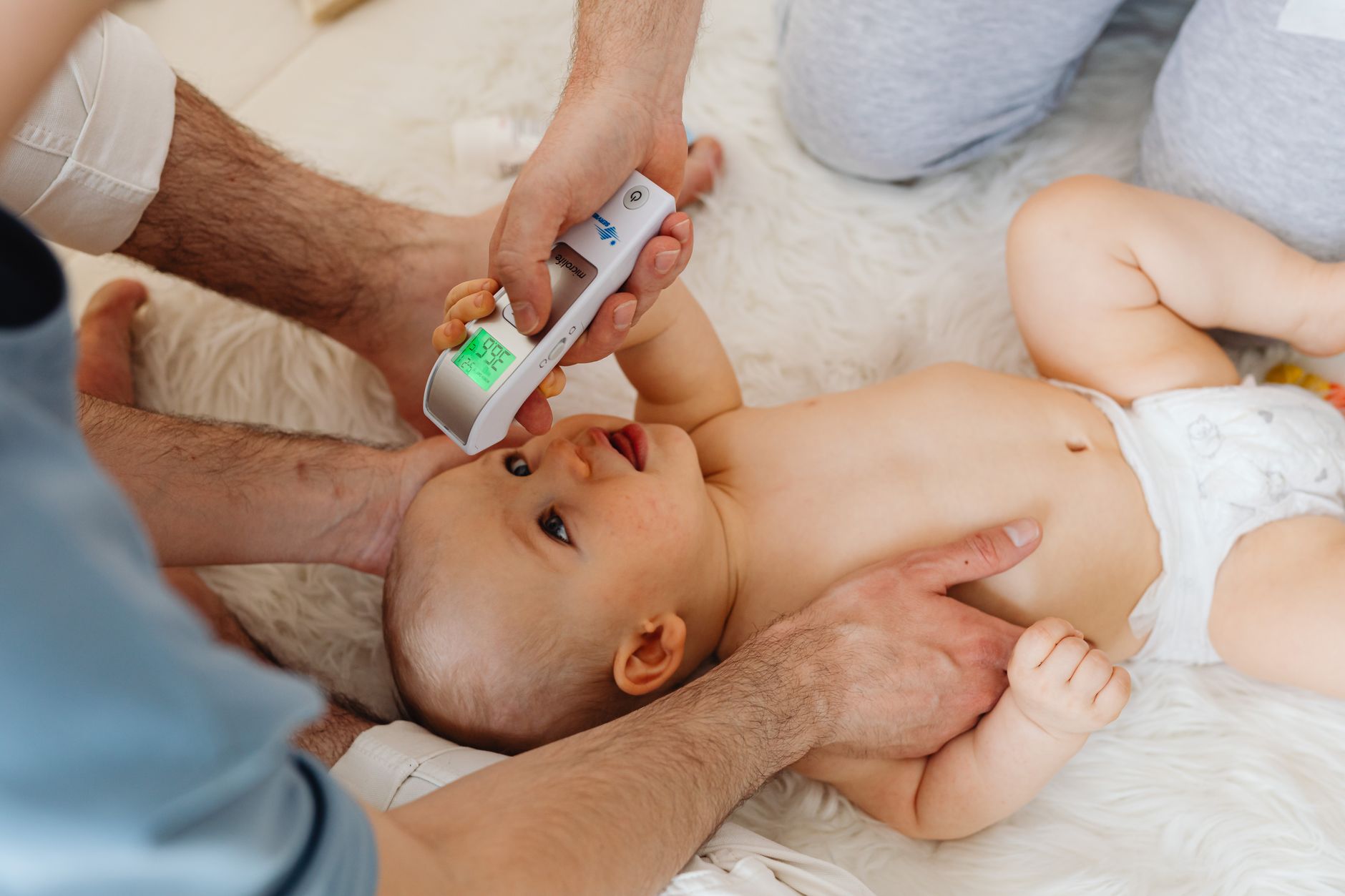
The standard ibuprofen dosing range for infants is 5 mg to 10 mg per kilogram of body weight per dose, with a daily ceiling of 40 mg/kg. For a 2‑month‑old who typically weighs around 5 kg (11 lb), the maximum single dose would be 50 mg (5 kg × 10 mg/kg). That translates to roughly 2.5 mL of the 100 mg/5 mL suspension.
To stay safely below the daily ceiling, you would give no more than 200 mg total in 24 hours**—equivalent to four 5 mL doses**. This aligns with the 6‑8 hour interval recommendation. Exceeding this amount can lead to toxicity, especially in a baby whose kidneys are still maturing.
Because infant weights vary, always calculate the dose based on the most recent weight measurement from your well‑child visit. If your baby’s weight has changed significantly, adjust the dose accordingly and discuss the new dose with your provider.
In practice, many clinicians advise parents to keep a dosing chart on the refrigerator, noting both the weight‑based volume and the clock time for each dose. This visual reminder helps prevent accidental double‑dosing.
Can I give baby Motrin every 4 hours or is a 6‑hour interval required?
No, a 4‑hour interval is not safe for infants. The FDA‑approved labeling for infant ibuprofen specifies a minimum interval of 6 hours between doses. This spacing allows the drug to clear enough of the bloodstream to avoid accumulation, which could otherwise cause stomach irritation or kidney strain.
Some parents wonder if a shorter interval might bring a fever down faster. The reality is that ibuprofen’s antipyretic (fever‑lowering) effect peaks around 1‑2 hours after a dose and lasts for about 6‑8 hours. Giving it sooner doesn’t increase efficacy; it only raises the risk of side effects.
If your baby’s fever spikes again before the 6‑hour window is up, you can try non‑medication methods: a lukewarm bath, extra fluids, and light clothing. If fever remains high (≥ 104°F or 40°C) or the baby appears ill, call your pediatrician promptly.
The 6‑hour rule also aligns with guidance from the UK’s NHS, which notes that “shortening the interval does not improve fever control and can increase the chance of gastrointestinal upset.”
Is it safe to alternate Motrin and Tylenol for a newborn with pain?
Alternating ibuprofen (Motrin) and acetaminophen (Tylenol) is a common strategy for managing persistent fever or pain. The key is to keep the two medications separate in time and to stay within each drug’s maximum daily dose.
For an infant, you would give Motrin every 6‑8 hours and Tylenol every 4‑6 hours, making sure there is at least a 2‑hour gap between the two. For example, you could give Motrin at 8 a.m., Tylenol at 12 p.m., Motrin again at 4 p.m., and Tylenol at 8 p.m.
Both the AAP and the FDA caution that alternating should only be done under a provider’s guidance, especially for newborns. Over‑alternating or mis‑timing doses can unintentionally lead to double‑dosing. Keep a written schedule or a medication log to avoid confusion.
Research published in Pediatrics (2021) found that alternating regimens, when correctly timed, modestly improve fever control without increasing adverse events, but only when parents adhere strictly to dosing intervals.
What are the signs of Motrin overdose in a baby?
Recognizing an ibuprofen overdose early can prevent serious complications. Watch for these warning signs:
- Vomiting (especially if it’s persistent)
- Blood in the stool or black, tarry stools
- Severe abdominal pain or bloating
- Lethargy or unusual drowsiness
- Rapid breathing or shallow breaths
- Decreased urine output (fewer wet diapers than usual)
- Swelling of the face or extremities
If you notice any of these symptoms, call emergency services (911 in the U.S.) or your local urgent care line immediately. Prompt medical evaluation is crucial because ibuprofen can cause kidney injury and gastrointestinal bleeding when taken in excess.
Because infants cannot verbalize pain, parents often rely on changes in feeding patterns and diaper output as early clues. A sudden drop in wet diapers is a red flag for possible renal involvement.
How does baby weight affect Motrin dosing schedule?
Because ibuprofen dosing is weight‑based, a small change in your baby’s weight can shift the volume you need to give. The formula is:
Dose (mg) = Weight (kg) × Desired mg/kg (5‑10 mg/kg)
If you have the concentration (e.g., 100 mg per 5 mL), you can convert the dose to milliliters:
Volume (mL) = Dose (mg) ÷ (Concentration mg per mL)
For example, a 4.5 kg infant needing a 7.5 mg/kg dose would require 33.75 mg of ibuprofen, which equals about 1.7 mL of the 100 mg/5 mL suspension.
Weight‑based dosing ensures you stay within the safe 40 mg/kg per day ceiling. As babies grow quickly, re‑calculate the dose after each well‑child visit (typically every 2‑3 months in the first year).
Many pediatric practices now provide parents with a printable dosing card that lists weight ranges alongside the corresponding milliliter amounts, making bedside calculations easier.
Can I give baby Motrin if they have a fever and a cold at the same time?
Yes, you can, but with caution. A fever and a cold often mean the baby is fighting a viral infection, and ibuprofen can help reduce fever and relieve discomfort. However, dehydration is a common concern with colds—runny noses and reduced fluid intake can make the kidneys work harder.
Ensure the baby is drinking enough fluids (breast milk, formula, or water if appropriate for age). If the baby shows signs of dehydration (dry mouth, fewer wet diapers, sunken fontanelle), hold off on ibuprofen and consult your pediatrician.
Also, avoid giving Motrin together with other non‑steroidal anti‑inflammatory drugs (NSAIDs) like naproxen. Stick to the recommended ibuprofen dose and interval, and monitor the fever. If it stays above 104°F (40°C) or the baby becomes unusually irritable, seek medical care.
According to the NHS, “fever in the context of a cold is usually self‑limited, but maintaining hydration is the most important supportive measure.”
What should I do if I miss a dose of baby Motrin?
Missing a dose is usually not an emergency, but timing matters. If you realize the missed dose within one hour of the scheduled time, give it right away and then continue with the regular dosing schedule.
If it’s been more than an hour, skip the missed dose and resume the next dose at the usual interval. Do not double‑dose to “catch up.” Doubling can push the total daily amount over the safe limit.
Keep a medication log—write down the time of each dose. This simple habit reduces the chance of accidental overdosing and helps you stay on track with the 6‑8 hour intervals.
Some parents find it helpful to set a recurring alarm on their phone labeled “Motrin dose” to avoid missed or duplicated administrations.

Baby Motrin dosing chart by weight
The following chart translates common infant weights into the appropriate volume of Motrin (100 mg/5 mL) for a 5‑10 mg/kg dose. Always round to the nearest 0.5 mL and double‑check against the medication label.
These volumes assume a 5 mg/kg dose. For a higher 10 mg/kg dose, simply double the volume. Never exceed the daily 40 mg/kg ceiling, regardless of the number of doses.
When using a different concentration product, recalculate the milliliter amount accordingly. The dosing chart is a quick reference, but always confirm with your pediatrician.
Motrin vs. ibuprofen for infants: dosage guidelines
Motrin is a brand name for ibuprofen, so the active ingredient and dosing are identical. However, some parents encounter other ibuprofen products (e.g., generic liquid ibuprofen) that may have different concentrations. The table below compares the two most common infant formulations.
Because the concentration differs, the volume you administer will change. Always read the label, use the supplied syringe, and verify the concentration before each dose.
Some pharmacies offer a “dose‑by‑weight” service, where they print a custom label with the exact milliliter amount for your infant’s current weight. This can reduce dosing errors.
How long does Motrin stay in a baby’s system?
Ibuprofen’s half‑life in infants is roughly 2‑4 hours, meaning the amount in the bloodstream halves every 2‑4 hours. After about five half‑lives (≈ 10‑20 hours), the drug is effectively cleared. This pharmacokinetic profile underlies the 6‑8 hour dosing interval recommendation.
Factors such as dehydration, low birth weight, or kidney immaturity can prolong clearance, which is why you should never shorten the interval without a doctor’s order.
For most healthy infants, the drug is eliminated within a day, but if your baby is ill or has reduced urine output, the clearance may be slower, warranting closer monitoring.
Can I give baby Motrin with food or milk?
Yes, giving Motrin with a small amount of food or breast milk can help reduce stomach upset. The medication is not dependent on food for absorption, but a tiny amount of milk or formula can cushion the stomach lining.
Avoid giving Motrin on an empty stomach if your baby is prone to reflux. A sip of breast milk before the dose is usually sufficient. Never mix the medication directly into a large bottle of formula, as dosing accuracy could be compromised.
If your infant has a known milk protein allergy, you can offer a small amount of water (if age‑appropriate) or a hypoallergenic formula to accompany the dose.
What are the side effects of giving baby Motrin too often?
Frequent ibuprofen dosing can lead to:
- Gastrointestinal irritation or bleeding
- Kidney strain or reduced kidney function
- Increased risk of dehydration
- Rash or allergic reaction
- Rarely, elevated liver enzymes
If you notice persistent vomiting, blood in stool, a rash, or a decrease in wet diapers, stop the medication and contact your pediatrician. Long‑term overuse can also affect bone healing, so limit ibuprofen to short‑term use for fever or pain.
According to the American Academy of Pediatrics, “prolonged NSAID use in infants should be avoided unless medically indicated,” underscoring the importance of using the lowest effective dose for the shortest duration.
Motrin safety for babies with kidney problems
Infants with known kidney disease or reduced kidney function should not receive ibuprofen unless a nephrologist explicitly advises it. Ibuprofen can decrease renal blood flow, worsening kidney impairment.
For babies with mild dehydration (common with colds), the safest approach is to prioritize fluid intake and use acetaminophen instead. If a kidney issue is suspected—such as persistent low urine output or swelling—seek medical evaluation before giving any NSAID.
In rare cases where ibuprofen is deemed necessary for pain control, the pediatric nephrologist may recommend a reduced dose (e.g., 5 mg/kg) and close monitoring of renal function labs.
How to store baby Motrin properly
Proper storage preserves potency and prevents accidental ingestion:
- Keep the bottle tightly sealed and store it at room temperature, away from direct sunlight.
- Do not refrigerate unless the label says it’s required; cold temperatures can cause the liquid to separate.
- Place the medication out of reach of children—preferably in a high cabinet with a child‑proof latch.
- Check the expiration date before each use. Discard any medication that looks cloudy, discolored, or has an off‑odor.
If you have leftover drops after the expiration date, bring them to your pharmacy for proper disposal. Never pour medication down the drain.
Many families create a “medicine station” in the nursery that includes a lockable box, a dosing syringe, and a printed dosing chart. This organized setup reduces the chance of accidental spills or misuse.

Motrin for teething pain in infants
Teething can cause sore gums, irritability, and low‑grade fevers. While ibuprofen is not the first‑line recommendation for routine teething discomfort, it can be used safely if a pediatrician confirms the dose.
For mild teething pain, many clinicians suggest non‑pharmacologic options first—cold teething rings, gentle gum massage, or a clean, damp washcloth. If the baby is unusually fussy and the fever exceeds 100.4°F (38°C), a single dose of Motrin (5‑10 mg/kg) may provide relief.
Remember to stay within the 6‑8 hour interval and do not exceed the 40 mg/kg daily limit, even if you are also using acetaminophen on alternate hours. Always document the timing to avoid overlap.
Motrin after vaccination: managing post‑vaccination fever
Vaccinations can cause a mild fever or fussiness in the first 24‑48 hours. The CDC advises that using ibuprofen or acetaminophen to reduce fever after vaccination is acceptable, but it should not be given prophylactically (i.e., before the fever appears).
If your baby develops a temperature of 100.4°F (38°C) or higher after a shot, a single dose of Motrin (5‑10 mg/kg) can help. Keep the dose within the standard interval and monitor the infant for any signs of an allergic reaction to the vaccine.
Some research suggests that routine use of antipyretics before vaccination may blunt the immune response, so timing the medication only after fever onset is the safest practice.
Myth vs. fact
Myth: You can give ibuprofen (Motrin) every 4 hours if the fever is high.
Fact: The FDA requires a minimum 6‑hour interval for infants, regardless of fever intensity. Shortening the interval raises overdose risk without improving fever control.
Myth: Motrin and Tylenol can be mixed together for extra pain relief.
Fact: They can be alternated safely when spaced at least 2 hours apart, but never mixed in the same syringe or given simultaneously.
Myth: A single dose of Motrin is harmless, even if you exceed the daily limit once.
Fact: Exceeding the 40 mg/kg daily ceiling, even once, can damage a baby’s kidneys and stomach. Always stay within the total daily dose.
Key takeaways
- Ibuprofen (Motrin) for infants under 6 months should only be used under pediatric guidance.
- Give the correct weight‑based dose every 6‑8 hours, never more than 40 mg/kg per day.
- Never give Motrin more frequently than every 6 hours; a 4‑hour interval can cause overdose.
- Alternating with acetaminophen is safe if spaced at least 2 hours apart and both daily limits are respected.
- Watch for signs of overdose: vomiting, blood in stool, reduced urine output, and lethargy.
- Store Motrin at room temperature, tightly sealed, and out of children’s reach.
- For teething or post‑vaccination fevers, a single dose may be appropriate, but always follow a provider’s advice.
Frequently asked questions
Can I give my baby Motrin every 4 hours?
No. The FDA mandates a minimum 6‑hour interval between ibuprofen doses for infants. Giving it every 4 hours increases the risk of kidney strain and gastrointestinal irritation without improving fever control.
What is the safe dosage of Motrin for a 3 month old?
For a typical 3‑month‑old weighing about 5 kg (11 lb), the safe dose is 5‑10 mg/kg per dose—roughly 1.25 mL of the 100 mg/5 mL suspension—every 6‑8 hours, not exceeding 40 mg/kg per 24 hours.
Is it okay to give Motrin and Tylenol together to a baby?
You can alternate the two medications, but they should never be given at the same time. Keep at least a 2‑hour gap between doses and stay within each drug’s daily maximum. Always follow your pediatrician’s guidance.
How many milligrams of Motrin can a newborn take per day?
Newborns (under 6 months) are generally advised to use acetaminophen instead of ibuprofen. If a pediatrician prescribes ibuprofen, the maximum is 40 mg/kg per day, calculated from the infant’s current weight.
What should I watch for if my baby takes Motrin?
Monitor for vomiting, blood in stool, a decrease in wet diapers, unusual sleepiness, or a rash. Any of these signs could indicate an adverse reaction or overdose and warrant immediate medical attention.
Can a baby have a fever and still take Motrin safely?
Yes, provided the baby is properly hydrated and the dose respects weight‑based limits. If the baby is dehydrated or has a kidney condition, use acetaminophen instead and consult your provider.
Can I give Motrin to a baby who is exclusively breastfed?
Ibuprofen passes into breast milk in very low amounts and is considered safe for most breastfeeding infants when used at the recommended dose. However, always discuss with your pediatrician and consider the infant’s age and weight.
Is it okay to use Motrin for a baby with a stomach virus?
If the baby has a viral gastroenteritis and is able to stay hydrated, a single dose of Motrin can help with fever and discomfort. However, if the baby is vomiting frequently or showing signs of dehydration, acetaminophen is usually preferred, and you should contact your pediatrician.
When to see a doctor / specialist
If your baby shows any of the following, call your pediatrician or seek urgent care:
- Fever ≥ 104°F (40°C) that doesn’t improve after two doses of medication
- Persistent vomiting or diarrhea leading to fewer wet diapers
- Blood in stool or vomit
- Signs of dehydration: dry mouth, sunken fontanelle, lethargy
- Unusual rash, swelling, or difficulty breathing
- Suspected overdose or missed dosing confusion
For concerns about kidney health, ask for a referral to a pediatric nephrologist. For medication‑related side effects, your pediatrician may coordinate with a pediatric pharmacist.
This article is for informational purposes only and does not replace personalized medical advice. Always discuss dosing and medication decisions with your healthcare provider.
References
- American Academy of Pediatrics. “Fever and the Infant.” AAP Clinical Report, 2022.
- U.S. Food and Drug Administration. “Ibuprofen (Motrin) Infant Drops – Label Information.” FDA, 2023.
- National Institutes of Health. “Ibuprofen.” NIH MedlinePlus, 2024.
- American Academy of Pediatrics. “Acetaminophen and Ibuprofen Use in Children.” Pediatrics, 2021.
- U.S. Centers for Disease Control and Prevention. “Managing Fever in Infants.” CDC, 2023.
- American Society of Health‑System Pharmacists. “Pediatric Dosage Handbook.” ASHP, 2022.
- National Health Service (UK). “Fever in children: when to seek help.” NHS, 2023.
- Centers for Disease Control and Prevention. “Vaccination and Fever Management.” CDC, 2022.