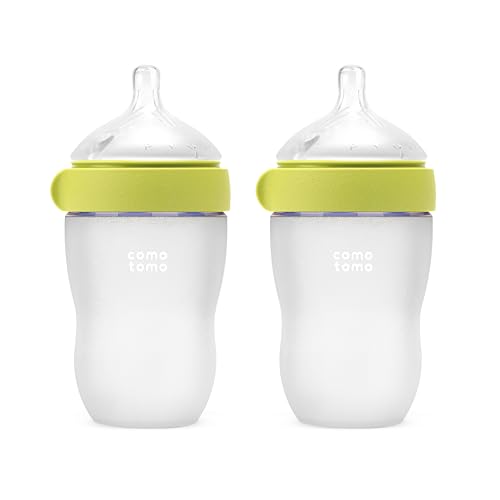
During the first month, most infants take 2‑4 oz (60‑120 ml) per feeding. Early in the month (around 2‑3 weeks), 2‑3 oz is common; by the end of the fourth week, many babies comfortably handle 3‑4 oz.
It’s helpful to think of the bottle size as a guide rather than a rule. If you’re using a 4‑oz bottle, you might start with 2 oz, watch the baby’s response, and add more if they’re still hungry. Conversely, if a baby consistently leaves a lot of formula in the bottle, you may be offering too much at once.
For preterm infants, the per‑feeding volume may be smaller—often 1‑2 oz (30‑60 ml)—but the total daily volume will still fall within the higher range mentioned earlier. Paying attention to the baby’s cues during each feeding helps you fine‑tune the amount.
Most 1‑month‑old infants feed every 3‑4 hours, which means 6‑8 feedings per 24‑hour period. Newborns can have shorter intervals (as little as 2 hours) during growth spurts, while others may stretch to 5 hours between feeds, especially during nighttime sleep periods.
Here’s a quick snapshot:
- Typical daytime interval: 3 hours
- Typical nighttime interval: 4 hours (sometimes longer if baby is sleeping soundly)
- Maximum stretch between feeds: 5 hours for a healthy 1‑month‑old, but not recommended without pediatric guidance
If your baby seems unusually fussy or is consistently waking early for feeds, they may need a slightly more frequent schedule. Conversely, if they’re sleeping for 6+ hours straight, a brief “dream feed” (a feeding while they’re still asleep) can help bridge the gap.
Recognizing that your infant is getting sufficient nutrition is reassuring. Look for these objective signs:
- Steady weight gain: 5‑7 oz (≈140‑200 g) per week, measured at pediatric visits.
- Wet diapers: At least 6–8 wet diapers per day after the first two weeks.
- Stool frequency: Soft, yellowish stools 1‑3 times daily (though frequency can vary).
- Contented demeanor: After feeding, the baby should appear relaxed, with a calm facial expression and occasional sighs.
- Normal breathing: No rapid, labored breathing or persistent cough.
These markers are more reliable than the number of ounces alone. If you’re tracking weight at home, a gain of about 1‑2 oz per week is a good baseline. The CDC growth charts and WHO infant standards are useful tools for visualizing progress.
First, pause and assess the situation. A baby may seem “still hungry” for several reasons:
- Growth spurt: Around 3‑4 weeks, many infants experience a rapid growth phase and may need an extra ounce or two.
- Improper latch or pacing: If the bottle flow is too fast, the baby might gulp air, leading to premature satiety signals.
- Temperature: Some babies prefer formula that’s slightly warmer (around body temperature, 98.6 °F/37 °C).
Here’s a step‑by‑step plan:
- Offer an additional 0.5‑1 oz and observe the baby’s response.
- Ensure the bottle’s nipple flow is appropriate for a 1‑month‑old (slow‑flow nipple).
- Practice “paced feeding”: hold the bottle horizontally, pause every few seconds to let the baby swallow and breathe.
- Check for signs of discomfort (arching back, excessive gas) that might indicate the baby is not actually hungry.
If the baby consistently demands more than 4 oz per feeding, schedule a pediatric check‑in to rule out underlying issues such as reflux or malabsorption. Your pediatrician may also suggest a brief trial of a different formula type.
Over‑feeding can be subtle. Watch for these cues:
- Frequent spit‑up or vomiting after most feedings.
- Distended abdomen that feels firm or hard to the touch.
- Rapid weight gain exceeding 8 oz (≈225 g) per week.
- Excessive fussiness that doesn’t settle after burping.
- Changes in stool: Very watery or unusually greasy stools.
If you notice several of these signs, consider trimming the per‑feeding volume by 0.5‑1 oz and extending the interval between feeds slightly. Over‑feeding can also lead to constipation later on, so keep an eye on stool consistency. Always discuss persistent concerns with your pediatrician.
Adjustments are usually needed during growth spurts or as the baby approaches the 4‑week mark. Increase the amount gradually—by 0.5‑1 oz per feeding—while monitoring weight and diaper output.
Key moments to consider an increase:
- Weight plateau for two consecutive weeks despite regular feeding.
- Fewer wet diapers (less than 5 per day) or darker urine.
- Persistent hunger cues after finishing a bottle (e.g., rooting, sucking on hands).
- Doctor’s recommendation after a routine check‑up.
Never jump from 2 oz to 4 oz in a single feeding; the infant’s stomach can only hold about 30‑90 ml at a time. A slow, steady increase helps avoid over‑distension and reflux.
Below is a sample schedule that fits a typical 6‑feed‑per‑day pattern. Adjust times to match your family’s routine, but aim for roughly 3‑hour intervals during the day and a longer stretch at night.
This schedule totals 18 oz (≈540 ml) per day, which sits at the lower end of the recommended range. If your baby weighs more or shows signs of needing more, you can add an extra ounce to one of the daytime feeds. Flexibility is key—listen to your baby’s cues and adjust as needed.

Additional considerations: average intake, feeding gaps, tips, preemie needs, burping, and unfinished bottles
The median intake hovers around 28 oz (≈830 ml) per day for full‑term infants. However, “average” masks a wide range—some babies thrive on 24 oz, while others need up to 32 oz. The best gauge remains weight gain and diaper output.
While the AAP suggests no longer than 5 hours between feeds, some babies naturally sleep longer at night. If a baby sleeps more than 5 hours, a “dream feed” (a gentle feeding while they’re still asleep) can bridge the gap without fully waking them.
- Use the correct water‑to‑powder ratio: Follow the manufacturer’s instructions exactly—usually 1 scoop per 2 oz of water.
- Warm the bottle safely: Place it in warm water for a few minutes; avoid microwaves.
- Check temperature: Drop a few drops on the inside of your wrist; it should feel lukewarm, not hot.
- Store prepared formula properly: Refrigerate leftovers within 1 hour and use within 24 hours.
- Rotate nipples: Use a fresh nipple for each feeding to prevent bacterial buildup.
If your baby consistently leaves more than 25 % of the bottle, consider these possibilities:
- They may be full sooner than expected—reduce the per‑feeding volume.
- They might be experiencing mild reflux; try a slower‑flow nipple and keep them upright for 20‑30 minutes after feeding.
- The formula temperature could be off; offer it slightly warmer.
Always discuss persistent reduced intake with your pediatrician, as it can affect hydration and growth.
Burping helps release swallowed air that can cause gas and spit‑up. Try one of these positions:
- Over‑the‑shoulder: Hold baby against your chest, supporting the head, and gently pat the back.
- Sitting upright on your lap: Lean baby slightly forward, resting their chin on your hand, then pat.
- Face‑down on your forearm: Place baby’s tummy on your forearm, supporting the head, and gently rub.
Burp after every 2‑3 oz and again at the end of the feeding. Some babies need only one burp; others may require two.
Preterm infants often need a higher caloric density. A typical target is 30‑35 oz (≈890‑1,030 ml) per day, split into 6‑8 feedings of 3‑4 oz each. However, exact amounts should be individualized by a neonatologist, who may also recommend fortified or specialized preemie formula.
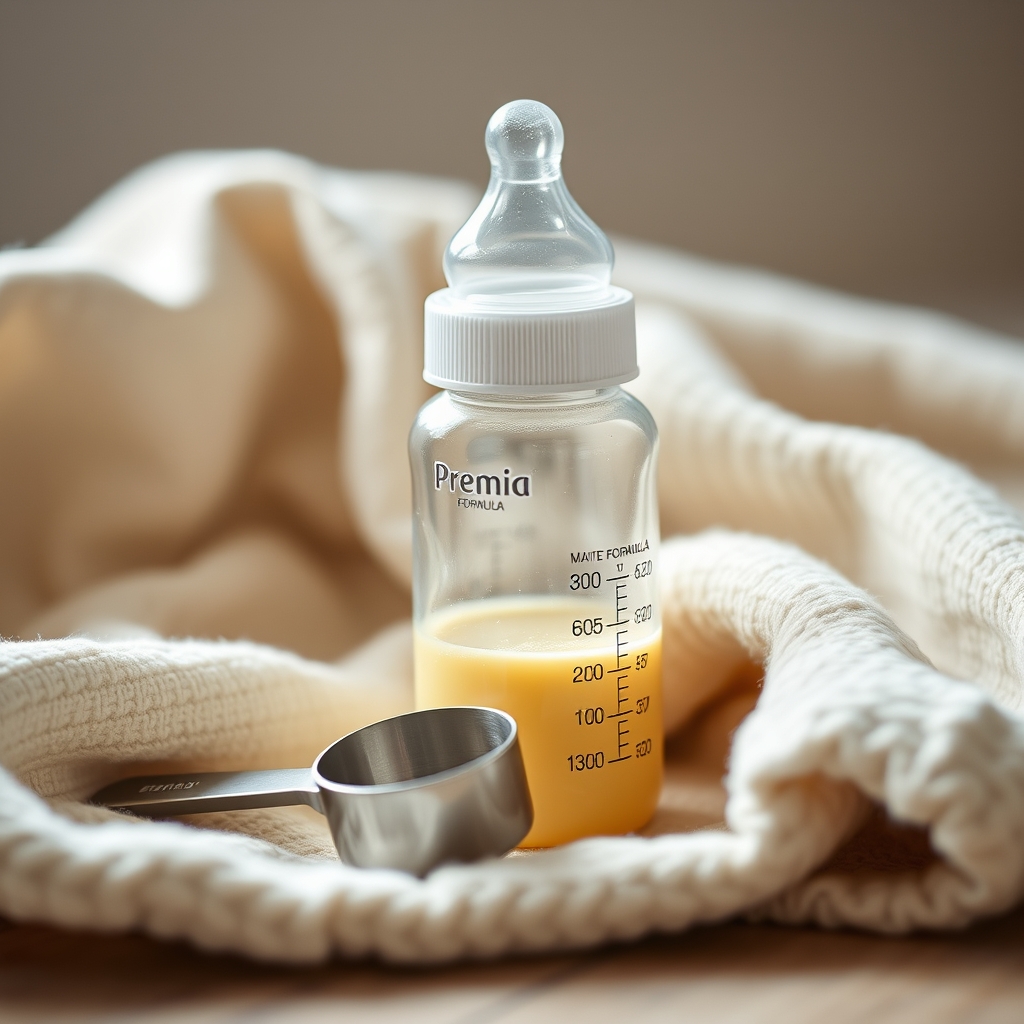
Not all formulas are created equal, and the right choice depends on your baby’s health, any sensitivities, and family preferences. The AAP recommends standard cow’s‑milk‑based formula as the first choice for most infants because it provides a balanced mix of protein, fat, and carbohydrates.
If your baby shows signs of cow’s‑milk protein intolerance—such as persistent eczema, vomiting, or blood in the stool—the pediatrician may suggest a soy‑based or extensively hydrolyzed formula. For infants with a diagnosed allergy or a strong family history of allergies, a hypoallergenic (eHF) formula is often recommended. Always discuss formula switches with your provider before making changes.
International guidelines, such as those from the NHS, echo these recommendations and add that parents should avoid “home‑made” formulas or unregulated supplements, as they can lack essential nutrients and pose safety risks.
Proper preparation is essential to protect your baby from bacterial contamination. The FDA advises using water that has been boiled for at least 1 minute and then cooled to no less than 70 °F (21 °C) before mixing with powder. Never use tap water that is untreated or overly hot, as it can destroy nutrients or create unsafe conditions.
Once prepared, formula should be used within 1 hour if left at room temperature. If you need to store it, refrigerate the bottle within 1 hour and discard any leftovers after 24 hours. The CDC’s “Safe Food Handling” guidelines reinforce these time frames, especially in warmer climates.
When traveling, keep prepared bottles in an insulated cooler with ice packs, and only warm them shortly before feeding. Always check the temperature again before offering it to your baby.
Feeding on the go: traveling and nighttime tips
Life with a 1‑month‑old doesn’t pause for errands or vacations. Portable, pre‑measured formula packets make it easy to keep the right amount on hand. Look for packets that include a scoop and clear instructions—these reduce the chance of mis‑measuring.
For nighttime feeds while away from home, consider a small insulated bottle that maintains temperature for up to 2 hours. If you’re staying in a hotel, ask for a kettle or electric kettle to heat water safely. A simple “warm‑water‑in‑a‑bottle” method can be done without a microwave, preserving the formula’s integrity.
Don’t forget to bring a clean burping cloth, a spare set of nipples, and a diaper‑changing kit. Having a consistent routine—even while traveling—helps your baby feel secure and can reduce fussiness during feedings.
Myth vs. fact
Myth: A 1‑month‑old should drink exactly 4 oz at every feeding.
Fact: Feeding amounts vary; most babies take 2‑4 oz per feed, and the total daily volume should fall between 24‑32 oz.
Myth: If a baby finishes a bottle quickly, they’re over‑eating.
Fact: Fast consumption can be a sign of hunger, but pacing the bottle and watching for spit‑up helps determine if the volume is appropriate.
Myth: You should always wake a sleeping baby to feed formula.
Fact: For healthy infants gaining weight appropriately, it’s safe to let them sleep longer stretches, especially after a “dream feed.” Always follow your pediatrician’s guidance.
Key takeaways
- Typical daily formula for a 1‑month‑old: 24‑32 oz (710‑950 ml).
- Offer 2‑4 oz per feeding, every 3‑4 hours (6‑8 times daily).
- Steady weight gain, regular wet diapers, and contented behavior signal adequate intake.
- Increase amounts gradually during growth spurts; watch for over‑feeding signs.
- Use slow‑flow nipples, paced feeding, and proper burping to reduce gas and spit‑up.
- Consult your pediatrician if your baby consistently under‑ or over‑eats, or if you notice red‑flag symptoms.
Frequently asked questions
How many ounces should a 1‑month‑old drink per feeding?
Most 1‑month‑old infants take 2‑4 oz (60‑120 ml) per bottle. The exact amount depends on weight, appetite, and growth patterns. If your baby finishes the bottle and seems satisfied, you’re likely in the right range.
Six to eight feedings over 24 hours is typical, roughly every 3‑4 hours. Some babies may stretch a nighttime interval to 5 hours, but they should still receive at least six feeds in total.
Is 4 oz too much for a 1‑month‑old?
Four ounces is at the upper end of the normal range per feeding. It’s fine if the baby finishes it without excessive spit‑up or rapid weight gain. If the baby consistently leaves a lot of formula or shows signs of over‑feeding, consider offering a smaller amount.
Track weight gain (5‑7 oz per week), ensure 6‑8 wet diapers daily, and observe a calm, content demeanor after feeds. Consistent diaper output and steady growth are the most reliable indicators.
If your baby is gaining weight appropriately and has regular diaper output, you can let them sleep longer stretches, especially after a “dream feed.” However, newborns under 1 month who are not gaining weight may need scheduled wake‑to‑feed sessions.
What if my 1‑month‑old wants to eat every hour?
Frequent hunger can signal a growth spurt. Offer a small additional amount (0.5‑1 oz) and monitor. If the pattern persists, discuss it with your pediatrician to rule out medical issues.
Yes. Signs include frequent spit‑up, a firm belly, rapid weight gain, and excessive fussiness. Reduce per‑feeding volume and ensure proper burping. Persistent concerns warrant a pediatric check‑up.
For healthy, full‑term infants, plain water isn’t necessary and can be harmful if it replaces formula calories. The AAP advises against giving water before six months unless directed by a pediatrician, especially if the baby is at risk for dehydration.
Allergic reactions may include persistent eczema, vomiting, blood in stools, or excessive fussiness after feeds. If you suspect an allergy, stop the formula for 24 hours and contact your pediatrician. They may recommend an allergy test or a switch to a hypoallergenic formula.

When to see a doctor / specialist
If you notice any of the following red‑flag symptoms, contact your pediatrician promptly:
- Weight loss or failure to gain at least 5 oz per week.
- Fewer than 4 wet diapers in 24 hours.
- Persistent vomiting or forceful spit‑up after most feedings.
- Bloated or hard abdomen that doesn’t soften after burping.
- Rapid breathing, chest retractions, or a bluish tint around the lips.
- Extreme fussiness that doesn’t improve with feeding or soothing.
These signs may indicate dehydration, reflux, or an underlying medical condition that requires evaluation by a pediatrician, gastroenterologist, or, in the case of preterm infants, a neonatologist.
References
- American Academy of Pediatrics. “Feeding and Nutrition: Guidelines for Infants.” AAP, 2023.
- Academy of Nutrition and Dietetics. “Infant Feeding: Formula Guidelines.” AND, 2022.
- World Health Organization. “Infant and Young Child Feeding: Formula Feeding.” WHO, 2021.
- National Institutes of Health. “Infant Nutrition.” NIH, 2022.
- Centers for Disease Control and Prevention. “Growth Charts – Infant Weight.” CDC, 2023.
- American Academy of Pediatrics. “Preventing and Managing Infant Reflux.” AAP, 2022.
- Harvard T.H. Chan School of Public Health. “Nutrition for Infants.” Harvard, 2023.
- Food and Drug Administration. “Guidance for the Safe Preparation of Infant Formula.” FDA, 2022.
- National Health Service (UK). “Infant Formula: How to Choose and Use.” NHS, 2023.
- American College of Obstetricians and Gynecologists. “Nutrition in the First Year of Life.” ACOG, 2022.