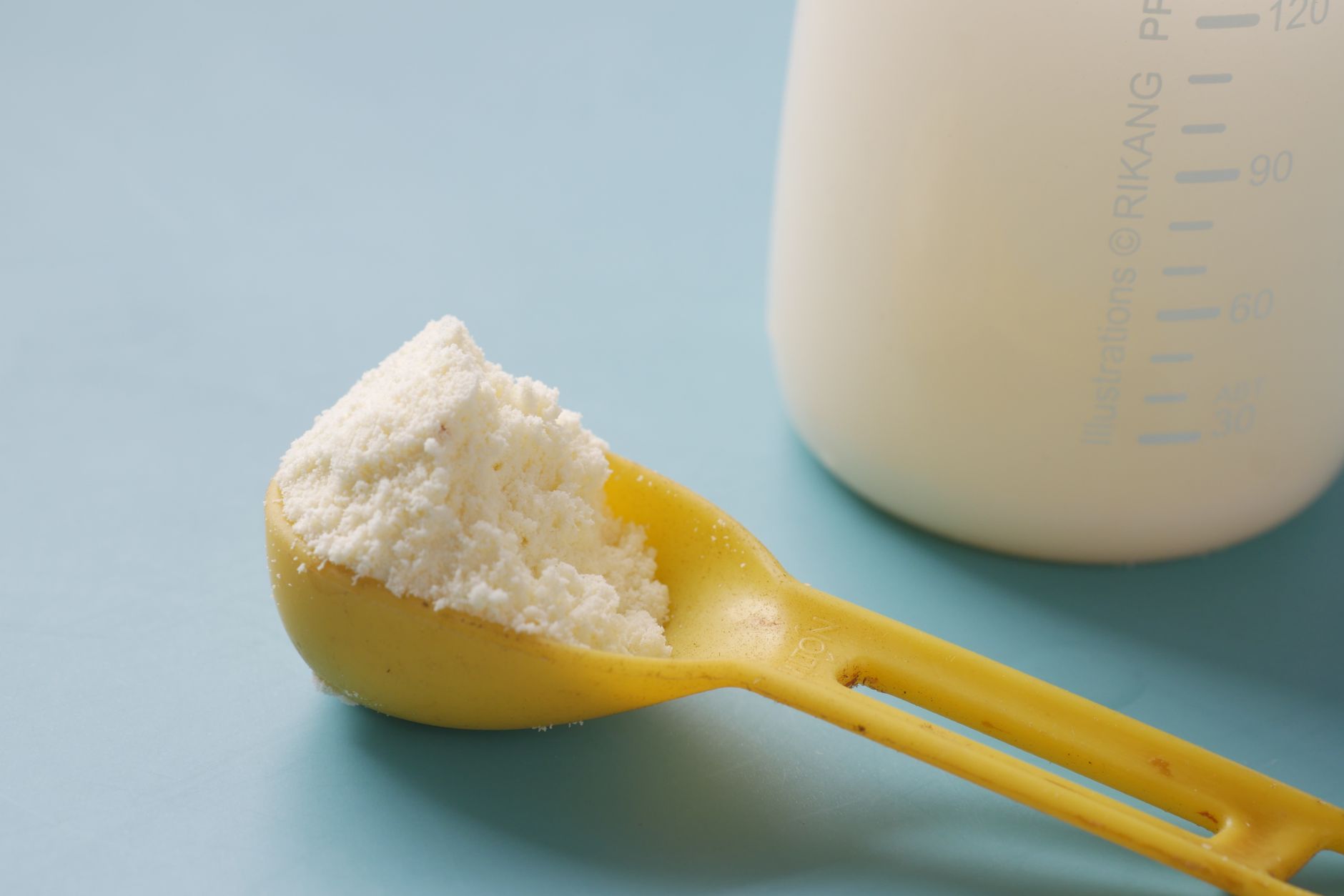
Babies need minimal fluoride—0.1 mg daily for infants under 6 months, 0.5 mg for 6-12 months. Learn safe limits, sources, and risks of too much fluoride.
By Shubhra Mishra — a mom of two who turned her own confusion during pregnancy into BumpBites, a global mission to make food choices clear, safe, and stress-free for every expecting mother. 💛
Check whether any food is safe during pregnancy with the BumpBites Food Safety Checker.
Quick take: Most infants get enough fluoride from water and a tiny dab of toothpaste, so you don’t need to worry about “how much fluoride can baby have” unless your tap water is unusually high. Aim for about 0.05 mg/day for babies 0‑6 months and 0.25 mg/day for toddlers 6‑24 months. If your water exceeds 0.7 mg/L, consider a low‑fluoride formula, a fluoride‑free toothpaste, or a supplement only under a pediatrician’s guidance. Watch for white spots on teeth or unusually low appetite—these are signs you may be getting too much.
Imagine you’re in the middle of a 3 a.m. diaper change, the nursery lights are dim, and you catch a glimpse of the tiny white specks on your newborn’s gums. Your mind races: “Is that fluoride? Did I give too much?” You’re not alone. New parents often wonder how much fluoride can baby have without risking dental fluorosis or other health issues. The short answer is that a little fluoride is a friend, not a foe—when you stay within the safe, evidence‑based limits set by pediatric and dental authorities.
In this guide we’ll break down everything you need to know: the purpose of fluoride, the amounts recommended for each infant age group, where fluoride hides (water, formula, breast milk, toothpaste, and supplements), how to spot signs of overexposure, and practical steps to keep your baby’s intake just right. We’ll also address common myths, give you a quick‑reference checklist, and point you toward the right specialist if concerns arise.
Whether you’re feeding your baby with breast milk, formula, or a mix, using tap or bottled water, or debating fluoride toothpaste for a six‑month‑old, the information below will answer the question “how much fluoride can baby have” and help you feel confident in your daily choices.
What is the safe amount of fluoride for infants?
Fluoride is a naturally occurring mineral that helps teeth remineralize and resist decay. In dental terms, it works like a protective shield, strengthening enamel as it forms. For infants, the acceptable daily intake (ADI) is set far below the level that could cause toxicity. The U.S. Food and Drug Administration (FDA) and the American Academy of Pediatrics (AAP) agree on the following benchmarks:
0‑6 months: up to 0.05 mg of fluoride per day (roughly the amount in a half‑cup of water with 0.7 mg/L fluoride).
6‑12 months: 0.25 mg per day, typically delivered via a smear of fluoride toothpaste or a supplement if water is low‑fluoride.
12‑24 months: 0.5 mg per day, usually from a pea‑sized dab of toothpaste and water.
These numbers are based on the Institute of Medicine’s tolerable upper intake level (UL) for children under two, which is 1.2 mg/day. Staying well under the UL ensures you’re far from the threshold where fluoride could cause acute toxicity (which would require ingestion of several milligrams at once). In practice, most infants stay comfortably within the safe range when you follow the AAP’s recommendations for water and toothpaste.
It’s also worth noting that fluoride’s primary benefit—preventing cavities—doesn’t fully kick in until the first molars erupt, usually around age 2. That means the goal for babies is not to “max out” fluoride exposure but to maintain a low, consistent level that supports enamel formation without risking fluorosis.
How much fluoride is in baby formula and water?
Formula can be a hidden source of fluoride, especially when mixed with fluoridated tap water. The concentration of fluoride in most U.S. municipal water supplies is regulated at 0.7 mg/L (parts per million, ppm) by the Environmental Protection Agency (EPA). If you use this water to reconstitute powdered formula, each 8‑ounce bottle will contain roughly 0.56 mg of fluoride.
For ready‑to‑feed formula (the kind that comes in a sealed pouch), the fluoride content is usually low—often under 0.02 mg per serving—because manufacturers use purified water with minimal fluoride. However, the exact amount can vary by brand and country, so checking the label or contacting the manufacturer is wise.
Breast milk, on the other hand, contains only trace amounts of fluoride, typically 0.02 mg/L or less, according to the American Dental Association (ADA). This low level reflects the fact that fluoride does not concentrate heavily in human milk.
Here’s a quick snapshot:
Source
Typical fluoride concentration
Fluoride per 8‑oz serving
Tap water (U.S.)
0.7 mg/L
0.56 mg
Bottled water (low‑fluoride)
0.0‑0.3 mg/L
0‑0.24 mg
Ready‑to‑feed formula
≈0.02 mg/L
≈0.02 mg
Breast milk
≈0.02 mg/L
≈0.02 mg
If your local water exceeds 0.7 mg/L, or if you’re unsure of the fluoride level, you have a few options: switch to low‑fluoride bottled water for formula, use a home water filter that removes fluoride, or talk to your pediatrician about a supplemental plan.
Checking fluoride content in water and formula helps you answer “how much fluoride can baby have.”
Can fluoride cause fluorosis in babies?
Dental fluorosis is a cosmetic condition that appears as white streaks or spots on the teeth, caused by excessive fluoride intake during the years when enamel is forming (roughly birth to age 8). In infants, the risk is low if you stay within the recommended daily limits, but it can happen if fluoride exposure is consistently high—especially from multiple sources.
According to the Centers for Disease Control and Prevention (CDC), mild fluorosis (thin white lines) is the most common form and typically does not affect tooth function. Moderate to severe fluorosis (brown stains, pitting) is rare in the U.S. because community water fluoridation is carefully controlled.
Key factors that increase fluorosis risk in babies include:
Using a toothpaste amount larger than a rice grain for infants under 12 months.
Mixing formula with highly fluoridated water (>0.7 mg/L) without adjusting the amount.
Providing fluoride supplements when the water already contains adequate fluoride.
Swallowing large amounts of toothpaste or mouth rinse (rare in babies, more common in toddlers).
Because enamel isn’t visible in infants, you often won’t notice fluorosis until the first permanent teeth erupt. If you see any white flecks on your child’s primary teeth after they start to appear (around age 2‑3), it’s a cue to review fluoride sources.
Recommended fluoride dosage for newborns and toddlers
The American Academy of Pediatrics (AAP) and the American Dental Association (ADA) outline clear dosage guidelines based on the fluoride concentration of your home water. Here’s a concise breakdown:
Age
Water fluoride level
Fluoride source
Typical daily fluoride intake
0‑6 months
≥0.3 mg/L
Water only (no supplement)
≈0.05 mg
6‑12 months
≥0.3 mg/L
Rice‑size toothpaste smear
≈0.25 mg
6‑12 months
<0.3 mg/L
Fluoride supplement (0.25 mg)
≈0.25 mg
12‑24 months
≥0.3 mg/L
Pea‑size toothpaste
≈0.5 mg
12‑24 months
<0.3 mg/L
Supplement (0.5 mg)
≈0.5 mg
Key points to remember:
Never exceed the recommended amount. Even a small extra dose can push intake above the safe threshold.
Use the smallest effective amount of toothpaste. For babies under 12 months, a rice‑grain smear (about 0.1 mg fluoride) is enough.
Only give supplements when water fluoride is low. Your pediatrician can test your home water and advise accordingly.
Monitor total intake. Add up fluoride from water, formula, and toothpaste to ensure you stay within the daily target.
When you’re unsure, the safest bet is to request a water fluoride test (many local health departments offer it free) and discuss the results with your pediatrician.
Signs of fluoride overexposure in infants
Acute fluoride toxicity is rare in babies, but chronic overexposure can show up in subtle ways. Below is a practical checklist you can keep in your diaper bag or on your phone:
Dental signs: White streaks or spots on newly erupted teeth (often called “mottling”).
Gastrointestinal symptoms: Persistent nausea, vomiting, or loss of appetite.
Bone changes (extremely rare): Joint pain or abnormal bone growth in severe cases of chronic excess.
Behavioral cues: Unusual irritability after meals that may indicate swallowing too much toothpaste.
If you notice any of these signs, especially dental mottling after the first tooth appears, it’s time to reassess your baby’s fluoride sources and talk to a pediatric dentist or your pediatrician.
How to reduce fluoride intake for a baby
When your water test shows fluoride above the optimal range, or if you’re using multiple fluoride sources, you can lower exposure with the following strategies. Choose the ones that fit your lifestyle and keep a record of what you change.
Strategy
How it works
Pros
Cons
Switch to low‑fluoride bottled water
Use water with ≤0.3 mg/L fluoride for formula and drinking.
Simple, no equipment needed.
Cost and environmental impact.
Install a reverse‑osmosis or activated‑alumina filter
Removes >90 % of fluoride from tap water.
Long‑term solution, works for all household uses.
Upfront cost, maintenance.
Use fluoride‑free toothpaste
Eliminate fluoride from oral care while still cleaning teeth.
Reduces cumulative fluoride.
May lose cavity‑preventive benefit.
Reduce toothpaste amount
Scale back to a rice‑grain smear for <12 months, pea‑size for 12‑24 months.
Easy to implement.
Requires vigilance to avoid over‑application.
Stop supplements if water is adequate
Eliminate extra fluoride when water already provides the needed amount.
Prevents double dosing.
Needs regular water testing.
Most families find a combination of low‑fluoride water and a tiny toothpaste smear works well. If you opt for a home filtration system, check that the filter is certified for fluoride removal (look for NSF/ANSI Standard 58).
A reverse‑osmosis system can bring home water fluoride down to safe levels.
Differences between fluoride in tap water vs bottled water for babies
Tap water in the United States is typically fluoridated to 0.7 mg/L, a level shown to reduce cavities without increasing fluorosis risk when used as directed. Bottled water, however, varies widely:
Spring water: May contain natural fluoride ranging from 0.0 to 1.5 mg/L, depending on the source.
Purified / distilled water: Usually has <0.1 mg/L fluoride, making it a low‑fluoride option.
Fluoridated bottled water: Some brands add fluoride to match community standards; label will specify the concentration.
If you rely on bottled water for formula, always check the label for fluoride content. When the label is silent, assume it’s low‑fluoride, but a quick call to the manufacturer can confirm. For families in regions with high natural fluoride (e.g., certain parts of the Southwest), the safest route is to test the water and, if needed, use a certified filter.
Remember, the goal isn’t to eliminate fluoride entirely—just to keep the intake within the safe range. Using low‑fluoride bottled water can be a handy short‑term fix while you arrange a more permanent solution like a home filter.
Fluoride supplements: when are they needed for babies?
Fluoride supplements are not a blanket recommendation for every infant. The AAP suggests supplementation only when the community water fluoride level is below 0.3 mg/L and the child is at risk for cavities. Here’s how to decide:
Step 1: Test your water. If it’s <0.3 mg/L, you may need a supplement.
Step 2: Assess diet. Breast‑fed infants get minimal fluoride; formula made with low‑fluoride water also provides little.
Step 3: Consult your pediatrician. They can prescribe the correct dose (usually 0.25 mg for 6‑12 months, 0.5 mg for 12‑24 months).
Supplements come as drops or chewable tablets. The drop form is easiest for infants—just add the prescribed number of drops to a bottle of formula or a small amount of water.
Important safety notes:
Never exceed the recommended dose. Over‑supplementation is a common cause of fluorosis.
Store supplements out of reach of children.
Combine supplements with low‑fluoride water only; if you switch to fluoridated water later, stop the supplement.
When used correctly, fluoride supplements can bring a baby’s fluoride intake up to the protective level without pushing it over the safety threshold.
Fluoride levels in breast milk
Breast milk naturally contains very low fluoride—roughly 0.02 mg/L, which translates to less than 0.01 mg per typical feeding. This minimal amount is well below any risk of fluorosis, even if the mother’s water supply is heavily fluoridated. The American College of Obstetricians and Gynecologists (ACOG) states that breastfeeding does not increase a baby’s fluoride exposure to harmful levels.
Fluoride toothpaste amount for a 6‑month‑old
For a six‑month‑old, the recommended amount is a rice‑grain sized dab of toothpaste, which contains about 0.1 mg of fluoride. You can use a pea‑size dab for babies closer to 12 months, but never more. The goal is to clean the gums and the few primary teeth without encouraging swallowing.
Is fluoride safe during pregnancy?
Yes. The CDC and the American College of Obstetricians and Gynecologists (ACOG) consider the fluoride levels used in community water fluoridation safe for pregnant people. Adequate fluoride exposure during pregnancy helps develop stronger enamel in the fetus, which can reduce the child’s risk of cavities later in life. However, pregnant people should avoid excessive fluoride from supplements unless prescribed.
How to test fluoride content in home water
Testing your home water is straightforward:
Contact your local health department; many offer free fluoride testing kits.
Purchase a DIY test strip kit from a reputable retailer (e.g., Home Water Test Kits). Look for kits certified by the Environmental Protection Agency (EPA) or the National Sanitation Foundation (NSF).
Send a sample to a certified laboratory if you need precise results (especially for high‑risk regions).
Once you have the result, compare it to the 0.3 mg/L (low) and 0.7 mg/L (optimal) benchmarks to decide whether you need a filter or a supplement.
Fluoride‑free baby products
If you prefer to avoid fluoride entirely, there are several fluoride‑free alternatives on the market:
Baby toothpaste labeled “fluoride‑free” or “natural” (often using xylitol or calcium carbonate for cleaning).
Water filters that remove fluoride (reverse‑osmosis, activated alumina).
Formula brands that use purified water without added fluoride.
While fluoride‑free toothpaste can keep the mouth clean, remember that fluoride is a proven cavity‑preventing agent. If you choose a fluoride‑free product, maintain regular dental check‑ups and consider a supplement if your water is low‑fluoride.
Effects of high fluoride exposure on child development
Extensive research, including reviews from the World Health Organization (WHO) and the National Institutes of Health (NIH), shows that fluoride at levels used in community water fluoridation does not affect neurodevelopment, growth, or cognition. Problems arise only when intake far exceeds recommended limits, which is rare in the U.S. due to strict water standards.
Nevertheless, chronic high exposure (e.g., >4 mg/L) can lead to skeletal fluorosis—a condition affecting bone strength—but such levels are uncommon in developed countries. The key is monitoring intake and staying within the guidelines outlined earlier.
Best fluoride‑free toothpaste for babies
When shopping for a fluoride‑free option, look for these features:
Gentle abrasives: Calcium carbonate or silica that won’t damage developing enamel.
Flavor: Mild fruit or natural mint that encourages acceptance without added sugar.
No added sugars or sweeteners: Prevents tooth decay despite the lack of fluoride.
Brands such as Jack N’ Jill and Tom’s of Maine offer fluoride‑free formulas that meet these criteria. Always check the ingredient list and, if in doubt, ask your pediatric dentist for a recommendation.
Fluoride guidelines from the American Academy of Pediatrics
The AAP’s current fluoride guidance (2022) emphasizes:
Testing home water fluoride levels for infants on formula.
Using a rice‑grain sized fluoride toothpaste for children under 12 months, and a pea‑size amount for 12‑24 months.
Prescribing fluoride supplements only when water fluoride is below 0.3 mg/L.
Avoiding fluoride ingestion in excess of 0.7 mg/L for children under 6 months.
Encouraging regular dental visits starting at the eruption of the first tooth.
These guidelines balance cavity prevention with the minimization of fluorosis risk, providing a clear roadmap for parents.
Myth vs. fact
Myth: “All fluoride is harmful to babies.”
Fact: In the amounts recommended by the AAP and ADA, fluoride safely protects developing teeth without causing toxicity.
Myth: “If you’re breast‑feeding, you don’t need to worry about fluoride at all.”
Fact: Breast milk contains very low fluoride, but babies may still need a supplement if the water used for formula is low‑fluoride.
Myth: “Fluoride toothpaste is too strong for a baby’s gums.”
Fact: Using a rice‑grain sized amount of fluoride toothpaste is safe and effective for cleaning gums and early teeth.
Key takeaways
Most infants need about 0.05 mg of fluoride per day (0‑6 months) and 0.25 mg (6‑12 months).
Primary fluoride sources are water, formula, toothpaste, and supplements.
Test your home water; if fluoride >0.7 mg/L, consider low‑fluoride bottled water or a certified filter.
Use a rice‑grain smear of fluoride toothpaste for babies under 12 months; a pea‑size dab for toddlers.
Fluoride supplements are only needed when water fluoride is below 0.3 mg/L and should be prescribed by a pediatrician.
Watch for white spots on teeth, persistent nausea, or unusual irritability as signs of overexposure.
When in doubt, talk to your pediatrician or a pediatric dentist.
Frequently asked questions
What are the symptoms of fluoride toxicity in infants?
Acute toxicity is rare, but symptoms can include vomiting, nausea, abdominal pain, and loss of appetite. Chronic overexposure may manifest as white spots (fluorosis) on newly erupted teeth, irritability after meals, or, in very severe cases, joint pain. If any of these appear, contact your pediatrician promptly.
How much fluoride is in a typical bottle of baby formula?
Ready‑to‑feed formula usually contains less than 0.02 mg of fluoride per serving because manufacturers use purified water. Powdered formula mixed with fluoridated tap water (0.7 mg/L) will contain about 0.56 mg of fluoride per 8‑ounce bottle. Always check the label and consider water testing.
Can a baby get fluoride from breast milk?
Yes, but the amount is very low—approximately 0.02 mg/L, translating to less than 0.01 mg per typical feeding. This level is far below any risk of fluorosis, so breastfeeding alone does not raise concerns about fluoride overexposure.
At what age can a child start using fluoride toothpaste?
The American Academy of Pediatrics recommends introducing fluoride toothpaste as soon as the first tooth erupts, typically around 6 months. Use a rice‑grain size amount for children under 12 months and a pea‑size amount for toddlers 12‑24 months.
Is it safe to give a baby fluoride supplements?
Supplements are safe when prescribed by a pediatrician and only when your home water fluoride is below 0.3 mg/L. The recommended dose is 0.25 mg for infants 6‑12 months and 0.5 mg for toddlers 12‑24 months. Never exceed the prescribed dose.
How do I know if my water has too much fluoride for my baby?
Have your water tested by your local health department or use an EPA‑approved home test kit. If the result is above 0.7 mg/L, consider using low‑fluoride bottled water or installing a certified filter. If it’s below 0.3 mg/L, discuss fluoride supplements with your pediatrician.
When to see a doctor or specialist
If you notice any of the following red‑flag signs, schedule an appointment promptly:
Persistent white or brown spots on your child’s teeth after they erupt.
Repeated vomiting, nausea, or loss of appetite without another clear cause.
Joint pain or unusual swelling in a toddler.
Unexplained irritability after feeding that seems linked to oral care.
For dental concerns, see a pediatric dentist or an oral health specialist. For systemic symptoms (e.g., persistent gastrointestinal upset), contact your pediatrician, who may refer you to a pediatric endocrinologist or a pediatric gastroenterologist for further evaluation.
Remember, the information in this article is for educational purposes only and does not replace personalized medical advice. Always discuss your baby’s fluoride exposure with a qualified health professional.
References
American Academy of Pediatrics. “Fluoride Supplementation for Children.” AAP Policy Statement, 2022.
American Dental Association. “Fluoride and Fluorosis.” ADA Clinical Guidelines, 2021.
Centers for Disease Control and Prevention. “Community Water Fluoridation.” CDC Fact Sheet, 2023.
Not sure about the label on How Much Fluoride Can Baby Have products?
Snap the ingredients list and SafeFilter checks every ingredient for your stage — only 3 free scans this month, then you're locked until reset. Unlimited from $7/mo or $50/yr.
When Shubhra Mishra was expecting her first child in 2016, she was overwhelmed by conflicting food advice — one site said yes, another said never. By the time her second baby arrived in 2019, she realized millions of mothers face the same confusion.
That sparked a five-year journey through clinical nutrition papers, cultural diets, and expert conversations — all leading to BumpBites: a calm, compassionate space where science meets everyday motherhood.
Her long-term vision is to build a global community ensuring safe, supported, and free deliveriesfor every mother — because no woman should face pregnancy alone or uninformed. 🌿
🌍 Stand with mothers, shape safer guidance
Join a small circle of experts who review BumpBites articles so expecting parents everywhere can decide with confidence.