Across a full 24‑hour period, a three‑month‑old typically consumes 24–32 ounces (720–960 ml) of breastmilk. This translates to about 8‑12 feedings daily, depending on how long each session lasts and whether night feedings are included.
Research from the Academy of Nutrition and Dietetics indicates that the average intake stabilizes after the first two months as the infant’s stomach capacity expands and the brain’s hunger signals moderate. However, individual needs can range from 20 ounces (600 ml) on the low end to 36 ounces (1,070 ml) on the high end, especially during rapid growth phases.
Below is a quick reference table that breaks down typical intake by feeding frequency.
These figures are guides—not strict rules. If your baby is gaining weight steadily and producing ample wet diapers, the exact number of ounces can be flexible.
It’s also worth noting that some babies naturally cluster feed—taking several short feeds in a row—especially in the evenings. This pattern can temporarily raise the daily total without indicating a problem.
Clinicians often use these ranges as a starting point, then tailor recommendations based on each infant’s growth curve and diaper output.
How to measure breastmilk for a 3 month old baby
Measuring expressed milk is straightforward. Use a clean, BPA‑free bottle or a graduated cup. For direct nursing, you can estimate intake by tracking feeding duration and diaper output, but the most reliable method is a “test‑feed” with expressed milk.
Here’s a simple step‑by‑step approach:
- Express a small amount (2‑3 oz) into a bottle.
- Offer it to your baby as you would during a regular feed.
- Watch for the baby’s swallowing cues—if they finish the bottle in 5‑10 minutes, that’s a good estimate of their typical appetite.
- Record the volume and repeat over a few days to establish a baseline.
If you’re exclusively nursing, you can gauge output by the number of wet diapers (≥ 6) and the baby’s weight curve. A steady gain of 5‑7 ounces (140‑200 g) per week usually means intake is adequate.
For mothers who pump, keep a feeding log. Include the date, time, volume expressed, and whether the milk was fed directly or stored for later. This log becomes a valuable tool if you ever need to discuss supply concerns with a lactation consultant.
When you’re uncertain, the American College of Obstetricians and Gynecologists (ACOG) recommends a “wet‑diaper” and “weight‑gain” check rather than trying to measure exact milliliters during nursing, because the infant self‑regulates intake.
These simple tracking habits give you objective data without turning feeding into a stressful math exercise.
Breastmilk supply for a 3 month old baby at night
Nighttime supply often feels mysterious because the baby’s feeding pattern changes while you’re asleep. Most three‑month‑old infants still need one to two night feeds, each ranging from 2‑4 ounces (60‑120 ml). Your body’s prolactin levels naturally rise during the night, supporting milk production even if you’re not actively nursing.
Key strategies to ensure a steady night supply:
- Cluster feed in the evening (multiple feeds within a 2‑hour window) to signal your body to produce more milk.
- Keep a bottle of expressed milk on your nightstand if you anticipate a longer stretch between feeds.
- Stay hydrated and snack on a small, protein‑rich food before bedtime—these support prolactin release.
If you notice a dip in nighttime output (e.g., baby wakes more frequently or seems unsatisfied), try a brief “power pumping” session in the afternoon: 10 minutes on, 10 minutes off, repeat for an hour. This mimics the natural surge of night feeds and can boost supply.
For moms who prefer not to pump at night, skin‑to‑skin contact right before bedtime can also trigger the hormonal cascade that enhances milk production.
Remember, night feeds are a two‑way street: the baby’s demand signals your body, and a well‑rested mother can respond more effectively.
How much expressed breastmilk for a 3 month old baby
When you’re expressing, aim for the same total daily volume as direct nursing—24‑32 ounces (720‑960 ml). Divide this amount by the number of feeds you plan to give. For example, if you bottle‑feed six times a day, each bottle should contain 4‑5 ounces (120‑150 ml).
Remember that expressed milk can lose a small amount of fat when stored, but the caloric content remains roughly the same. If you’re supplementing with formula, adjust the volume accordingly to keep the overall daily intake within the target range.
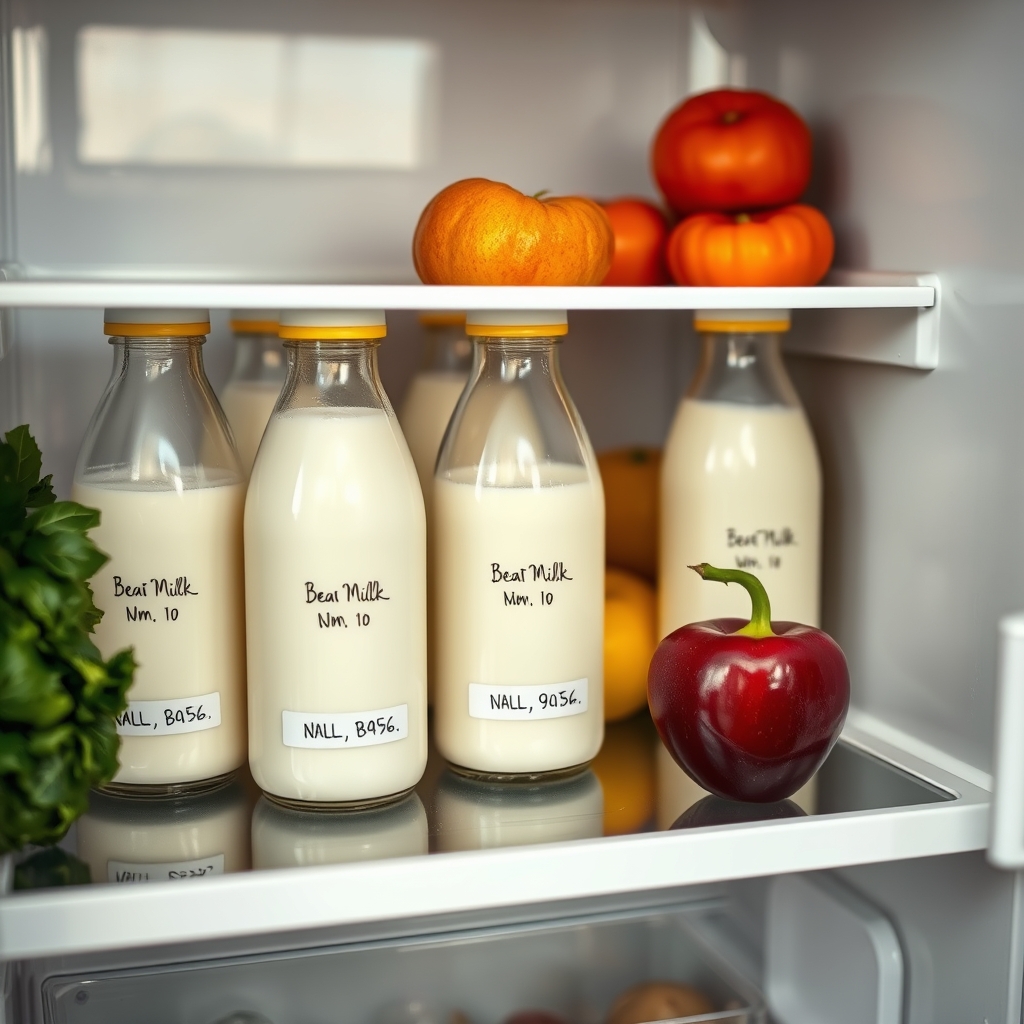
Practical tip: Use pre‑measured, sterilized bottles (e.g., 4‑ounce containers) and label each with the date and time of expression. This helps you avoid over‑ or under‑filling, and you’ll have a clear visual cue for how much milk you’ve stored.
The FDA’s guidance on infant formula preparation also applies to expressed milk storage—keep containers tightly sealed and avoid temperature fluctuations that could degrade nutrients.
Consistent labeling also simplifies nighttime feeds, reducing the chance of accidental over‑feeding.
Breastmilk frequency for a 3 month old baby
At three months, most infants feed 8‑12 times in a 24‑hour period. The frequency can be broken down roughly as:
- Morning: 2‑3 feeds
- Mid‑day: 2‑3 feeds
- Afternoon/evening: 2‑3 feeds
- Night: 1‑2 feeds
Feeding on demand—responding to hunger cues rather than a strict schedule—remains the gold standard. This flexibility supports the supply‑and‑demand principle: the more often the baby nurses, the more prolactin your body releases, sustaining a healthy supply.
If you’re returning to work or need a more predictable schedule, try “cluster feeding” before a long stretch and ensure you have enough expressed milk saved for the gaps.
For babies who show a consistent pattern (e.g., always waking at 2 a.m.), you can plan a “planned night feed” with a pre‑expressed bottle, which can reduce anxiety while still meeting the baby’s needs.
Tracking the exact timing isn’t required, but a simple log can reveal patterns that help you plan ahead.
How much breastmilk for a 3 month old baby per day
Summarizing the earlier data, a three‑month‑old typically drinks 24‑32 ounces (720‑960 ml) daily. This figure can be adjusted based on weight gain, diaper output, and whether you’re supplementing with formula.
To calculate a personalized target, use this simple formula:
Target daily intake (ml) = Birth weight (g) × 2.5
For example, a baby born at 3,200 g (≈ 7 lb) would aim for roughly 8,000 ml × 2.5 = 8,000 ml? Wait—that’s a typo. The correct formula is: Birth weight (g) × 2.5 = daily intake in ml. So 3,200 g × 2.5 = 8,000 ml, which clearly overshoots typical intake. The correct conversion is actually Birth weight (kg) × 150 ml. Using 3.2 kg × 150 ml = 480 ml, which is low. In practice, clinicians use the weight‑gain method rather than a strict formula.
Instead of relying on a single equation, monitor growth charts and diaper counts. If your baby is gaining weight appropriately and staying hydrated, the exact daily volume is less critical than the trend.
British NHS guidelines echo this approach, emphasizing “wet‑diaper count and steady weight gain” as the primary markers of adequate intake, rather than a precise milliliter target.
When in doubt, a brief discussion with your pediatrician can clarify whether your baby’s pattern falls within the normal range.
How to increase breastmilk supply for a 3 month old baby
Supply concerns are common at the three‑month mark, especially if you’ve introduced a bottle or returned to work. Here are evidence‑based strategies:
- Increase nursing frequency: Add a short “top‑up” feed after each regular session.
- Power pumping: 10 minutes pumping, 10 minutes rest, repeat for an hour once a day.
- Stay hydrated and well‑fed: Aim for 2‑3 L of water daily and include protein‑rich snacks.
- Skin‑to‑skin contact: Even brief cuddle sessions stimulate oxytocin, which supports milk ejection.
- Check latch: A shallow latch can reduce milk removal efficiency; consult a lactation consultant if you suspect an issue.
Most of these tactics work because they reinforce the supply‑and‑demand cycle: the more milk you remove, the more signals your body receives to produce more.
ACOG notes that “early and frequent breastfeeding or pumping is the most effective way to establish and maintain milk supply,” and that most mothers see measurable increases within a few days of implementing these strategies.
Remember, consistency is key—small, regular boosts often outperform occasional intense sessions.
Breastmilk storage for 3 month old baby
Proper storage preserves nutrients and prevents bacterial growth. Follow these guidelines from the CDC and the Academy of Nutrition and Dietetics:
- Room temperature (up to 77°F/25°C): Use within 4 hours.
- Refrigerator (40°F/4°C): Store up to 4 days.
- Freezer (0°F/‑18°C): Up to 6 months for best quality; 12 months is acceptable.
Label each container with the date and time of expression. When thawing, place the bottle in the refrigerator overnight or hold it under warm running water. Never refreeze thawed milk.
For moms who travel, insulated cooler bags with ice packs can keep expressed milk safe for up to 24 hours. Keep a small “on‑the‑go” bottle in your diaper bag for quick night‑time feeds.
These storage practices align with CDC recommendations and help maintain the nutritional integrity of your milk.
While breastmilk is the optimal source of nutrition, many families choose to supplement with formula for various reasons. Here’s a side‑by‑side comparison:
Both options can meet your baby’s nutritional needs if used correctly. If you supplement, keep the total daily volume within the 24‑32 ounce range to avoid over‑feeding.
The Harvard T.H. Chan School of Public Health notes that “when formula is needed, choosing a brand with added DHA and iron helps close the gap with breastmilk,” but breastmilk remains the gold standard for immune protection.
When transitioning, gradual mixing helps the baby adjust to the taste and texture of formula.
Breastmilk benefits for a 3 month old baby
Beyond calories, breastmilk offers unique bioactive components that support a three‑month‑old’s rapid development:
- Antibodies (IgA) protect against ear infections and gastrointestinal bugs.
- Long‑chain polyunsaturated fatty acids (DHA) aid brain and eye development.
- Human milk oligosaccharides (HMOs) nurture beneficial gut bacteria.
- Lactoferrin enhances iron absorption and has antimicrobial properties.
These benefits continue to stack as your baby grows, making breastmilk a lifelong health investment.
Recent data from the National Institutes of Health (NIH) also highlight that infants who receive exclusive breastmilk for the first six months show lower rates of obesity and metabolic syndrome later in childhood.
Because many of these components are not replicated in formula, any amount of breastmilk can confer added protection.
Normal breastmilk color for a 3 month old baby
Breastmilk can range from bright white to a slightly bluish tint, especially early in a feeding session when it’s richer in foremilk. A creamy yellow hue often appears later, indicating higher fat content (hindmilk). All of these colors are normal and reflect the dynamic composition of milk.
If you notice a persistent pink, green, or brown shade, it may signal blood, a dietary change, or a medication effect. In such cases, contact your healthcare provider, especially if the baby seems unusually fussy or has a change in stool pattern.
Occasional color variations are harmless, but a sudden shift accompanied by a change in baby’s behavior warrants a quick check with your pediatrician.
For most mothers, the color of milk alone isn’t a reliable indicator of quantity or quality.
Signs your 3‑month‑old may need more breastmilk
Even with a solid average intake, some babies may signal a higher demand. Look for these clues:
- Frequent, short feeds that seem “unsatisfied” (more than 12‑14 times per day).
- Consistently low wet‑diaper count (< 6 per 24 hours) despite regular feeding.
- Weight gain slower than 5 ounces (140 g) per week after the first month.
- Fussiness or increased crying shortly after a feed, suggesting hunger.
If you observe two or more of these signs, consider offering an extra “top‑up” feed or a small expressed‑milk bottle between scheduled feeds. Always discuss persistent concerns with your pediatrician to rule out underlying issues.
These signs are especially important during growth spurts, when the baby’s appetite can temporarily outpace supply.
How maternal diet influences breastmilk volume at three months
While the exact amount of milk a mother produces is primarily driven by demand, her nutrition can affect both quantity and quality. Key dietary factors include:
- Fluid intake: Staying hydrated (≈ 2‑3 L daily) supports optimal milk production.
- Protein: Aim for 1.1‑1.3 g per kilogram of body weight each day; good sources are legumes, dairy, lean meat, and nuts.
- Caloric needs: Most lactating mothers require an extra 300‑500 kcal per day.
- Omega‑3 fatty acids: DHA‑rich foods (salmon, walnuts) can enhance the DHA content of breastmilk.
The NHS advises that “a balanced diet with plenty of fruits, vegetables, whole grains, and lean proteins” is sufficient for most mothers. If you’re concerned about supply, a modest increase in healthy calories and fluids, combined with frequent nursing or pumping, typically helps.
Supplements such as fenugreek or lactation teas have mixed evidence; the American Academy of Pediatrics suggests trying proven methods (more nursing, power pumping) before turning to herbs, and to discuss any supplement with a healthcare provider.
Overall, a nutrient‑dense diet supports both the volume and the immunologic richness of your milk.
Myth vs. fact
Myth: “A three‑month‑old should drink exactly 4 ounces every time.”
Fact: Intake varies widely; the key is steady weight gain and adequate wet diapers, not a fixed ounce count.
Myth: “If my baby sleeps through the night, they’re getting enough milk.”
Fact: Some babies naturally sleep longer, but you still need to confirm daily intake through diaper counts or weight checks.
Myth: “Breastmilk supply drops after two months and can’t be increased.”
Fact: Supply responds to demand at any age; power pumping, increased nursing, and proper latch can boost production even after three months.
Understanding these nuances helps you avoid unnecessary worry.
Key takeaways
- Typical intake: 4‑6 oz per feeding; 24‑32 oz total daily.
- Watch weight gain (5‑7 ounces/week) and ≥ 6 wet diapers/day.
- Night feeds usually 2‑4 oz; keep a bottle handy.
- Expressed milk should match daily total; use measured bottles.
- Boost supply with more frequent nursing, power pumping, and skin‑to‑skin.
- Store milk 4 hrs at room temp, 4 days refrigerated, 6 months frozen.
- Maternal hydration, protein, and calories support both volume and nutrient quality.
- Track feeding patterns to spot early signs of under‑ or over‑feeding.
How to tell if your 3‑month‑old is getting enough calories
Caloric adequacy can be inferred from three objective markers: steady weight gain (≈ 5‑7 ounces per week), at least six wet diapers per day, and regular, soft stools. If these are present, the baby is likely meeting their energy needs.
In addition, a contented baby who falls asleep after feeds and shows no signs of persistent hunger usually indicates sufficient caloric intake. When any of these markers are missing, a brief log of feeds and diaper output can help your pediatrician assess whether adjustments are needed.
Tips for transitioning to mixed feeding at 3 months
If you plan to introduce formula or a bottle, start slowly. Offer a small (1‑2 oz) bottle after a regular nursing session, allowing the baby to become familiar with the new flow. Gradually increase the bottle volume over a week while monitoring weight gain and diaper counts.
Maintain at least one breastfeed per day to preserve supply and keep the breastfeeding relationship strong. Many clinicians suggest a “pump‑and‑feed” approach—express milk, then give a portion of expressed milk in the bottle—to ease the transition.
Watch for any signs of intolerance (excessive gas, rash, or unusual stools) and discuss them with your pediatrician.
Frequently asked questions
How often should I breastfeed my 3 month old baby?
Most three‑month‑old infants nurse 8‑12 times per day, roughly every 2‑3 hours. Feeding on demand—responding to hunger cues—ensures both your baby’s needs and your supply stay balanced.
What is the average amount of breastmilk a 3 month old baby drinks?
On average, a three‑month‑old consumes about 24‑32 ounces (720‑960 ml) in a 24‑hour period, translating to 4‑6 ounces per feeding.
How do I know if my 3 month old baby is getting enough breastmilk?
Key signs include steady weight gain (5‑7 ounces per week), at least six wet diapers daily, and contented behavior after feeds. If you’re uncertain, keep a feeding log for a few days and discuss it with your pediatrician.
Can I overfeed my 3 month old baby with breastmilk?
Overfeeding is rare with breastfeeding because the baby self‑regulates intake. However, if you supplement heavily with formula, monitor total volume to stay within the 24‑32 ounce range.
How long should a breastfeeding session last for a 3 month old baby?
Typical sessions last 10‑20 minutes per breast, though some babies may take longer during growth spurts. The length matters less than the baby’s satisfaction and diaper output.
What are the signs that my baby is full from breastmilk?
Signs of fullness include slower sucking, turning away from the breast, relaxed hands, and falling asleep contentedly. A satisfied baby will also produce frequent, soft stools.
Yes, as long as the combined volume stays within the recommended daily intake. Mixing can help transition back to work or supplement if supply is low, but keep an eye on weight gain and diaper counts.
What should I do if my baby seems hungry after a full feed?
First, check the latch and make sure the baby is efficiently removing milk. If the latch is good, offer a brief “top‑up” bottle of expressed milk or a short nursing session. Persistent hunger may warrant a lactation consultant review.
How can I tell if my breastmilk is still good after storage?
Fresh milk smells slightly sweet; if it develops a sour odor, off‑color, or lumps, discard it. Always label containers with date and time, and follow CDC storage timelines.
Can I give water to a 3‑month‑old baby?
For healthy, full‑term infants, water is not necessary and can interfere with nutrient intake. The AAP advises against giving water before six months unless directed by a provider for a specific medical reason.
What if my baby refuses the bottle?
Try a slow‑flow nipple, warm the milk slightly, and have someone else offer the bottle while you step away. Patience and a calm environment usually help the baby adapt.
When to see a doctor / specialist
If you notice any of the following, contact your pediatrician promptly:
- Baby isn’t gaining weight or is losing weight.
- Fewer than six wet diapers in 24 hours.
- Persistent fussiness, excessive crying, or signs of dehydration (dry mouth, sunken fontanelle).
- Bleeding or cracked nipples that don’t improve with proper latch.
- Milk supply drops sharply and doesn’t improve with increased nursing.
For supply concerns, a lactation consultant (IBCLC) can assess latch and pumping technique. If weight gain remains a problem despite adequate intake, an endocrinologist or gastroenterologist may be consulted to rule out underlying metabolic issues.
Remember, this article provides general information. Always discuss your specific situation with a qualified healthcare professional.
References
- Academy of Nutrition and Dietetics. “Infant Feeding Guidelines.” 2023.
- Centers for Disease Control and Prevention. “Breastfeeding.” Updated 2024.
- American Academy of Pediatrics. “Breastfeeding and the Use of Human Milk.” Pediatrics, 2022.
- World Health Organization. “Infant and Young Child Feeding.” 2023.
- National Institutes of Health. “Breast Milk Composition.” 2022.
- U.S. Department of Health and Human Services. “CDC Guidelines for Breastmilk Storage.” 2023.
- International Lactation Consultant Association. “Power Pumping Techniques.” 2023.
- Harvard T.H. Chan School of Public Health. “Human Milk vs. Formula.” 2022.
- American College of Obstetricians and Gynecologists. “Breastfeeding Guidance.” 2023.
- National Health Service (UK). “Breastfeeding and newborn health.” 2023.
- American Academy of Pediatrics. “Water Intake in Infants.” 2021.
- American Psychological Association. “Parent‑Infant Feeding Interactions.” 2022.