At one month, most babies want to eat every 2–3 hours, which means 8–12 feedings in a 24‑hour period. Newborns often cluster feed—having several short sessions in a row—especially during growth spurts. The exact count can vary; some infants settle into 9 feedings a day, while others may reach 12.
Feeding frequency is driven by stomach capacity. A newborn’s stomach is roughly the size of a walnut (≈ 5 ml) at birth and expands to about the size of a lime (≈ 30 ml) by the end of the first month. This growth allows an infant to take larger volumes per feeding, gradually spacing out the intervals.
Practical tip: Keep a simple log—note the time, duration, and any signs of satisfaction (e.g., relaxed hands, contented sighs). If you notice a sudden drop in feedings or a longer‑than‑usual gap (more than four hours), it may signal a supply or latch issue that warrants a quick consult with a lactation professional.
It’s also normal for sleep patterns to shift around the one‑month mark. Some babies begin to have longer nighttime stretches, which can temporarily reduce daytime feedings. If you’re concerned about a dip in intake, try offering a “dream feed” before you go to bed; many parents find that a brief, gentle feeding at 10 p.m. helps keep the baby satisfied through the night.
Signs my 1 month old is getting enough breastmilk—and how to tell if your baby is hungry or full
Observing your baby’s behavior is the most reliable way to confirm adequate intake. Here’s a quick checklist you can keep on the diaper table:
- Wet diapers: At least 6 wet diapers per day, each soaked through.
- Stool frequency: 3–4 yellow, seedy stools daily (or at least 3 per day).
- Weight gain: 5–7 oz (140–200 g) per week after the first two weeks.
- Contented cues: Hands relaxed, eyes soft, and a calm sigh after feeding.
- Feeding efficiency: Baby finishes a breast within 10–20 minutes, showing a slower suckle toward the end.
If you hear a sudden, high‑pitched “cry” shortly after a feeding, it could be a hunger cue, but many 1‑month‑olds also cry for comfort, overstimulation, or a need for a diaper change. The “cry‑check” method—waiting a few minutes after a feeding before assuming hunger—helps you differentiate.
Another useful sign is the “suck‑and‑pause” pattern: a baby who is full will start to pause, slow the rhythm, and eventually fall asleep at the breast. In contrast, a hungry infant will sustain a vigorous, rhythmic suck.
Finally, pay attention to the baby’s “milk transfer” signs: audible swallowing sounds, a gentle sigh after each breast, and a relaxed facial expression. If these cues are consistently present, you’re likely meeting the infant’s nutritional needs.
Symptoms checklist: Is your baby getting enough breastmilk?
Treatment options comparison
How much breastmilk should I pump for a 1 month old baby and what bottle size is best for storage?
If you’re supplementing or exclusively pumping, aim for the same total daily volume—around 20–25 oz (600–750 ml). Most mothers find that pumping 2–3 times per day, each session yielding 3–5 oz (90–150 ml), meets the infant’s needs.
When it comes to storage, the standard 4‑ounce (120 ml) bottle is a sweet spot for a 1 month old. It’s large enough to hold a full feeding but small enough to finish a bottle within a reasonable time, reducing waste. If you’re expressing larger batches, use 8‑ounce containers and portion them into 4‑ounce bottles for feeding.
Remember the “first‑in, first‑out” rule: freshly expressed milk should be used within 4 hours at room temperature, 24 hours in the refrigerator (≤ 4 °C), and up to 6 months in the freezer (≤ ‑18 °C). Label each container with the date and time of expression to stay organized.
For moms who travel or need to store milk at work, the FDA’s guidelines on breastmilk handling are a reliable reference. They recommend using insulated bags with ice packs for up to 24 hours, and a secondary freeze‑thaw step if you plan to keep milk beyond that window.
Breastmilk volume guidelines and normal weight gain for a 1 month old infant
Beyond daily ounces, the weight gain pattern is a cornerstone of healthy growth. The CDC growth charts show that a breastfed infant typically gains 0.5–1 lb (225–450 g) per month after the first two weeks. By the end of the first month, most babies have increased their birth weight by 5–7 oz (140–200 g).
If your baby’s weight gain falls below the 5th percentile, or if you notice a plateau for more than three consecutive days, it’s a red‑flag to seek professional guidance. Conversely, rapid weight gain (above the 95th percentile) can also signal over‑feeding or metabolic concerns.
Tracking your infant’s weight at each well‑child visit, along with the diaper checklist, gives you a double‑layer of reassurance that the intake volume you’re providing aligns with growth expectations. The NHS also advises parents to plot weight on a growth chart at home when possible, as this visual cue can catch subtle trends early.
It’s worth noting that growth velocity can temporarily dip during a “sleep‑catch‑up” phase, usually around weeks 5‑6, when the baby starts sleeping longer stretches at night. A brief slowdown is normal as long as the overall upward trajectory continues.
Formula‑fed infants often consume slightly more volume—about 22–28 oz (650–830 ml) per day—because formula is less calorically dense than breastmilk. Breastmilk contains roughly 20 kcal/oz, while standard formula averages 20–22 kcal/oz, leading to modest differences in total intake.
When to introduce formula is a personal decision. The AAP recommends exclusive breastfeeding for the first six months, but if you’re supplementing due to low supply, medical reasons, or personal choice, you can start as early as the first week. The key is to introduce formula gradually, watching for any changes in stool pattern or allergic reactions.
Transitioning should involve a “mix‑and‑match” approach: start with a breastmilk‑dominant feeding, then add a small amount of formula (1‑2 oz) to the bottle. Observe how your baby tolerates it before increasing the proportion. Always discuss the plan with your pediatrician, especially if your baby has risk factors for cow’s milk protein allergy.
Many parents wonder whether mixing breastmilk and formula will dilute the protective antibodies. The evidence suggests that the immune benefits of breastmilk remain present even when combined with small amounts of formula, though the overall concentration of antibodies is naturally lower than in exclusive breastmilk.
How to increase breastmilk supply for a newborn and how long should a breastfeeding session last for a 1 month old?
Supply often follows demand. Here are three evidence‑based strategies, endorsed by the International Lactation Consultant Association (ILCA):
- Frequent nursing: Aim for 8–12 sessions per 24 hours. Each session stimulates prolactin release, which boosts production.
- Skin‑to‑skin time: Even brief periods (30 minutes) of chest‑to‑chest contact increase oxytocin, enhancing let‑down.
- Power pumping: A 10‑minute cycle (2 min pump, 2 min pause, repeat) performed 3 times daily can raise supply by 20‑30 % within a week.
Typical breastfeeding sessions for a 1 month old last 10–20 minutes per breast. The first 5 minutes often deliver the foremilk (lighter, more watery), while the latter part provides hindmilk (richer in fat). If your baby seems to fall asleep before emptying the breast, gently massage the breast or use a breast compressor to encourage the final milk flow.
Another often‑overlooked factor is maternal hydration and nutrition. The Academy of Nutrition and Dietetics notes that a well‑balanced diet with adequate calories (about 2,300 kcal/day for most lactating women) supports optimal supply. Adding a glass of water each time you nurse can also help maintain fluid balance.
Finally, consider the impact of night feeds. Prolactin levels naturally peak during sleep, so a nighttime feeding or pumping session can be a powerful supply booster, even if you feel exhausted. If you’re able, try to include at least one feeding after midnight.
Myths vs facts about breastmilk volume at 1 month
Myth: A 1 month old must drink exactly 3 ounces every feeding.
Fact: Intake varies widely; the goal is total daily volume and steady growth, not a strict per‑feeding amount.
Myth: Crying always means the baby is hungry.
Fact: Crying at this age can signal many needs—diaper change, overstimulation, or the need for comfort.
Myth: If you’re pumping, you must produce the exact same amount you’d feed directly.
Fact: Pumping efficiency differs from nursing; many mothers produce less milk per session but can still meet the infant’s needs by feeding more frequently.
Frequently asked questions
How much breastmilk should a 1 month old baby drink?
Most 1 month olds consume about 20–25 ounces (600–750 ml) per day, roughly 2.5–3 ounces (75–90 ml) per feeding across 8–10 sessions. The exact number can vary based on weight, growth rate, and feeding efficiency.
How many feedings does a 1 month old need each day?
Typically 8–12 feedings in 24 hours, spaced every 2–3 hours. Some babies may cluster feed during growth spurts, adding extra short sessions.
What are signs that my baby is getting enough breastmilk?
Key indicators include ≥ 6 wet diapers daily, 3–4 yellow seedy stools, steady weight gain of 5–7 oz per week, relaxed posture after feeding, and a contented sigh or sleepy demeanor.
Is it normal for a 1 month old to drink less than 2 ounces per feeding?
Occasionally, especially early in the month, a baby may take smaller amounts while the stomach expands. As long as total daily volume and weight gain remain on track, occasional sub‑2‑ounce feeds are not concerning.
How can I tell if my baby is hungry or full?
Hunger cues include rooting, lip‑smacking, and increased alertness. Fullness signs are slower sucking, turning away from the breast, and relaxed hands. Observing these patterns helps you respond appropriately.
Should I track my baby’s breastmilk intake at 1 month?
Tracking can be reassuring, especially for first‑time parents. Simple logs of feeding times, duration, and diaper output provide a clear picture without needing precise ounce measurements each session.
Can I safely give my 1 month old water in addition to breastmilk?
No. The AAP and NHS advise that infants under six months do not need water; breastmilk provides all hydration needs. Giving water can fill the stomach and reduce milk intake, potentially leading to dehydration.
What if my baby seems to fall asleep quickly at the breast?
Brief, contented naps after a feeding are normal. However, if the baby consistently falls asleep within a minute and seems unsatisfied, try gentle breast compressions or switch breasts to encourage a longer suckling session.

Understanding growth curves and breastmilk intake at 1 month
Growth curves are visual tools that plot a baby’s weight, length, and head circumference against standardized percentiles. For a 1‑month‑old, staying between the 5th and 95th percentile is generally considered healthy. The CDC and NHS both provide printable charts that families can use at home, though professional interpretation is still essential.
When you overlay your baby’s daily milk intake on the growth curve, you’ll notice a clear correlation: periods of rapid weight gain often coincide with increased feeding frequency or a growth spurt. Conversely, a plateau in weight gain might signal a temporary feeding issue, such as a shallow latch or a short‑term illness. By keeping a weekly log of both intake (in ounces) and weight, you create a data set that makes these patterns obvious, allowing you to intervene early if needed.
For parents who prefer digital tools, many reputable apps (e.g., Baby Tracker, Sprout) sync with CDC growth charts and let you input daily milk volume. The FDA’s guidance on mobile health apps stresses checking for FDA‑cleared or well‑reviewed applications before entering personal health data.
Common breastfeeding challenges at 1 month and solutions
Even after the initial weeks of adjustment, many families encounter new hurdles at the one‑month mark. Below are three frequent issues and evidence‑based strategies to address them.
- Engorgement: When the breast feels overly full, milk flow can be sluggish, leading to a frustrated baby. Apply warm compresses before feeding, gently massage the breast, and offer the infant the less‑filled breast first. If engorgement persists, express a small amount of milk to relieve pressure—just be careful not to over‑empty, which can reduce supply.
- Thrush (oral yeast infection): White patches on the baby’s gums or sore nipples can indicate Candida overgrowth. The CDC recommends using antifungal medication (e.g., nystatin) for both mother and baby, and maintaining strict hygiene—wash hands, sterilize pump parts, and avoid sharing pacifiers.
- Sleep‑related feeding gaps: As babies start sleeping longer at night, daytime feeds may become less frequent, causing concern about milk supply. Counter this by scheduling “wake‑to‑feed” sessions during the day and using breast compression to maximize milk extraction during each feeding.
Most of these challenges resolve with early detection and consistent support. If you’re unsure whether a symptom is normal, a quick phone call to an IBCLC can provide peace of mind and targeted advice.
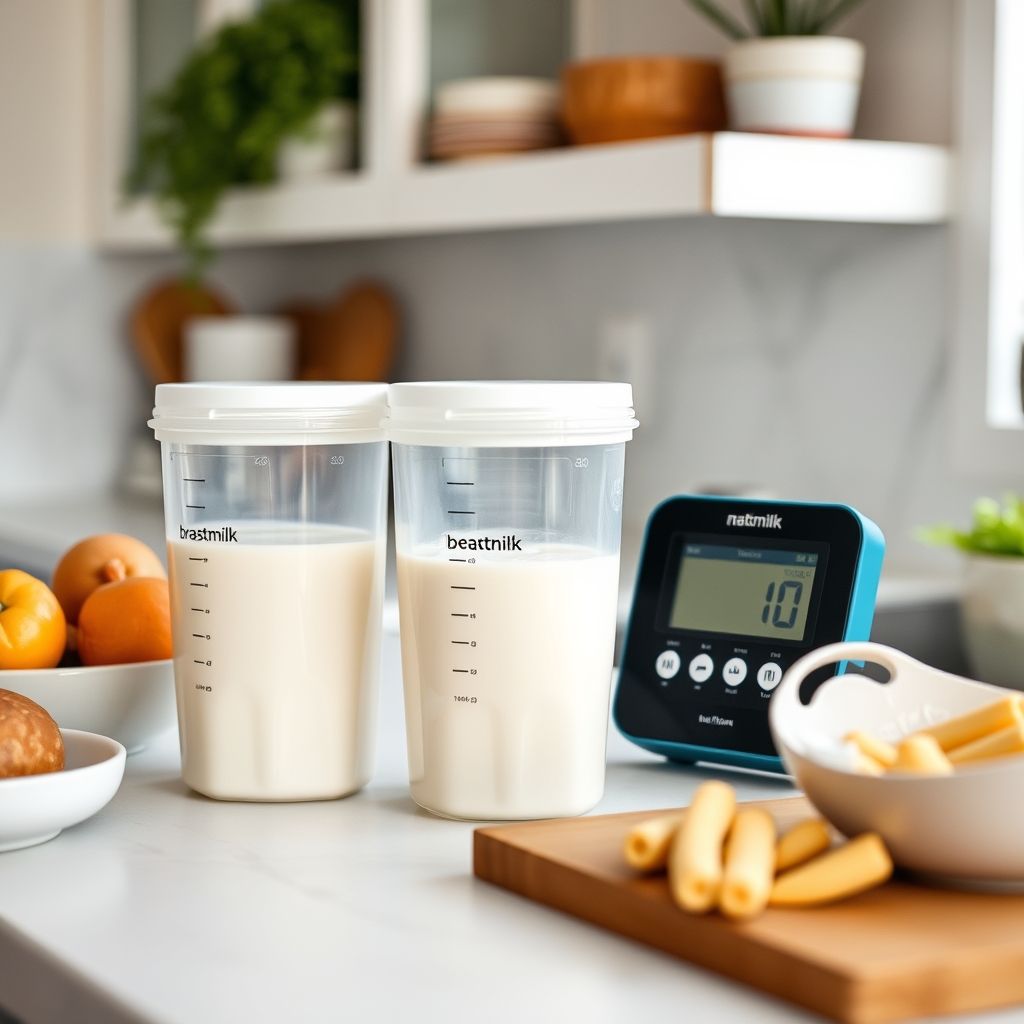
Traveling with expressed breastmilk: tips for 1‑month‑old families
Whether you’re heading to a weekend getaway or a longer road trip, keeping breastmilk safe and accessible is a top priority. The FDA outlines three main temperature zones: “cool” (≤ 4 °C), “warm” (≤ 25 °C), and “cold” (≤ ‑18 °C). For travel lasting under 24 hours, a high‑quality insulated cooler with ice packs keeps milk in the “cool” zone, preserving quality.
Plan ahead by pre‑freezing milk in 4‑ounce containers; frozen milk can be thawed in the refrigerator the night before travel, ensuring you have fresh milk ready for the first feeding. If you’ll be away for longer, consider a portable electric cooler that plugs into a car adapter—these devices maintain a steady 4 °C environment.
Don’t forget to bring a clean, dry surface for pumping, a portable hand sanitizer, and a labeled bag for any used bottles. The NHS also advises labeling each container with the date, time, and whether the milk is fresh, refrigerated, or frozen, which simplifies tracking during a busy trip.
Myths vs facts about breastmilk volume at 1 month
Myth: A 1 month old must drink exactly 3 ounces every feeding.
Fact: Intake varies widely; the goal is total daily volume and steady growth, not a strict per‑feeding amount.
Myth: Crying always means the baby is hungry.
Fact: Crying at this age can signal many needs—diaper change, overstimulation, or the need for comfort.
Myth: If you’re pumping, you must produce the exact same amount you’d feed directly.
Fact: Pumping efficiency differs from nursing; many mothers produce less milk per session but can still meet the infant’s needs by feeding more frequently.
Key takeaways
- Most 1‑month‑old babies need ≈ 20–25 oz (600–750 ml) of breastmilk daily.
- Feed 8–12 times per day; each session usually lasts 10–20 minutes per breast.
- Use wet diapers (≥ 6/day) and steady weight gain (5–7 oz/week) as primary adequacy markers.
- If you pump, aim for the same total volume; 4‑ounce bottles are ideal for most feedings.
- Common challenges—engorgement, thrush, and sleep‑related gaps—are manageable with targeted strategies.
- When traveling, keep milk in the “cool” zone with insulated containers and label everything clearly.
When to see a doctor or specialist
If you notice any of the following, contact your pediatrician promptly:
- Fewer than 4 wet diapers in 24 hours.
- Weight loss or gain less than 5 oz (140 g) in a week after the first two weeks.
- Persistent vomiting, green or bloody stools.
- Continued fussiness despite regular feeding and proper latch.
- Signs of dehydration—dry mouth, sunken fontanelle, or lethargy.
For feeding‑related concerns—such as painful latch, low milk supply, or difficulty pumping—consider consulting a certified lactation consultant or an IBCLC (International Board Certified Lactation Consultant). They can assess technique, offer hands‑on support, and suggest individualized strategies.
References
- American Academy of Pediatrics. Breastfeeding and the Use of Human Milk. Pediatrics. 2012.
- World Health Organization. Infant and Young Child Feeding: Guidelines. WHO Publication, 2021.
- Academy of Nutrition and Dietetics. Nutrition Care Manual: Breastfeeding. 2020.
- International Lactation Consultant Association. Evidence‑Based Practices for Increasing Milk Supply. 2022.
- Centers for Disease Control and Prevention. Growth Charts – United States. CDC, 2023.
- La Leche League International. Breastfeeding FAQ. 2022.
- National Institute of Child Health and Human Development. Breastfeeding and Human Milk. NIH, 2021.
- American College of Obstetricians and Gynecologists (ACOG). Breastfeeding Guidance for New Mothers. 2023.
- National Health Service (NHS). Breastfeeding and Milk Supply. UK, 2022.
- U.S. Food and Drug Administration (FDA). Guidance for the Safe Handling of Human Milk. 2022.