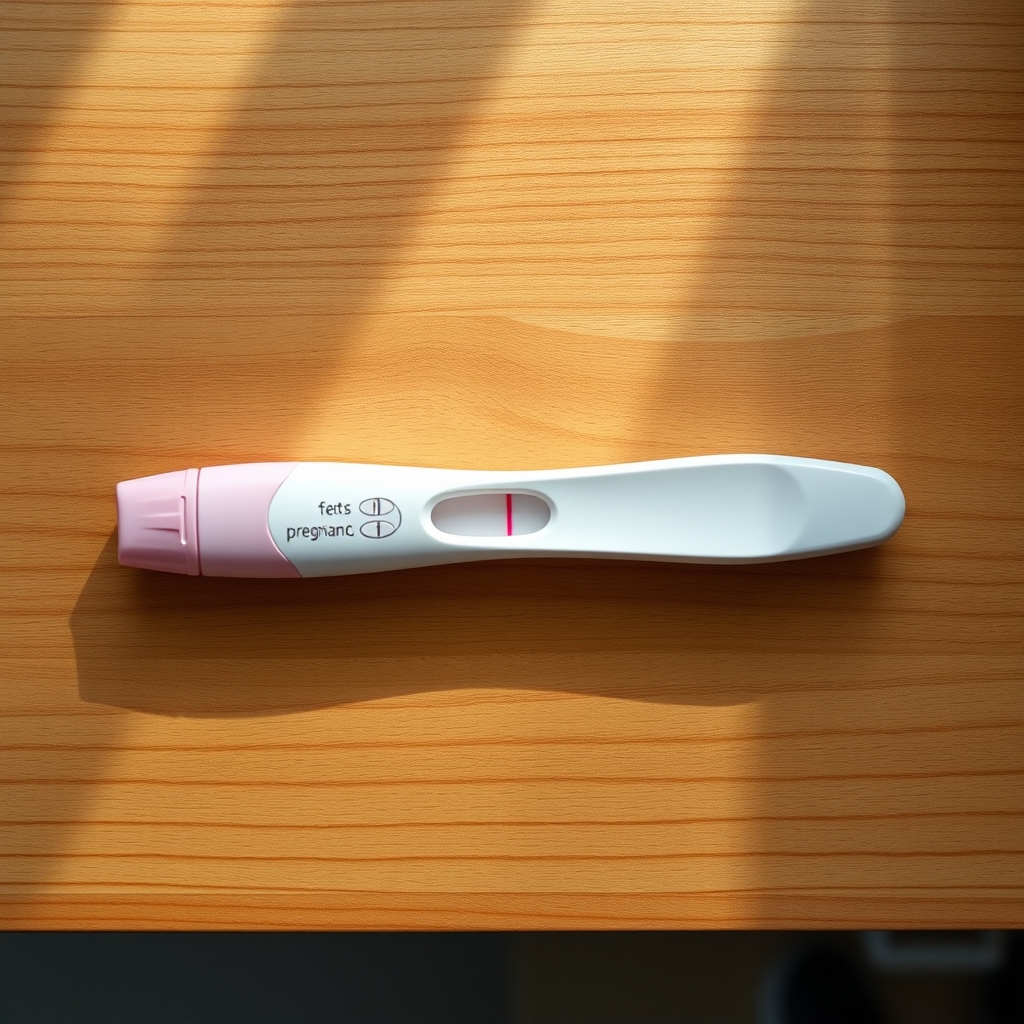
Discover how much bleeding is too much during pregnancy and what to do if you experience heavy bleeding, including when to seek medical help for your health
By Shubhra Mishra — a mom of two who turned her own confusion during pregnancy into BumpBites, a global mission to make food choices clear, safe, and stress-free for every expecting mother. 💛
Check whether any food is safe during pregnancy with the BumpBites Food Safety Checker.
Quick take: Light spotting in early pregnancy is often harmless, but any bleeding that soaks a pad, lasts more than a week, is accompanied by severe cramps, or is accompanied by dizziness or fever should prompt an immediate call to your provider. When in doubt, reach out—better safe than sorry.
It’s 2 a.m., you’ve just felt a sudden gush of pink‑red fluid while getting out of bed, and your mind races with questions: “Is this okay? Did I just ruin my pregnancy?” You’re not alone. Spotting or bleeding in the first weeks can feel terrifying, yet many pregnant people experience it without serious complications.
In this guide we break down exactly how much bleeding is too much, why the timing matters, what the warning signs are, and how doctors figure out what’s happening. We’ll also give you practical tools to track any bleeding, discuss safe foods and activities, and outline when you should call for help.
By the end you’ll know the difference between harmless spotting and a sign that needs urgent care, and you’ll have a clear plan for monitoring and talking with your provider.
What amount of bleeding during early pregnancy is considered dangerous?
Early pregnancy bleeding can range from a few drops of pink‑tinged fluid to a heavy flow that soaks a pad. The line between “normal” and “concerning” is drawn by three key factors: volume, duration, and accompanying symptoms.
Is light pink spotting normal after IVF?
After in‑vitro fertilization (IVF), many patients notice light pink or brown spotting when the embryo implants, typically 6‑12 days after transfer. This is usually harmless and often called “implantation spotting.” The American Society for Reproductive Medicine (ASRM) notes that spotting of less than a teaspoon over a few days is common and not a sign of failure.
Bleeding after a positive pregnancy test – how long is normal?
Finding a positive home pregnancy test can be a joyous moment, followed quickly by a small amount of spotting. According to the NHS, light spotting that lasts under a week and does not increase in intensity is generally considered normal. If bleeding persists beyond 10 days or becomes heavier, it warrants a check‑up.
How many days can spotting be normal in the first trimester?
Most clinicians agree that spotting for up to 2 weeks is within the normal range, especially if it’s light and intermittent. The Society of Maternal‑Fetal Medicine (SMFM) advises that spotting lasting longer than 14 days, especially if it becomes progressively heavier, should be evaluated.
Can stress cause increased bleeding in early pregnancy?
Stress itself does not directly cause bleeding, but heightened stress can lead to hormonal fluctuations that may affect the uterine lining. A review by the Mayo Clinic suggests that chronic stress may exacerbate existing conditions like cervical irritation, making bleeding more likely. Managing stress with gentle yoga, breathing exercises, or counseling can help keep the body balanced.
Can certain foods or activities increase pregnancy bleeding?
While no specific food is known to cause bleeding, some substances can irritate the cervix. Spicy foods, citrus, and very hot beverages may increase vaginal discharge, which some interpret as spotting. High‑impact activities (e.g., running, contact sports) can cause cervical trauma, leading to light bleeding. The CDC recommends low‑impact exercise, like walking or swimming, as safe during early pregnancy.
In summary, any bleeding that exceeds a light pink or brown discharge, lasts more than two weeks, or is accompanied by pain, dizziness, or fever should be discussed with your provider.
Light spotting after a positive test can feel alarming, but it’s often harmless.
How do I know when bleeding and cramping mean I should call my doctor?
Bleeding and cramping often occur together, but not all combinations signal danger. The difference lies in intensity, timing, and associated signs.
Bleeding vs. cramping – when should I call the doctor?
If you experience any of the following, call your provider right away:
Bleeding that soaks a pad in an hour (moderate to heavy flow).
Severe cramping that feels like strong menstrual cramps or pressure.
Dizziness, faintness, or a rapid heartbeat.
Fever over 38 °C (100.4 °F) or chills.
Passage of tissue or clots larger than a grape.
The American College of Obstetricians and Gynecologists (ACOG) advises that any combination of heavy bleeding and intense cramping warrants prompt evaluation, as it may indicate miscarriage, ectopic pregnancy, or placental issues.
When to go to the ER for pregnancy bleeding?
Emergency care is needed if you notice any of these red‑flag symptoms:
Sudden, profuse bleeding that doesn’t stop after 15 minutes.
Severe abdominal pain that doesn’t improve with rest.
Signs of shock: pale skin, rapid breathing, or feeling faint.
Fever with a foul‑smelling discharge, suggesting infection.
These signs may point to a ruptured ectopic pregnancy, placental abruption, or severe miscarriage—all conditions that require immediate medical attention.
What are the signs of a miscarriage?
Typical miscarriage symptoms include:
Heavy bleeding (similar to a menstrual period) that may contain clots.
Cramping that feels like menstrual cramps, often radiating to the lower back.
Passage of tissue or gray‑pink material.
Decreasing pregnancy symptoms (e.g., loss of breast tenderness).
If you notice these signs, contact your provider promptly. Early evaluation can help determine whether the pregnancy is still viable and guide any necessary care.
What are the risks and symptoms of heavy bleeding in the second trimester?
Bleeding after 13 weeks is less common but can be more serious. The uterus and placenta are more developed, so any disruption may affect fetal oxygen and nutrient delivery.
Heavy bleeding in second trimester – symptoms and risks
Key symptoms to watch for include:
Bright red bleeding that soaks a pad in under an hour.
Severe abdominal or pelvic pain, especially if sudden.
Feeling of pressure in the lower abdomen.
Decreased fetal movement.
Risks associated with second‑trimester bleeding are:
Placental abruption – the placenta separates from the uterine wall, jeopardizing fetal oxygen.
Preterm labor – bleeding can trigger uterine contractions.
Maternal anemia – significant blood loss may reduce the mother’s iron stores.
According to the Royal College of Obstetricians and Gynaecologists (RCOG), any heavy bleeding after the first trimester should prompt immediate ultrasound evaluation.
Bleeding and fetal heart rate correlation
When bleeding is severe, clinicians often assess the fetal heart rate (FHR) via Doppler or cardiotocography. A normal FHR (110‑160 bpm) suggests that the fetus is still receiving adequate oxygen. However, a decelerating or irregular FHR in the setting of bleeding can indicate fetal distress, prompting closer monitoring or possible delivery if the situation worsens.
How can I tell the difference between implantation bleeding and miscarriage bleeding?
Both implantation and miscarriage bleeding can appear as pink or brown spotting, but they differ in timing, amount, and accompanying sensations.
Difference between implantation bleeding and miscarriage bleeding
Feature
Implantation Bleeding
Miscarriage Bleeding
Timing
6‑12 days after conception, often before a positive test.
Typically after a positive test, any time in the first trimester.
Amount
Light spotting, usually less than a teaspoon over a day.
Heavier flow, may soak a pad, often accompanied by clots.
Color
Pink or brown, often fading quickly.
Bright red or dark brown, may persist.
Pain
Minimal or mild cramping.
Moderate to severe cramping, similar to menstrual cramps.
Associated symptoms
Usually no other symptoms.
Possible tissue passage, loss of early pregnancy signs.
When in doubt, especially if bleeding becomes heavier or is accompanied by pain, schedule an appointment. A simple ultrasound can differentiate between a healthy gestational sac and a potential miscarriage.
Gentle self‑care, like sipping warm tea, can help you stay relaxed during bleeding concerns.
When is bleeding a sign of an ectopic pregnancy?
An ectopic pregnancy occurs when the fertilized egg implants outside the uterine cavity, most commonly in the fallopian tube. Early bleeding can be an early warning sign.
When is bleeding a sign of ectopic pregnancy?
Key red‑flag features include:
Spotting or light bleeding that appears after a positive pregnancy test, especially if it’s accompanied by sharp, unilateral (one‑sided) pelvic pain.
Bleeding that is not associated with a menstrual cycle and occurs with a sudden increase in abdominal pain.
Symptoms of faintness, shoulder pain (referred pain from diaphragmatic irritation), or cervical motion tenderness.
The CDC states that if any of these signs appear, an urgent transvaginal ultrasound and quantitative hCG (human chorionic gonadotropin) test are needed to rule out ectopic pregnancy. Early detection is crucial because a ruptured ectopic can be life‑threatening.
What tests do doctors use to assess bleeding severity in pregnancy?
When you present with bleeding, clinicians employ a combination of imaging, laboratory, and physical examinations to determine the cause and seriousness.
What tests doctors use to assess bleeding severity in pregnancy?
Transvaginal ultrasound – Provides a clear view of the gestational sac, fetal heartbeat, and placental location. It’s the first‑line tool recommended by ACOG for any bleeding after 6 weeks.
Quantitative hCG blood test – Measures the level of hCG. In a normal early pregnancy, hCG roughly doubles every 48‑72 hours. Slower rise may indicate a non‑viable pregnancy or ectopic.
Complete blood count (CBC) – Checks for anemia from blood loss.
Blood type and Rh factor – Determines if you need Rh immunoglobulin (RhoGAM) after any bleeding to prevent hemolytic disease in future pregnancies.
Physical pelvic exam – Assesses cervical sensitivity, uterine size, and any visible tissue.
Fetal heart rate monitoring – Via Doppler or cardiotocography, especially if bleeding is heavy.
The NHS and NICE guidelines endorse this combination to differentiate between benign spotting, miscarriage, ectopic pregnancy, and placental problems.
How can I safely track bleeding amount and frequency, and what medications are safe?
Keeping a simple, consistent record helps your provider see patterns and decide if further evaluation is needed.
How to track bleeding amount and frequency during pregnancy
Use a notebook, a phone app, or a printable chart. Record the following each time you notice bleeding:
Date and time.
Color (pink, red, brown).
Amount (a few drops, light spotting, moderate flow, heavy flow).
Associated symptoms (cramping, dizziness, fever).
Any recent activities (exercise, intercourse, pelvic exam).
Over a week, look for trends. Spotting that remains light and intermittent is usually benign, while a progressive increase in flow or pain warrants a call.
What medications are safe for bleeding in pregnancy?
Most over‑the‑counter remedies are discouraged because they can affect uterine blood flow. The FDA and ACOG recommend:
Acetaminophen (Tylenol) – Safe for mild pain or fever.
Prenatal vitamins with iron – Helps prevent anemia if you’re losing blood.
Progesterone supplementation – May be prescribed in cases of threatened miscarriage, but only under medical supervision.
Avoid non‑steroidal anti‑inflammatory drugs (NSAIDs) like ibuprofen and aspirin unless specifically directed, as they can increase bleeding risk and affect fetal circulation.
Managing bleeding: lifestyle, foods, activity, and when to seek care
While you can’t control every cause of bleeding, certain habits can reduce irritation and promote overall health.
Can certain foods cause bleeding in pregnancy?
There is no direct link between specific foods and bleeding, but diets high in processed sugars and low in iron can exacerbate anemia, making any bleeding feel worse. The WHO recommends a balanced diet rich in leafy greens, lean protein, and whole grains to maintain adequate hemoglobin levels.
How does activity influence bleeding?
Low‑impact exercise (walking, prenatal yoga, swimming) is generally safe and can improve circulation. High‑impact or contact sports may cause cervical trauma, leading to spotting. The NHS advises avoiding activities that involve heavy lifting or sudden twists during the first trimester.
When should I call my doctor about bleeding in pregnancy?
In addition to the red‑flag symptoms listed earlier, contact your provider if:
Bleeding persists beyond 2 weeks.
Bleeding becomes heavier or changes color suddenly.
You notice clots larger than a grape.
You develop a fever, foul discharge, or severe abdominal pain.
Prompt communication helps rule out complications early and reduces anxiety.
From our medical team: Light spotting early on is often nothing to worry about, but never ignore a change in your bleeding pattern. Keep a simple log, stay hydrated, and lean on your support system. If anything feels off—especially heavy flow, sharp pain, or signs of infection—reach out right away. Your provider can use an ultrasound and hCG test to give you the clarity you need.
Myth vs. fact
Myth: Any bleeding means you’re going to miscarry. Fact: Up to 25 % of pregnant people experience spotting in the first trimester, and most continue to have healthy pregnancies.
Myth: You must stop all physical activity if you notice any spotting. Fact: Gentle, low‑impact exercise is usually safe; only high‑impact or contact activities should be avoided until a provider evaluates the cause.
Myth: Over‑the‑counter pain relievers are always dangerous in pregnancy. Fact: Acetaminophen is considered safe for mild pain, while NSAIDs should be avoided unless prescribed.
Key takeaways
Light pink or brown spotting in the first weeks is often normal; heavy, persistent bleeding needs medical review.
Track bleeding with date, color, amount, and symptoms—this log guides your provider.
Call your doctor promptly for heavy flow, severe cramps, dizziness, fever, or tissue passage.
Ultrasound, hCG levels, and a CBC are the primary tools clinicians use to assess bleeding.
Maintain a balanced diet, stay hydrated, and choose low‑impact activity to support uterine health.
Never self‑medicate with NSAIDs; acetaminophen is the safest over‑the‑counter pain reliever.
Frequently asked questions
How much bleeding is normal during the first trimester?
Spotting that is light (a few drops), pink or brown, and lasts less than two weeks is generally considered normal; any bleeding that soaks a pad or is accompanied by severe pain should be evaluated.
Can spotting be a sign of a healthy pregnancy?
Yes—implantation bleeding is a common, harmless sign that the embryo is embedding in the uterine lining, and many healthy pregnancies begin with light spotting.
What are the signs of a miscarriage?
Typical signs include heavy bleeding, passing clots or tissue, strong cramping, and a sudden loss of early pregnancy symptoms such as breast tenderness.
When should I call my doctor about bleeding in pregnancy?
Call if bleeding is heavy, lasts more than two weeks, is accompanied by severe cramps, dizziness, fever, or if you notice tissue passage; these can indicate miscarriage, ectopic pregnancy, or placental issues.
Is it safe to have sex if I'm bleeding during pregnancy?
Gentle, protected intercourse is usually safe when bleeding is light, but if bleeding is heavy or you have a known placental issue, your provider may advise abstaining until the cause is clarified.
Can certain foods cause bleeding in pregnancy?
No single food causes bleeding, but a diet low in iron can worsen anemia from any bleeding; aim for iron‑rich foods like leafy greens, beans, and lean meat, and discuss supplements with your provider.
When to call your doctor
If you experience any of the following, seek medical attention promptly: heavy bleeding that soaks a pad within an hour, severe or sudden abdominal pain, dizziness or faintness, fever over 38 °C, passage of large clots or tissue, or signs of infection such as foul‑smelling discharge. This information is for educational purposes only and does not replace personalized medical advice. Always consult your own healthcare provider for concerns specific to you.
References
American College of Obstetricians and Gynecologists (ACOG). “Early Pregnancy Bleeding.” Clinical Guidance, 2023.
National Health Service (NHS). “Spotting in early pregnancy.” Patient Information, 2022.
Centers for Disease Control and Prevention (CDC). “Ectopic Pregnancy.” Fact Sheet, 2023.
World Health Organization (WHO). “Maternal Nutrition Guidelines.” 2022.
Mayo Clinic. “Stress and pregnancy.” Health Article, 2023.
Royal College of Obstetricians and Gynaecologists (RCOG). “Bleeding in the second trimester.” Clinical Protocol, 2023.
American Society for Reproductive Medicine (ASRM). “Implantation Bleeding after IVF.” Position Statement, 2022.
National Institute for Health and Care Excellence (NICE). “Bleeding in pregnancy: assessment and management.” NG123, 2023.
Food and Drug Administration (FDA). “Acetaminophen Use in Pregnancy.” Drug Safety Communication, 2022.
Society for Maternal-Fetal Medicine (SMFM). “Guidelines for First Trimester Bleeding.” Consensus Statement, 2023.
Not sure about the label on How Much Bleeding Is Too Much Pregnancy products?
Snap the ingredients list and SafeFilter checks every ingredient for your stage — only 3 free scans this month, then you're locked until reset. Unlimited from $7/mo or $50/yr.
When Shubhra Mishra was expecting her first child in 2016, she was overwhelmed by conflicting food advice — one site said yes, another said never. By the time her second baby arrived in 2019, she realized millions of mothers face the same confusion.
That sparked a five-year journey through clinical nutrition papers, cultural diets, and expert conversations — all leading to BumpBites: a calm, compassionate space where science meets everyday motherhood.
Her long-term vision is to build a global community ensuring safe, supported, and free deliveriesfor every mother — because no woman should face pregnancy alone or uninformed. 🌿
🌍 Stand with mothers, shape safer guidance
Join a small circle of experts who review BumpBites articles so expecting parents everywhere can decide with confidence.