Acetaminophen’s effect peaks in about 30‑60 minutes and usually lasts 4‑6 hours. The AAP advises a minimum interval of 4 hours between doses. Most infants can receive up to 5 doses in a 24‑hour window, but you must stay within the total daily limit of 75 mg/kg.
Here’s a simple schedule you can visualize: if you give a dose at 8 a.m., the next safe dose would be at 12 p.m., then 4 p.m., 8 p.m., and finally 12 a.m. (midnight). If you miss a dose, do not double‑up the next one; instead, continue with the regular interval.
Because fevers can wax and wane, it’s common for parents to wonder whether they can “catch up” after a night of missed doses. The answer is no—doubling up increases the risk of overdose without improving fever control. Stick to the 4‑hour spacing, even if the fever seems to linger.
For babies under 2 months, the frequency rule still applies, but most clinicians recommend limiting doses to every 6 hours and only using Tylenol when a pediatrician explicitly says it’s needed.
Keep a written log or a simple checklist on your fridge. Noting the time and amount of each dose helps you avoid accidental repeats, especially during night‑time awakenings when sleep‑deprived parents may lose track of timing.
Can I give Tylenol to a newborn under 2 months?
The short answer: only if a health professional tells you to. The AAP cautions against routine use of acetaminophen in infants younger than 2 months because their liver enzymes are still maturing, making them more vulnerable to toxicity.
If your newborn has a fever above 38 °C (100.4 °F) or appears unusually irritable, contact your pediatrician immediately. In many cases, doctors will first look for an underlying infection and may advise close monitoring rather than immediate medication.
When a pediatrician does prescribe Tylenol for a newborn, the dose is typically at the lower end of the range (10 mg/kg) and spaced at least 6 hours apart. The medication should be administered using the syringe that comes with the bottle to avoid dosing errors.
Never give over‑the‑counter infant Tylenol to a newborn without a clear directive from a clinician, and always double‑check the concentration on the label—some liquid preparations meant for children contain 160 mg per 5 mL, while others for infants are 80 mg per 5 mL.
The NHS also advises that any medication given to a newborn under two months should be documented in the baby’s health record, reinforcing the importance of a clear, written plan between you and your healthcare team.
What are the signs of Tylenol overdose in babies?
Acetaminophen overdose can be silent at first. Early symptoms may include:
- Persistent vomiting (especially if it’s not food‑related)
- Loss of appetite or refusing to feed
- Extreme drowsiness or difficulty waking
- Yellowing of the skin or eyes (jaundice)
- Abdominal pain or swelling
These signs usually appear 24‑48 hours after an excessive dose, but liver damage can begin earlier. If you notice any of these symptoms, call your pediatrician or go to the nearest emergency department right away. The FDA emphasizes that acetaminophen toxicity is a medical emergency.
When in doubt, the safest move is to call Poison Control at 1‑800‑222‑1222 (U.S.) or your local emergency number. Have the bottle handy, and be ready to share the amount you gave, the infant’s weight, and the time of administration.
In the United Kingdom, the NHS recommends contacting NHS 111 or your local emergency services if you suspect an overdose. Prompt medical assessment can include blood tests for liver function and, if needed, the antidote N‑acetylcysteine (NAC), which is most effective when given early.
Is it safe to combine baby Tylenol with ibuprofen?
Yes—when used correctly, alternating acetaminophen and ibuprofen can provide more consistent fever control and pain relief. The key is to keep the dosing schedules separate: give Tylenol, then wait at least 3 hours before offering ibuprofen, and maintain each drug’s own maximum daily limit.
Both the AAP and the American Academy of Pediatrics (AAP) suggest that alternating is safe for infants older than 6 months, provided the infant’s weight meets the minimum dosing requirements for ibuprofen (typically 5 kg). For babies under 6 months, ibuprofen is generally not recommended.
Never give both medications at the same exact time. A practical routine could be: Tylenol at 8 a.m., ibuprofen at 11 a.m., Tylenol again at 2 p.m., and so on. This alternating pattern reduces the total exposure to each drug while keeping the fever under control.
Parents often wonder whether alternating increases the risk of side effects. Studies cited by the AAP indicate that when each medication stays within its recommended dose, the safety profile remains similar to using either drug alone. However, always discuss your plan with a pediatrician, especially if your child has underlying health conditions.
How long does baby Tylenol stay in a baby’s system?
Acetaminophen has a half‑life of roughly 2‑4 hours in infants, meaning the amount in the bloodstream halves every few hours. After about 5‑6 half‑lives (≈12‑24 hours), the drug is essentially eliminated.
Because the liver of a newborn processes acetaminophen more slowly, the half‑life can extend up to 6‑8 hours in the youngest infants. This slower clearance is why the dosing interval for newborns is often set at 6 hours instead of the standard 4‑hour window for older babies.
Understanding the elimination timeline helps you plan dosing intervals and reassures you that a missed dose does not linger dangerously in the system. However, if you suspect an overdose, the drug’s presence in the bloodstream can still be high enough to cause liver injury, underscoring the importance of prompt medical evaluation.
For parents who are also breastfeeding, the FDA notes that only trace amounts of acetaminophen pass into breast milk, and these levels are considered safe. Nonetheless, always inform your pediatrician if you are taking any medication while caring for a newborn.
What are the differences between infant Tylenol liquid and chewable tablets?
Both forms contain the same active ingredient—acetaminophen—but they differ in concentration, ease of administration, and age suitability.
Liquid formulations are preferred for newborns and younger infants because they allow precise dosing with the supplied syringe. Chewable tablets become an option once the baby can reliably chew or dissolve the tablet, typically after 12 months. Some parents transition to chewables for convenience, but they must still calculate the correct milligram amount based on the child’s weight.
Another difference is potency: a single 80‑mg chewable tablet may be too strong for a small infant, whereas the liquid’s concentration can be titrated down to a few milliliters, delivering the exact dose needed.
When switching from liquid to chewable, the American Academy of Pediatrics advises a “dose‑by‑dose” approach—use the same milligram calculation you used for the liquid, then select the number of tablets that most closely matches that amount. This prevents inadvertent overdosing.
How to measure baby Tylenol dosage accurately with a syringe?
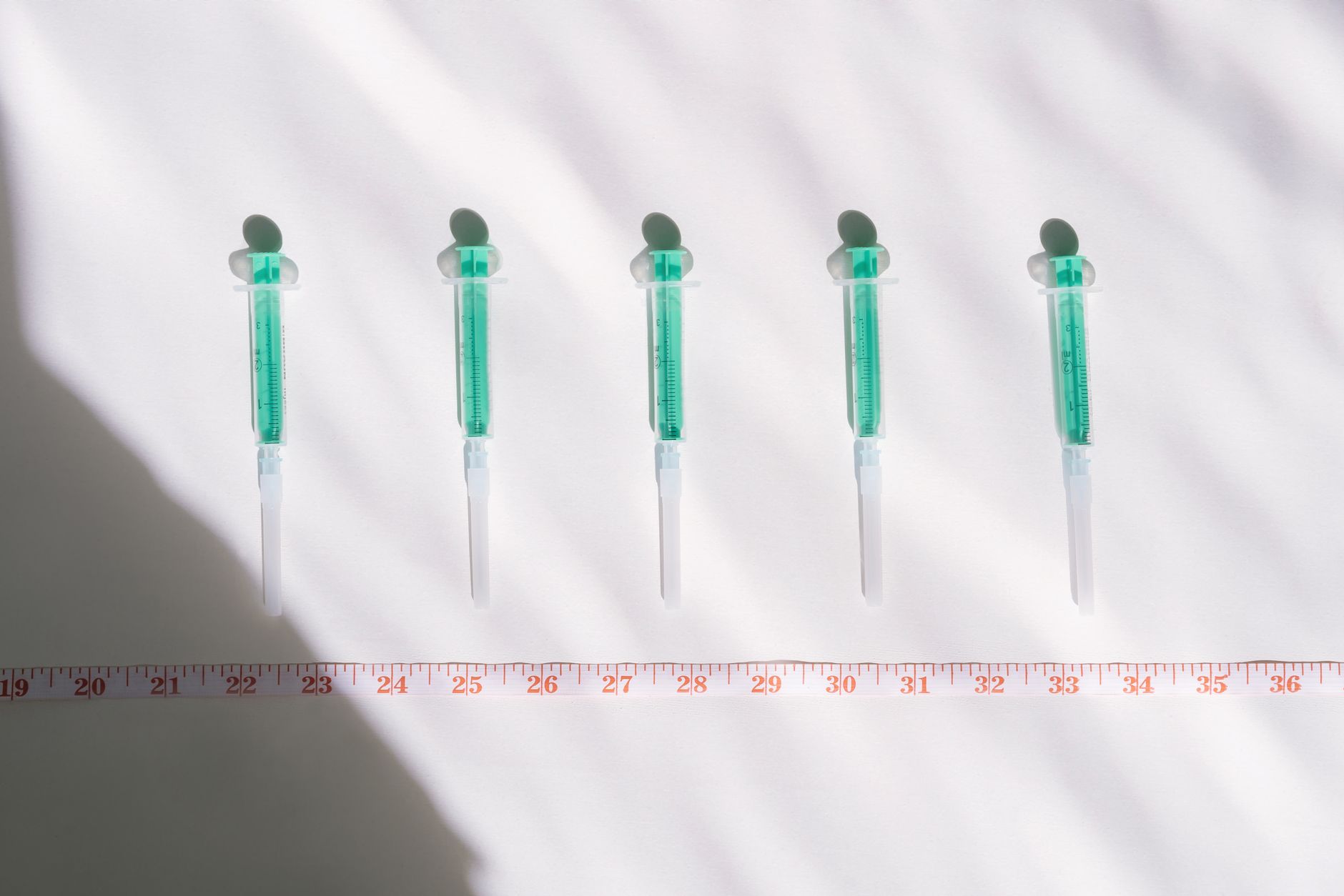
Accuracy starts with the right tool. Infant Tylenol bottles include a calibrated oral syringe—usually 0.5 mL or 1 mL. Never substitute a kitchen spoon or a dropper, as those can vary by 20‑30 %.
Follow these steps:
- Wash your hands thoroughly and dry them.
- Shake the bottle gently to ensure the medication is evenly mixed.
- Pull the syringe plunger back to the “zero” mark.
- Insert the tip into the bottle, tilt it slightly, and draw the required volume up to the exact line (e.g., 1.5 mL).
- Check for air bubbles; tap the syringe gently and push the plunger to expel any bubbles.
- Administer the dose slowly into the side of the baby’s mouth, aiming between the gums and cheek.
- After use, place the syringe on a clean surface, wipe the tip, and store it with the bottle.
If you need a dose that falls between the marked increments (for example, 1.3 mL), round to the nearest 0.5 mL for safety, unless your pediatrician advises otherwise. Consistent practice with the syringe builds confidence and reduces the chance of accidental over‑ or under‑dosing.
Some parents find it helpful to pre‑measure the dose into a small, labeled cup before the night‑time routine. This way, the syringe stays clean, and you avoid the temptation to “add a little more” if the baby seems fussy.
Alternatives to Tylenol for infant pain relief and safe storage tips
If you prefer to avoid acetaminophen or need a backup option, consider these evidence‑based alternatives:
- Cool compress: A soft, cool (not cold) cloth placed on the forehead can help lower temperature without medication.
- Proper hydration: Offering breast milk or formula more frequently helps the body regulate heat.
- Gentle rocking or swaddling: Comfort measures can reduce irritability linked to fever.
These methods do not replace medication when a fever is high or pain is severe, but they can complement Tylenol and sometimes reduce the number of doses needed.
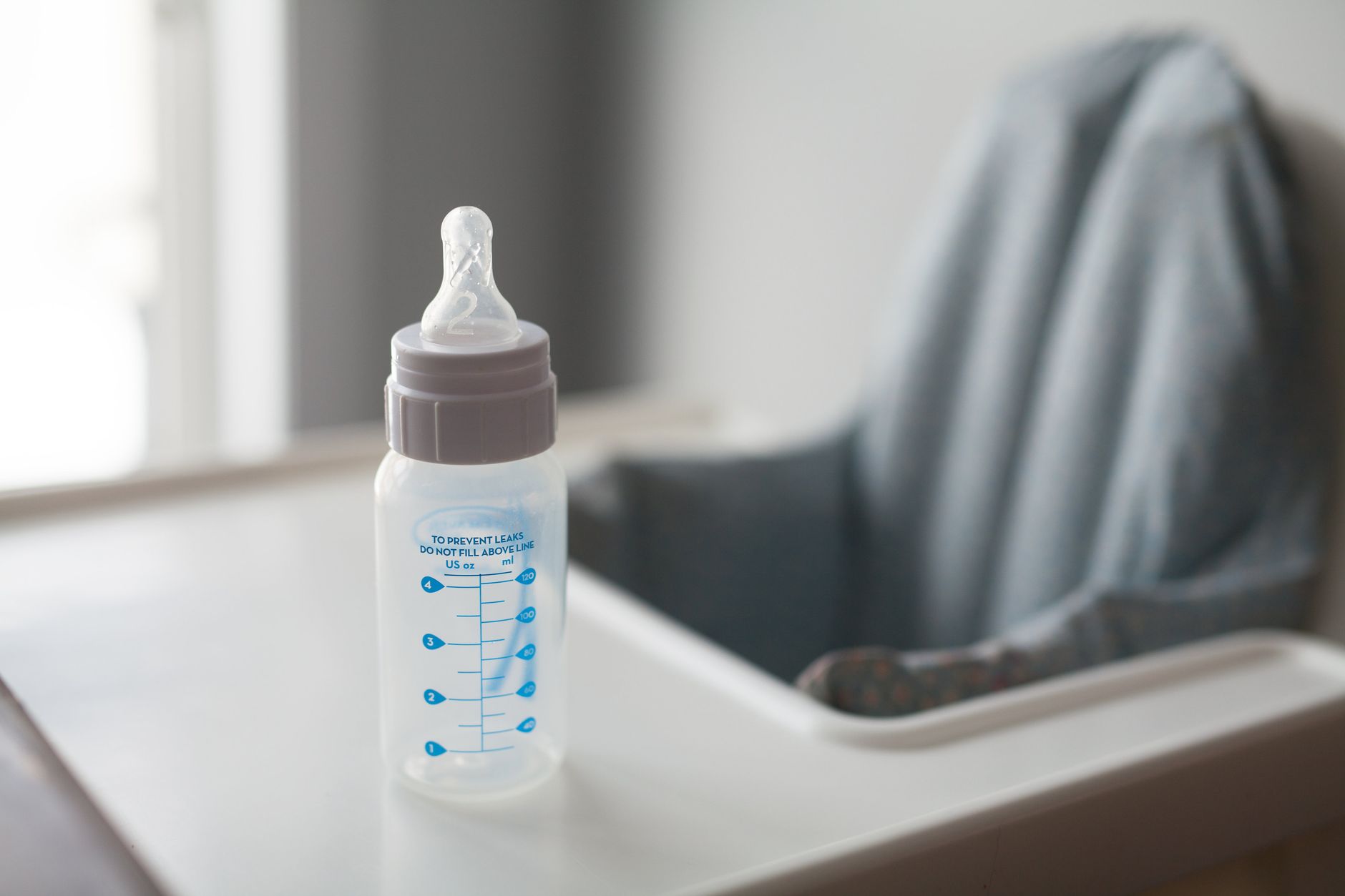
When it comes to storage, keep the bottle out of reach of children, preferably in a high cabinet or a locked drawer. The FDA recommends storing liquid acetaminophen at room temperature, away from direct sunlight, and discarding any opened bottle after 30 days, even if there’s still liquid left. The calibrated syringe should be kept attached to the bottle or in a clean, dry container to prevent contamination.
For families who travel frequently, the FDA also suggests using a small, travel‑size bottle with a separate calibrated syringe. This reduces the risk of spilling or misplacing the dosing tool while on the go.
Understanding infant fever: when is medication needed?
Fever in infants is a natural immune response, but it can also be a sign of a more serious infection. The AAP defines a fever as a rectal temperature of 38 °C (100.4 °F) or higher. In babies younger than 3 months, any fever warrants a prompt call to a pediatrician because infections such as meningitis can present subtly.
When a fever is low‑grade (under 38.5 °C) and the baby is otherwise feeding, drinking, and alert, many clinicians recommend “watchful waiting” for the first 24 hours. Comfort measures—like the ones listed above—can be enough. If the fever persists, rises above 38.5 °C, or is accompanied by symptoms such as irritability, poor feeding, or a rash, medication like Tylenol becomes appropriate.
Remember that the goal of giving Tylenol is to improve comfort, not necessarily to normalize temperature. A child who feels better can rest and recover more effectively. Always discuss persistent fevers with your pediatrician, especially if they last more than 48 hours despite treatment.
How to handle missed or extra doses safely
Life with a newborn is chaotic, and it’s easy to lose track of dosing times. If you realize you missed a scheduled dose, do not give a “catch‑up” dose. Instead, wait until the next appropriate interval and resume the regular schedule. Giving a double dose can push the total daily amount over the safe limit and increase the risk of liver injury.
Conversely, if you suspect you may have given an extra dose, monitor your baby closely for early signs of overdose (vomiting, lethargy, jaundice). If any red‑flag symptoms appear, call Poison Control or your pediatrician immediately. In many cases, a single extra dose does not cause serious harm, but professional guidance is essential.
Keeping a dosing log—either on paper or a smartphone app—helps you track timing and amount. Some parents find the “medication reminder” feature on their phone useful for establishing a consistent routine, especially during night‑time feedings.
Myth vs. fact
Myth: Giving more Tylenol will bring a fever down faster.
Fact: Acetaminophen reduces fever but does not cure the underlying cause. Over‑dosing does not speed recovery and can harm the liver.
Myth: All acetaminophen products have the same strength.
Fact: Infant liquid (160 mg/5 mL) and children’s liquid (160 mg/5 mL) have the same concentration, but chewable tablets vary widely. Always check the label.
Myth: If a baby vomits after a dose, you should give another dose immediately.
Fact: Vomiting can be a sign of overdose or intolerance. Wait at least 4 hours and consult your pediatrician before redosing.
Key takeaways
- Standard infant Tylenol dose: 10‑15 mg/kg every 4‑6 hours, max 75 mg/kg per 24 hours.
- Use the calibrated syringe that comes with the bottle; never guess with kitchen utensils.
- Newborns under 2 months need a doctor’s explicit order before receiving Tylenol.
- Watch for overdose signs: vomiting, lethargy, jaundice, or abdominal pain.
- Alternating with ibuprofen is safe after 6 months, but keep dosing intervals separate.
- Store medication out of reach, discard after 30 days, and keep the syringe clean.
- Document each dose and consider a dosing log to avoid missed or extra doses.
- Comfort measures can reduce the need for medication in low‑grade fevers.
Frequently asked questions
How many milligrams of Tylenol can a baby take per day?
The absolute ceiling is 75 mg per kilogram of body weight in a 24‑hour period. For a 4‑kg infant, that equals 300 mg total, which is about 9 mL of the standard 160 mg/5 mL liquid.
Can I give Tylenol to a baby who is less than 2 months old?
Only if a pediatrician advises it. Routine use in infants under 2 months is discouraged because their liver is still developing.
What are the symptoms of an acetaminophen overdose in infants?
Early signs include persistent vomiting, loss of appetite, and unusual sleepiness. Later, you may notice yellowing of the skin or eyes (jaundice) and abdominal pain. Any of these warrant immediate medical attention.
Is it safe to give baby Tylenol and ibuprofen together?
Yes, as long as you keep the dosing schedules separate (at least 3 hours apart) and stay within each drug’s maximum daily limit. Alternating can provide better fever control for infants older than 6 months.
How often can I administer baby Tylenol for a fever?
Every 4‑6 hours, with a maximum of 5 doses in 24 hours. Do not exceed 75 mg/kg total per day.
What should I do if I accidentally give my baby too much Tylenol?
Call Poison Control (1‑800‑222‑1222 in the U.S.) or your pediatrician immediately. Provide the infant’s weight, the amount given, and the time of administration. Do not wait for symptoms to appear.
When is it appropriate to use non‑medication methods for a fever?
For low‑grade fevers (<38.5 °C) in a feeding, alert baby, comfort measures—such as a cool compress, extra fluids, and gentle rocking—are often sufficient. If the fever persists or rises, medication becomes appropriate.
Can I give a dose that isn’t a whole number on the syringe?
Yes. The calibrated syringe is designed for precise measurements, including half‑milliliter increments. If you need 1.3 mL, draw to the nearest 0.5 mL mark (1.5 mL) and discuss any rounding with your pediatrician.
When to see a doctor
If you notice any of the following red‑flag symptoms after giving Tylenol, seek medical care right away:
- Persistent vomiting that does not improve after 2 hours
- Unusual drowsiness, difficulty waking, or limpness
- Yellowing of the skin or eyes (jaundice)
- Abdominal swelling or pain
- Fever that stays above 38.5 °C (101.3 °F) for more than 24 hours despite medication
Contact your pediatrician or go to the nearest emergency department. For overdose concerns, the appropriate specialist is a pediatrician or a pediatric hepatologist.
References
- American Academy of Pediatrics. “Acetaminophen Use in Infants and Children.” AAP Clinical Report, 2023.
- U.S. Food and Drug Administration. “Acetaminophen (Tylenol) Over-the-Counter Drug Facts.” FDA, 2022.
- World Health Organization. “Guidelines for the Management of Fever in Children.” WHO, 2021.
- National Institutes of Health. “Acetaminophen Toxicity.” NIH, 2023.
- American Academy of Pediatrics. “Ibuprofen Use in Children and Infants.” AAP, 2022.
- National Health Service (NHS). “Fever in under‑2‑year‑olds.” NHS, 2022.
- American College of Obstetricians and Gynecologists (ACOG). “Medication Use During Breastfeeding.” ACOG, 2021.