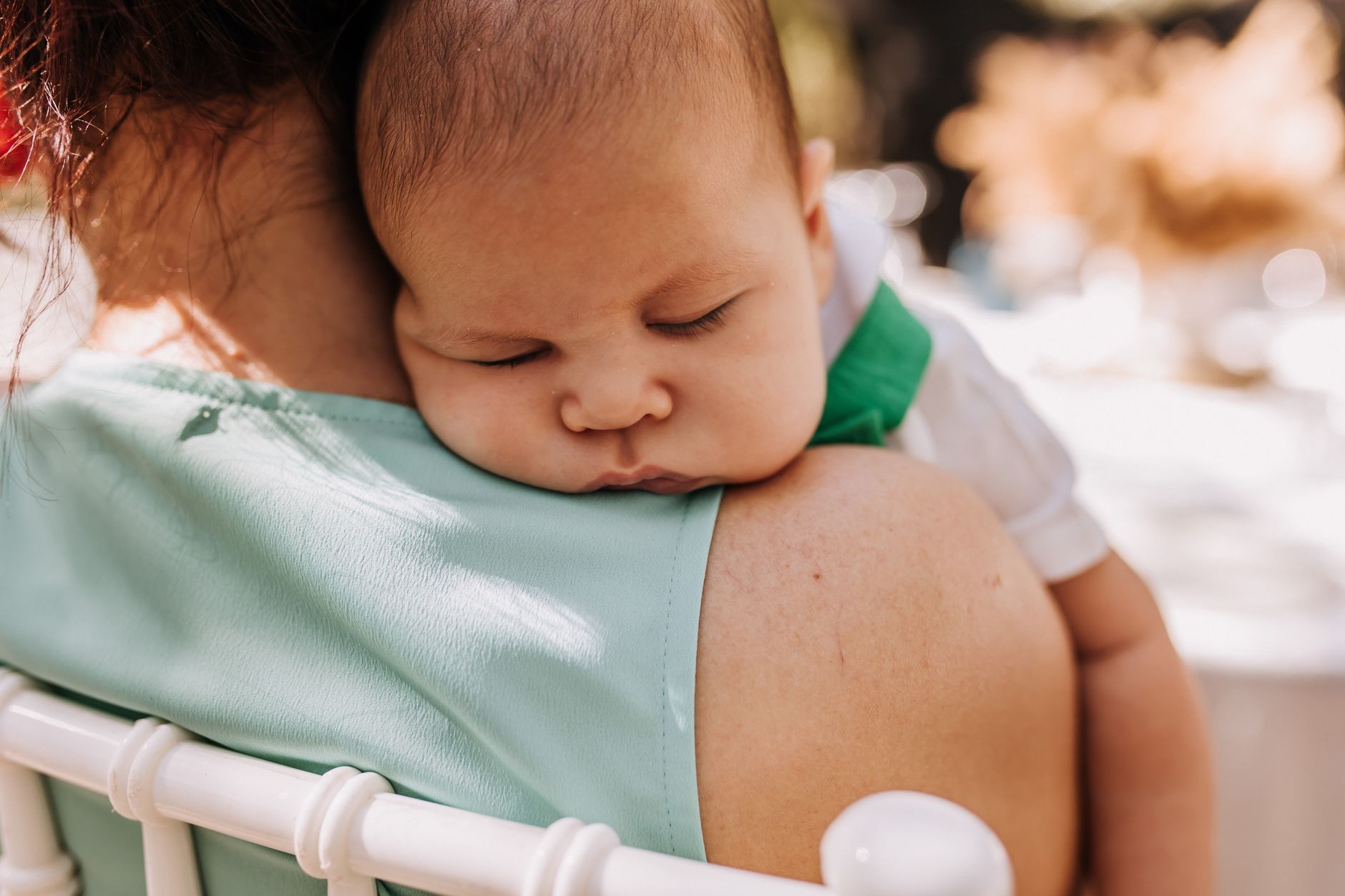
Wondering how much baby gripe water your little one can have? Always follow the specific product's instructions, typically 2.5-5ml for infants, 3-4 times daily. Consult your pediatrician for personalized advice on safe and effective use.
By Shubhra Mishra — a mom of two who turned her own confusion during pregnancy into BumpBites, a global mission to make food choices clear, safe, and stress-free for every expecting mother. 💛
Check whether any food is safe during pregnancy with the BumpBites Food Safety Checker.
Quick take: Gripe water is an herbal remedy often used for infant gas and colic, but its effectiveness isn't scientifically proven, and it's not recommended for babies under one month old due to safety concerns and potential for interfering with feeding. Always follow the specific product's dosage instructions, typically found on the label, and consult your pediatrician before introducing any new supplement to your baby. Overdosing can lead to side effects like constipation or vomiting.
That piercing cry at 2 AM, the inconsolable fussing after a feeding, the tiny face contorted in discomfort — if you're a parent, you know the feeling. When your baby is struggling with gas, colic, or hiccups, you'll try almost anything to bring them relief. For generations, gripe water has been a go-to remedy, passed down through families and widely available in pharmacies. But with so many options and so much conflicting advice, it's natural to wonder: Is it safe? How much can my baby actually have?
We understand that feeling of wanting to do everything right for your little one. The good news is that when used appropriately, gripe water can offer temporary relief for some babies. However, it's crucial to understand what gripe water is, its ingredients, and most importantly, the correct dosages and safety precautions. In this comprehensive guide, we'll break down everything you need to know about giving gripe water to your baby, from specific age guidelines to potential side effects and when it's time to call your pediatrician.
Our goal is to provide clear, evidence-based information so you can make confident, informed decisions for your baby's comfort and well-being. Let's dive in.
What is Gripe Water, and What's Inside?
Gripe water is a liquid herbal supplement traditionally used to ease various infant discomforts, primarily gas, colic, and hiccups. Its origins trace back to the mid-19th century in England, where it was first formulated to treat "fen fever" in infants. Over time, its use evolved to target digestive issues.
While the exact formulation can vary between brands, most modern gripe waters contain a combination of water, sodium bicarbonate (baking soda), and a blend of herbal extracts. Common herbs include:
Fennel: Often used to relax the digestive tract and reduce gas.
Ginger: Known for its anti-nausea and digestive properties.
Chamomile: A mild sedative, often used to promote relaxation and sleep.
Licorice: Sometimes included for its anti-inflammatory effects.
Dill: Another herb traditionally used to aid digestion and reduce flatulence.
Some gripe water brands also contain sweeteners like agave syrup or sugar, which can be a concern for infant dental health and blood sugar regulation. Other variations might include activated charcoal or simethicone, though these are less common in traditional gripe water formulas. It's always essential to carefully read the ingredient list on any product you consider, especially if your baby has known allergies or sensitivities. The inclusion of sodium bicarbonate, while intended to neutralize stomach acid, can be problematic in larger doses or for very young infants, as their digestive systems are still developing.
It's important to note that while many parents swear by gripe water, scientific evidence supporting its effectiveness is limited. Many pediatricians consider it more of a traditional remedy than a medically proven treatment. The American Academy of Pediatrics (AAP) generally advises caution with herbal supplements for infants due to a lack of rigorous safety and efficacy studies.
Finding ways to soothe a fussy baby is a common parental challenge.
How Much Gripe Water Can a Newborn Have?
This is a critical question, and the answer is generally restrictive: **most commercial gripe water brands are not recommended for newborns under one month of age.** The primary reason for this caution is the immaturity of a newborn's digestive system. Their tiny stomachs and developing gut flora are sensitive, and introducing foreign substances, especially those with herbal extracts and sodium bicarbonate, can potentially do more harm than good.
For babies under one month, the focus should almost exclusively be on breast milk or formula. These provide all the necessary nutrients and are specifically designed for their delicate systems. Introducing gripe water too early could:
Interfere with feeding: A newborn's stomach capacity is very small. Giving gripe water can fill them up, reducing their intake of vital breast milk or formula.
Cause digestive upset: The ingredients, particularly sodium bicarbonate, might disrupt the pH balance in their tiny tummies or exacerbate gas instead of relieving it.
Mask underlying issues: Persistent crying, gas, or fussiness in a newborn could be a symptom of an underlying medical condition that needs a doctor's attention. Giving gripe water might temporarily mask these symptoms, delaying a proper diagnosis.
Always check the product label for specific age recommendations. Many brands clearly state "not for infants under 1 month" or "consult your pediatrician for use under 1 month." If your newborn is experiencing severe discomfort, the best course of action is always to contact your pediatrician immediately. They can rule out serious issues and recommend safe, age-appropriate strategies for relief.
What is the Recommended Gripe Water Dosage for Babies?
The recommended dosage of gripe water for babies varies significantly by brand and by your baby's age and weight. There isn't a universal standard dose, which underscores the importance of reading the label carefully for the specific product you are using. Generally, dosages are measured in milliliters (mL) and given with a dropper or oral syringe, often included with the product.
It's crucial to understand that more isn't necessarily better. Exceeding the recommended dose can lead to potential side effects, which we'll discuss in detail later. When you're standing in the pharmacy aisle, feeling overwhelmed, remember that the instructions on the box are your best guide. If in doubt, always err on the side of caution and give a smaller dose, or better yet, consult your pediatrician.
Here's a general guideline based on common product recommendations, but **this table is for informational purposes only and does not replace the specific instructions on your chosen gripe water product or the advice of your healthcare provider.**
Baby's Age
Typical Single Dose (approx.)
Maximum Doses Per 24 Hours (approx.)
Key Considerations
Under 1 month
Not recommended
Not recommended
Avoid unless specifically advised by a pediatrician; risk of interfering with feeding and digestive upset.
1 to 6 months
2.5 mL (½ teaspoon)
6 doses
Start with a smaller dose to assess reaction; observe for any adverse effects.
6 months to 1 year
5 mL (1 teaspoon)
6 doses
Can be given as needed, but do not exceed daily maximum.
Over 1 year
5-10 mL (1-2 teaspoons)
6 doses
Follow product-specific instructions; consult pediatrician for persistent issues.
Always use the dosing device provided with the gripe water to ensure accuracy. Avoid using kitchen spoons, which can vary widely in volume. Administer the gripe water slowly, allowing your baby to swallow comfortably, to prevent choking.
Can You Give Gripe Water to a 2-Week-Old Baby?
Drawing from the general guidelines, the answer is usually **no, you should not give gripe water to a 2-week-old baby.** As mentioned, most gripe water manufacturers explicitly state that their products are not intended for infants younger than one month (or sometimes even older, like 4 weeks). This age restriction is a critical safety measure.
A 2-week-old baby is still in the very early stages of development. Their digestive system is incredibly fragile, primarily designed to process breast milk or formula. Introducing any herbal remedy or supplement at this stage carries a higher risk of adverse reactions. The ingredients in gripe water, even in small amounts, could potentially lead to:
Allergic reactions: Even natural ingredients can trigger allergies in sensitive infants.
Bowel irritation: The delicate lining of a newborn's gut could be irritated by the various compounds.
Electrolyte imbalance: Sodium bicarbonate, if given in too high a concentration or too frequently, could potentially affect a newborn's delicate electrolyte balance.
If your 2-week-old is experiencing significant discomfort, gas, or fussiness, the most responsible and safest course of action is to contact your pediatrician. They can assess your baby's symptoms, rule out any serious medical conditions, and provide guidance that is appropriate for your baby's specific age and health status. Never self-medicate a newborn with over-the-counter remedies without professional medical advice.
How Often Can I Give My Baby Gripe Water?
The frequency with which you can give your baby gripe water is just as important as the single dose amount. Over-frequent administration can quickly lead to exceeding the daily maximum, increasing the risk of side effects. Again, the **product label is your most important guide** for determining how often to administer gripe water. Most brands recommend giving a dose "as needed" but specify a maximum number of doses within a 24-hour period.
Typically, this maximum is around **6 doses in a 24-hour cycle**. This means you should space out the doses, usually no more than once every 4-6 hours, and always pay attention to the total amount given over a full day. For example, if your baby is 3 months old and the recommended single dose is 2.5 mL, the absolute maximum daily intake would be 15 mL (2.5 mL x 6 doses).
It's important to use gripe water judiciously, not as a routine preventative measure, but specifically when your baby is showing signs of discomfort. Many parents report that gripe water can work quite quickly, often within 10-30 minutes, to provide temporary relief. If it doesn't seem to be helping after one or two doses, or if your baby's discomfort is persistent and severe, it's a sign that you should stop and consult your pediatrician rather than continuing to administer the product more frequently.
Remember that babies cry for many reasons, not just gas or colic. Sometimes they are hungry, tired, need a diaper change, or simply want to be held. Before reaching for gripe water, try to identify and address these basic needs. If discomfort persists despite addressing these, and your baby meets the age requirements for gripe water, then a dose might be considered, always within the prescribed limits.
What Are the Side Effects of Too Much Gripe Water in Babies?
While generally considered safe when used as directed, giving too much gripe water, or using it too frequently, can lead to adverse effects in babies. Because gripe water is a blend of herbs and other ingredients, individual reactions can vary. It’s important to be aware of the potential risks and to monitor your baby closely after administration.
One of the most concerning ingredients, especially in larger quantities, is **sodium bicarbonate**. While it helps neutralize stomach acid, excessive amounts can lead to a condition called **alkalosis**, where the body's pH balance becomes too alkaline. Symptoms of alkalosis in infants can be subtle but serious, including muscle weakness, irritability, and in severe cases, seizures. While rare with standard doses, the risk increases with overdose.
Other potential side effects of too much gripe water, or an individual sensitivity, include:
Constipation or Diarrhea: The herbal ingredients can sometimes upset a baby's delicate digestive balance, leading to changes in stool consistency.
Vomiting or Nausea: Some babies may not tolerate the taste or ingredients, leading to spitting up or vomiting.
Allergic Reactions: Herbs like chamomile, fennel, or ginger can cause allergic reactions in sensitive infants. Signs might include rash, hives, swelling of the face or mouth, difficulty breathing, or severe fussiness. If you notice any signs of an allergic reaction, stop use immediately and seek emergency medical attention.
Lethargy or Drowsiness: Some herbal components, like chamomile, have mild sedative properties. While intended to soothe, too much could make a baby excessively sleepy.
Loss of Appetite: If gripe water fills the baby's stomach, or if it causes nausea, it might lead to a reduced intake of breast milk or formula, which is crucial for their growth.
Choking Hazard: Administering any liquid too quickly, especially to a distressed baby, poses a choking risk. Always give slowly with a dropper or syringe.
If you suspect your baby has had too much gripe water, or if they are experiencing any concerning symptoms after taking it, contact your pediatrician or seek immediate medical attention. It's always better to be cautious when it comes to your baby's health.
Gentle burping and comfort holds are often effective first steps for baby discomfort.
Can I Give Gripe Water to My Breastfed Baby?
Yes, in most cases, you can give gripe water to a breastfed baby, provided they meet the age requirements specified on the product label (typically 1 month or older) and you follow the dosage instructions. Gripe water is generally considered compatible with breastfeeding and does not typically interfere with milk production or transfer.
However, there are a few important considerations for breastfed infants:
Timing: It's often best to give gripe water in between feedings rather than immediately before or after. Giving it before a feed might reduce your baby's appetite for breast milk, which is their primary source of nutrition. Giving it immediately after might cause them to spit up if their tummy is already full.
Method of Delivery: For breastfed babies, especially those under 6 months who haven't started solids, avoid giving gripe water in a bottle if possible. This is to prevent "nipple confusion," where a baby might develop a preference for the faster flow of a bottle nipple over the breast, potentially impacting breastfeeding success. Instead, use the provided dropper or oral syringe to slowly administer the gripe water directly into the baby's mouth, aiming for the side of the cheek rather than the back of the throat.
Addressing Root Causes: While gripe water might offer temporary relief for gas or fussiness, it's always worth considering if there are underlying issues in a breastfed baby. Sometimes, a baby's fussiness or gassiness can be related to maternal diet (though evidence for this is mixed and it's often over-emphasized), latch issues, or an oversupply/fast letdown. Discussing persistent issues with a lactation consultant or pediatrician can help identify and address these root causes, rather than relying solely on symptomatic relief.
Sugar Content: Be mindful of gripe water brands that contain added sugars or artificial sweeteners, especially for breastfed babies. While small amounts are unlikely to be harmful, unnecessary sugar intake is best avoided for infants.
Many mothers find that gripe water can be a helpful tool in their arsenal for soothing a breastfed baby experiencing discomfort. Just ensure you're using it safely and in consultation with your healthcare provider, especially if you have any concerns about your baby's feeding or overall health.
How Much Gripe Water Can a 3-Month-Old Baby Have?
For a 3-month-old baby, gripe water is generally considered safe to use, provided the specific product you've chosen is recommended for this age group (most are, as they typically allow use from 1 month onwards). At 3 months, a baby's digestive system is a little more developed than a newborn's, making them better equipped to handle the ingredients in gripe water.
The typical single dose for a 3-month-old baby, according to many popular gripe water brands, is usually around **2.5 mL (which is equivalent to ½ teaspoon)**. This dose can be given using the dropper or oral syringe that comes with the product. As with any age, it's crucial to follow the dosage instructions precisely as printed on the specific product label, as formulations and concentrations can vary.
Regarding frequency, a 3-month-old can typically receive this dose up to **6 times within a 24-hour period**, as needed for discomfort. However, it's always best to start with the lowest effective dose and only administer it when your baby is actively showing signs of gas, colic, or hiccups. You don't want to overdo it or use it as a preventative measure if your baby isn't distressed.
When giving gripe water to a 3-month-old:
Observe their reaction: Pay close attention to how your baby responds to the first few doses. Look for signs of relief, but also watch for any adverse reactions like increased fussiness, vomiting, or changes in stool.
Patience is key: Administer the liquid slowly, giving your baby time to swallow to prevent choking.
Don't exceed limits: Never give more than the recommended single dose or exceed the maximum daily doses. If 2.5 mL isn't helping, giving 5 mL won't necessarily be safer or more effective without pediatrician consultation.
A 3-month-old baby is still very young, and persistent digestive issues should always be discussed with your pediatrician to rule out any underlying conditions. Gripe water is a temporary soothing aid, not a cure for chronic problems.
Gripe Water Dosage for 1-Month-Old Baby
For a 1-month-old baby, the situation requires careful attention to the product's specific guidelines. While many gripe water brands are labeled for use from 1 month onwards, it's important to remember that this is still a very young infant with a developing digestive system. The general advice is to use it cautiously and only when necessary.
If the gripe water product you have is specifically indicated for babies aged 1 month and older, the typical single dose recommended is often the same as for a 3-month-old, which is **2.5 mL (½ teaspoon)**. This dosage should be given using the provided measuring device (dropper or oral syringe).
Key considerations for a 1-month-old:
Verify the label: Double-check that your specific gripe water brand explicitly states it's safe for 1-month-olds. Some brands might have a slightly higher age recommendation (e.g., 4 weeks or 2 months).
Start small: Even if 2.5 mL is the recommended dose, consider starting with a slightly smaller amount (e.g., 1.25 mL or ¼ teaspoon) for the very first dose to see how your baby reacts. This helps identify any sensitivities or adverse reactions with a lower exposure.
Limited frequency: Adhere strictly to the maximum number of doses per 24 hours, usually 6, and space them out adequately. For a 1-month-old, you might want to use it even less frequently, only during periods of significant distress.
Consult your pediatrician: Given the baby's young age, it's highly advisable to discuss giving gripe water with your pediatrician before you start, especially if your baby's discomfort is frequent or severe. They can provide personalized advice and rule out other causes for fussiness.
A 1-month-old's primary needs are feeding, sleep, and comfort. If gripe water seems to be interfering with their feeding schedule or causing any unusual symptoms, discontinue use and contact your doctor. Remember, their tiny bodies are still adjusting to the world, and gentle, supportive care is paramount.
Benefits of Gripe Water for Babies: Does it Help with Colic, Gas, and Reflux?
Parents often reach for gripe water hoping it will be a magic bullet for common infant woes like colic, gas, and reflux. While anecdotal evidence and personal stories abound, the scientific community holds a more cautious view regarding its proven benefits.
Gripe Water for Colic
Colic is defined as excessive, inconsolable crying in an otherwise healthy baby, lasting for more than three hours a day, three days a week, for at least three weeks. It's incredibly distressing for both babies and parents, and its exact cause is still unknown. Some theories point to an immature digestive system, gas, or even a baby's developing nervous system.
Many parents report that gripe water helps soothe their colicky babies. The herbal ingredients, particularly fennel and chamomile, are thought to have antispasmodic and calming properties, which could theoretically ease stomach cramps and promote relaxation. The sodium bicarbonate might also help neutralize stomach acid, which some believe contributes to colic. However, research specifically linking gripe water to a significant reduction in colicky symptoms is limited and often shows mixed results. Some studies suggest a placebo effect, where the act of administering a remedy, combined with parental comfort, provides relief.
Gripe Water for Gas and Bloating
Gas is a very common issue for babies. Their digestive systems are still learning to process food, and they can swallow a lot of air during feeding or crying. This leads to trapped gas, bloating, and discomfort. Gripe water's ingredients like fennel and dill are carminatives, meaning they are traditionally used to expel gas from the intestines. Ginger also has a long history of use for digestive upset.
For gas, gripe water may offer more direct relief than for colic, as it targets a specific physiological issue. The sodium bicarbonate can help break down gas bubbles. Many parents find that a dose of gripe water can help their baby pass gas more easily, leading to a reduction in visible bloating and fussiness. This is often where parents see the most immediate and tangible "benefit."
Does Gripe Water Help with Reflux?
Infant reflux, or gastroesophageal reflux (GER), occurs when stomach contents flow back up into the esophagus. It's very common in babies due to an immature lower esophageal sphincter and usually resolves on its own. While often harmless, it can cause discomfort and frequent spitting up.
Gripe water is not typically recommended as a primary treatment for reflux. The sodium bicarbonate in gripe water might temporarily neutralize stomach acid, which could reduce the irritation caused by refluxed stomach contents. However, it doesn't address the underlying mechanism of reflux (the weak sphincter). For babies with severe or persistent reflux, especially if it's causing poor weight gain or pain, a pediatrician should be consulted. They might recommend thickened feeds, specific feeding positions, or, in rare cases, medication.
Gripe Water for Hiccups in Babies
Hiccups are a frequent occurrence in babies and are usually harmless, though they can sometimes be annoying or interrupt feeding. They are caused by involuntary spasms of the diaphragm. Many parents find that gripe water can effectively stop hiccups. While not scientifically proven, the sweet taste (in some formulations) or the act of swallowing a small amount of liquid can sometimes interrupt the diaphragm's spasm, similar to how drinking water can help adults with hiccups. For this particular issue, many find it quite effective for temporary relief.
In summary, while scientific evidence for the broad benefits of gripe water is limited, many parents find it helpful for temporary relief of gas and hiccups. For colic and reflux, its efficacy is less clear, and it should not be considered a substitute for professional medical advice. Always use it judiciously and as a supplemental soothing aid, not a primary treatment.
Choosing the Best Gripe Water: What to Look For?
With a multitude of gripe water brands on the market, selecting the right one can feel overwhelming. To ensure you're making the safest and most effective choice for your baby, it's crucial to scrutinize the labels and consider a few key factors.
Here's what to look for when choosing the best gripe water:
Age Recommendation: This is paramount. Ensure the product clearly states it's safe for your baby's age. Most reputable brands specify "1 month+" or "4 weeks+". Avoid products that don't have a clear age recommendation or that suggest use for newborns under 1 month.
Ingredients List:
Herbal Blend: Look for common, well-known herbs like fennel, ginger, chamomile, and dill. Understand what each herb is traditionally used for.
Sodium Bicarbonate: Check for its presence. While it can help with gas, its concentration matters. Some brands might omit it, or have very low levels, which might be preferable for some parents.
Sweeteners: Opt for gripe waters that are sugar-free or use natural, low-glycemic sweeteners like agave in small amounts. Avoid products with high-fructose corn syrup, artificial sweeteners, or excessive sugar content.
Alcohol-Free: This is non-negotiable. Traditional gripe water formulations sometimes contained alcohol, but modern, safe versions are always alcohol-free.
Preservatives and Artificial Additives: Look for products free from parabens, artificial colors, flavors, and dyes. Simpler formulations are often better.
Allergen Information: If your baby has known allergies, check for common allergens like dairy, gluten, or soy.
Manufacturing Standards: Choose brands that are transparent about their manufacturing processes and adhere to good manufacturing practices (GMP). This indicates a higher level of quality control and safety. Products made in the USA or countries with strict regulatory bodies often provide more assurance.
Pediatrician-Recommended: While not a guarantee of scientific efficacy, products that are frequently recommended by pediatricians or lactation consultants often have a good safety profile and are trusted by healthcare professionals.
Packaging and Dosing Device: Ensure the bottle is sealed, and it comes with a clearly marked, easy-to-use dropper or oral syringe for accurate dosing.
Reviews and Reputation: While not a substitute for medical advice, reading reviews from other parents can offer insights into how effective a product is for different babies. Look for consistent positive feedback regarding safety and noticeable relief.
Some popular and generally well-regarded brands include Mommy's Bliss, Wellements, and Little Remedies. However, even within these brands, always check the specific product's label as formulations can change. When in doubt, discussing your choice with your pediatrician or pharmacist can provide valuable personalized guidance.
Gripe Water vs. Gas Drops: What's the Difference?
When your baby is suffering from gas, you might find yourself choosing between gripe water and gas drops. While both aim to relieve infant gas, they work in fundamentally different ways and have distinct ingredients. Understanding these differences can help you decide which option might be best for your baby.
Herbs may relax digestive muscles, reduce spasms, and aid in passing gas. Sodium bicarbonate may neutralize acid and break down gas bubbles.
Changes the surface tension of gas bubbles in the stomach and intestines, causing them to coalesce into larger bubbles that are easier for the baby to pass.
Age Recommendation
Typically 1 month+ (check specific product label)
Often safe for newborns from birth (check specific product label)
Effectiveness
Anecdotal evidence strong, scientific evidence limited. May help with colic, hiccups, and general fussiness.
Widely recognized as effective by pediatricians for gas relief. Does not treat colic directly, but can alleviate gas symptoms that contribute to fussiness.
Absorption
Herbal ingredients may be absorbed and metabolized by the body.
Not absorbed into the bloodstream. It acts locally in the gut and is excreted unchanged.
Potential Side Effects
Allergic reactions to herbs, constipation/diarrhea, potential alkalosis from sodium bicarbonate if overused.
Generally very few side effects due to lack of absorption. Rarely, allergic reactions to inactive ingredients.
Other Uses
May help with hiccups and general fussiness/colic (due to calming herbs).
Specifically for gas relief. Not typically used for hiccups or generalized colic without gas.
Contains Alcohol/Sugar?
Modern versions are alcohol-free. Some contain sugar/sweeteners; look for sugar-free options.
Generally alcohol-free and often sugar-free.
Many parents wonder if they can use both gripe water and gas drops. Generally, yes, these two products can be used together as they work differently and have different active ingredients. However, it's crucial to avoid over-medicating your baby. If you find yourself frequently using both and your baby's discomfort persists, it's a clear signal to consult your pediatrician. They can help determine the best course of action and rule out any underlying issues.
Alternative Remedies for Baby Discomfort
While gripe water and gas drops can offer some relief, they are not the only, or always the first, solutions for a fussy or gassy baby. Many non-medicinal approaches can be incredibly effective and are often worth trying before reaching for supplements. These methods focus on comfort, physical manipulation, and addressing feeding techniques.
Here are several alternative remedies and strategies for soothing a baby with gas, colic, or general fussiness:
Burping: This is fundamental. Ensure your baby is burped frequently during and after feedings. Different burping positions work for different babies: over the shoulder, sitting on your lap, or tummy down across your lap. Gently pat or rub their back.
Bicycle Legs and Tummy Time:
Bicycle Legs: Lay your baby on their back and gently move their legs in a bicycling motion. This can help to move trapped gas through their digestive system.
Tummy Time: Short, supervised sessions of tummy time can put gentle pressure on their abdomen, which might help release gas.
Warm Bath or Warm Compress: A warm bath can be incredibly soothing and help relax a baby's muscles, potentially easing stomach discomfort. A warm (not hot!) compress or towel on their tummy can also provide comfort.
Infant Massage: Gentle, circular massage on your baby's tummy in a clockwise direction can help stimulate digestion and move gas. There are specific infant massage techniques you can learn, often from a lactation consultant or pediatric physiotherapist.
Swaddling: For colicky babies, the feeling of being snugly wrapped can provide a sense of security and reduce the startle reflex, which can contribute to crying.
Movement and Motion: The rhythmic motion of being rocked, carried in a sling or carrier, or even a car ride can be very calming for a fussy baby.
White Noise or Soothing Sounds: The sound of a vacuum cleaner, a white noise machine, or even a shushing sound can mimic the sounds of the womb and help calm an overstimulated baby.
Check Feeding Technique:
Latch: Ensure your breastfed baby has a good, deep latch to minimize air intake.
Bottle Nipple Flow: For bottle-fed babies, use a nipple with an appropriate flow rate. Too fast can cause gulping and air swallowing; too slow can cause frustration and air intake.
Upright Feeding: Keep your baby in a more upright position during feeds to help gravity keep milk down and gas up.
Smaller, More Frequent Feeds: Overfeeding can sometimes exacerbate gas and reflux.
Dietary Adjustments (for breastfeeding mothers): While often overemphasized, some mothers find that temporarily eliminating certain foods from their diet (like dairy, caffeine, or gassy vegetables) can sometimes reduce fussiness in their breastfed baby. This should only be done under the guidance of a healthcare professional, as restrictive diets can impact maternal nutrition.
Paci or Finger Sucking: Sometimes, babies just need to suck for comfort. A pacifier or a clean finger can help soothe them.
The key is to observe your baby and try different methods to see what works best for them. Often, a combination of these approaches provides the most relief. If discomfort persists despite these efforts, it's always time to consult your pediatrician.
Precautions When Giving Gripe Water to Babies
Giving any supplement or remedy to a baby requires careful consideration and adherence to safety guidelines. While gripe water is widely available, it's important to approach its use with caution to ensure your baby's safety and well-being.
Here are essential precautions to keep in mind:
Always Read the Label: This cannot be stressed enough. Dosage, age recommendations, and ingredient lists vary significantly between brands. Read the specific instructions on the product you are using every time.
Adhere to Age Restrictions: Do not give gripe water to newborns under one month of age unless explicitly advised and supervised by a pediatrician. Many products specify "1 month+" or "4 weeks+".
Follow Dosage Instructions Precisely: Never exceed the recommended single dose or the maximum number of doses within a 24-hour period. More is not better and can lead to adverse effects.
Use the Provided Dosing Device: Always use the dropper or oral syringe that comes with the gripe water to ensure accurate measurement. Kitchen spoons are not accurate.
Administer Slowly and Carefully: Give the gripe water slowly, aiming for the inside of your baby's cheek, allowing them to swallow comfortably. Never squirt it quickly down their throat, as this can cause choking or aspiration.
Check Ingredients for Allergens: Be aware of all ingredients, especially if your baby has known allergies or sensitivities. Look for products free from common allergens, alcohol, artificial colors, flavors, and parabens.
Monitor for Allergic Reactions or Side Effects: After the first dose, watch your baby closely for any signs of an allergic reaction (rash, hives, swelling, difficulty breathing) or other side effects (increased fussiness, vomiting, changes in stool, lethargy). Discontinue use and seek medical attention if any concerning symptoms appear.
Do Not Mix with Formula or Breast Milk: It's generally best to give gripe water separately. Mixing it with formula or breast milk can dilute the dose, alter the taste of their primary nutrition, or encourage a baby to associate their milk with the taste of the gripe water.
Store Properly: Follow storage instructions on the label. Some gripe waters require refrigeration after opening and have a limited shelf life once opened. Discard any expired or open bottles past their recommended use-by date.
Consult Your Pediatrician: Before introducing gripe water (or any new supplement) to your baby, especially if they are very young or have underlying health conditions, always talk to your pediatrician. They can offer personalized advice and rule out any serious medical issues.
Gripe Water is a Temporary Aid, Not a Cure: Understand that gripe water offers symptomatic relief, not a cure for chronic issues. If your baby's discomfort is persistent, severe, or worsening, it's a sign that professional medical evaluation is needed.
By taking these precautions, you can use gripe water as safely as possible to help soothe your baby's minor discomforts.
Myth vs. Fact
When it comes to traditional remedies like gripe water, myths and misconceptions often circulate. Let's clear up some common ones:
Myth: Gripe water is a natural product, so it's always safe for any baby, even newborns.
Fact: While many gripe waters contain natural herbal ingredients, "natural" does not automatically mean "safe for all." Some ingredients, like sodium bicarbonate, can be problematic for very young infants. More importantly, most reputable brands specifically advise against using gripe water for babies under one month of age due to their immature digestive systems and the risk of interfering with crucial early feeding. Always check the age recommendations on the label and consult your pediatrician.
Myth: If a little gripe water works, more will work better or faster.
Fact: This is a dangerous misconception. Exceeding the recommended single dose or the maximum daily doses of gripe water can lead to serious side effects, including digestive upset, vomiting, and in rare cases, electrolyte imbalances (due to sodium bicarbonate). Always stick strictly to the dosage instructions on the product label and never give more than advised. If the recommended dose isn't helping, it's time to talk to your doctor, not increase the dosage.
Myth: Gripe water can cure colic.
Fact: Colic is a complex condition with no single known cause and no definitive cure. While many parents report that gripe water can temporarily soothe a colicky baby by easing gas or promoting relaxation, it does not "cure" colic. Colic typically resolves on its own as a baby's digestive and nervous systems mature, usually by 3-4 months of age. Gripe water is a symptomatic relief aid, not a solution to the underlying issue of colic.
Key Takeaways
Gripe water is an herbal remedy often used to soothe infant gas, colic, and hiccups, but its scientific efficacy is limited.
Most gripe water products are **not recommended for babies under one month old** due to safety concerns and digestive immaturity.
Always read the specific product label for age-appropriate dosage and never exceed the recommended single dose or daily maximum (typically 6 doses per 24 hours).
Potential side effects of overuse or sensitivity include allergic reactions, digestive upset, vomiting, and, rarely, serious electrolyte imbalances.
Gripe water is generally compatible with breastfeeding, but avoid giving it in a bottle to prevent nipple confusion.
Consider alternative remedies like burping, massage, bicycle legs, and checking feeding techniques before or in conjunction with gripe water.
Gas drops (simethicone) work differently than gripe water and are often safe for newborns from birth, targeting gas bubbles directly.
Consult your pediatrician before introducing any new supplement, especially if your baby is very young or experiencing persistent, severe discomfort.
Frequently Asked Questions
How often can I give my baby gripe water?
You can typically give your baby gripe water "as needed," but most brands specify a maximum of around 6 doses within a 24-hour period. It's crucial to space out the doses, usually no more than once every 4-6 hours, and never exceed the daily maximum stated on the product label. Always use the provided dosing device for accuracy.
What are the side effects of gripe water in babies?
While generally safe when used as directed, potential side effects can include allergic reactions (rash, swelling), digestive upset (constipation or diarrhea), vomiting, or increased fussiness. Overuse, especially of products containing sodium bicarbonate, can rarely lead to more serious issues like alkalosis. Always monitor your baby closely after administration.
Can I give gripe water to my newborn?
Most commercial gripe water brands are **not recommended for newborns under one month of age**. Their digestive systems are too immature, and there's a risk of interfering with feeding or causing digestive upset. Always check the specific product label for age recommendations, and consult your pediatrician if your newborn is experiencing significant discomfort.
How long does gripe water take to work?
Many parents report that gripe water can work relatively quickly, often providing relief within 10-30 minutes of administration. However, its effectiveness varies from baby to baby, and some may not respond to it at all. If you don't see any improvement after a dose or two, it might not be the right remedy for your baby's specific issue.
Can gripe water help with reflux?
Gripe water is not a primary treatment for infant reflux (GER). While the sodium bicarbonate in some formulations might temporarily neutralize stomach acid, potentially reducing irritation, it does not address the underlying cause of reflux. For persistent or severe reflux, especially if it impacts feeding or weight gain, consult your pediatrician for appropriate management strategies.
Is gripe water safe for breastfed babies?
Yes, gripe water is generally considered safe for breastfed babies who meet the age requirements (typically 1 month or older) and when dosage instructions are followed. It doesn't typically interfere with milk supply or breastfeeding. To avoid nipple confusion, administer it with a dropper or oral syringe rather than a bottle, and consider giving it between feeds.
When to See a Doctor or Specialist
While gripe water can offer temporary relief for minor discomforts, it's crucial to know when your baby's symptoms warrant a call to the pediatrician. Never hesitate to contact your doctor if you have any concerns about your baby's health, as symptoms can sometimes indicate a more serious underlying condition.
Call your pediatrician immediately if your baby:
Is under one month old and experiencing persistent or severe fussiness, inconsolable crying, or feeding difficulties.
Develops a rash, hives, facial swelling, or difficulty breathing after taking gripe water (signs of an allergic reaction).
Is vomiting frequently, especially if the vomit is forceful, green, or contains blood.
Has persistent diarrhea or blood in their stool.
Is refusing to feed or has significantly reduced their intake of breast milk or formula.
Shows signs of dehydration (fewer wet diapers, sunken soft spot, lethargy, no tears when crying).
Has a fever (rectal temperature of 100.4°F / 38°C or higher for babies under 3 months, or any fever that concerns you).
Becomes unusually lethargic, unresponsive, or excessively sleepy.
Has a distended, hard, or tender abdomen that doesn't resolve after passing gas or stool.
Continues to cry inconsolably for extended periods despite trying various soothing methods.
This article is for informational purposes only and does not constitute medical advice. Always consult with your pediatrician or a qualified healthcare provider for any health concerns or before making any decisions related to your baby's care.
References
American Academy of Pediatrics (AAP). (n.d.). Herbal Remedies: Are They Safe For My Child? HealthyChildren.org.
Food and Drug Administration (FDA). (n.d.). Dietary Supplements. FDA.gov.
Mayo Clinic. (n.d.). Colic: What to do when your baby cries. MayoClinic.org.
National Institute of Diabetes and Digestive and Kidney Diseases (NIDDK). (n.d.). Gas in the Digestive Tract. NIDDK.NIH.gov.
World Health Organization (WHO). (2009). Infant and young child feeding: Model chapter for textbooks for medical students and other health professionals. WHO.int.
Not sure about the label on How Much Baby Gripe Water Can Baby Have products?
Snap the ingredients list and SafeFilter checks every ingredient for your stage — only 3 free scans this month, then you're locked until reset. Unlimited from $7/mo or $50/yr.
When Shubhra Mishra was expecting her first child in 2016, she was overwhelmed by conflicting food advice — one site said yes, another said never. By the time her second baby arrived in 2019, she realized millions of mothers face the same confusion.
That sparked a five-year journey through clinical nutrition papers, cultural diets, and expert conversations — all leading to BumpBites: a calm, compassionate space where science meets everyday motherhood.
Her long-term vision is to build a global community ensuring safe, supported, and free deliveriesfor every mother — because no woman should face pregnancy alone or uninformed. 🌿
🌍 Stand with mothers, shape safer guidance
Join a small circle of experts who review BumpBites articles so expecting parents everywhere can decide with confidence.