Quick take: At 32 weeks you’re about 7 months pregnant—roughly 7 months and 2 weeks, or the start of the 8th month on a calendar. You have about 8 weeks left until your due date, and your baby is now the size of a large mango, weighing around 3½ lb. This is a key milestone in the third trimester, when fetal development accelerates, your body prepares for labor, and you’ll start finalizing birth plans. Most women feel a mix of excitement and physical discomfort, but knowing what’s normal can help you feel more in control.
It’s 2 a.m., you’re lying in bed feeling a dull ache in your lower back, and you’ve just Googled “how many months is 32 weeks pregnant.” You’re not alone—most parents-to-be wonder how the numbers line up and what the next weeks will bring. The good news? The conversion is straightforward, your baby’s development is right on track, and there are simple ways to ease discomfort and prepare for the final stretch.
In this guide, we’ll translate weeks to months, walk through your baby’s milestones, list the symptoms you might notice, explain what tests and appointments are coming up, and give practical advice on exercise, travel, nutrition, warning signs of preterm labor, and even how to mentally prepare for the birth. By the end, you’ll have a clear picture of where you are in pregnancy—and what to expect in the weeks ahead.
How many months is 32 weeks pregnant and what does that mean for the third trimester?
Thirty-two weeks equals 224 days. If you divide by the average 30.4 days in a calendar month, you land at about 7.4 months—so you’re roughly 7 months and 2 weeks along. In obstetric terms, pregnancy is divided into three trimesters, each lasting about 13 weeks. At 32 weeks, you’re firmly in the third trimester, which runs from week 28 to week 40 (or 42 in some cases).
The third trimester is when your baby’s growth accelerates, your body undergoes rapid changes, and your healthcare team shifts focus to monitoring fetal position, uterine activity, and preparing for labor. Knowing you’re in the third trimester helps you prioritize certain appointments, such as the anatomy ultrasound check, the Group B Strep (GBS) test, and the birth-plan discussion. It’s also a good time to start packing your hospital bag and finalizing childcare plans for older siblings, if you have them.
Below is a quick conversion chart you can keep handy:
| Weeks | Months (approx.) | Trimester |
|---|---|---|
| 28 | 7 months | Third |
| 30 | 7 months ½ | Third |
| 32 | 7 months 2 weeks | Third |
| 34 | 8 months | Third |
| 36 | 8 months ½ | Third |
| 38 | 9 months | Third |
Remember, “months” in pregnancy are an approximate guide; the exact day count matters more for medical timing. Your provider will use weeks to schedule tests and estimate the due date. If you’re curious about how your due date was calculated, it’s typically based on the first day of your last menstrual period (LMP) or an early ultrasound measurement. Some women find it helpful to use a pregnancy wheel or app to track their progress week by week.

Why do weeks and months not match perfectly in pregnancy?
Obstetricians use weeks because they provide a more precise way to track fetal development and schedule tests. For example, the anatomy scan is typically done between 18–22 weeks, and the GBS test is done between 35–37 weeks. These windows are based on weeks, not months, because they correspond to specific stages of fetal growth and maternal health. If you’re used to thinking in months, it can help to remember that the third trimester starts at 28 weeks (7 months) and ends at 40 weeks (9 months and a bit).
Another reason for the confusion is cultural: many people refer to pregnancy in months for simplicity, but this can lead to misunderstandings. For instance, if someone says they’re “7 months pregnant,” they might mean 28 weeks (the start of the third trimester) or 32 weeks (like you!). To avoid confusion, it’s best to clarify with your provider using weeks, especially when discussing medical care or milestones.
What is the fetal development at 32 weeks of pregnancy and how big is the baby?
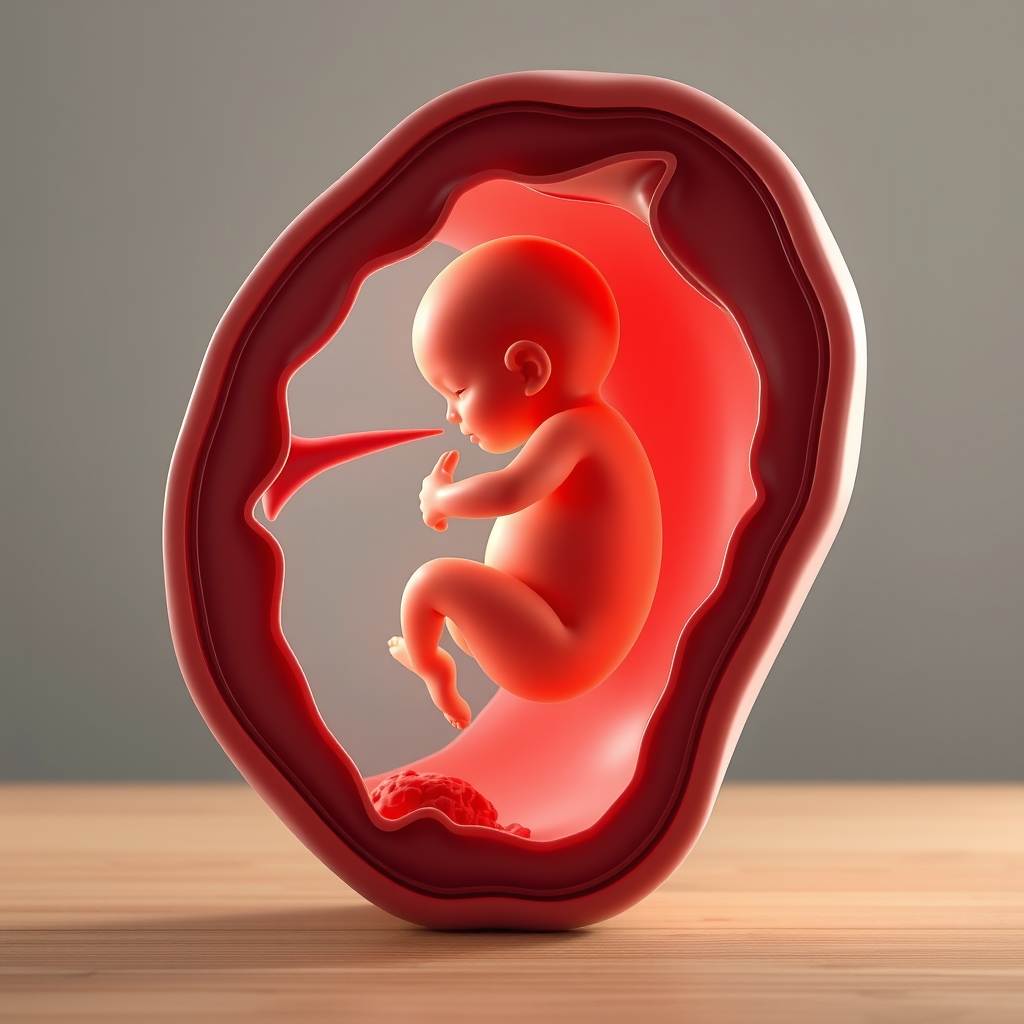
At 32 weeks, your baby—now called a fetus—is about the size of a large mango or a small cantaloupe. The average length from crown to heel measures roughly 42 cm (16.5 in), and the weight is about 1.7 kg (3½ lb). By this point, your baby’s brain has developed the folds that will become the cerebral cortex, the part responsible for thinking, memory, and language. The nervous system is also maturing, allowing for more complex reflexes, such as sucking, swallowing, and even grasping the umbilical cord.
Key milestones at 32 weeks include:
- Lung maturation: The alveoli (tiny air sacs in the lungs) are forming, and surfactant production is increasing. Surfactant is a substance that helps the lungs expand and prevents them from collapsing after birth. This is why babies born at 32 weeks have a much better chance of breathing on their own than those born earlier.
- Eye development: Your baby’s eyes can open and close, and the pupils can respond to light changes through the uterine wall. If you shine a flashlight on your belly, you might even feel your baby react!
- Immune system: Antibodies are being transferred from you to your baby, giving them passive immunity for the first few months of life. This is why it’s so important to stay up to date on vaccines, like the flu shot and Tdap (whooping cough), during pregnancy.
- Movement: Kicks are strong enough to be felt as “punches” and may cause you to feel occasional “quickening” sensations. You might notice your baby has a pattern of activity—some are more active in the morning, while others get the wiggles at night. If you notice a sudden decrease in movement, contact your provider right away.
- Skin and fat: Your baby’s skin is becoming less translucent and more opaque as fat stores build up. This fat will help regulate body temperature after birth. The lanugo (fine hair covering the body) is starting to shed, though some babies are born with a little still on their shoulders or back.
Because your baby is gaining weight rapidly, you may notice a firmer belly and more pronounced movements. The baby’s head is now the largest part, and positioning (head-down versus breech) becomes a focus for your provider as delivery approaches. About 96% of babies are head-down by 36 weeks, but at 32 weeks, it’s still early—plenty of time for your little one to get into position.
How does 32 weeks pregnant compare to 7 months pregnant?
Many people use “months” and “weeks” interchangeably, but the two don’t line up perfectly. Seven months on a calendar typically means 28 weeks (4 weeks per month), yet most clinicians count 7 months as 30–31 weeks. At 32 weeks, you’re technically a little past the 7-month mark—about 7 months and 2 weeks, or the start of the 8th month if you round up.
The practical difference is minimal; your baby’s size and your symptoms are what matter most. However, if you’re tracking milestones that use “month” language (e.g., “your baby will be the size of an avocado at month 7”), think of those as rough guides. Always default to the week number for medical appointments and for calculating your due date. For example, if you’re planning a babymoon or a last-minute trip, airlines and travel insurance companies will ask for your week of pregnancy, not the month.
It’s also worth noting that some cultures and traditions measure pregnancy differently. In some countries, pregnancy is counted from the date of conception (which would make you 30 weeks pregnant at 32 weeks LMP), while others use lunar months (about 28 days each). If you’re following guidance from a non-Western tradition, it’s a good idea to clarify how they’re counting to avoid confusion.
What are common symptoms at 32 weeks of pregnancy and typical weight gain?
By week 32, you’ll likely experience a blend of third-trimester comforts and challenges. Your body is working hard to support your growing baby, and it’s normal to feel a mix of excitement and physical discomfort. Common symptoms include:
- Back and pelvic pain: The growing uterus shifts your center of gravity, stressing the lower back and pelvic joints. This is often called “pelvic girdle pain” (PGP) and can make walking, climbing stairs, or even rolling over in bed uncomfortable. A maternity support belt, prenatal yoga, and gentle stretching can help ease the pressure.
- Shortness of breath: Your diaphragm has less room to expand, especially when lying flat. This can make even simple tasks like walking up stairs feel more tiring. Try sleeping propped up on pillows or practicing deep breathing exercises to help your lungs expand more fully.
- Frequent urination: Pressure on the bladder increases, often waking you at night. This is partly due to your growing uterus and partly because your kidneys are working harder to filter extra blood volume. Try to limit fluids in the evening, but don’t cut back too much—hydration is key for preventing constipation and swelling.
- Heartburn and indigestion: Hormonal relaxation of the esophageal sphincter lets stomach acid rise, causing a burning sensation. Eating smaller, more frequent meals and avoiding spicy or greasy foods can help. Some women find relief with over-the-counter antacids like Tums, but check with your provider before taking any medication.
- Leg cramps and swelling: Fluid retention (edema) and electrolyte shifts can cause nighttime calf cramps. Swelling in the feet and ankles is also common, especially in warm weather or after standing for long periods. Elevating your legs, staying hydrated, and wearing compression socks can help reduce swelling.
- Braxton Hicks contractions: These “practice contractions” are your uterus warming up for labor. They’re usually painless, irregular, and go away with movement or rest. If they become regular, painful, or don’t stop, it could be a sign of preterm labor—contact your provider right away.
- Trouble sleeping: Between frequent bathroom trips, a growing belly, and general discomfort, getting a good night’s sleep can feel impossible. Try sleeping on your left side with a pillow between your knees to improve circulation and reduce pressure on your back. Some women also find relief with a pregnancy pillow or a wedge pillow to support their belly.
Weight gain by 32 weeks varies, but the American College of Obstetricians and Gynecologists (ACOG) suggests a total gain of 25–35 lb (11.5–16 kg) for a woman with a normal pre-pregnancy BMI. By this stage, most people have gained roughly 20–25 lb (9–11 kg). The gain isn’t linear; you may add 1–2 lb per week in the third trimester. If you’re carrying multiples, your provider may recommend a higher target—typically 37–54 lb (17–25 kg) for twins.
It’s normal to feel self-conscious about your changing body, but remember that weight gain is a sign of a healthy pregnancy. Your body is building a placenta, amniotic fluid, and a baby—all of which require extra calories and nutrients. If you’re concerned about your weight gain, talk to your provider. They can help you determine whether your gain is on track or if adjustments are needed.
How to manage third-trimester discomfort at 32 weeks
The third trimester can be physically demanding, but there are ways to ease discomfort and feel more like yourself. Here are some practical strategies for managing common symptoms at 32 weeks:
For back and pelvic pain
- Wear a maternity support belt to help distribute the weight of your belly and reduce pressure on your lower back.
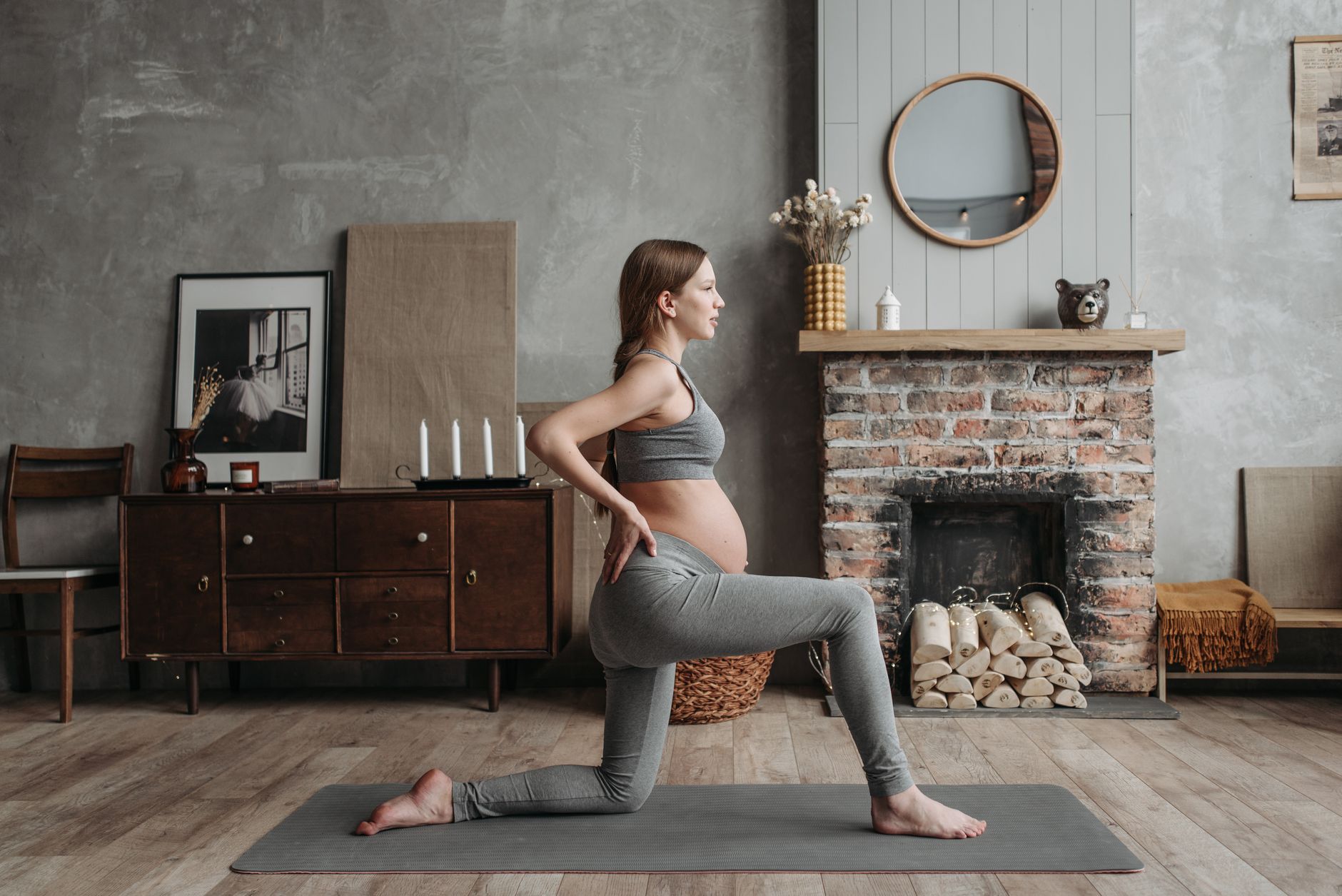
- Try prenatal yoga or swimming to strengthen your core and improve flexibility. Water-based exercises are especially gentle on your joints.
- Use a heating pad or warm bath to relax tight muscles. Avoid hot tubs or saunas, as overheating can be dangerous for your baby.
- Sleep with a pillow between your knees to align your hips and reduce strain on your pelvis.
For heartburn and indigestion
- Eat smaller, more frequent meals instead of three large ones. This gives your stomach less to digest at once.
- Avoid trigger foods like spicy, greasy, or acidic foods (e.g., citrus, tomatoes, coffee). Keep a food diary to identify what bothers you.
- Stay upright after eating for at least an hour. Lying down can make heartburn worse.
- Try chewing gum after meals. It stimulates saliva production, which can help neutralize stomach acid.
For swelling and leg cramps
- Elevate your legs above heart level for 15–20 minutes a few times a day to improve circulation.
- Stay hydrated—drinking plenty of water helps flush out excess sodium, which can reduce swelling.
- Wear compression socks to help prevent fluid buildup in your legs and feet.
- Stretch your calves before bed to prevent nighttime cramps. Try standing on a step and lowering your heels, or doing seated calf stretches.
For trouble sleeping
- Invest in a pregnancy pillow to support your belly, back, and hips. A full-body pillow or a wedge pillow can make a big difference.
- Limit fluids in the evening to reduce nighttime bathroom trips, but don’t cut back too much—dehydration can worsen swelling and cramps.
- Try relaxation techniques like deep breathing, meditation, or guided imagery to calm your mind before bed.
- Avoid screens before bedtime. The blue light from phones and TVs can interfere with your body’s production of melatonin, a hormone that helps you sleep.
If your symptoms feel unmanageable, don’t hesitate to talk to your provider. They can offer personalized advice or refer you to a physical therapist who specializes in prenatal care. Remember, every pregnancy is different—what works for one person might not work for another, so it’s okay to experiment to find what helps you feel your best.

What prenatal tests are recommended at 32 weeks and when should I schedule a birth plan?
At 32 weeks, your provider will typically schedule the following screenings to monitor your health and your baby’s development:
- Growth ultrasound: This ultrasound measures your baby’s size, weight, and position, and assesses the amniotic fluid volume. It helps ensure your baby is growing as expected and that the placenta is functioning properly. If your baby is measuring small or large for gestational age, your provider may recommend additional monitoring or tests.
- Group B Streptococcus (GBS) screening: While this test is usually done between 35–37 weeks, some clinicians start at 32 weeks if you’re high-risk (e.g., if you’ve had a previous baby with GBS or have a urinary tract infection during pregnancy). GBS is a type of bacteria that can be passed to your baby during delivery and cause serious infections. If you test positive, you’ll receive antibiotics during labor to protect your baby.
- Blood pressure and urine protein check: These tests monitor for pre-eclampsia, a serious condition characterized by high blood pressure and protein in the urine. Pre-eclampsia can develop quickly in the third trimester, so it’s important to attend all your prenatal visits. Symptoms include severe headaches, vision changes, sudden swelling, and upper abdominal pain.
- Fetal heart rate monitoring: Non-stress tests (NST) may be ordered if there are concerns about fetal well-being, such as decreased movement, high blood pressure, or gestational diabetes. During an NST, you’ll be hooked up to a monitor that tracks your baby’s heart rate and your contractions. The test usually takes 20–40 minutes, and your provider will look for reassuring signs that your baby is doing well.
- Glucose screening (if not already done): If you haven’t had your glucose tolerance test yet, your provider may recommend it at 32 weeks to screen for gestational diabetes. This condition can develop in the second or third trimester and increases the risk of complications like macrosomia (a large baby) and preterm birth.
Regarding your birth plan, the sweet spot is between 34–36 weeks. This gives you enough time to discuss your preferences with your provider while still having a window to adjust based on any new health information. Your birth plan should cover topics like:
- Pain management: Do you want an epidural, or are you planning a natural birth? Are you open to other pain relief options, like nitrous oxide or a birthing ball?
- Delivery location: Are you delivering at a hospital, birth center, or at home? If you’re planning a hospital birth, do you have a preferred room or setup (e.g., a birthing tub, a squat bar)?
- Support people: Who do you want in the room with you? This could include your partner, a doula, a family member, or a friend. Some hospitals limit the number of support people, so check their policy ahead of time.
- Interventions: Are you open to interventions like induction, episiotomy, or forceps/vacuum delivery if needed? What about continuous fetal monitoring or an IV?
- Immediate postpartum: Do you want delayed cord clamping? Do you plan to breastfeed or formula-feed? Would you like skin-to-skin contact immediately after birth?
- Special requests: Are there any cultural or personal preferences you’d like the medical team to honor? For example, some families request a quiet room, dim lighting, or specific music during labor.
If you haven’t started the conversation yet, schedule a dedicated appointment with your provider to discuss your birth plan. Bring a written list of your preferences, but keep an open mind—labor can be unpredictable, and flexibility is key. Your provider can help you understand which requests are realistic and which might need to be adjusted based on your health or the hospital’s policies.
How to prepare for labor and delivery at 32 weeks
At 32 weeks, you’re about two months away from your due date, which means it’s a great time to start preparing for labor and delivery. While it’s impossible to predict exactly how your birth will go, taking steps now can help you feel more confident and in control. Here’s what you can do:
Educate yourself about labor and delivery
- Take a childbirth class. Many hospitals and birth centers offer classes that cover the stages of labor, pain management techniques, and what to expect during delivery. If you’re planning a natural birth, look for a class that focuses on breathing, relaxation, and movement. If you’re considering an epidural, choose a class that includes information on medical pain relief options.
- Read evidence-based resources. Books like The Official Lamaze Guide and Ina May’s Guide to Childbirth offer practical advice and reassurance. Websites like the American College of Obstetricians and Gynecologists (ACOG) and the National Health Service (NHS) also provide reliable information.
- Talk to your provider about your birth preferences. Ask questions like: What’s your policy on induction? How do you feel about delayed cord clamping? What’s your cesarean rate? Knowing your provider’s approach can help you feel more prepared.
Pack your hospital bag
It’s a good idea to have your hospital bag ready by 36 weeks, just in case your baby comes early. Here’s a checklist of what to pack:
- For you: Comfortable clothes (a loose nightgown or robe), non-slip socks, toiletries (toothbrush, toothpaste, lip balm, hair ties), nursing bras, maternity pads, and a going-home outfit.
- For your baby: A going-home outfit, a hat, mittens (to prevent scratching), socks or booties, a blanket, and a car seat (installed and ready to go!).
- For your partner: Comfortable clothes, snacks, a phone charger, cash for vending machines, and a pillow or blanket.
- Extras: A camera or phone with extra storage, a list of important phone numbers, your insurance card, and any comfort items like a favorite pillow or essential oils.
Plan for postpartum recovery
Labor and delivery are just the beginning—recovering from birth takes time, too. Here’s how to prepare:
- Stock up on postpartum supplies. You’ll need maternity pads, witch hazel wipes, peri bottles, and comfortable underwear. If you’re planning to breastfeed, consider investing in nursing pads, nipple cream, and a breast pump (check if your insurance covers one).
- Arrange for help at home. Whether it’s your partner, a family member, or a postpartum doula, having someone to help with meals, chores, and baby care can make the transition easier. If you have other children, line up childcare for the first few weeks.
- Plan for meals. Cook and freeze meals ahead of time, or sign up for a meal delivery service. Many communities have meal trains where friends and family can sign up to bring you food after the baby arrives.
- Set up a nursing station. If you’re planning to breastfeed, create a comfortable space with a nursing pillow, water bottle, snacks, and entertainment (like a book or tablet).
Practice relaxation techniques
Labor can be intense, but relaxation techniques can help you manage the pain and stay calm. Try:
- Deep breathing: Practice slow, deep breaths to help you relax during contractions. You can try the “4-7-8” method: inhale for 4 seconds, hold for 7 seconds, and exhale for 8 seconds.
- Visualization: Imagine your baby moving down the birth canal or visualize a peaceful place, like a beach or a forest.
- Massage: Ask your partner to practice massaging your lower back or hips, which can help relieve tension during labor.
- Hypnobirthing: This technique uses self-hypnosis, visualization, and deep breathing to help you stay calm and focused during labor. Many women find it helpful for managing pain without medication.
Know the signs of labor
While it’s unlikely you’ll go into labor at 32 weeks, it’s still a good idea to familiarize yourself with the signs. Call your provider if you experience:
- Regular contractions that become stronger and closer together.
- A sudden gush or trickle of fluid (this could be your water breaking).
- Vaginal bleeding or spotting.
- A sudden decrease in fetal movement.
- Severe back pain or pressure in your pelvis.
If you’re unsure whether you’re in labor, don’t hesitate to call your provider. They can help you determine whether it’s the real deal or just Braxton Hicks contractions.

Lifestyle: Can I still exercise safely at 32 weeks pregnant, what foods should I avoid, and is travel safe?
Exercise remains beneficial in the third trimester, provided it’s moderate-intensity and approved by your provider. Safe activities include walking, swimming, prenatal yoga, and stationary cycling. Aim for 150 minutes of moderate activity per week, as recommended by the American College of Obstetricians and Gynecologists (ACOG). Listen to your body and stop if you feel dizziness, sharp pain, or vaginal bleeding. Avoid high-impact sports, activities with a risk of falling (like skiing or horseback riding), and exercises that involve lying flat on your back, as this can compress the vena cava and reduce blood flow to your baby.
If you’re new to exercise, start with low-impact activities like walking or swimming. Even a 10-minute walk can help improve circulation, reduce swelling, and boost your mood. If you’re already active, you can continue your routine as long as it feels comfortable. Just be sure to modify exercises that involve balance or coordination, as your center of gravity has shifted.
Nutrition continues to be a cornerstone of fetal health. At 32 weeks, focus on foods rich in calcium, iron, protein, and omega-3 fatty acids. These nutrients support your baby’s bone development, brain growth, and overall health. Here’s what to include in your diet:
- Calcium: Dairy products (milk, yogurt, cheese), leafy greens (kale, spinach), and fortified plant-based milks. Calcium is essential for your baby’s bone and teeth development.
- Iron: Lean meats, poultry, fish, beans, lentils, and fortified cereals. Iron helps prevent anemia, which can cause fatigue and increase the risk of preterm birth.
- Protein: Eggs, lean meats, poultry, fish, beans, lentils, tofu, and nuts. Protein supports your baby’s growth and helps repair tissues in your body.
- Omega-3 fatty acids: Fatty fish (salmon, sardines), walnuts, chia seeds, and flaxseeds. Omega-3s are crucial for your baby’s brain and eye development.
- Fiber: Whole grains, fruits, vegetables, and legumes. Fiber helps prevent constipation, a common issue in the third trimester.
- Hydration: Aim for at least 8–10 cups of water a day. Staying hydrated helps prevent swelling, constipation, and urinary tract infections.
Foods to limit or avoid include:
- Unpasteurized dairy and soft cheeses: These can carry Listeria, a bacteria that can cause miscarriage, stillbirth, or severe illness in newborns. Stick to pasteurized dairy products and hard cheeses like cheddar or parmesan.
- High-mercury fish: Shark, swordfish, king mackerel, and tilefish. Mercury can harm your baby’s developing nervous system. Instead, choose low-mercury fish like salmon, shrimp, or cod.
- Raw or undercooked eggs and meat: These can carry Salmonella or Toxoplasma, which can cause food poisoning or birth defects. Cook eggs until the yolks are firm, and make sure meat is cooked to a safe internal temperature.
- Deli meats and hot dogs: These can also carry Listeria. If you can’t resist, heat them until steaming hot before eating.
- Caffeine: Limit to ≤200 mg per day (about one 12-oz cup of coffee). Too much caffeine can increase the risk of miscarriage or low birth weight. Be mindful of other sources of caffeine, like tea, chocolate, and energy drinks.
- Alcohol: There is no safe amount of alcohol during pregnancy. It can cause fetal alcohol spectrum disorders (FASDs), which can lead to physical, behavioral, and learning problems.
Travel at 32 weeks is generally safe for most pregnant people, but there are a few things to keep in mind. Airlines often allow travel up to 36 weeks, but it’s wise to check the carrier’s policy and carry a copy of your prenatal records. If you’re flying, choose an aisle seat for easier bathroom access, wear compression socks to improve circulation, and move your legs every hour to reduce the risk of blood clots. Stay hydrated and avoid gas-producing foods, as the cabin pressure can cause bloating and discomfort.
If you’re driving, wear your seatbelt low on your hips and across your lap, not over your belly. Take frequent breaks to stretch your legs and use the bathroom. Keep a cushion or rolled-up towel behind your lower back for support. If you’re planning a long road trip, break it up into shorter segments and stay overnight in a hotel.
Before traveling, talk to your provider about any concerns, especially if you have a high-risk pregnancy. They can help you weigh the risks and benefits and provide personalized advice. If you’re traveling internationally, check the Centers for Disease Control and Prevention (CDC) website for travel advisories and vaccine recommendations.