Quick take: You don’t need a closet full of new outfits each month. A well‑chosen mix of 15‑20 versatile pieces—plus a few special items—covers the three trimesters, works for work and casual settings, and can transition into postpartum wear. Focus on stretchy fabrics, neutral colors, and pieces that grow with your bump, and you’ll stay comfortable without breaking the bank.
It’s 2 a.m., you’re scrolling through maternity‑clothing ads, and the “10‑item capsule” promise feels both tempting and overwhelming. You’ve just learned you’re pregnant, your belly is starting to show, and the thought of buying a new wardrobe seems like another item on an ever‑growing to‑do list. You’re not alone—many expectant mothers wonder, “how many maternity clothes do you need?” The answer isn’t a one‑size‑fits‑all number; it’s a flexible plan that matches your lifestyle, budget, and the three trimesters of change.
In this guide we break down exactly how many outfits you need for each trimester, which items are truly essential, and how to stretch your budget without sacrificing style or comfort. We’ll walk through specific numbers for dresses, jeans, tops, swimsuits, and more, plus give you a month‑by‑month checklist, fabric tips, and ideas for re‑using pieces after delivery. Whether you’re a corporate professional, a stay‑at‑home mom, or somewhere in between, you’ll leave with a clear, confidence‑boosting roadmap.
How many maternity outfits should I have for each trimester?
Most women find that a core wardrobe of 12‑15 pieces—mix‑and‑match tops, bottoms, and a few dresses—covers the first two trimesters. The third trimester often calls for a few extra stretchier items, especially if you’re planning a baby shower or maternity photoshoot.
First trimester (weeks 1‑13): Your body hasn’t changed dramatically yet, so you can rely heavily on your pre‑pregnancy closet. Aim for 3‑4 maternity‑friendly tops (e.g., a stretchy tee, a loose‑fit blouse, a tunic) and 2‑3 bottoms that have a bit of give (soft leggings, elastic‑waist pants). Add one comfortable maternity bra if you notice tenderness.
Second trimester (weeks 14‑27): Your bump becomes more pronounced. This is the time to introduce a few midsized pieces: a stretchy maxi dress, a pair of maternity jeans with a built‑in panel, and a couple of layering items like a cardigan or kimono. A total of 6‑8 new pieces (tops, bottoms, dresses) is usually enough to stay comfortable without feeling over‑stocked.
Third trimester (weeks 28‑40): Swelling and the need for easy‑on, easy‑off clothing increase. Add 3‑4 items that have extra stretch or adjustable waistbands—think a wrap dress, an elastic‑waist skirt, and a supportive maternity belt if you use one. By the end of pregnancy you’ll have roughly 15‑20 core pieces that can be mixed to create 30‑40 outfits.
These numbers are a guideline, not a rule. If you work in a formal environment, you may need more polished pieces; if you’re staying home, fewer may suffice. The key is to choose items that layer well, allowing you to add or remove pieces as your belly grows.
Another tip is to keep a “growth log” of your belly measurements. When you notice a 2‑inch increase, you’ll know it’s time to add a new stretchy item rather than buying on impulse. This practice aligns with recommendations from the American College of Obstetricians and Gynecologists (ACOG) on monitoring physical changes during pregnancy.
What are the essential maternity clothing items for the third trimester?
The third trimester is all about comfort, accessibility, and a touch of style for those final photos. Below are the seven must‑have items that will see you through the last weeks of pregnancy and into early postpartum.
- Stretchy wrap dress – One‑button or tie‑front dresses accommodate a growing belly and double as a quick‑change outfit for a baby shower.
- Adjustable‑waist maternity jeans – Look for a built‑in expansion panel or elastic waistband; a pair can last from week 14 to postpartum.
- High‑rise maternity leggings – Soft, breathable fabrics like jersey or ponte keep you comfortable while you’re on the move.
- Soft, supportive maternity bra – A front‑closure, wide‑strap bra reduces strain on sore shoulders.
- Easy‑on slip‑on shoes – Slip‑on sneakers or loafers with a roomy toe box prevent swelling.
- Wrap‑style cardigan or kimono – Layering helps with temperature changes and adds modesty for belly‑revealing tops.
- Postpartum‑transition dress – Look for a dress with a looser cut and side snaps or a hidden panel that can be worn after delivery.
Choosing pieces in neutral colors—like navy, charcoal, or soft beige—means they pair with almost anything else you already own. If you love color, a single bright print (perhaps a floral wrap dress) can serve as your statement piece while the rest of the wardrobe stays muted.
Many women find that a single wrap dress can double as a maternity photo outfit and a postpartum dinner dress, especially when it features a discreet side seam for nursing. This dual purpose reduces the need for extra purchases, echoing cost‑saving advice from the NHS on minimizing waste during pregnancy.
How many maternity dresses do I need for work versus casual wear?
Work environments often require a polished look, while casual settings allow for relaxed silhouettes. A balanced dress collection typically includes 2‑3 work‑appropriate dresses and 2‑3 casual dresses.
Work dresses: Aim for two classic styles—one sheath or A‑line dress in a neutral shade, and one wrap‑style dress in a subtle pattern. Both should have a modest neckline and a length that can be paired with a blazer or cardigan. Adding a third dress in a darker hue (e.g., navy) gives you a backup for unexpected spills or client meetings.
Casual dresses: Choose a breezy maxi or midi dress in a breathable fabric like bamboo viscose, plus a relaxed shirt‑dress that can double as a weekend outfit. A third option could be a T‑shirt dress that you can layer with a denim jacket for quick errands.
With these six dresses you can rotate between work, lunch dates, and weekend outings without feeling repetitive. If you notice that you’re wearing the same dress more than three times a week, consider swapping a top or adding a cardigan to refresh the look.
Because many offices now adopt flexible dress codes, a single versatile wrap dress can often serve both professional and casual functions. Pair it with a structured blazer for meetings and with a denim jacket for after‑hours, maximizing the utility of each piece.
Budgeting maternity clothes: how many pieces can I get away with?
Staying within a budget doesn’t mean you have to sacrifice style. By focusing on versatile, multi‑season pieces, many expectant mothers can keep the total count under 20 items while still feeling well‑dressed.
By focusing on these core numbers and mixing and matching, you can stay under $500 in most cases. Secondhand shopping, renting special occasion pieces, and swapping with friends can shave another 20‑30% off the total.
Remember to check the fiber content on labels; the U.S. Food and Drug Administration (FDA) requires textile manufacturers to list elastane percentages, which helps you verify that a garment truly stretches as advertised.
How many maternity jeans should I buy for a growing belly?
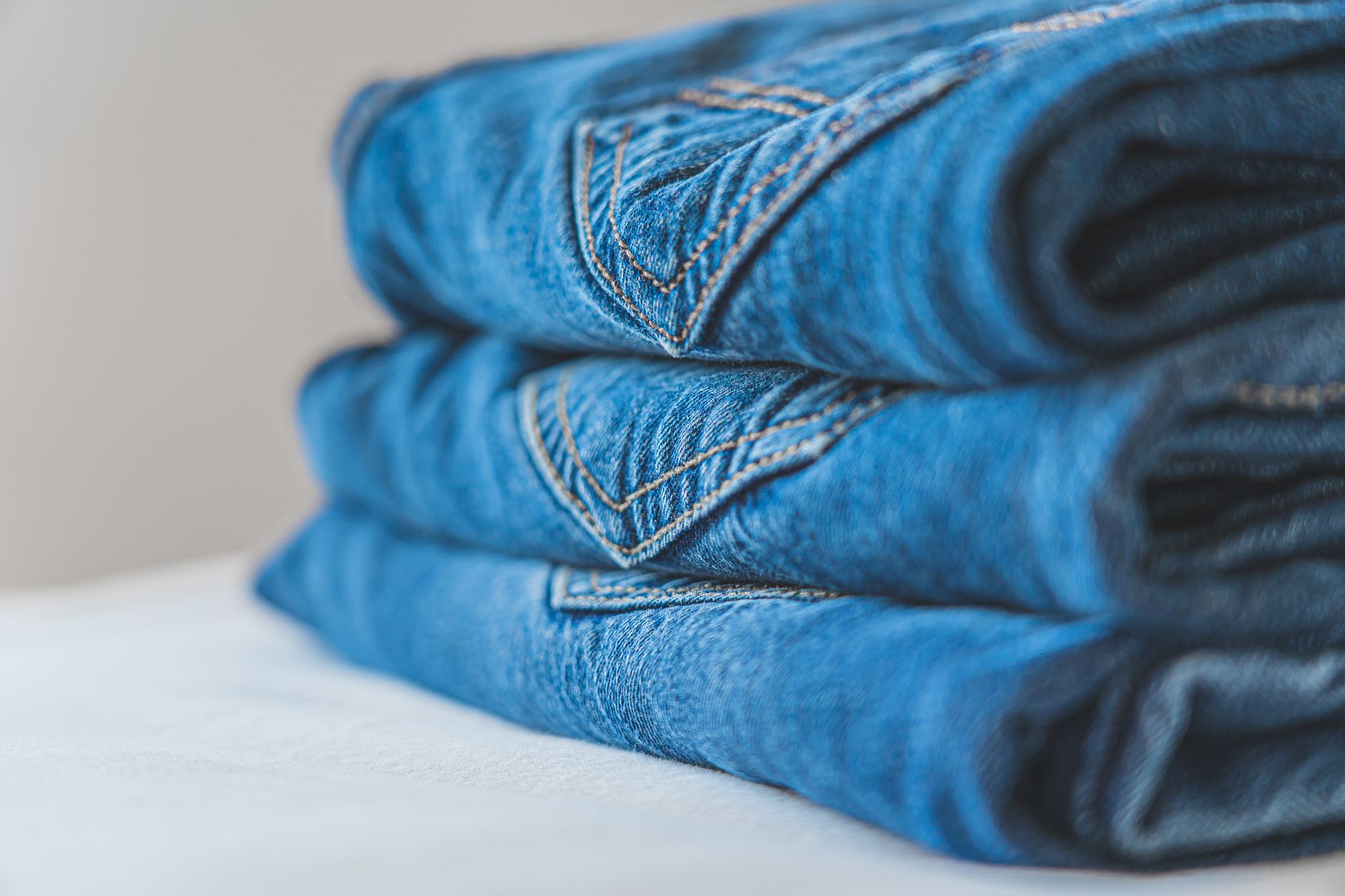
Jeans are a staple for many, but they can be tricky as your bump expands. The sweet spot is two to three pairs: one in a classic dark wash, one in a lighter wash for casual days, and optionally a stretchy black or gray pair that can double as a “work‑ready” bottom.
When choosing, prioritize the following features:
- Expandable panel—A hidden gusset or elasticized side panel adds 2‑3 inches of stretch.
- Mid‑rise waist—Sits comfortably above the belly and won’t dig into the ribs.
- Four‑way stretch denim—Allows movement in every direction, reducing the “tight‑band” feeling.
If you find yourself needing to replace a pair every 2‑3 months because the waist becomes too tight, it may be a sign to invest in a higher‑quality pair with a larger expansion panel. Otherwise, two well‑chosen pairs can carry you from week 14 through postpartum.
What maternity clothing basics can be reused after pregnancy?
One of the biggest money‑savers is picking pieces that transition seamlessly to postpartum. Look for the following basics:
- High‑rise leggings—The stretchy waistband works for nursing tops and even as lounge wear.
- Wrap dresses—The tie‑front can accommodate a larger bust or be worn over a nursing tank.
- Button‑down shirts—Leave the front open for easy nursing access.
- Soft cardigan or kimono—Provides coverage for breastfeeding in public.
- Adjustable‑waist jeans—Continue to fit as your waist shrinks back.
Choosing neutral colors (black, navy, gray, cream) ensures these items pair with a wide range of postpartum tops, from nursing bras to casual tees. By focusing on 8‑10 such transition pieces, you’ll likely need to buy only a handful of new items after delivery, such as nursing bras and a few comfortable post‑partum leggings.
How many maternity tops are enough for a 9‑month pregnancy?
Because tops are the most frequently worn items, having a solid collection prevents the “what do I wear today?” dilemma. Aim for 10‑12 maternity tops that cover a range of styles and temperatures.
Breakdown by type:
- Basic tees—Four to five, in neutral shades (white, black, gray, navy). These can be layered under cardigans or worn alone.
- Blouses—Two to three, with a relaxed fit and a modest neckline for work or formal events.
- Long‑sleeve shirts—Two, made from breathable fabrics for cooler days.
- Statement tops—One or two patterned or bright‑colored pieces for a pop of personality.
With this variety, you can create at least 30 outfit combinations by mixing tops with jeans, leggings, or skirts. If you find yourself wearing the same top more than three times a week, consider adding another basic tee or swapping a top for a lightweight sweater.
Maternity clothing checklist for each month of pregnancy
Having a month‑by‑month guide helps you purchase only what you truly need, avoiding impulse buys that sit unused for weeks. Below is a concise checklist that aligns with the typical rate of belly growth.
By following this timeline, you’ll likely spend under $400 on essential items, especially if you hunt sales and consider secondhand options.
Affordable maternity wear brands for budget‑conscious moms
Not every brand commands a premium price tag. Here are five reputable labels that consistently offer quality without breaking the bank:
- Old Navy Maternity—Frequent sales, plus a “grow‑with‑you” denim line.
- H&M Maternity—Trendy pieces, especially basics, at low price points.
- ASOS Maternity—Wide variety of styles; student discounts apply.
- Target’s A New Day—Budget‑friendly basics, good stretch, easy returns.
- Thrifty Mom (online resale)—Curated secondhand maternity items, often like‑new.
When shopping, look for the following indicators of value: a clear return policy, fabric content that includes at least 10‑15% elastane or spandex, and customer reviews that mention durability through the third trimester.
How to transition maternity clothes into postpartum wardrobe
After delivery, the goal is to keep the pieces you love and let go of the rest. Here’s a step‑by‑step plan:
- Assess fit—Identify items that still hug your waist comfortably (many stretchy leggings and wrap dresses will).
- Alter if needed—A simple hem on a dress or a waistline take‑in can extend the life of a piece.
- Introduce nursing accessories—Add a nursing bra or clip‑on pads under existing tops.
- Store seasonally—Fold maternity items you plan to reuse and keep them in a separate bin for easy future access.
- Donate or sell—Any items that no longer fit or that you’ve outgrown can be donated to a women’s shelter or sold on resale platforms.
Most women find that 8‑10 of their original maternity pieces become staples in their postpartum closet, especially if they chose neutral colors and versatile cuts from the start.
Best maternity clothing fabrics for comfort and style
Fabric choice directly impacts how you feel during each trimester. Below is a quick guide to the top five fabrics you’ll encounter:
- Jersey knit—Soft, breathable, and drapes nicely; ideal for tees and dresses.
- Bamboo viscose—Naturally moisture‑wicking and antimicrobial; great for active days.
- Stretch denim (4‑way)—Provides structure while allowing movement; perfect for jeans.
- Modal—Silky feel, resists shrinkage; versatile for tops and loungewear.
- Poly‑spandex blends—High elasticity, quick‑dry; works well for leggings and maternity swimwear.
Avoid fabrics that are 100% cotton without any stretch, as they can feel restrictive as your belly expands. If you’re prone to skin sensitivities, look for organic or hypoallergenic labels and wash new pieces before the first wear. The FDA advises checking for textile certifications that confirm the presence of elastane for stretch.

Where to buy secondhand maternity clothes online
Secondhand shopping is a win‑win for your wallet and the planet. Here are three reputable platforms where you can find gently used maternity wear:
- ThredUp—Filters let you select “maternity” and set price ranges; most items are inspected for quality.
- Poshmark—Community sellers often post brand‑new tags; you can negotiate price.
- Etsy (vintage maternity)—Hand‑crafted or retro pieces that add a unique flair.
When buying online, always check the seller’s return policy and request measurements. Look for items with at least a 5‑inch stretch panel to ensure they’ll still fit as your belly grows.
How many maternity swimsuits do I need for a beach vacation?
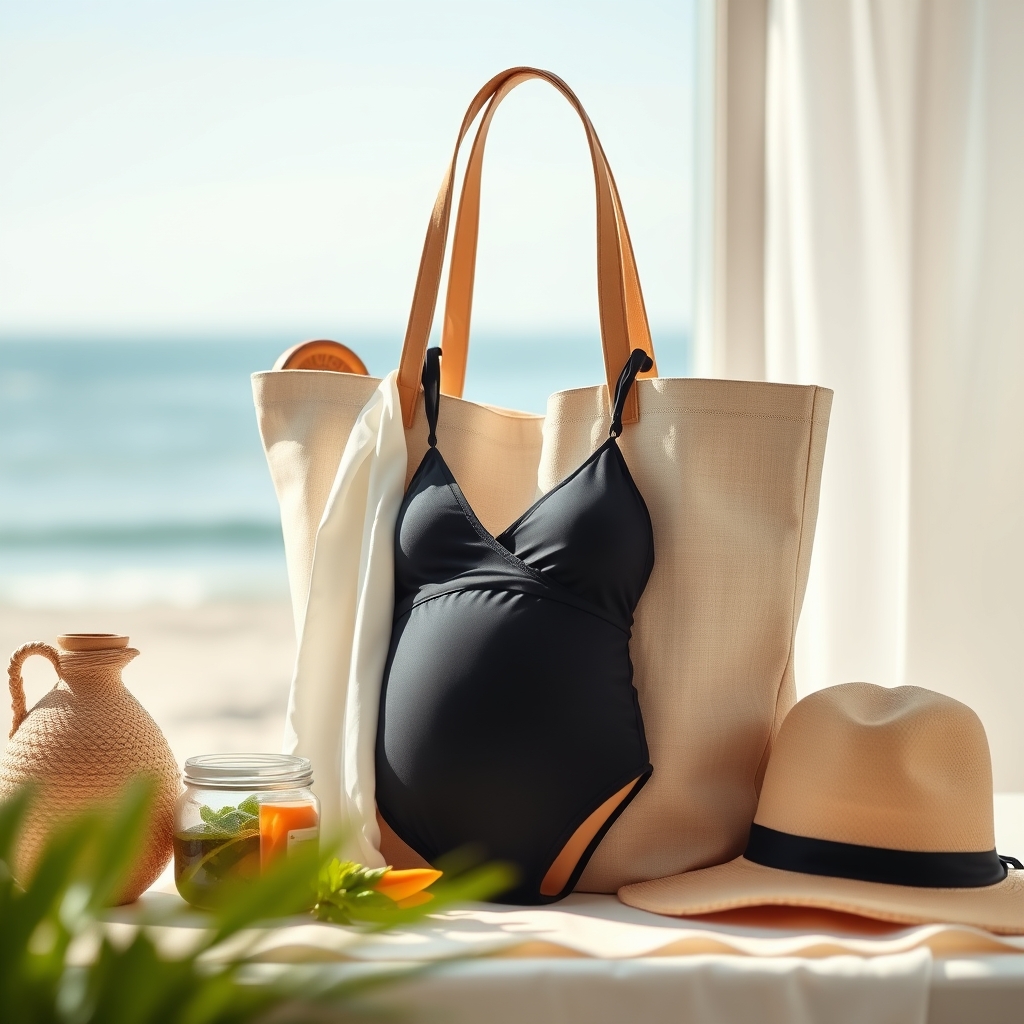
Most expectant travelers are comfortable with one well‑chosen swimsuit that offers adjustable straps and a supportive belly band. If you’re planning a longer trip (seven days or more) or anticipate multiple water activities, consider a second piece—perhaps a tank‑top style for sunbathing and a one‑piece for swimming.
Key features to look for:
- Adjustable straps—Allow you to accommodate a growing bust.
- Built‑in belly support—A stretchy panel or ruching that smooths the midsection.
- UPF protection—Fabric with UV protection keeps skin safe.
With a single versatile swimsuit and a lightweight cover‑up, you’ll be ready for any beach or pool day without packing excess.
Tips for organizing maternity clothes in a small closet
Space is often at a premium, especially when you’re adding a handful of new items. Follow these three organization hacks to keep your closet tidy:
- Use tiered hangers—These add extra hanging space for dresses and tops without taking up more width.
- Seasonal rotation—Store out‑of‑season pieces in under‑bed bins; keep only current‑trimester items within easy reach.
- Label the sections—Simple labels like “First Trimester,” “Second Trimester,” and “Post‑partum” help you locate what you need quickly.
By maintaining a clear system, you’ll spend less time rummaging and more time feeling confident in your outfit choices.
Maternity clothing for specific body types: petite vs plus‑size
Every belly grows differently, and your pre‑pregnancy body type influences how many pieces you’ll truly need. Petite women often benefit from adjustable‑waist pieces that can be taken in at the hem, while plus‑size expectant mothers may prioritize garments with higher stretch percentages and reinforced seams.
For petite frames, look for “crop‑adjustable” tops that can be lengthened with a simple hemming, and opt for high‑rise leggings that elongate the silhouette. Plus‑size shoppers should seek out maternity denim with a 4‑way stretch and reinforced waistband, as these designs distribute pressure more evenly and reduce the risk of tearing. Both groups can find reliable guidance from the NHS on choosing supportive undergarments that accommodate varying bust sizes.
Travel‑friendly maternity outfits: packing light for trips
When you’re on the go, every ounce counts. Choose a capsule of three core pieces: a stretchy wrap dress, a pair of high‑rise leggings, and an adjustable‑waist cardigan. Each item can be mixed with the same scarf or lightweight jacket, creating multiple looks without over‑packing.
Pack a set of compression socks for long flights—these are especially helpful if you’re prone to swelling. Also, bring a foldable nursing bra that can double as a regular bra after delivery. By sticking to neutral colors and versatile fabrics, you’ll have a ready‑to‑wear outfit for airport lounges, hotel breakfasts, and sightseeing, all while staying comfortable throughout the journey.
Myth vs. fact
Myth: You need a completely new wardrobe each month of pregnancy.
Fact: Most women can get by with 15‑20 versatile pieces that stretch, layer, and transition to postpartum.
Myth: Maternity clothes are always expensive and low‑quality.
Fact: Many affordable brands and secondhand options offer durable, stylish pieces with stretch panels designed for growing bellies.
Myth: You should buy a lot of maternity swimsuits if you’re planning a vacation.
Fact: One adjustable‑strap swimsuit plus a cover‑up is usually sufficient for most beach trips.
Key takeaways
- Aim for 15‑20 core pieces that mix and match across trimesters.
- Prioritize stretchy, neutral‑colored basics that can be worn postpartum.
- Two to three maternity jeans, six to eight tops, and four to six dresses cover most needs.
- Invest in a few high‑quality items (e.g., stretch denim, wrap dresses) and fill the rest with budget‑friendly basics.
- Secondhand shopping and renting special‑occasion pieces can cut costs by 20‑30%.
- Organize by trimester and keep a small “post‑partum” section for easy transition.
Frequently asked questions
How many maternity clothes do I really need?
The short answer is about 15‑20 versatile pieces that you can layer. This includes 6‑8 tops, 2‑3 pairs of jeans, 4‑6 dresses, a handful of leggings, and a couple of supportive bras. With neutral colors and stretchy fabrics, these items can be mixed to create dozens of outfits throughout the three trimesters.
Can I wear the same maternity clothes throughout pregnancy?
Yes, if you choose pieces with adjustable waistbands or built‑in stretch panels. Many maternity leggings, wrap dresses, and high‑rise jeans are designed to expand 3‑4 inches, meaning you can wear them from the second trimester through postpartum with minimal alterations.
What are the must‑have maternity clothing items?
Key items are a stretchy wrap dress, adjustable‑waist jeans, high‑rise leggings, a supportive maternity bra, a soft cardigan or kimono, and a pair of slip‑on shoes. These basics cover work, casual, and special occasions while also transitioning well after delivery.
How often should I buy new maternity clothes as my belly grows?
Most women find that buying new pieces every 2‑3 months—typically in the second and third trimesters—is enough. Early on, you can rely on your existing wardrobe; by mid‑pregnancy, a few targeted additions (like stretchy jeans and a wrap dress) keep you comfortable.
Is it worth investing in expensive maternity wear?
Expensive pieces can be worth it if they offer features you’ll use long‑term, such as high‑quality stretch denim or a timeless wrap dress that doubles as postpartum wear. For everyday basics, budget‑friendly brands and secondhand options provide comparable comfort at a fraction of the price.
How can I make my maternity wardrobe last after pregnancy?
Choose neutral colors, adjustable designs, and fabrics that are breathable and stretchy. Wrap dresses, high‑rise leggings, and button‑down shirts can be worn as nursing outfits or regular casual wear. Adding a few simple alterations (like hemming a dress) can extend the life of each piece well into the postpartum period.
Where can I find secondhand maternity clothes online?
Trusted platforms include ThredUp, Poshmark, and Etsy’s vintage maternity section. Look for items with a good stretch panel, check seller reviews, and verify return policies before purchasing. Secondhand shopping can reduce your total maternity wardrobe cost by up to 30%.
What should I look for in maternity wear if I have a medical condition like gestational diabetes?
Comfort and temperature regulation become extra important. Choose breathable fabrics such as bamboo viscose or lightweight jersey that wick moisture and keep you cool. Loose‑fit tops and high‑rise leggings prevent skin irritation, and avoiding overly tight waistbands can reduce the risk of abdominal pressure that might affect blood sugar levels. Always discuss any specific clothing concerns with your OB‑GYN or diabetes care team.
When to see a doctor or specialist
If you notice persistent skin irritation, rashes, or severe itching that doesn’t improve after changing fabrics, it may be a sign of a dermatologic condition such as eczema or contact dermatitis. In that case, schedule an appointment with a dermatologist. Also, if you experience unexplained swelling in your feet or legs that isn’t relieved by elevation, consult your OB‑GYN to rule out preeclampsia or circulatory issues. This article provides general information and is not a substitute for personalized medical advice.
References
- American College of Obstetricians and Gynecologists (ACOG). “Physical Activity and Exercise During Pregnancy and the Postpartum Period.” 2023.
- Academy of Nutrition and Dietetics. “Guidelines for Pregnancy Nutrition.” 2022.
- U.S. Food and Drug Administration (FDA). “Guidance on Textile Labeling for Consumer Products.” 2021.
- National Institutes of Health (NIH). “Maternal Skin Changes During Pregnancy.” 2022.
- World Health Organization (WHO). “Recommendations for Antenatal Care.” 2023.



