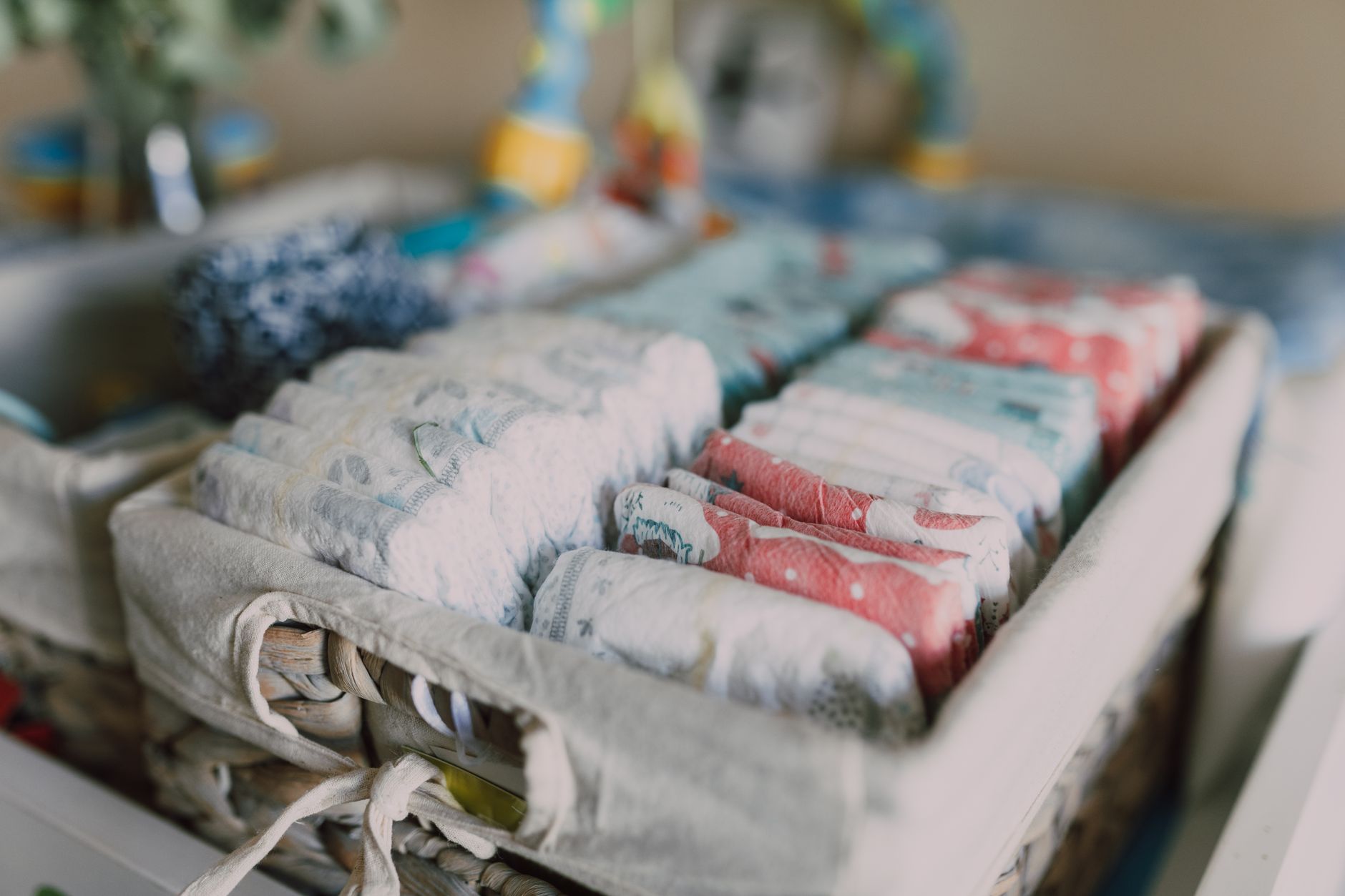
By the time a baby reaches 2 months, the bladder capacity has grown, and diaper changes typically drop to 8‑10 per day, or about 56‑70 per week. Size 1 diapers (usually for 8‑14 lb) are designed with a slightly longer leg cuff to accommodate the baby’s increasing mobility.
At 3 months, many infants transition to size 2 (often 12‑18 lb). The average usage further declines to 6‑8 diapers per day, equating to 42‑56 per week. This reduction reflects longer sleep stretches and a more efficient urinary system.
Consider “Emily,” a mom of twins who noted that each twin used roughly 60 size 1 diapers per week at eight weeks old. When they moved to size 2 at 14 weeks, her weekly count fell to about 48 diapers per twin. Monitoring weight and diaper fit is key—if a diaper leaks around the hips, it’s time to size up, regardless of age.
National health services, such as the NHS, advise parents to check diaper snugness daily; a well‑fitting diaper should be snug but not cause red marks, which helps prevent over‑ or under‑use.
Beyond the numbers, many parents find that a simple “change‑when‑wet” rule works well during the size 1 phase. This approach reduces unnecessary changes while still keeping the baby comfortable, especially for those who are sensitive to over‑dryness.
Diaper usage chart by size and age
Below is a quick reference that aligns typical age ranges, weight limits, and average diaper consumption. Remember, individual babies vary; use this chart as a starting point and adjust based on your child’s growth and habits.
This chart also helps you estimate how many diapers you’ll need when you’re planning a shopping trip or budgeting for the next month. The FDA’s guidance on diaper absorbent materials notes that the capacity of each size is calibrated to typical urine output for the corresponding age range.
When using the chart, keep a small “buffer” of 5‑10 % extra diapers in case of unexpected growth spurts or illness‑related extra changes. Having a modest reserve prevents the stress of a last‑minute run to the store.
When should I transition from newborn to size 1 diapers?
The primary cue is fit. If the diaper feels snug around the waist or legs, or if you notice frequent leaks, it’s time to move up. Most babies outgrow the newborn size by the end of the first month, but premature infants may stay in newborns for 2‑3 weeks longer.
Guidelines for transitioning:
- Weight: Reach the upper limit of the newborn range (around 10 lb).
- Leg holes: If the leg cuffs are red or show marks, the diaper is too tight.
- Leakage: Persistent wet spots on clothing indicate the diaper is no longer containing urine well.
- Mobility: Once your baby starts rolling over, a size 1 with a longer leg cuff can provide better coverage.
“Jordan,” a dad of a preterm baby, shared that he waited until his son hit 9 lb and showed no signs of leaks before moving to size 1 at 5 weeks old. He kept a small stash of newborn diapers just in case growth slowed.
The ACOG notes that premature infants often have delayed weight gain, so parents should monitor growth charts closely and transition based on fit rather than a strict calendar. In practice, checking the diaper fit every 2‑3 days during the first month helps catch the right moment without guessing.
For families who use cloth diapers, the transition can be smoother because many cloth systems have adjustable snaps that accommodate rapid growth without needing a whole new size immediately.
Cost estimate for diapers per size per month and budgeting tips
Diaper costs can add up quickly. Below is a rough monthly cost estimate based on average usage and typical retail prices for disposable diapers in the United States. Prices vary by brand, bulk purchasing, and sales.
**Budgeting tips**:
- Buy in bulk: Warehouse clubs often sell 200‑300 diaper packs at a lower per‑diaper cost.
- Subscribe & save: Many online retailers offer a discount for recurring shipments.
- Use coupons: Manufacturer coupons combined with store loyalty cards can shave 10‑20 % off the price.
- Track usage: Keep a simple log of daily changes; when you notice a drop, adjust your order size to avoid waste.
- Consider cloth hybrid: Some families use a mix of disposable night‑time diapers and reusable cloth day diapers to lower overall cost.
For twins, simply double the monthly estimate, but remember that twins often share similar weight curves, so you can purchase the same size for both at once.
Financial planners often suggest setting aside a “diaper fund” in a high‑yield savings account, especially if you anticipate higher‑priced specialty brands.
How many overnight diapers per size are needed?
Overnight diapers are designed with extra absorbency to keep babies dry for up to 12 hours. While a baby might use the same number of diapers overnight as during the day, many parents find that a single overnight diaper can replace two or three regular ones.
Typical overnight usage:
- Newborn: 1‑2 overnight diapers per night.
- Size 1: 1 overnight diaper per night, sometimes 2 if the baby wakes frequently.
- Size 2‑3: 1 overnight diaper per night is usually sufficient.
- Size 4‑5: 1 overnight diaper per night, though some toddlers may need a second if they have a heavy night‑time output.
To reduce waste, consider using a regular size 2 or 3 diaper for early nights and reserve the more expensive overnight diaper for the later months when nighttime wetness increases.
According to the UK’s NHS guidelines, parents should still check the diaper’s fit before bedtime; a poorly fitting diaper can lead to leaks that negate the benefit of the higher absorbency.
Some parents find that adding a breathable, water‑proof mattress cover under the crib mattress adds an extra layer of protection, allowing them to stretch the use of a single overnight diaper across multiple nights without compromising dryness.
Environmental impact of using more diapers per size
Each disposable diaper contains plastic polymers, super‑absorbent gels, and a thin paper backing. The United Nations estimates that the average baby uses about 5,500 diapers in the first two years, creating roughly 500 kg (1,100 lb) of waste.
Key environmental considerations:
- Landfill volume: Larger sizes mean fewer total diapers, but each diaper is heavier due to extra absorbent material.
- Production emissions: Manufacturing a single disposable diaper releases about 0.5 kg of CO₂.
- Water usage: The pulp in diapers requires significant water, especially for larger sizes.
Switching to cloth diapers can cut landfill waste by up to 90 % if cared for responsibly. However, cloth diapers need water and energy for washing, so using a high‑efficiency washer and line‑drying when possible balances the environmental equation.
The EPA’s recent report on household waste emphasizes that reducing single‑use items—like diapers—has a measurable impact on community carbon footprints. Parents who combine cloth diapers with a limited number of disposable overnight diapers often achieve the best compromise between convenience and sustainability.
Best diaper brands for each size and usage, plus tips for twins
Choosing a brand often depends on fit, absorbency, price, and skin‑friendliness. Below are top‑rated options for each size, based on parent reviews and dermatologist recommendations.
- Newborn: Pampers Swaddlers – excellent leak protection and a wetness indicator; Huggies Little Snugglers – gentle hypoallergenic liner.
- Size 1: Honest Company – plant‑based core, good for sensitive skin; Luvs Ultra Leakguards – budget‑friendly with decent absorbency.
- Size 2: Seventh Generation – chlorine‑free and breathable; Bambo Nature – eco‑certified, strong overnight performance.
- Size 3: U by Kotex – slim fit for active toddlers; Amazon Elements – high absorbency and bulk pricing.
- Size 4: Huggies OverNites – extra‑night protection; Earth’s Best – organic cotton core for eco‑conscious families.
For twins, many parents find it helpful to buy in bulk from a single brand to avoid size confusion. Keep a dedicated drawer for each child’s stash, labeled by size, to streamline nighttime changes.
Dermatologists often recommend a fragrance‑free option for babies prone to dermatitis, as noted by the American Academy of Dermatology. If your child shows signs of irritation, switching to a hypoallergenic brand and using a barrier cream can make a noticeable difference.
When choosing a brand, also check for certifications such as the “EU Ecolabel” or “US EPA Safer Choice.” These marks indicate that the product meets stricter environmental and health standards, which can be reassuring for eco‑mindful families.
Differences between cloth and disposable diaper usage by size, and how to calculate a diaper budget from newborn to size 4
**Cloth vs. Disposable by size**:
- Newborn: Cloth diapers often need a newborn insert for extra absorbency; disposable newborns are ready‑to‑use but higher in volume.
- Size 1‑2: Cloth diapers become more efficient as the baby’s weight stabilizes; many parents use 6‑8 cloth diapers per day, washing them every 2‑3 days.
- Size 3‑4: Cloth diapers can be stretched to fit larger sizes with adjustable snaps; disposable usage drops, making cloth’s cost‑savings more pronounced.
**Budget calculation example**:
- Estimate average diapers per month (see the cost table above).
- Multiply by the number of months you expect to stay in each size (e.g., newborn 1 month, size 1 2 months, size 2 3 months, size 3 4 months, size 4 5 months).
- Apply the per‑diaper price for the brand you choose or the average wholesale price if buying in bulk.
- For cloth, calculate the upfront cost of a starter kit (typically 24‑30 diapers, a wet‑bag, and a liner) and add washing costs (approx. $0.05 per wash per diaper).
Using this method, a family of twins might spend roughly $600‑$750 on disposables from newborn to size 4, whereas a cloth hybrid approach could be $300‑$400 after accounting for laundry.
Both the FDA and the European Union’s CE marking require that diaper materials meet safety standards for skin contact, which helps parents trust the quality of both disposable and cloth options.
Tips to reduce diaper waste while changing sizes and average diaper weight per size for shipping costs
**Waste‑reduction strategies**:
- Use a diaper caddy: Keeps used diapers organized, preventing accidental double‑changing.
- Rotate stock: Store a small reserve of the next size; when you transition, you won’t need to discard partially used packs.
- Cut down on “just in case” buys: Track actual usage for 2‑weeks before ordering the next batch.
- Consider reusable inserts: For newborns, a reusable bamboo liner can replace one disposable diaper per day.
**Average diaper weight** (including packaging) influences shipping costs, especially for bulk orders:
Knowing the weight helps you compare shipping fees across retailers; some offer free shipping above a certain weight threshold. Retailers that provide “green shipping” options can further reduce your carbon footprint.
When ordering online, look for “bulk‑save” programs that bundle multiple sizes together. This not only cuts shipping weight per diaper but also ensures you have the right size on hand for sudden growth spurts.
Diaper usage for premature infants
Premature babies often have lower birth weights and less mature urinary control, which can mean more frequent diaper changes even after they reach the typical newborn age range. The ACOG recommends checking diaper fit every two days for infants born before 37 weeks gestation, as rapid growth can outpace diaper size expectations.
On average, a preterm infant may use 12‑14 diapers per day during the first month, gradually aligning with full‑term averages by 8‑10 weeks. Parents can mitigate waste by using a combination of newborn‑size disposables for the first few weeks and then transitioning to size 1 as soon as the baby reaches the weight threshold (often around 8‑9 lb). Cloth diapers with extra‑absorbent inserts are also a viable option for families seeking to limit waste while accommodating rapid growth.
Because premature infants may have more delicate skin, many clinicians advise using fragrance‑free, breathable diapers and applying a thin layer of barrier cream after each change. The NHS also notes that frequent diaper changes can help prevent diaper‑related infections in this vulnerable population.
How to choose the right diaper size for your baby’s growth curve
Every baby’s growth pattern is unique, so the “one‑size‑fits‑all” rule rarely applies. Start by measuring your baby’s weight and waist circumference every two weeks during the first three months. Compare those measurements to the weight ranges listed on the diaper packaging; if you’re within the upper 10 % of the range, it’s a good sign the diaper will still fit comfortably for another week or two.
In addition to weight, consider the baby’s “leg‑cuff” comfort. A snug but flexible cuff should allow a finger to slide easily between the diaper and the skin. If you notice red marks or a deep indentation, the diaper is too tight and you should move up a size, even if the baby hasn’t reached the weight limit yet.
For parents who use cloth diapers, many brands offer “adjustable‑snap” systems that let you fine‑tune the fit without purchasing a whole new size. This flexibility can be especially helpful for babies who experience rapid growth spurts or for families who want to stretch the life of a starter kit.
Finally, keep a “growth log”—either a small notebook or a note‑taking app—where you record weight, diaper size, and any leakage incidents. Over time, patterns emerge that make future size transitions smoother and reduce the risk of running out of the right size.
Diaper subscription services: pros and cons
Subscription services have become popular for parents who want the convenience of automatic deliveries. The main advantages are:
- Predictable cost: Monthly fees often include a discount, making budgeting easier.
- Never‑out‑of‑stock guarantee: The service usually adjusts the shipment size based on your usage history.
- Time savings: No more last‑minute trips to the store during a night‑time change.
However, there are drawbacks to consider:
- Potential waste: If your baby’s growth slows, you may receive more diapers than you need, leading to excess storage.
- Limited brand choice: Many subscriptions lock you into a single brand, which might not be the best fit for sensitive skin.
- Shipping footprint: Frequent small shipments can increase carbon emissions compared with a single bulk order.
Before signing up, calculate your average monthly usage (the tables above can help) and compare the per‑diaper price of the subscription against bulk‑store pricing. Some services also let you pause or modify shipments, which can mitigate waste if you anticipate a size change.
For families who blend disposable and cloth diapers, a hybrid subscription—delivering only nighttime diapers—can strike a balance between convenience and sustainability.
Myth vs. fact
Myth: “All babies need the same number of diapers regardless of size.”
Fact: Diaper use declines as babies grow; newborns use 10‑12 per day, while size 4 toddlers often need only 4‑6.
Myth: “You should always buy the next size in advance to avoid running out.”
Fact: Purchasing too early can lead to waste if the baby grows slower than expected; tracking weight and fit is more reliable.
Myth: “Cloth diapers are always cheaper than disposables.”
Fact: Cloth can be cost‑effective long‑term, but upfront costs, laundry expenses, and water usage must be considered.
Key takeaways
- Newborns typically need 10‑12 diapers a day; size 1 drops to 8‑10, size 2 to 6‑8.
- Transition when the diaper feels tight, leaks, or the baby reaches the upper weight limit.
- Monthly cost drops with size, but total waste and weight increase; budget accordingly.
- Overnight diapers replace multiple regular diapers, especially for sizes 2 and up.
- Choosing eco‑friendly brands and considering cloth hybrids can reduce environmental impact.
- For twins, double the count but buy in bulk and label each child’s stash to stay organized.
- Subscription services can simplify ordering but require careful monitoring to avoid excess waste.
- Tracking growth and diaper fit every two weeks helps you choose the right size before leaks occur.
Frequently asked questions
How many diapers does a newborn use in a day?
A newborn usually requires 10‑12 diaper changes each day, driven by frequent feeding and a small bladder. This number can vary slightly based on feeding method and individual wetness patterns.
When should I switch my baby from newborn to size 1 diapers?
Switch when the baby reaches the upper weight limit (about 10 lb), shows signs of leakage, or the leg cuffs leave red marks. Most infants transition between 3‑5 weeks old, but premature babies may need a few extra days.
What is the average number of size 2 diapers a 3‑month‑old uses?
At three months, a typical baby uses 6‑8 diapers per day, which totals about 42‑56 per week. This reflects improved bladder capacity and longer sleep stretches.
How many overnight diapers does a baby need?
One to two overnight diapers per night are enough for newborns; from size 1 onward, a single high‑absorbency overnight diaper usually covers the night, reducing the need for multiple changes.
Can I reuse diapers from a previous size?
Reusing a diaper that’s too small can cause leaks and skin irritation. It’s safe to reuse a diaper only if it still fits snugly around the waist and legs without gaps. Otherwise, move to the next size.
How much does it cost to buy diapers for each size per month?
Based on average usage, expect to spend roughly $53‑$76 for newborns, $37‑$59 for size 1, $25‑$44 for size 2, $19‑$35 for size 3, and $13‑$28 for size 4 per month. Bulk buying and coupons can lower these figures.
What’s the best way to store a diaper inventory at home?
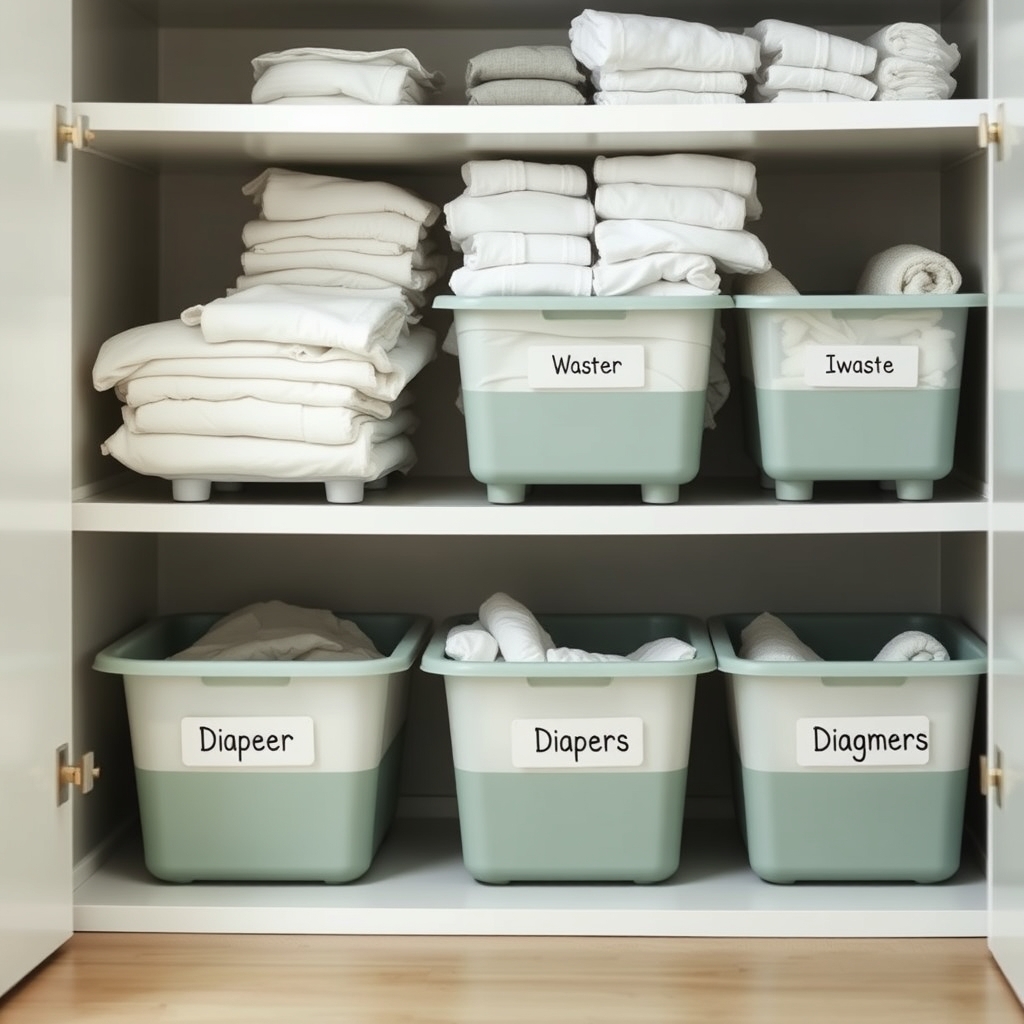
Keep diapers in a cool, dry place away from direct sunlight. Use labeled bins or drawers for each size, and rotate stock so the newest packs are at the front. This prevents waste from expired packaging and makes it easy to grab the right size during a change.
How can I tell if a diaper is too tight?
Check the leg cuffs after each change; if they leave red marks or a deep indentation, the diaper is too tight. You should also be able to fit a finger comfortably between the diaper and the baby’s skin around the waist.
Can I switch from disposable to cloth diapers mid‑size?
Yes. Most cloth diaper systems have adjustable snaps or velcro that accommodate a range of weights within a size. When switching, start with a few cloth diapers to gauge how often you’ll need to wash them, and keep a small reserve of disposables for nighttime or travel.
What should I do if my baby has a diaper allergy?
If you notice persistent redness, itching, or a rash that doesn’t improve with barrier creams, consider an allergy to fragrance or a material in the diaper. Switch to a fragrance‑free, hypoallergenic brand, and use a breathable diaper‑free time each day. If the rash continues, consult your pediatrician for possible testing or treatment.
When to see a doctor or specialist
If you notice any of the following, contact your pediatrician promptly:
- Frequent diaper rash that doesn’t improve after a few days of barrier creams.
- Persistent foul‑smelling urine or stool, which could signal infection.
- Leaking despite using the correct size, indicating possible urinary tract issues.
- Unusual swelling or redness around the diaper area.
- Difficulty with diaper changes due to severe skin sensitivity.
These signs may require evaluation by a pediatric dermatologist or a pediatrician. This article is for informational purposes only and does not replace personalized medical advice.
References
- American Academy of Pediatrics. “Diaper Rash and Skin Care.” 2023.
- National Diaper Manufacturers Association. “Average Diaper Usage by Age.” 2022.
- U.S. Environmental Protection Agency. “Landfill Waste from Disposable Diapers.” 2021.
- Harvard T.H. Chan School of Public Health. “Eco‑friendly Parenting: Cloth vs. Disposable Diapers.” 2023.
- Consumer Reports. “Best Diaper Brands for Sensitive Skin.” 2023.
- World Health Organization. “Infant Hygiene Guidelines.” 2022.
- American College of Obstetricians and Gynecologists. “Guidance for Care of Preterm Infants.” 2022.
- National Health Service (UK). “Diaper Fit and Changing Guidance.” 2023.
- U.S. Food and Drug Administration. “Safety Standards for Infant Diaper Materials.” 2022.
- American Academy of Dermatology. “Managing Infant Dermatitis.” 2023.
- American Heart Association. “Understanding Infant Hydration and Diaper Output.” 2022.
- National Institute of Environmental Health Sciences. “Impact of Single‑Use Products on Waste.” 2021.