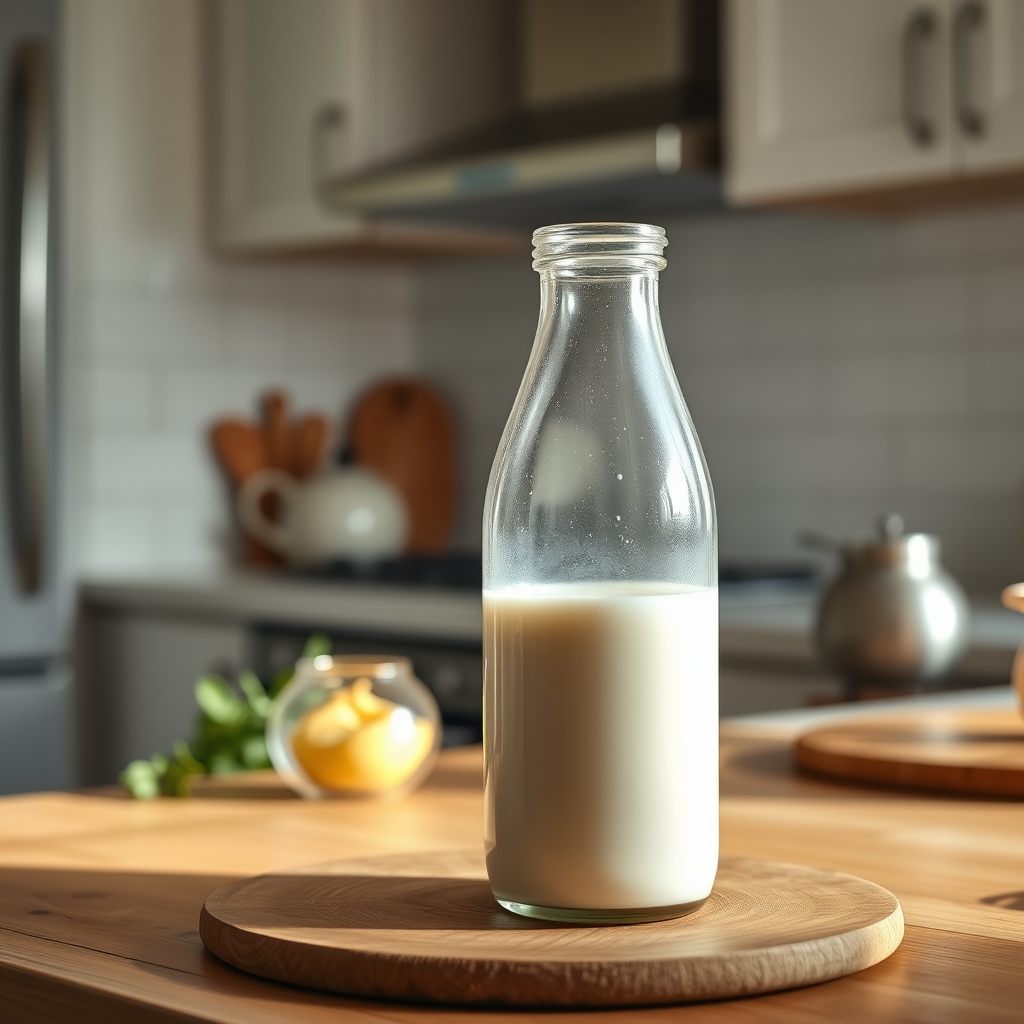
Breast milk is good at room temperature for 4-6 hours, learn how long is breast milk good at room temperature and how to store it safely
By Shubhra Mishra — a mom of two who turned her own confusion during pregnancy into BumpBites, a global mission to make food choices clear, safe, and stress-free for every expecting mother. 💛
Check whether any food is safe during pregnancy with the BumpBites Food Safety Checker.
Quick take: Freshly expressed breast milk can stay safe at typical room temperature (around 68‑72°F / 20‑22°C) for up to 4 hours, and up to 6‑8 hours if the room is cooler and the milk was expressed very recently. After that, the risk of bacterial growth rises, so it’s best to refrigerate or discard. If the milk has been warmed, it should be used within 2 hours and never reheated again.
It’s 2 a.m., you’re nursing your newborn, and a sudden craving has you reaching for that bottle you left on the kitchen counter an hour ago. “Is it still okay?” you wonder, heart racing. You’re not alone—most new parents grapple with the same question about how long breast milk can sit out before it spoils.
Bottom line: at a typical indoor temperature (68‑72°F or 20‑22°C), freshly expressed breast milk is safe for up to 4 hours. Cooler rooms can stretch that window to about 6‑8 hours, but beyond that the bacterial load can rise quickly. The guidance is consistent across the United States (AAP, CDC) and the United Kingdom (NHS, BfN). Below we break down everything you need to know—from the exact temperature range that counts as “room temperature” to what to do when you’re on the go.
In this article you’ll learn:
How long freshly expressed milk can stay out.
What “room temperature” really means.
How warming, reheating, and overnight storage affect safety.
Practical tips for travel, daycare, and everyday storage.
How to spot spoiled milk and when to call your provider.
How long can freshly expressed breast milk sit at room temperature?
When you pump a bottle and set it on the countertop, the clock starts ticking. The American Academy of Pediatrics (AAP) and the Centers for Disease Control and Prevention (CDC) both state that freshly expressed breast milk remains safe at room temperature (approximately 68‑72°F / 20‑22°C) for up to 4 hours. If the ambient temperature is cooler—say, a well‑ventilated room at 65°F (18 °C)—the safe window can stretch to 6‑8 hours, but this is not a blanket recommendation; it’s an upper limit that assumes low bacterial load.
Why the 4‑hour rule? Bacteria from the skin, pump, or environment can multiply quickly once milk is out of its protective refrigeration. Studies cited by the World Health Organization (WHO) show that bacterial counts rise sharply after the 4‑hour mark, especially in warmer climates.
It’s also useful to think about the “cold chain” concept that the CDC uses for perishable foods. Once the milk leaves the refrigerated environment, each hour adds to the cumulative bacterial load, so keeping the bottle in a shaded, cooler spot can buy you a little extra time, but never beyond the 8‑hour ceiling.
What if the room is hotter?
In hot climates (above 77°F / 25°C), the safe window shrinks dramatically—to as little as 2 hours. The CDC’s “Cold Chain” guidance advises that any breast milk left out in temperatures above 77°F should be treated as if it were only a short‑term snack and used within 2 hours or discarded.
Real‑world example
One parent on our forum described a night‑time feeding routine: she pumped at 10 p.m., stored the bottle on the nightstand, and fed her baby at 1 a.m. She waited until the baby fell asleep, then returned to the bottle and noticed a faint “sour” smell. The next day she learned that the milk had been sitting at about 70°F for roughly 3 hours—well within the safe window—but the slight sourness came from a tiny amount of bacterial activity that can happen even within the 4‑hour limit. She now refrigerates any milk not used within 2 hours to avoid any doubt.
Freshly expressed milk can stay safe for up to 4 hours at typical room temperature.
Is it safe to give breast milk that has been left out for 4 hours?
Four hours is the upper safety limit recommended by most health agencies. If the milk has been stored at a stable, cool room temperature (68‑72°F) and shows no signs of spoilage—no off‑odor, discoloration, or clumping—it is generally considered safe to feed. However, if the environment was warm, humid, or the milk was exposed to direct sunlight, the 4‑hour rule should be treated as a strict cutoff.
For pre‑term infants or babies with compromised immune systems, many neonatologists advise a more conservative approach: use the milk within 2 hours or keep it refrigerated. The British Royal College of Paediatrics (RCPCH) notes that these vulnerable infants are more susceptible to infections from bacterial overgrowth in milk.
Even for full‑term infants, the “look‑smell‑taste” test is a practical safety net. If you’re ever unsure, it’s safer to discard the bottle rather than risk a subtle infection that could develop later.
What does “left out for 4 hours” really mean?
It means the milk has been continuously at room temperature without any cooling device. If you placed the bottle in an insulated cooler with an ice pack, the effective temperature may stay below 68°F, extending safety beyond 4 hours.
Guidelines for feeding after 4 hours
Inspect the milk: look for yellowing, curdling, or a sour odor.
Smell it: a fresh, sweet or neutral scent is normal; a sour or rancid smell signals spoilage.
Feel the texture: fresh milk is smooth; clumped or gritty milk suggests bacterial growth.
If any doubt remains, discard the milk. It’s better to lose a bottle than risk your baby’s health.
What temperature is considered “room temperature” for breast milk storage?
“Room temperature” is a range, not a single number. Health authorities define it as 68‑72°F (20‑22°C). This range reflects typical indoor living conditions in temperate climates. Some guidelines, like those from the Australian Breastfeeding Association (ABA), widen the range slightly to 65‑75°F (18‑24°C) for practical purposes, but they still recommend the 4‑hour limit.
In practice, you can test your environment with a simple thermometer. If the reading falls within the 68‑72°F range, you’re in the safe zone. If it’s higher, treat the milk as if it were in a warm environment and shorten the storage time accordingly.
Because temperature can fluctuate throughout the day—especially near windows or heating vents—many parents keep a small digital thermometer in the kitchen to double‑check conditions before leaving a bottle out.
Why does temperature matter?
Temperature directly influences bacterial growth rates. At 68°F, many common milk‑borne bacteria double roughly every 6 hours. At 77°F, the doubling time shrinks to about 2 hours, dramatically increasing risk. This is why the same 4‑hour rule can be safe in a cool kitchen but unsafe in a warm living room.
How does room‑temperature storage differ from refrigeration for breast milk?
Refrigeration slows bacterial proliferation dramatically. The CDC advises that breast milk stored at 4°C (39°F) or lower remains safe for up to 4 days. In contrast, at room temperature (68‑72°F) the safe window drops to 4 hours for fresh milk.
Condition
Temperature
Maximum safe storage
Key notes
Freshly expressed, room temperature
68‑72°F (20‑22°C)
Up to 4 hours (6‑8 hours if cooler)
Check for smell/texture; avoid direct sunlight
Freshly expressed, refrigerated
≤ 4°C (39°F)
Up to 4 days
Store in clean, sealed containers; label with date
Previously frozen, thawed at room temperature
68‑72°F (20‑22°C)
Up to 2 hours
Do not refreeze; use or discard
Previously refrigerated, warmed
68‑72°F (20‑22°C)
Up to 2 hours
Never reheat after 2 hours
The main differences are:
Time limit: Refrigeration extends safety from hours to days.
Nutrient preservation: Cooling helps maintain antibodies, vitamins, and enzymes.
Convenience: Room‑temperature storage is useful for short outings, while refrigeration is essential for longer periods.
Special note for pre‑term infants
Neonatal intensive care units (NICUs) often keep expressed milk at 4°C and use it within 24 hours to preserve the delicate immune factors crucial for these babies. Parents of pre‑term infants should follow the stricter 24‑hour guideline even if the milk sits at room temperature for only a short time before feeding.
In addition, many NICUs advise parents to label each bottle with both the date of expression and the intended feeding time, ensuring that the milk never exceeds the recommended window.
How long does breast milk stay safe after being warmed?
Warming milk is a common step before feeding. Once warmed to body temperature (about 98.6°F / 37°C), the milk should be used within 2 hours. This limit applies whether the milk was originally fresh, refrigerated, or previously frozen.
The reason for the shortened window is two‑fold:
Heat can accelerate bacterial growth that may have been present at low levels.
Repeated heating can degrade heat‑sensitive nutrients like vitamin C and certain immunoglobulins.
If you have leftover warmed milk after a feeding, you can safely give it to your baby within the 2‑hour window, but you must never reheat it again. The CDC’s “Safe Handling of Breast Milk” guide emphasizes that reheating can create hotspots where bacteria multiply rapidly.
When you’re on the go, consider using a portable bottle warmer that maintains a consistent temperature without overheating. This helps keep the 2‑hour window accurate and avoids accidental over‑heating.
Best practices for warming
Use a bottle warmer or warm water bath; avoid microwaves, which create uneven heating.
Check temperature by sprinkling a few drops on your wrist—it should feel lukewarm, not hot.
Shake gently to distribute heat; don’t swirl aggressively, which can break down fat globules.
Can I reuse breast milk that was left out overnight?
Overnight typically means 8 hours or more. At room temperature, milk left out for that length of time exceeds the safety limits set by the AAP and NHS. Even if the milk looks and smells normal, bacterial counts are likely elevated, and the risk to your baby increases.
For infants with normal immune systems, occasional accidental exposure may not cause illness, but it is not a recommended practice. For babies who are pre‑term, have low birth weight, or any immunocompromising condition, the recommendation is unequivocal: discard any milk left out beyond 4 hours.
Instead of trying to “save” the milk, consider these alternatives:
Prepare a fresh bottle if you have time.
Keep a small insulated cooler with an ice pack in your night‑stand for unexpected late‑night feeds.
Use expressed milk that was stored in the refrigerator (up to 4 days) as a backup.
Planning ahead for night feeds—by having a ready‑to‑use bottle in the fridge or a cooler bag within arm’s reach—can eliminate the need to gamble with an overnight bottle.
What are the effects of room temperature on breast milk nutrients?
Room‑temperature exposure does not instantly destroy nutrients, but the longer the milk sits out, the more certain components degrade:
Vitamins: Vitamin C and some B vitamins are heat‑ and oxidation‑sensitive; they can lose up to 10‑15 % after 4 hours at 72°F.
Antibodies (IgA, IgG): These proteins remain relatively stable for several hours but begin to denature after prolonged exposure, especially if the milk is warmed.
Enzymes (lipase, amylase): Lipase activity actually increases at room temperature, which can alter the milk’s fat composition, sometimes causing a “soapy” taste. This is more noticeable after 6‑8 hours.
Live cells: White blood cells gradually die after a few hours, reducing the immune‑boosting potential of the milk.
Overall, the nutritional loss over a 4‑hour window is modest—most of the macro‑ and micronutrients remain intact. However, for babies who rely on breast milk as their primary source of vitamins (especially vitamin D and C), minimizing room‑temperature exposure helps preserve those nutrients.
Does room temperature affect vitamin content?
Yes, but only slightly. The NHS states that vitamin C can drop by about 10 % after 4 hours at 70°F. This loss is not clinically significant for most infants because breast milk already supplies ample vitamin C, but it underscores why refrigeration is the best practice when you plan to store milk for longer than a few hours.
For families concerned about vitamin D, remember that breast milk typically contains low vitamin D regardless of storage conditions, so many pediatricians recommend a vitamin D supplement for exclusively breastfed infants.
Guidelines for storing breast milk while traveling
Travel introduces variables: fluctuating temperatures, limited refrigeration, and longer trips. Here’s a practical roadmap to keep milk safe on the go.
1. Use insulated coolers with ice packs
Pack milk bottles in a hard‑sided cooler with frozen gel packs. This keeps the internal temperature below 40°F (4°C) for up to 24 hours, depending on the cooler’s size and ambient heat.
2. The “car rule”
If you’re driving, the interior of a car can quickly rise above 77°F (25°C) on a sunny day. The AAP advises that milk left in a car should be considered at room temperature after 2 hours, and unsafe after 4 hours. In hot climates, treat the 2‑hour limit as a hard cutoff.
3. Portable breast milk storage bags
Specialized bags are designed to be frozen and thawed quickly. When traveling, you can pack a few frozen bags in a cooler, then transfer to an insulated bag with a fresh ice pack once you reach your destination.
4. Plan ahead for daycare
Many daycare centers have dedicated breast milk refrigerators set at 4°C. Label each bottle with date and time, and give the staff a quick note about any special handling (e.g., pre‑term infant). If you must drop off milk in the morning and pick it up later, use a cooler bag with an ice pack for the trip.
5. Quick‑check checklist
Is the milk in an insulated container?
Are ice packs frozen solid before departure?
Is the surrounding temperature below 77°F?
Do you have a thermometer to confirm the internal temperature?
Following these steps ensures that breast milk remains safe, nutrient‑rich, and ready for your baby, even when you’re miles away from home.
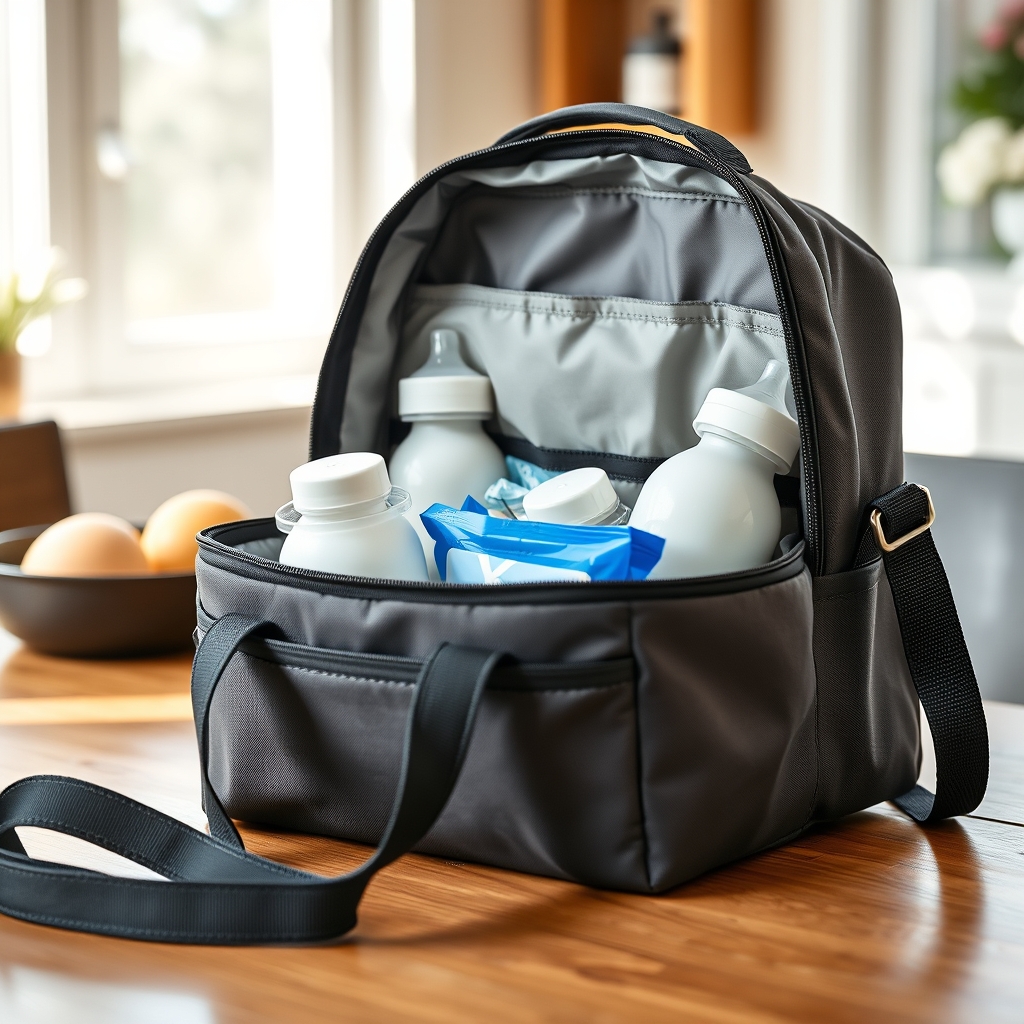
Pack milk in an insulated cooler with frozen packs for safe travel.
Storing expressed breast milk in the freezer: what you need to know
Freezing is the most reliable way to preserve breast milk for longer periods. The CDC states that breast milk kept at –18°C (0°F) or lower remains safe for up to 6 months, though the American Academy of Pediatrics suggests using frozen milk within 3 months for optimal nutrient retention.
When you freeze milk, use clean, BPA‑free containers or freezer‑specific breast milk bags. Leave about an inch of headspace to allow for expansion, label each container with the date of expression, and store the newest milk at the front so you use it first (the “first‑in, first‑out” method).
Thawing should be done in the refrigerator (4°C) or under cool running water. Once thawed, the milk can be kept in the fridge for up to 24 hours and must be used within 2 hours if warmed. Never refreeze thawed milk, as repeated temperature changes degrade its immunological components.
Room temperature considerations for working parents and daycare
Many parents return to work shortly after birth and rely on expressed milk stored in the workplace refrigerator. While most office fridges maintain a temperature around 35‑40°F (2‑4°C), it’s still wise to double‑check the temperature with a small thermometer, especially in shared or older units.
If a bottle must sit out for a brief period—say, during a meeting or while traveling between home and work—aim to keep the exposure under 2 hours and use a thermal sleeve or insulated bag to buffer temperature swings.
Daycare staff are often trained on safe milk handling, but you can reinforce best practices by providing a concise written note: “Store at ≤ 4°C, use within 24 hours of removal from the fridge, discard if left out > 2 hours.” Clear communication reduces the chance of accidental spoilage.
Detecting bacterial contamination: beyond smell and look
While visual and olfactory cues are the first line of defense, some bacterial growth may not produce an obvious odor or curdling. For high‑risk infants, clinicians sometimes recommend a “culture” check if a baby develops unexplained gastrointestinal symptoms after feeding.
In home settings, a practical tip is to perform a “taste test” only if you’re absolutely certain the milk is yours and you have no health concerns—this is rarely necessary and should be avoided for infants. Instead, focus on strict timing, temperature control, and proper hygiene during expression (washing hands, cleaning pump parts).
When in doubt, err on the side of caution and discard the milk. The cost of a lost bottle is far less than a potential infection.
From our medical team: When in doubt, the safest choice is to discard milk that has been out for longer than the recommended time. The risk of bacterial growth far outweighs the inconvenience of losing a bottle. If your baby shows any signs of illness after feeding, contact your pediatrician promptly.
Myth vs. fact
Myth: Breast milk never goes bad because it’s “natural.”
Fact: Like any food, breast milk can spoil when left at room temperature for too long; bacterial growth can make it unsafe for infants.
Myth: You can reheat milk that’s been sitting out for several hours.
Fact: Reheating does not eliminate bacteria that may have multiplied; the safest practice is to discard milk that’s been out beyond the recommended window.
Myth: All nutrients stay intact no matter how long the milk sits out.
Fact: Certain vitamins (especially vitamin C) and some immune‑protective proteins degrade over time at room temperature, so keeping milk cool preserves its full nutritional profile.
Key takeaways
Freshly expressed milk is safe at typical room temperature (68‑72°F) for up to 4 hours; cooler rooms may extend this to 6‑8 hours.
Never exceed 2 hours for milk that has been warmed; use within that window and do not reheat.
Check for spoilage by smell, color, and texture—any sour odor or curdling means discard.
For travel, use insulated coolers with frozen packs; treat milk left in a car for more than 2 hours as unsafe.
Pre‑term or immunocompromised infants require stricter limits—use milk within 2 hours of room‑temperature exposure.
When in doubt, throw it out. A small loss is far safer than risking infection.
Frequently asked questions
How long can breast milk sit out before it goes bad?
At typical indoor temperatures (68‑72°F), freshly expressed breast milk remains safe for up to 4 hours; if the room is cooler, you may stretch to about 6‑8 hours, but never exceed 8 hours.
Is it safe to give my baby breast milk that was left out for a few hours?
Yes, if it’s been less than 4 hours at a stable room temperature and shows no signs of spoilage (no sour smell, discoloration, or clumping). For vulnerable infants, limit the exposure to 2 hours.
What temperature is considered room temperature for breast milk?
Health agencies define “room temperature” as 68‑72°F (20‑22°C). This range reflects typical indoor settings and is the benchmark for the 4‑hour safety rule.
Can I reheat breast milk that has been left at room temperature?
Reheating does not make milk that’s been out for more than the recommended 4 hours safe. Warmed milk should be used within 2 hours and never reheated again.
How do I know if breast milk has spoiled?
Look for a sour or rancid odor, yellowing or curdling, and a gritty texture. Any of these signs mean the milk should be discarded.
Does storing breast milk at room temperature affect its nutritional value?
Yes, modestly. Vitamin C can decrease by about 10 % after 4 hours, and some antibodies may start to denature. The overall impact is small, but refrigeration preserves the full nutrient profile.
Is it safe to leave a bottle of breast milk in a parked car?
No. In a parked car, temperatures can rise quickly. The AAP recommends treating milk left in a car as if it were at room temperature after 2 hours, and discarding it after 4 hours—or sooner if the car is hot.
Does the type of container affect how long milk stays safe at room temperature?
Yes. Airtight, BPA‑free containers reduce exposure to air and contaminants, slightly extending the safe window. Wide‑mouth bottles also cool faster when placed in a cooler, helping maintain lower temperatures.
When to call your doctor
If your baby shows any of the following after a feeding, contact your pediatrician or midwife right away:
Fever (temperature ≥ 100.4°F / 38°C) or chills
Vomiting more than twice
Persistent diarrhea
Unusual lethargy or irritability
Signs of dehydration (dry mouth, reduced wet diapers)
This article provides general information and is not a substitute for personalized medical advice. Always discuss storage concerns with your health provider, especially if your baby is pre‑term or has a weakened immune system.
References
American Academy of Pediatrics. “Breastfeeding and the Use of Human Milk.” Policy Statement, 2022.
Centers for Disease Control and Prevention. “Guidelines for the Safe Handling of Human Milk.” Updated 2023.
National Health Service (NHS). “Storing Breast Milk.” 2023.
World Health Organization (WHO). “Guidance on Breast Milk Handling.” 2021.
Royal College of Paediatrics and Child Health (RCPCH). “Breast Milk for Pre‑term Infants.” 2022.
Australian Breastfeeding Association. “Storage of Expressed Breast Milk.” 2022.
U.S. Food and Drug Administration (FDA). “Food Safety for Infant Feeding.” 2023.
British Nutrition Foundation (BfN). “Breast Milk Nutrition.” 2022.
American College of Obstetricians and Gynecologists (ACOG). “Maternal Nutrition and Breast Milk.” 2021.
National Institute for Health and Care Excellence (NICE). “Breastfeeding Guidance for Working Mothers.” 2022.
Not sure about the label on How Long Is Breast Milk Good At Room Temperature products?
Snap the ingredients list and SafeFilter checks every ingredient for your stage — only 3 free scans this month, then you're locked until reset. Unlimited from $7/mo or $50/yr.
When Shubhra Mishra was expecting her first child in 2016, she was overwhelmed by conflicting food advice — one site said yes, another said never. By the time her second baby arrived in 2019, she realized millions of mothers face the same confusion.
That sparked a five-year journey through clinical nutrition papers, cultural diets, and expert conversations — all leading to BumpBites: a calm, compassionate space where science meets everyday motherhood.
Her long-term vision is to build a global community ensuring safe, supported, and free deliveriesfor every mother — because no woman should face pregnancy alone or uninformed. 🌿
🌍 Stand with mothers, shape safer guidance
Join a small circle of experts who review BumpBites articles so expecting parents everywhere can decide with confidence.