After you administer baby Tylenol, the drug is absorbed through the intestinal wall and enters the bloodstream. In newborns and infants under 3 months, absorption can be slightly slower because gastric emptying is delayed, especially if the medicine is given with a full stomach.
On average, you can expect the first signs of relief—whether it’s a calmer baby, less crying, or a lower temperature—to appear within 30–60 minutes. The exact timing can vary:
- Age: Newborns (0‑4 weeks) may take up to 45 minutes, while a 6‑month‑old often feels relief closer to the 30‑minute mark.
- Weight: The dose is weight‑based (mg per kilogram). Underdosing can delay onset; overdosing does not speed it up and can be dangerous.
- Feeding status: Giving Tylenol with a small amount of breast milk or formula can slightly delay absorption, but the effect is usually minimal.
If you notice no change after 90 minutes, double‑check the dose, the concentration (the liquid is typically 160 mg per 5 mL), and consider whether the baby may have an underlying infection that needs medical attention.
Because the drug’s half‑life in infants is about 2‑3 hours, the therapeutic window is relatively short. This means you’ll often see a clear “rise‑and‑fall” pattern in temperature that mirrors the medication’s activity.
Watchful waiting: While you monitor your infant, keep the environment comfortably cool (around 68‑70°F) and dress the baby in lightweight clothing. These non‑pharmacologic steps can enhance the perceived speed of relief.
Does baby Tylenol work faster for pain or fever?
Acetaminophen’s mechanism targets both pain receptors and the hypothalamic set‑point for temperature regulation. In practice, many parents report that fever tends to respond a bit quicker than pain relief.
Why? Fever reduction is driven by a central effect—adjusting the brain’s thermostat—while pain relief requires the drug to act on peripheral nerve endings and possibly cross the blood‑brain barrier. Studies cited by the American Pain Society suggest that the median time to noticeable pain reduction in infants is about 45‑60 minutes, whereas fever often drops within 30‑45 minutes.
That said, both effects usually overlap, and a single dose of baby Tylenol can address both simultaneously. If you’re treating teething pain, you might still see a modest fever reduction as a pleasant side benefit.
When pain is the primary concern—such as after a vaccination—parents often combine Tylenol with comforting measures (holding, swaddling, soft music) to maximize the calming effect while the medication takes hold.
Individual variability: Some infants may notice a quicker decline in crying than in temperature, especially if they are more sensitive to discomfort. Observing which symptom improves first can help you gauge how the medication is working for your child.
How many minutes does baby Tylenol need to kick in?
“Kick in” is a lay term for the first observable therapeutic effect. Based on pooled data from pediatric pharmacokinetic studies (e.g., the Pediatric Research in Office Settings), the median time to onset is roughly 35 minutes. However, the range can be as short as 15 minutes in a well‑fed, 6‑month‑old infant, to as long as 60 minutes in a newborn who has just fed.
Key points to remember:
- Use the correct concentration (usually 160 mg/5 mL) and the right dose (15 mg per kg of body weight).
- Administer the dose using a calibrated syringe or dropper, not a kitchen spoon.
- Avoid giving multiple doses too close together; the recommended interval is at least 4 hours.
When you’re in a hurry, a quick way to gauge effectiveness is to check the baby’s temperature after 30 minutes and observe changes in fussiness or crying.
If the baby seems unchanged after the expected window, it’s worth confirming that the medication was not expired and that the syringe was filled correctly. A simple mistake in measurement can make the difference between a rapid response and a delayed one.
Factors that affect how quickly baby Tylenol works
Several variables can speed up or slow down the onset of relief. Understanding them can help you set realistic expectations and avoid unnecessary worry.
Age and developmental stage
Infants younger than 2 months have immature liver enzymes (specifically CYP2E1), which can affect metabolism. As babies grow, their metabolic pathways become more efficient, leading to a slightly faster onset.
Weight and dosing accuracy
Acetaminophen dosing is weight‑based. A 3 kg newborn needs about 4.5 mL of the standard infant concentration, while a 7 kg infant needs roughly 10 mL. Underdosing can result in delayed or incomplete fever reduction.
Feeding and stomach contents
Giving the medication with a large feeding can delay gastric emptying, pushing the “kick‑in” time out by 10‑15 minutes. Most pediatricians recommend a small amount of milk or formula if the baby is very hungry, but a full bottle isn’t necessary.
Liquid acetaminophen is the most common form for infants. Some parents wonder if warming the dropper under warm water helps; research shows the temperature of the liquid does not meaningfully affect absorption.
Health status and concurrent illnesses
Dehydration, severe infections, or liver impairment can alter how the drug is processed. In such cases, the onset may be delayed, and the risk of toxicity increases.
Genetic factors
Rare genetic variations in the enzymes that metabolize acetaminophen can affect both speed and safety. While not a routine concern, they underscore why dosing by weight is essential.
By paying attention to these factors, you can tailor the administration to your baby’s needs and feel more confident about the expected timeline.
Quick check: After dosing, observe whether the baby’s skin feels cooler, the crying subsides, or the temperature drops. These subtle cues often appear before the thermometer registers a full degree change.
What is the onset time for infant acetaminophen?
Infant acetaminophen (the same active ingredient as baby Tylenol) follows a predictable pharmacokinetic curve. After an oral dose, peak plasma concentrations are typically reached in 45‑60 minutes. This aligns with the clinical observation that most parents notice a temperature drop or reduced crying within the first hour.
For reference, the following timeline is a helpful guide:
- 0‑15 minutes: Medication in stomach; no visible effect.
- 15‑30 minutes: Early absorption; baby may start to calm.
- 30‑45 minutes: First measurable fever reduction.
- 45‑60 minutes: Peak effect for both fever and mild pain.
- 2‑4 hours: Duration of action; temperature usually stays lower.
If your baby’s fever spikes again after 4 hours, it may be time for another dose (if the dosing interval has been respected) or a check‑in with your pediatrician.
How long does baby Tylenol take to work for teething pain and colic?
Teething pain and colic are two of the most common reasons parents reach for baby Tylenol. While the drug isn’t a cure‑all, it can provide meaningful comfort.
Teething pain
Acetaminophen’s analgesic effect typically begins within 30‑45 minutes and peaks at about 1 hour. Parents often notice a reduction in the baby’s drooling, chewing, and irritability. Because teething pain can be intermittent, you may need to repeat the dose every 4‑6 hours, respecting the maximum daily limit.
Colic
Colic is characterized by prolonged, inconsolable crying, and the exact cause is still debated. Some clinicians report that a low‑dose acetaminophen can soothe a baby whose crying is driven by mild abdominal discomfort or low‑grade fever. The timeline mirrors that of pain relief: 30‑60 minutes for a noticeable calming effect.
It’s crucial to differentiate colic from other causes of crying, such as reflux, infection, or hunger. If the crying persists despite appropriate dosing, seek pediatric advice.
Baby Tylenol vs ibuprofen: onset time comparison
Ibuprofen (Advil, Motrin) is another over‑the‑counter fever reducer approved for infants 6 months and older. The two drugs differ in mechanism—ibuprofen is a non‑steroidal anti‑inflammatory drug (NSAID) that reduces prostaglandin production both peripherally and centrally.
Here’s a side‑by‑side look at how quickly each medication typically begins to work in infants:
In practice, many clinicians recommend acetaminophen for infants under 6 months, and ibuprofen for older babies when a longer‑lasting effect is desired. Always follow the dosing guidelines for each medication and never give both at the same time without medical advice.
Choosing the right option: If your baby is under six months, acetaminophen is typically the safer first‑line choice. For a six‑month‑old with a high fever that needs longer coverage, ibuprofen may be preferred, provided the pediatrician agrees.
What is the maximum safe dose and how long does the effect last?
Safety is the top priority. The American Academy of Pediatrics advises the following dosing parameters for infant acetaminophen:
- Standard dose: 15 mg per kg of body weight per administration.
- Maximum per dose: 160 mg (the amount in 5 mL of the standard infant concentration).
- Maximum per 24 hours: 75 mg per kg (or 5 doses of 160 mg for most infants).
- Minimum interval between doses: 4 hours.
Exceeding these limits can lead to liver toxicity, which may not show symptoms until several days later. If you suspect an overdose, seek emergency care immediately.
The therapeutic effect of a single dose typically lasts 4‑6 hours for fever and up to 8 hours for pain, depending on the infant’s metabolism. After the effect wears off, the baby’s temperature may rise again if the underlying cause persists.
Because the drug’s half‑life in infants is roughly 2‑3 hours, the body clears it relatively quickly, but the liver remains vulnerable. Always keep a dosing chart handy and double‑check the concentration before each administration.
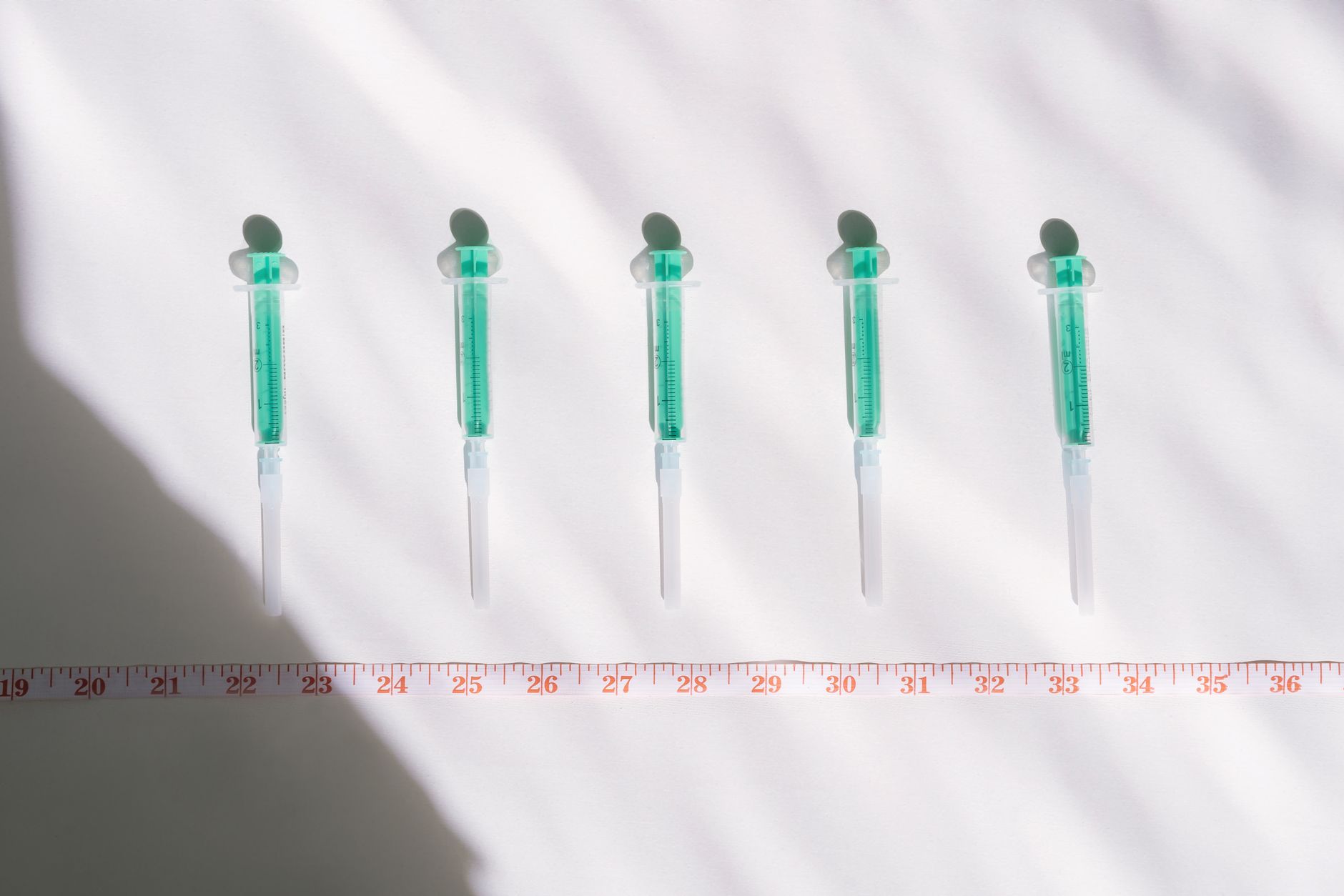
How to measure the correct dose of baby Tylenol
Accurate measurement is the single most important step in ensuring baby Tylenol works quickly and safely. The label on most infant bottles lists the concentration as 160 mg per 5 mL (or 32 mg per mL). To calculate the dose, first weigh your baby in kilograms, then multiply by 15 mg/kg. Divide the resulting milligrams by 32 mg/mL to get the volume in milliliters.
For example, a 5 kg infant needs 75 mg of acetaminophen (5 kg × 15 mg/kg). Dividing 75 mg by 32 mg/mL yields roughly 2.3 mL. Using a calibrated oral syringe (often supplied with the medication) ensures you deliver exactly 2.3 mL, not an approximation.
The NHS (UK) also recommends using the dropper that comes with the medicine rather than a kitchen teaspoon, which can vary by up to 30 %. A small error in volume can translate into a noticeable delay in symptom relief, especially for younger infants.
Signs of acetaminophen overdose in infants
Acetaminophen overdose is rare when dosing guidelines are followed, but it can happen if a parent mistakenly gives an extra dose or uses the wrong concentration. Early signs of toxicity may be subtle:
- Vomiting or nausea within a few hours of dosing.
- Loss of appetite or unusual fussiness.
- Yellowing of the skin or eyes (jaundice), indicating liver stress.
- Dark urine or pale stools.
- Unexplained lethargy or difficulty waking.
If any of these symptoms appear, call your pediatrician or emergency department immediately. The CDC emphasizes that early intervention—often with activated charcoal or N‑acetylcysteine—greatly improves outcomes.
To prevent accidental overdose, keep the medication out of reach, store it in its original bottle, and use a dedicated syringe for each dose. Many families find it helpful to log each administration in a simple notebook or phone app.
Can baby Tylenol be used after vaccinations?
Vaccinations can cause low‑grade fevers and mild soreness at the injection site. The AAP and the NHS both state that prophylactic (preventive) use of acetaminophen before a vaccine is not recommended because it may blunt the immune response. However, treating fever or pain after the vaccine has taken effect is considered safe.
If your baby develops a fever or appears uncomfortable a few hours after a shot, you can give the appropriate dose of baby Tylenol. The onset timeline remains the same—30‑45 minutes for fever reduction and 45‑60 minutes for pain relief.
Always monitor the baby after vaccination for any signs of an allergic reaction (such as swelling, hives, or difficulty breathing) and seek urgent care if those appear, regardless of medication use.
How to store baby Tylenol safely
Proper storage helps maintain the medication’s potency and prevents accidental ingestion. The FDA recommends keeping liquid acetaminophen in a cool, dry place away from direct sunlight and at a temperature between 68‑77°F (20‑25°C). Child‑proof caps should be engaged tightly after each use, and the bottle should be out of reach of children.
Check the expiration date regularly; once opened, many liquid formulations remain stable for 12‑18 months, but always follow the manufacturer’s guidance. If the liquid looks cloudy, changes color, or has an unusual odor, discard it and obtain a fresh bottle.
Understanding fever patterns in infants
Not all fevers are created equal. A “spiking” fever that rises quickly, peaks, and then falls may indicate a viral infection, while a “continuous” fever that stays elevated for many hours could suggest a bacterial cause. The AAP advises parents to track the pattern—how high, how long, and how often the fever recurs—because this information guides the pediatrician’s evaluation.
When you record a fever, note the exact temperature, the time of measurement, and any accompanying symptoms (e.g., rash, cough, vomiting). This detailed log can be the difference between a routine check‑up and a more urgent evaluation.

Myth vs. fact
Myth: Baby Tylenol works instantly, so if you don’t see a change within a few minutes, it’s ineffective.
Fact: The drug requires 30‑45 minutes to begin lowering fever and up to an hour for noticeable pain relief. Patience and proper dosing are essential.
Myth: Giving baby Tylenol with a full bottle of milk will make it work faster.
Fact: Food can slightly delay absorption; a small amount of breast milk or formula is fine, but a full feeding may postpone onset by 10‑15 minutes.
Myth: If a fever isn’t down after 30 minutes, the baby must be getting sick again.
Fact: Fever often continues to fall for up to 2‑3 hours. If it remains unchanged after 3 hours, contact your pediatrician.
Key takeaways
- Baby Tylenol typically starts lowering fever within 30‑45 minutes and eases mild pain in about an hour.
- Correct weight‑based dosing (15 mg/kg) is crucial for both safety and speed of action.
- Feeding status, age, and underlying health conditions can influence how quickly the medicine works.
- Ibuprofen, approved for infants ≥ 6 months, may take a bit longer for fever reduction but offers a longer duration.
- Never exceed 75 mg per kg in 24 hours; watch for signs of overdose such as yellowing skin or unusual lethargy.
- Call your pediatrician if fever persists beyond 3 hours, if the baby shows signs of dehydration, or if you suspect an overdose.
Frequently asked questions
How long does it take for baby Tylenol to start working?
Most babies feel the first effects within 30‑45 minutes for fever reduction and 45‑60 minutes for pain relief. If you see no change after 90 minutes, double‑check the dose and consider contacting your pediatrician.
What is the fastest way to reduce a baby's fever?
Give the correct dose of baby Tylenol, ensure the baby is dressed lightly, keep the room comfortably cool, and offer fluids. If the fever is very high (> 104°F) or persists, seek medical attention promptly.
Can I give my baby Tylenol with food?
Yes. A small amount of breast milk or formula is fine and can help the baby swallow the medicine. A full feeding may slightly delay absorption, but it won’t make the drug unsafe.
Why isn’t my baby’s fever going down after Tylenol?
Possible reasons include an incorrect dose, a dose given too soon after a previous one, or an underlying infection that requires additional treatment. If the fever hasn’t dropped after 3 hours, call your pediatrician.
How often can I give baby Tylenol?
Acetaminophen can be given every 4 hours, up to a maximum of 5 doses (or 75 mg/kg) in 24 hours. Never exceed the recommended interval.
Is it safe to give baby Tylenol for pain relief?
Yes, when dosed according to weight guidelines. It’s effective for teething pain, post‑vaccination soreness, and mild procedural discomfort. Always follow the label and consult your doctor for persistent pain.
Newborns may begin to feel a mild reduction in discomfort within 30‑45 minutes, but the full effect usually appears around the 1‑hour mark. For infants under 2 months, always discuss acetaminophen use with your pediatrician first.
What should I do if I suspect an acetaminophen overdose?
Contact your pediatrician or go to the nearest emergency department right away. Early treatment with activated charcoal or N‑acetylcysteine can prevent serious liver damage. Keep the medication bottle handy for the healthcare team.
Can I give baby Tylenol if my infant is constipated?
Acetaminophen does not typically affect bowel movements, so it can be used safely in a constipated infant. However, if constipation is severe or accompanied by vomiting, consult your pediatrician before giving any medication.
What should I do if I miss a dose of baby Tylenol?
Give the missed dose as soon as you remember, provided the next scheduled dose is still at least 4 hours away. If it’s closer than 4 hours, skip the missed dose and resume the regular schedule. Never double‑dose to make up for a missed one.
When to see a doctor or specialist
If you notice any of the following red‑flag symptoms, call your pediatrician or go to the nearest emergency department immediately:
- Fever ≥ 104°F (40°C) that does not respond to a dose of Tylenol after 2‑3 hours.
- Persistent vomiting, diarrhea, or inability to keep fluids down.
- Signs of dehydration (dry mouth, no tears, sunken fontanelle).
- Unusual lethargy, irritability, or a change in consciousness.
- Yellowing of the skin or eyes (possible liver stress).
- Any seizure activity.
For dosing questions, medication interactions, or concerns about chronic pain, you may be referred to a pediatric pharmacist or a pediatrician with expertise in pain management.
This article is for informational purposes only and does not replace personalized medical advice. Always consult your health care provider before starting or changing any medication regimen for your baby.
References
- American Academy of Pediatrics. “Acetaminophen Dosing for Infants.” AAP Policy Statement, 2022.
- U.S. Food and Drug Administration. “Acetaminophen (Tylenol) Labeling and Safety Information.” FDA, 2023.
- American Pain Society. “Pediatric Analgesic Guidelines.” APS Clinical Practice, 2021.
- National Institute of Child Health and Human Development. “Fever in Infants and Children.” NICHD, 2022.
- American Academy of Pediatrics. “Ibuprofen Use in Infants 6 Months and Older.” AAP, 2022.
- Centers for Disease Control and Prevention. “Acetaminophen Overdose.” CDC, 2023.
- World Health Organization. “Guidelines for the Management of Fever in Children.” WHO, 2021.
- National Health Service (UK). “How to Give Children the Correct Dose of Medicine.” NHS, 2023.
- American College of Obstetricians and Gynecologists. “Fever Management in the Post‑Vaccination Period.” ACOG Committee Opinion, 2022.
- U.S. Food and Drug Administration. “Medication Storage Guidelines.” FDA, 2022.
- American Academy of Pediatrics. “Fever Patterns and When to Seek Care.” AAP Clinical Report, 2023.