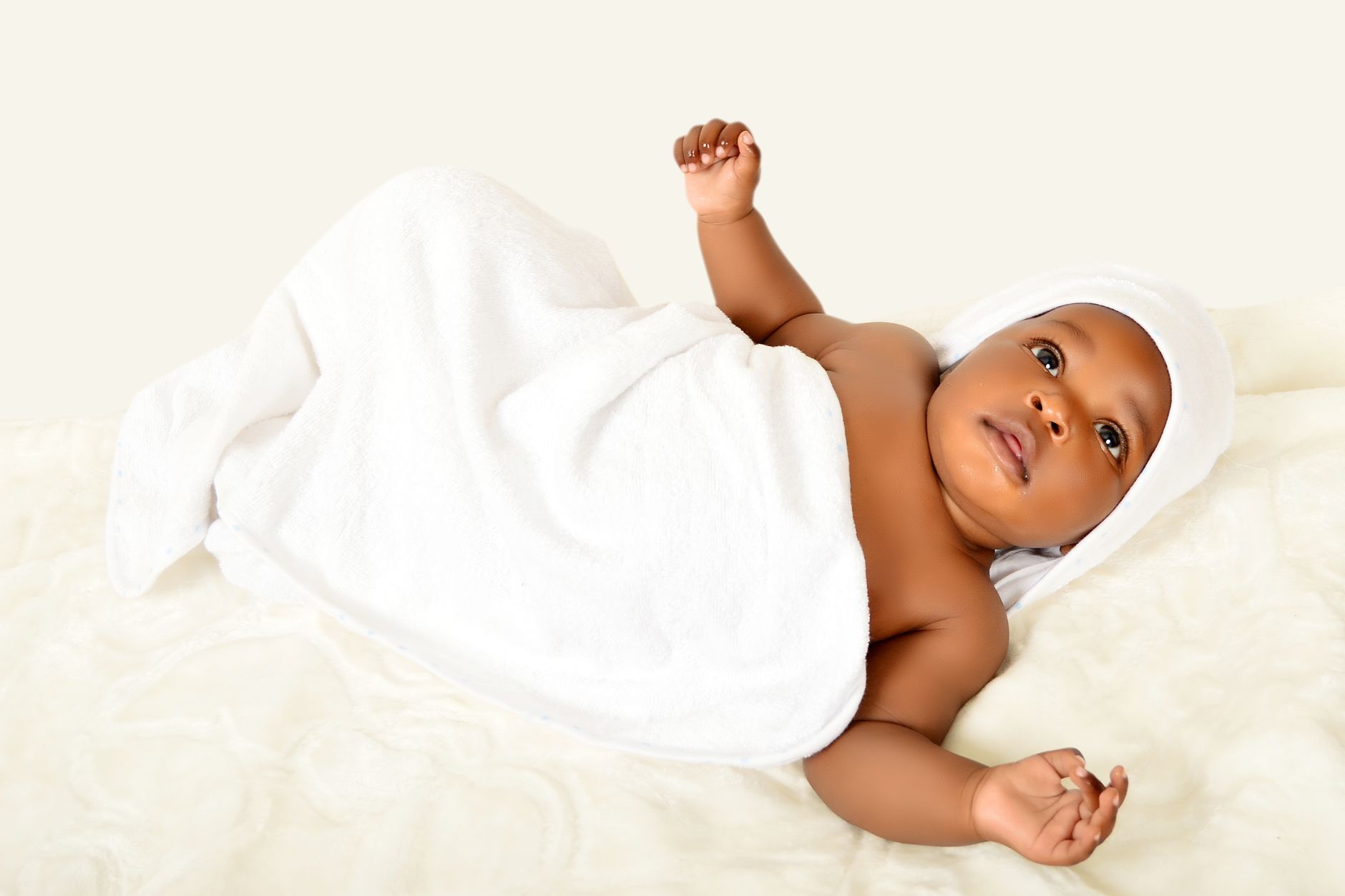
Yes, a baby can safely go a week without a full bath, provided you keep the skin clean with sponge wipes and change diapers frequently. The key is to monitor for signs that the baby’s skin needs more attention, such as a lingering odor, visible dirt, or a rash.
Many parents worry that “skipping” baths might lead to infections. The truth is that a newborn’s immune system is adapted to a relatively low‑bacterial environment, and the vernix and natural skin flora provide a protective barrier. Over‑washing can actually increase the risk of irritation and eczema.
Across cultures, it’s common to see newborns bathed only a few times a week, especially in regions where water is scarce. The Centers for Disease Control and Prevention (CDC) notes that bathing frequency is a personal choice and that the most important factor is keeping the diaper area clean and dry to prevent diaper dermatitis.
Is it safe to skip baths for newborns?
Skipping baths is safe when you:
- Clean the face, neck, and diaper area with a soft, damp cloth after each diaper change.
- Use fragrance‑free, hypoallergenic wipes for quick clean‑ups.
- Keep the baby’s environment (bedding, clothing) clean and dry.
What are the signs a baby needs a bath?
Babies can’t tell you they’re dirty, but they give subtle clues. Look for:
- Strong baby‑scent or a sour smell.
- Visible dirt or milk residue on the scalp or neck.
- Rash or irritation that worsens after a few days.
- Increased fussiness after a diaper change, possibly indicating discomfort.
If any of these appear, a gentle bath or sponge wash can help soothe the skin and prevent complications.
In addition to odor and visible dirt, pay attention to the baby’s skin texture. If the skin feels tacky or overly oily, it’s a sign that sebum and sweat are building up, and a quick wipe‑down or brief bath will restore comfort. For babies with very fine hair (lanugo), a mild shampoo once or twice a week can keep the scalp fresh without stripping moisture.
How to clean a baby’s face without a bath
Use a clean, soft washcloth dampened with lukewarm water. Gently wipe the eyes from the inner corner outward, then the cheeks and mouth. For a sticky mess, a tiny dab of mild, fragrance‑free baby soap can be used, but rinse thoroughly with a cloth moistened with plain water.
How to keep a baby clean without bathing?
Between baths, daily hygiene is maintained through a combination of diaper changes, sponge wipes, and targeted cleaning of high‑risk areas (neck folds, behind the ears, and the diaper region). Here’s a quick routine:
- After each diaper change, wipe the genital area with a fragrance‑free wipe.
- At bedtime, use a soft cloth to gently pat the baby’s hands, feet, and neck.
- Refresh the scalp with a damp cloth if you notice milk or oil buildup.
- Change bedding and clothes regularly to keep the environment fresh.
These steps keep the baby feeling clean while preserving the skin’s natural moisture barrier.
Choosing breathable, natural‑fiber clothing—such as 100 % cotton onesies—helps wick moisture away from the skin, reducing the chance of irritation between baths. The NHS advises that tight or synthetic garments can trap heat and sweat, creating a perfect environment for diaper rash or fungal overgrowth.
How often should baby’s hair be washed?
For most infants, washing hair 2‑3 times a week is sufficient. Newborns often have a fine, soft hair called “lanugo” that doesn’t need daily shampooing. Use a tiny amount of tear‑free baby shampoo, rinse with a cup of water, and gently pat dry.
When can I start bathing my baby after circumcision?
If your baby is circumcised, the AAP advises waiting 24‑48 hours before the first full immersion bath. During this window, a sponge bath is safe, but keep the circumcision site dry and avoid submerging it in water.
After the initial 48‑hour period, you can resume normal bathing if there are no signs of infection (redness, swelling, or discharge). Gently pat the area dry after each bath, and apply any prescribed ointment as directed by your pediatrician.
The American College of Obstetricians and Gynecologists (ACOG) emphasizes that gentle cleaning with a damp cloth is permissible once the surgical dressing is removed, but full immersion should be delayed until the wound is fully healed—typically 7‑10 days. If you notice any unexpected bleeding, persistent swelling, or foul odor, contact your pediatrician right away.
Tips for bathing a premature baby
- Keep the water temperature slightly warmer (38‑39 °C) because premature infants lose heat faster.
- Limit bath time to 2‑3 minutes to prevent hypothermia.
- Use a small, soft infant tub with a non‑slip surface.
- Wrap the baby in a towel immediately after the bath and keep the room warm (around 24 °C).
How many baths per week are recommended for infants?
Beyond the newborn stage (after 2 weeks), the consensus from the AAP and NHS is 2‑3 full baths per week for healthy infants. This frequency balances cleanliness with skin health, reducing the risk of dryness and eczema.
Some parents choose a daily sponge bath for convenience, especially in warmer climates, but the full immersion can be limited to a few times weekly.
Seasonal and climate considerations also matter. In hot, humid environments, babies may sweat more, prompting a slightly higher bath frequency—up to four times a week—while still using mild, fragrance‑free cleansers. Conversely, in colder climates, a lower frequency (once or twice a week) often suffices, provided the skin is kept moisturized after each bath.
How to keep baby warm during bath
Before you start, gather all supplies—towel, washcloth, baby soap, clean diaper—so you never leave the baby unattended. Fill the tub with just enough warm water to cover the baby’s torso (about 2‑3 inches). Use a bath thermometer to confirm 37‑38 °C, and keep the bathroom temperature at least 24 °C. After the bath, wrap the baby tightly in a hooded towel and gently pat dry.
Effects of not bathing a baby on skin health
Not bathing a baby for an extended period (beyond a week) can lead to:
- Accumulation of sweat, oil, and vernix, which may cause clogged pores and mild dermatitis.
- Increased risk of diaper rash, especially if the skin remains moist from urine or stool.
- Potential for fungal overgrowth in skin folds, though this is uncommon in healthy infants.
Conversely, over‑bathing—especially with hot water or harsh soaps—can strip natural oils, leading to dry, flaky skin and worsening eczema. The goal is a middle ground: keep the baby clean enough to prevent irritation while preserving the skin’s protective barrier.
Long‑term, a balanced bathing routine supports the development of the acid mantle—a thin, protective film that keeps out pathogens while retaining moisture. A 2021 review in the International Journal of Dermatology found that infants who followed the recommended 2‑3 baths per week had a more stable skin pH and fewer episodes of irritant dermatitis during their first year.
How to bathe a newborn with a diaper rash
If your baby develops a diaper rash, avoid full baths for a few days. Instead, give a short sponge bath focusing on the rash‑free areas, and use lukewarm water only. Afterward, apply a pediatric‑recommended barrier cream (such as zinc oxide) to protect the affected skin.
How to choose safe baby bath products
With countless baby shampoos, soaps, and lotions on the market, it’s easy to feel overwhelmed. The FDA classifies most baby wash products as “cosmetics,” which means they are not required to undergo the same rigorous testing as medicines. However, reputable manufacturers follow the FDA’s “Good Manufacturing Practices” and list all ingredients on the label.
When shopping, look for these key features:
- Fragrance‑free and dye‑free: Scents and colors can irritate delicate skin. Choose products that explicitly state “unscented” or “free of added fragrance.”
- pH‑balanced (around 5.5): A pH close to the baby’s natural skin level helps maintain the acid mantle. Many products will note “pH‑balanced for newborns.”
- Hypoallergenic certification: Organizations such as the National Eczema Association (NEA) award a “Seal of Acceptance” to products that have been tested on sensitive skin.
- Minimal ingredient list: Fewer components mean fewer chances for an allergic reaction. Ingredients like “cocamidopropyl betaine” or “sodium lauryl sulfate” are best avoided.
If you’re unsure, the American Academy of Dermatology (AAD) recommends a patch test: apply a small amount of the product to the baby’s forearm and wait 24 hours for any reaction before using it more broadly.
Eczema affects up to 20 % of infants, and the first months are often the most delicate. For babies with known eczema or a family history of atopic dermatitis, the bathing routine should be even gentler.
Key strategies include:
- Limit bath time to 5‑10 minutes: Prolonged exposure to water can dry out the skin.
- Use lukewarm water only: Hot water can exacerbate itching and inflammation.
- Skip regular soap: Instead, use a bland, fragrance‑free cleanser or just water, then apply an emollient within three minutes of bathing.
- Apply a thick moisturizer: Products containing ceramides or colloidal oatmeal (e.g., “Aveeno Baby Eczema Therapy”) are recommended by the National Eczema Association.
After each bath, gently pat—not rub—the skin dry, then seal in moisture with a hypoallergenic ointment. If flare‑ups persist despite optimal bathing habits, consult a pediatric dermatologist for prescription‑strength topical therapies.
Bathing safety checklist for new parents
Even a short, routine bath can become risky if you’re not prepared. Keep this quick list handy and review it before every soak:
- Gather everything you need (towel, washcloth, soap, diaper) before placing the baby in water.
- Check water temperature with a thermometer or the elbow test.
- Never leave the baby unattended, even for a second.
- Use a non‑slip mat or a baby‑specific tub to prevent slipping.
- Keep the bathroom door closed to maintain warmth and privacy.
- Have a clean, dry space ready for immediate post‑bath wrapping.
- Store all bath supplies out of reach of children once the bath is over.
Following this checklist reduces the chance of accidental drowning, hypothermia, or burns—concerns that, while rare, are taken seriously by safety agencies such as the Consumer Product Safety Commission (CPSC).
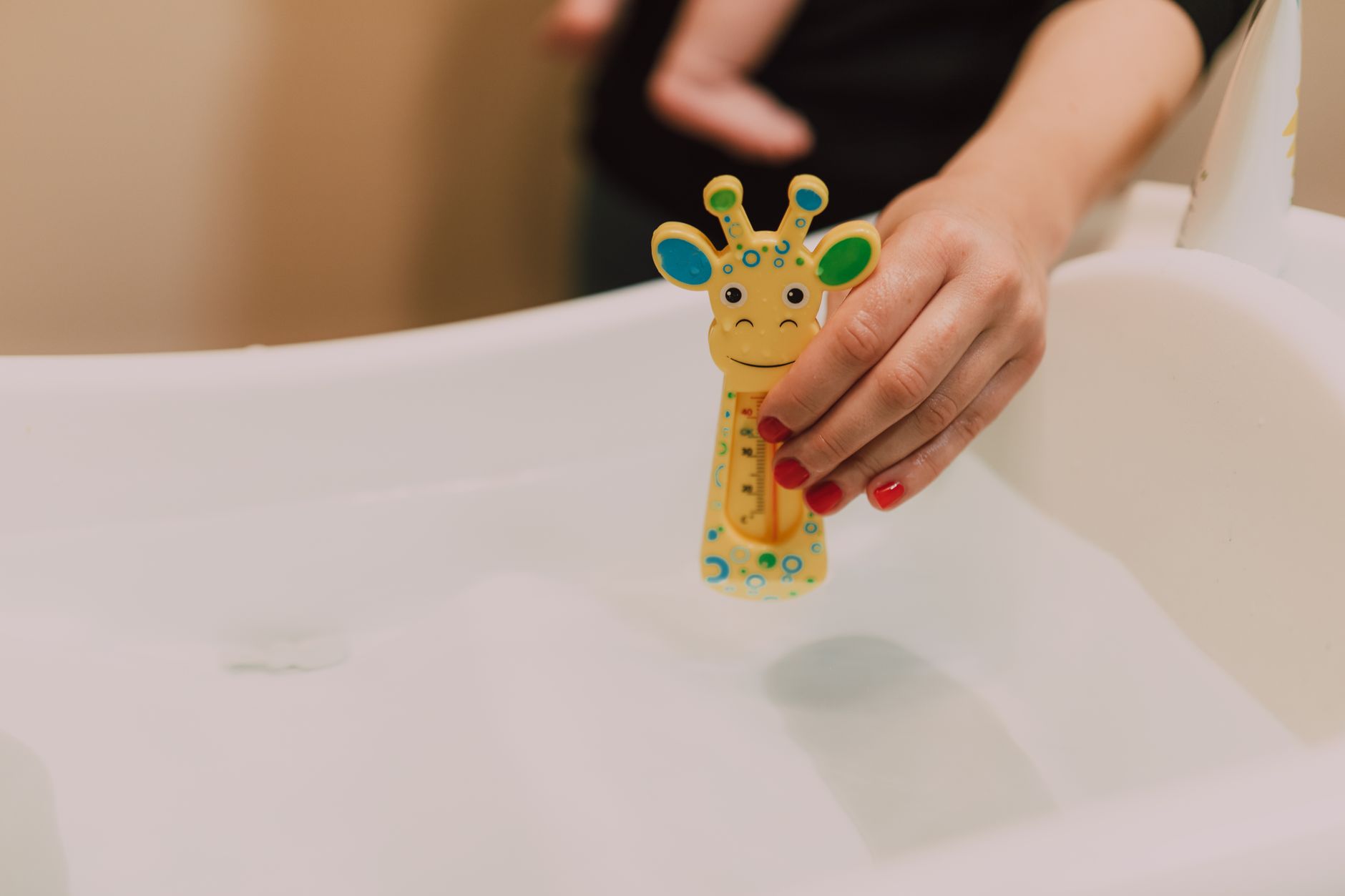
Bathing newborns in different climates: hot, cold, and humid
Climate influences how often you may need to bathe your baby. In hot or humid regions, babies can sweat more, making the skin feel sticky and increasing the risk of heat rash. A brief, lukewarm sponge bath once or twice a week can keep the skin comfortable without stripping its natural oils. In colder climates, the skin tends to dry faster; keeping baths short, using a humidifier, and applying a richer moisturizer after each bath can prevent cracking.
Regardless of climate, the core principle remains the same: aim for 37‑38 °C water, limit bath time to 5‑10 minutes, and always dry and moisturize afterward. If you’re unsure how your local weather may affect your baby’s skin, the NHS recommends checking the indoor humidity (ideally 40‑60 %) and adjusting bathing frequency accordingly.
Eco‑friendly and budget‑friendly bathing ideas
Many families want to reduce waste while still keeping their baby clean. Reusable cotton washcloths, a small plastic tub with a built‑in drain, and concentrated baby soap that can be diluted with tap water are cost‑effective choices. Look for products with recyclable packaging and avoid single‑use wipes when a damp cloth will do.
Even small changes—like turning the tap off while lathering—can save water and lower your utility bill. The Environmental Protection Agency (EPA) notes that reducing water use in the bathroom is one of the easiest ways to lower a household’s overall footprint.
Myth vs. fact
Myth: Babies need a daily bath to stay healthy.
Fact: Daily baths can dry out a baby’s skin; most newborns are fine with 2‑3 baths per week.
Myth: If a baby smells, it means they are dirty and need a bath immediately.
Fact: A mild baby scent is normal; a strong sour odor may indicate a diaper issue or infection and warrants a quick clean‑up.
Myth: After circumcision, you must avoid any water contact for a week.
Fact: A gentle sponge bath is safe within 24 hours; full immersion should wait 48 hours or until the site heals.
These misconceptions often arise from well‑meaning grandparents or outdated advice columns. Modern guidelines from the AAP and ACOG emphasize balance—enough cleaning to prevent irritation, but not so much that the skin barrier is compromised.
Key takeaways
- Newborns typically need a sponge bath 2‑3 times a week in the first two weeks.
- It’s safe to go a week without a full bath if you keep the skin clean with wipes.
- Water temperature should be 37‑38 °C; always test with your wrist or a thermometer.
- After circumcision, wait 24‑48 hours before a full bath, but sponge baths are fine.
- Watch for signs like strong odor, visible dirt, or rash to know when a bath is needed.
- Over‑bathing can dry out skin; aim for 2‑3 baths per week for most infants.
- Choose fragrance‑free, pH‑balanced products and follow a safety checklist to protect your baby.
- For eczema‑prone infants, keep baths short, use mild cleansers, and moisturize immediately after.
- Adjust bathing frequency based on climate and consider eco‑friendly supplies to reduce waste.
Frequently asked questions
How many days can a newborn go without a bath?
Newborns can comfortably go 5‑7 days without a full bath if you keep the diaper area clean with wipes and change diapers frequently. The key is to monitor for any odor or skin irritation.
Is it okay to give a baby a sponge bath instead of a full bath?
Yes. Sponge baths are actually recommended for the first two weeks, especially while the umbilical cord stump is healing. They effectively clean the face, neck, and diaper area without submerging the baby.
What are the risks of not bathing a baby regularly?
Rarely, insufficient cleaning can lead to diaper dermatitis, mild skin irritation, or a lingering odor. However, the risk of infection is low when you maintain hygiene with wipes and regular diaper changes.
When should I start bathing my baby after birth?
Most pediatricians suggest waiting until the umbilical cord stump falls off (usually 1‑2 weeks). Until then, a sponge bath is sufficient. After the stump falls, you can begin full baths at a comfortable frequency.
Can a baby develop a rash if not bathed often?
Yes, especially if moisture from urine or stool remains on the skin. Keeping the diaper area dry and using barrier creams can prevent rashes even if full baths are less frequent.
How do I know if my baby needs a bath?
Look for a strong odor, visible dirt, or a rash that worsens. If the baby seems fussy after a diaper change, a quick sponge wash may help.
What water temperature is safest for a baby’s bath?
Aim for 37‑38 °C (98‑100 °F). Test with a thermometer or the inside of your wrist; the water should feel warm, not hot.
Is it okay to use regular baby shampoo every day?
For most infants, daily shampooing isn’t necessary and can strip natural oils. The AAP recommends using a mild, tear‑free shampoo 2‑3 times a week unless the baby’s scalp gets particularly oily or dirty.
Can a humidifier help protect my baby’s skin after baths?
Yes. In dry climates, a cool‑mist humidifier in the baby’s room can help maintain skin hydration, especially after bathing. The American Academy of Pediatrics notes that maintaining indoor humidity between 40‑60 % can reduce the incidence of dry skin and eczema flare‑ups.
Is it safe to use a baby bathtub with a built‑in heater?
Built‑in heaters can maintain water temperature, but they must be monitored closely to avoid overheating. The FDA advises testing the water temperature before placing the baby in the tub and never leaving the infant unattended.
Can I use regular tap water for my baby’s bath?
Yes, as long as the water is clean and the temperature is appropriate. If your home’s water is hard (high mineral content), a brief rinse with filtered water can reduce residue on the skin. The CDC recommends a final rinse with cool water to close pores.
When to see a doctor or specialist
If you notice any of the following, contact your pediatrician promptly:
- Persistent redness, swelling, or pus around the circumcision site.
- Severe or spreading diaper rash that does not improve with barrier creams.
- Unusual odor that does not disappear after cleaning.
- Signs of skin infection: fever, blisters, or crusted lesions.
- Excessive dryness or cracking that leads to bleeding.
This article provides general information and is not a substitute for personalized medical advice. Always discuss your baby’s specific needs with a qualified healthcare professional.
References
- American Academy of Pediatrics. “Bathing and Skin Care for Infants.” AAP Clinical Report, 2022.
- National Health Service (NHS). “Newborn care: bathing and skin health.” NHS Guidance, 2023.
- World Health Organization. “Essential newborn care.” WHO, 2021.
- Journal of Pediatrics. “Bathing frequency and incidence of diaper dermatitis in infants.” Vol. 175, No. 4, 2020.
- American Academy of Dermatology. “Infant skin care and eczema prevention.” AAD, 2022.
- Centers for Disease Control and Prevention (CDC). “Hand hygiene in the home.” CDC, 2023.
- British Paediatric Association. “Guidelines on circumcision aftercare.” BPA, 2021.
- Harvard T.H. Chan School of Public Health. “Water temperature and infant safety.” Harvard Health Publishing, 2022.
- American College of Obstetricians and Gynecologists (ACOG). “Circumcision aftercare for newborns.” ACOG Committee Opinion, 2020.
- National Eczema Association. “Seal of Acceptance criteria for skincare products.” NEA, 2021.
- Consumer Product Safety Commission (CPSC). “Bath safety for infants.” CPSC Safety Guidelines, 2022.
- International Journal of Dermatology. “Skin pH and barrier function in infants: a longitudinal study.” 2021.
- Environmental Protection Agency (EPA). “Water conservation tips for households.” EPA, 2023.
- American Academy of Pediatrics. “Guidelines for infant bathing in hot climates.” AAP, 2021.