Quick take: A well‑packed hospital bag for partner checklist lets you stay comfortable, nourished, and ready for any surprise during labor, delivery, and the newborn stay. Focus on versatile clothing, easy‑grab snacks, essential documents, and a few comfort items—most of it can be packed in a single duffel or tote.
When you hear the word “labor” you might picture a frantic rush to the hospital, but most of the stress comes from the night‑before scramble: “Did I remember my charger? What about snacks? Where do I put the paperwork?” You’re not alone. Many partners describe the moment they sit on the edge of the hospital hallway, clutching a crumpled list and wondering if they’ve forgotten something crucial. The good news is that a thoughtful hospital bag for partner checklist turns that anxiety into confidence. In this guide we walk through every item you might need—from a C‑section‑specific kit to budget‑friendly alternatives—so you can support the birthing parent without missing a beat.
We’ll break down the checklist by scenario (C‑section, twins, high‑risk, home‑birth transfer), prioritize comfort and nutrition, and share clever organization tips that keep your bag tidy even if you’re juggling a newborn at the same time. By the end you’ll have a printable list, a packing strategy, and the peace of mind that comes from knowing you’re prepared for the whole birth journey.
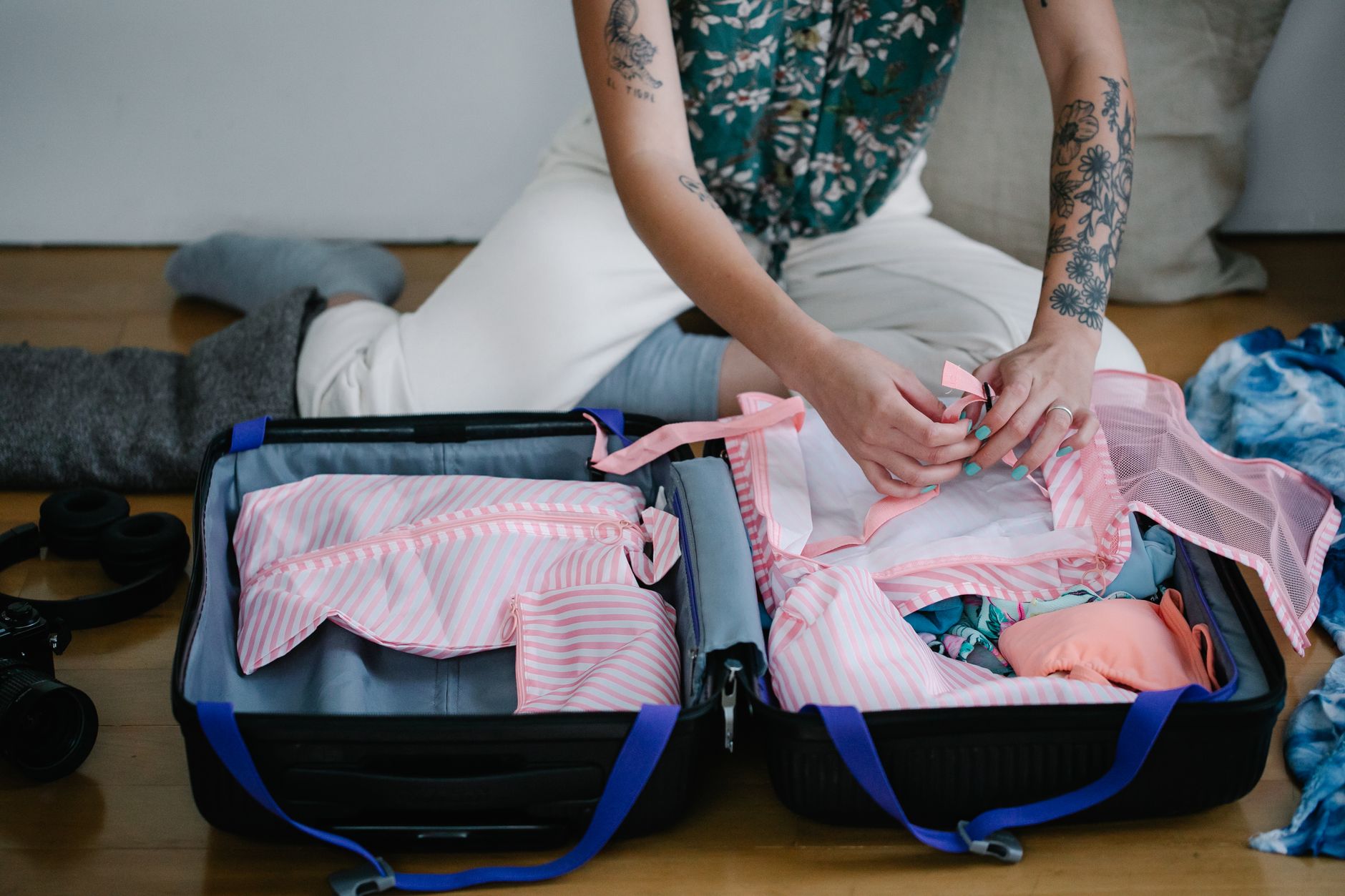
What should a partner pack in their hospital bag for a C‑section?
A C‑section adds a few unique considerations for the partner. While the birthing parent will be in surgery, you’ll likely be waiting in the pre‑op area, then moving to the recovery suite once the incision is closed. Your bag should therefore support a longer wait, extra hygiene needs, and the ability to stay calm for the whole family.
Clothing that works for surgery recovery rooms
- Two comfortable shoes: a pair of slip‑on sneakers for easy bathroom trips and a pair of soft slippers for the recovery area.
- Layered tops: a lightweight long‑sleeve tee and a zip‑up hoodie or sweater; hospitals can be chilly.
- Casual bottoms: stretchy joggers or relaxed jeans that allow quick bathroom access.
- Undergarments: at least two pairs of breathable underwear and a spare pair of socks.
Personal hygiene and comfort
Even if you’re not the one undergoing surgery, you’ll likely be sitting for hours. Pack a travel‑size toothbrush, a small tube of toothpaste, face wipes, and a mini bottle of hand sanitizer. A compact pillow or a small lumbar roll can help keep your back comfortable while you wait.
Documentation for the surgical team
Bring the birthing parent’s insurance card, a copy of the birth plan (if you have one), and any signed consent forms for the C‑section. Having these on hand prevents delays and shows the medical team you’re organized.
Food and hydration for the operating theater
Because you’ll be away from the cafeteria, pack non‑perishable snacks like mixed nuts, protein bars, and a reusable water bottle. Choose items that won’t melt or spoil if the temperature fluctuates.
Overall, a C‑section hospital bag for partner checklist should be compact, easy to carry, and stocked with items that keep you comfortable while you support the birthing parent’s recovery.
Essential items for a partner in the delivery room hospital bag
The delivery room is a high‑energy environment. You’ll be asked to hold a hand, assist with breathing techniques, and possibly help with a breastfeeding latch later on. Your bag should contain the basics that keep you functional and present.
Clothing basics
- One change of casual clothing (t‑shirt, jeans, socks) for after the birth.
- A spare pair of shoes (preferably slip‑on) in case you get wet.
- Lightweight, breathable underwear.
Nutrition and hydration
Pack a large water bottle (at least 1 L) and a selection of easy‑grab snacks: fruit slices, granola bars, and a small bag of trail mix. These keep your blood sugar steady during the long labor.
Personal care items
- Travel‑size deodorant.
- Facial wipes or a small sheet of makeup remover for a quick freshen‑up.
- Hand sanitizer (hospital‑approved).
Comfort and morale boosters
A pair of noise‑cancelling headphones or a single‑earbud can help you focus on calming music or guided breathing apps without disturbing the birthing parent. A small notebook and pen are also handy for jotting down the baby’s first moments or any doctor instructions.
These essential items cover the core needs of any partner who wants to stay present, supportive, and comfortable throughout the delivery.
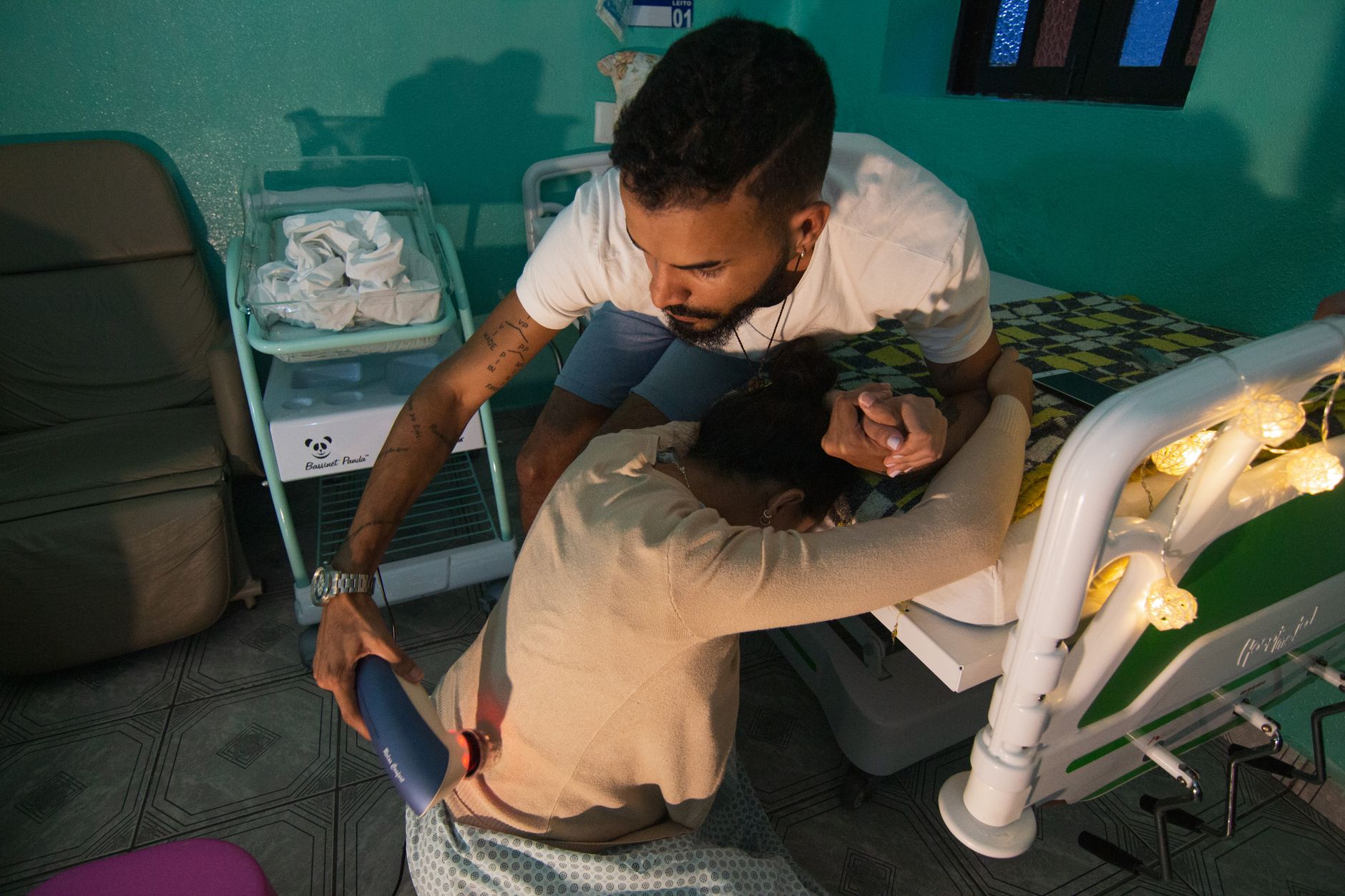
Hospital bag checklist for partner during labor and delivery
Labor can last anywhere from a few hours to more than a day. A comprehensive hospital bag checklist for partner during labor and delivery helps you stay prepared for any length of stay.
Clothing for a multi‑day stay
- Two sets of casual clothes (t‑shirt + stretchy pants each).
- One pair of supportive shoes and a pair of slippers.
- Extra socks and underwear (at least three pairs each).
- A lightweight, zip‑up jacket.
Food and hydration strategy
Plan for at least 24 hours of snacks: two protein bars, a small container of hummus with pretzel sticks, an apple, a banana, and a bag of dried fruit. Keep a refillable water bottle, and consider a low‑caffeine tea bag for a calming sip.
Personal care kit
- Travel‑size toothbrush and toothpaste.
- Facial cleansing wipes.
- Mini deodorant.
- Hand lotion (hospitals can be drying).
Entertainment and relaxation
Bring a fully charged smartphone, a pair of earbuds, and a short playlist of soothing songs. If you prefer reading, a paperback or an e‑reader loaded with a few favorite titles works well.
Tech and charging needs
Pack a portable power bank (10,000 mAh or higher) and the appropriate chargers for your phone, tablet, and any other device. A small USB‑C to USB‑C cable can double‑check compatibility.
Paperwork and documentation
- Insurance cards for both partners.
- Copy of the birth plan.
- Any pre‑approved consent forms for interventions.
- List of emergency contacts.
With this checklist you’ll have everything you need to stay nourished, comfortable, and ready to help the birthing parent through each contraction.
Best snacks and drinks for a partner in the hospital delivery room
When labor stretches into the night, you’ll need snacks that are easy to eat, provide steady energy, and don’t require refrigeration. Below is a quick‑reference table that compares popular options.
For drinks, aim for a mix of hydration and gentle caffeine. A 1‑liter water bottle, a small bottle of coconut water, and a single tea bag (green or chamomile) are all hospital‑friendly. Avoid sugary sodas and large coffee cups that can spike and crash your energy.
Comfort items for a partner to bring to the maternity ward
Comfort isn’t just a luxury; it helps you stay calm, which in turn supports the birthing parent. Below are the top items partners often find most soothing.
Physical comfort
- Memory foam travel pillow or a compact lumbar roll.
- Soft, breathable blanket (a small fleece works well).
- Compression socks—especially if you’ll be on your feet for hours.
Emotional comfort
Noise‑cancelling headphones paired with a calming playlist or a guided‑meditation app can drown out the constant beeping of monitors. A short “positive affirmation” card (e.g., “You are strong. You are doing great.”) can be a quick morale boost.
Practical comfort
A small, zip‑up pouch for dirty clothes keeps your bag organized, while a reusable silicone bottle for hand sanitizer prevents spills.
What documents and paperwork should a partner bring to the hospital?
Administrative details often get overlooked amid the excitement, yet missing a form can cause delays in insurance billing or newborn registration. Here’s the definitive list.
Insurance and identification
- Primary insurance card (both partners, if different).
- Government ID (driver’s license or passport) for verification.
- Secondary insurance card, if applicable.
Birth plan and medical orders
If you’ve created a birth plan, bring a printed copy and any signed consent forms for pain management, epidural, or C‑section. For high‑risk pregnancies, include any specialist letters or recent lab results.
Newborn paperwork
- Social Security Number (SSN) application (if you plan to apply at the hospital).
- List of baby’s proposed name(s) for the registration form.
- Vaccination consent forms (some hospitals handle this on the spot).
Write down phone numbers for your pediatrician, a trusted family member, and a backup support person. Keep this list in an easy‑to‑find pocket of your bag.
How to organize a partner's hospital bag for a newborn stay
After the baby arrives, the partner’s role often shifts to caregiver, photographer, and occasional nurse. Organizing the bag ahead of time reduces the chaos of the first 24 hours.
Use a modular packing system
Choose a duffel with internal zippered compartments or add small packing cubes. Assign each cube a category: “Clothing,” “Food,” “Tech,” and “Comfort.” This way you can grab the whole “Clothing” cube without digging through snacks.
Label each compartment
Simple self‑adhesive labels (“Snacks,” “Docs”) not only speed up retrieval but also remind you to restock any empty sections before the next shift.
Prioritize “grab‑and‑go” items
Place your water bottle, phone, and charger at the top of the bag. Keep your notebook and a pen in an outer pocket for quick note‑taking when the baby’s first cry happens.
Plan for a 48‑hour stay
Even if the hospital says most stays are 24 hours, a partner often stays an extra night to help with feeding and diaper changes. Pack two full clothing sets, an extra pair of socks, and an additional snack pack.
Budget‑friendly items for a partner's hospital bag checklist
Preparing a hospital bag doesn’t have to break the bank. Below are cost‑effective alternatives that still meet the “hospital bag for partner checklist” standards.
Clothing
- Buy a multipack of athletic socks on sale (often $5 for 6 pairs).
- Choose a basic hoodie from a discount retailer; the key is warmth, not brand.
- Reusable silicone shoe covers can replace expensive slippers.
Food and hydration
Store‑brand granola bars, bulk‑buy mixed nuts, and a reusable stainless‑steel water bottle keep costs low while providing the same nutrition as premium options.
Tech and charging
A $15 10,000 mAh power bank is sufficient for a 24‑hour stay. You can also repurpose an old phone charger instead of buying a new one.
Comfort items
A small, inexpensive eye mask and a pair of inexpensive earplugs can replace pricier sleep kits. A hand‑wrapped scarf can double as a blanket and a fashion accessory.
Even on a tight budget, the core of the hospital bag for partner checklist—clothing, snacks, documentation, and a few comfort tools—remains the same.

Myth vs. fact
Myth: Partners need to bring a full suitcase to the hospital.
Fact: A well‑planned hospital bag for partner checklist fits in a single duffel or tote; two clothing changes and a few snacks are sufficient for most stays.
Myth: You must bring gourmet meals to stay energized.
Fact: Simple, protein‑rich snacks and water keep blood sugar stable; hospital cafeterias often have healthy options if you prefer a hot meal.
Myth: All tech gadgets are prohibited in the delivery room.
Fact: Most hospitals allow phones, tablets, and headphones; just keep volume low and respect staff requests for silence.
Key takeaways
- Pack versatile, comfortable clothing—two sets, supportive shoes, and a light jacket.
- Include a mix of protein‑rich snacks, fruit, and a large water bottle for sustained energy.
- Bring essential documents: insurance cards, birth plan, and newborn paperwork.
- Add comfort items like a travel pillow, headphones, and an eye mask to stay calm.
- Organize with packing cubes or zippered compartments for quick access.
- Budget‑friendly alternatives (store‑brand snacks, discount clothing) work just as well.
Frequently asked questions
What should my partner bring to the hospital for labor?
Focus on comfortable clothing (two changes), a water bottle, easy‑grab snacks, personal hygiene items, a phone with charger, and any required paperwork. A small pillow and headphones add extra comfort.
How many days of clothes does a partner need for a hospital stay?
For a typical 24‑hour birth, two full outfits (morning and evening) plus an extra pair of socks and underwear are enough. If you expect an overnight stay, add a third outfit.
Do partners need to bring snacks to the delivery room?
Yes. Labor can last many hours, and hospital cafeterias may have limited hours. Pack protein bars, nuts, fruit, and a refillable water bottle to stay nourished.
Is it necessary for a partner to bring a phone charger to the hospital?
Absolutely. A charged phone is essential for communication, accessing hospital apps, and capturing the newborn’s first moments. A portable power bank is a reliable backup.
What paperwork should my partner have ready for the birth?
Insurance cards, a printed copy of the birth plan, any signed consent forms, and a list of emergency contacts. For the baby, have the SSN application and name list handy.
Can partners bring personal items into the maternity ward?
Most hospitals allow personal items like a small pillow, a blanket, headphones, and a tote‑size bag. Check your facility’s visitor policy for any size restrictions.
What comfort items are most helpful for a partner during a C‑section?
A slip‑on pair of shoes, a lightweight hoodie, a travel pillow, and a portable charger are top picks. Snacks and a water bottle keep you energized while you wait.
When to see a doctor or specialist
If you notice any of the following red‑flag signs, it’s time to call your health care provider:
- Severe dehydration (dark urine, dizziness) despite drinking water.
- Persistent high fever (above 100.4 °F/38 °C) that doesn’t improve with antipyretics.
- Uncontrolled anxiety or panic attacks that interfere with supporting the birthing parent.
- Any unexpected medical condition (e.g., sudden chest pain, shortness of breath) that could affect your ability to stay present.
In most cases, a partner’s concerns about packing can be discussed with the OB‑GYN office or a hospital’s patient services team. They can confirm any hospital‑specific restrictions and ensure you have the right paperwork.
References
- American College of Obstetricians and Gynecologists (ACOG). “Labor and Delivery: Patient Resources.” 2024.
- National Institutes of Health (NIH). “Nutrition During Pregnancy and Postpartum.” 2023.
- Centers for Disease Control and Prevention (CDC). “Hospital Guidelines for Support Persons.” 2022.
- Academy of Nutrition and Dietetics. “Snack Recommendations for Adults in High‑Stress Situations.” 2023.
- World Health Organization (WHO). “Maternal Care Guidelines.” 2024.
- American Hospital Association. “Visitor Policies and Personal Items in Maternity Wards.” 2023.



